Plan it right
Phu Quoc dental tourism mistakes to avoid
Nine mistakes that add cost, days, or poor outcomes to a Phu Quoc dental trip. Written from real case patterns at SmileJet-listed Phu Quoc partner clinics, so you can sidestep each one before you book.
Quick summary
The Phu Quoc dental mistakes patients make most
- Phu Quoc island clinics handle single implants, All-on-4, veneers, crowns, and cosmetic dentistry in-house, but All-on-6 and complex full mouth reconstruction are referred to HCMC partner clinics.
- Most passports receive 30-day visa-free entry under Phu Quoc's Special Economic Zone rules, which is comfortably longer than the 12 to 14 days a typical implant trip needs.
- The dry season from November to April is the best window; May to October is the wet season, when beach recovery is less enjoyable but clinic appointments run as scheduled.
- Choosing a clinic on a hotel concierge recommendation alone is one of the most consistent sources of poor-outcome complaints; SmileJet's 18-point audit checks autoclave validation, CBCT imaging, brand certification, and English competency.
- Combining HCMC for the surgical phase with Phu Quoc for resort recovery works well: the domestic flight is about 1 hour and costs A$30 to 80 each way.
- Bringing current X-rays from your home dentist avoids a new OPG (A$75 to 120) or CBCT (A$150 to 200) and prevents a half-day consultation delay.
What to avoid
The nine most common Phu Quoc dental mistakes
Each of these adds cost, days, or risk to a Phu Quoc dental trip. All are avoidable with planning before you fly.
Why it matters
What planning correctly protects
Your budget
Skipping a duplicated OPG or CBCT, and avoiding unplanned domestic flights, keeps the trip on the budget you planned.
Your days
Routing complex cases to HCMC from the start, and matching treatment to trip length, means no wasted consultation days.
Your outcome
A listed clinic, registered warranty, and adequate recovery time before flying protect the clinical result.
Your holiday
Targeting the November to April dry season turns recovery days into a genuine island holiday rather than a rainy wait.
Free consultation
Get routed to the right clinic and city
Tell us your case. We confirm whether Phu Quoc handles it in-house or whether HCMC is the right surgical city, then send a written quote, so none of these mistakes catch you out.
- Free for patients, no platform fees, ever
- Phu Quoc for in-scope cases, HCMC for complex referrals
- Listed clinics only, audited on 18 points
- Written itemised quote within 24 hours
Get your free quote
Free. Matched to listed clinics within 24 hours.
Get free quote Message us on MessengerNo booking fees. No commission added. You pay the clinic directly.
FAQ
Frequently asked questions
Practical answers for patients planning a Phu Quoc dental trip.
Get free quoteCan I get dental implants in Phu Quoc?
How long can I stay in Phu Quoc visa-free?
What is the best time of year to visit Phu Quoc for dental treatment?
Is Phu Quoc safe for dental treatment?
Can I combine Phu Quoc and HCMC in one dental trip?
Start here
Avoid the mistakes. Get a guided quote.
SmileJet coordinates your Phu Quoc dental trip so you sidestep every one of these pitfalls. Free itemised quote within 24 hours, in your home currency.
At a glance
Key facts for planning a Phu Quoc dental trip.
Smile stories from Vietnamese clinics
Real outcomes from SmileJet patients who completed treatment in Vietnam. Each story includes the diagnosis, treatment plan, what they paid, and what they would have paid at home. Browse all smile stories.
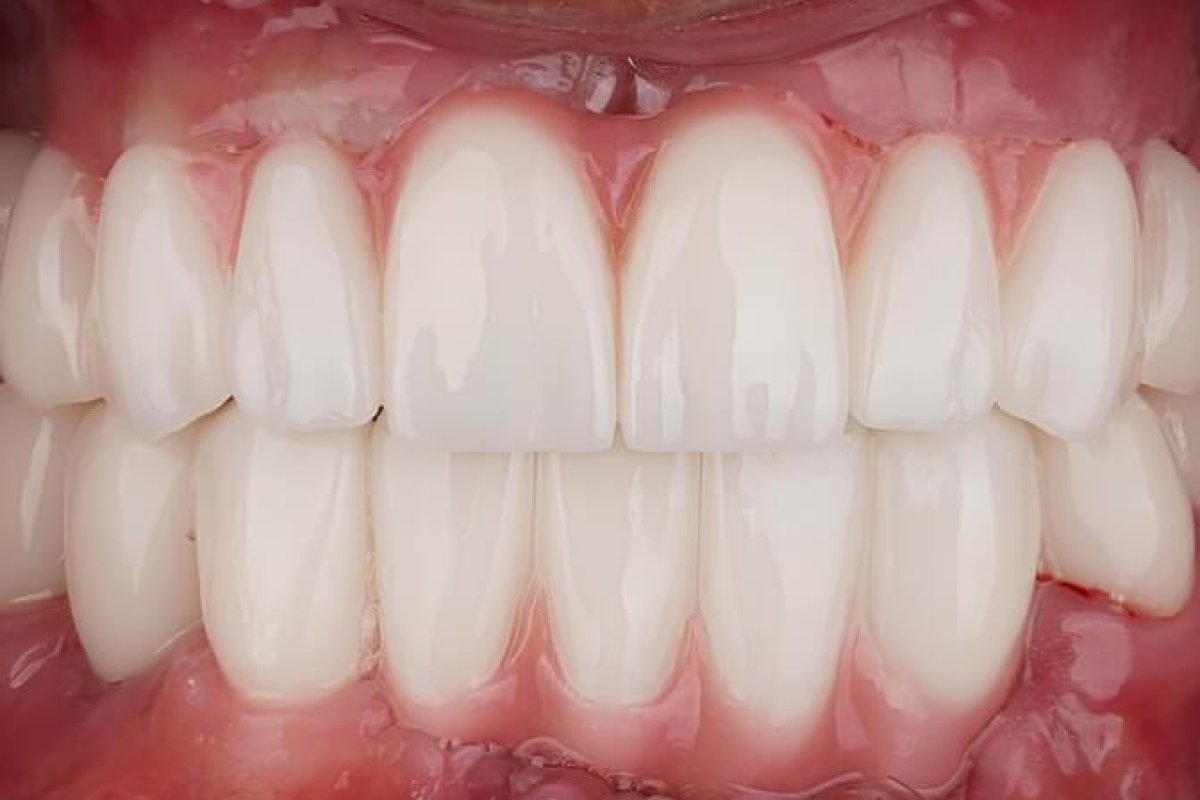 Saved 31%
The Aussie Retiree Who Got His Smile Back
Paid AUD 33,000 vs AUD 48,000 typical
Brisbane retiree Graham replaced ten teeth with implants and zirconia crowns in Hanoi for A$33,000, against an A$48,000 quote: about A$15,000 bette...
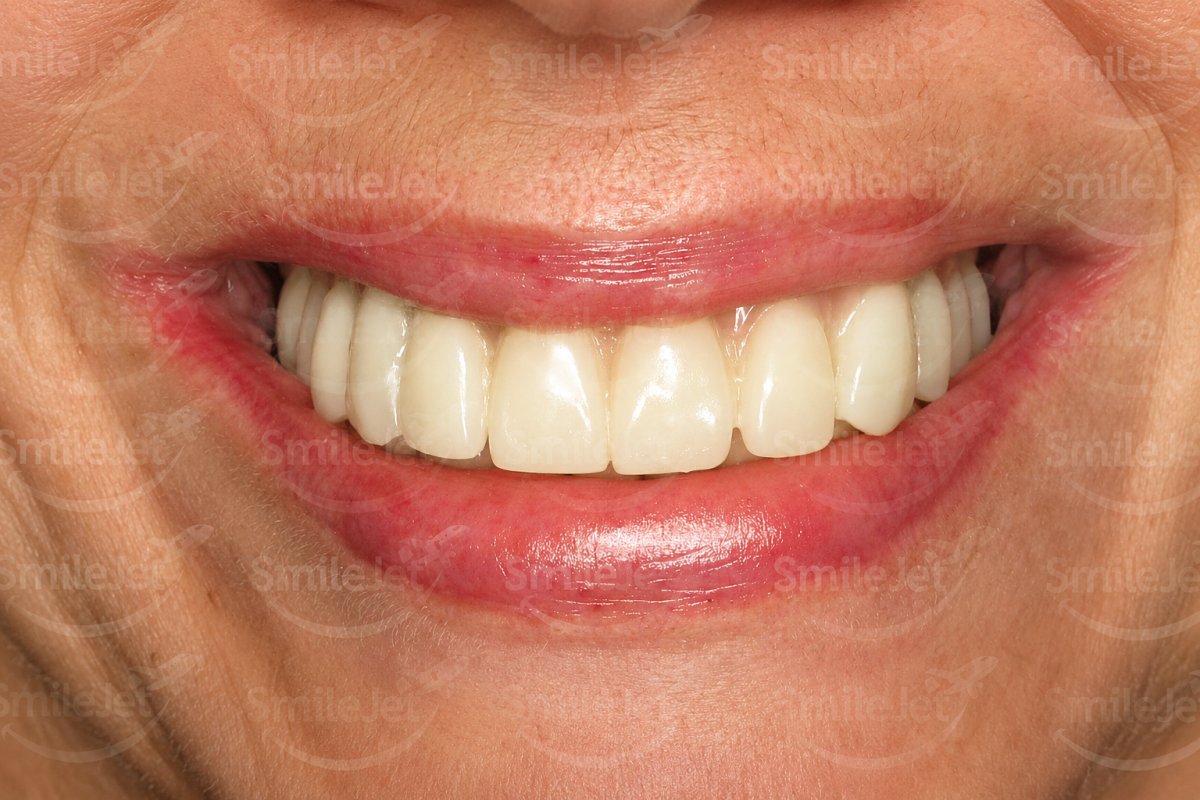 Saved 55%
Ms. Jenkins' All-on-4 in Vietnam: $25K Total vs $55K at Home in Brisbane
Paid AUD 25,000 vs AUD 55,000 typical
Brisbane patient Ms. Jenkins saved nearly $30K on full-arch All-on-4 implants for both jaws in Vietnam after years of gum infections and failing re...
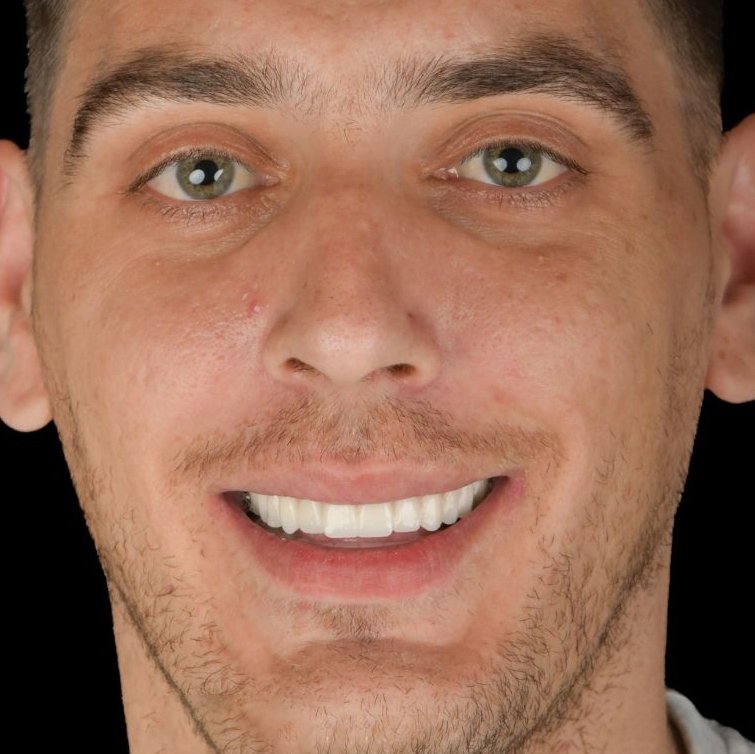 Saved 50%
I Was Done With Dentures. Vietnam Gave Me My Life Back
Paid AUD 22,000 vs AUD 44,000 typical
Dave replaced his failing upper and lower dentures with fixed All-on-4 implants in Hanoi for A$22,000, exactly half the A$44,000 quote in Melbourne.
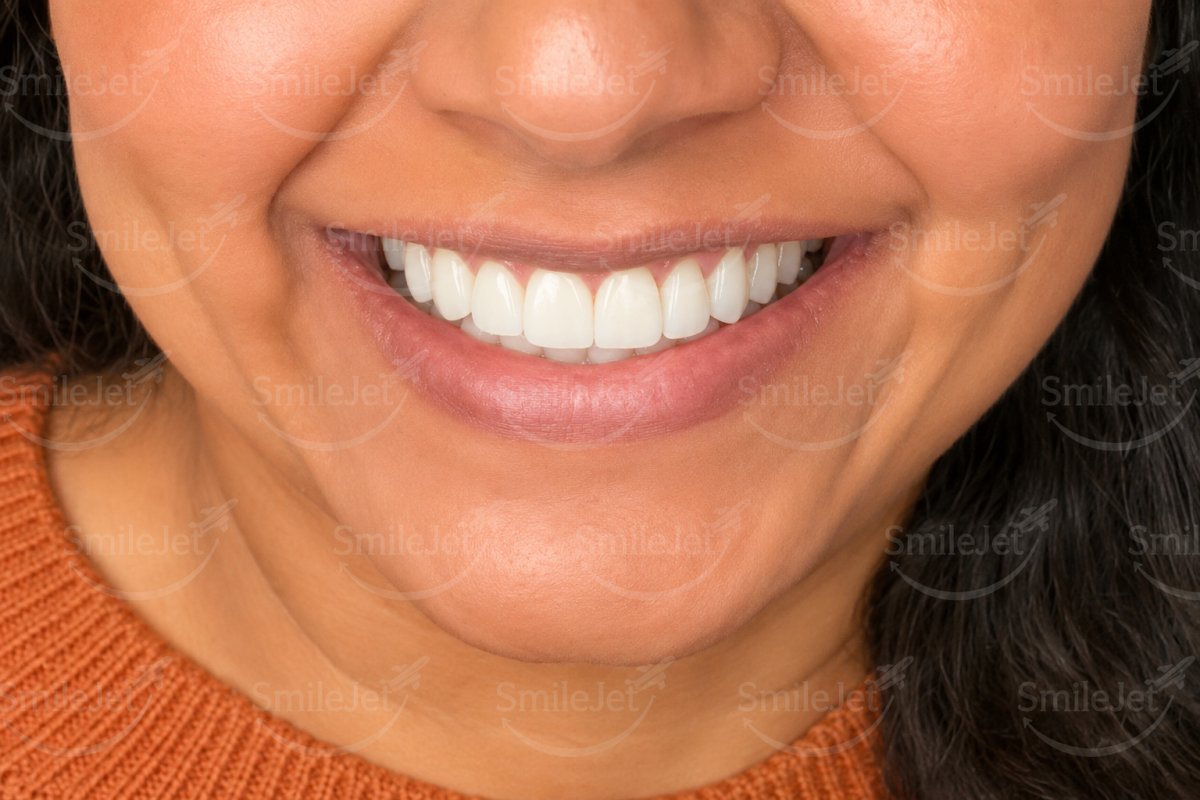 Saved 65%
Neha's Smile Makeover in Hanoi: 20 Veneers for $9K vs $26K in Sydney
Paid AUD 9,000 vs AUD 26,000 typical
Neha Iyer from Sydney saved $17,000 on 20 porcelain veneers in Hanoi, Vietnam. 7-day trip with Halong Bay and Ninh Binh.
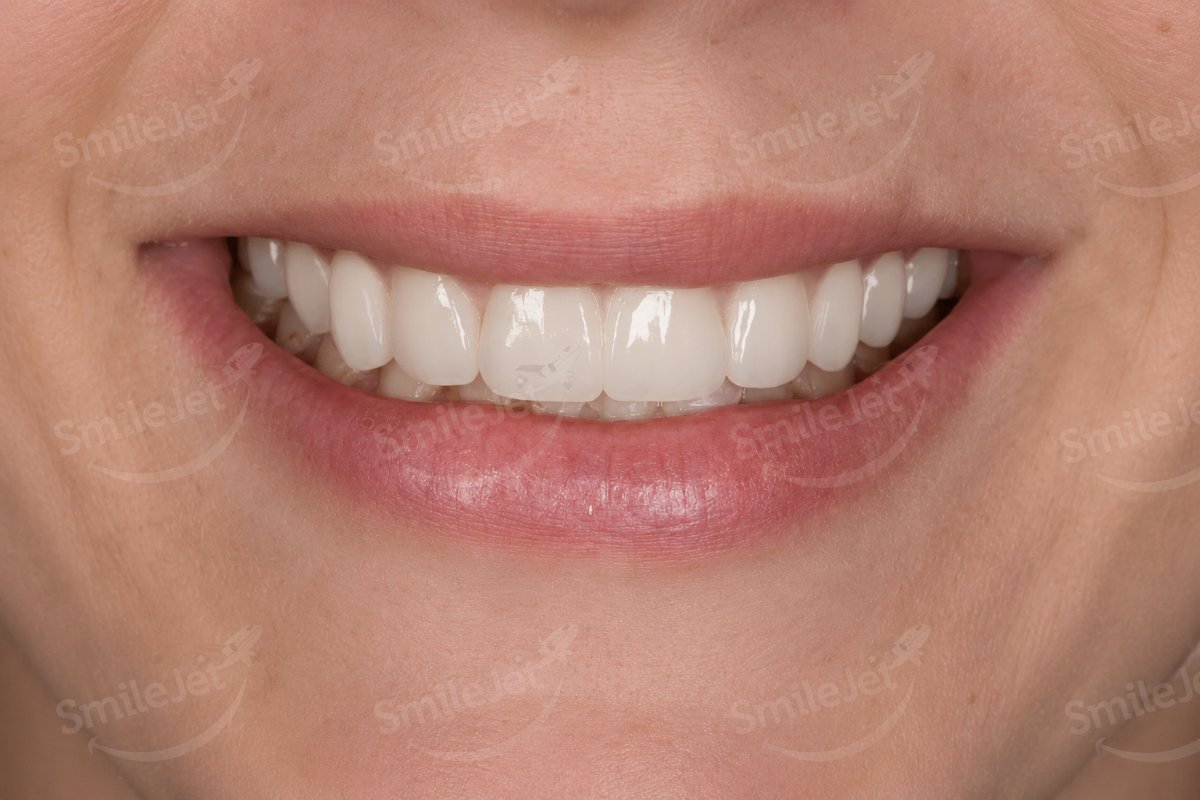 Saved 73%
Ms. Chen's Smile Makeover in Da Nang: 20 Veneers and Crowns for $8K vs $30K...
Paid AUD 8,000 vs AUD 30,000 typical
Melbourne patient Ms. Chen flew to Da Nang for a full smile makeover. 20 crowns and veneers, completed in under 10 days, for $8,000 AUD vs a $30,00...
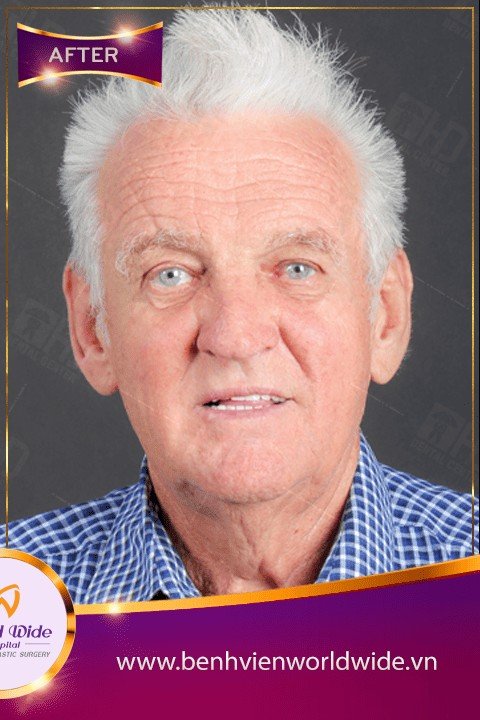 Saved 69%
All-on-4 Full-Arch Restoration at Worldwide Hospital for an Australian Patient
Paid US$6,800 vs US$22,000 typical
An Australian patient restored her full arch with All-on-4 implants at Worldwide Hospital HCMC for USD 6,800, saving over AUD 30,000 vs home.
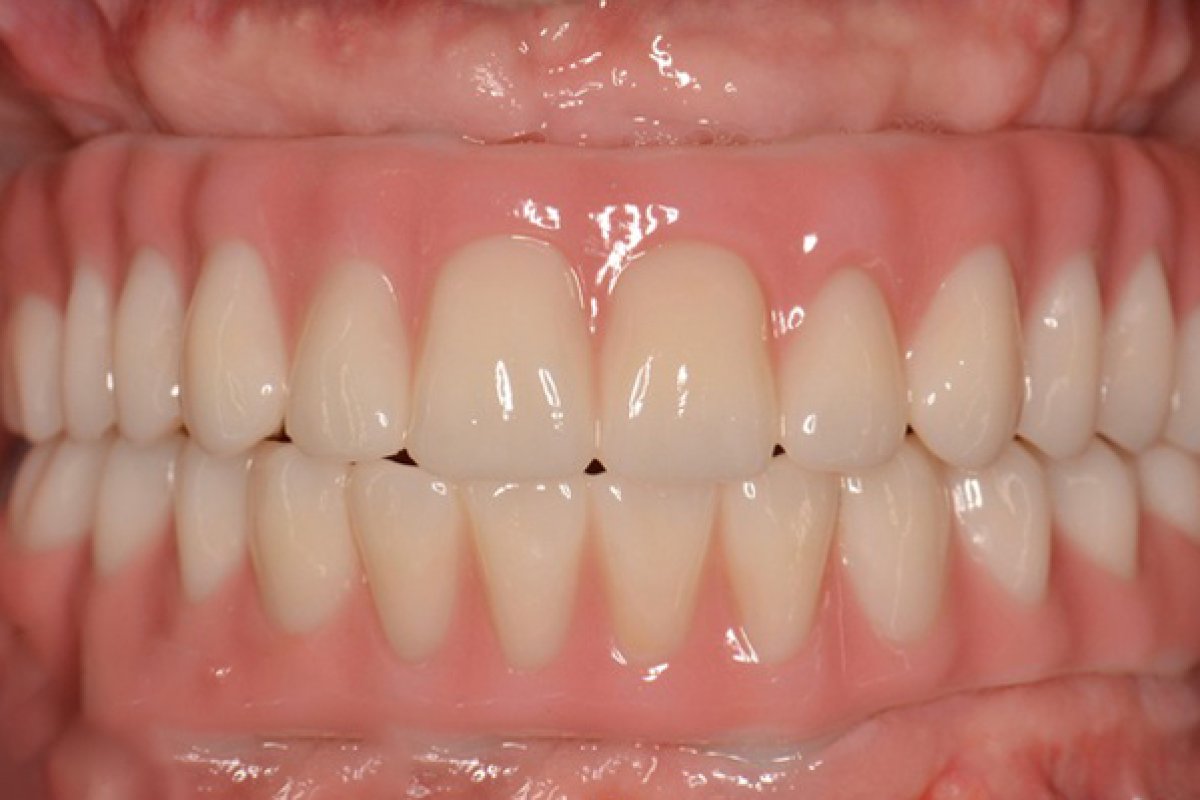 Saved 53%
How an Auckland Patient Saved NZ$36,760 on All-on-6 Implants in Vietnam
Paid NZD 33,240 vs NZD 70,000 typical
An Auckland patient saved NZ$36,760 on All-on-6 full-arch implants in Hanoi (NZ$33,240) versus an Auckland quote of NZ$70,000.
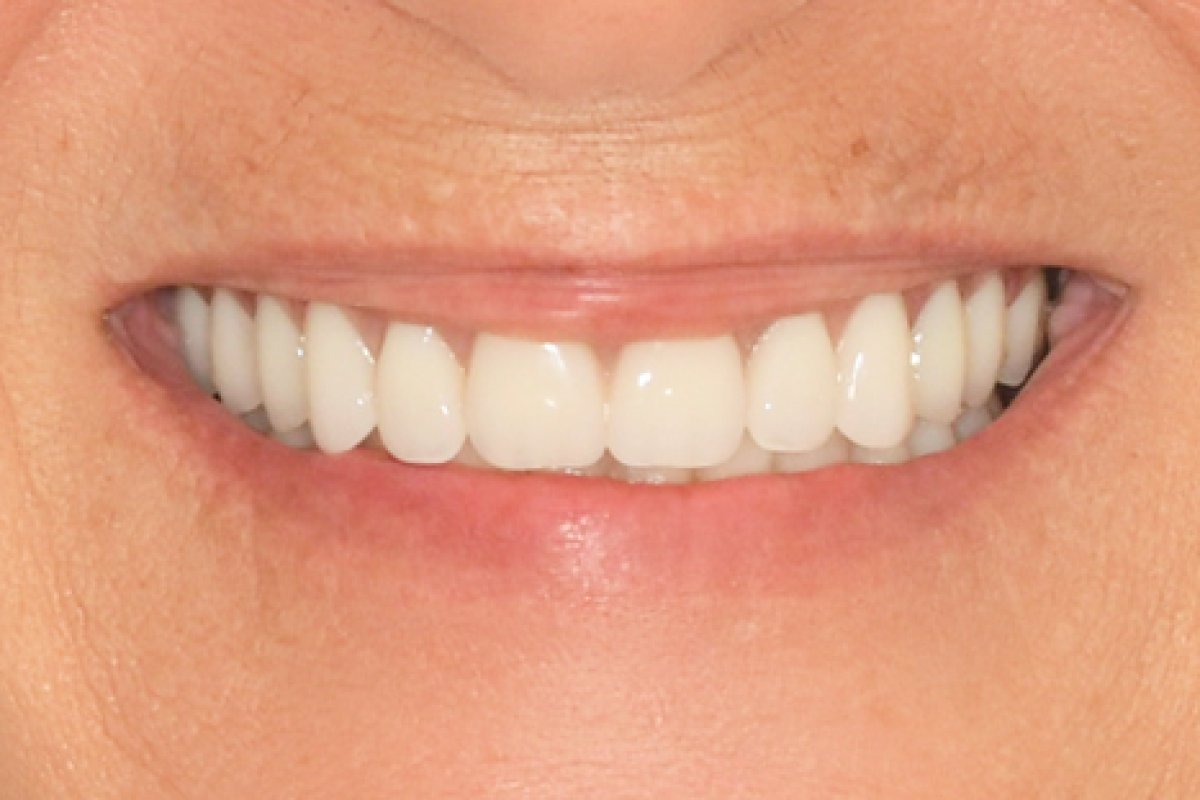 Saved 62%
All-on-4 in Vietnam: A Scottsdale Retiree's Full-Mouth Implant Story
Paid US$20,900 vs US$55,000 typical
Arizona retiree Linda completed All-on-4 full-mouth implants in Hanoi for US$20,900 across two trips, against a US$55,000 quote at home.
 Saved 63%
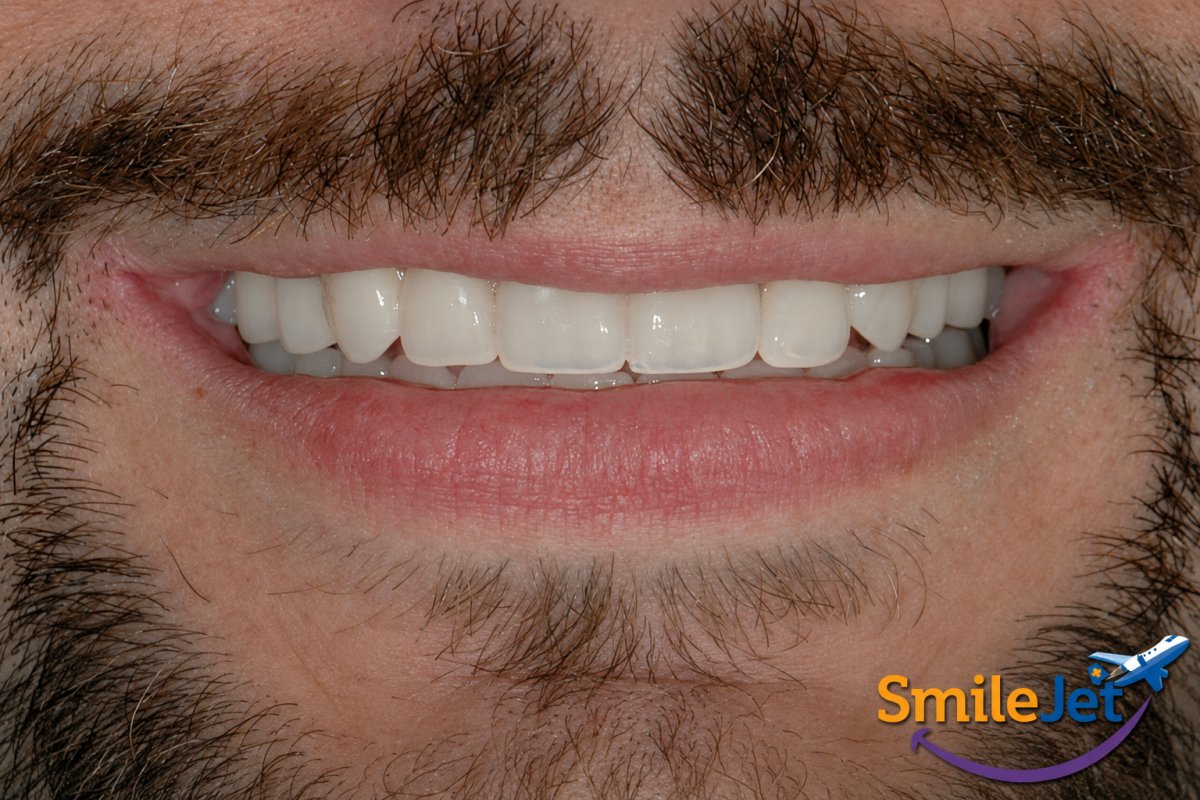
Jason's All-on-4 in Vietnam: $22K All-In vs a $60K+ Quote at Home
Paid AUD 22,000 vs AUD 60,000 typical
Jason flew from Australia to Ho Chi Minh City for full-arch All-on-4 implants. Total all-in spend: $22,000 AUD, against a home quote of $60,000+ AUD.
Two Years in the Making: A Total Transformation of Body and Soul
Dental implants completed across multiple trips to Worldwide Hospital in Vietnam, with concurrent cosmetic procedures all under one roof.
Explore
More on dental treatment in Phu Quoc.
Costs, treatments and trip planning, all for Phu Quoc.