Teeth whitening cost in Vietnam
In-chair and take-home whitening prices across the five SmileJet Vietnamese cities, with a Sydney cost comparison and trip-cost breakdown.
Professional teeth whitening in Vietnam costs US$98 to US$175 (A$150 to A$268) for a single in-chair session using Zoom or BeyondPolus technology, compared to A$600 to A$1,200 at a Sydney dental practice for an equivalent session. Take-home kits with custom trays and professional-grade gel cost US$65 to US$120 (A$99 to A$184) across all five SmileJet cities. Most patients add whitening to an existing implant, veneer, or crown trip rather than travelling solely for the procedure: the combined saving on major work makes the whitening cost negligible by comparison.
In-chair and take-home prices by city
In-chair sessions use Zoom or BeyondPolus technology; the brand used varies by clinic. Take-home kit prices are consistent across all five cities.
| City | In-chair (US$) | In-chair (A$) | Take-home kit (US$) |
|---|---|---|---|
| Hanoi | $110 – 150 | A$168 – 230 | $65 – $120 |
| Ho Chi Minh City | $120 – 160 | A$184 – 245 | $65 – $120 |
| Da Nang | $98 – 140 | A$150 – 214 | $65 – $120 |
| Hoi An | $110 – 140 | A$168 – 214 | $65 – $120 |
| Phu Quoc | $130 – 175 | A$199 – 268 | $65 – $120 |
| Take-home kit prices are consistent across all five cities. In-chair sessions use Zoom or BeyondPolus technology; the brand used varies by clinic. Currency conversion: 1 USD = 1.53 AUD. | |||
What is included in the quoted whitening price
Pre-whitening shade assessment
Gum and soft tissue protection (rubber dam or gel shield)
In-chair whitening session (3 x 15-minute rounds for Zoom)
Post-whitening sensitivity guidance
Written shade result record
What whitening adds to a Vietnam dental trip
Whitening is most cost-effective when added to an existing dental trip for implants, veneers, or crowns. For patients travelling solely for whitening:
- A single appointment takes 60 to 90 minutes: no overnight stay is required.
- Most patients schedule the session on a day already in-country for another procedure, adding no extra travel days.
- If combining whitening with a veneer or crown fitting, the same city and clinic handles both treatments in sequence.
- E-visa fee (if not yet in-country): A$38.
Standalone whitening trips from Australia are unusual; the procedure is almost always added to a major restorative trip where savings on the primary treatment already cover the cost of flights many times over.
What whitening can and cannot do
Natural enamel only
Peroxide-based whitening works exclusively on natural tooth enamel. Crowns, veneers, composite bonding, and implant crowns do not respond to whitening agents. If your smile includes a mix of natural teeth and restorations, discuss shade expectations with your dentist before treatment. In some cases, replacing older restorations to match newly whitened natural teeth is the most effective approach.
Realistic shade expectations
Most patients achieve 4 to 8 shades improvement on the Vita scale in a single in-chair session. Starting shade matters: heavily stained or tetracycline-affected teeth respond less predictably than standard yellowing. Patients with intrinsic staining (antibiotic-related, fluorosis) may need a follow-up session or a realistic assessment that veneers would deliver a more dramatic and reliable result.
Sensitivity management
Post-whitening sensitivity is the most common side effect, peaking in the first 12 to 24 hours and resolving within 48 hours for most patients. Vietnamese partner clinics apply a desensitising gel before the whitening agent to reduce this. Patients with existing sensitivity are advised to use a desensitising toothpaste (Sensodyne equivalent) for two weeks before the appointment. Avoid very hot or cold food and drink for the first 24 hours.
Long-term maintenance
In-chair results last 12 to 24 months with normal care. The most effective maintenance is reducing coffee, red wine, and tobacco intake and using a take-home top-up kit every 6 to 12 months. A written shade record (pre- and post-treatment Vita scale reading) is provided by all SmileJet partner clinics so your home dentist has a reference for future comparisons.
Whitening in Vietnam, practical questions answered
These are the questions that come up most frequently when patients are considering adding whitening to a Vietnam dental trip.
Which whitening system do Vietnamese clinics use?
Most SmileJet partner clinics offer Philips Zoom WhiteSpeed or BeyondPolus LED-activated in-chair systems, the same two systems used in Australian and UK practices. The technology and gel concentration are identical; the price difference reflects operating costs, not product quality. Take-home kits use professional-grade carbamide peroxide gel (10 to 22%) in custom-fabricated trays, the same approach used globally.
Is whitening safe to do before flying home?
Yes. There is no clinical restriction on flying after professional whitening. Tooth sensitivity, if it occurs, is typically strongest in the first 12 to 24 hours and resolves on its own. Most patients who whiten on Day 1 or 2 of their trip are fully comfortable by the time they fly home. Avoid very hot or cold drinks on the day of treatment.
Should I whiten before or after other treatment?
Always before veneers, crowns, or any ceramic restoration. The lab needs to match the shade of the finished restoration to your target tooth colour: if you whiten after, the natural teeth lighten but the restorations stay the same. For implant patients having a single crown, whitening first allows the lab to shade-match the crown to your whitened natural teeth. Your Vietnamese dentist will plan the sequence at the planning consultation.
How do I maintain results after returning home?
Your Vietnamese clinic will issue a written shade record showing your pre- and post-whitening shade on the Vita scale: keep this for your home dentist. A take-home kit (US$65 to 120) provides top-up gel for use every 6 to 12 months and significantly extends results. Reducing coffee, red wine, and tobacco intake after treatment is the most effective long-term maintenance step.
Teeth whitening Vietnam FAQ
How long does in-chair whitening last?
Is teeth whitening painful?
Can I get whitening at the same time as implants or veneers?
Take-home vs in-chair, which gives better results?
Does whitening work on crowns, veneers, or bonding?
Get a written quote for your own case
Tell us what you need and we will come back with itemised quotes from listed Vietnamese clinics. No forms, no fees, no obligation.
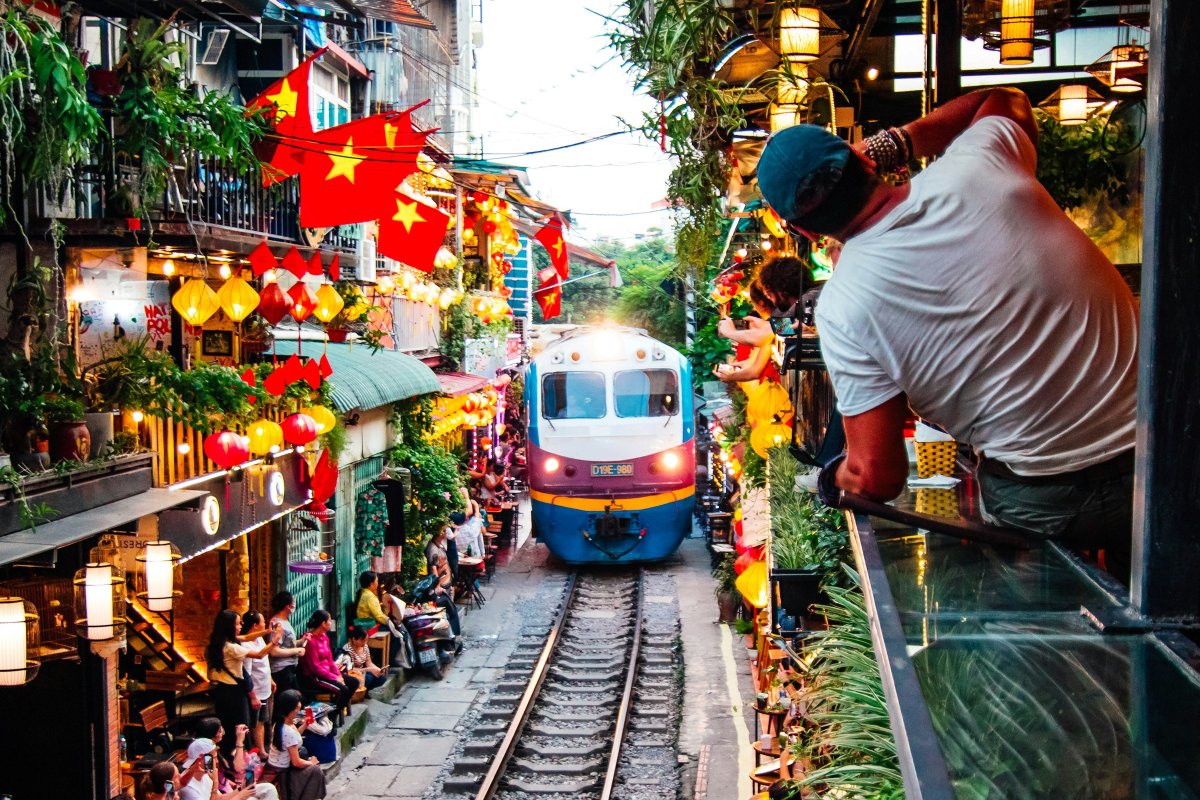
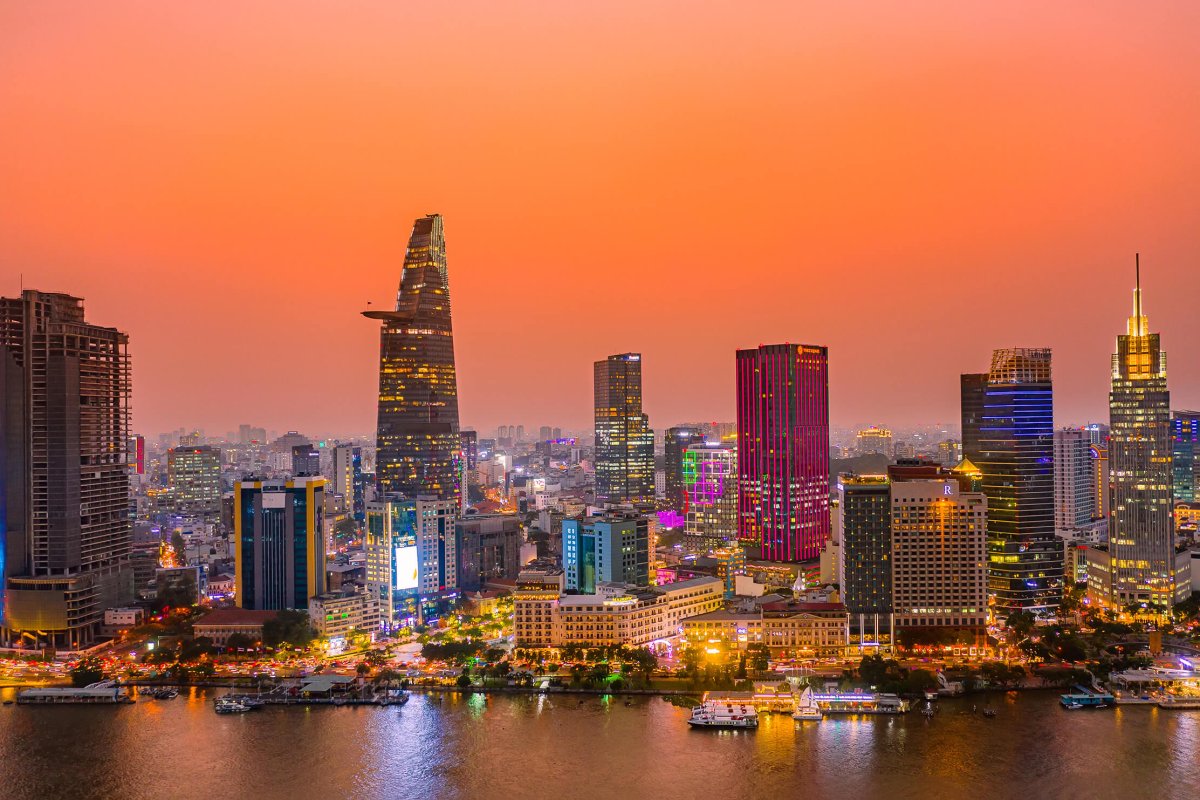
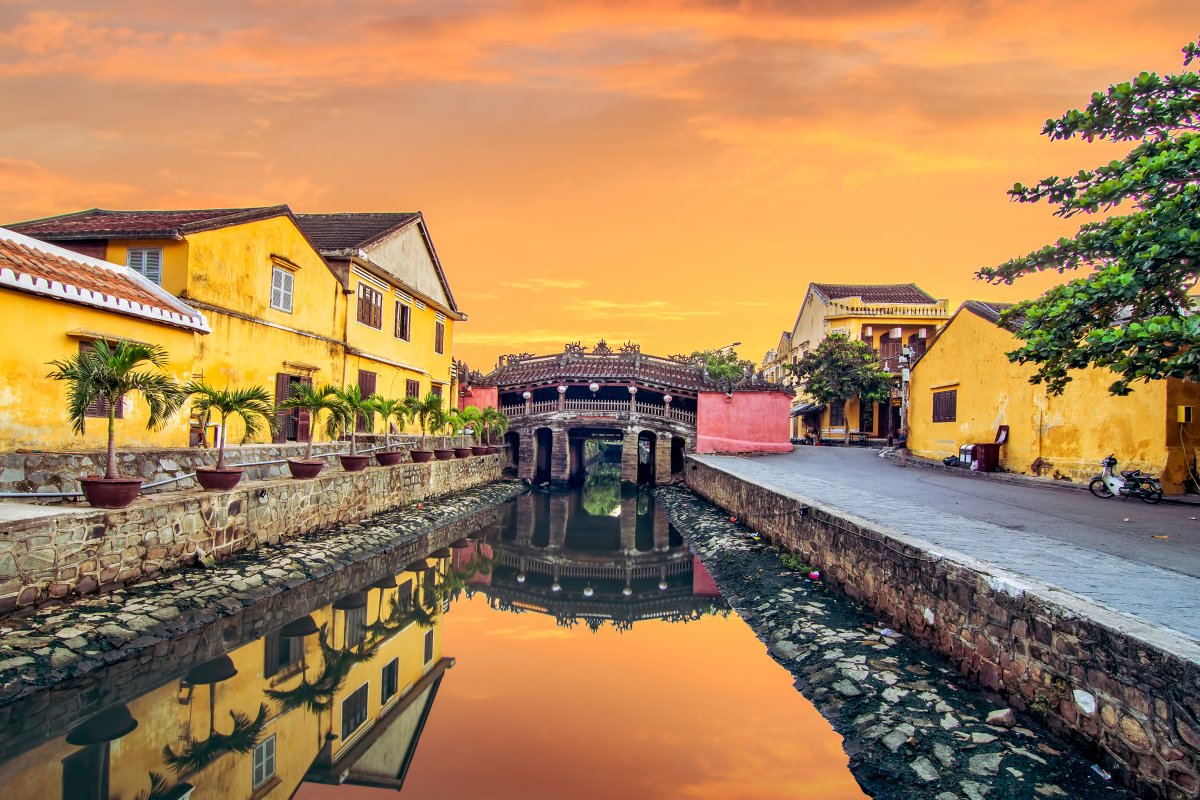
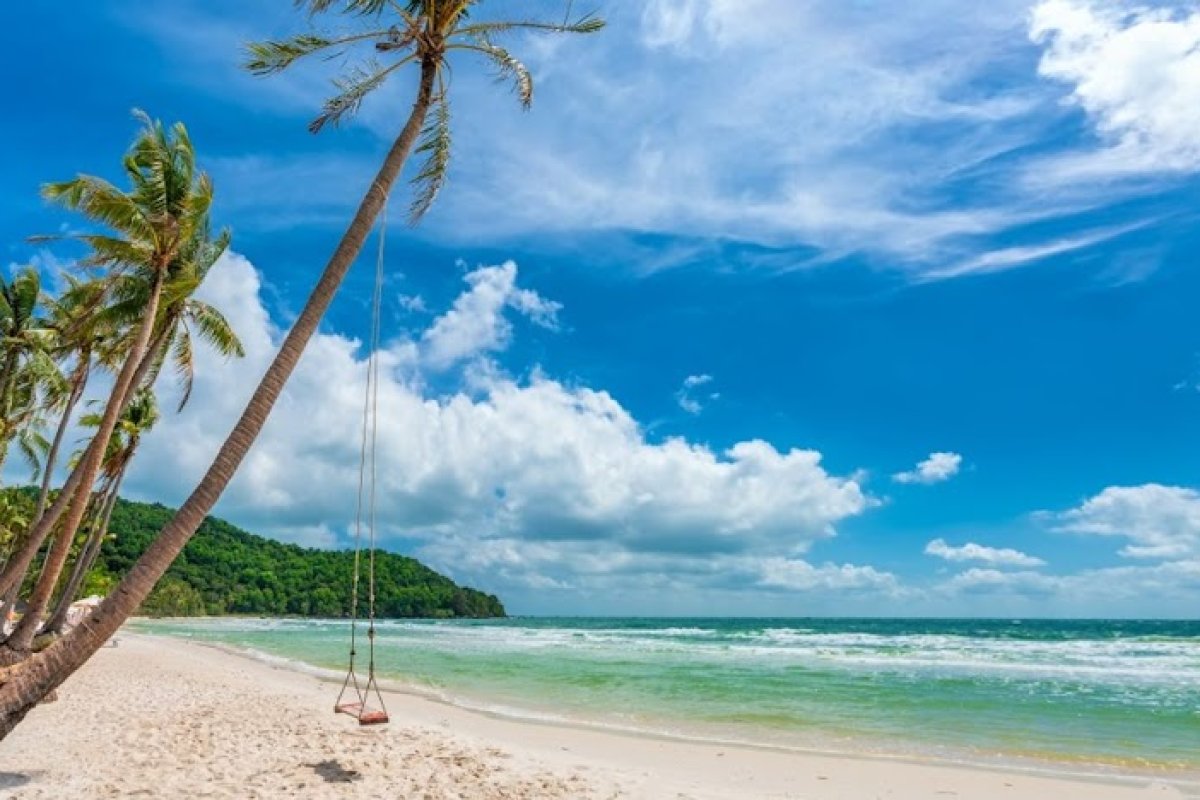
Continue into one of the five SmileJet Vietnamese cities
Every quote, every coordinator, every clinic match happens at the city level.

Explore
More on dental treatment in Vietnam.
Costs, treatments and trip planning, all for Vietnam.