Editorial Guide
Is dental work in Phu Quoc safe?
An honest look at dental safety in Phu Quoc: what the 6 SmileJet-listed clinics do well, where the island network has limits, and which case types are right for the island versus mainland Vietnam. The real question for most patients is not whether Phu Quoc is safe in general, but whether the island is the right match for their specific case.
Quick summary
Dental safety in Phu Quoc: the honest picture
- Phu Quoc is a boutique dental market: 6 SmileJet-listed clinics, smaller than Da Nang's 23 or HCMC's 38, serving an international patient base that skews cosmetic and implant-focused.
- The safety profile at listed clinics is equivalent to mainland Vietnam's best tier for the treatments they specialise in; the real risk is case-type mismatch, not lower standards.
- All 6 clinics meet a non-negotiable baseline: Class B autoclave sterilisation with dated cycle logs, single-use packaged consumables, and documented surface disinfection, plus an extra humidity-management check unique to the island.
- Implant brands: Osstem and Dentium (10-year warranty) across all 6 clinics; Straumann and Nobel Biocare (lifetime clinical warranty) at the top 3.
- Dentists hold a 6-year Vietnamese Bachelor of Dental Surgery (BDS), several with postgraduate training in South Korea, France, and the United States; SmileJet verifies the individual clinician, not just the clinic.
- Veneers, single implants, crowns, root canals, wisdom teeth, and whitening are well within Phu Quoc's scope; extensive bone grafting, sinus lifts, and complex All-on-6 are better coordinated through Da Nang or HCMC.
Clinical strengths
What Phu Quoc clinics do well
The 6 listed Phu Quoc clinics have a high concentration of international cosmetic and implant cases. Because the island draws from an affluent international tourist base, the clinics have invested in the equipment and skills that international patients most request: Digital Smile Design (DSD), in-house ceramic labs for E.max pressing, CBCT scanning, and Straumann/Nobel implant inventory at the top clinics. Case volume in veneers and single implants at the top Phu Quoc clinics is high, comparable to the An Thuong cluster in Da Nang or the Thao Dien cluster in HCMC.
The fundamentals
Sterilisation, brands, credentials and support
The four pillars that determine whether overseas dental work is safe, and exactly how the verified Phu Quoc network meets each one.
Sterilisation standards
SmileJet's audit applies the same baseline as mainland Vietnam: Class B autoclave sterilisation with dated cycle logs, single-use packaged consumables, and documented surface disinfection protocols. These are non-negotiable binary requirements. Clinics that do not meet all three are not listed, regardless of other attributes. All 6 currently listed clinics meet the standard.
Implant brands available
Osstem (South Korea, 10-year warranty) and Dentium (South Korea, 10-year warranty) are stocked as standard across all 6 listed clinics. Straumann (Switzerland, lifetime clinical warranty) and Nobel Biocare (Sweden, lifetime clinical warranty) are available at the top 3 clinics. SmileJet confirms brand availability during matching before any booking is made.
Dentist credentials
Vietnamese dentists complete a 6-year BDS at an accredited university (University of Medicine and Pharmacy HCMC, Hanoi Medical University, Hue University of Medicine). Specialists add a 2 to 3 year programme. Phu Quoc's dentists hold BDS degrees, several with postgraduate training in South Korea, France, and the United States. SmileJet verifies the credential chain for the individual clinician who will treat you.
Post-treatment support
All listed Phu Quoc clinics provide written surgical documentation and 12-month direct clinician contact. If a complication needs in-person care, Phu Quoc International Airport (PQC) connects to HCMC in 50 minutes, from which every major Australian city and Singapore are served. SmileJet's coordination team stays available by email and Messenger throughout the post-treatment period.
Case matching
Case scope, and when to choose the mainland instead
Phu Quoc's listed clinics are well matched to: E.max veneers (any number), composite bonding, smile makeovers, zirconia crowns (2 to 6 teeth), teeth whitening, root canal treatments, wisdom tooth extractions (routine to moderately complex), and single implants. All-on-4 and All-on-6 are performed at the top 2 to 3 Phu Quoc clinics, but the surgical support infrastructure on the island is narrower than Da Nang. Cases involving extensive bone grafting, sinus lifts, or multiple simultaneous implants with immediate loading are better coordinated through Da Nang or HCMC, where the surgical specialist network is deeper.
SmileJet does not match complex bone augmentation cases to Phu Quoc without explicit confirmation that the chosen clinic has the specific surgical depth for that case. If the case is outside the verified scope, SmileJet recommends the appropriate mainland city instead.
Before you book
Practical safety checklist before booking
Confirming these five points in writing before travel eliminates the majority of risk factors associated with overseas dental treatment generally.
Free consultation
Get matched to a listed Phu Quoc clinic
Tell us what treatment you need. SmileJet checks your case against the island's verified scope and matches you to the right clinic, or recommends the mainland if that is the safer fit.
- Every clinic in the Phu Quoc network audited by SmileJet
- Case-type matched to the island's verified clinical scope
- Free itemised quote in your home currency
- Coordination support from first message through aftercare
Get your free quote
Free. Matched within 24 hours.
Get free quote Message us on MessengerNo booking fees. No commission added. You pay the clinic directly.
Oversight & conditions
Licensing, language and the tropical environment
Vietnam MOH oversight and clinic licensing
Vietnamese dental clinics operate under the Ministry of Health (MOH) licensing framework. All clinics must hold a valid operating licence from the Kien Giang Provincial Department of Health (the provincial authority for Phu Quoc island). Licences are renewed annually and require facility inspections covering sterilisation equipment, medication storage, practitioner credentials, and emergency protocols. The MOH licence is not equivalent to JCI (Joint Commission International) accreditation, which no Phu Quoc clinic currently holds, but it is a functioning regulatory framework with annual renewal requirements. SmileJet checks MOH licence currency for all partner clinics during the annual audit cycle, and patients can request the MOH licence number for any partner clinic as part of the pre-booking information package.
JCI accreditation, common at larger hospital-based dental departments in Bangkok and Kuala Lumpur, involves a far more rigorous external audit process and is a meaningful differentiator for patients who require the highest documented standard. For a boutique island market focused on cosmetic and single-implant procedures, the absence of JCI accreditation in Phu Quoc reflects the scale of the clinics rather than a quality gap. The SmileJet 18-point audit is specifically designed to bridge this gap for the procedure types Phu Quoc handles.
Managing the language barrier
All SmileJet-listed Phu Quoc clinics have English-speaking patient coordinators. This is a binary requirement in the verification audit: clinics without consistent English communication at coordinator level are not listed. The coordinator role covers appointment scheduling, treatment plan explanation, consent documentation in English, prescription translation, and post-treatment instruction delivery. The treating clinician's English level varies, but for SmileJet patients all clinical communication during the consultation is documented in writing (treatment plan, consent form, post-op instructions) in English before any procedure begins.
For complex clinical discussions, such as implant brand selection, DSD design preferences, or crown shade matching, having written questions prepared in advance and submitted via the SmileJet pre-booking process ensures the consultation is productive and clinical terms are not lost in translation. Most clinical misunderstandings in dental tourism arise not from language barriers in the chair, but from inadequate pre-treatment written confirmation of what was agreed. SmileJet's documented treatment plan process addresses this systematically for every patient.
Infection control in a tropical environment
Phu Quoc's tropical humidity creates a specific infection control challenge absent at mainland city clinics: higher ambient humidity accelerates bacterial growth on improperly stored instruments and increases the calibration frequency required for steam autoclaves. SmileJet's audit of Phu Quoc clinics includes an additional humidity management check not required for mainland audits. This covers autoclave calibration records (monthly service for island clinics versus quarterly for the mainland in the SmileJet standard), cold sterilisation solution replacement frequency, single-use consumable storage conditions (humidity-controlled packaging required), and air conditioning maintenance logs for treatment rooms (consistent below-24-degree ambient temperature is required for instrument storage compliance). All 6 currently listed clinics meet the enhanced island standard. Patients visiting in the wet season (May to October) should be aware that power outages are more common during this period, and listed clinics carry backup power for sterilisation equipment as a standard requirement.
The honest bottom line
So, is it safe?
Dental work in Phu Quoc is safe when you use a SmileJet-listed clinic and your case type is matched to the island's clinical scope. The risk is not lower clinical standards, it is case-type mismatch: patients booking complex surgical work that exceeds the island network's depth. For veneers, single implants, crowns, root canals, wisdom teeth, and teeth whitening, Phu Quoc's listed clinics are a clinically sound and cost-effective choice for Australian, New Zealand, British, Singaporean, and Canadian patients.
FAQ
Frequently asked questions
Honest answers on safety, sterilisation, brands, credentials, and case matching for Phu Quoc dental care.
Get free quoteIs dental work in Phu Quoc safe?
What sterilisation standards do listed Phu Quoc clinics meet?
Which implant brands are available in Phu Quoc?
Are dentists at Phu Quoc clinics qualified?
Which cases are better treated on mainland Vietnam instead of Phu Quoc?
Start here
Get matched to a listed Phu Quoc clinic
SmileJet has audited every clinic in the Phu Quoc network. Free itemised quote in your home currency, matched within 24 hours. No booking fees, no obligation.
At a glance
Key facts for patients weighing up Phu Quoc dental safety.
Related Phu Quoc guides
Smile stories from Vietnamese clinics
Real outcomes from SmileJet patients who completed treatment in Vietnam. Each story includes the diagnosis, treatment plan, what they paid, and what they would have paid at home. Browse all smile stories.
 Saved 31%
The Aussie Retiree Who Got His Smile Back
Paid AUD 33,000 vs AUD 48,000 typical
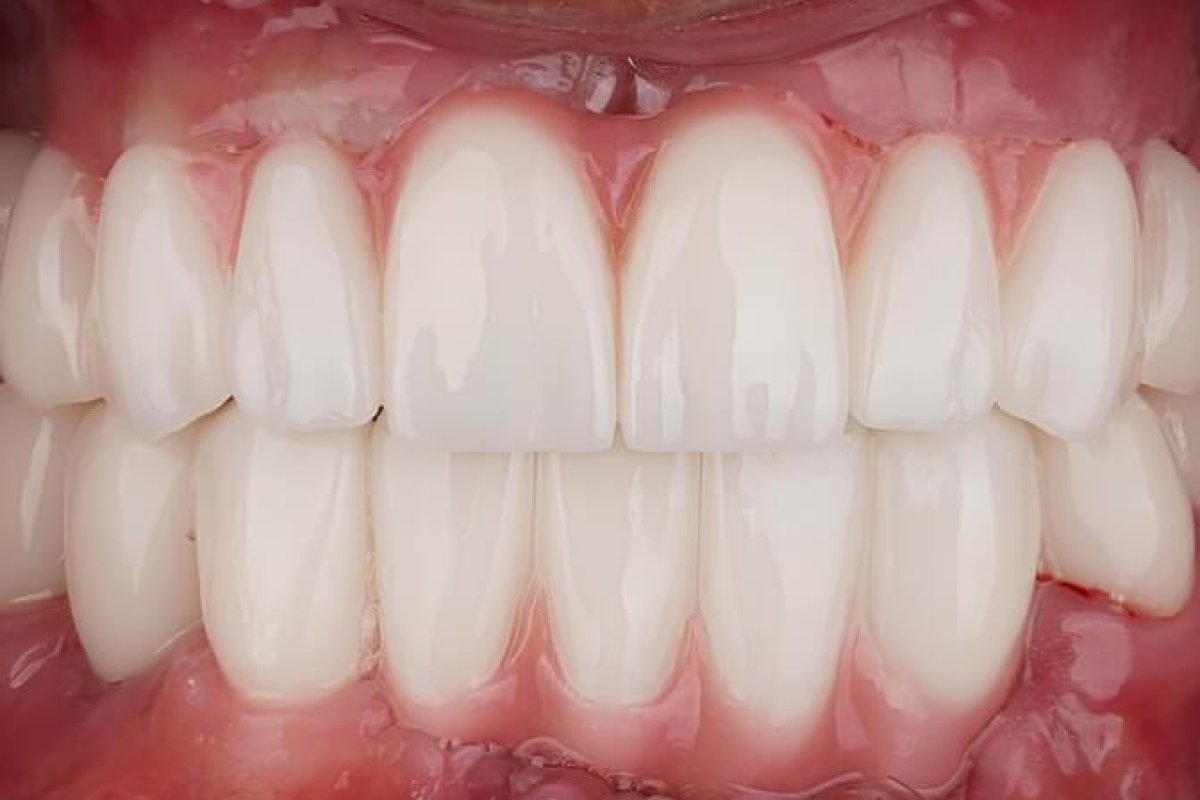
Brisbane retiree Graham replaced ten teeth with implants and zirconia crowns in Hanoi for A$33,000, against an A$48,000 quote: about A$15,000 bette...
 Saved 55%
Ms. Jenkins' All-on-4 in Vietnam: $25K Total vs $55K at Home in Brisbane
Paid AUD 25,000 vs AUD 55,000 typical
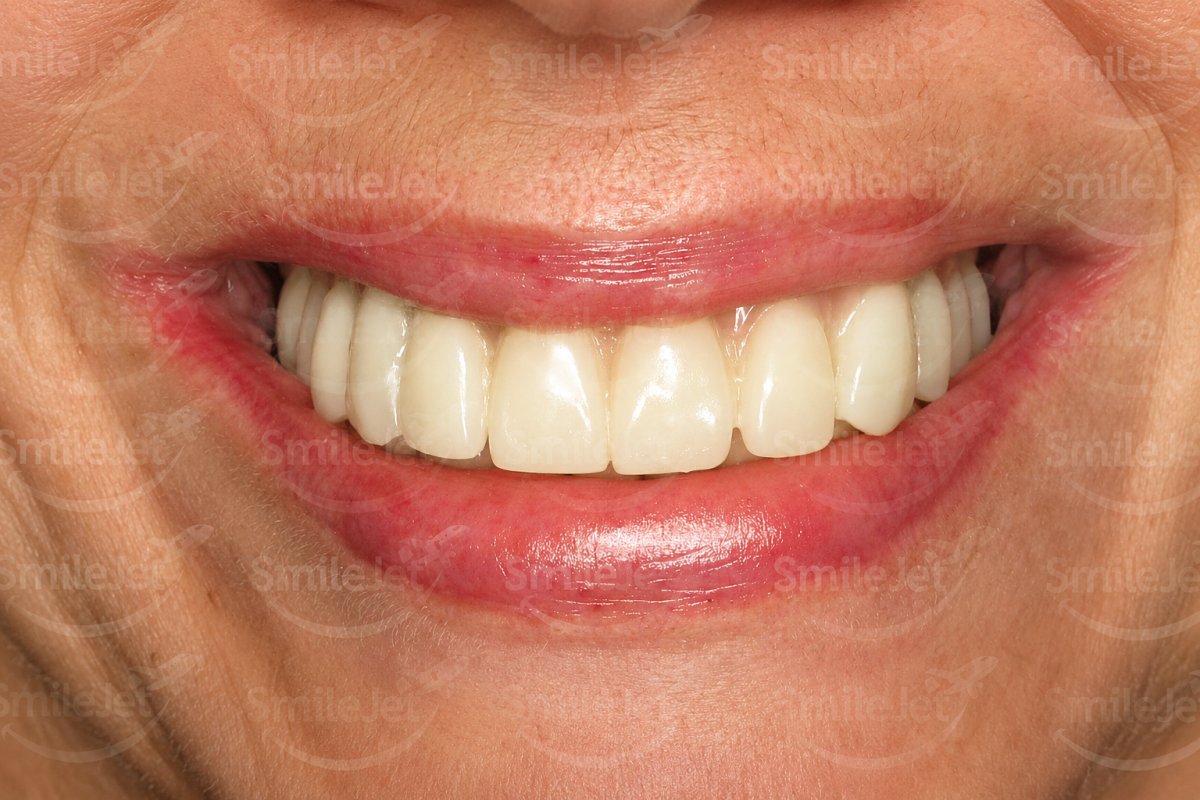
Brisbane patient Ms. Jenkins saved nearly $30K on full-arch All-on-4 implants for both jaws in Vietnam after years of gum infections and failing re...
 Saved 50%
I Was Done With Dentures. Vietnam Gave Me My Life Back
Paid AUD 22,000 vs AUD 44,000 typical
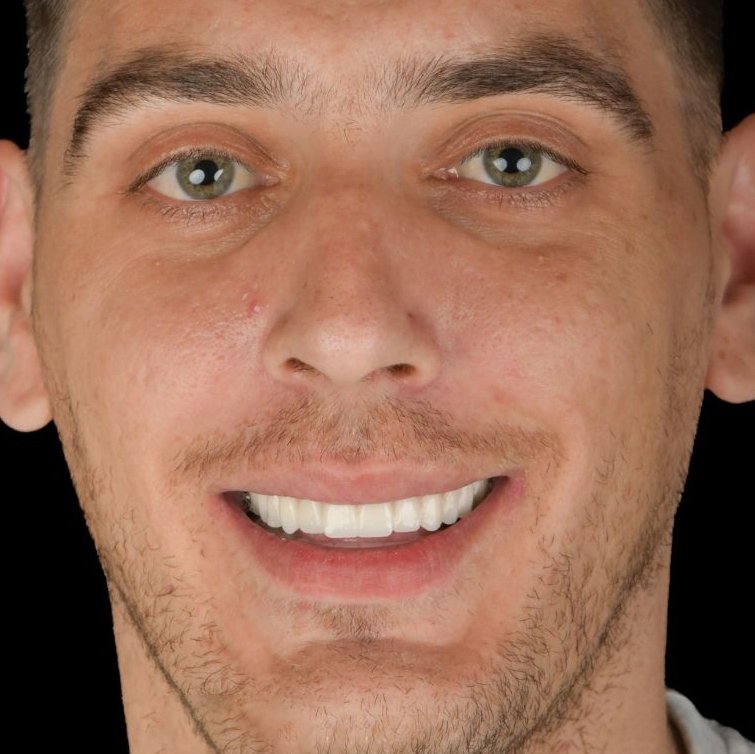
Dave replaced his failing upper and lower dentures with fixed All-on-4 implants in Hanoi for A$22,000, exactly half the A$44,000 quote in Melbourne.
 Saved 65%
Neha's Smile Makeover in Hanoi: 20 Veneers for $9K vs $26K in Sydney
Paid AUD 9,000 vs AUD 26,000 typical
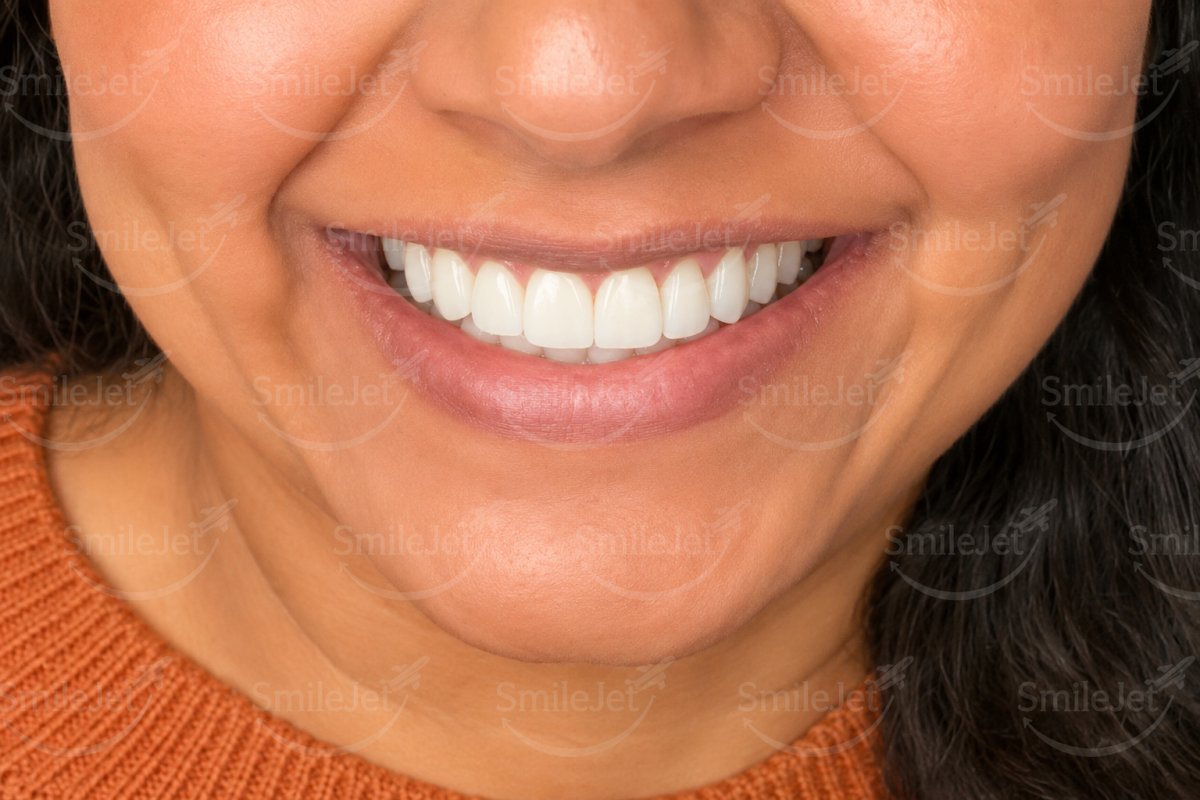
Neha Iyer from Sydney saved $17,000 on 20 porcelain veneers in Hanoi, Vietnam. 7-day trip with Halong Bay and Ninh Binh.
 Saved 73%
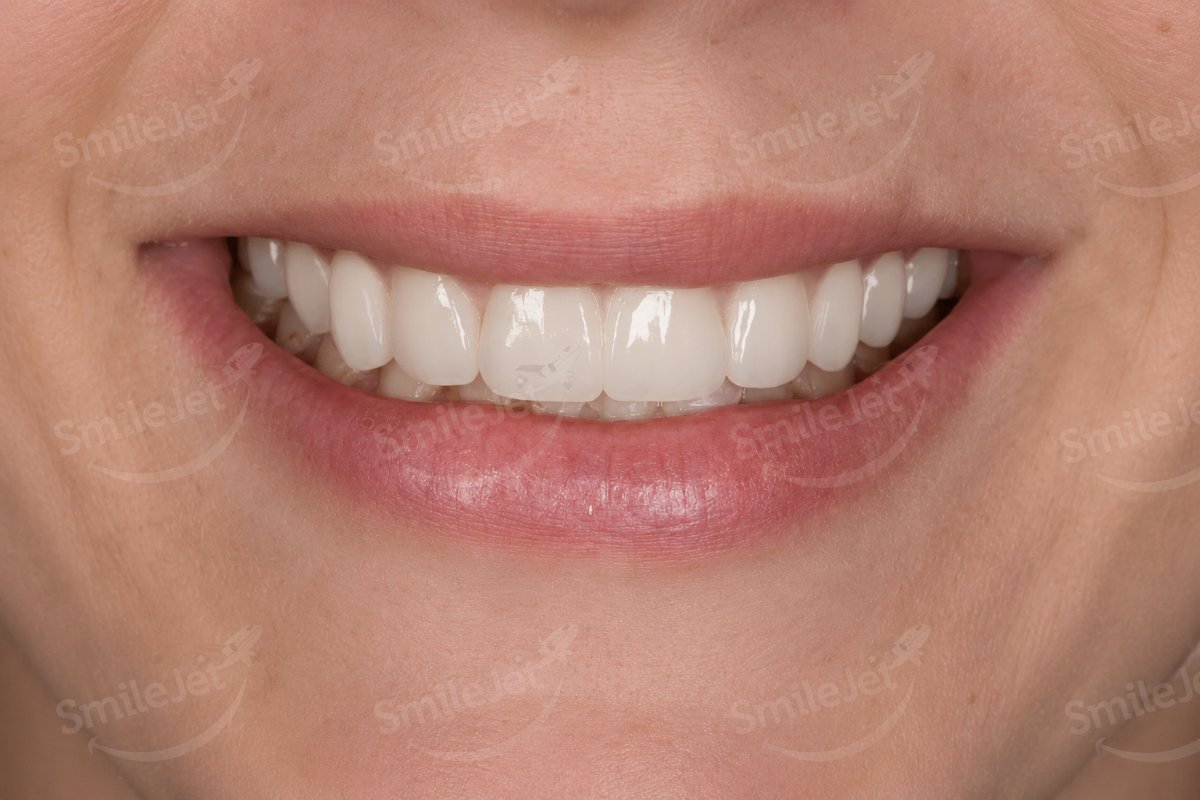
Ms. Chen's Smile Makeover in Da Nang: 20 Veneers and Crowns for $8K vs $30K...
Paid AUD 8,000 vs AUD 30,000 typical
Melbourne patient Ms. Chen flew to Da Nang for a full smile makeover. 20 crowns and veneers, completed in under 10 days, for $8,000 AUD vs a $30,00...
 Saved 69%
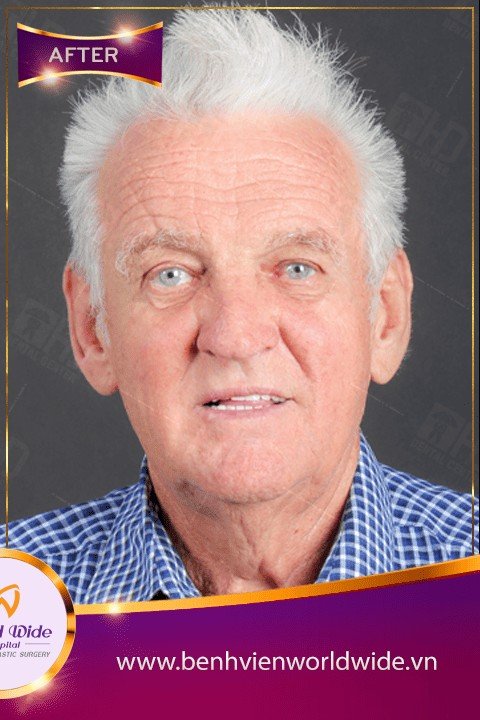
All-on-4 Full-Arch Restoration at Worldwide Hospital for an Australian Patient
Paid US$6,800 vs US$22,000 typical
An Australian patient restored her full arch with All-on-4 implants at Worldwide Hospital HCMC for USD 6,800, saving over AUD 30,000 vs home.
 Saved 53%
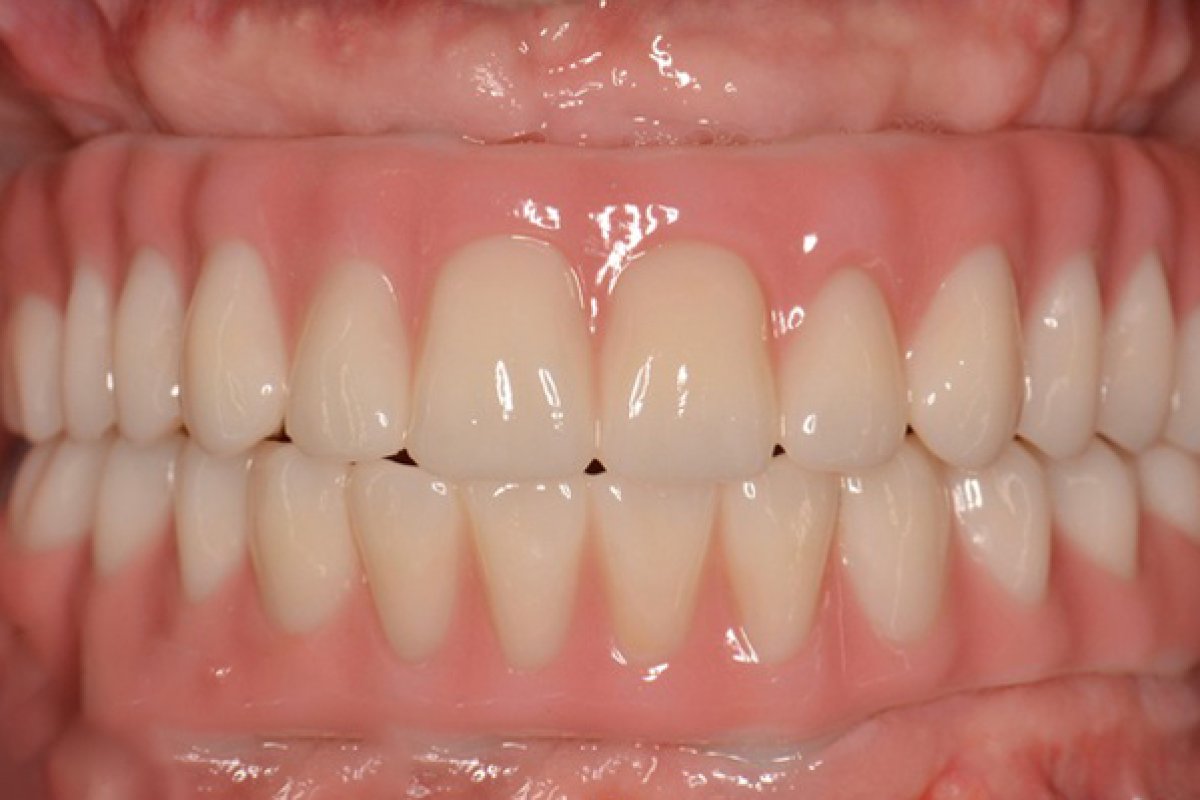
How an Auckland Patient Saved NZ$36,760 on All-on-6 Implants in Vietnam
Paid NZD 33,240 vs NZD 70,000 typical
An Auckland patient saved NZ$36,760 on All-on-6 full-arch implants in Hanoi (NZ$33,240) versus an Auckland quote of NZ$70,000.
 Saved 62%
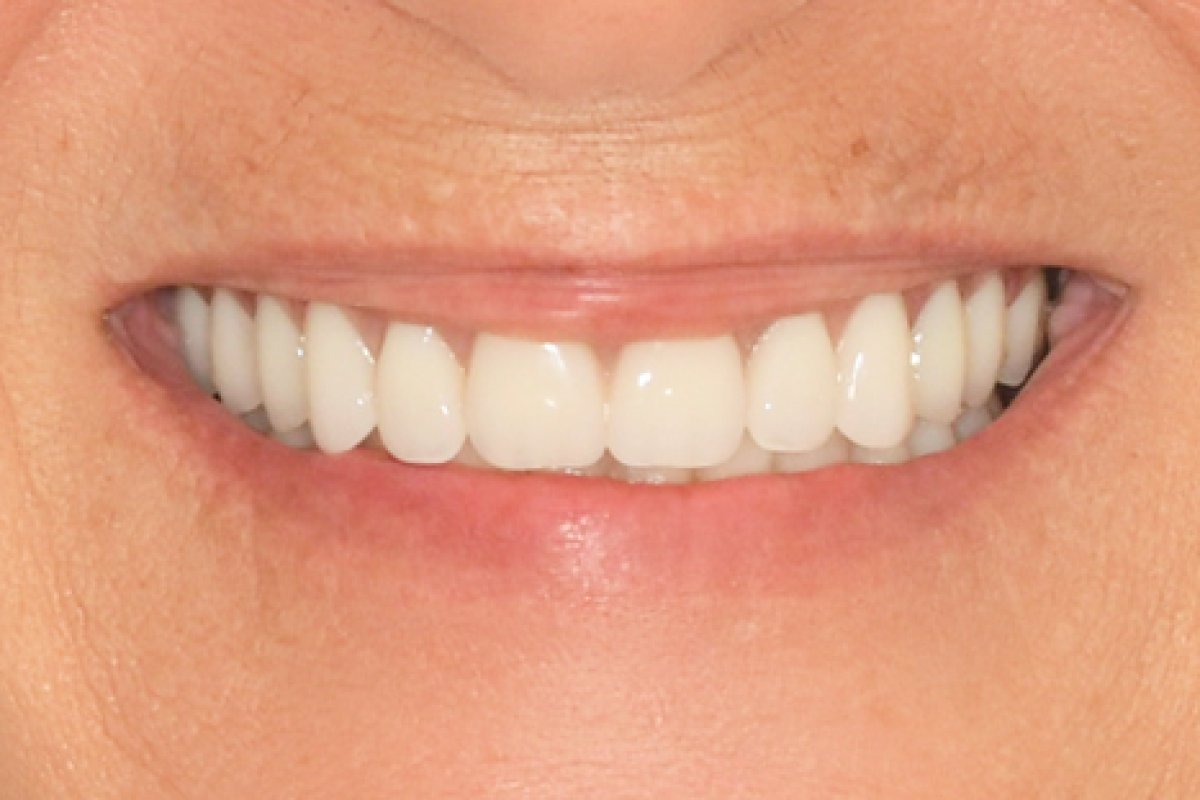
All-on-4 in Vietnam: A Scottsdale Retiree's Full-Mouth Implant Story
Paid US$20,900 vs US$55,000 typical
Arizona retiree Linda completed All-on-4 full-mouth implants in Hanoi for US$20,900 across two trips, against a US$55,000 quote at home.
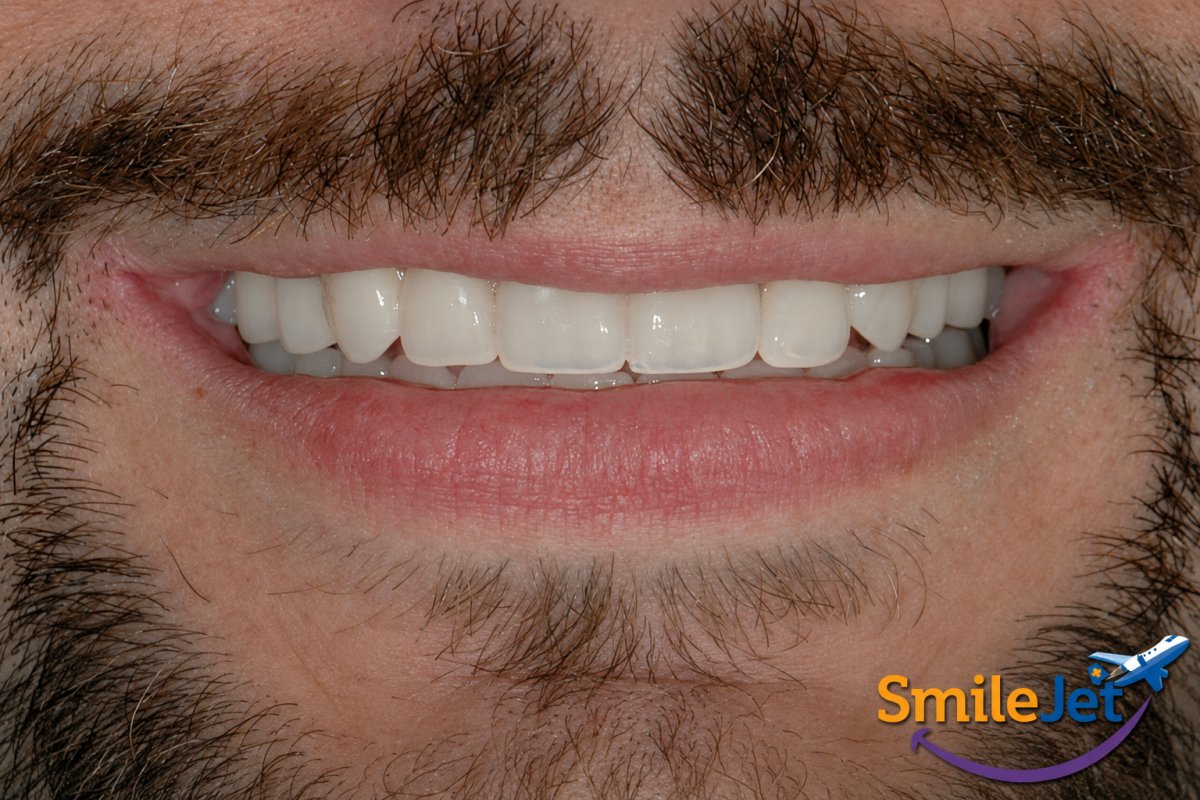 Saved 63%
Jason's All-on-4 in Vietnam: $22K All-In vs a $60K+ Quote at Home
Paid AUD 22,000 vs AUD 60,000 typical
Jason flew from Australia to Ho Chi Minh City for full-arch All-on-4 implants. Total all-in spend: $22,000 AUD, against a home quote of $60,000+ AUD.
Two Years in the Making: A Total Transformation of Body and Soul
Dental implants completed across multiple trips to Worldwide Hospital in Vietnam, with concurrent cosmetic procedures all under one roof.
Explore
More on dental treatment in Phu Quoc.
Costs, treatments and trip planning, all for Phu Quoc.