Editorial Guide
Phu Quoc visa-free dental tourism explained
The 30-day visa-free entry is Phu Quoc's headline differentiator. Here is exactly how it works, who qualifies, the direct-flight rule, and how to combine it with a mainland Vietnam extension.
Quick summary
Phu Quoc visa-free entry: the facts
- Phu Quoc is a Special Economic Zone (SEZ): any passenger arriving directly at Phu Quoc International Airport (PQC) receives 30 days visa-free on arrival, no charge and no advance registration.
- The visa-free concession is universal – it applies to all nationalities without exception, including Americans and Canadians who otherwise need a Vietnam e-visa for the mainland.
- The one rule that catches patients out is the direct-flight rule: you must arrive at PQC directly from outside Vietnam, or via airside transit, without clearing customs at a mainland airport such as HCMC.
- The 30-day stamp is not extendable within Phu Quoc, but you can reset it by departing and re-entering on a fresh 30-day stamp – there is no minimum stay-out period in the SEZ regulations.
- To combine with mainland Vietnam (HCMC, Da Nang, Hanoi), you need a US$25 e-visa unless your nationality has a bilateral exemption (Australians, NZ, UK, and most EU get 45 days mainland visa-free).
- SmileJet confirms each patient's itinerary at booking so the visa-free arrival path is correctly structured, and provides a free written quote in AUD within 24 hours.
The headline advantage
Why Phu Quoc needs no visa paperwork
Every other major dental tourism destination in the region requires some form of visa administration before you travel: Thailand requires an e-visa or visa-on-arrival fee, Bali requires a visa-on-arrival fee, and mainland Vietnam (Da Nang, HCMC, Hanoi) requires an e-visa for nationalities not on the bilateral visa-free list. Phu Quoc requires none of this. The island is a Special Economic Zone (SEZ) and all nationalities receive 30 days on arrival, without any pre-application.
SEZ status
What the Phu Quoc SEZ visa-free status means
Phu Quoc was granted Special Economic Zone status under Vietnamese law as a development incentive to attract international investment and tourism. The visa-free concession is part of that framework: any passenger arriving directly at Phu Quoc International Airport (IATA code: PQC) receives 30 days on the island, no charge, no advance registration, for any nationality.
At the immigration desk on arrival: present your passport, receive an entry stamp (30-day validity), proceed to baggage. The process takes 10–20 minutes at off-peak times. There is no visa-on-arrival fee, no photo requirement, no form to fill before travelling. It is functionally equivalent to arriving at an airport in the EU.
The one rule to watch
The direct-flight rule
This is the one rule that catches patients out. The 30-day visa-free status applies only if you arrive at PQC directly from outside Vietnam – or via airside transit through a Vietnamese airport without clearing customs. Specifically:
✓ Permitted
Sydney → Singapore → PQC (airside only at Singapore; PQC is your immigration point).
✓ Permitted
Sydney → HCMC → PQC, if you do not clear customs in HCMC (remain airside, domestic gate connection).
✕ Not permitted
Sydney → HCMC (clear customs, enter Vietnam) → PQC. In this case you have entered Vietnam proper and Phu Quoc SEZ visa-free no longer applies.
In practice, the most common routing from Australia – booking a through-ticket on Vietnam Airlines or Singapore Airlines with a transit in HCMC or Singapore – preserves the visa-free status automatically, because you are checked through to PQC and do not clear HCMC customs. SmileJet confirms the itinerary details at booking to ensure the visa-free path is correctly structured.
Eligibility
All nationalities qualify
There is no approved-country list for Phu Quoc visa-free entry. Unlike mainland Vietnam's bilateral exemption list (which covers Australia, UK, several EU countries, Japan, South Korea, and others), Phu Quoc's SEZ concession is universal. Americans, Canadians, South Africans, Israelis – all receive 30 days on arrival. This is particularly significant for US and Canadian patients who need a Vietnam e-visa for mainland destinations but no visa at all for Phu Quoc.
Multi-city trips
Combining Phu Quoc with mainland Vietnam
The most common multi-city structure: complete the Phu Quoc dental treatment first (Days 1–8), then fly to HCMC or Da Nang for a 3–5 day cultural extension. For this combination, you need to account for the mainland visa separately:
| Nationality | Mainland Vietnam access |
|---|---|
| Australians and New Zealanders | 45 days visa-free (bilateral agreement, no application needed) |
| British nationals | 45 days visa-free on mainland Vietnam |
| Americans and Canadians | Vietnam e-visa required (apply at evisa.xuatnhapcanh.gov.vn, US$25, 3-day processing) |
| EU nationals | Most EU countries have a 45-day bilateral exemption; check your specific nationality |
The practical sequence: apply for the mainland e-visa (if required) before you depart home. It costs US$25 and takes 3 business days. SmileJet provides the guidance note for each patient's nationality at booking.
Two-stage treatment
Resetting the 30 days: the departure rule
The 30-day stamp is not extendable within Phu Quoc. For patients on multi-stage implant treatment (first-stage surgery, 3–4 month healing, return for prosthesis), the second trip is simply a new 30-day visa-free entry. There is no minimum stay-out period specified in the SEZ regulations – you can depart and re-enter immediately on a new 30-day stamp. Long-stay visitors to Phu Quoc (retirees, slow travelers) commonly fly to Singapore or Kuala Lumpur for a weekend to reset their stamp; for dental patients, the two-trip structure handles this automatically since both trips are under 30 days.
Book without the paperwork
We confirm your visa-free arrival path
Tell us your nationality and the treatment you need. SmileJet structures the itinerary so the Phu Quoc visa-free path applies, and matches you to a listed clinic with a free quote.
- Itinerary structured to preserve the 30-day visa-free entry
- Nationality-specific guidance note for any mainland extension
- Free written quote in AUD within 24 hours
- Coordination support from first message through final appointment
Get your free quote
Free. Matched to a Phu Quoc clinic within 24 hours.
Get free quote Message us on MessengerNo booking fees. No commission added. You pay the clinic directly.
Before you fly
What about travel insurance?
Travel insurance for a Phu Quoc dental trip is standard travel insurance – the visa-free entry status has no effect on insurance eligibility or claims. Ensure your policy covers: medical evacuation (standard in most comprehensive travel policies), pre-existing conditions (dental work abroad often requires a specific dental rider or medical tourism endorsement), and trip cancellation. SmileJet recommends Cover-More, Allianz, and 1Cover for Australian patients based on their medical tourism endorsement clarity. The visa-free SEZ entry simplification does not remove the need for adequate travel insurance.
At the airport
Documents to carry at Phu Quoc immigration
The Phu Quoc immigration process is straightforward, but having the right documents in hand speeds it up significantly. You need: a valid passport with at least 6 months remaining validity beyond your departure date, a confirmed return flight or onward travel ticket, and proof of accommodation for at least the first night (a hotel booking confirmation is sufficient). You do not need a printed visa, an invitation letter, or a fee payment receipt. The immigration officer will stamp your passport with a 30-day entry date. Keep your passport and boarding pass together in your carry-on – customs in Vietnam may request the boarding pass at the baggage inspection point.
For patients travelling with prescription medications from Australia or New Zealand, carry the original pharmacy-labelled blister packs and a copy of the prescription. Vietnam customs does not restrict standard dental post-operative medications (antibiotics, anti-inflammatories, analgesics), but loose tablets without packaging can trigger a query. If your clinic in Phu Quoc prescribes additional medication during your stay, keep the Vietnamese pharmacy receipt – you may need it when declaring pharmaceuticals at your home country's customs on return.
In context
How the SEZ status compares to other dental tourism destinations
Placing Phu Quoc in context: Thailand requires no visa for Australians, NZ, UK, and most Western nationalities (30-day stamp on arrival, no fee), but Americans need a tourist visa or pay a visa-on-arrival fee. Bali (Indonesia) requires a Visa on Arrival fee of approximately US$35 for most nationalities (some receive 30 days free under bilateral agreements). Malaysia is visa-free for most Western nationalities but has less dental tourism infrastructure. The Philippines is visa-free for most Western nationalities for 30 days. Mainland Vietnam (Da Nang, HCMC, Hanoi) is visa-free for Australians, NZ, UK (45 days), and most EU nationals, but requires a US$25 e-visa for Americans and Canadians.
Phu Quoc's SEZ visa-free arrangement is therefore unique in combining: all-nationality coverage (no exceptions), zero cost, zero pre-application, and a high-quality dental tourism infrastructure. No other major dental tourism destination offers all four simultaneously for American and Canadian patients specifically. For Australian, NZ, and UK patients who are also visa-free on the mainland, the visa advantage is smaller – but the beach recovery environment and resort access remain unique to Phu Quoc.
Stay compliant
Overstay consequences and how to avoid them
Overstaying the 30-day Phu Quoc visa-free stamp is a serious administrative issue. Under Vietnamese immigration law, overstaying results in a fine (approximately US$100–300 depending on the duration), a mandatory appearance at the local immigration office, and in some cases a temporary travel ban from Vietnam. For dental patients whose treatment extends unexpectedly – a complication, additional sessions required, or a travel disruption – the solution is to contact the local Phu Quoc immigration office proactively before the stamp expires. Emergency extensions for medical reasons are granted on a case-by-case basis. The practical fix for planned long treatments is to use the departure-and-re-entry approach: fly to Singapore or Kuala Lumpur before the 30-day stamp expires, spend 2–3 days, and return on a fresh stamp. SmileJet flags this proactively for any patient whose treatment plan runs close to the 30-day limit.
FAQ
Frequently asked questions
The most common questions about Phu Quoc's visa-free entry for dental tourists.
Get free quoteDoes the Phu Quoc visa-free entry apply to all nationalities?
What happens if I transit through Ho Chi Minh City on the way to Phu Quoc?
Can I extend beyond 30 days in Phu Quoc?
Can I combine a Phu Quoc dental trip with a mainland Vietnam visit?
Start here
Book without the visa paperwork
SmileJet confirms your visa-free arrival path and matches you to a Phu Quoc clinic. Free quote in AUD, within 24 hours.
At a glance
Phu Quoc visa-free entry, key facts.
Related Phu Quoc guides
Smile stories from Vietnamese clinics
Real outcomes from SmileJet patients who completed treatment in Vietnam. Each story includes the diagnosis, treatment plan, what they paid, and what they would have paid at home. Browse all smile stories.
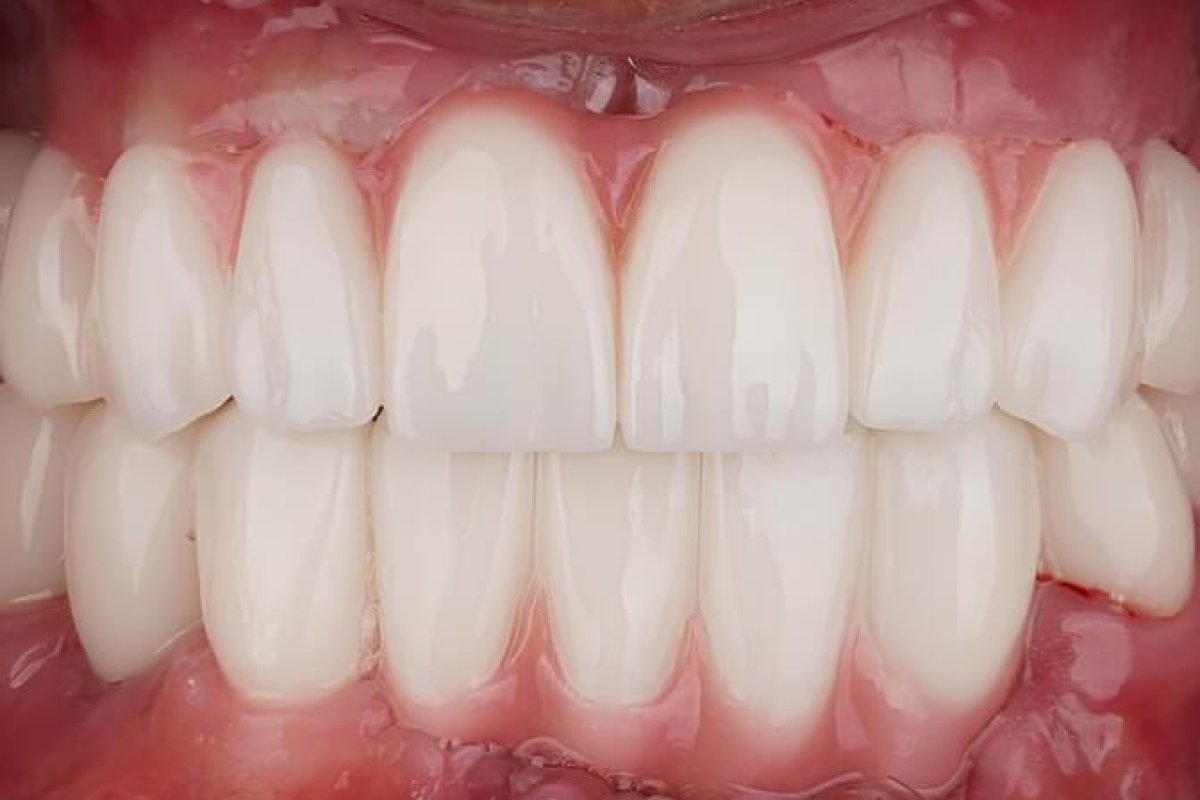 Saved 31%
The Aussie Retiree Who Got His Smile Back
Paid AUD 33,000 vs AUD 48,000 typical
Brisbane retiree Graham replaced ten teeth with implants and zirconia crowns in Hanoi for A$33,000, against an A$48,000 quote: about A$15,000 bette...
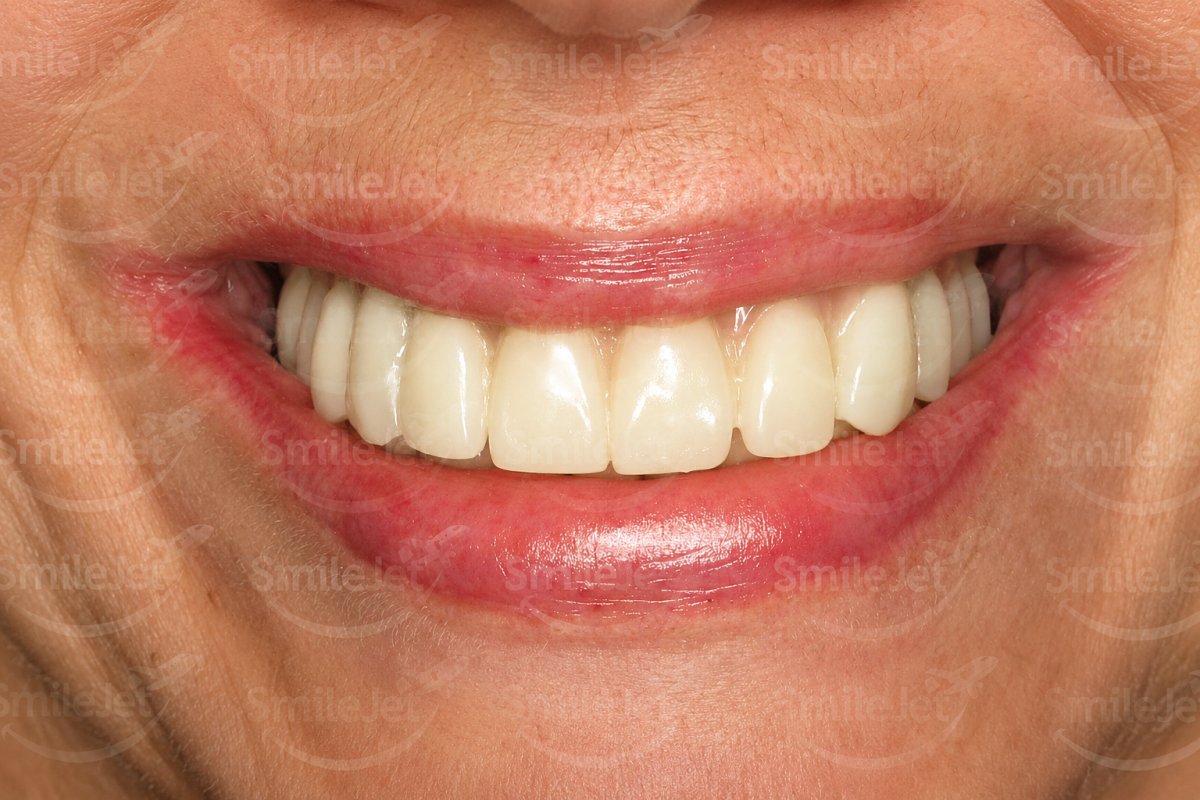 Saved 55%
Ms. Jenkins' All-on-4 in Vietnam: $25K Total vs $55K at Home in Brisbane
Paid AUD 25,000 vs AUD 55,000 typical
Brisbane patient Ms. Jenkins saved nearly $30K on full-arch All-on-4 implants for both jaws in Vietnam after years of gum infections and failing re...
 Saved 50%
I Was Done With Dentures. Vietnam Gave Me My Life Back
Paid AUD 22,000 vs AUD 44,000 typical
Dave replaced his failing upper and lower dentures with fixed All-on-4 implants in Hanoi for A$22,000, exactly half the A$44,000 quote in Melbourne.
 Saved 65%
Neha's Smile Makeover in Hanoi: 20 Veneers for $9K vs $26K in Sydney
Paid AUD 9,000 vs AUD 26,000 typical
Neha Iyer from Sydney saved $17,000 on 20 porcelain veneers in Hanoi, Vietnam. 7-day trip with Halong Bay and Ninh Binh.
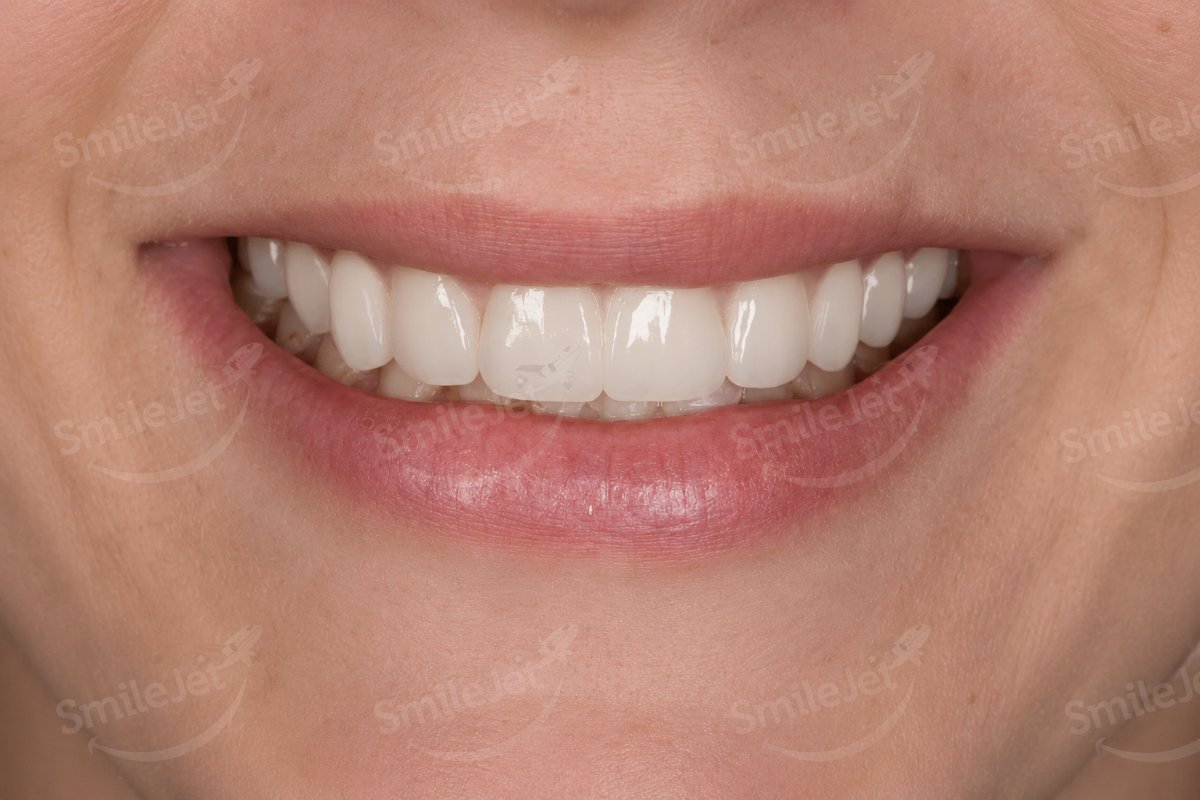 Saved 73%
Ms. Chen's Smile Makeover in Da Nang: 20 Veneers and Crowns for $8K vs $30K...
Paid AUD 8,000 vs AUD 30,000 typical
Melbourne patient Ms. Chen flew to Da Nang for a full smile makeover. 20 crowns and veneers, completed in under 10 days, for $8,000 AUD vs a $30,00...
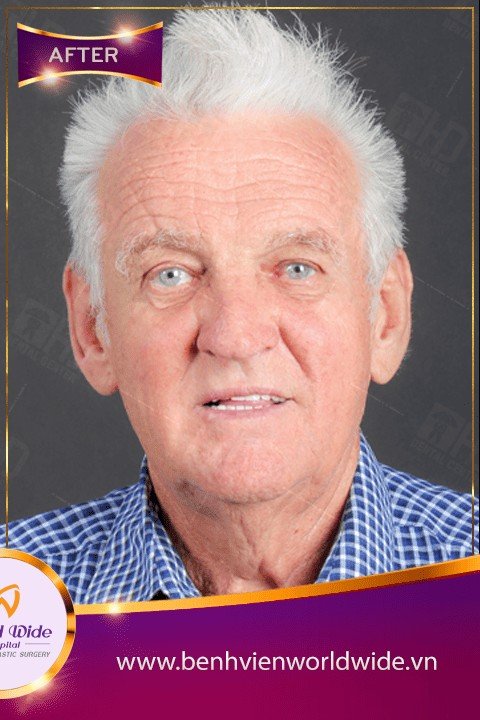 Saved 69%
All-on-4 Full-Arch Restoration at Worldwide Hospital for an Australian Patient
Paid US$6,800 vs US$22,000 typical
An Australian patient restored her full arch with All-on-4 implants at Worldwide Hospital HCMC for USD 6,800, saving over AUD 30,000 vs home.
 Saved 53%
How an Auckland Patient Saved NZ$36,760 on All-on-6 Implants in Vietnam
Paid NZD 33,240 vs NZD 70,000 typical
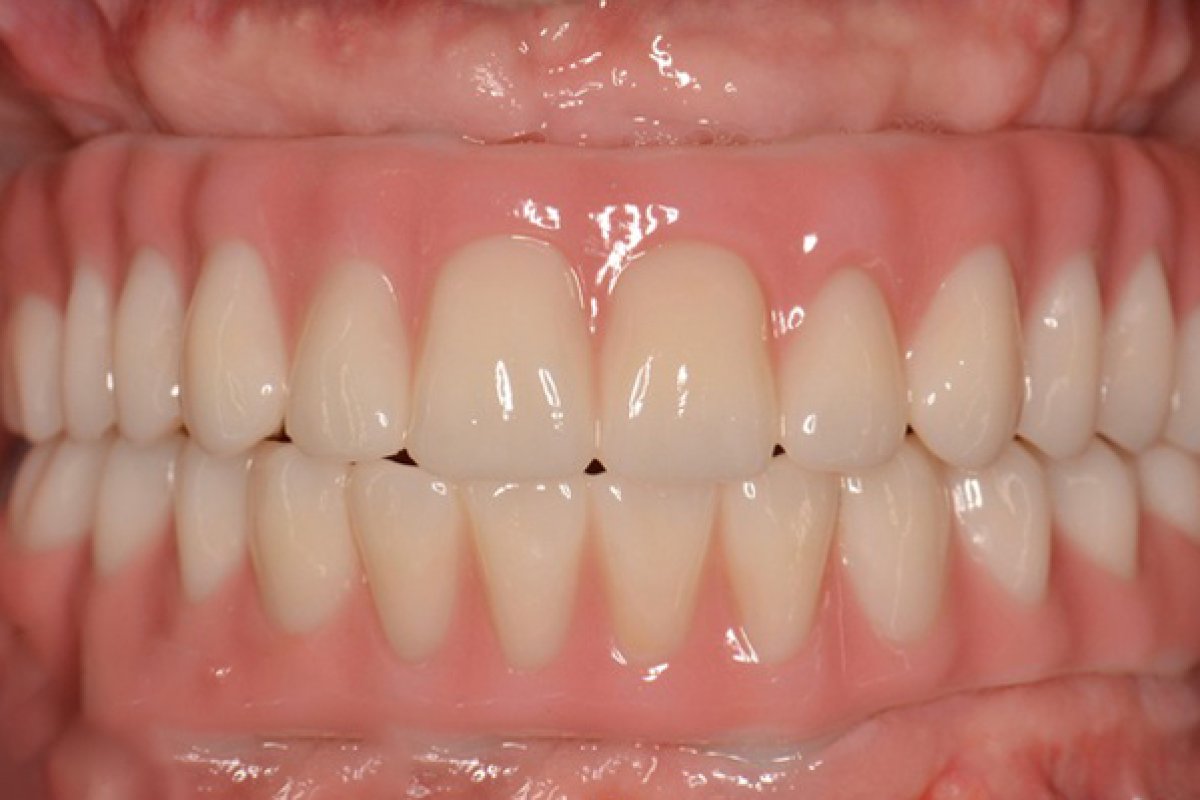
An Auckland patient saved NZ$36,760 on All-on-6 full-arch implants in Hanoi (NZ$33,240) versus an Auckland quote of NZ$70,000.
 Saved 62%
All-on-4 in Vietnam: A Scottsdale Retiree's Full-Mouth Implant Story
Paid US$20,900 vs US$55,000 typical
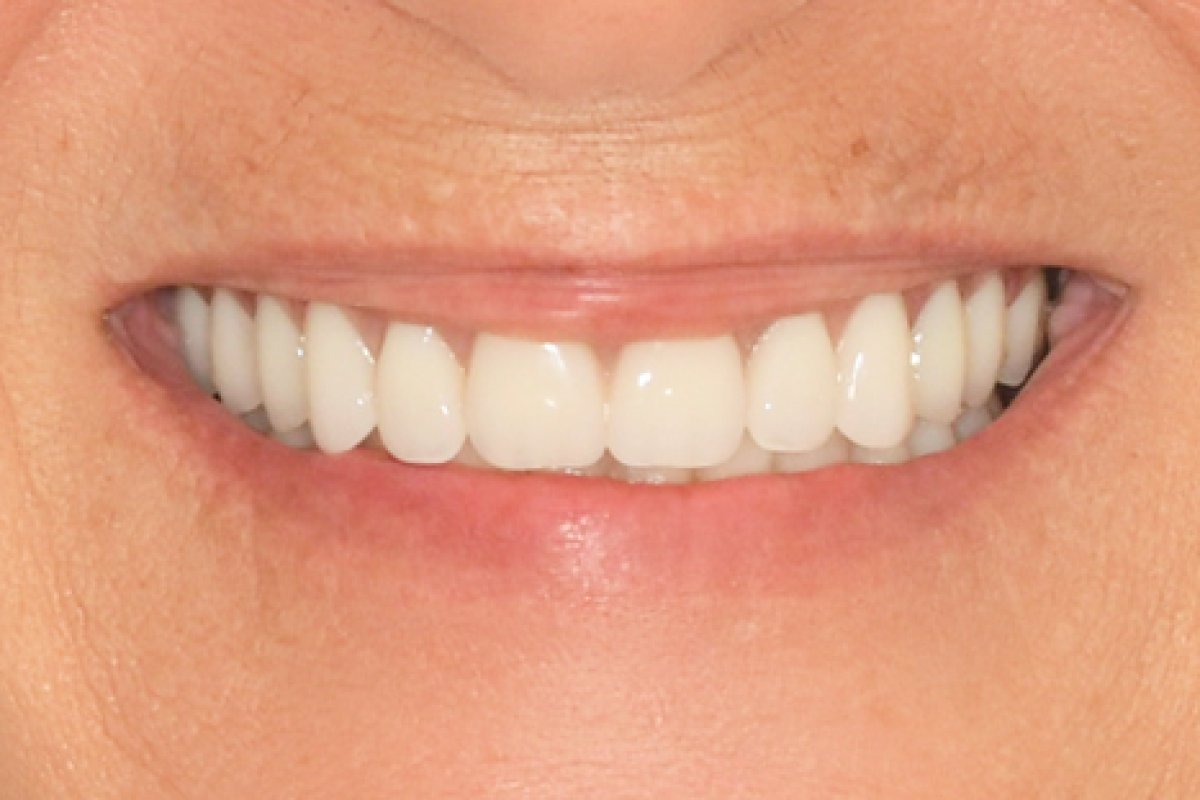
Arizona retiree Linda completed All-on-4 full-mouth implants in Hanoi for US$20,900 across two trips, against a US$55,000 quote at home.
 Saved 63%
Jason's All-on-4 in Vietnam: $22K All-In vs a $60K+ Quote at Home
Paid AUD 22,000 vs AUD 60,000 typical
Jason flew from Australia to Ho Chi Minh City for full-arch All-on-4 implants. Total all-in spend: $22,000 AUD, against a home quote of $60,000+ AUD.
Two Years in the Making: A Total Transformation of Body and Soul
Dental implants completed across multiple trips to Worldwide Hospital in Vietnam, with concurrent cosmetic procedures all under one roof.
Explore
More on dental treatment in Phu Quoc.
Costs, treatments and trip planning, all for Phu Quoc.