The Vietnamese dental system explained
How Vietnam regulates dental practice, where Vietnamese specialists train, and how the clinical standards map to Australian, US, and UK expectations. The training analysis behind SmileJet's network curation.
What this page establishes
Vietnam's senior dental specialists complete 12-14 years of training from undergraduate entry to senior practice, comparable to Australian and UK specialist pathways. The regulatory framework is functional but lighter than Western equivalents, which is why network-level curation matters more in Vietnam than in Hungary or Spain.
The regulatory framework
Dental practice in Vietnam is regulated by the Vietnamese Ministry of Health (Bộ Y tế). The Ministry maintains the practitioner registry, sets practice licensing requirements, and inspects clinics for compliance with national health standards. Every Vietnamese dentist working at a SmileJet partner clinic is registered under this framework.
Specialist credentials in implantology, prosthodontics, endodontics, periodontics, oral surgery, and orthodontics are issued through post-graduate training programmes at Vietnamese dental schools and verified by the Ministry. The framework is functional but lighter-touch than EU equivalent regulators. SmileJet treats Ministry registration as a baseline filter and applies 17 additional verification criteria on top.
Where Vietnamese dentists train
Vietnam has three primary dental schools producing specialist-track graduates. Senior implantologists at SmileJet partner clinics are typically graduates of one or more of these institutions, often supplemented by international post-graduate training in South Korea, Japan, Germany, Australia, or the United States.
National Hospital of Odonto-Stomatology, Hanoi
Founded 1960. The most prestigious and longest-established institution. A hybrid teaching-and-tertiary-care hospital. Most Vietnamese senior implantologists trained here at some point in their career.
Faculty of Dentistry, University of Medicine and Pharmacy, Ho Chi Minh City
The southern equivalent. Substantial post-graduate programmes in implantology and prosthodontics. Most senior practitioners based in HCMC and southern Vietnam trained here.
Hanoi Medical University Faculty of Dentistry
A parallel programme with sometimes overlapping faculty to the National Hospital. Produces general dentists and specialist-track graduates at both undergraduate and post-graduate level.
International training has become markedly more common over the past 15 years. Most Vietnamese specialists aged 40-55 today have at least some formal international clinical exposure.
The training trajectory
A Vietnamese specialist dentist's career from undergraduate entry to senior practice typically spans 12-14 years across five stages:
6-year undergraduate programme at one of the three primary dental schools. Combined preclinical and clinical training.
Working in public hospitals or general dental clinics to build clinical volume and surgical competency before entering specialist training.
Formal training in implantology, prosthodontics, endodontics, periodontics, or oral surgery through programmes at the primary dental schools. Ministry-credentialled on completion.
6 months to 2 years of clinical training abroad (South Korea, Japan, Germany, Australia, USA). Common for practitioners aged 40-55 who trained after 2005.
Senior implantologists running international cases at top-tier partner clinics are typically aged 40-55 with 10-25 years of post-specialty practice. Procedural volume at SmileJet partner clinics: 200-500 international implant cases per year.
How Vietnamese training maps to Western expectations
The Vietnamese specialist trajectory is structurally comparable to Australian, US, and UK specialist pathways. Total clinical training years from undergraduate entry are similar across all four markets.
| Market | Undergraduate | Specialist training | Years to senior practice |
|---|---|---|---|
| Vietnam | 6-year BDS | 2-4 yrs post-grad + optional international | 12-14 years |
| Australia | 5-year BDS or 4-year DDS (graduate entry) | 3-5 years specialist registrar | 12-14 years |
| United States | 4-year undergraduate + 4-year DMD/DDS | 3-4 years residency or fellowship | 11-12 years |
| United Kingdom | 5-year BDS | 2-year foundation + 3-5 years specialty registrar | 10-12 years |
The primary difference between markets is not training length but regulatory backstop strength and CPD enforcement rigour. SmileJet's verification process addresses this gap explicitly.
What the Vietnamese system does well – and less well
Implant case volume
Top SmileJet partner clinics see 200-500 international implant cases per year, in addition to domestic Vietnamese patients. Senior implantologists run 5-15 implant cases per week. International patients are not training cases.
CPD enforcement
Continuing education requirements (48 CPD hours per licence cycle) are less stringently enforced than in Australia, the US, or the UK. Top-tier private clinics typically exceed minimum requirements voluntarily. SmileJet audits CPD documentation directly during verification.
Materials sourcing infrastructure
Vietnamese partner clinics hold direct distributor relationships with Straumann, Nobel Biocare, Osstem, and Dentium. The supply chain to top Vietnamese practices is mature. Clinics provide distributor invoices and batch documentation on request.
Standardised clinical guidelines
The Ministry of Health publishes national clinical guidelines but enforcement is variable. Top-tier private practices follow international protocols (ITI, EAO, AAOMS) voluntarily. Mid-tier practices are less consistent. Network-level curation bridges this gap.
National training pedigree consistency
National Hospital alumni are distributed across all five SmileJet Vietnamese cities, giving clinical credentials a nationally consistent baseline. A senior implantologist in Phu Quoc and one in Hanoi often share institutional training lineage.
Patient complaint handling
The Vietnamese Ministry complaint mechanism is achievable but slower and less effective than Australian, EU, or US equivalents. Practical recourse for international patients runs through SmileJet's network-level guarantee rather than Vietnamese regulatory channels.
Confident in the clinical standards? Get a free personalised quote.
Send a photo or an old quote and a real person replies. No forms, no fees, no obligation.
International integration and continuing education
The ITI (International Team for Implantology), the most influential implantology professional body globally, has an active Vietnamese national chapter with members across Hanoi and Ho Chi Minh City. ITI membership and fellowship require documented clinical case loads, peer review participation, and continuing education – criteria that filter toward the higher-competency end of the practitioner pool. SmileJet checks ITI membership as a supplementary positive signal during verification, not as a primary requirement, because equally qualified practitioners may participate in other professional frameworks (EAO, AAOMS, AO).
Korean dental education has had a particular influence on Vietnamese implantology over the past 15 years. The dominance of Osstem as the most widely used implant brand in Vietnam traces partly to active Korean education programmes – Osstem and MegaGen both run extensive clinical training in Vietnam, and Vietnamese dentists who attended these programmes typically have more systematic implant placement training than equivalents in markets without comparable manufacturer-led education.
Continuing education requirements in Vietnam are set at a minimum of 48 credit hours per licence renewal cycle. Top-tier private clinics in Ho Chi Minh City and Hanoi typically exceed this substantially: the marketing value of a team that participates in international congresses (ITI, IADR, EuroPerio) is real, and clinic directors at the top end actively invest in their team's education as a competitive differentiator.
Vietnam vs regional dental tourism alternatives
Patients evaluating Vietnam against Thailand, Cambodia, Malaysia, and India should separate training pedigree (country-wide) from network curation (which varies by marketplace).
Thailand has a more internationally visible dental hospital sector in Bangkok, with JCI accreditation for some hospital-based dental services at Bumrungrad and Bangkok Hospital Dental. JCI accreditation is a meaningful quality signal covering infection control and institutional governance. Top Vietnamese clinics meet the same clinical standards but none currently hold JCI accreditation, which is a hospital-level certification requiring significant institutional investment. For patients to whom JCI certification is specifically important, Thailand has an advantage at the flagship hospital level.
Cambodia is cheaper than Vietnam but has a thinner domestic dental training infrastructure. The senior specialist tier is smaller and concentrated in Phnom Penh. Dental tourism to Cambodia is largely limited to a small number of clinics catering to the Vietnamese border region.
India has excellent dental education at its top institutions (Manipal, Amrita, AIIMS) and substantially lower prices for some procedures. The challenge is network-level curation: the Indian dental market is enormous and heterogeneous, making verification at scale complex. For patients choosing a primary dental tourism destination, Vietnam's combination of clinical standards, price, and network curation remains competitive at the top end of the Asian market.
The honest summary
Vietnamese clinical dentistry at the top tier is genuinely comparable to Australian, US, and UK clinical dentistry at comparable tiers. The training pedigree is strong, the procedural volume is substantial, and the materials sourcing is mature. The regulatory backstop is weaker than EU or US equivalents, which is why network-level verification matters more in Vietnam than in Hungary or Spain.
The combination of strong clinical foundations plus network curation is what makes Vietnamese dental tourism work for international patients. For deeper detail on the verification process, see the verification methodology.
Vietnamese dental system: frequently asked questions
The questions SmileJet coordinators answer most often about Vietnamese clinical standards.
Are Vietnamese dentists as well-trained as Australian or British dentists?
What implant brands do Vietnamese clinics use?
How does the Vietnamese practitioner registry work?
Does Vietnam have ITI-affiliated implantologists?
How does Vietnam compare to Thailand for dental tourism from a clinical standards perspective?
Top 10 premium dental clinics in Vietnam
SmileJet-listed premium partner clinics across Vietnam's five dental tourism cities, ranked by patient rating. Each clinic has passed the SmileJet 18-point verification audit and uses internationally recognised implant brands: Straumann, Nobel Biocare, Osstem, or Dentium.
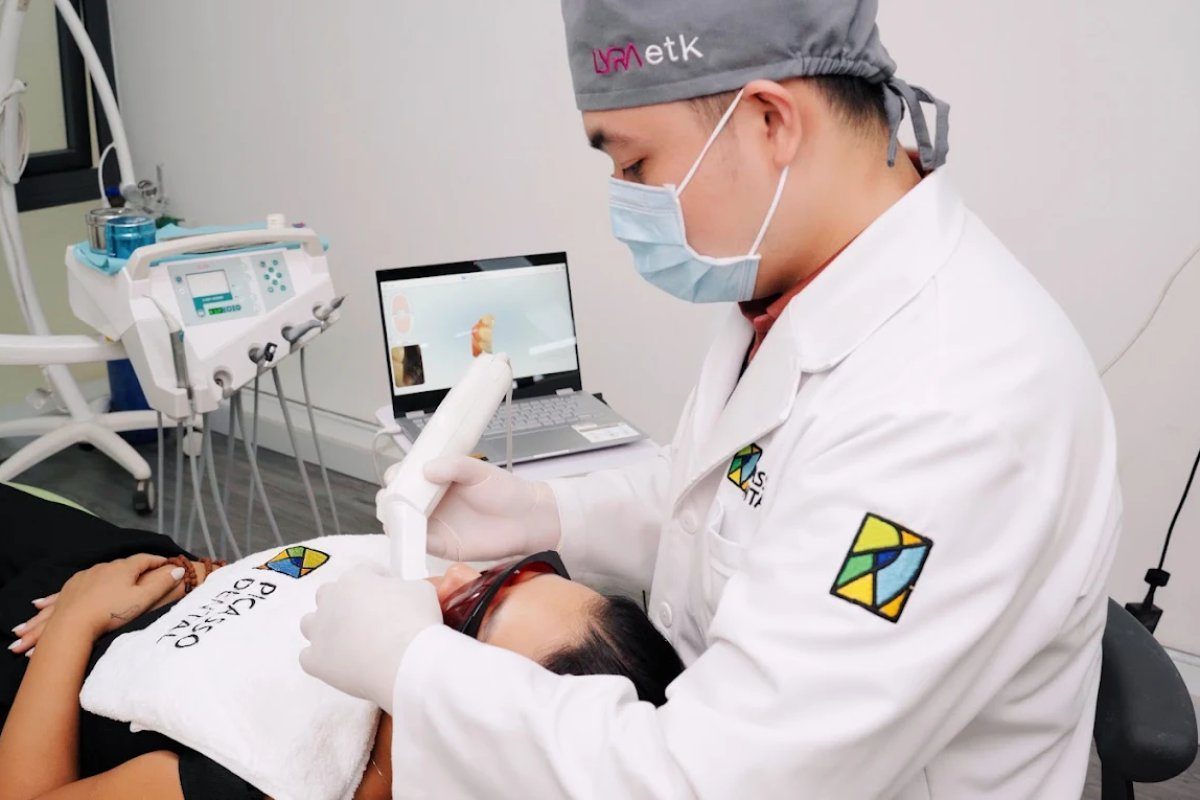
Picasso Dental Clinic Da Nang
View clinic profile
Picasso Dental Clinic Hanoi (Old Quarter Branch)
View clinic profile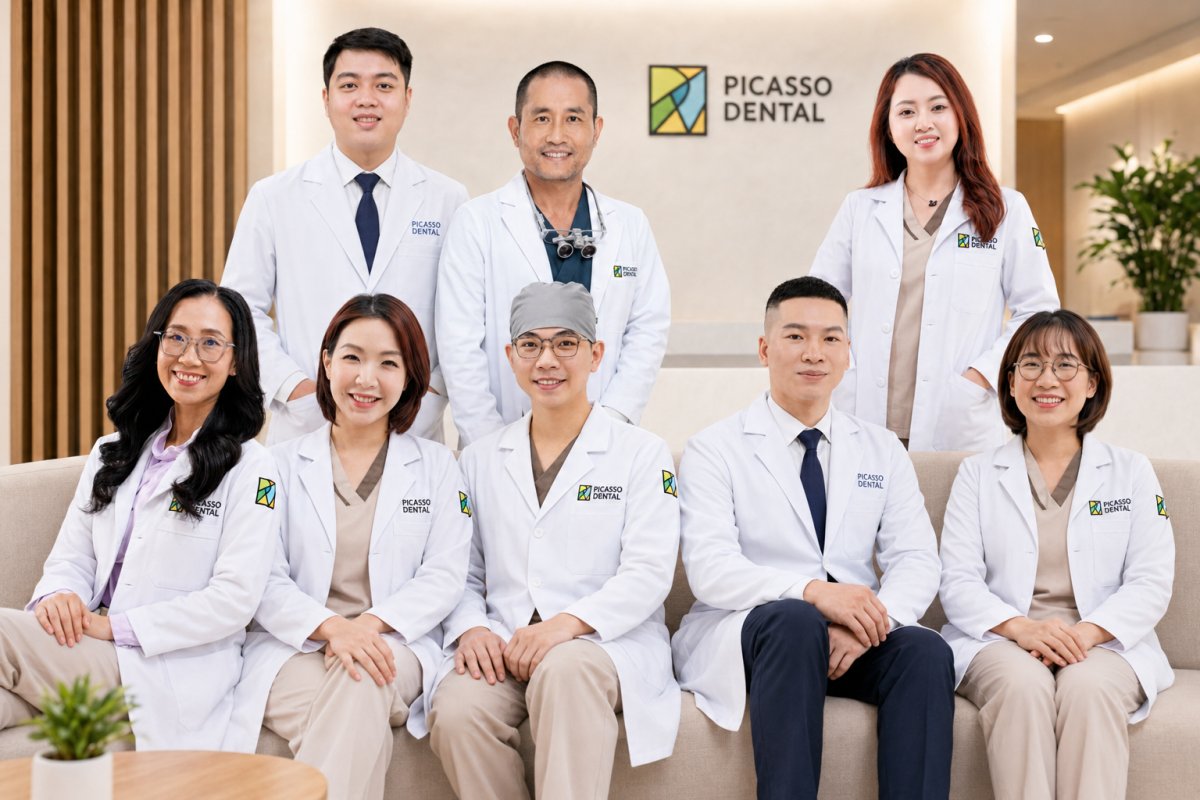
Picasso Dental Clinic Ho Chi Minh City (Thao Dien, District 2)
View clinic profile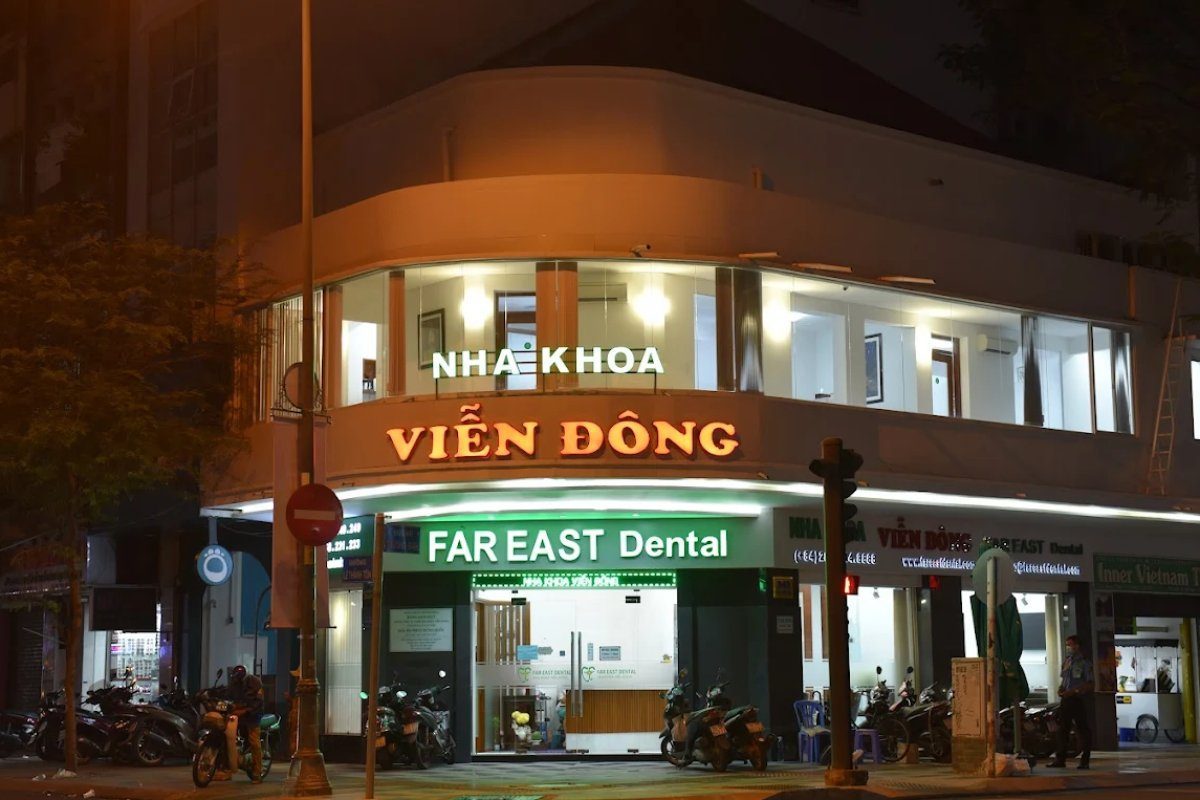
Far East Dental
View clinic profile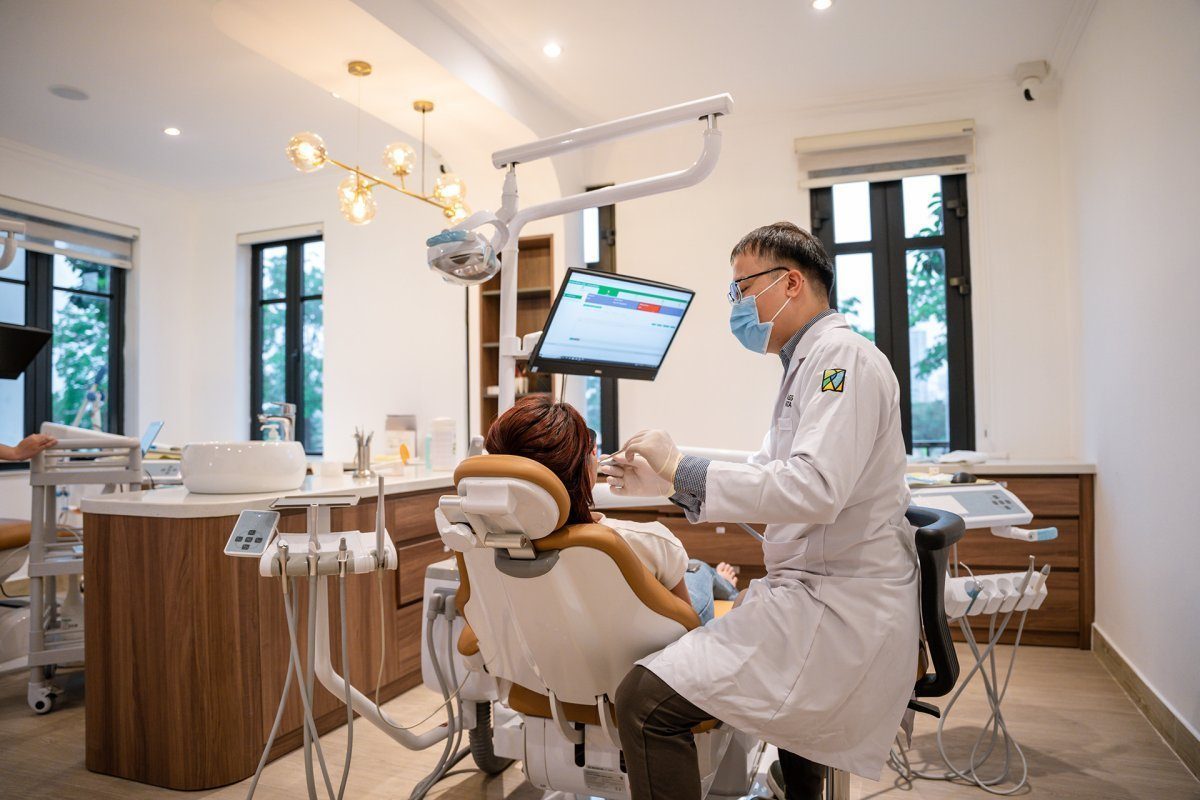
Picasso Dental Clinic Hanoi (Westlake Square Branch)
View clinic profile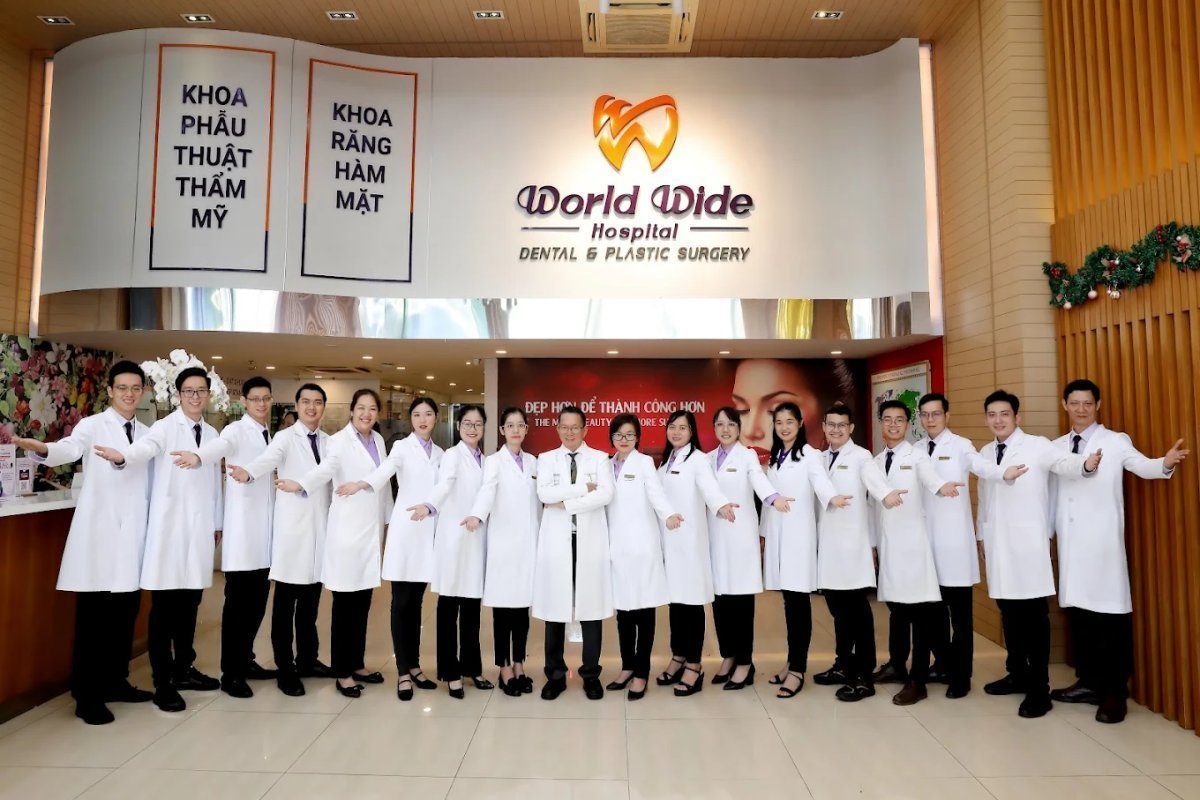
Worldwide Beauty And Dental Hospital
View clinic profile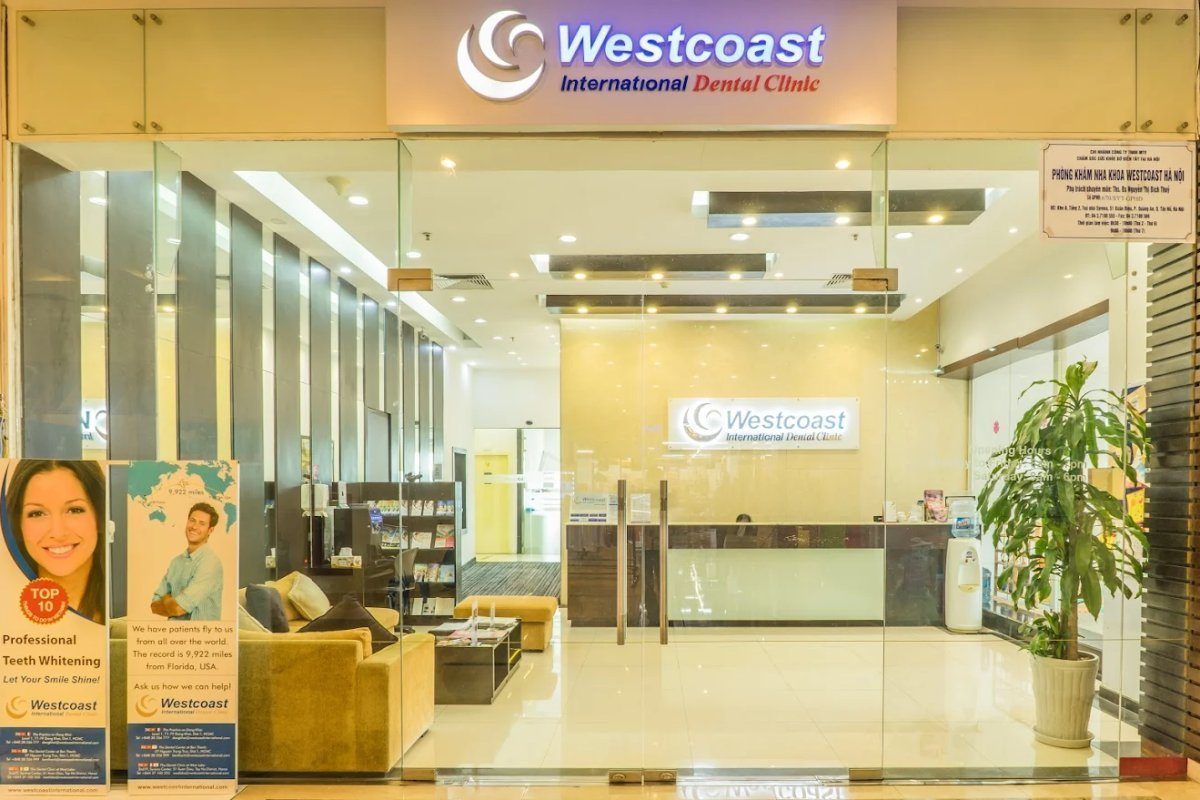
Westcoast International Dental Clinic (West Lake)
View clinic profile
DAISY International Dental Nha Trang
View clinic profile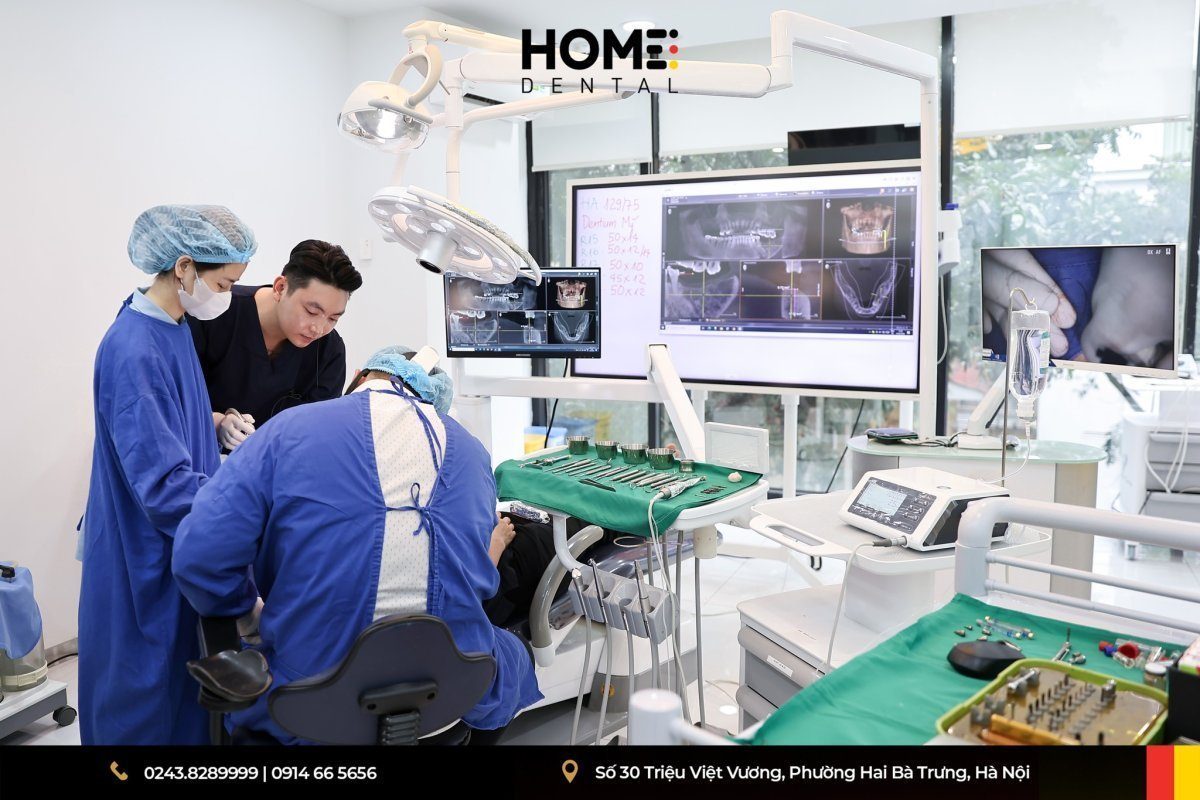
Home Dental Clinic Hanoi
View clinic profile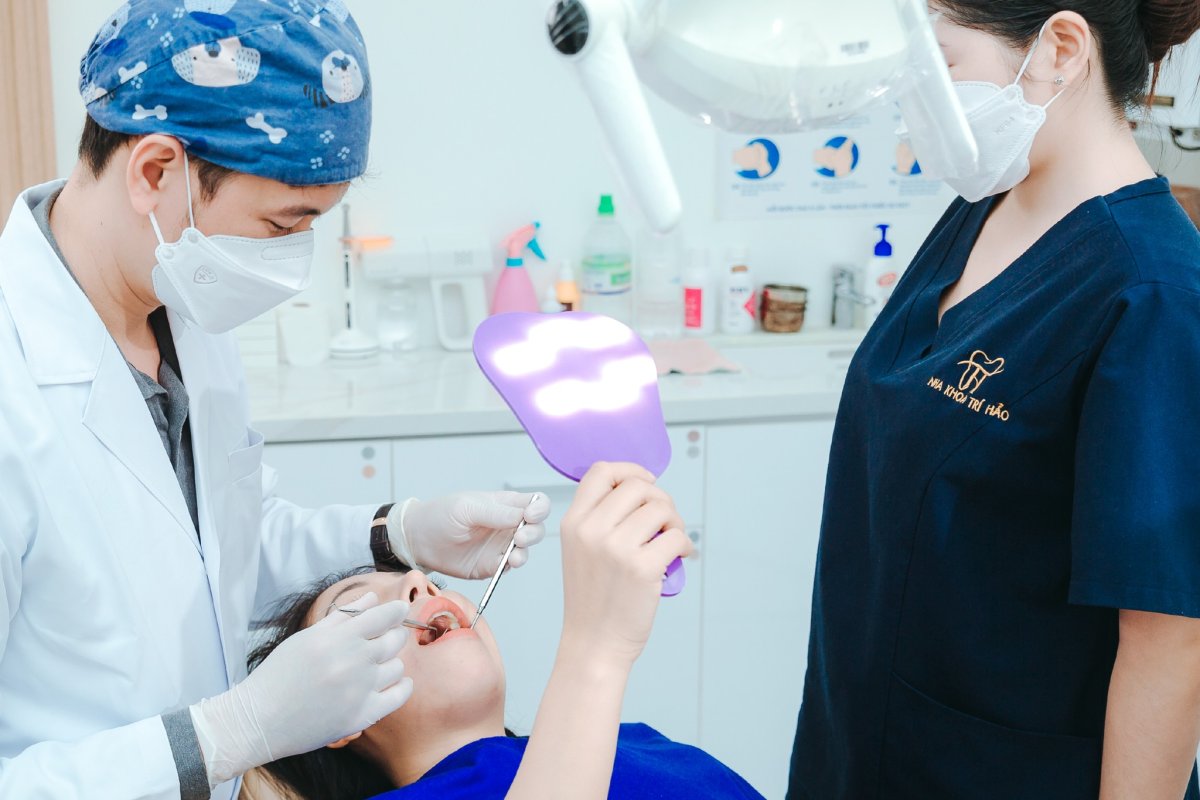
Tri Hao Dental Clinic Phu Quoc
View clinic profileSmile stories from Vietnamese clinics
Real outcomes from SmileJet patients who completed treatment in Vietnam. Each story includes the diagnosis, treatment plan, what they paid, and what they would have paid at home. Browse all smile stories.
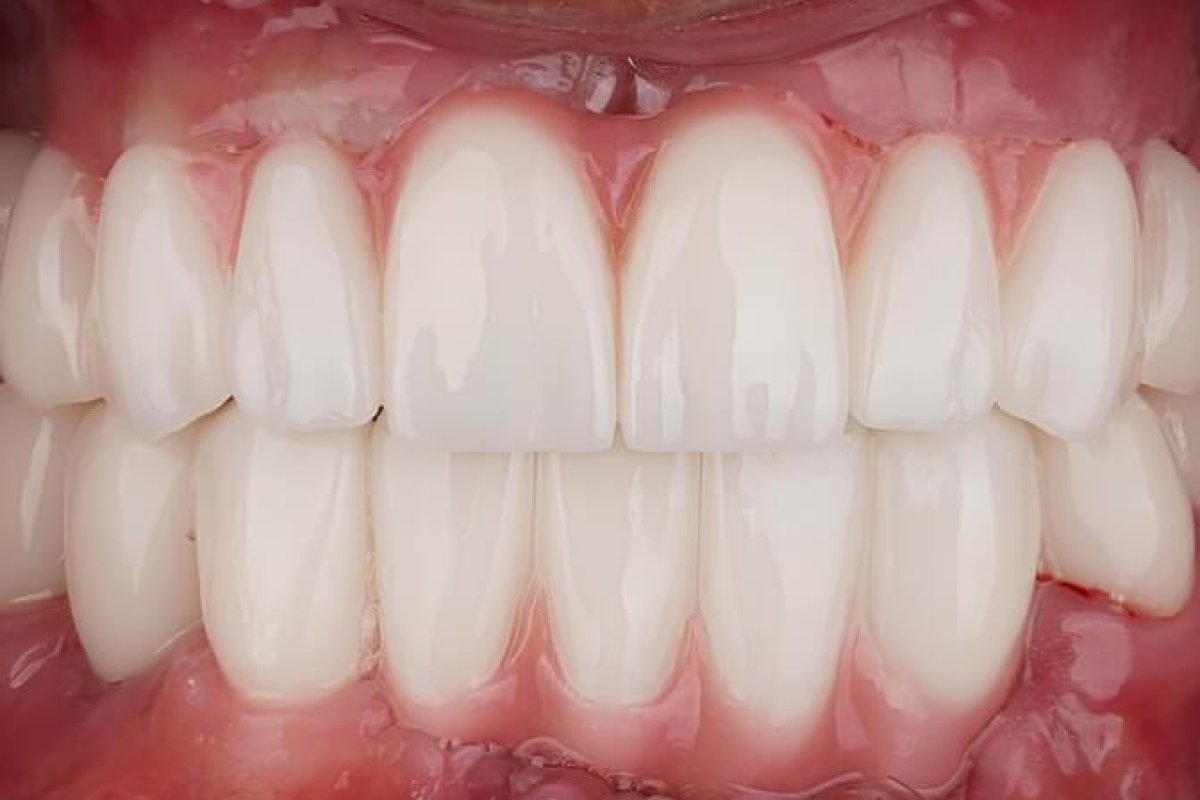 Saved 31%
The Aussie Retiree Who Got His Smile Back
Paid AUD 33,000 vs AUD 48,000 typical
Brisbane retiree Graham replaced ten teeth with implants and zirconia crowns in Hanoi for A$33,000, against an A$48,000 quote: about A$15,000 bette...
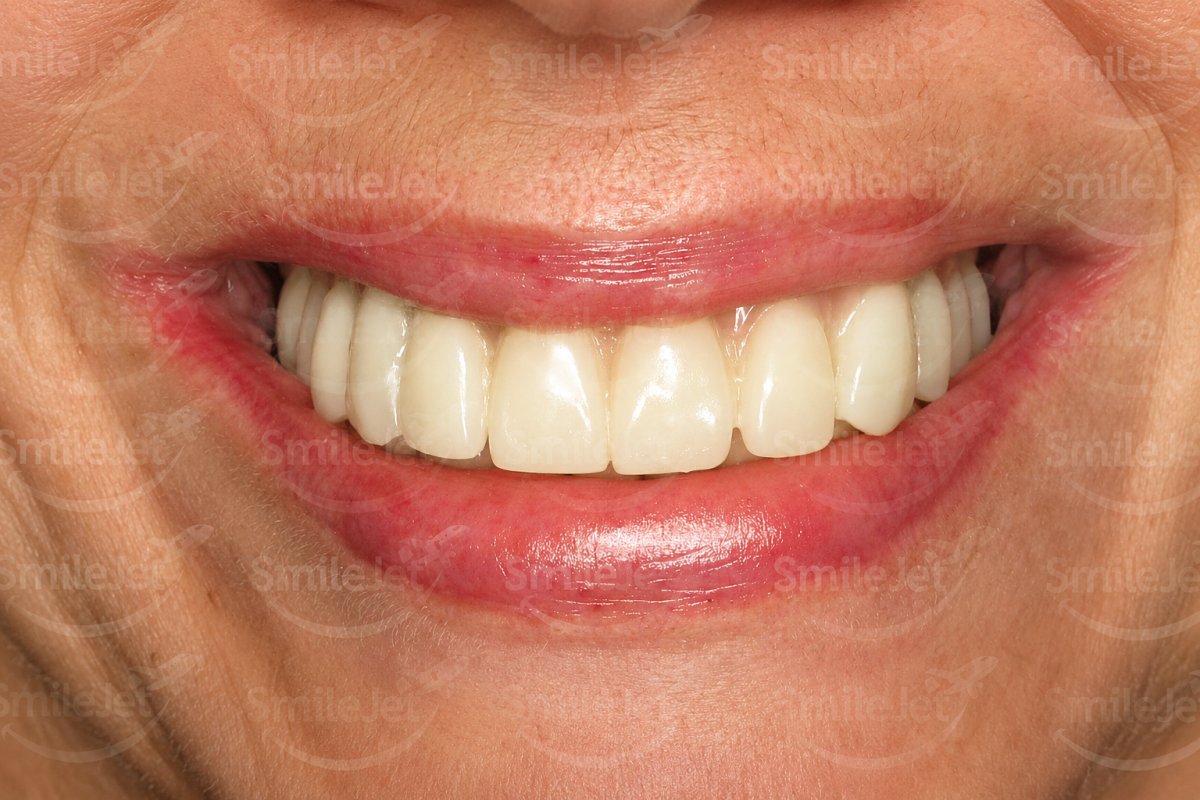 Saved 55%
Ms. Jenkins' All-on-4 in Vietnam: $25K Total vs $55K at Home in Brisbane
Paid AUD 25,000 vs AUD 55,000 typical
Brisbane patient Ms. Jenkins saved nearly $30K on full-arch All-on-4 implants for both jaws in Vietnam after years of gum infections and failing re...
 Saved 50%
I Was Done With Dentures. Vietnam Gave Me My Life Back
Paid AUD 22,000 vs AUD 44,000 typical
Dave replaced his failing upper and lower dentures with fixed All-on-4 implants in Hanoi for A$22,000, exactly half the A$44,000 quote in Melbourne.
 Saved 65%
Neha's Smile Makeover in Hanoi: 20 Veneers for $9K vs $26K in Sydney
Paid AUD 9,000 vs AUD 26,000 typical
Neha Iyer from Sydney saved $17,000 on 20 porcelain veneers in Hanoi, Vietnam. 7-day trip with Halong Bay and Ninh Binh.
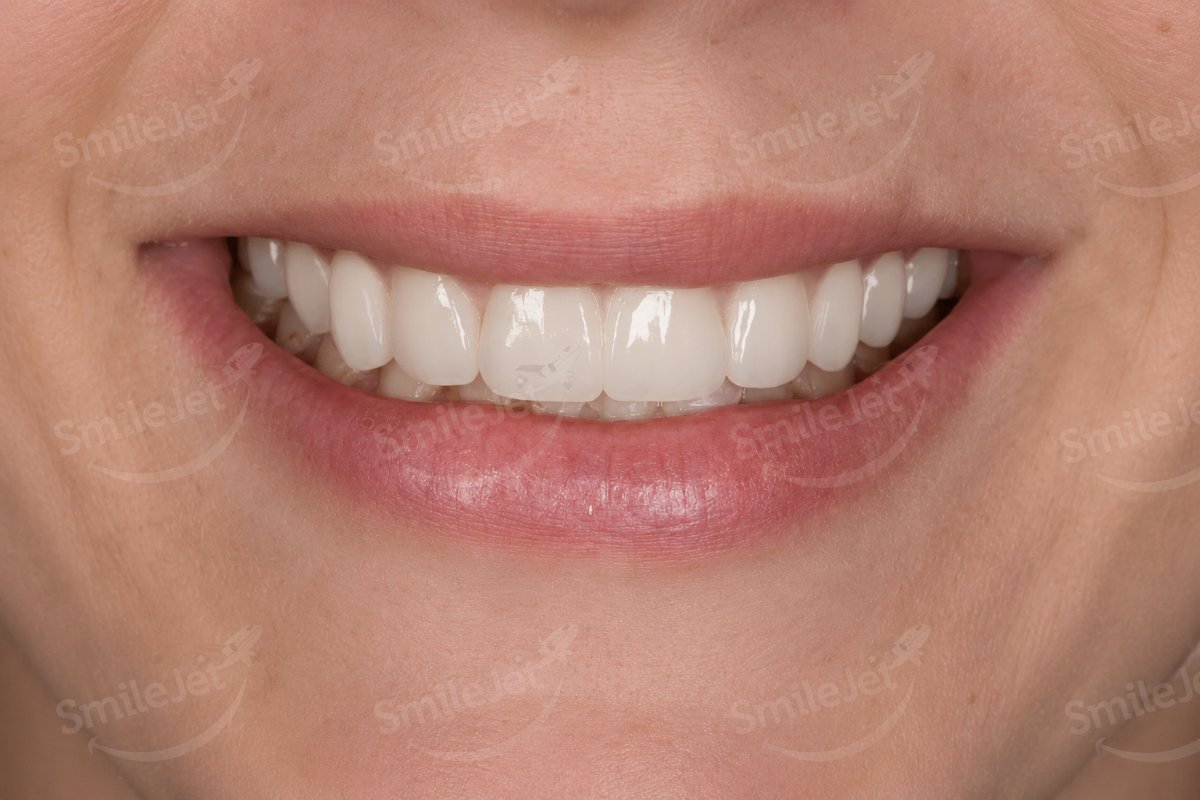 Saved 73%
Ms. Chen's Smile Makeover in Da Nang: 20 Veneers and Crowns for $8K vs $30K...
Paid AUD 8,000 vs AUD 30,000 typical
Melbourne patient Ms. Chen flew to Da Nang for a full smile makeover. 20 crowns and veneers, completed in under 10 days, for $8,000 AUD vs a $30,00...
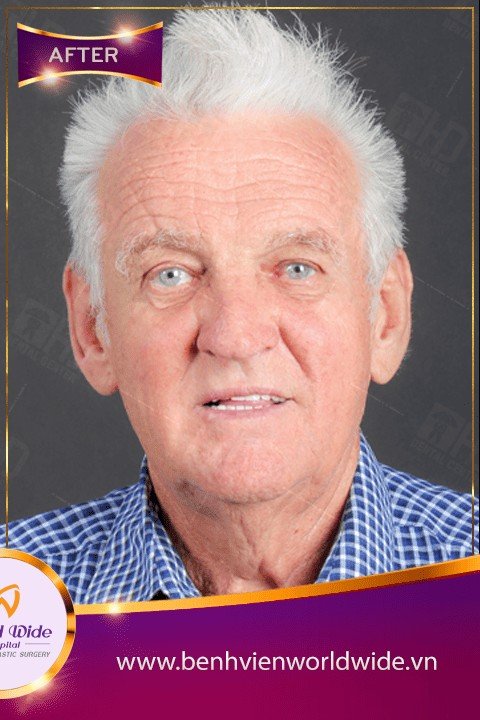 Saved 69%
All-on-4 Full-Arch Restoration at Worldwide Hospital for an Australian Patient
Paid US$6,800 vs US$22,000 typical
An Australian patient restored her full arch with All-on-4 implants at Worldwide Hospital HCMC for USD 6,800, saving over AUD 30,000 vs home.
 Saved 53%
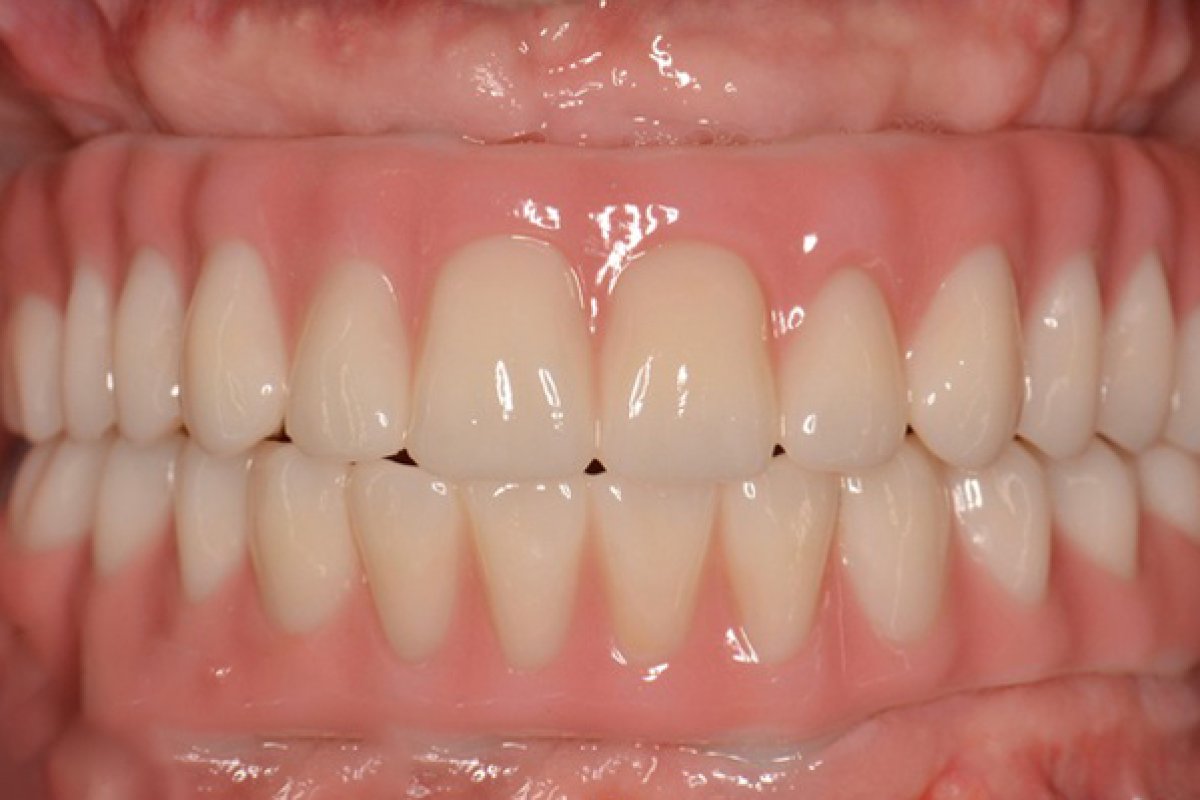
How an Auckland Patient Saved NZ$36,760 on All-on-6 Implants in Vietnam
Paid NZD 33,240 vs NZD 70,000 typical
An Auckland patient saved NZ$36,760 on All-on-6 full-arch implants in Hanoi (NZ$33,240) versus an Auckland quote of NZ$70,000.
 Saved 62%
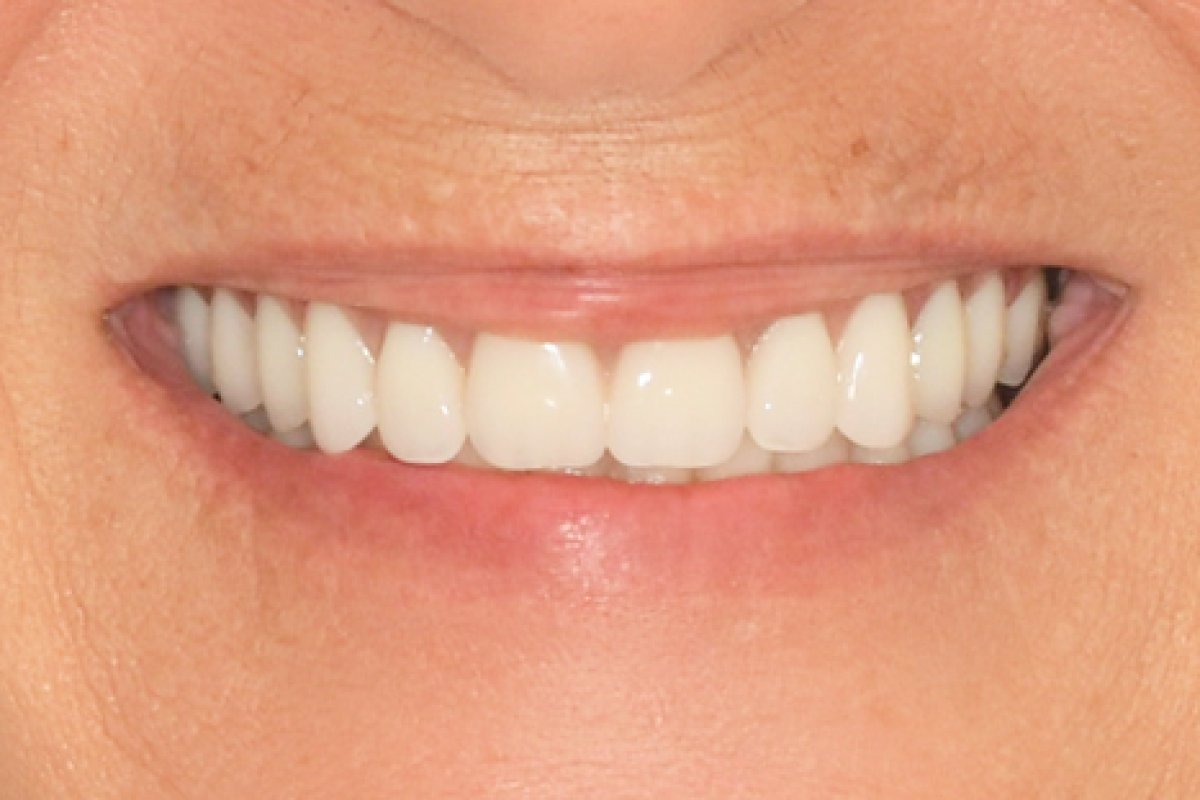
All-on-4 in Vietnam: A Scottsdale Retiree's Full-Mouth Implant Story
Paid US$20,900 vs US$55,000 typical
Arizona retiree Linda completed All-on-4 full-mouth implants in Hanoi for US$20,900 across two trips, against a US$55,000 quote at home.
 Saved 63%
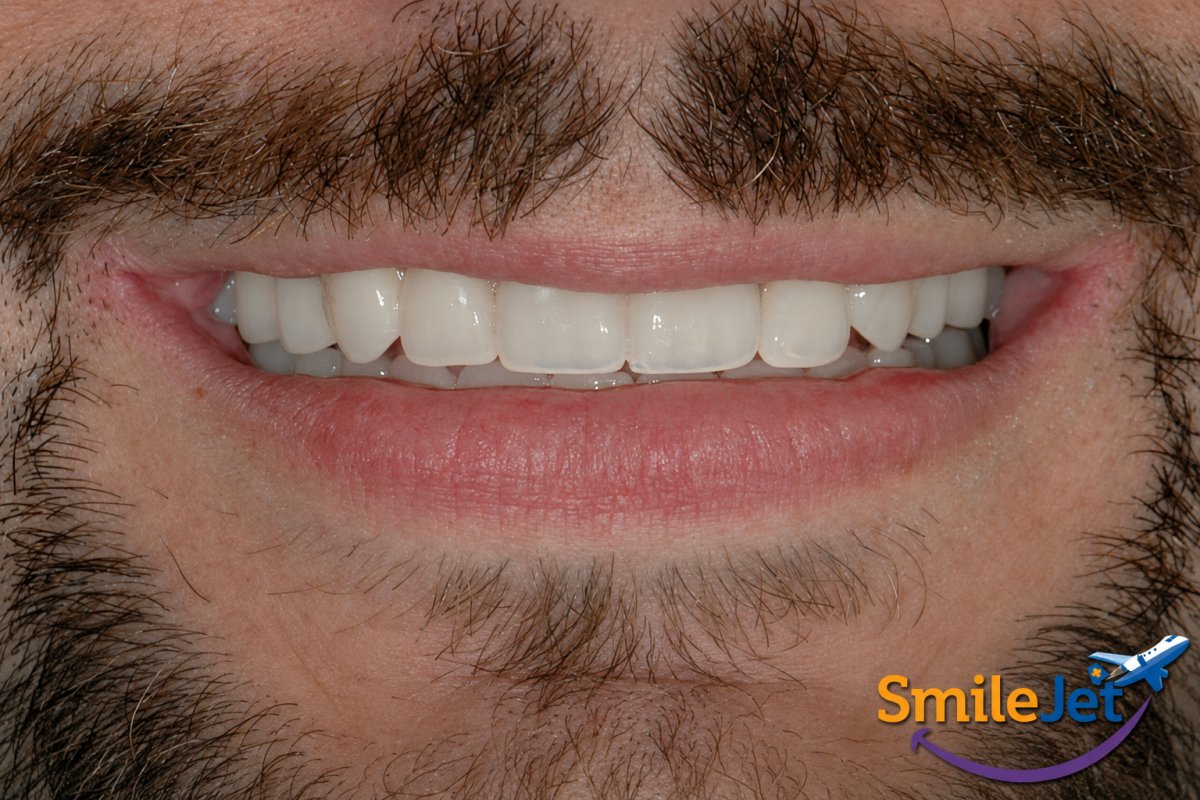
Jason's All-on-4 in Vietnam: $22K All-In vs a $60K+ Quote at Home
Paid AUD 22,000 vs AUD 60,000 typical
Jason flew from Australia to Ho Chi Minh City for full-arch All-on-4 implants. Total all-in spend: $22,000 AUD, against a home quote of $60,000+ AUD.
Two Years in the Making: A Total Transformation of Body and Soul
Dental implants completed across multiple trips to Worldwide Hospital in Vietnam, with concurrent cosmetic procedures all under one roof.
Get a written quote for your own case
Tell us what you need and we will come back with itemised quotes from listed Vietnamese clinics. No forms, no fees, no obligation.
Continue into one of the five SmileJet Vietnamese cities
Every quote, every coordinator, every clinic match happens at the city level.



Explore
More on dental treatment in Vietnam.
Costs, treatments and trip planning, all for Vietnam.