Vietnam vs Hungary
Hungary is the established European choice for UK dental tourism; Vietnam is the established Asian choice with lower prices and direct AU/NZ access. SmileJet only operates in Vietnam, so this comparison is written honestly, not to close a sale.
Choose Vietnam if you are based in Australia, New Zealand, the United States or Canada: it is far closer than Hungary from those origins, the climate diversity gives you recovery options Hungary cannot match, and prices run 15 to 25% lower on cosmetic work. Choose Hungary if you are based in the UK, Ireland or continental Europe: Budapest is 2 to 3 hours direct from London or most EU capitals, the EU regulatory framework provides a familiar legal posture, and Hungarian clinics have decades of European dental-tourism experience. SmileJet cannot facilitate Hungary, but will not pretend it is inferior where it suits your case.
Vietnam vs Hungary, line by line
Two strong destinations on opposite sides of the world. Vietnam leads on price and access for AU/NZ and North American patients; Hungary leads on flight time and EU regulatory framework for UK and European patients.
| Vietnam | Hungary | |
|---|---|---|
| Single implant (US$) | 850 to 1,150 | 700 to 1,100 |
| All-on-4 single arch (US$) | 6,500 to 7,400 | 5,800 to 7,500 |
| Veneer (per tooth, US$) | 280 to 520 | 320 to 550 |
| Full mouth reconstruction (US$) | 12,000 to 22,000 | 11,000 to 20,000 |
| Flight from Sydney | 8h 30m to 9h 15m direct | 22 to 26h, 1-2 stops |
| Flight from Auckland | 1-stop, 12-14h | 24 to 28h, 1-2 stops |
| Flight from Los Angeles | 1-stop via TYO/ICN, 18-22h | 12-14h, 1-2 stops |
| Flight from London | 1-stop via SIN/HKG, 14-16h | 2h 30m direct |
| Visa for AU/NZ/US/UK/CA | E-visa US$25, 90 days; Phu Quoc 30 days visa-free | Schengen-area entry, 90 days, no visa for AU/NZ/US/UK/CA |
| English at top clinics | Excellent | Very good |
| Climate zones for recovery | 4 zones (cool-winter to tropical) | 1 zone (continental, cold winters) |
| Direct city options | 5 SmileJet cities, 3 with direct flights | Budapest primary; Sopron and Mosonmagyarovar secondary (border cities) |
| Regulatory framework | Vietnamese Ministry of Health | EU regulatory framework (post-Brexit still applies under Hungarian medical law) |
| Implant brands stocked | Straumann, Nobel Biocare, Osstem, Dentium | Straumann, Nobel Biocare, Astra |
| Avg trip cost (single implant, AUD) | A$2,400 | A$4,200 (from AU) |
| Vietnam figures are SmileJet partner-clinic ranges. Hungary data is from independent dental-tourism research and partner-clinic surveys; SmileJet does not operate in Hungary. | ||
Which one fits your case
Choose Vietnam if
You are an Australian, New Zealander or North American patient and want the shorter flight and lower trip cost, you are seeking cosmetic work (veneers, smile makeovers) where Vietnam holds the largest pricing edge, you want recovery climate options beyond Eastern European continental winters, you value treatment coordination support across multiple cities, or you are a first-time dental tourist who wants a single coordinated network across treatment options.
Choose Hungary if
You are a UK, Irish or continental European patient and want the shorter flight, you value the EU regulatory framework and familiar legal recourse, you are seeking cross-border dental tourism in Sopron or Mosonmagyarovar border cities, you want to combine treatment with a European city break in Budapest, or you prefer an established European-market dental-tourism network. SmileJet does not operate in Hungary and cannot facilitate treatment there.
Total trip cost: Vietnam vs Hungary
Vietnam figures are SmileJet partner-clinic prices (HCMC example). Hungary figures are typical Budapest market estimates, shown for reference only. For AU/NZ patients, Vietnam is materially cheaper on total trip cost; the comparison inverts for UK and EU patients where Budapest is 2h 30m direct from London.
| Item | Vietnam (HCMC) | Hungary (Budapest) |
|---|---|---|
| Single implant (procedure) | A$1,375 (US$900) | A$1,222 (US$800) |
| Return flights from Sydney | A$720 (direct) | A$2,200 to 2,800 (via SIN/DOH) |
| Accommodation x 7 nights | A$700 to 1,050 | A$800 to 1,400 |
| Visa fee | A$38 (e-visa) | Free (Schengen) |
| Total estimated trip cost (AU) | A$2,833 to 3,183 | A$4,260 to 5,238 |
| Flight from London | A$860 (14-16h return) | GBP 150 to 280 (2h 30m return) |
| Hungary is marginally cheaper on implants and All-on-4 at the procedure level; Vietnam holds a 15 to 25% advantage on cosmetic work. The decisive factor is usually flight cost, which depends entirely on origin. | ||
SmileJet only operates Vietnam, and we will still tell you the truth
SmileJet is a Vietnam-only dental tourism marketplace, so we have a clear commercial interest in directing patients to Vietnam. We will still give you the honest comparison, because sending the wrong patient to the wrong country serves nobody. If Hungary suits your situation better, you should know that before you book.
The geographic split. Hungary is the natural choice for UK and continental European patients. Budapest is 2 hours 30 minutes direct from London, 1 to 2 hours from most EU capitals, and the Schengen-area entry framework means no visa friction for any AU/NZ/US/UK/CA traveller. Sopron and Mosonmagyarovar border cities pull substantial Austrian and German cross-border dental tourism specifically. For Australian and New Zealand patients the geographic flip is severe: Sydney to Budapest is 22 to 26 hours with 1-2 stops, typically via Singapore and Frankfurt, or Doha and Vienna. The flight cost from AU to Hungary is roughly A$2,200 to 2,800 return, comparable to Mexico from AU. Vietnam from Sydney is direct in 8 hours 30 minutes for A$700 to 960 return.
Where prices land. Prices are roughly comparable between Vietnam and Hungary. Hungary is a touch cheaper on implants (US$700 to 1,100 vs Vietnam's US$850 to 1,150) and All-on-4 (US$5,800 to 7,500 vs US$6,500 to 7,400). Vietnam holds a 15 to 25% advantage on cosmetic work like veneers and smile makeovers. Neither country is the absolute cheapest in the region (that distinction goes to Cambodia or India), but both deliver strong value for the clinical quality.
Clinical quality and regulation. Hungary's regulatory framework is one of its strongest selling points. Hungarian dental practice is governed by the Hungarian Medical Chamber under EU-aligned medical law, with malpractice insurance requirements, ongoing professional development obligations, and a clear legal recourse path through Hungarian and EU courts. For UK and EU patients, this is a familiar legal posture that closely mirrors home-market regulation. Vietnam's regulatory framework is the Vietnamese Ministry of Health practitioner registry plus our own SmileJet 18-point verification process applied identically across the five Vietnamese cities. The verification process does heavier work in Vietnam than in Hungary because the EU regulatory backstop is not present, so the network curation and treatment coordination support carry more weight. Top clinics in both countries field clinical training that meets international protocols: Hungary's tradition runs through Semmelweis University Faculty of Dentistry in Budapest, while Vietnam's pedigree is the National Hospital of Odonto-Stomatology in Hanoi, founded 1960. Different institutions, comparable clinical outcomes at top-tier practices.
Bottom line. For AU/NZ and most North American patients, Vietnam is usually the rational first choice on flight time and total trip cost. For UK and continental European patients, Hungary's 2h 30m flight and EU regulatory framework make it the rational first choice, even though SmileJet cannot facilitate it.
Vietnam vs Hungary on cost, by procedure
Veneers and cosmetic work
Vietnam holds the largest pricing edge on cosmetic procedures. E.max veneers in Vietnam run US$280 to 520 per tooth versus US$320 to 550 in Hungary. On a 10-veneer smile makeover, the procedure saving alone is US$400 to 1,500, before accounting for flights. For AU/NZ patients, the lower flight cost to Vietnam makes this gap even wider on a total-trip basis.
Full mouth reconstruction
Full mouth reconstruction in Vietnam runs US$12,000 to 22,000; in Hungary US$11,000 to 20,000. Hungary has a modest procedure-price edge here, but for AU/NZ patients the A$2,200 to 2,800 extra in flights to Budapest more than erases it. For UK and EU patients, the flight-cost comparison inverts: Budapest at GBP 150 to 280 return versus Vietnam at GBP 450 to 700 return.
Single implant pricing
Single implant prices are close between the two countries. Straumann implant in Hungary: US$700 to 1,100. In Vietnam: US$850 to 1,150. Hungary is marginally cheaper at the procedure level, but Vietnam's lower total-trip cost from AU/NZ closes the gap entirely. From the UK, Hungary's procedure saving is reinforced by the short flight.
All-on-4 comparison
Vietnam runs US$6,500 to 7,400 per arch; Hungary US$5,800 to 7,500. On a single-arch case from Australia, Vietnam saves at the procedure level and substantially at the trip level. On a double-arch case, the procedure saving compounds: US$1,400 to 6,200 per pair of arches depending on bridge material, plus flight-cost differences by origin.
Where you recover: Vietnam vs Hungary
Budapest thermal baths and city culture
Budapest offers a compelling European recovery setting: Szechenyi and Gellert thermal baths are two of the best post-surgery relaxation environments in the world, and warm mineral water is genuinely good for recovery comfort. The Ruin Bar district, Danube riverfront, and Michelin-starred restaurants make Budapest a strong standalone holiday destination.
Vietnam's climate diversity advantage
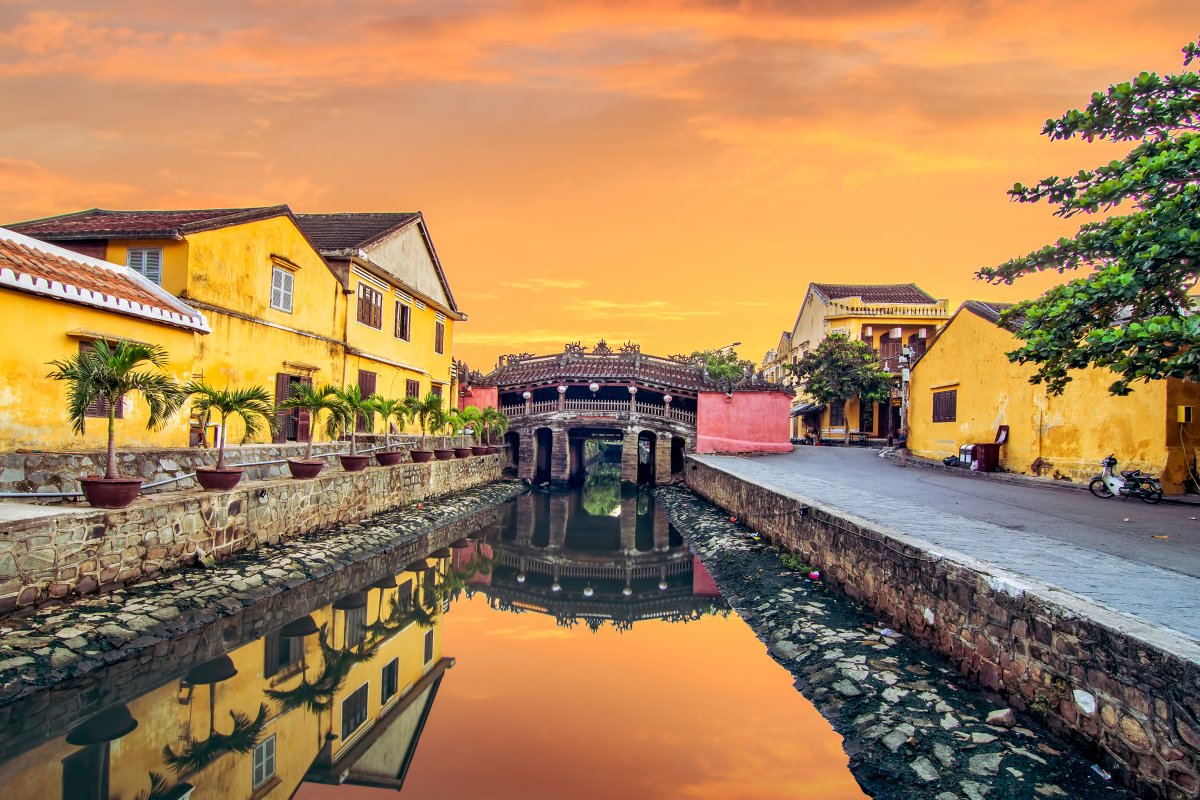
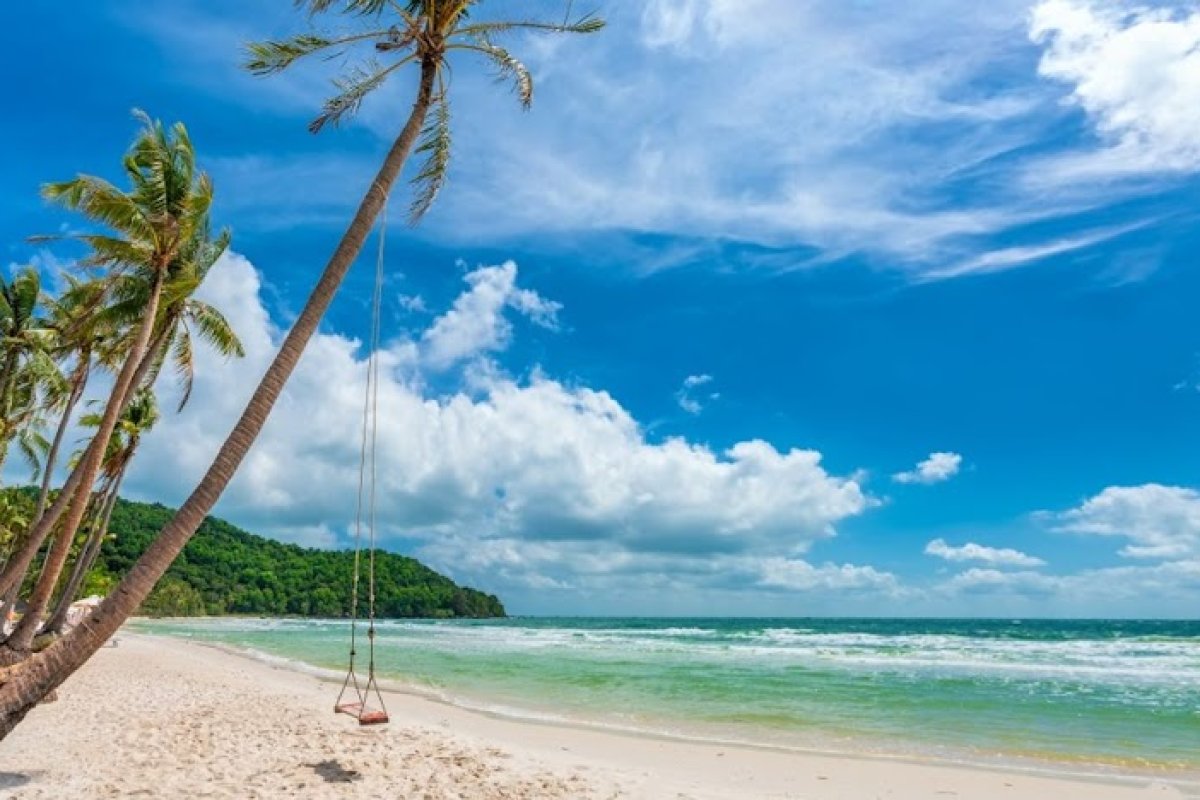
Vietnam offers four recovery zones unavailable in Hungary: cool-dry Hanoi (the best match for patients coming from temperate climates), year-round tropical HCMC, beach recovery at Da Nang and Hoi An, and island resort at Phu Quoc. Hungary has one climate zone (continental European) with cold winters (below 0C November to March) that may not suit post-surgical patients from warm-weather origins.
Trip duration comparison
A typical Vietnam dental trip is 7-14 days, often combined with broader Vietnamese travel. A typical Budapest dental trip is 5-8 days: shorter flight, shorter recovery, quicker return to the UK or Europe. For EU patients who want the most efficient dental trip possible, Hungary's short flight time makes the trip genuinely easier to schedule around work commitments.
Vietnam for the longer trip experience
For patients who want the dental trip to also be a meaningful travel experience, Vietnam is more compelling. Five cities, multiple UNESCO World Heritage sites, beach, mountain, and island options within a single country. Hungary offers Budapest, an excellent city but a single destination. The breadth of Vietnam suits patients who want two weeks of genuine exploration around their dental appointments.
If Vietnam is your pick
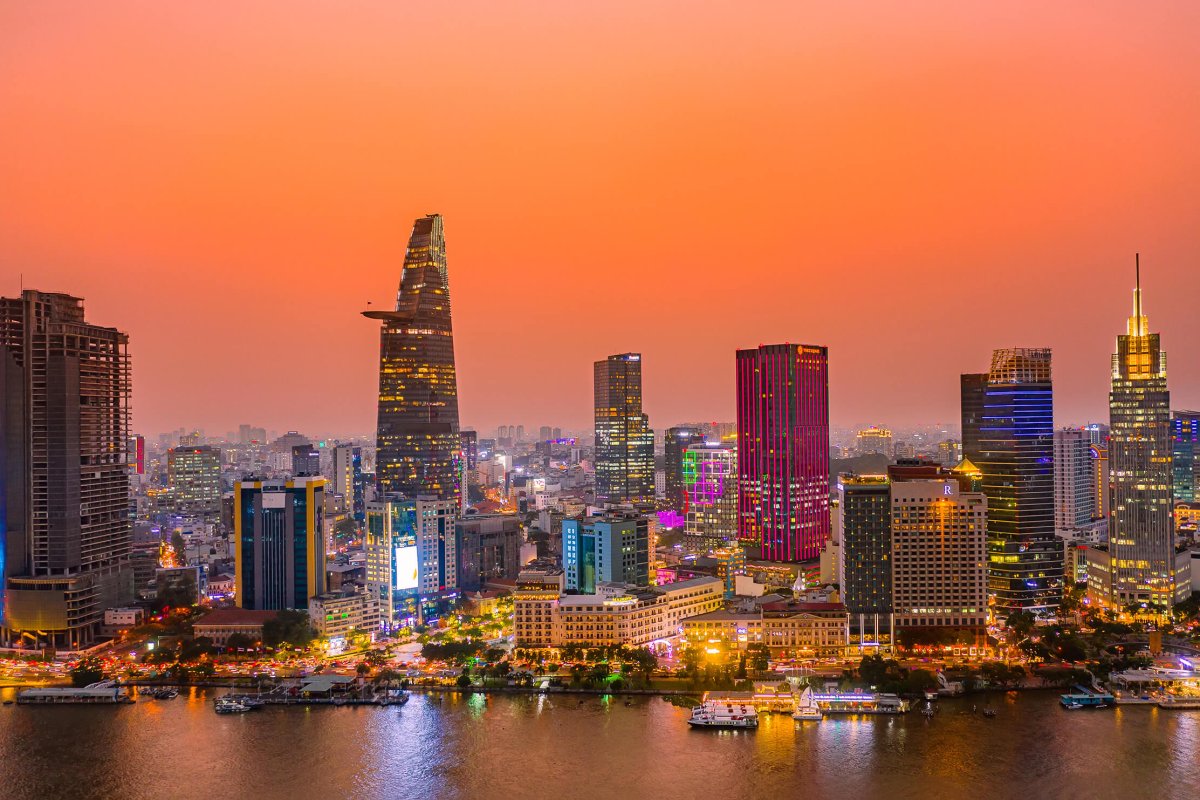
Five cities, four climate zones, one coordinated network. SmileJet provides treatment coordination support across all five Vietnamese cities, so you can match your case and recovery preference to the right location: cool-season Hanoi, tropical HCMC, the central-coast beaches of Da Nang and Hoi An, or the island resort setting of Phu Quoc.
Hungary, for reference. Budapest remains an excellent European option for UK and EU patients. SmileJet cannot coordinate Hungarian treatment; these notes are provided for context only.
Vietnam vs Hungary, answered
Is Hungary regulated differently from Vietnam for dental work?
Are veneer prices actually lower in Vietnam than Hungary?
What recovery does Budapest offer vs Vietnam cities?
Does SmileJet operate in Hungary?
When does Hungary make more sense than Vietnam?
Get a written quote for your own case
Tell us what you need and we will come back with itemised quotes from listed Vietnamese clinics. No forms, no fees, no obligation.
Continue into one of the five SmileJet Vietnamese cities
Every quote, every coordinator, every clinic match happens at the city level.


Explore
More on dental treatment in Vietnam.
Costs, treatments and trip planning, all for Vietnam.