Editorial Guide
Recovering from dental implants on a tropical island
Spending the 3 to 5 days after implant surgery at a white-sand Phu Quoc resort is genuinely different from recovering in a Saigon hotel room. This day-by-day guide covers what you can and cannot do, when the beach becomes accessible, and what the practical constraints actually are.
Quick summary
Phu Quoc implant recovery: the day-by-day rules
- Implant surgery is performed under local anaesthesia and typically takes 1 to 2 hours per implant; you are awake and leave the clinic the same day.
- Swelling peaks at 24 to 48 hours. Day 0 to 1 is rest with ice and soft food; gentle beach walking is fine from Day 1 and beach sitting from Day 2.
- Swimming in the sea is appropriate from Day 3 after single-implant surgery, when the surgical site has stabilised and seawater carries minimal infection risk.
- Alcohol is off the menu for the full antibiotic course (about 5 days) because it conflicts with antibiotics and increases bleeding risk.
- Wait a minimum of 48 to 72 hours before flying; for surgery on Day 2, the earliest departure is Day 5 and most patients fly Day 7 to 8.
- SmileJet schedules appointments around the beach and provides coordination and urgent triage outside Phu Quoc clinic hours (8am to 6pm ICT).
Why the recovery environment matters
Island recovery, in practice
The standard argument for Phu Quoc dental tourism over mainland destinations is the recovery environment. Spending the 3 to 5 days after implant surgery at a white-sand beach resort is genuinely different from spending them in a Saigon hotel room or a Da Nang city apartment. But the question patients ask, and the one this guide actually answers, is what recovery means day by day: what you can and cannot do, when the beach becomes accessible, and what the practical constraints are.
Day by day
Your Phu Quoc recovery, hour by hour and day by day
Timings below are for a typical single-implant case. Your clinic provides written post-op instructions and confirms your individual timeline at the surgery.
What to eat
Phu Quoc soft-food options during recovery
A progression from liquids to most foods over the first few days, with practical options for where to find them on the island.
| Day range | Suitable foods | Where to find in Phu Quoc |
|---|---|---|
| Day 0-1 | Congee, yoghurt, smoothie, soft tofu, clear broth | Resort room service, Duong Dong market |
| Day 1-2 | Scrambled eggs, steamed fish, soft rice, banana | Resort restaurant, Dinh Cau Night Market (selectively) |
| Day 2-3 | Soft-cooked prawns, pho, soft avocado toast, ripe papaya | Restaurant row, Cau Castle area cafes |
| Day 3+ | Most foods (avoid hard/crunchy); seafood BBQ, grilled fish, rice | Full Dinh Cau Night Market, beachfront restaurants |
Island-specific care
Flying, heat, sun, pain and spa: the tropical factors
A few things matter more on a tropical island than at an urban dental destination. Here is how to manage each one.
Flying home after surgery
Wait a minimum of 48 to 72 hours after implant surgery before flying. For single-implant surgery on Day 2 of the trip, the earliest recommended departure is Day 5; most patients fly Day 7 to 8. Cabin pressure changes do not materially affect osseointegration, but flying too soon (within 24 hours) increases the risk of post-surgical oozing where you have no clinical support. The 7-day trip structure builds in enough recovery time before departure for all single-implant cases.
Heat, sun and humidity
Phu Quoc is typically 28 to 33 degrees Celsius year-round with high humidity. Heat makes facial swelling persist slightly longer, and direct sun on swelling is uncomfortable and can increase inflammation in the first 48 hours. Stay in air-conditioned spaces during the hottest part of the day (11am to 3pm) for the first two days and wear a wide-brimmed hat outdoors on days 1 to 3. From day 3, sun exposure is unrestricted with standard SPF 50 sunscreen.
Oral hygiene in humidity
Humidity has no direct effect on healing, but rinsing with saline (half a teaspoon of salt in 250ml of cool water) after any beach or outdoor time is a useful habit during the first week. Chlorhexidine mouthwash (0.12%, prescribed by the clinic) should continue twice daily for the first 14 days regardless of how clean the site feels; its antiseptic properties are particularly useful in a humid tropical environment where oral bacterial load is higher.
Pain management in a resort
Most patients need prescription pain relief only for the first 48 to 72 hours. After that, over-the-counter ibuprofen (400 to 600mg, every 6 to 8 hours with food) manages residual discomfort for most single-implant cases. Your clinic prescribes take-home analgesics and antibiotics on surgery day, typically 5 days of antibiotics and 3 days of prescription pain relief. Alcohol is contraindicated for the antibiotic course (typically amoxicillin or clindamycin), so the sundowner cocktail is off the menu for about 5 days; resort mocktails and fresh tropical juices are fine.
When to contact the clinic
If pain is not controlled by over-the-counter medication by day 4, or if pain increases rather than decreases after day 2, contact your clinic immediately. Escalating pain is not a normal feature of implant healing and requires assessment. Your clinic is reachable by Messenger during Phu Quoc business hours (8am to 6pm ICT), and SmileJet coordination is available for urgent triage outside those hours.
Resort spa treatments
Phu Quoc resort spas (JW Marriott, InterContinental, Premier Village) are world-class. For implant patients: no facial massage or deep-tissue neck massage for the first 7 days, as manipulation near the jaw can irritate the site and increase swelling. Body massage, foot reflexology and back treatments are fine from day 2. Avoid saunas and steam rooms for the first 5 days (heat increases swelling and is contraindicated on antibiotics). From day 5, with swelling resolved and antibiotics complete, full spa access is appropriate.
Plan your island trip
We schedule your appointments around the beach
Tell us what you need and we will plan your treatment and recovery time together, so you heal comfortably and fly home safely. Free quote in AUD, matched within 24 hours.
- Treatment and recovery scheduled together
- Clear written aftercare instructions
- Coordination and urgent triage outside clinic hours
- Free for patients, no platform fees
Get your free quote
Free. Matched to Phu Quoc specialists within 24 hours.
Get my free quote Message us on MessengerNo booking fees. No commission added. You pay the clinic directly.
FAQ
Frequently asked questions
Practical answers for patients recovering from implants on Phu Quoc.
Get free quoteWhen can I swim in the sea after dental implant surgery in Phu Quoc?
How soon can I fly home after implant surgery?
Is it safe to sunbathe and be in the heat while recovering in Phu Quoc?
Can I drink alcohol on holiday after implant surgery?
Can I have a resort spa treatment or massage during implant recovery?
Start here
Plan your island dental trip
SmileJet schedules your Phu Quoc appointments around the beach so you heal comfortably and fly home safely. Free quote in AUD, matched within 24 hours.
At a glance
Phu Quoc implant recovery key timings.
More Phu Quoc guides
Smile stories from Vietnamese clinics
Real outcomes from SmileJet patients who completed treatment in Vietnam. Each story includes the diagnosis, treatment plan, what they paid, and what they would have paid at home. Browse all smile stories.
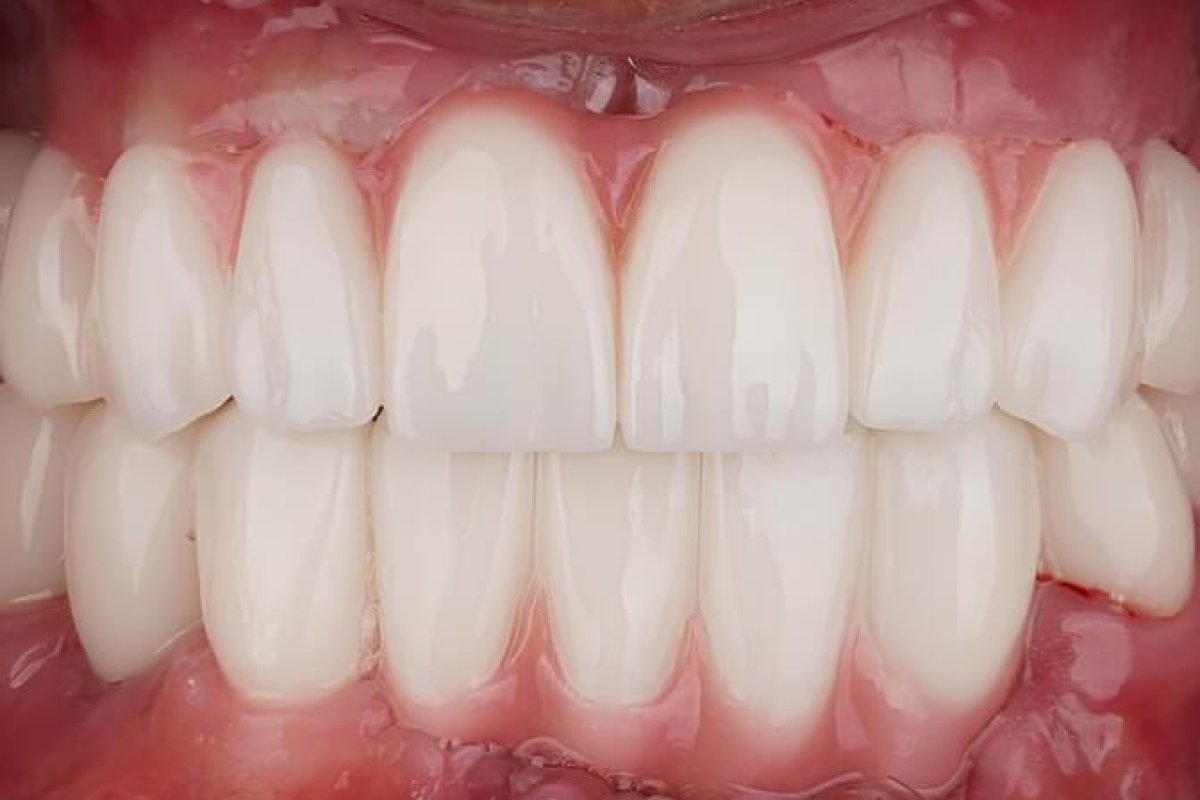 Saved 31%
The Aussie Retiree Who Got His Smile Back
Paid AUD 33,000 vs AUD 48,000 typical
Brisbane retiree Graham replaced ten teeth with implants and zirconia crowns in Hanoi for A$33,000, against an A$48,000 quote: about A$15,000 bette...
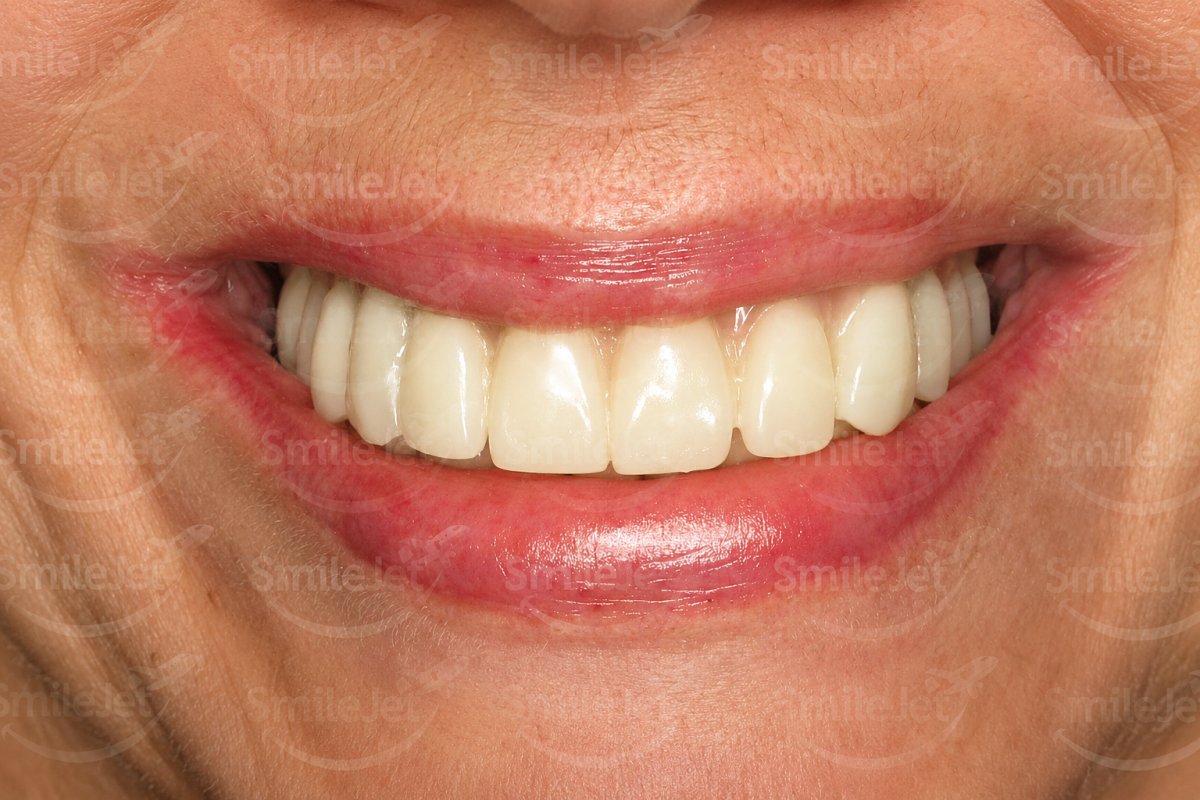 Saved 55%
Ms. Jenkins' All-on-4 in Vietnam: $25K Total vs $55K at Home in Brisbane
Paid AUD 25,000 vs AUD 55,000 typical
Brisbane patient Ms. Jenkins saved nearly $30K on full-arch All-on-4 implants for both jaws in Vietnam after years of gum infections and failing re...
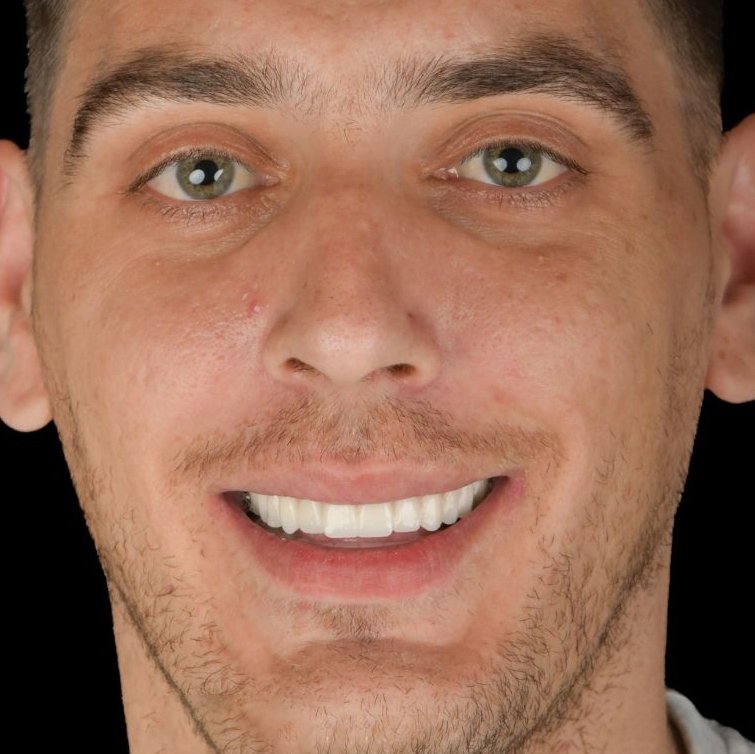 Saved 50%
I Was Done With Dentures. Vietnam Gave Me My Life Back
Paid AUD 22,000 vs AUD 44,000 typical
Dave replaced his failing upper and lower dentures with fixed All-on-4 implants in Hanoi for A$22,000, exactly half the A$44,000 quote in Melbourne.
 Saved 65%
Neha's Smile Makeover in Hanoi: 20 Veneers for $9K vs $26K in Sydney
Paid AUD 9,000 vs AUD 26,000 typical
Neha Iyer from Sydney saved $17,000 on 20 porcelain veneers in Hanoi, Vietnam. 7-day trip with Halong Bay and Ninh Binh.
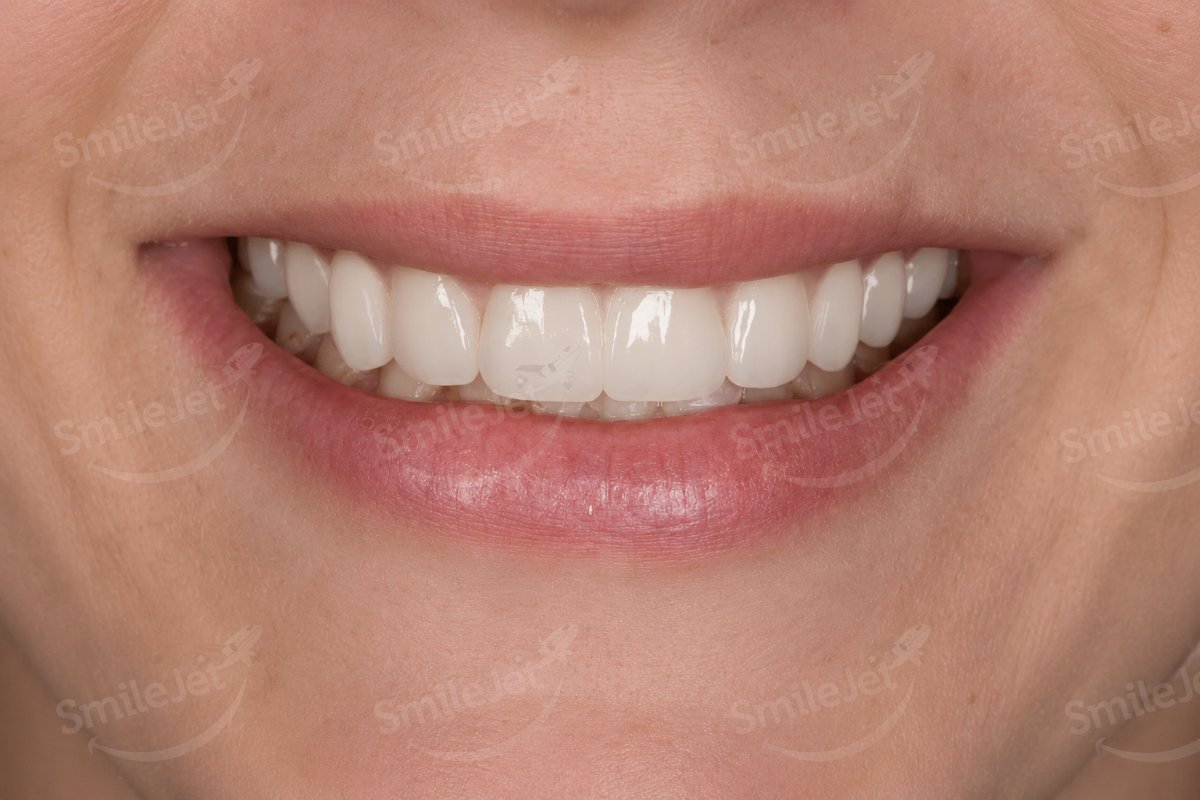 Saved 73%
Ms. Chen's Smile Makeover in Da Nang: 20 Veneers and Crowns for $8K vs $30K...
Paid AUD 8,000 vs AUD 30,000 typical
Melbourne patient Ms. Chen flew to Da Nang for a full smile makeover. 20 crowns and veneers, completed in under 10 days, for $8,000 AUD vs a $30,00...
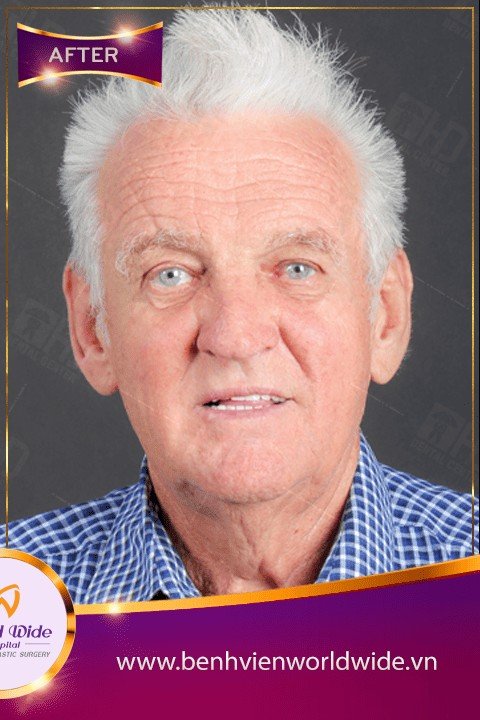 Saved 69%
All-on-4 Full-Arch Restoration at Worldwide Hospital for an Australian Patient
Paid US$6,800 vs US$22,000 typical
An Australian patient restored her full arch with All-on-4 implants at Worldwide Hospital HCMC for USD 6,800, saving over AUD 30,000 vs home.
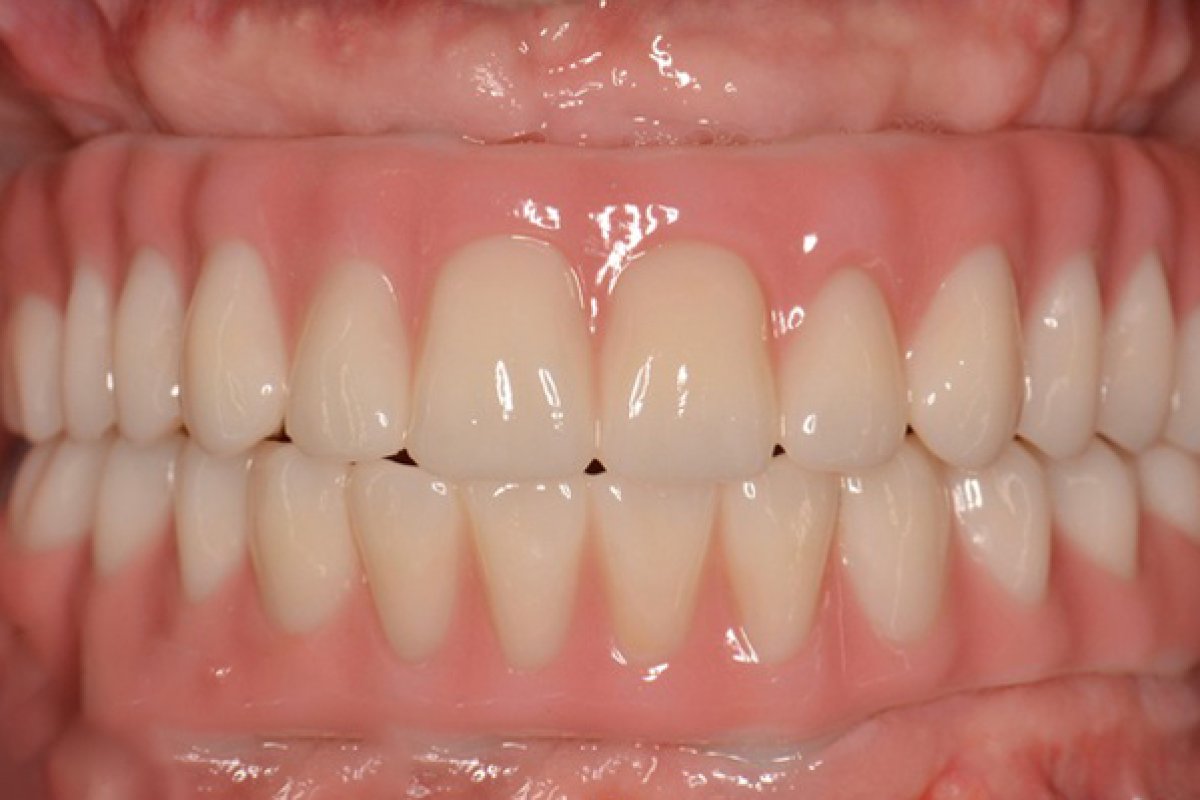 Saved 53%
How an Auckland Patient Saved NZ$36,760 on All-on-6 Implants in Vietnam
Paid NZD 33,240 vs NZD 70,000 typical
An Auckland patient saved NZ$36,760 on All-on-6 full-arch implants in Hanoi (NZ$33,240) versus an Auckland quote of NZ$70,000.
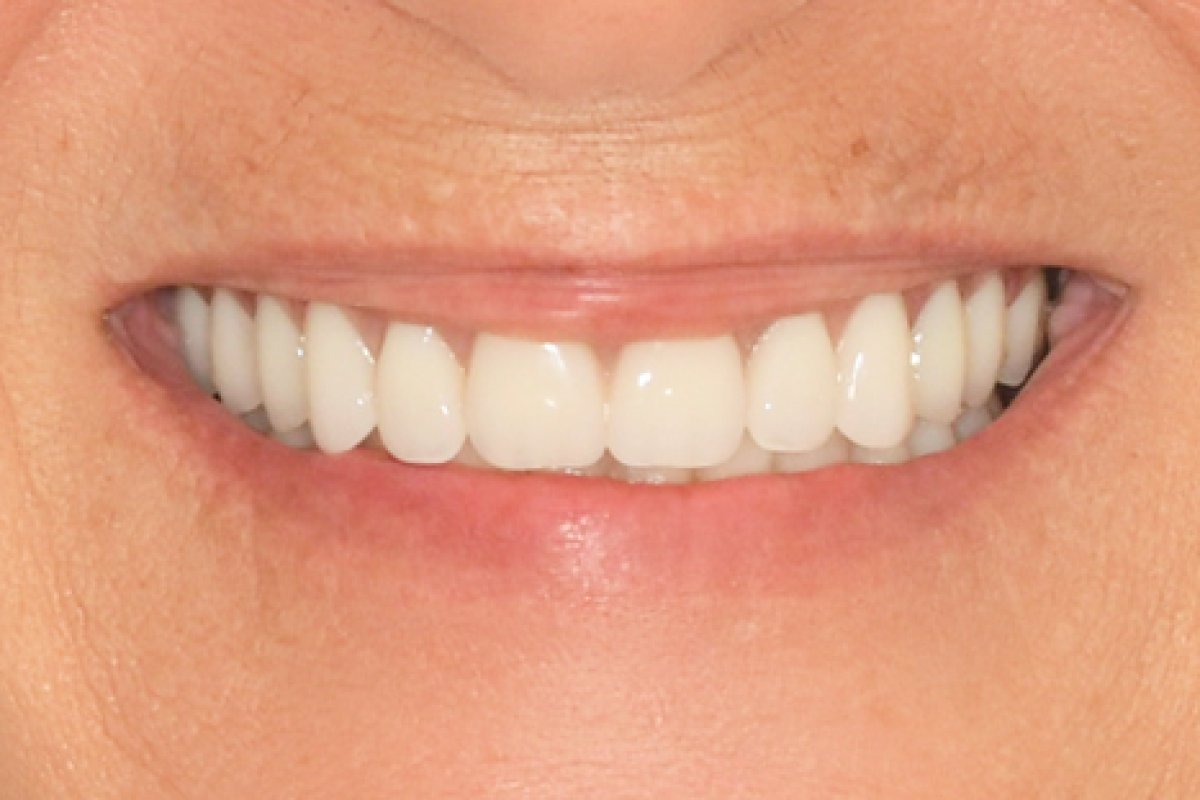 Saved 62%
All-on-4 in Vietnam: A Scottsdale Retiree's Full-Mouth Implant Story
Paid US$20,900 vs US$55,000 typical
Arizona retiree Linda completed All-on-4 full-mouth implants in Hanoi for US$20,900 across two trips, against a US$55,000 quote at home.
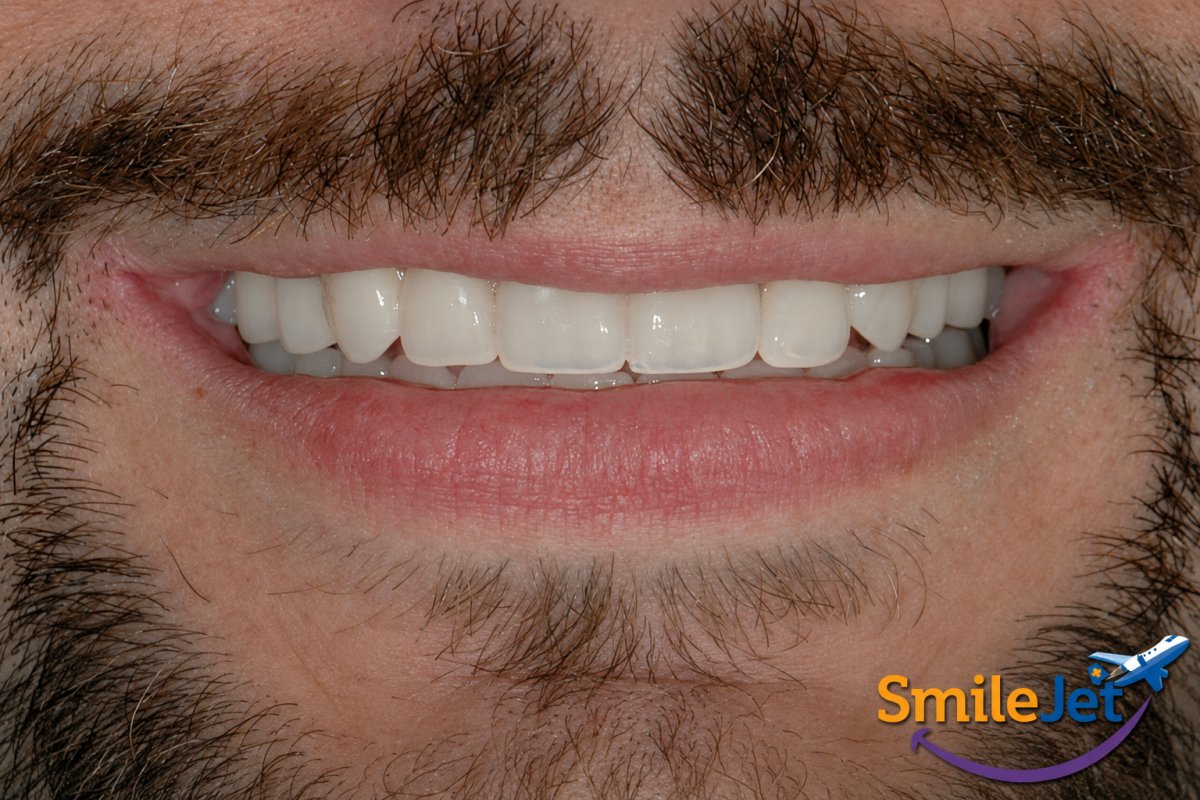 Saved 63%
Jason's All-on-4 in Vietnam: $22K All-In vs a $60K+ Quote at Home
Paid AUD 22,000 vs AUD 60,000 typical
Jason flew from Australia to Ho Chi Minh City for full-arch All-on-4 implants. Total all-in spend: $22,000 AUD, against a home quote of $60,000+ AUD.
Two Years in the Making: A Total Transformation of Body and Soul
Dental implants completed across multiple trips to Worldwide Hospital in Vietnam, with concurrent cosmetic procedures all under one roof.
Explore
More on dental treatment in Phu Quoc.
Costs, treatments and trip planning, all for Phu Quoc.