Hoi An Composite Bonding
Composite bonding – Hoi An-based trips
By SmileJet Editorial Team · Updated May 2026
Composite bonding at Da Nang partner clinic rates. You stay in Hoi An Ancient Town – treatment is 30 minutes south by Grab. A single appointment, no fabrication wait – the ideal treatment for short Hoi An stays where a full veneer trip isn't feasible. Prices in AUD, NZD, GBP, USD, and CAD.
Get free bonding quoteComposite bonding prices – Da Nang partner clinics (Hoi An-based trips)
1 USD = 1.53 AUD / 1.75 NZD / 0.79 GBP / 1.37 CAD
| Treatment | USD | AUD | NZD | GBP | CAD |
|---|---|---|---|---|---|
| Composite bonding – per tooth | From $80 | From A$122 | From NZ$140 | From £63 | From C$110 |
| 4 teeth (minor gaps and chips) | From $320 | From A$490 | From NZ$560 | From £253 | From C$438 |
| 6 teeth (upper front smile zone) | From $480 | From A$734 | From NZ$840 | From £379 | From C$658 |
| 10 teeth (full arch bonding) | From $800 | From A$1,224 | From NZ$1,400 | From £632 | From C$1,096 |
Treatment at Da Nang partner clinics. Grab from Hoi An to clinic: approximately A$5–7 each way. Composite bonding is completed chair-side in a single appointment – no fabrication days. Exchange rates: 1 USD = 1.53 AUD / 1.75 NZD / 0.79 GBP / 1.37 CAD.
Composite bonding vs porcelain veneers – which is right for you?
Choose composite bonding if:
- ✓You want same-day results from one Grab trip to Da Nang
- ✓You're fixing chips, minor gaps, or small discolouration
- ✓Budget is the primary consideration
- ✓You want a reversible, no-prep option
- ✓Your Hoi An stay is short and fabrication days don't fit
Choose porcelain veneers if:
- →You want a 10–15 year result with consistent shade
- →You're doing a full smile makeover (6–10 teeth)
- →Shade stability matters (composite stains over time)
- →Your Hoi An stay is 5+ days – fabrication days in Ancient Town
- →You want DSD-designed proportions with a ceramist finish
What to expect – composite bonding procedure
Single Grab trip to Da Nang – done same day
Composite bonding is entirely chair-side – the dentist applies, shapes, and light-cures the resin directly on the tooth. No impressions, no lab, no fabrication wait. You leave the clinic with the finished result. One Grab to Da Nang, 2–4 hours at the clinic, Grab back to Hoi An.
Minimal to no tooth preparation
In most bonding cases, little or no enamel is removed. The composite resin is bonded to the existing tooth surface using acid etching and bonding agent. This makes composite bonding one of the most conservative cosmetic options available.
Shade selection in the clinic
The dentist matches resin shade to your adjacent teeth at the start of the appointment. Multiple shades can be layered to produce translucency and depth. The final result is polished to match natural enamel sheen.
Longevity and maintenance
Composite bonding lasts 5–8 years with good oral hygiene. It can stain from red wine, coffee, and turmeric over time – a limitation compared to porcelain veneers. Polishing and minor touch-ups can be done at any composite-capable dentist at home if needed.
Composite bonding FAQ – Hoi An trips
How is composite bonding different from veneers?
Composite bonding is applied directly in the chair using tooth-coloured resin – no lab, no wait. Veneers are thin porcelain shells fabricated in a lab over 2–3 days and bonded at a second appointment. Bonding is faster and less expensive; veneers are more durable and maintain shade longer.
Can composite bonding fix gaps between teeth?
Yes – this is one of the most common uses. The dentist builds out the edges of adjacent teeth to close or significantly reduce gaps. Results are immediate and require no fabrication wait.
Is it suitable for a short Hoi An stay?
Composite bonding is ideal for short Hoi An stays of 2–4 days where a full veneer trip (5+ days) is not feasible. One Grab to Da Nang, one appointment, same-day result. The rest of the stay is Ancient Town time.
Can bonding be combined with whitening?
Yes, but sequence matters: whiten first, then bond. Composite resin does not change colour with whitening agents, so if you whiten after bonding, the bonded teeth will appear darker than the surrounding natural teeth. The Da Nang clinician will sequence this correctly.
What is the cost saving vs Australia?
Composite bonding per tooth in Australia typically costs A$350–600. In Hoi An at the Da Nang partner clinic, it's from A$122 per tooth. A 6-tooth bonding case saves approximately A$1,380–2,868 before any consideration of private health rebate.
Frequently asked questions
How long does composite bonding last in a beach environment like Hoi An?
Composite bonding lasts 5–8 years with good care. The beach environment itself does not accelerate wear – sun exposure does not affect resin. Staining from food and drink is the main longevity factor; polishing can refresh the surface at any composite-capable dentist at home.
Can composite bonding fix gaps between my teeth?
Yes – closing or reducing gaps (diastema) is one of the most common bonding applications. The dentist builds out the edges of adjacent teeth to close the space. Results are immediate, with no fabrication wait required.
Is composite bonding treatment completed in a single day in Hoi An?
Yes. Bonding is entirely chairside – no lab, no impressions, no fabrication window. One Grab trip to the Da Nang partner clinic (30 minutes), 2–4 hours of chair time, and you return to Hoi An Ancient Town the same day with the finished result.
Who is composite bonding best suited to?
Not every cosmetic concern requires a veneer or a crown. Composite bonding is the right intervention for a specific patient profile – and understanding that profile helps you decide whether to book a Hoi An trip around bonding or a longer veneer trip instead.
Chipped front teeth
A fractured corner or chipped incisal edge is the most common bonding case. The composite is layered to rebuild the missing structure, shaped to mirror the opposite tooth, and light-cured in one sitting. No impressions, no lab wait. A single Grab to Da Nang.
Minor gap closure (diastema)
A gap between upper central incisors can be narrowed or closed entirely by building out the adjacent tooth edges. For gaps wider than 2 mm, the dentist will assess whether bonding alone produces a proportionate result or whether veneers would be more appropriate.
Pre-veneer patients
Some patients use bonding as a cost-effective interim solution – improving specific teeth while saving toward a full veneer case. Bonding can be placed with minimal enamel removal, so the move to veneers later remains uncompromised.
Not suited to bonding: Teeth with existing large restorations or significant structural compromise are better served by a full crown. Patients wanting a shade-stable 10–15 year result across all upper front teeth will get more from E.max veneers. The Da Nang clinician will advise at consultation – no commitment is made before you have seen the proposed outcome.
Composite bonding vs veneers in Hoi An: 3-scenario decision guide
You have a 3 to 5 day Hoi An stay and want to fix a chipped incisor, close a small gap, or improve one or two teeth. Composite bonding is completed in a single Da Nang clinic visit, same day. No fabrication window required. One Grab trip, 2 to 3 hours chair time, results visible immediately. Veneer fabrication (2 to 3 days minimum) would not fit this trip length.
You are planning a dedicated 7 to 10 day Hoi An trip and want to transform 6 to 10 upper front teeth. Porcelain veneers are the right choice for durability, shade stability, and long-term result. The 2 to 3 day fabrication window becomes your best Ancient Town days. E.max veneers last 10 to 15 years versus 5 to 8 for composite bonding.
You want cosmetic improvement now but are not ready to commit to veneers financially or have concerns about enamel preparation. Composite bonding with minimal or no enamel removal provides immediate improvement. It can be polished, repaired, or replaced when you are ready to proceed with veneers on a future Hoi An trip. The bonding does not compromise the veneer option.
What composite bonding can correct in Hoi An
Chipped or fractured incisal edge
The most common bonding case. A corner fracture or worn incisal edge is rebuilt with layered composite resin, shaped to mirror the opposite tooth, and light-cured chair-side. No impressions, no fabrication wait. One Da Nang clinic visit.
Small gaps between teeth (diastema)
A midline gap or spacing between adjacent teeth is narrowed or closed by building out the tooth edges. The dentist assesses proportionality first – gaps wider than 2 mm require careful planning to avoid overly widened teeth.
Minor tooth shape irregularities
Peg laterals (unusually small lateral incisors), pointed canines, and uneven tooth widths are corrected by adding resin to build the tooth to a more proportionate shape. Same-day correction.
Surface staining and minor discolouration
Superficial staining from tea, coffee, or antibiotics that cannot be resolved with whitening can be covered with a thin layer of tooth-coloured composite. Less predictable than veneers for shade masking, but effective for isolated teeth.
Short teeth from wear
Tooth wear from acid erosion or attrition shortens the clinical crown over time. Composite can rebuild the incisal edge to restore tooth length. Note: where wear is caused by grinding, a night guard is required in addition to the bonding.
Pre-whitening touch-ups
Patients who have recently whitened and have a small chip or gap that now shows more prominently can combine whitening and bonding in the same Da Nang clinic visit. Sequence: whiten first, allow shade to stabilise (allow 2 weeks minimum), then bond to match.
Composite bonding aftercare and longevity
Expected lifespan
Composite bonding typically lasts 5 to 8 years before requiring polishing or replacement. The resin bonds to the enamel surface and does not deteriorate suddenly. Edges can be polished and minor chips repaired at any composite-capable dentist at home. Full replacement is a simple re-bonding procedure.
Staining over time
Composite resin is more susceptible to staining than porcelain. Coffee, red wine, turmeric, and tobacco cause gradual discolouration over 3 to 5 years. Professional polishing at your home dentist can refresh the surface appearance. Patients who switch to veneers on a future Hoi An trip benefit from the stain-resistance of porcelain.
Foods and habits to avoid
Avoid biting directly into hard items with the bonded teeth: whole apples, crusty baguettes (a staple in Hoi An), ice, pen lids, and fingernails. These can fracture the resin edge. Normal chewing of everyday foods carries no special risk. Avoid nail-biting and any habit that loads the bonded edge repeatedly.
Touch-up at any dentist
Unlike veneers or crowns, composite bonding does not require a specialist for maintenance. Any general dentist can polish, repair, or extend the bonded tooth with composite resin matching the original shade. The Da Nang partner clinic provides the shade reference in your treatment records, which can be forwarded to your home dentist.
Get a composite bonding quote for your Hoi An trip
Priced per tooth in your home currency. Ancient Town base confirmed. Single Grab trip to Da Nang – done and back same day. Matched within 24 hours.
Get free bonding quotePremium Hoi An clinics for composite bonding
Featured partner clinics in Hoi An, ranked by patient rating, each shown with their published starting price for composite bonding where available.
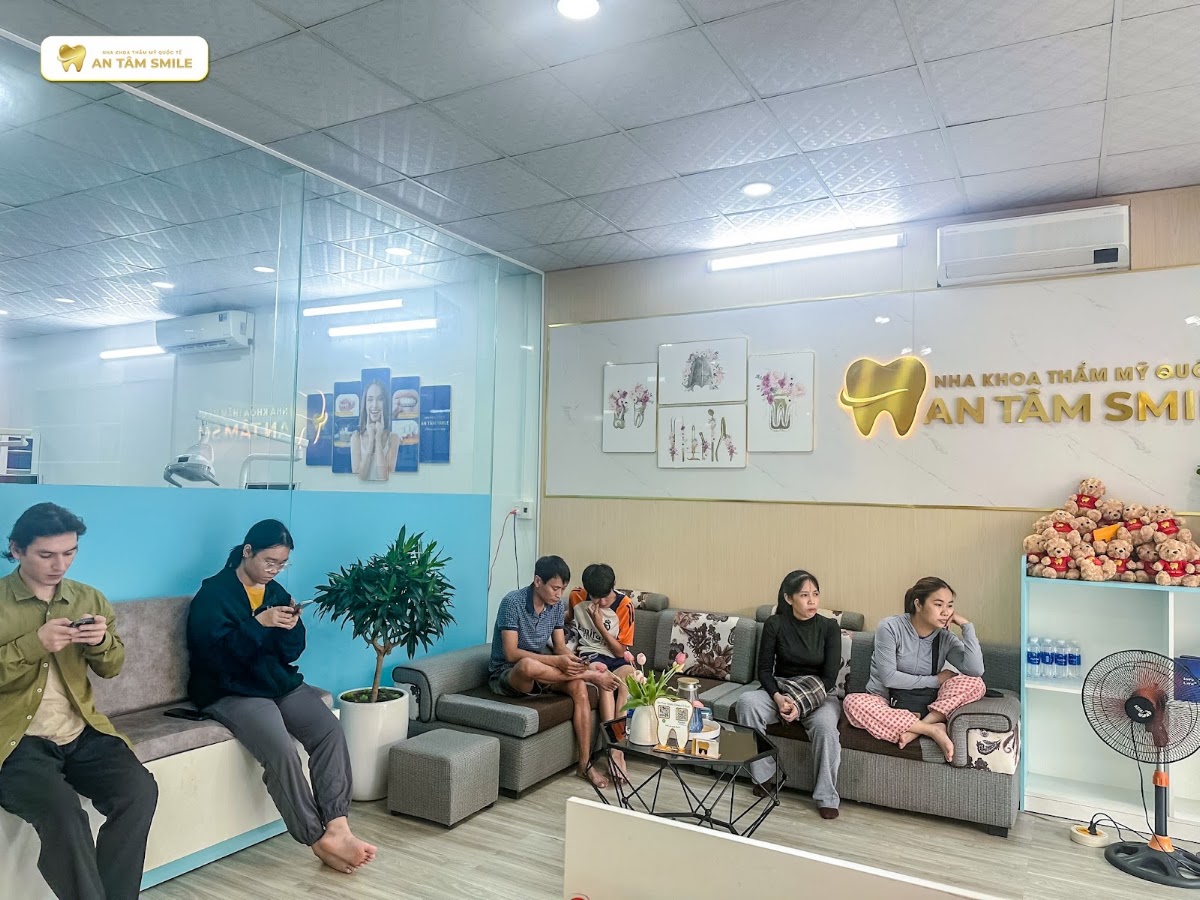
Don't see your case priced? Request a written quote and we'll match you with a listed Hoi An clinic within 24 hours.
Smile stories from Vietnamese clinics
Real outcomes from SmileJet patients who completed treatment in Vietnam. Each story includes the diagnosis, treatment plan, what they paid, and what they would have paid at home. Browse all smile stories.
 Saved 31%
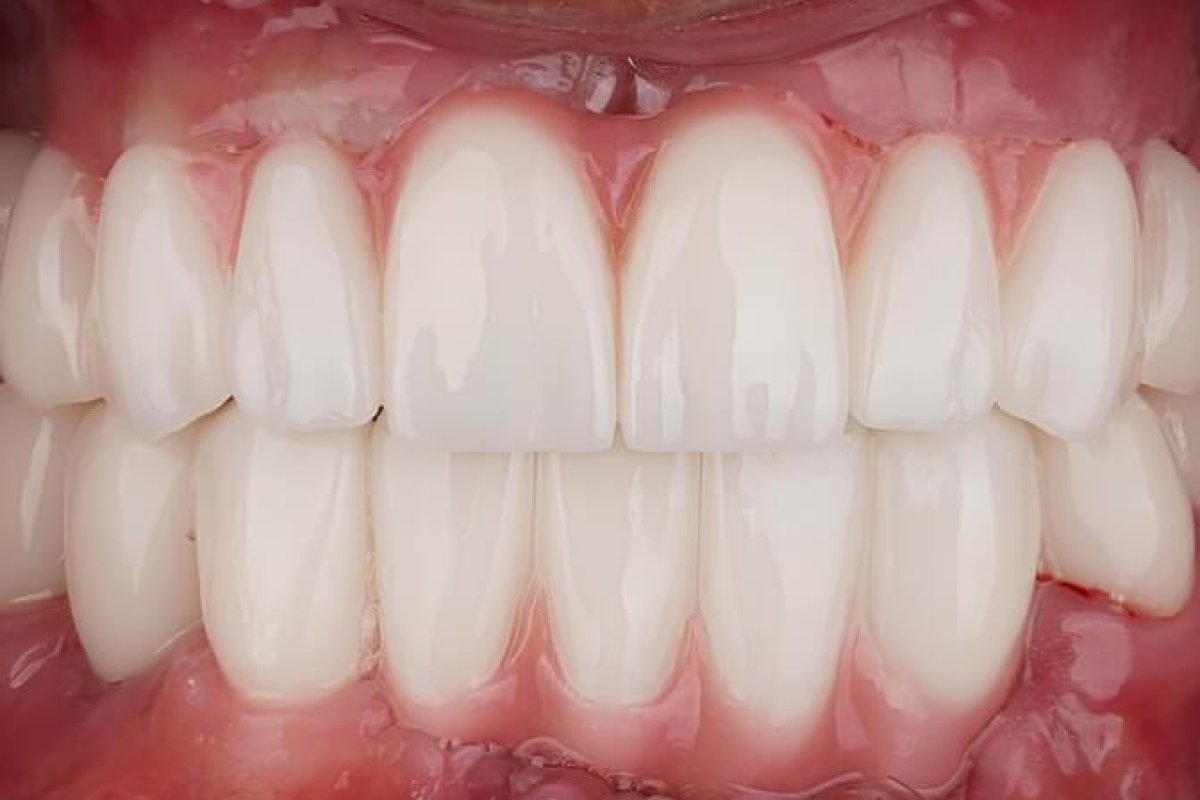
The Aussie Retiree Who Got His Smile Back
Paid AUD 33,000 vs AUD 48,000 typical
Brisbane retiree Graham replaced ten teeth with implants and zirconia crowns in Hanoi for A$33,000, against an A$48,000 quote: about A$15,000 bette...
 Saved 55%
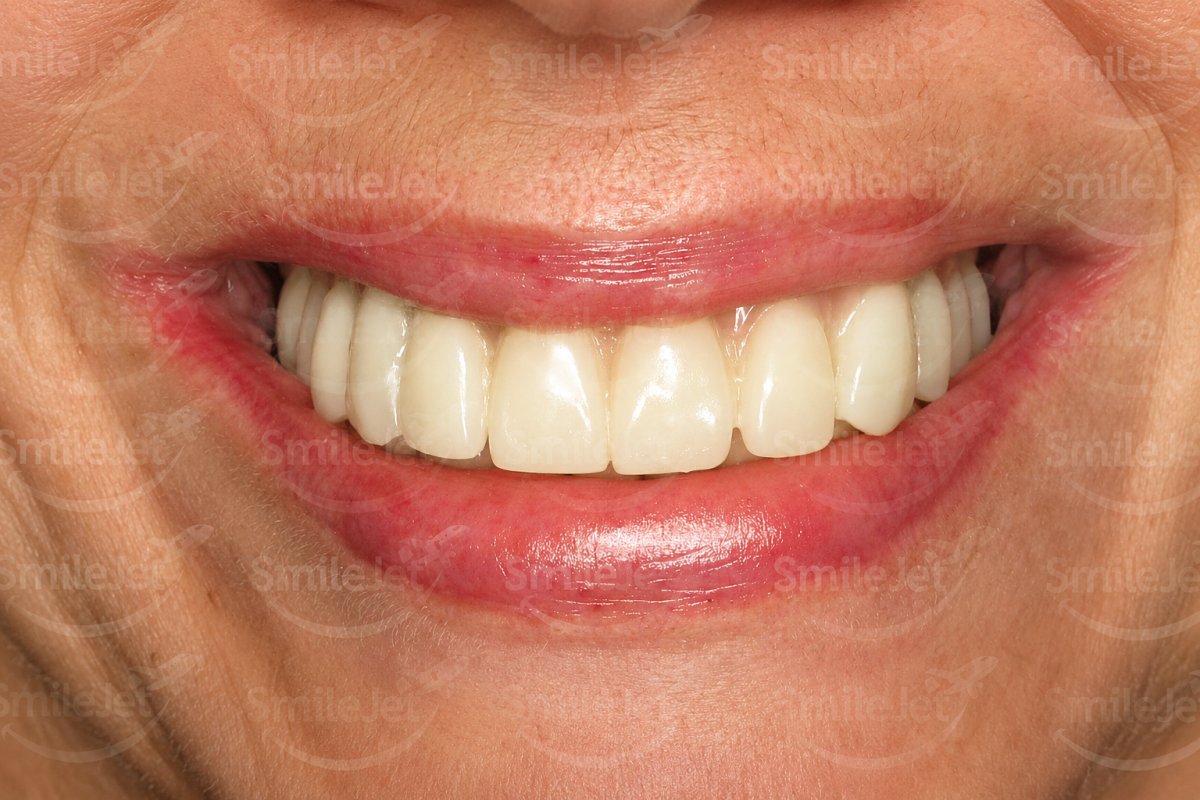
Ms. Jenkins' All-on-4 in Vietnam: $25K Total vs $55K at Home in Brisbane
Paid AUD 25,000 vs AUD 55,000 typical
Brisbane patient Ms. Jenkins saved nearly $30K on full-arch All-on-4 implants for both jaws in Vietnam after years of gum infections and failing re...
 Saved 50%
I Was Done With Dentures. Vietnam Gave Me My Life Back
Paid AUD 22,000 vs AUD 44,000 typical
Dave replaced his failing upper and lower dentures with fixed All-on-4 implants in Hanoi for A$22,000, exactly half the A$44,000 quote in Melbourne.
 Saved 65%
Neha's Smile Makeover in Hanoi: 20 Veneers for $9K vs $26K in Sydney
Paid AUD 9,000 vs AUD 26,000 typical
Neha Iyer from Sydney saved $17,000 on 20 porcelain veneers in Hanoi, Vietnam. 7-day trip with Halong Bay and Ninh Binh.
 Saved 73%
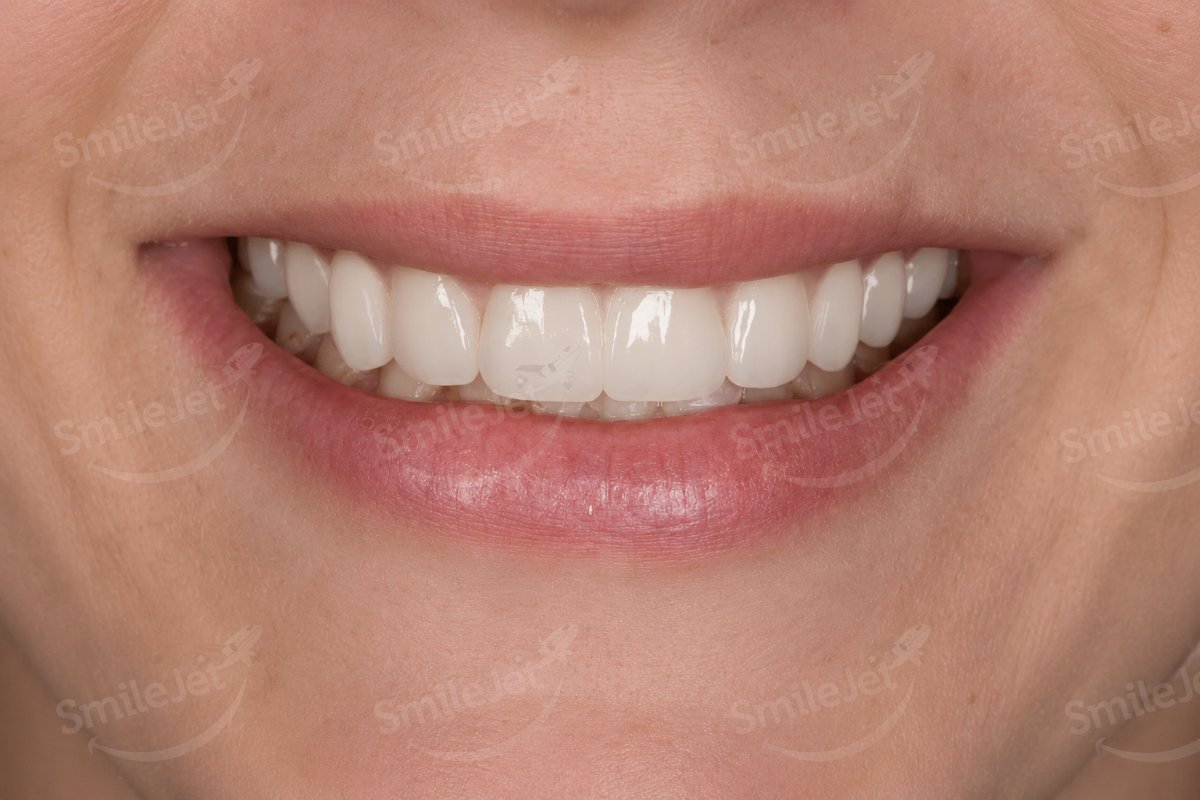
Ms. Chen's Smile Makeover in Da Nang: 20 Veneers and Crowns for $8K vs $30K...
Paid AUD 8,000 vs AUD 30,000 typical
Melbourne patient Ms. Chen flew to Da Nang for a full smile makeover. 20 crowns and veneers, completed in under 10 days, for $8,000 AUD vs a $30,00...
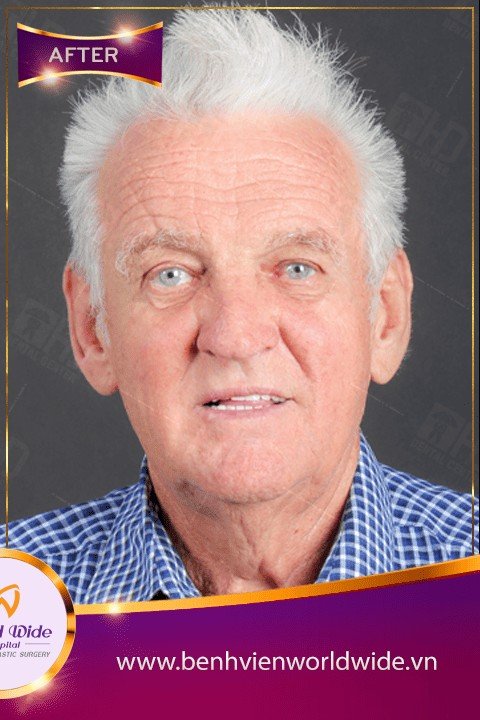 Saved 69%
All-on-4 Full-Arch Restoration at Worldwide Hospital for an Australian Patient
Paid US$6,800 vs US$22,000 typical
An Australian patient restored her full arch with All-on-4 implants at Worldwide Hospital HCMC for USD 6,800, saving over AUD 30,000 vs home.
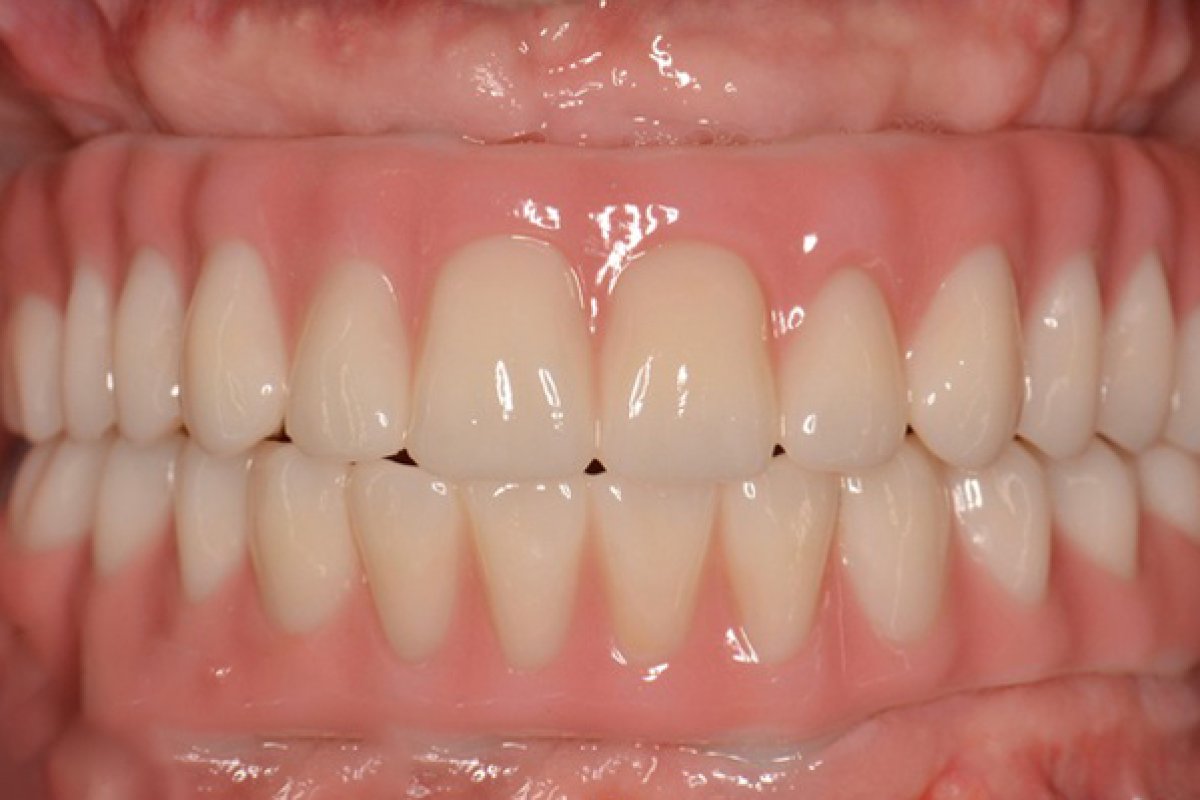 Saved 53%
How an Auckland Patient Saved NZ$36,760 on All-on-6 Implants in Vietnam
Paid NZD 33,240 vs NZD 70,000 typical
An Auckland patient saved NZ$36,760 on All-on-6 full-arch implants in Hanoi (NZ$33,240) versus an Auckland quote of NZ$70,000.
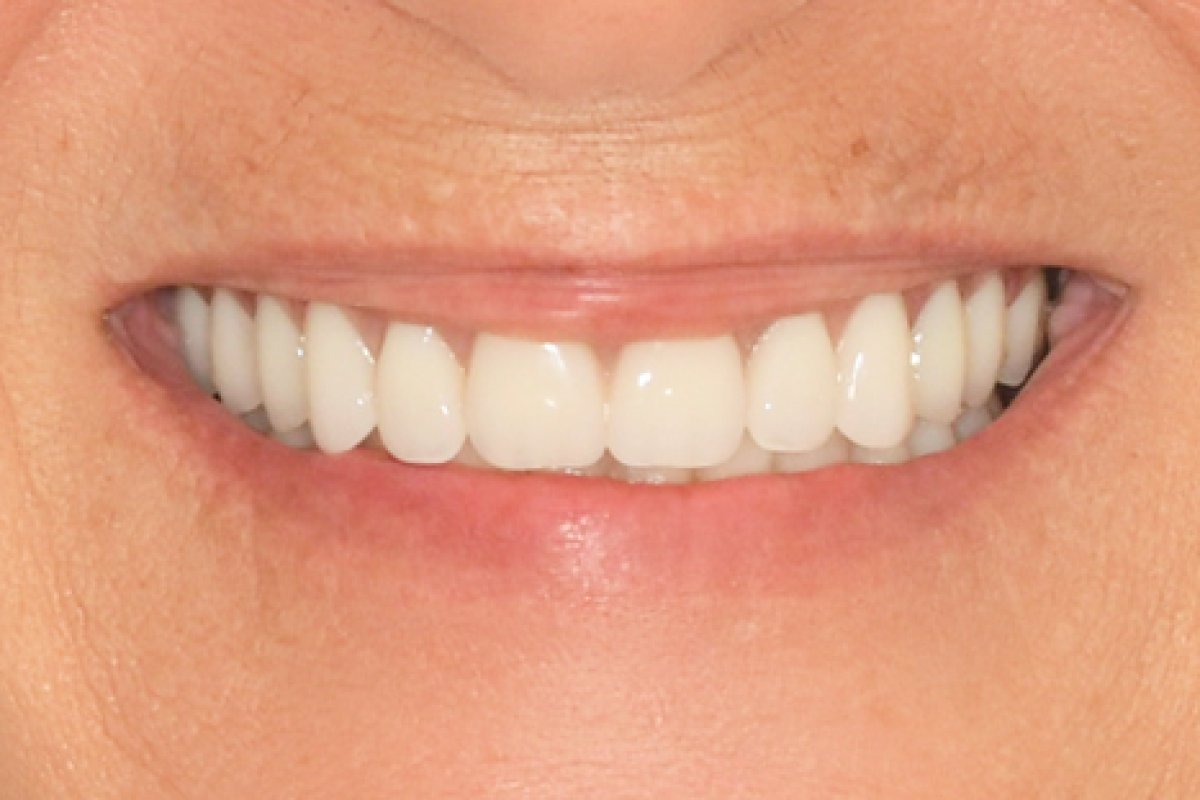 Saved 62%
All-on-4 in Vietnam: A Scottsdale Retiree's Full-Mouth Implant Story
Paid US$20,900 vs US$55,000 typical
Arizona retiree Linda completed All-on-4 full-mouth implants in Hanoi for US$20,900 across two trips, against a US$55,000 quote at home.
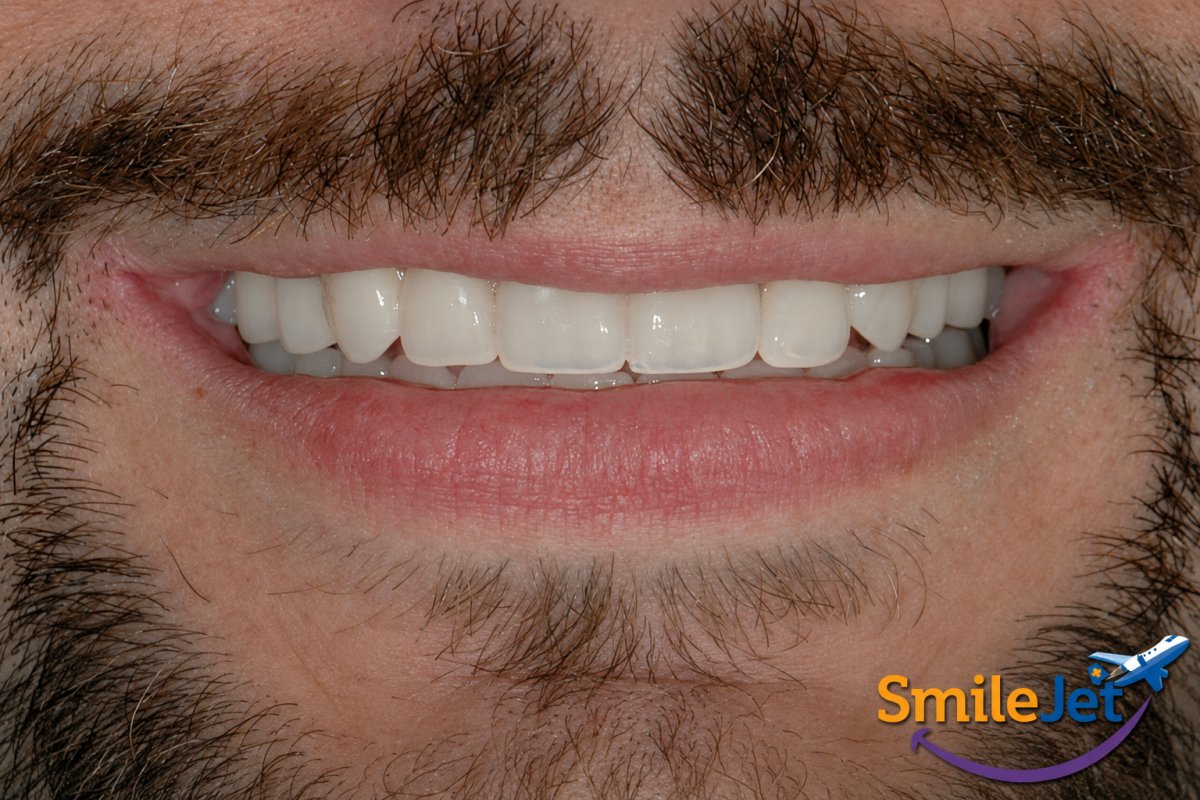 Saved 63%
Jason's All-on-4 in Vietnam: $22K All-In vs a $60K+ Quote at Home
Paid AUD 22,000 vs AUD 60,000 typical
Jason flew from Australia to Ho Chi Minh City for full-arch All-on-4 implants. Total all-in spend: $22,000 AUD, against a home quote of $60,000+ AUD.
Two Years in the Making: A Total Transformation of Body and Soul
Dental implants completed across multiple trips to Worldwide Hospital in Vietnam, with concurrent cosmetic procedures all under one roof.
Explore
More on dental treatment in Hoi An.
Costs, treatments and trip planning, all for Hoi An.