HCMC Composite Bonding
Composite bonding in Ho Chi Minh City
By SmileJet Editorial Team · Updated May 2026
Tooth-coloured resin applied directly to fix chips, close gaps, correct shape, and improve colour. No drilling in most cases – the procedure is completed in a single session. From US$80 per tooth at SmileJet-listed HCMC clinics. Prices in AUD, NZD, GBP, and CAD.
Get free bonding quoteComposite bonding prices – Ho Chi Minh City
1 USD = 1.53 AUD / 1.75 NZD / 0.79 GBP / 1.37 CAD
| Treatment | USD | AUD | NZD | GBP | CAD |
|---|---|---|---|---|---|
| Composite bonding (per tooth) | From $80 | From A$122 | From NZ$140 | From £63 | From C$110 |
| 4 teeth composite edge bonding | From $280 | From A$428 | From NZ$490 | From £221 | From C$384 |
| 6 teeth composite bonding (full smile) | From $420 | From A$643 | From NZ$735 | From £332 | From C$575 |
| Gap closure (diastema) | From $140 | From A$214 | From NZ$245 | From £111 | From C$192 |
| Chip repair (single tooth) | From $80 | From A$122 | From NZ$140 | From £63 | From C$110 |
| Composite veneer (full facial surface) | From $120 | From A$184 | From NZ$210 | From £95 | From C$164 |
Composite bonding typically completed in a single session. Results last 5–8 years with good care. Porcelain veneers offer a longer-lasting alternative. Exchange rates: 1 USD = 1.53 AUD / 1.75 NZD / 0.79 GBP / 1.37 CAD.
Composite bonding vs porcelain veneers
Choose composite bonding if
- +You want a no-drill, reversible option
- +You have minor chips, gaps, or shape issues
- +Budget is a priority (from A$122 vs A$413 for porcelain)
- +You have a short trip and need same-session results
- +You want to trial a result before committing to porcelain
Choose porcelain veneers if
- +You want results that last 15–20 years
- +You want the most natural-looking, stain-resistant result
- +You are transforming the entire smile (6–10 teeth)
- +Colour consistency across multiple teeth is critical
- +You are already travelling to HCMC (no extra trip needed for 2-day fabrication)
What to expect – composite bonding in HCMC
Consultation and shade matching
Your HCMC dentist photographs your smile, notes the specific chips, gaps, or shape issues you want to address, and selects a composite resin shade that matches your natural tooth colour (or the target shade if you are also whitening). No anaesthetic is needed for most bonding cases.
Surface preparation
The tooth surface is lightly etched with a mild phosphoric acid solution to improve resin adhesion. This is non-damaging and reversible – unlike veneer preparation, which removes enamel permanently. A bonding agent is applied and light-cured.
Resin application and sculpting
Composite resin is applied in layers, sculpted by hand to the desired shape, and hardened with a curing light. This is where your dentist's artistry matters – replicating natural tooth texture, curvature, and incisal translucency in a single session requires skill and experience. HCMC cosmetic dentists perform high volumes of bonding cases.
Polishing and bite check
Once the shape is finalised, the bonded surfaces are polished to a high lustre. Bite is checked carefully – composite bonding is vulnerable to chipping if it carries excessive occlusal load. The finished result is photographed for your records.
Frequently asked questions – composite bonding in HCMC
How long does composite bonding last?
With good care and regular polishing, composite bonding lasts 5–8 years on average. The main failure modes are chipping (from biting hard foods or objects), staining (from coffee, red wine, or smoking), and wear at the edges. HCMC partner clinics provide detailed care instructions and your treating dentist can re-polish or add small repairs at your next HCMC visit.
Is composite bonding a good alternative to veneers?
For minor cosmetic corrections – a single chip, a small gap, or mild shape asymmetry – composite bonding is an excellent, fast, and reversible solution. For complete smile transformations involving 6–10 teeth with major colour change, porcelain veneers produce significantly better results in terms of durability, colour stability, and aesthetic quality over 10+ years.
Can I get composite bonding done in one day in HCMC?
Yes – composite bonding is a single-session procedure. Your full-mouth bonding can be completed in 2–4 hours. This is one of the few cosmetic dental treatments where results are immediate and flying the next day is perfectly safe.
What is the difference between composite bonding and composite veneers?
Composite bonding typically refers to edge bonding or additive sculpting on specific areas of a tooth. A composite veneer covers the full facial surface of a tooth (like a porcelain veneer, but in resin). Both are available at HCMC clinics from US$80–120 per tooth. Your dentist will advise which approach achieves your aesthetic goal.
Composite bonding in HCMC vs at home – is it worth travelling for?
Composite bonding is rarely the sole reason to travel to HCMC – the cost saving on a single chip repair does not justify an international trip on its own. Where it becomes compelling is when bonding is added to an existing implant or veneer trip at near-zero marginal cost.
Cost per tooth vs home
Composite bonding in Australia costs A$200–A$600 per tooth at a private dental practice. In HCMC, the same procedure starts from A$122 per tooth. For a full-smile bonding case covering six teeth, the saving is A$468–A$2,868 – meaningful when you are already in HCMC for another treatment. Standalone, the saving rarely covers flights; combined with veneers or implants, it adds effectively no cost.
Same-session advantage
Unlike porcelain veneers (which require a 2-day lab fabrication window), composite bonding is completed in one appointment. This makes it an ideal add-on to the final day of an HCMC trip – particularly if you have a fabrication waiting day that would otherwise be unscheduled. SmileJet coordinators routinely slot bonding cases into free days within implant or veneer trip itineraries.
When to upgrade to porcelain
If you are already travelling to HCMC, the cost differential between composite and porcelain veneers narrows significantly compared to home. Composite from A$122 vs E.max porcelain from A$413 per tooth – for a full-smile six-tooth case, that is A$732 vs A$2,478. Many patients who originally planned composite opt for porcelain once they see the HCMC price. Your consultation in HCMC will include a recommendation on which is appropriate for your case.
What composite bonding can correct
Composite bonding is highly versatile for patients with minor to moderate cosmetic concerns. HCMC cosmetic dentists use it to address a wide range of issues in a single appointment. Here are the most common cases treated with bonding at HCMC partner clinics.
Chipped or fractured teeth
A single chipped incisor – from a fall, accident, or biting something hard – is the most common bonding case in HCMC. Composite resin is sculpted to rebuild the missing portion, colour-matched to the natural tooth. Most chip repairs take 30–45 minutes per tooth. The repair is immediate and the result indistinguishable from the natural tooth at normal speaking distance.
Diastema (front tooth gap)
A gap between the upper central incisors (diastema) can be narrowed or closed with composite bonding. Resin is added to the inner edges of both teeth to reduce the gap. The result is visible immediately. For larger gaps, veneers provide better long-term colour and shape control – your HCMC dentist will advise the threshold at consultation.
Worn or shortened teeth
Years of grinding (bruxism) or acid erosion shorten teeth and reduce the proportion of tooth visible when smiling. Composite bonding can add length back to the incisal edges, restoring smile proportion. Multiple teeth can be treated in one session. Night guard to protect the repair is strongly advised if grinding is ongoing.
Mild tooth discolouration
Composite bonding can mask surface discolouration or staining where whitening has not achieved the desired result. A thin layer of composite is applied over the entire facial surface (a composite veneer). Less durable than porcelain but significantly cheaper and reversible. HCMC clinics offer this from US$120 per tooth.
Minor shape asymmetry
Uneven tooth shapes – one lateral incisor slightly different from the other, for example – can be corrected by adding resin to the smaller tooth to match. Fast, no-drill, and directly visible at the appointment. HCMC cosmetic dentists perform these minor adjustments frequently.
Small gaps or black triangles
Gum recession can leave triangular dark spaces between teeth ("black triangles"). Composite bonding fills these spaces by reshaping the contact areas between adjacent teeth. Results vary by gap size – larger black triangles may require periodontal treatment first. Your HCMC dentist assesses suitability at consultation.
Bonding aftercare in HCMC
Composite bonding requires no recovery time – you can eat and speak normally immediately after the appointment. However, the long-term durability of bonding is heavily influenced by how you care for it in the first days and over the long term.
First 48 hours in HCMC
The composite is fully cured at the chairside with a UV light – it does not need time to "set" further. Avoid intensely coloured foods and drinks (coffee, tea, turmeric) for 48 hours while the surface is slightly more porous to staining. Chewing very hard foods and biting fingernails or pens should be avoided permanently, but especially in the first few days.
Bite and pressure
Composite bonding is more vulnerable to chipping under pressure than porcelain. Your HCMC dentist will check the bite carefully at the end of the appointment and adjust any high spots. If anything feels uneven or high after local anaesthetic wears off (unusual, as most bonding cases use no anaesthetic), contact the clinic the same day for a quick adjustment.
Flying home after bonding
There are no restrictions on flying after composite bonding. The procedure is non-invasive and non-surgical. Most HCMC bonding patients fly home on the day of treatment or the next morning. Keep a soft diet for 24 hours post-treatment as a precaution.
Long-term care and repairs
Composite bonding lasts 5–8 years on average. Your home dentist can re-polish or patch composite repairs during routine check-ups – this extends longevity. If a chip develops in the bonding at home, do not try to file it smooth yourself. Small chips are easily repaired at your next dental visit. Annual polishing with a rubber cup keeps composite looking its best.
Get a composite bonding quote for Ho Chi Minh City
Itemised per tooth in your home currency. Our team will advise whether bonding or porcelain is the better fit for your case.
Get free bonding quotePremium Ho Chi Minh City clinics for composite bonding
Featured partner clinics in Ho Chi Minh City, ranked by patient rating, each shown with their published starting price for composite bonding where available.
 Premium
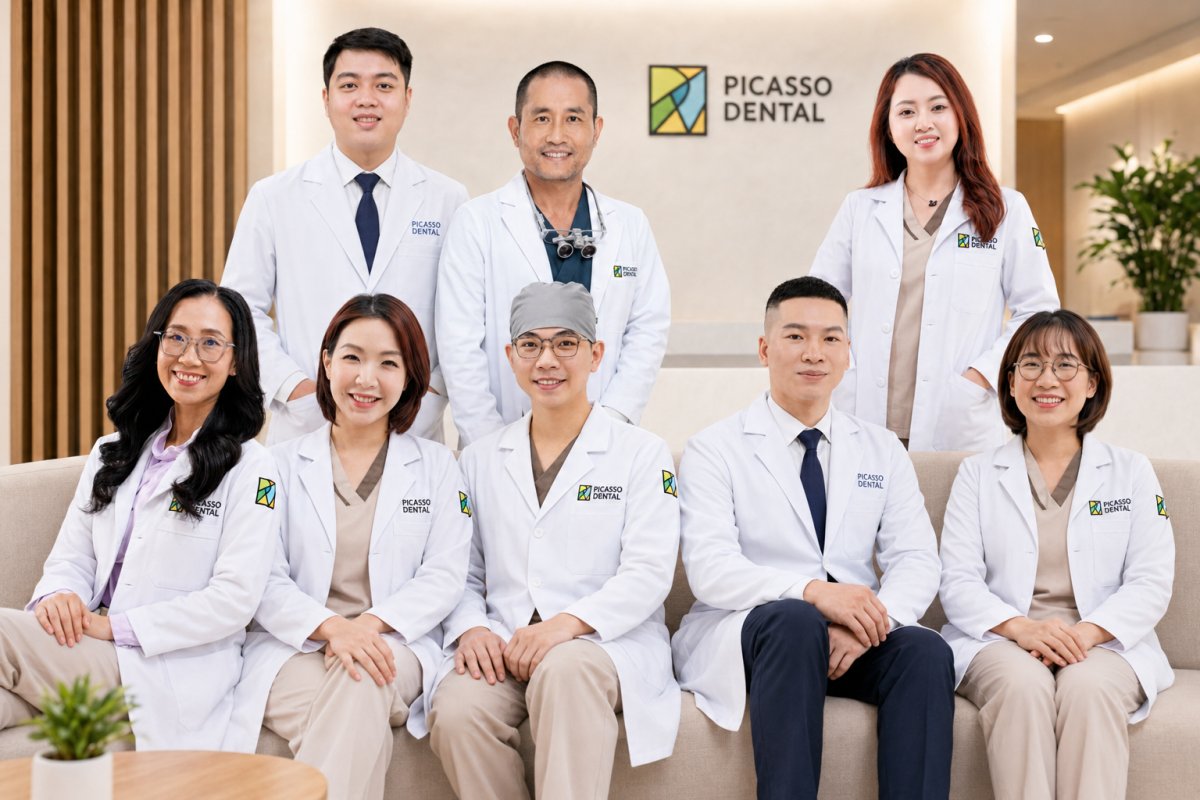
Picasso Dental Clinic Ho Chi Minh City (Thao Dien, District 2)
 Premium
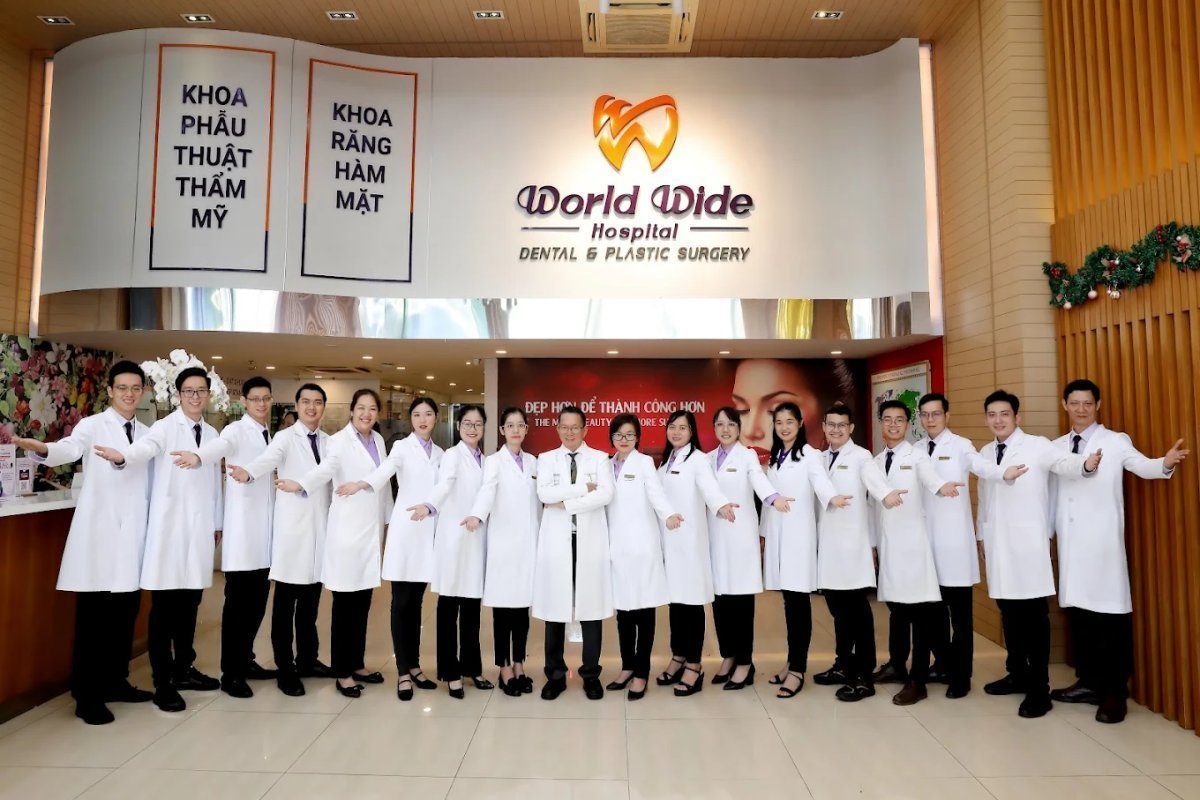
Worldwide Beauty And Dental Hospital
 Premium
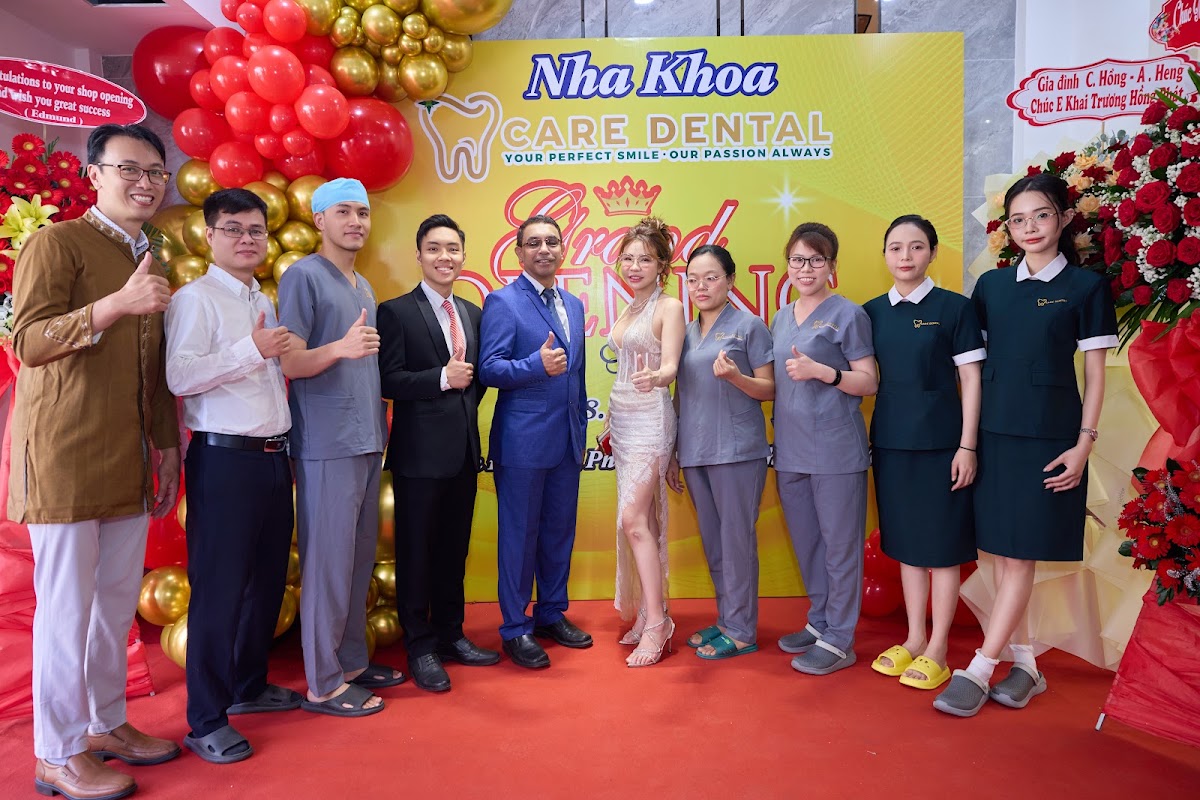
Care Dental
 Premium
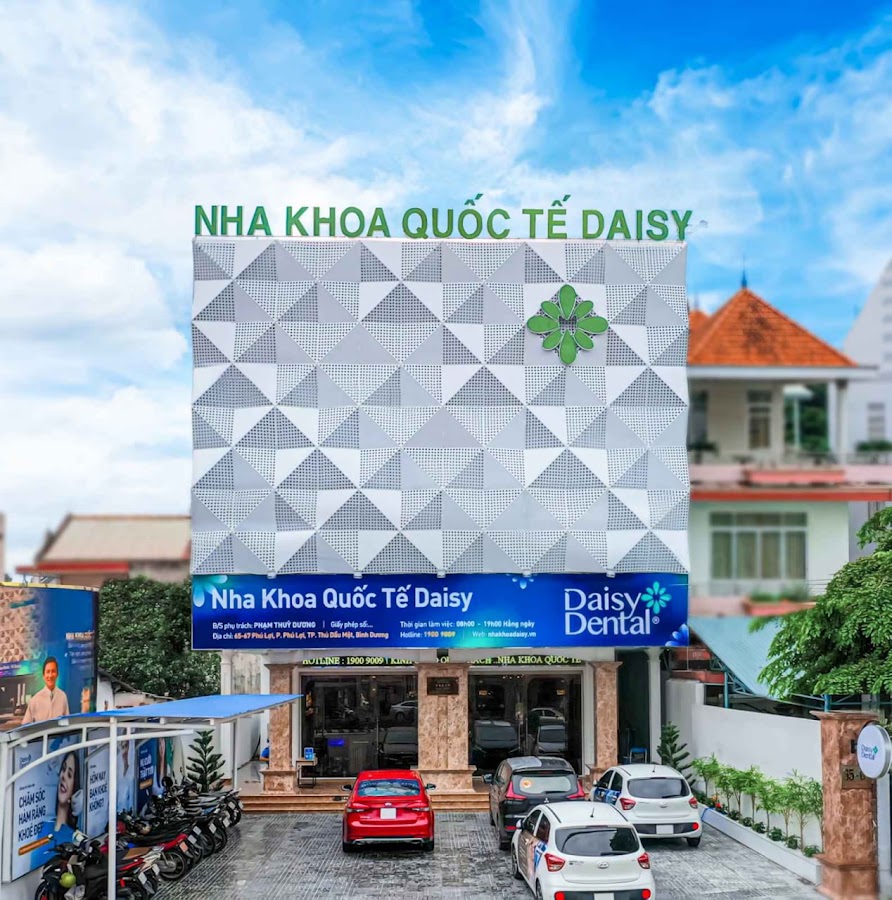
Daisy International Dental Clinic
Don't see your case priced? Request a written quote and we'll match you with a listed Ho Chi Minh City clinic within 24 hours.
Smile stories from Vietnamese clinics
Real outcomes from SmileJet patients who completed treatment in Vietnam. Each story includes the diagnosis, treatment plan, what they paid, and what they would have paid at home. Browse all smile stories.
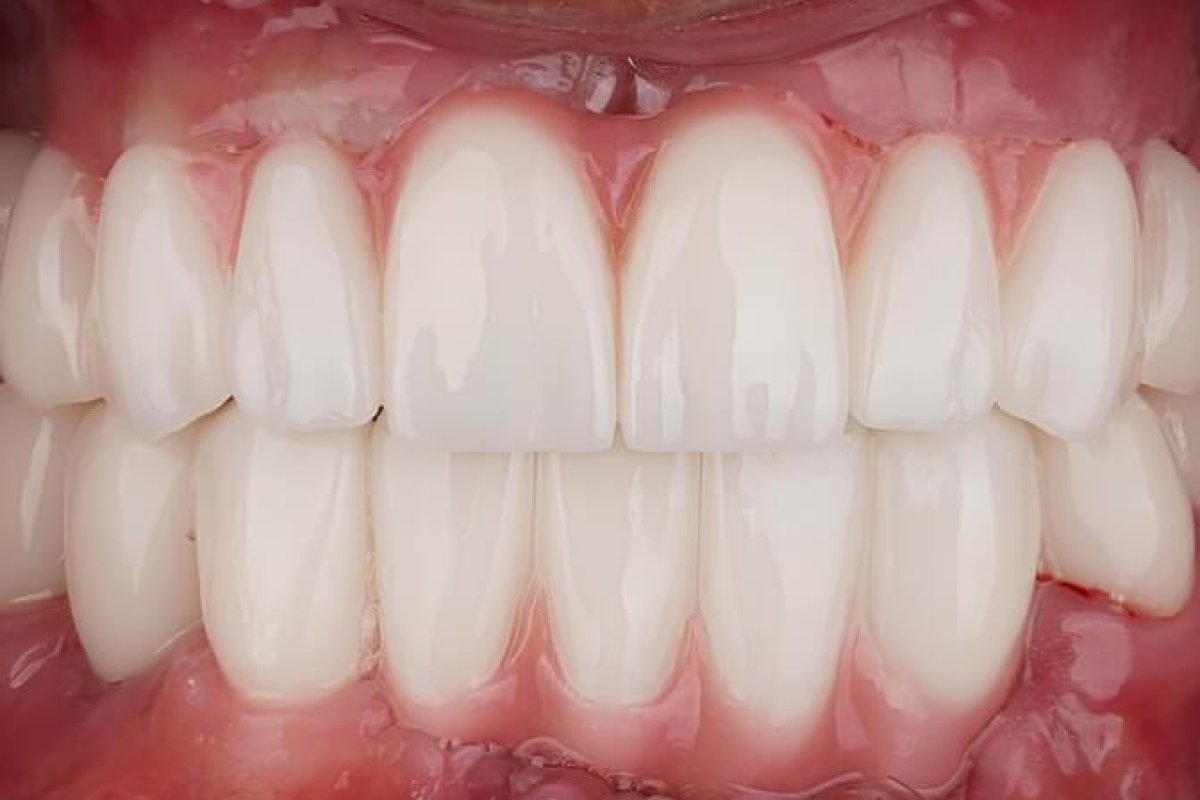 Saved 31%
The Aussie Retiree Who Got His Smile Back
Paid AUD 33,000 vs AUD 48,000 typical
Brisbane retiree Graham replaced ten teeth with implants and zirconia crowns in Hanoi for A$33,000, against an A$48,000 quote: about A$15,000 bette...
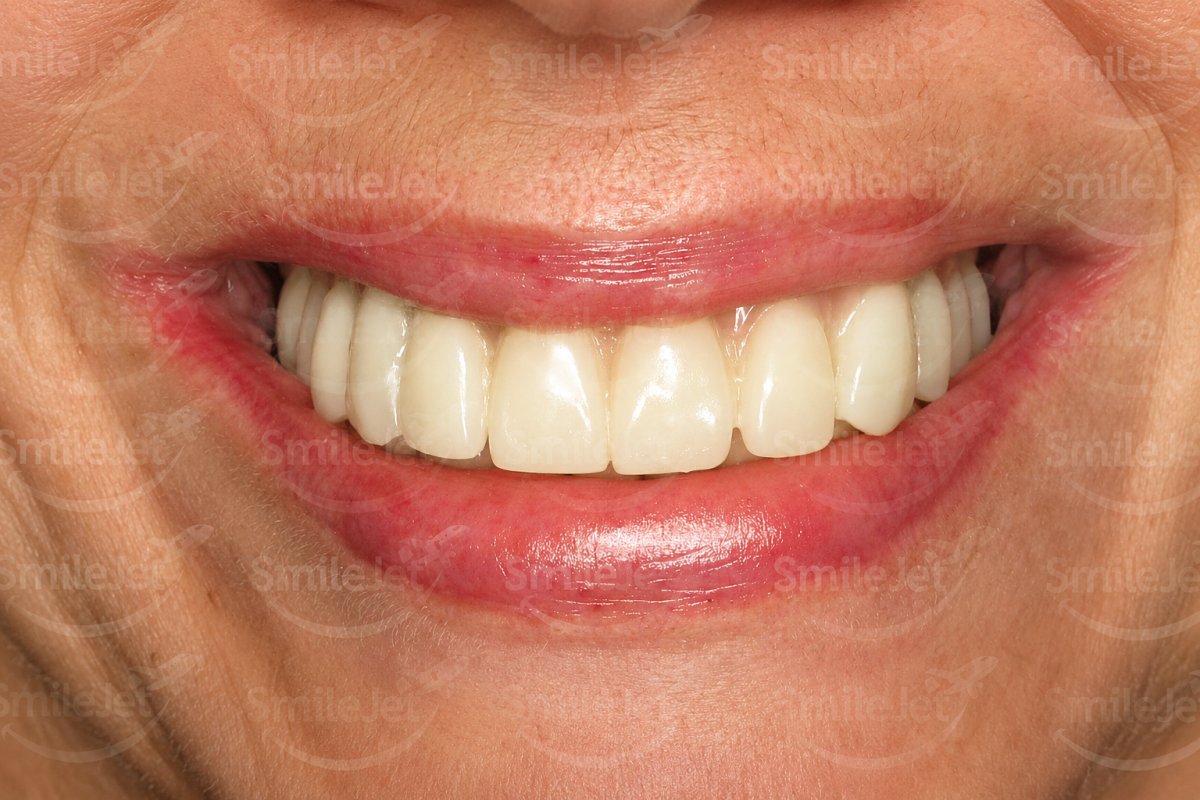 Saved 55%
Ms. Jenkins' All-on-4 in Vietnam: $25K Total vs $55K at Home in Brisbane
Paid AUD 25,000 vs AUD 55,000 typical
Brisbane patient Ms. Jenkins saved nearly $30K on full-arch All-on-4 implants for both jaws in Vietnam after years of gum infections and failing re...
 Saved 50%
I Was Done With Dentures. Vietnam Gave Me My Life Back
Paid AUD 22,000 vs AUD 44,000 typical
Dave replaced his failing upper and lower dentures with fixed All-on-4 implants in Hanoi for A$22,000, exactly half the A$44,000 quote in Melbourne.
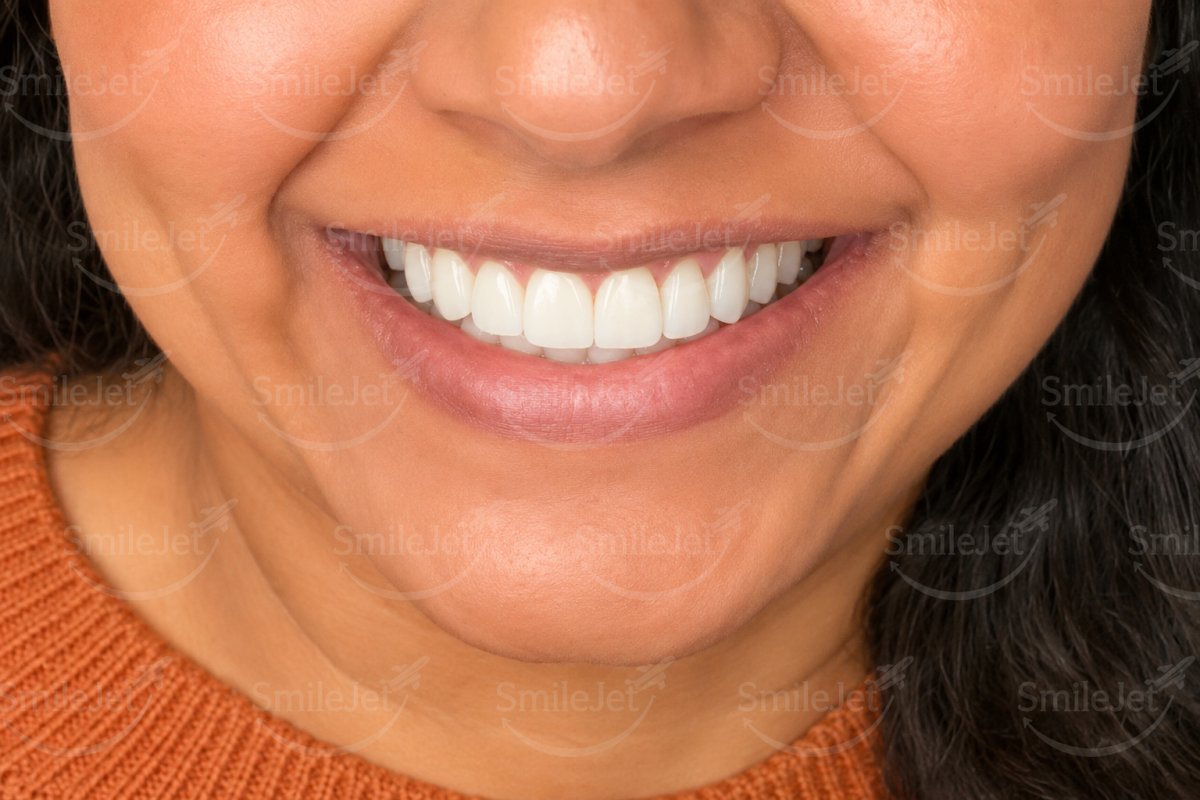 Saved 65%
Neha's Smile Makeover in Hanoi: 20 Veneers for $9K vs $26K in Sydney
Paid AUD 9,000 vs AUD 26,000 typical
Neha Iyer from Sydney saved $17,000 on 20 porcelain veneers in Hanoi, Vietnam. 7-day trip with Halong Bay and Ninh Binh.
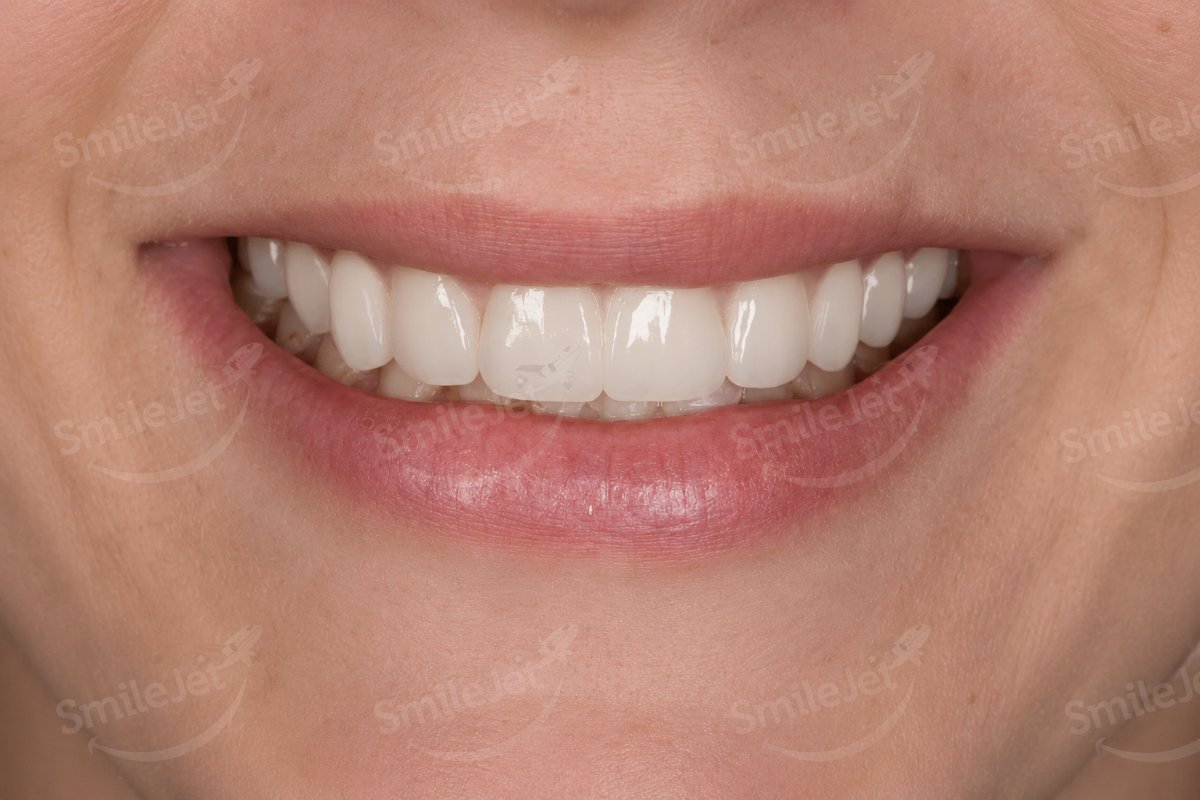 Saved 73%
Ms. Chen's Smile Makeover in Da Nang: 20 Veneers and Crowns for $8K vs $30K...
Paid AUD 8,000 vs AUD 30,000 typical
Melbourne patient Ms. Chen flew to Da Nang for a full smile makeover. 20 crowns and veneers, completed in under 10 days, for $8,000 AUD vs a $30,00...
 Saved 69%
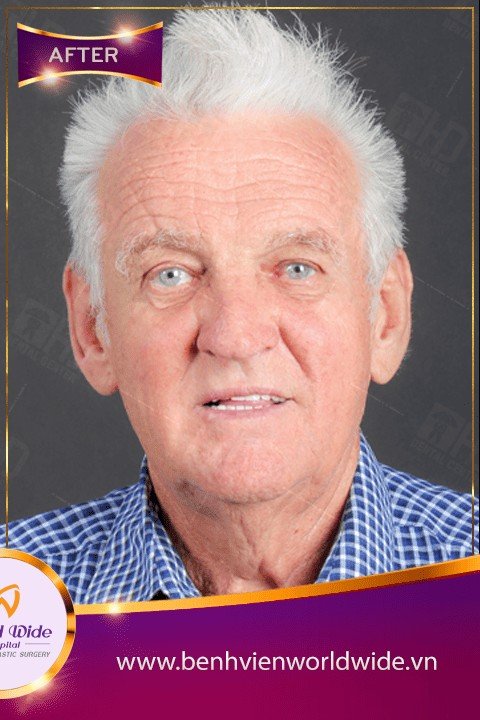
All-on-4 Full-Arch Restoration at Worldwide Hospital for an Australian Patient
Paid US$6,800 vs US$22,000 typical
An Australian patient restored her full arch with All-on-4 implants at Worldwide Hospital HCMC for USD 6,800, saving over AUD 30,000 vs home.
 Saved 53%
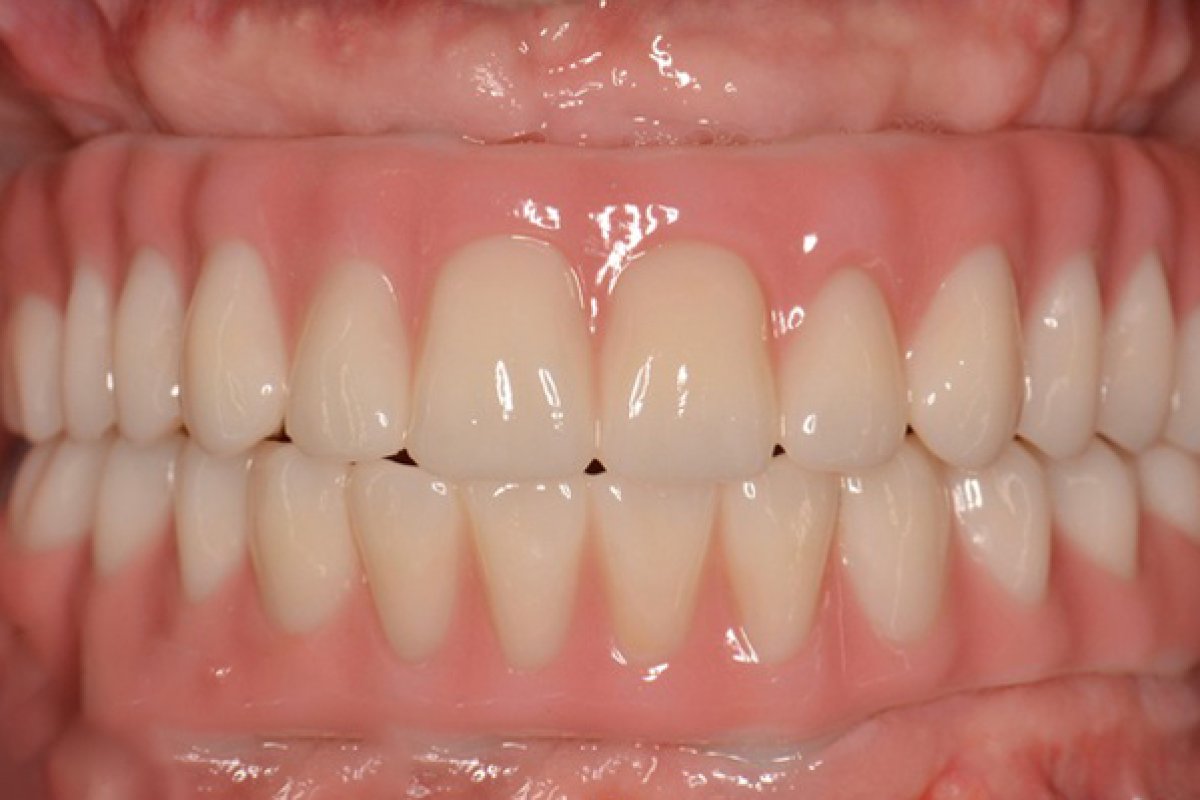
How an Auckland Patient Saved NZ$36,760 on All-on-6 Implants in Vietnam
Paid NZD 33,240 vs NZD 70,000 typical
An Auckland patient saved NZ$36,760 on All-on-6 full-arch implants in Hanoi (NZ$33,240) versus an Auckland quote of NZ$70,000.
 Saved 62%
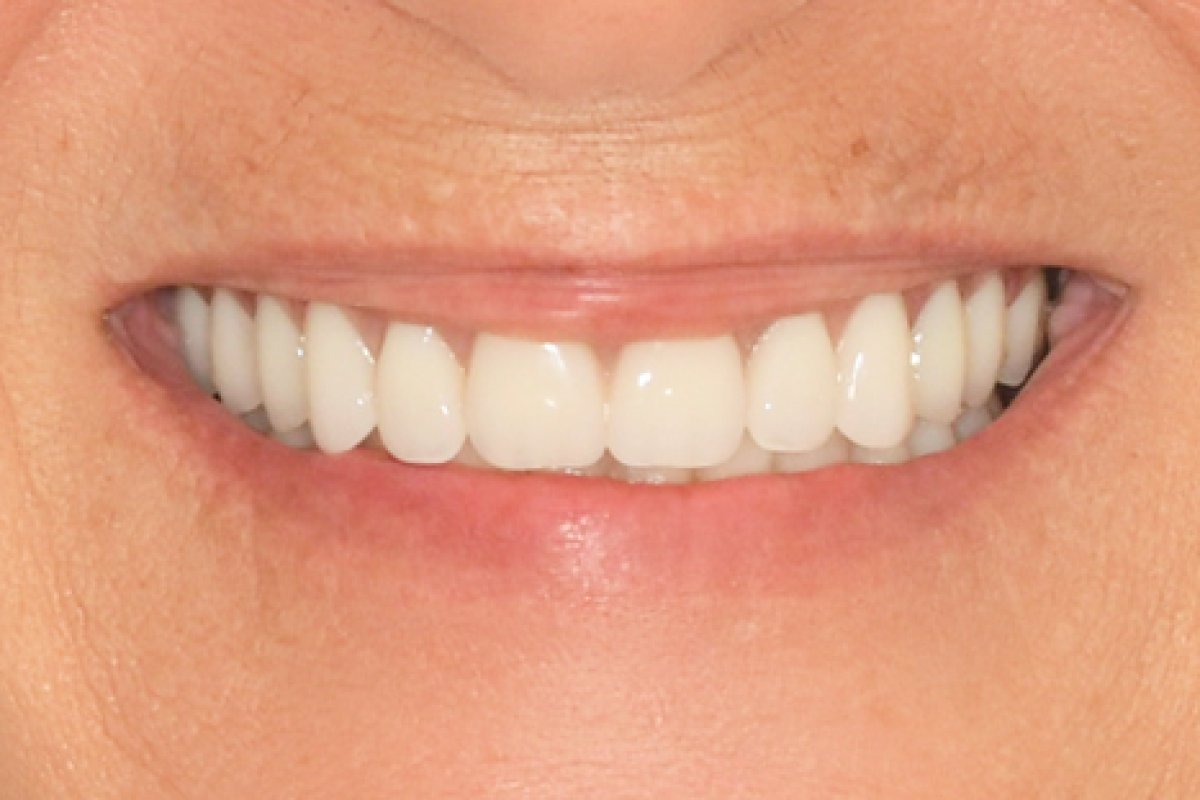
All-on-4 in Vietnam: A Scottsdale Retiree's Full-Mouth Implant Story
Paid US$20,900 vs US$55,000 typical
Arizona retiree Linda completed All-on-4 full-mouth implants in Hanoi for US$20,900 across two trips, against a US$55,000 quote at home.
 Saved 63%
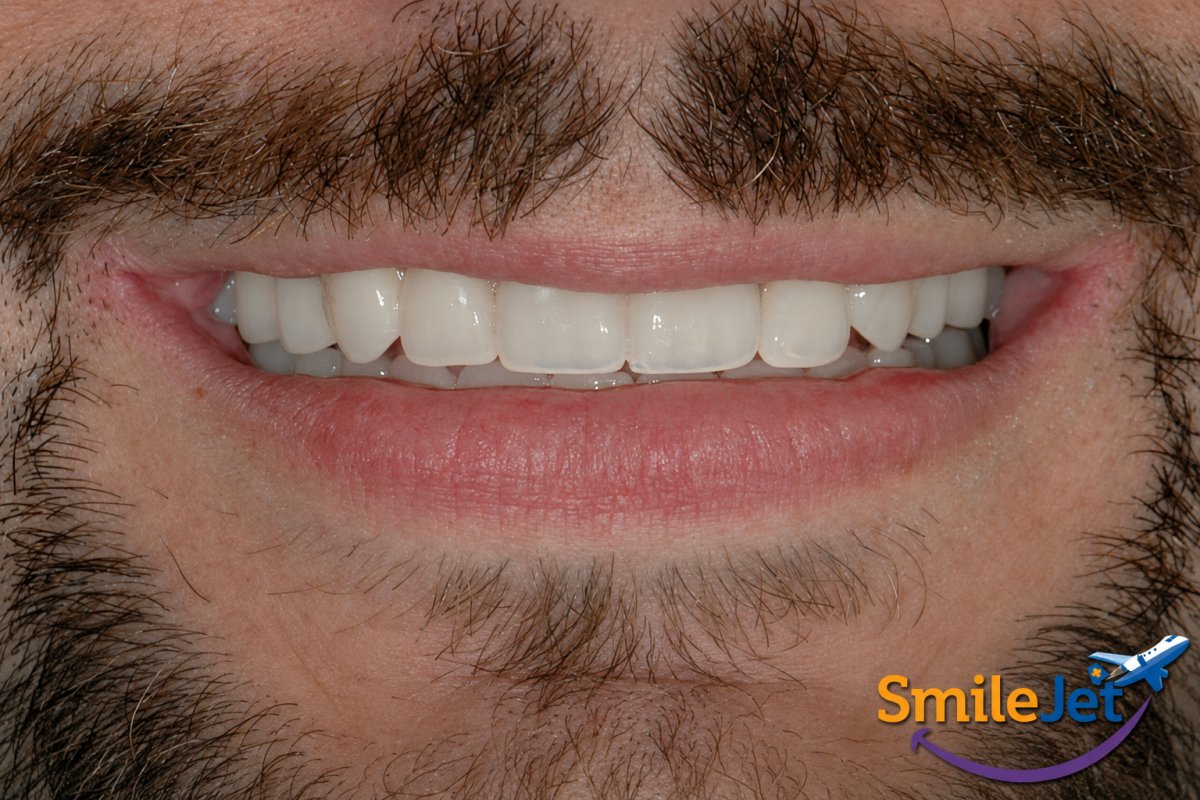
Jason's All-on-4 in Vietnam: $22K All-In vs a $60K+ Quote at Home
Paid AUD 22,000 vs AUD 60,000 typical
Jason flew from Australia to Ho Chi Minh City for full-arch All-on-4 implants. Total all-in spend: $22,000 AUD, against a home quote of $60,000+ AUD.
Two Years in the Making: A Total Transformation of Body and Soul
Dental implants completed across multiple trips to Worldwide Hospital in Vietnam, with concurrent cosmetic procedures all under one roof.
Explore
More on dental treatment in Ho Chi Minh City.
Costs, treatments and trip planning, all for Ho Chi Minh City.