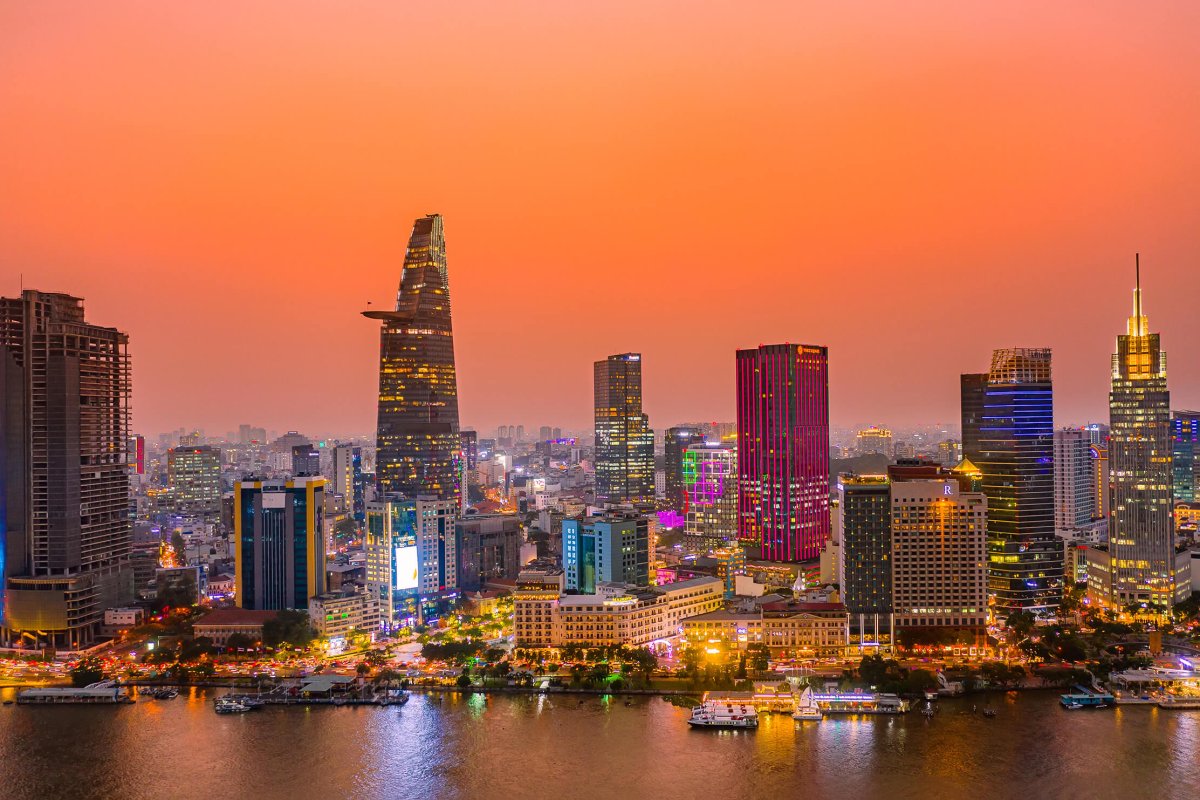
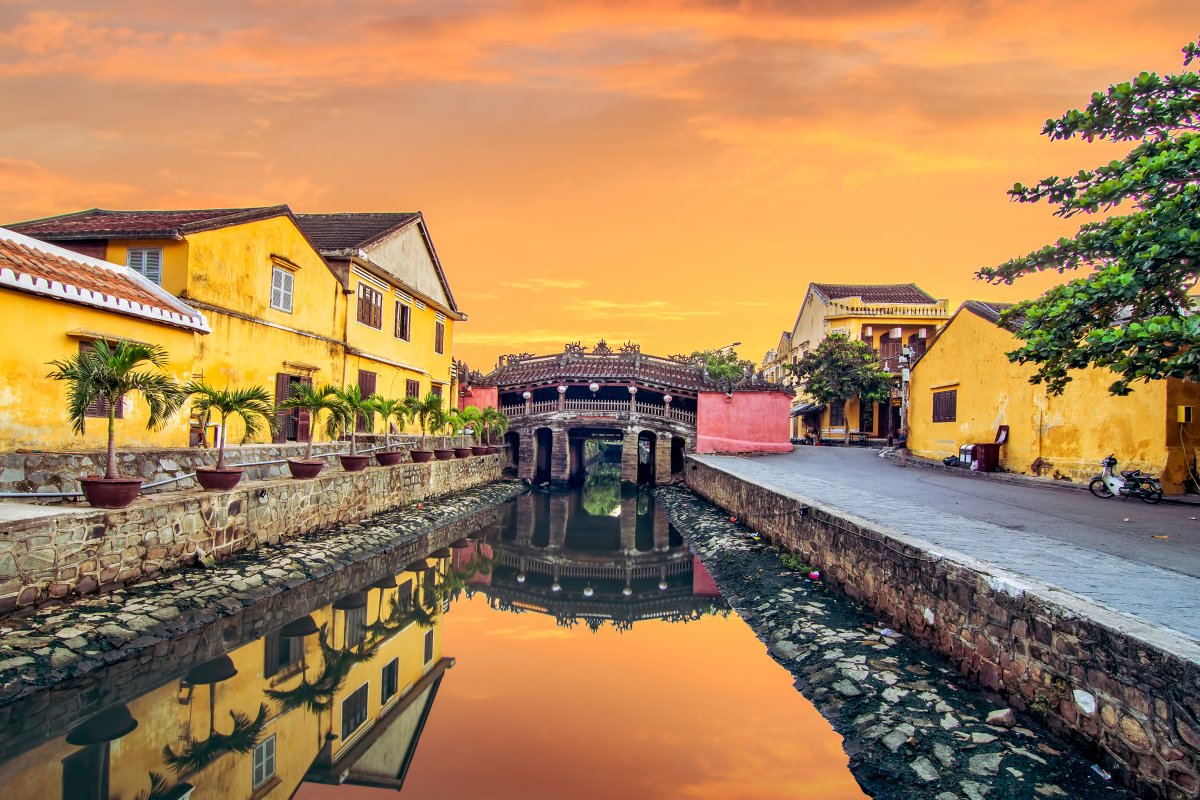
Phu Quoc is Vietnam's largest island and an Special Economic Zone (SEZ) with a unique entry rule: every nationality flying direct to Phu Quoc International Airport (PQC) receives 30 days visa-free entry on landing. No application, no fee, no wait. For dental tourism patients who want to skip the e-visa process entirely, this is the operational shortcut.
The rule is unusual. Most countries that offer visa-free entry do so country-wide; Vietnam's mainland still requires the standard 90-day e-visa for AU/NZ/US/UK/CA passports. Phu Quoc is the only Vietnamese city with the visa-free policy, and the policy is conditional on Phu Quoc being your entry point.
How it works in practice
Fly direct to PQC. Walk through immigration with your passport. The officer stamps the 30-day visa-free entry. That is the entire process.
Direct flights to PQC are the catch. From the SmileJet origin markets:
- Australia: Direct flights from Australian capital cities to PQC are uncommon; most routings go via Bangkok (BKK) or Singapore (SIN) with a connection to PQC direct from those hubs.
- New Zealand: No direct option from any NZ city. Routing typically Auckland-Singapore-Phu Quoc or Auckland-Bangkok-Phu Quoc.
- USA / Canada: Routing typically via Tokyo, Seoul, or Hong Kong then onward to Bangkok or Singapore, then direct to PQC.
- UK: Routing typically London-Singapore-PQC or London-Bangkok-PQC.
- Direct from Bangkok or Singapore: Yes – multiple daily direct flights, 1h 15m to 1h 45m flight time. This is the key connection point for most international patients.
Note the wording: "flying direct" applies to your final leg into PQC. You can connect through Bangkok or Singapore en route – the visa-free rule still applies. What you cannot do is fly into Ho Chi Minh City (SGN), then take a domestic Vietnamese flight from SGN to PQC, and claim visa-free entry. That is mainland entry first, which requires the e-visa.
Who this suits
- Patients on tight visa-application timelines. If you booked treatment with less than two weeks lead time and the e-visa might not process, fly to Phu Quoc.
- Patients with passport renewal or document complications. The visa-free rule is straightforward; the e-visa application asks for passport scans and photos that occasionally cause rejection issues.
- Patients who specifically want resort recovery. Phu Quoc is genuinely the best resort-recovery option in Vietnam. The visa-free rule is icing.
- Multi-trip patients who want minimum visa friction. Each trip to mainland Vietnam consumes a fresh single-entry e-visa (US$25). Phu Quoc is free entry every time, no application.
Who this does not suit
- Patients who specifically want a mainland Vietnamese clinic. Hanoi, HCMC, Da Nang, Hoi An clinics are not reachable under the Phu Quoc visa-free rule (you can transfer onward but only with a mainland e-visa).
- Patients seeking the densest clinic network. The PQC clinic network is the smallest of the five SmileJet cities.
- Patients who plan to extend their stay beyond 30 days. The visa-free entry is exactly 30 days. Extension requires leaving and re-entering, which is bureaucratic and can be denied.
- Patients who want to combine PQC treatment with mainland Vietnam tourism. If you want to extend your trip onto the mainland, you need the mainland e-visa as well – no shortcut here.
Practical mechanics
Visa-free entry stamps are routine; immigration officers handle dozens daily. Have your passport with at least 6 months remaining validity, your return ticket booked (occasionally requested), and proof of accommodation (occasionally requested). SmileJet treatment confirmation letters serve as supplementary documentation but are not required.
The 30-day count starts on entry day and ends 30 days later. Day-of-departure travel must be on or before that 30th day. Most dental tourism trips to Phu Quoc – single implant case at 9 days, All-on-4 case at 14 days, smile makeover at 7 days – fit comfortably inside the 30-day window with substantial buffer.
What if my plans change mid-trip
If a complication during treatment requires extending beyond 30 days, options include: applying for the standard mainland e-visa from within Vietnam (this is bureaucratic and unreliable), departing to Cambodia or Thailand for a few days then re-entering Vietnam under the rules current at re-entry, or extending stay specifically within Phu Quoc subject to the SEZ extension rules. The clinical scenario where this becomes relevant is rare; SmileJet partner clinics in Phu Quoc are aware of the visa window and structure treatment plans to fit comfortably inside.
The realistic verdict
The Phu Quoc 30-day visa-free entry is the right choice if (1) you specifically want resort recovery, or (2) you have an operational reason to skip the e-visa application. For other dental tourism cases, the mainland e-visa at US$25 is a small operational cost for access to the larger clinical networks in Hanoi, HCMC, Da Nang, and Hoi An. Both are legitimate paths; the visa rule is one input into the city decision, not the primary one.
For the full Phu Quoc clinic network and city-specific guidance, see the Phu Quoc city pillar.
The historical background of the SEZ designation
Phu Quoc was designated a Special Economic Zone in 2014 as part of a broader Vietnamese government strategy to attract foreign investment and develop the island as a premium tourism destination. The visa-free provision was a deliberate policy tool: the Vietnamese government recognised that most competing island resort destinations in the region (Phuket, Bali, Langkawi) required no visa at all for Western visitors, and that requiring an e-visa for Phu Quoc placed it at a competitive disadvantage. The SEZ visa-free provision removed that disadvantage.
The policy has been sustained and expanded since 2014 despite periodic political discussions about whether to restrict it. The Vietnamese government's continued commitment reflects the positive economic impact: visitor arrivals to Phu Quoc grew substantially year-on-year following the visa-free introduction, and the island now receives several million visitors annually. The policy is not under review as of 2026; dental tourism patients can plan with reasonable confidence that the 30-day visa-free entry will remain in place.
Understanding the policy origin matters for a practical reason: the visa-free entry is tied to Phu Quoc's SEZ status, not to any bilateral treaty with specific countries. This means it applies to every nationality without exception, including nationalities that might face difficulty obtaining Vietnamese mainland e-visas (some African, Middle Eastern, and South Asian passports have lower e-visa approval rates). For these patients, Phu Quoc offers reliable entry that mainland Vietnam cannot guarantee on the same timeline.
Immigration process on arrival at PQC airport
Phu Quoc International Airport (PQC) is a purpose-built modern terminal. The international arrival hall has a dedicated immigration control area. The process for visa-free entry is: present your passport at the immigration counter, the officer checks passport validity (6 months minimum from entry date), scans the biometric data, and stamps a 30-day visa-free entry into your passport. No form to fill in, no additional document required beyond the passport itself. The officer may glance at your return ticket booking – standard immigration practice at any country, not a formal requirement, but worth having your booking accessible.
The whole process typically takes 5-15 minutes per passenger in normal traffic conditions. Peak tourist season (December-January and July-August) can extend queues to 25-40 minutes. Luggage collection from PQC's single carousel typically takes 20-30 minutes after landing. Most partner clinics in Phu Quoc recommend arranging airport hotel pickup in advance for the arrival day rather than relying on taxi queues, particularly for patients arriving in the evening after long-haul connections.
After clearing immigration, passengers collect luggage and exit through customs into the arrivals hall. Vietnam's customs declaration applies in the standard form: declare cash or monetary instruments over US$5,000 (approximately A$7,700), dutiable goods, or controlled items. Most dental tourism patients have nothing to declare at arrival. On departure, the exit immigration process at PQC is similarly straightforward: present your passport and the visa-free entry stamp, confirm your departure is within the 30-day window, and proceed to the departure gate.
Accessing the mainland from Phu Quoc during your stay
The 30-day visa-free entry to Phu Quoc does not extend to the Vietnamese mainland. If you enter Vietnam via Phu Quoc under the SEZ exemption and subsequently want to visit Ho Chi Minh City, Hanoi, Da Nang, or any other mainland destination, you need the standard 90-day mainland e-visa for that mainland leg. This is an important operational constraint for patients who are initially drawn to Phu Quoc for the visa-free entry but also want to extend their trip to the mainland.
The practical workaround used by some patients: apply for the mainland e-visa in parallel with planning the Phu Quoc trip. The Phu Quoc entry uses the visa-free stamp (not consuming the e-visa). If you then take a domestic flight or speedboat from Phu Quoc to a mainland Vietnamese city during your stay, you present the mainland e-visa at the appropriate point. This requires the e-visa to list your intended mainland entry point and entry date correctly, which means planning the mainland leg in advance. SmileJet's visa guide covers the current step-by-step for this combined route.
Most dental tourism patients with treatment in Phu Quoc do not need the mainland at all during their treatment trip: the appointment schedule, recovery days, and island activities fit within Phu Quoc without requiring a mainland excursion. The mainland extension is most relevant for patients who want to add Hanoi or HCMC sightseeing to their treatment trip or who are combining Phu Quoc treatment with a multi-city Vietnam holiday.