Phu Quoc Aftercare Guide
Implant aftercare after Phu Quoc: what to do when you get home
A week-by-week guide for patients returning home after dental implant placement in Phu Quoc. What is normal, when to act, how to find a local dentist for follow-up, and how to coordinate remote review with your island clinic through to crown fitting.
By SmileJet Editorial Team · Updated May 2026 · 10 min read
Quick summary
Phu Quoc implant aftercare: what matters once you are home
- Most patients fly home 5 to 7 days after implant placement in Phu Quoc, once initial clot stabilisation and the most acute swelling have resolved.
- Osseointegration – bone fusing to the implant surface – takes roughly 8 to 12 weeks; during this window the implant should have zero mobility, which is a failure sign at any stage.
- Swelling that increases after day 5, pus or discharge, implant mobility, fever above 38.5C, or severe pain after the first week needs a local oral surgeon within 48 hours.
- Take home a full records package – treatment summary, implant brand and model number, dimensions, and pre-discharge radiographs – because the model number is the single most important document for future management.
- SmileJet partner clinics offer remote follow-up as standard: a 2-week check-in, a 6-week radiograph review, and a 3-month review before crown planning.
- Crown fitting typically happens 3 to 6 months after placement, either back in Phu Quoc (or HCMC), or coordinated with a local prosthodontist using the implant documentation. SmileJet coordination is free for patients.
Before you board
Flying home from Phu Quoc
Phu Quoc International Airport (PQC) operates direct services to some Australian and Asian hub cities, but many patients connect through Singapore Changi, Bangkok Suvarnabhumi, or Sydney before reaching their home city. This means the return journey can span 12–20 hours depending on layover timing. Flying 5–7 days after implant placement is the standard window for most single implant and All-on-4 patients – enough time for initial clot stabilisation and the most acute swelling to resolve. If you are on blood thinners or anticoagulants prescribed at placement, carry the full prescription documentation in your hand luggage and discuss the flight duration with your treating clinician before departure. Jaw swelling that is still visible at day 5 should be assessed by the clinic before you board.
First fortnight
Week 1–2 at home
The first two weeks after returning home are about protecting the site and letting initial healing progress. Soft foods only – no hard crusts, raw vegetables, or chewy proteins on the implant side. No straws: suction pressure disrupts clot formation and can disturb the healing tissue. Chlorhexidine 0.12% rinse twice daily, morning and night, for 14 days from placement (not from your return date – count from the surgical day). Some bruising of the jaw, neck, or cheek is normal for the first 5–7 days and does not indicate a problem. Swelling that peaks at day 2–3 and progressively reduces is normal. Swelling that increases after day 5 or does not reduce is not normal – contact your clinic.
Pain management: most patients are off prescription pain relief by day 4–5. Over-the-counter ibuprofen (if not contraindicated) is effective for residual discomfort at weeks 1–2. If you were prescribed antibiotics in Phu Quoc, complete the full course regardless of whether symptoms resolve early.
Weeks 3–12
The osseointegration window
Osseointegration – the process by which bone tissue fuses to the implant surface – occurs over roughly 8–12 weeks after placement, depending on bone density and the implant system used. During this period there is nothing active to do. The implant site should not be disturbed by hard foods, aggressive brushing, or dental procedures in the adjacent area. Your cleaning protocol: soft-bristle toothbrush on the implant area, interdental brushes or water flosser rather than floss tension against the healing tissue. No smoking – nicotine reduces blood supply to healing bone and is the single largest modifiable risk factor for implant failure.
Most patients notice the implant area becoming less sensitive over weeks 4–8 as integration progresses. A slight firmness or pressure sensation when biting adjacent to the site is normal. The implant should have zero mobility at any point – mobility at any stage is a failure sign, not a healing sign.
Follow-up care
Local dentist visits and remote follow-up
Most patients combine a local dentist for in-person checks with remote radiograph review by the treating Phu Quoc clinician.
Finding a local dentist for follow-up
Most patients return to their regular local dentist for the post-treatment check. When you call, mention that you have had a dental implant placed overseas and that you need a periapical radiograph of the implant site for documentation and remote review. Bring the complete records package from your Phu Quoc clinic: the treatment summary, implant brand and model sheet, placement dimensions, and any radiographs taken at the clinic before discharge. A local dentist familiar with the implant brand (Osstem, Dentium, Straumann, or Nobel Biocare) will be able to assess integration progress from the periapical X-ray. If your local dentist is unfamiliar with the brand, the SmileJet coordinator can help identify a local oral surgeon or prosthodontist who can interpret the imaging.
Remote follow-up with your Phu Quoc clinic
SmileJet partner clinics offer remote follow-up as a standard service. The typical remote review schedule: a check-in message at 2 weeks (swelling and healing confirmation), a formal radiograph review at 6 weeks (periapical X-ray from local dentist shared digitally), and a second radiograph review at 3 months before crown planning. Share images via the clinic's messaging channel – the same channel used for pre-treatment communication. Your treating clinician will respond with a written assessment. If integration is confirmed at 3 months, crown fitting planning begins: either a return trip to Phu Quoc (or HCMC if the implant was placed there), or coordination with an overseas prosthodontist using the implant documentation.
When to act
Warning signs: contact your clinic within 48 hours
Rare but serious complications require immediate action. Contact your Phu Quoc clinic and seek local emergency dental assessment within 48 hours for any of the following. These symptoms are uncommon – published failure rates for osseointegrated implants at 5 years are approximately 5% across major brands – but when they occur, early intervention significantly improves outcomes. Do not wait to see whether symptoms resolve on their own.
Implant mobility at any stage
Persistent or worsening swelling after day 7
Pus or discharge from the implant site
Fever above 38.5C
Pain that is severe, sharp, or increasing after the first week
Plan with aftercare built in
Get a Phu Quoc implant quote with full aftercare support
SmileJet partner clinics include post-treatment remote follow-up as standard, not as an optional premium service. Tell us what you need and we will reply with listed clinic options, a written quote, and a clear aftercare pathway home.
- Free for patients, no platform fees, ever
- Remote radiograph review at 2 weeks, 6 weeks and 3 months
- Full implant documentation to take home
- Coordination from first message through final crown fitting
Get your implant quote
Free. Itemised quote in your home currency within 24 hours.
Get free quote Message us on MessengerNo booking fees. No commission added. You pay the clinic directly.
Treatment protocol
Planning the second trip: crown fitting
Crown fitting typically occurs 3–6 months after implant placement, once osseointegration is confirmed by radiograph. For patients whose implant was placed in Phu Quoc, the return trip for crown fitting can be combined with another island holiday – Phu Quoc's beauty is fully accessible for a patient who is past the surgical phase. If the implant was placed in HCMC (All-on-6 or complex case), the return trip for crown fitting is to HCMC; some patients extend via Phu Quoc for beach days on the way home. For patients who cannot return to Vietnam, SmileJet can coordinate with a local prosthodontist for crown fitting using the implant documentation from the treating clinic.
Before you check out
Documentation to leave Phu Quoc with
Before you check out of your resort and head to PQC airport, confirm you have these documents from your treating clinic. Without them, remote follow-up and crown planning are significantly harder to manage from Australia or New Zealand.
Written treatment summary
On clinic letterhead, including procedure date, implant brand and model number, implant dimensions in millimetres, abutment type, and placement torque notes.
Warranty registration
The implant brand warranty card or warranty registration confirmation email for the system that was placed.
Post-op sheet and prescriptions
The post-operative instruction sheet in English, the prescription for any medications dispensed, and a receipt for all payments made.
Clinician contact details
The clinic's direct contact information for the treating clinician (Messenger or email is fine) for remote follow-up.
The model number matters most: The implant model number is the single most important document for future management. If you need emergency treatment in Australia – a loose abutment, a cracked temporary crown, or any issue that requires a local dentist to interact with the implant – the model number tells the local clinic exactly which abutment components are compatible. Osstem, Dentium, Straumann, and Nobel Biocare all have Australian distributors who can supply compatible components to local dentists once the model is identified. Without the model number, the local dentist has to order a compatibility test kit, which adds time and cost. The SmileJet coordinator reminds every patient at the pre-departure check-in to confirm this document is in hand before leaving the clinic.
For the long run
Long-term implant maintenance
Once the crown is fitted and the implant is in full function, the long-term maintenance routine is straightforward. Daily brushing with a soft-bristle electric toothbrush around the crown margin, daily use of an interdental brush (size 0.8–1.1mm, matched to the gap beside the implant) or a water flosser, and six-monthly professional cleaning at your local dentist. The hygienist at your local practice should be informed that the crown is on an implant – implant crowns require a different scaler tip (plastic rather than metal) to avoid damaging the implant surface. Most Australian and New Zealand hygienists are familiar with implant maintenance protocol; if yours is not, ask them to use a rubber-tipped instrument or book a session with a practice that has an implant hygiene protocol.
Annual periapical X-rays of the implant site are recommended to monitor bone levels around the implant. A reduction in bone height of more than 1.5mm in the first year, or more than 0.2mm per year thereafter, is a clinical flag that requires assessment. Your Phu Quoc clinic can review digital X-ray files sent remotely and advise on whether the bone levels are within expected range. This remote review capability is one of the reasons SmileJet makes post-treatment remote contact a standard expectation for all partner clinics – not an optional premium service, but a baseline requirement built into the patient matching process.
FAQ
Frequently asked questions
Practical answers for patients heading home after implant placement in Phu Quoc.
Get free quoteHow long after implant placement in Phu Quoc can I fly home?
What if I cannot easily return to Phu Quoc for the crown fitting?
Is remote follow-up available from Phu Quoc clinics?
Do I need to declare dental work when I return to Australia or New Zealand?
What if my implant feels different or uncomfortable 6 weeks after returning home?
Ready when you are
Ready to plan your Phu Quoc implant trip?
SmileJet coordinates your full treatment plan, including aftercare support once you are home. Free itemised quote within 24 hours, no obligation to proceed.
At a glance
Key aftercare facts for Phu Quoc implant patients.
Smile stories from Vietnamese clinics
Real outcomes from SmileJet patients who completed treatment in Vietnam. Each story includes the diagnosis, treatment plan, what they paid, and what they would have paid at home. Browse all smile stories.
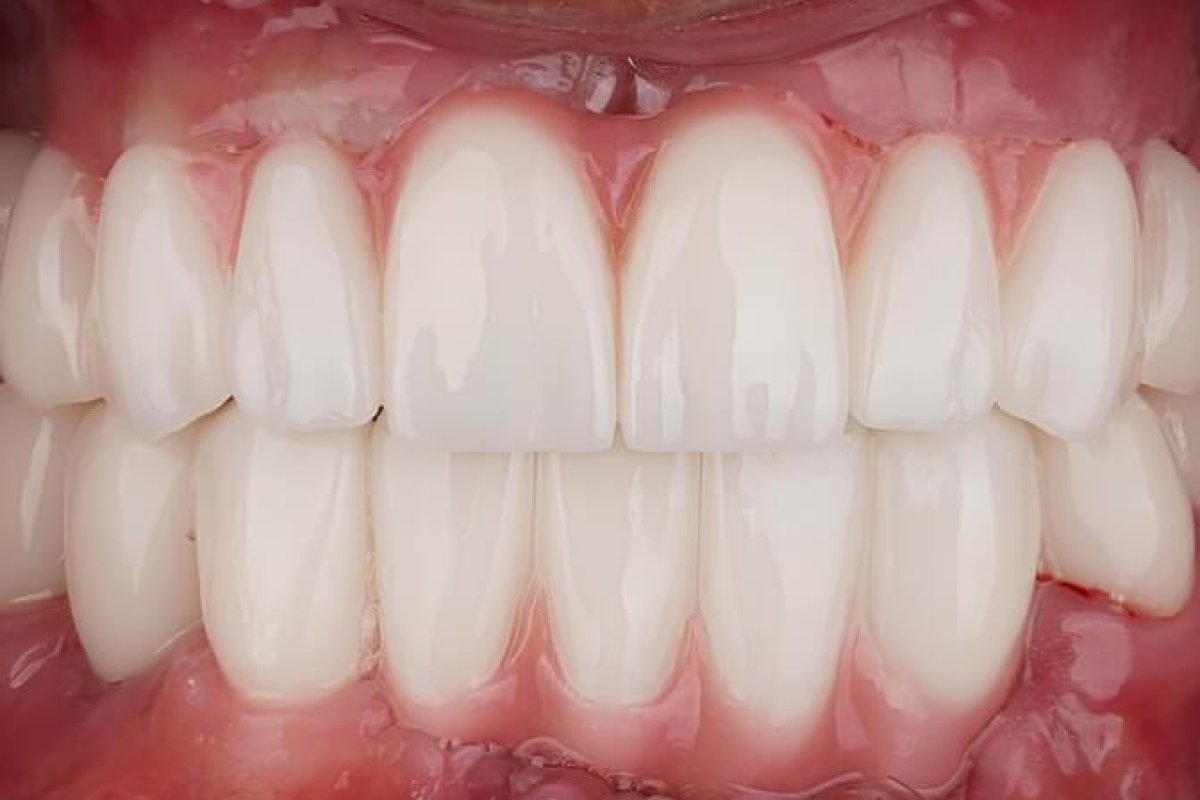 Saved 31%
The Aussie Retiree Who Got His Smile Back
Paid AUD 33,000 vs AUD 48,000 typical
Brisbane retiree Graham replaced ten teeth with implants and zirconia crowns in Hanoi for A$33,000, against an A$48,000 quote: about A$15,000 bette...
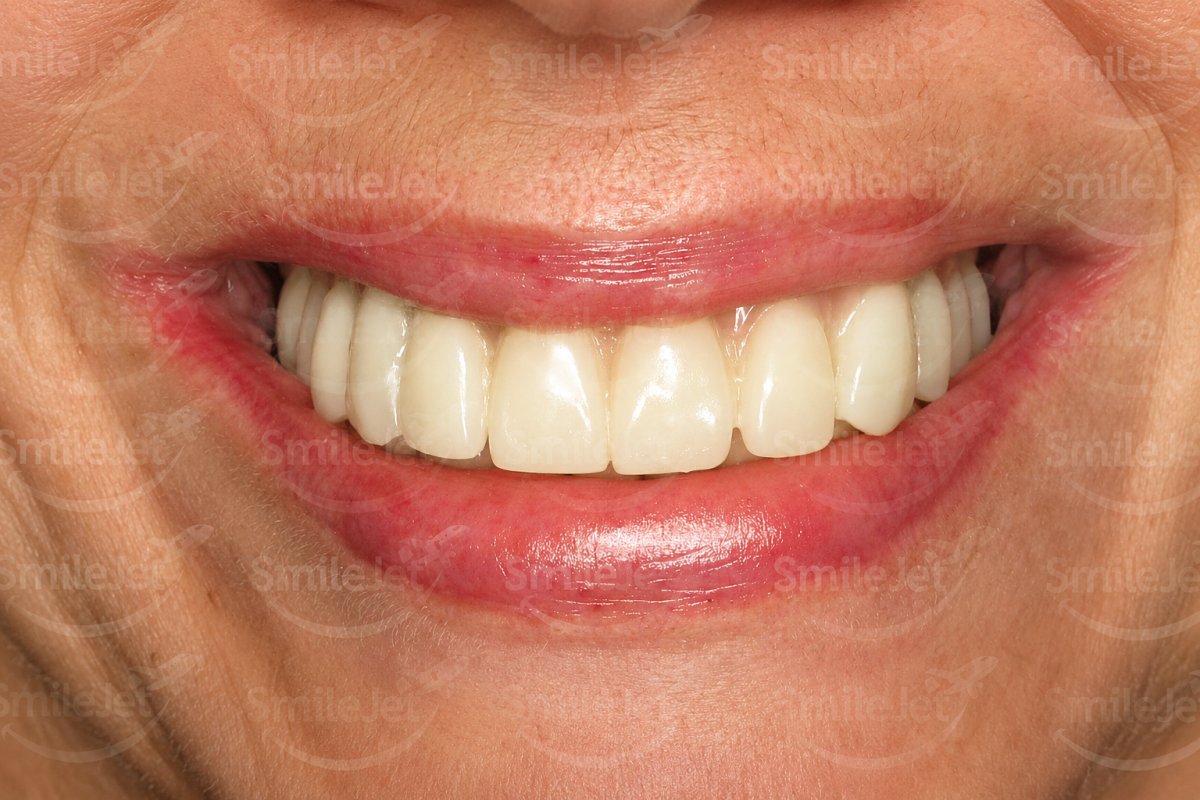 Saved 55%
Ms. Jenkins' All-on-4 in Vietnam: $25K Total vs $55K at Home in Brisbane
Paid AUD 25,000 vs AUD 55,000 typical
Brisbane patient Ms. Jenkins saved nearly $30K on full-arch All-on-4 implants for both jaws in Vietnam after years of gum infections and failing re...
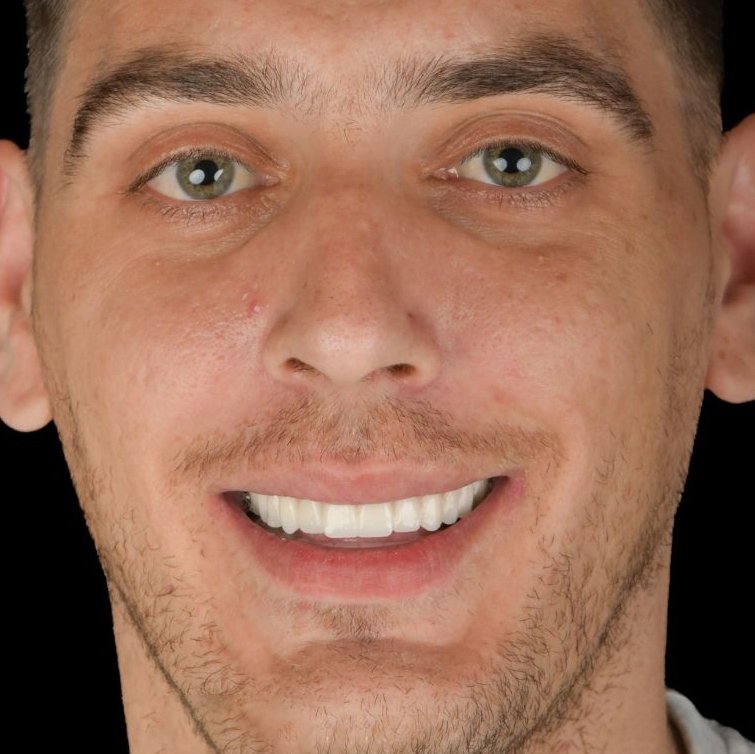 Saved 50%
I Was Done With Dentures. Vietnam Gave Me My Life Back
Paid AUD 22,000 vs AUD 44,000 typical
Dave replaced his failing upper and lower dentures with fixed All-on-4 implants in Hanoi for A$22,000, exactly half the A$44,000 quote in Melbourne.
 Saved 65%
Neha's Smile Makeover in Hanoi: 20 Veneers for $9K vs $26K in Sydney
Paid AUD 9,000 vs AUD 26,000 typical
Neha Iyer from Sydney saved $17,000 on 20 porcelain veneers in Hanoi, Vietnam. 7-day trip with Halong Bay and Ninh Binh.
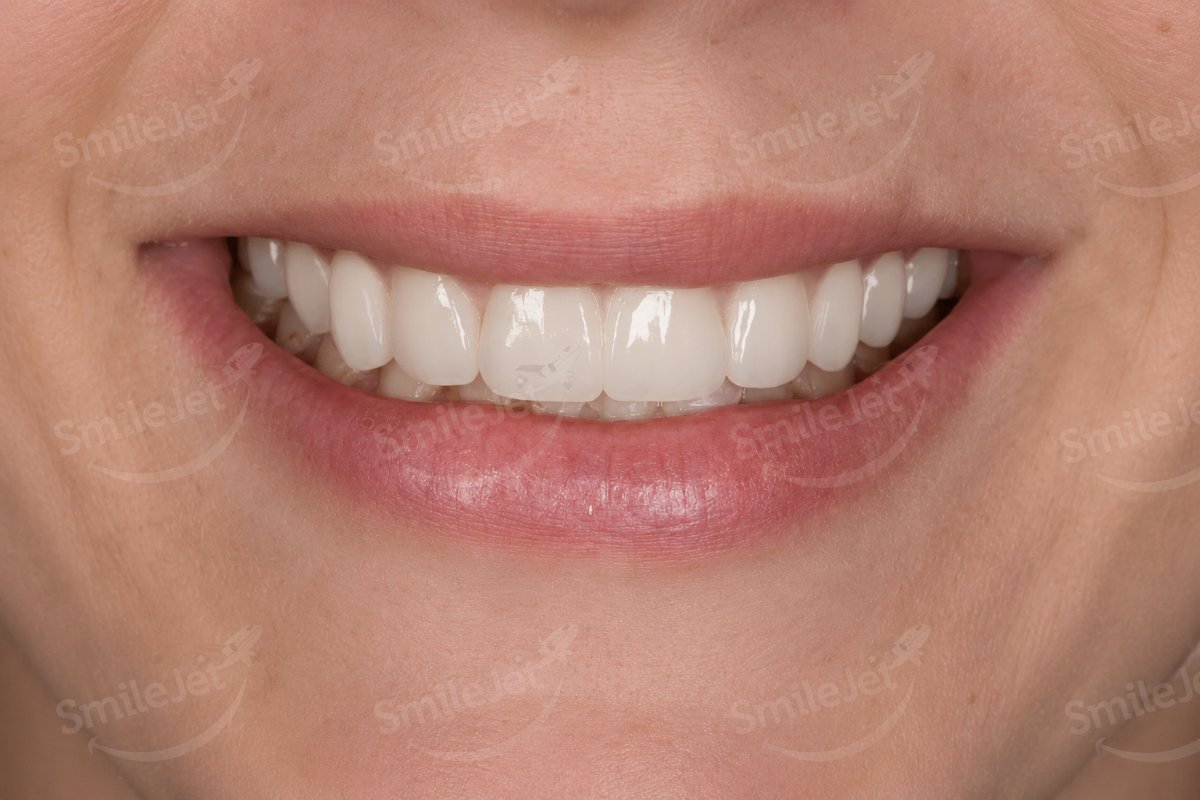 Saved 73%
Ms. Chen's Smile Makeover in Da Nang: 20 Veneers and Crowns for $8K vs $30K...
Paid AUD 8,000 vs AUD 30,000 typical
Melbourne patient Ms. Chen flew to Da Nang for a full smile makeover. 20 crowns and veneers, completed in under 10 days, for $8,000 AUD vs a $30,00...
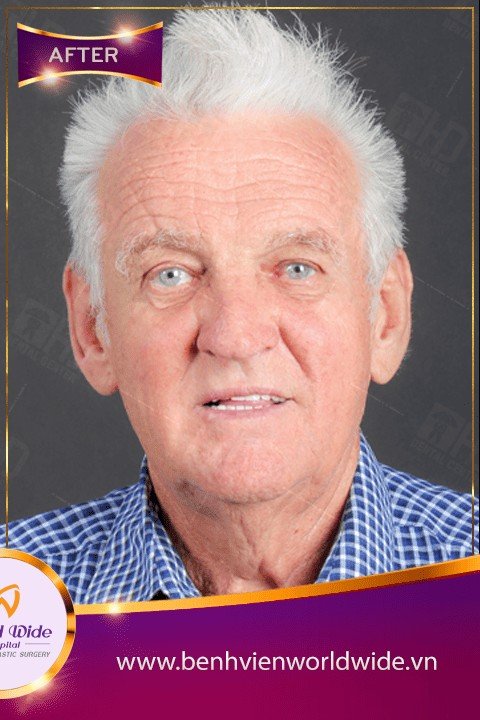 Saved 69%
All-on-4 Full-Arch Restoration at Worldwide Hospital for an Australian Patient
Paid US$6,800 vs US$22,000 typical
An Australian patient restored her full arch with All-on-4 implants at Worldwide Hospital HCMC for USD 6,800, saving over AUD 30,000 vs home.
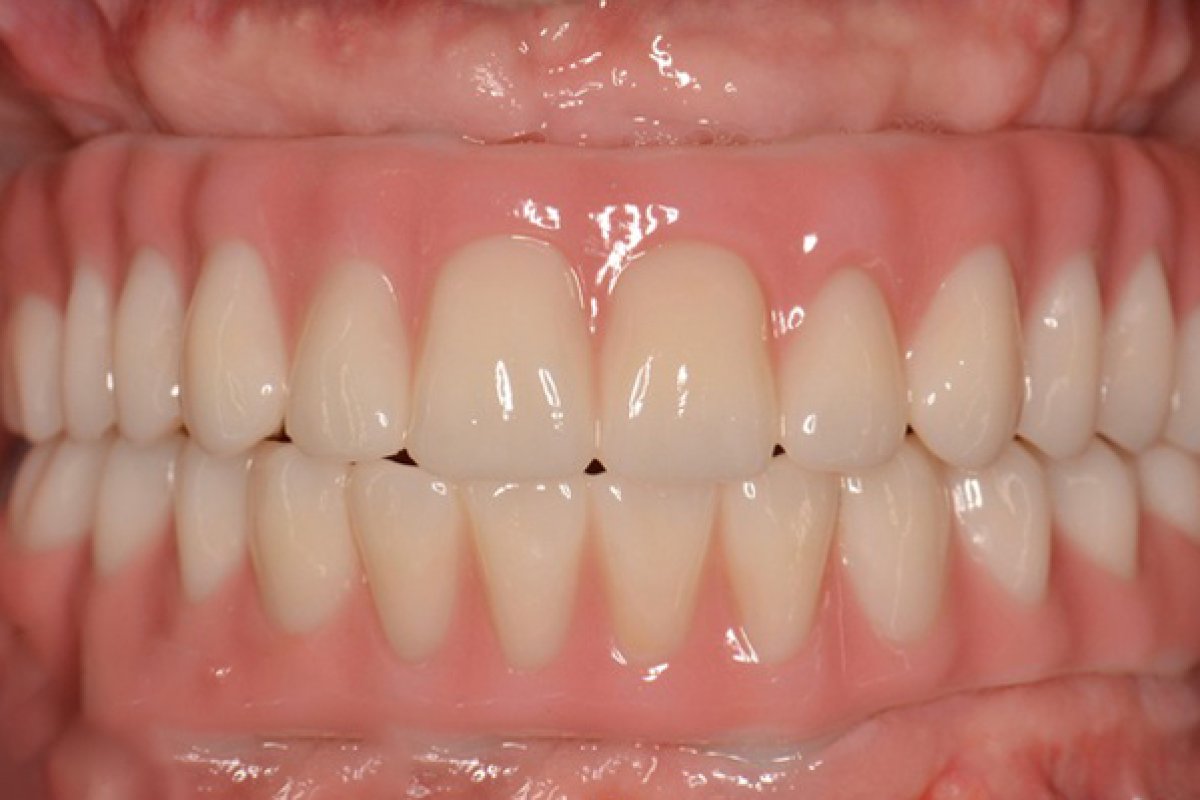 Saved 53%
How an Auckland Patient Saved NZ$36,760 on All-on-6 Implants in Vietnam
Paid NZD 33,240 vs NZD 70,000 typical
An Auckland patient saved NZ$36,760 on All-on-6 full-arch implants in Hanoi (NZ$33,240) versus an Auckland quote of NZ$70,000.
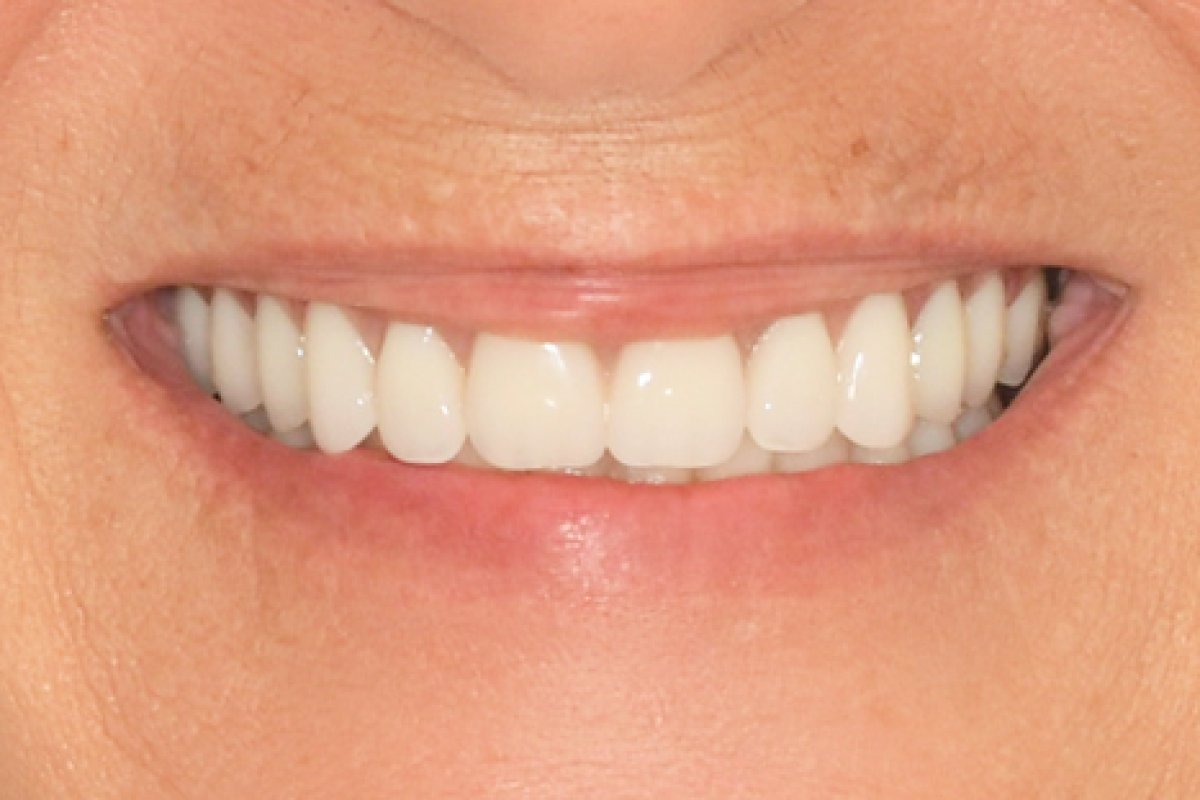 Saved 62%
All-on-4 in Vietnam: A Scottsdale Retiree's Full-Mouth Implant Story
Paid US$20,900 vs US$55,000 typical
Arizona retiree Linda completed All-on-4 full-mouth implants in Hanoi for US$20,900 across two trips, against a US$55,000 quote at home.
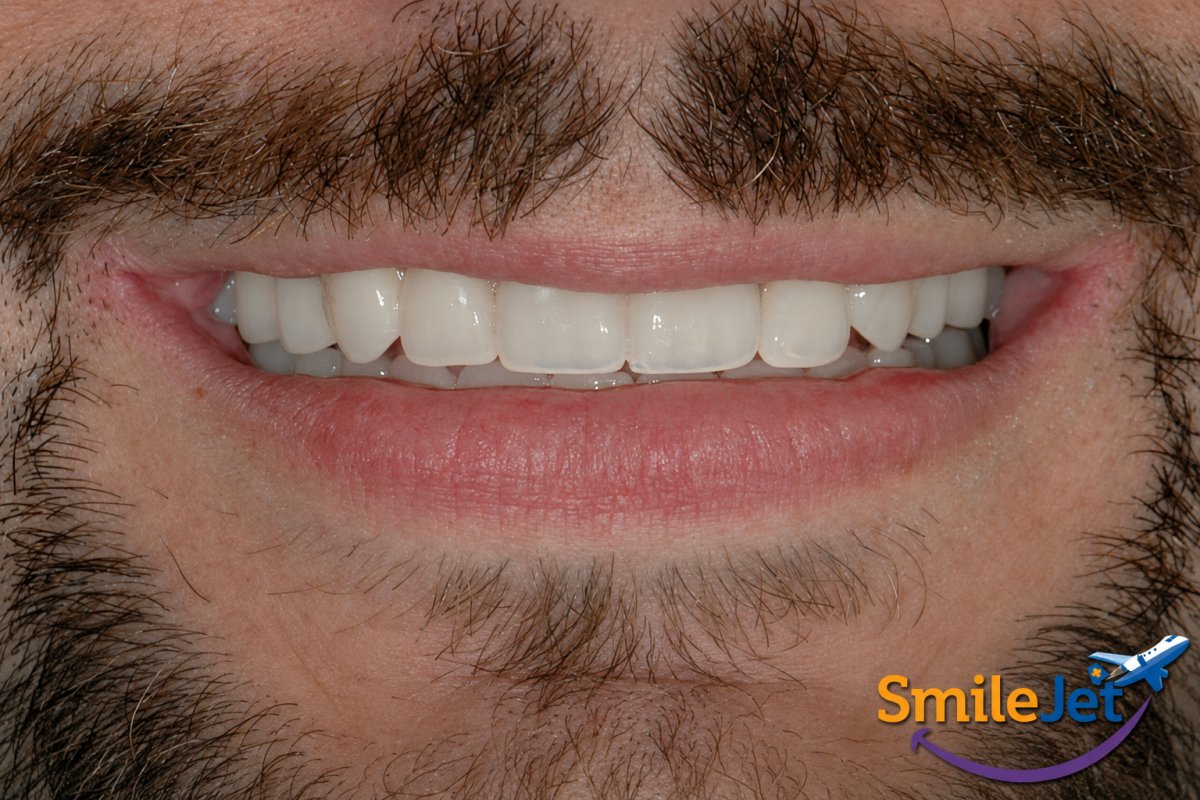 Saved 63%
Jason's All-on-4 in Vietnam: $22K All-In vs a $60K+ Quote at Home
Paid AUD 22,000 vs AUD 60,000 typical
Jason flew from Australia to Ho Chi Minh City for full-arch All-on-4 implants. Total all-in spend: $22,000 AUD, against a home quote of $60,000+ AUD.
Two Years in the Making: A Total Transformation of Body and Soul
Dental implants completed across multiple trips to Worldwide Hospital in Vietnam, with concurrent cosmetic procedures all under one roof.
Explore
More on dental treatment in Phu Quoc.
Costs, treatments and trip planning, all for Phu Quoc.