Deep Cleaning, Scaling & Root Planing abroad.
Priced on published fees.
What deep cleaning, scaling & root planing costs across the destinations we list, from fees published by approved clinics.
Free to use. No forms, no call centre. You pay the clinic directly, at its own prices.
What it costs
Deep Cleaning, Scaling & Root Planing, country by country.
Each figure is the average of prices published by approved clinics in that country. The count beside it is how many clinics stand behind the figure.
| Country | Average | Range | Clinics |
|---|---|---|---|
| Vietnam | US$43 | US$43 to US$43 | 2 |
| Thailand | US$45 | US$45 to US$240 | 1 |
| Ecuador | US$30 | US$30 to US$50 | 1 |
| India | US$70 | US$70 to US$80 | 1 |
| Azerbaijan | US$53 | US$53 to US$93 | 1 |
Indicative. Averages of what clinics publish, not quotes. Only a clinic's written quote for your own case applies to you. Method: the pricing research index.
Want deep cleaning, scaling & root planing priced for your own mouth? Send a photo and we will come back with written quotes.
Get my quoteThe treatment
What deep cleaning, scaling & root planing involves.
Deep Cleaning: Scaling & Root Planing Treatment
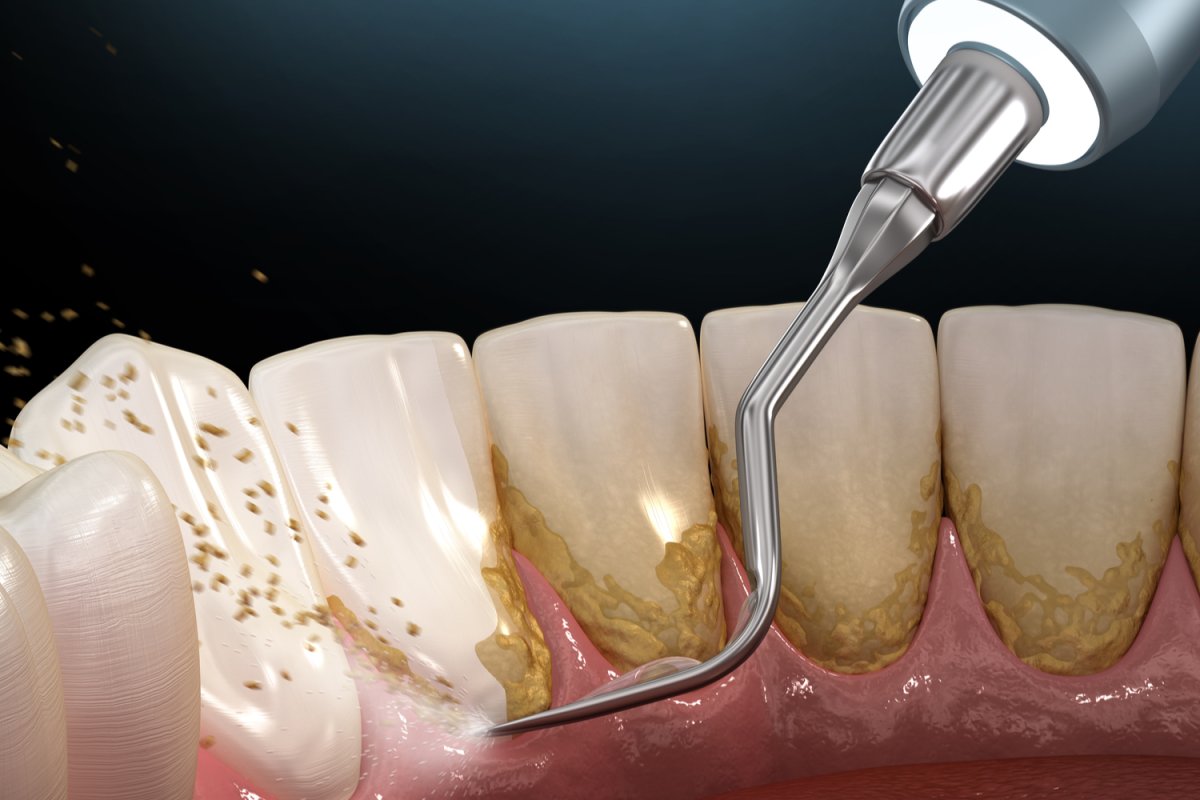
Deep cleaning, also known as scaling and root planing, is a non-surgical periodontal treatment that goes beyond routine dental cleanings. This specialized procedure targets bacteria, plaque, and tartar buildup below the gum line that cannot be reached with regular brushing or standard cleanings.
Unlike preventive cleanings that focus on surfaces above the gum line, deep cleaning addresses periodontal disease by thoroughly cleaning tooth roots and smoothing rough surfaces where bacteria accumulate. This treatment helps restore gum health and prevent tooth loss.
How Deep Cleaning Is PerformedThe deep cleaning process typically occurs over one or two appointments, depending on the extent of treatment needed. Your dentist or dental hygienist will use specialized instruments to ensure thorough cleaning.
Scaling Phase
During scaling, your dental professional removes plaque and tartar deposits from tooth surfaces and below the gum line. Ultrasonic scalers use vibrations to break up stubborn buildup, while hand instruments precisely remove remaining deposits.
Root Planing Phase
Root planing smooths rough spots on tooth roots where bacteria collect. This process helps gum tissues reattach to clean tooth surfaces and creates an environment less favorable to bacterial growth.
Local Anesthesia
Local anesthetic is often applied to ensure comfort during treatment. This numbs the treatment area, allowing for thorough cleaning without discomfort as instruments work below the gum line.
Benefits of Deep Cleaning TreatmentDeep cleaning provides numerous oral health benefits that extend beyond cosmetic improvements. This treatment addresses underlying periodontal issues that could lead to serious complications if left untreated.
Gum Health Restoration
By removing bacterial buildup, deep cleaning allows inflamed gum tissues to heal. Patients often notice reduced bleeding, swelling, and tenderness within days of treatment.
Prevents Tooth Loss
Untreated gum disease can destroy tissues and bone supporting teeth. Deep cleaning halts disease progression, helping preserve natural teeth for years to come.
Eliminates Bad Breath
Bacteria trapped below the gum line often cause persistent bad breath. Deep cleaning removes these odor-causing bacteria, resulting in fresher breath and improved confidence.
Reduces Health Risks
Periodontal disease links to serious health conditions including heart disease, diabetes complications, and stroke. Deep cleaning helps reduce these systemic health risks.
Who Needs Deep Cleaning TreatmentDeep cleaning is recommended for patients showing signs of periodontal disease or those at high risk for gum problems. Your dentist will evaluate your specific needs during routine examinations.
Ideal Candidates Include
- Patients with gum disease symptoms like bleeding, swelling, or recession
- Individuals with pocket depths greater than 4mm between teeth and gums
- Those with significant tartar buildup below the gum line
- Patients who haven't had professional cleanings in over a year
- Individuals with risk factors like diabetes, smoking, or family history of gum disease
Signs You May Need Deep Cleaning
Common indicators include persistent bad breath, gums that bleed during brushing, teeth appearing longer due to gum recession, and loose or shifting teeth. Pain while chewing and increased tooth sensitivity may also signal the need for deep cleaning.
Recovery and Aftercare InstructionsProper aftercare following deep cleaning ensures optimal healing and treatment success. Most patients experience mild discomfort that resolves within a few days.
Immediate Post-Treatment Care
Avoid eating until numbness wears off to prevent accidental injury. Stick to soft foods for the first day and avoid extremely hot or cold items that may cause sensitivity.
Oral Hygiene Guidelines
Gentle brushing with a soft-bristled toothbrush is essential. Your dentist may recommend special toothpaste for sensitive teeth or prescribed mouth rinse to promote healing.
Managing Discomfort
Over-the-counter pain relievers effectively manage any post-treatment discomfort. Warm salt water rinses can soothe tender gums and promote healing.
Follow-Up Care
Regular maintenance cleanings every 3-4 months help preserve treatment results. Your dental team will monitor healing progress and adjust your care plan as needed.
Expected Results and TimelineMost patients notice improvements in gum health within one to two weeks following treatment. Complete healing typically occurs within 4-6 weeks, though individual results may vary.
Successful deep cleaning treatment can halt disease progression and restore oral health when combined with excellent home care and regular professional maintenance.
- Sessions
- 1 typically
Clinics
Where to get deep cleaning, scaling & root planing.
Clinics that list this treatment, ordered by our evaluation. Featured partners passed the checks in our methodology; it is not a clinical endorsement.

DAISY International Dental Nha Trang
Nha Trang, Vietnam
US$43
from 82 reviews

Daisy International Dental Clinic Da Lat
Da Lat, Vietnam
US$43
from 120 reviews

Dr. Fərid Zeynalov
Baku, Azerbaijan
US$90
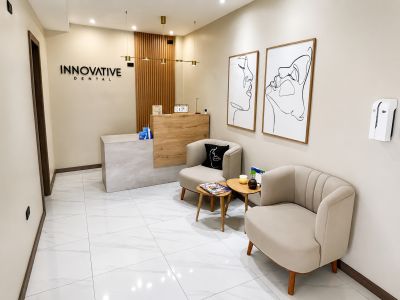
INNOVATIVE DENTAL
Cuenca, Ecuador
US$30
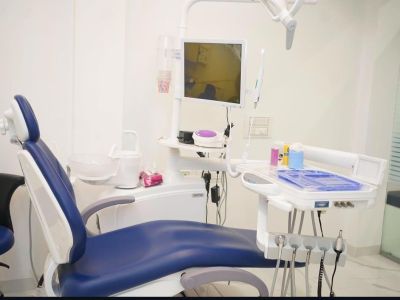
Dr. Khushboo Dent house dental clinic
Mumbai, India
US$70

HeySmile Dental Clinic
Bangkok, Thailand
US$1,500
Questions
What people ask about it.
What is deep cleaning and how is it different from regular cleaning?
Deep cleaning treats gum disease by removing plaque and tartar below the gum line. Regular cleanings only address surfaces above the gums.
How long does a deep cleaning procedure take?
Deep cleaning typically takes 1-2 hours per session. Treatment may be completed in one visit or split into multiple appointments based on your needs.
Is deep cleaning painful?
Local anesthesia is used to minimize discomfort during treatment. Most patients experience only mild soreness afterward, similar to a routine cleaning.
How much does deep cleaning cost?
Deep cleaning costs vary by location and insurance coverage. Many dental insurance plans cover periodontal treatment when medically necessary.
Do I need deep cleaning if my gums bleed when brushing?
Bleeding gums often indicate gum disease requiring deep cleaning. Schedule an evaluation to determine if this treatment is right for you.
How often should I get deep cleaning treatments?
Most patients need deep cleaning only once, followed by regular maintenance cleanings every 3-4 months to prevent disease recurrence.
What should I expect after deep cleaning treatment?
Expect mild tenderness and possible sensitivity for a few days. Gums should appear healthier and bleed less within 1-2 weeks of treatment.
Can I eat normally after deep cleaning?
Stick to soft foods for the first day and avoid extremely hot or cold items. Normal eating typically resumes within 24-48 hours.
Will my gums grow back after deep cleaning?
Healthy gum tissue may reattach to clean tooth surfaces, but severely receded gums typically don't regenerate completely.
How do I care for my teeth after deep cleaning?
Use gentle brushing with soft bristles, follow prescribed mouth rinse instructions, and maintain excellent daily oral hygiene habits.
Are there alternatives to deep cleaning for gum disease?
Advanced gum disease may require surgical treatment. Deep cleaning is often the most conservative effective treatment for moderate periodontal disease.
Can I drive home after deep cleaning treatment?
Yes, local anesthesia used during deep cleaning doesn't impair driving ability once numbness begins to wear off.
Will deep cleaning make my teeth whiter?
Deep cleaning removes stains from tartar buildup, which may improve tooth appearance, but it's primarily a medical treatment for gum disease.
How long do deep cleaning results last?
Results can last for years with proper home care and regular maintenance cleanings every 3-4 months as recommended by your dentist.
Can pregnant women have deep cleaning done?
Deep cleaning is generally safe during pregnancy and may be recommended since pregnancy hormones can worsen existing gum disease.
What happens if I don't get deep cleaning when recommended?
Untreated gum disease progresses, potentially leading to tooth loss, bone damage, and increased risk of serious health complications.
Will my insurance cover deep cleaning treatment?
Most dental insurance plans cover periodontal treatment including deep cleaning when it's medically necessary for treating gum disease.
Can I use mouthwash after deep cleaning?
Your dentist may prescribe special mouth rinse to promote healing. Avoid alcohol-based mouthwashes initially as they may cause irritation.
How soon can I brush my teeth after deep cleaning?
Gentle brushing can resume the evening after treatment using a soft-bristled toothbrush and avoiding vigorous scrubbing motions.
What are the risks or side effects of deep cleaning?
Risks are minimal but may include temporary sensitivity, minor bleeding, or slight gum recession. Benefits far outweigh these temporary effects.
Related
Often asked about together.
Send a photo. Get three quotes.
For deep cleaning, scaling & root planing, from clinics that fit your case. It costs nothing and commits you to nothing.