Regular Teeth Cleaning abroad.
Priced on published fees.
What regular teeth cleaning costs across the destinations we list, from fees published by approved clinics.
Free to use. No forms, no call centre. You pay the clinic directly, at its own prices.
What it costs
Regular Teeth Cleaning, country by country.
Each figure is the average of prices published by approved clinics in that country. The count beside it is how many clinics stand behind the figure.
| Country | Average | Range | Clinics |
|---|---|---|---|
| Vietnam | US$17 | US$4 to US$160 | 36 |
| Thailand | US$44 | US$6 to US$86 | 25 |
| Poland | US$102 | US$50 to US$138 | 14 |
| Mexico | US$76 | US$25 to US$172 | 12 |
| Indonesia | US$23 | US$6 to US$63 | 10 |
| Hungary | US$114 | US$51 to US$235 | 6 |
| Colombia | US$68 | US$50 to US$94 | 5 |
| Spain | US$91 | US$58 to US$119 | 4 |
Indicative. Averages of what clinics publish, not quotes. Only a clinic's written quote for your own case applies to you. Method: the pricing research index.
Want regular teeth cleaning priced for your own mouth? Send a photo and we will come back with written quotes.
Get my quoteThe treatment
What regular teeth cleaning involves.
What is Regular Teeth Cleaning?
Regular teeth cleaning, also known as prophylaxis or dental cleaning, is a preventive dental procedure performed by a dental hygienist or dentist to remove plaque, tartar, and stains from your teeth. This essential treatment goes beyond what daily brushing and flossing can achieve, targeting hardened deposits that have accumulated on tooth surfaces and along the gumline.
During a regular cleaning, dental professionals use specialized instruments to thoroughly clean all surfaces of your teeth, polish them to a smooth finish, and provide fluoride treatment to strengthen enamel. This routine procedure is the cornerstone of preventive dental care and plays a crucial role in maintaining optimal oral health.
How Regular Teeth Cleaning is PerformedInitial Examination
Your cleaning appointment begins with a comprehensive examination of your mouth. The dental hygienist uses a small mirror to check around your teeth and gums for signs of gingivitis, cavities, or other potential issues. This visual inspection helps determine the appropriate cleaning approach for your specific needs.
Plaque and Tartar Removal
Using a scaler, the hygienist carefully removes plaque and tartar deposits from around your gumline and between your teeth. You may hear scraping sounds during this process, which is completely normal. The amount of time spent on this step depends on the extent of buildup present.
Deep Cleaning with Gritty Toothpaste
After scaling, your teeth are brushed with a high-powered electric brush and professional-grade toothpaste. This gritty paste helps remove any remaining tartar and polishes your teeth to a smooth, clean finish. The texture may feel rougher than regular toothpaste, but it's designed for professional use.
Expert Flossing
Professional flossing follows the brushing phase. Your hygienist will floss between all your teeth, reaching areas you might miss during daily home care. This step helps remove any remaining debris and allows the professional to identify potential trouble spots.
Rinsing and Fluoride Treatment
You'll rinse thoroughly to remove any debris, followed by a fluoride treatment. The fluoride application comes in various flavors and helps protect your teeth against cavities for several months. This treatment may involve wearing a mouth tray filled with fluoride gel or having fluoride painted directly onto your teeth.
Benefits and Outcomes of Regular Teeth CleaningPrevents Gum Disease
Regular cleanings effectively remove bacteria-filled plaque that causes gingivitis and periodontitis. By eliminating these harmful deposits, cleanings help maintain healthy gums and prevent the progression of gum disease, which can lead to tooth loss if left untreated.
Reduces Risk of Cavities
Professional cleaning removes plaque and bacteria from hard-to-reach areas, significantly reducing your risk of developing cavities. The fluoride treatment provides additional protection by strengthening tooth enamel and making teeth more resistant to acid attacks.
Eliminates Bad Breath
Persistent bad breath often results from bacteria buildup in the mouth. Regular cleanings remove these odor-causing bacteria and food particles, leaving your mouth feeling fresh and clean. This improvement in oral hygiene contributes to better overall confidence.
Brightens Your Smile
Professional cleaning removes surface stains caused by coffee, tea, wine, and other foods, revealing your teeth's natural brightness. While not a whitening treatment, regular cleanings help maintain your smile's appearance and prevent further discoloration.
Early Problem Detection
During cleaning appointments, dental professionals can identify early signs of dental issues before they become serious problems. Early detection allows for less invasive and more cost-effective treatments.
Who Should Get Regular Teeth CleaningGeneral Population
Most dental professionals recommend regular cleanings every six months for the general population. This frequency helps maintain optimal oral health and prevents the accumulation of harmful plaque and tartar deposits.
High-Risk Individuals
People with certain conditions may need more frequent cleanings. Those with gum disease, diabetes, heart disease, or a history of cavities might benefit from cleanings every three to four months. Smokers and individuals with dry mouth conditions also typically require more frequent professional care.
Children and Teens
Children should begin regular dental cleanings around age two or when most of their primary teeth have emerged. Establishing this routine early helps create good oral hygiene habits and ensures proper dental development.
Pregnant Women
Pregnancy hormones can increase the risk of gum disease, making regular cleanings especially important during this time. Professional cleanings are safe during pregnancy and help maintain both maternal and fetal health.
Aftercare Following Regular Teeth CleaningImmediate Post-Cleaning Care
After your cleaning, your teeth and gums might feel slightly sensitive for a few hours. This is normal and typically subsides quickly. Avoid extremely hot or cold foods and beverages immediately following your appointment if you experience sensitivity.
Maintaining Results at Home
To maximize the benefits of your professional cleaning, maintain excellent oral hygiene at home. Brush twice daily with fluoride toothpaste, floss daily, and use an antimicrobial mouthwash to reduce bacteria buildup between appointments.
Diet Considerations
For the first few hours after cleaning, avoid foods and drinks that can stain your teeth, such as coffee, tea, red wine, or dark-colored fruits. Your teeth may be more susceptible to staining immediately after cleaning.
Follow-Up Care
Schedule your next cleaning appointment before leaving the office to maintain consistent care. If you experience persistent sensitivity, unusual pain, or bleeding after your cleaning, contact your dental office for guidance.
- Sessions
- 1 typically
Clinics
Where to get regular teeth cleaning.
Clinics that list this treatment, ordered by our evaluation. Featured partners passed the checks in our methodology; it is not a clinical endorsement.
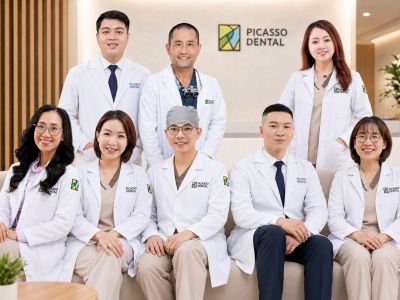
Picasso Dental Clinic Ho Chi Minh City (Thao Dien, District 2)
Ho Chi Minh City, Vietnam
US$12
from 337 reviews

Worldwide Beauty And Dental Hospital
Ho Chi Minh City, Vietnam
US$15
from 537 reviews

Picasso Dental Clinic Hanoi (Old Quarter Branch)
Hanoi, Vietnam
US$12
from 357 reviews

Dentisti in Albania-Biodent
Tirana, Albania
US$43
from 254 reviews
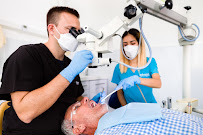
Bokanova Riviera Maya
Playa Del Carmen, Mexico
US$73
from 116 reviews
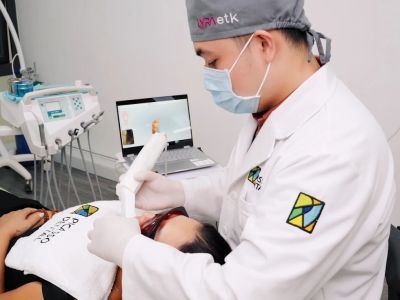
Picasso Dental Clinic Da Nang
Da Nang, Vietnam
US$12
from 350 reviews
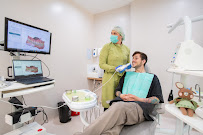
Dentica Dental Clinic (Déntica by Cristina Suaza)
Bogota, Colombia
US$60
from 504 reviews

DAISY International Dental Nha Trang
Nha Trang, Vietnam
US$12
from 82 reviews
Questions
What people ask about it.
What is a regular teeth cleaning?
A professional dental procedure that removes plaque, tartar, and stains from teeth using specialized tools. It includes scaling, polishing, and fluoride treatment to maintain oral health.
How often should I get my teeth cleaned?
Most people should get professional cleanings every six months. However, those with gum disease or other risk factors may need cleanings every 3-4 months.
Does teeth cleaning hurt?
Regular cleanings are generally painless, though you may experience mild discomfort during scaling. Any sensitivity typically subsides within a few hours after treatment.
How long does a dental cleaning take?
A typical cleaning appointment lasts 30-60 minutes, depending on the amount of plaque buildup and your individual oral health needs.
What's the difference between cleaning and deep cleaning?
Regular cleaning maintains healthy gums above the gumline. Deep cleaning treats gum disease by removing tartar below the gumline and may require numbing.
Can I eat after a teeth cleaning?
Yes, but avoid staining foods and very hot/cold items for a few hours if you received fluoride treatment or experience sensitivity.
Will teeth cleaning whiten my teeth?
Cleaning removes surface stains and reveals your teeth's natural color but isn't a whitening treatment. It may make teeth appear brighter.
Is teeth cleaning covered by insurance?
Most dental insurance plans cover two cleanings per year as preventive care. Check your specific policy for coverage details and limitations.
Can children get teeth cleanings?
Yes, children should start regular cleanings around age 2-3 or when most primary teeth have emerged. Early cleanings establish good oral hygiene habits.
What happens if I skip regular cleanings?
Skipping cleanings allows plaque to harden into tartar, increasing risk of cavities, gum disease, and tooth loss. Professional cleaning is essential for oral health.
Do I need to brush before my cleaning appointment?
Yes, maintain your normal oral hygiene routine before your appointment. Brushing beforehand is courteous and helps the hygienist work more effectively.
Can I get teeth cleaning while pregnant?
Yes, dental cleanings are safe and recommended during pregnancy. Pregnancy hormones increase gum disease risk, making regular cleanings especially important.
What tools are used during teeth cleaning?
Common tools include scalers for tartar removal, high-powered electric brushes, professional toothpaste, floss, suction devices, and fluoride application tools.
Why do my gums bleed during cleaning?
Bleeding typically indicates gum inflammation from plaque buildup. Regular cleanings and improved home care usually reduce bleeding over time.
Can teeth cleaning prevent cavities?
Yes, regular cleanings remove cavity-causing bacteria and plaque. Combined with fluoride treatment, cleanings significantly reduce cavity risk.
What's included in a standard cleaning appointment?
A standard cleaning includes oral examination, plaque/tartar removal, tooth polishing, professional flossing, rinsing, and fluoride treatment.
Should I take medication before cleaning?
Most people don't need pre-medication. However, those with certain heart conditions or joint replacements may need antibiotics. Consult your dentist.
Can teeth cleaning fix bad breath?
Yes, cleaning removes odor-causing bacteria and food particles. Regular cleanings combined with good home care effectively combat chronic bad breath.
What if I have sensitive teeth during cleaning?
Inform your hygienist about sensitivity. They can adjust technique, use desensitizing agents, or recommend special toothpaste for sensitive teeth.
How do I maintain results between cleanings?
Brush twice daily with fluoride toothpaste, floss daily, use antimicrobial mouthwash, limit sugary foods, and avoid tobacco products.
Related
Often asked about together.
Send a photo. Get three quotes.
For regular teeth cleaning, from clinics that fit your case. It costs nothing and commits you to nothing.