Porcelain Inlay/Onlay abroad.
Priced on published fees.
What porcelain inlay/onlay costs across the destinations we list, from fees published by approved clinics.
Free to use. No forms, no call centre. You pay the clinic directly, at its own prices.
What it costs
Porcelain Inlay/Onlay, country by country.
Each figure is the average of prices published by approved clinics in that country. The count beside it is how many clinics stand behind the figure.
| Country | Average | Range | Clinics |
|---|---|---|---|
| Vietnam | US$102 | US$102 to US$204 | 2 |
| Ecuador | US$300 | US$300 to US$400 | 1 |
| Thailand | US$420 | US$420 to US$420 | 1 |
Indicative. Averages of what clinics publish, not quotes. Only a clinic's written quote for your own case applies to you. Method: the pricing research index.
Want porcelain inlay/onlay priced for your own mouth? Send a photo and we will come back with written quotes.
Get my quoteThe treatment
What porcelain inlay/onlay involves.
What Are Porcelain Inlays and Onlays?
Porcelain inlays and onlays are custom-made restorations that repair damaged or decayed teeth when traditional fillings aren't sufficient but a full crown isn't necessary. These tooth-colored restorations are crafted from high-quality porcelain to match your natural tooth color and provide exceptional durability.
An inlay fits within the cusps (bumps) of your tooth, similar to a traditional filling but made from porcelain instead of composite or amalgam. An onlay extends beyond the cusps to cover one or more of the tooth's surfaces, making it larger than an inlay but smaller than a crown.
How Are Porcelain Inlays and Onlays Made?Initial Consultation and Preparation
Your dentist will first examine the damaged tooth and determine if an inlay or onlay is the best treatment option. Digital X-rays may be taken to assess the extent of decay or damage beneath the surface.
First Appointment: Tooth Preparation
The procedure begins with local anesthesia to ensure your comfort. Your dentist will carefully remove any decay or damaged tooth structure, creating a clean foundation for the restoration.
Precise impressions of your prepared tooth are taken using digital scanning or traditional molding materials. These impressions capture every detail needed to create your custom restoration. A temporary filling protects your tooth while your permanent inlay or onlay is crafted.
Laboratory Fabrication
Your impressions are sent to a dental laboratory where skilled technicians create your porcelain restoration. This process typically takes 1-2 weeks. The porcelain is carefully color-matched to your existing teeth and shaped to restore proper function and aesthetics.
Second Appointment: Placement
During your return visit, the temporary filling is removed and your tooth is cleaned. Your dentist will check the fit and color match of your new restoration before permanently bonding it to your tooth using special dental cement.
Final adjustments ensure proper bite alignment and comfort. Your restoration is polished to achieve a natural, smooth finish that blends seamlessly with your smile.
Benefits of Porcelain Inlays and OnlaysSuperior Durability
Porcelain inlays and onlays are significantly stronger than traditional composite fillings and can last 15-20 years or more with proper care. The laboratory fabrication process creates a restoration that's precisely fitted and exceptionally durable.
Natural Appearance
High-quality porcelain closely mimics the translucency and color variations of natural tooth enamel. Your restoration will be virtually indistinguishable from your surrounding teeth, providing excellent aesthetic results.
Conservative Treatment
These restorations preserve more of your natural tooth structure compared to crowns, which require more extensive tooth reduction. This conservative approach helps maintain the long-term health of your tooth.
Precise Fit
Laboratory fabrication allows for exceptional precision in fit and function. This tight seal helps prevent future decay and ensures optimal comfort and bite alignment.
Biocompatibility
Porcelain is highly biocompatible and doesn't cause allergic reactions. Unlike metal restorations, porcelain won't create temperature sensitivity or galvanic reactions with other dental work.
Who Are Good Candidates?Porcelain inlays and onlays are ideal for patients with moderate tooth damage that extends beyond what a simple filling can address but doesn't require a full crown. Good candidates include those with:
- Large cavities that have weakened the tooth structure
- Fractured or cracked teeth with sufficient remaining structure
- Failed or worn-out large fillings that need replacement
- Teeth with cosmetic concerns in visible areas
- Good oral hygiene habits and commitment to maintenance
Patients should have healthy gums and adequate bone support around the affected tooth. Those who grind their teeth may need additional protection with a night guard to prevent damage to the restoration.
Recovery and AftercareImmediate Post-Treatment Care
Some sensitivity to temperature or pressure is normal for the first few days after placement. Over-the-counter pain relievers can help manage any discomfort. Avoid very hot or cold foods and beverages initially.
Eating Guidelines
You can resume normal eating once the anesthesia wears off, but be gentle with the treated tooth for the first 24 hours. Avoid hard, sticky, or chewy foods that could dislodge or damage the new restoration during the initial bonding period.
Oral Hygiene
Maintain excellent oral hygiene with gentle brushing and daily flossing. Use a soft-bristled toothbrush and non-abrasive toothpaste to protect the porcelain surface. Regular dental cleanings and checkups ensure the longevity of your restoration.
Long-term Maintenance
With proper care, your porcelain inlay or onlay should provide many years of reliable service. Avoid using your teeth as tools, limit teeth grinding, and address any bite problems promptly. Regular dental visits allow your dentist to monitor the restoration and address any issues early.
- Sessions
- 1 typically
Clinics
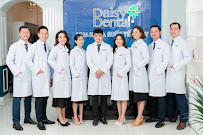
Where to get porcelain inlay/onlay.
Clinics that list this treatment, ordered by our evaluation. Featured partners passed the checks in our methodology; it is not a clinical endorsement.



Questions
What people ask about it.
What is a porcelain inlay or onlay?
A porcelain inlay or onlay is a custom-made tooth restoration that repairs moderate damage. Inlays fit within tooth cusps, while onlays extend over cusps to cover more surface area.
How long do porcelain inlays and onlays last?
With proper care, porcelain inlays and onlays typically last 15-20 years or more. Their durability depends on oral hygiene, bite forces, and regular dental maintenance.
What's the difference between an inlay and onlay?
An inlay fits within the tooth's cusps like a large filling. An onlay covers one or more cusps and extends over more of the tooth's chewing surface.
How much do porcelain inlays and onlays cost?
Costs vary by location and complexity but typically range from $800-$1,500 per restoration. Many dental insurance plans provide partial coverage for these procedures.
Are porcelain inlays and onlays better than fillings?
For large cavities, yes. They're stronger, longer-lasting, and provide better fit than large composite fillings. They also preserve more tooth structure than crowns.
Do porcelain inlays and onlays hurt?
The procedure is performed under local anesthesia, so you shouldn't feel pain during treatment. Some mild sensitivity afterward is normal and resolves within days.
How long does the procedure take?
The process requires two appointments about 1-2 weeks apart. Each appointment typically takes 60-90 minutes, depending on the complexity of your case.
Can porcelain inlays and onlays be whitened?
No, porcelain restorations cannot be whitened with bleaching treatments. If you want whiter teeth, whitening should be done before the restoration is made.
Will my insurance cover porcelain inlays and onlays?
Many insurance plans cover a portion of the cost, often treating them similarly to crowns. Check with your insurance provider for specific coverage details.
What should I avoid eating after getting an inlay or onlay?
Initially avoid very hot, cold, hard, or sticky foods. Once fully healed, you can eat normally but avoid using teeth as tools or chewing ice.
Can porcelain inlays and onlays break?
While durable, they can crack or break under extreme force. Avoid grinding teeth, chewing ice, or opening packages with your teeth to prevent damage.
How do I care for my porcelain inlay or onlay?
Maintain good oral hygiene with gentle brushing and daily flossing. Use non-abrasive toothpaste and visit your dentist regularly for checkups and cleanings.
Are there alternatives to porcelain inlays and onlays?
Alternatives include composite fillings, gold inlays/onlays, or crowns. Your dentist will recommend the best option based on your tooth's condition and needs.
Can I get same-day porcelain inlays and onlays?
Some dental offices offer same-day restorations using CAD/CAM technology. However, traditional lab-made restorations often provide superior fit and aesthetics.
What happens if my inlay or onlay falls out?
Contact your dentist immediately if your restoration becomes loose or falls out. Save the piece if possible and avoid chewing on that side until repaired.
Do porcelain inlays and onlays look natural?
Yes, high-quality porcelain closely matches natural teeth in color and translucency. Your restoration will be custom-made to blend seamlessly with your smile.
Can I floss around porcelain inlays and onlays?
Yes, regular flossing is important for maintaining gum health around your restoration. The smooth porcelain surface actually makes cleaning easier than rough fillings.
What if I grind my teeth at night?
If you grind your teeth, your dentist may recommend a night guard to protect your restoration and natural teeth from excessive wear and potential damage.
Are porcelain inlays safe for people with allergies?
Porcelain is highly biocompatible and rarely causes allergic reactions. It's an excellent choice for patients with sensitivities to metals or other materials.
How soon can I return to normal activities?
You can return to normal activities immediately after the procedure. Just be gentle with eating for the first 24 hours while the restoration fully sets.
Related
Often asked about together.
Send a photo. Get three quotes.
For porcelain inlay/onlay, from clinics that fit your case. It costs nothing and commits you to nothing.