Composite Filling abroad.
Priced on published fees.
What composite filling costs across the destinations we list, from fees published by approved clinics.
Free to use. No forms, no call centre. You pay the clinic directly, at its own prices.
What it costs
Composite Filling, country by country.
Each figure is the average of prices published by approved clinics in that country. The count beside it is how many clinics stand behind the figure.
| Country | Average | Range | Clinics |
|---|---|---|---|
| Vietnam | US$16 | US$13 to US$41 | 9 |
| Thailand | US$34 | US$27 to US$45 | 4 |
| Turkey | US$83 | US$83 to US$114 | 1 |
| Mexico | US$73 | US$73 to US$73 | 1 |
| India | US$45 | US$45 to US$70 | 1 |
| Azerbaijan | US$47 | US$47 to US$88 | 1 |
Indicative. Averages of what clinics publish, not quotes. Only a clinic's written quote for your own case applies to you. Method: the pricing research index.
Want composite filling priced for your own mouth? Send a photo and we will come back with written quotes.
Get my quoteThe treatment
What composite filling involves.
What Are Composite Fillings?
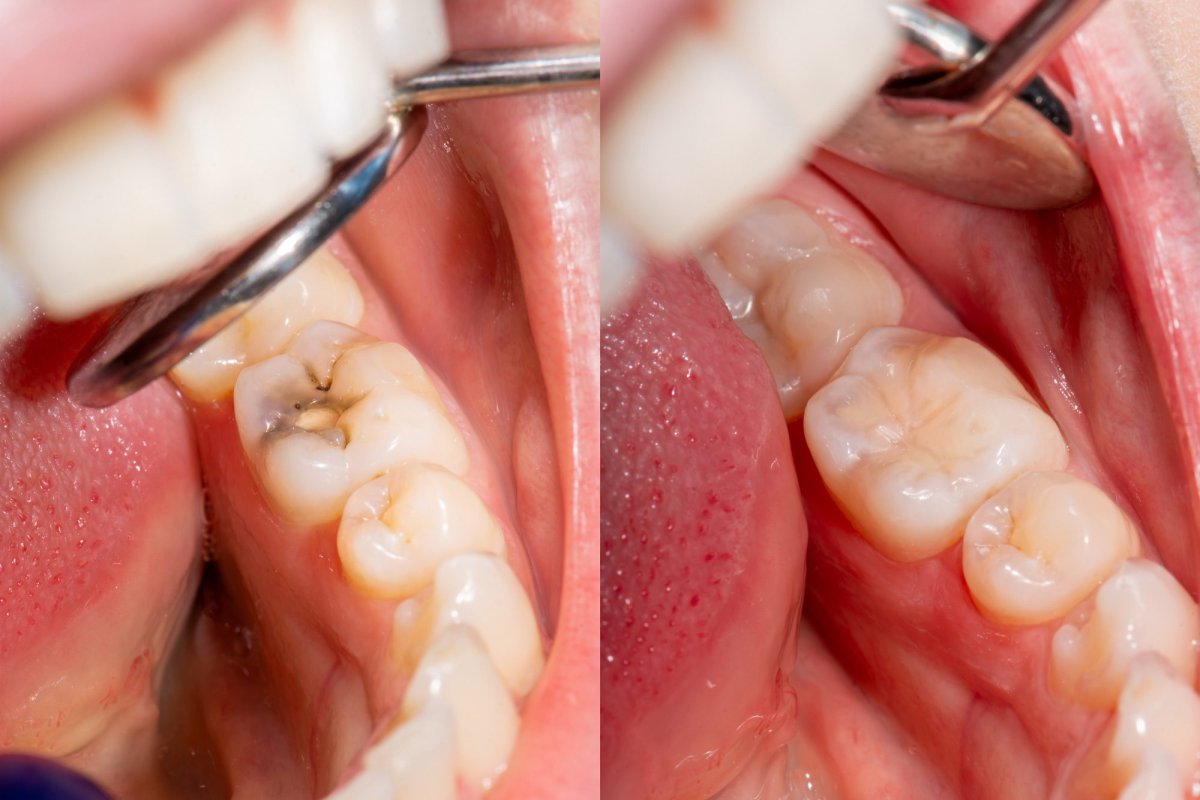
Composite fillings, also known as tooth-colored fillings or white fillings, are a modern dental restoration made from a mixture of plastic resin and fine glass particles. Unlike traditional silver amalgam fillings, composite fillings are designed to match the natural color of your teeth, making them virtually invisible when you smile or speak.
These versatile restorations are used to repair teeth damaged by decay, minor fractures, or wear. The composite material bonds directly to your tooth structure, providing both functional restoration and aesthetic appeal.
How Are Composite Fillings Placed?The composite filling procedure is straightforward and typically completed in a single dental visit lasting 30-60 minutes, depending on the size and location of the cavity.
Step-by-Step Procedure
- Anesthesia: Your dentist will administer local anesthesia to numb the treatment area, ensuring your comfort throughout the procedure.
- Decay Removal: Using specialized dental instruments, your dentist will carefully remove all decayed tooth material and clean the affected area.
- Tooth Preparation: The tooth is prepared by creating the ideal surface for bonding, which may involve slight etching with a mild acid solution.
- Color Matching: Your dentist will select the composite shade that most closely matches your natural tooth color for seamless integration.
- Layered Application: The composite material is applied in thin layers, with each layer being hardened using a special blue light (curing light).
- Shaping and Polishing: Once the filling is complete, your dentist will shape and polish it to match your natural bite and tooth contours.
What to Expect During Treatment
Most patients experience minimal discomfort during the procedure due to local anesthesia. You may feel slight pressure or vibration from dental instruments, but no pain. The curing light used to harden the composite is completely painless and takes only 20-40 seconds per layer.
Benefits of Composite FillingsComposite fillings offer numerous advantages over traditional filling materials, making them an increasingly popular choice for dental restorations.
Aesthetic Advantages
- Natural Appearance: Composite fillings blend seamlessly with your natural teeth, making them virtually undetectable
- Color Stability: Modern composites resist staining and maintain their appearance for years
- Versatile Applications: Can be used for both front and back teeth without compromising appearance
Functional Benefits
- Conservative Treatment: Requires less removal of healthy tooth structure compared to amalgam fillings
- Strong Bonding: Chemically bonds to tooth structure, providing additional support to the remaining tooth
- Immediate Use: No waiting period required - you can eat and drink immediately after treatment
- Durability: With proper care, composite fillings can last 7-10 years or longer
Health and Safety Benefits
- Mercury-Free: Contains no mercury or other metals, addressing health concerns some patients have with amalgam
- Temperature Stability: Does not expand and contract with temperature changes like metal fillings
- Reduced Sensitivity: Many patients experience less post-treatment sensitivity compared to metal fillings
Composite fillings are suitable for most patients requiring dental restorations, though certain factors may influence their recommendation.
Ideal Candidates
- Patients with small to medium-sized cavities
- Those seeking aesthetic dental solutions
- Individuals with metal allergies or sensitivities
- Patients wanting mercury-free dental treatments
- Those requiring fillings in visible areas (front teeth)
- Children and teenagers (easier to monitor and replace if needed)
Considerations and Limitations
While composite fillings are excellent for most situations, your dentist may recommend alternative treatments in certain cases:
- Large Cavities: Extensive decay may require crowns or inlays for optimal strength
- Heavy Bite Forces: Patients who grind or clench their teeth may need more durable materials for back teeth
- Below Gum Line: Cavities extending below the gum line may be challenging to keep dry during placement
Recovery from composite filling placement is typically quick and straightforward, with most patients returning to normal activities immediately.
Immediate Post-Treatment Care
- Eating: You can eat immediately, but avoid very hard or sticky foods for the first 24 hours
- Sensitivity: Mild sensitivity to hot or cold foods is normal and should subside within a few days
- Oral Hygiene: Resume normal brushing and flossing immediately
- Pain Management: Over-the-counter pain relievers are rarely needed but can help if discomfort occurs
Long-Term Maintenance
Proper care will help maximize the lifespan of your composite fillings:
- Regular Dental Visits: Schedule routine checkups and cleanings every six months
- Good Oral Hygiene: Brush twice daily with fluoride toothpaste and floss regularly
- Dietary Considerations: Limit sugary and acidic foods and beverages
- Protective Measures: Use a nightguard if you grind your teeth, and avoid using teeth as tools
Signs to Watch For
Contact your dentist if you experience:
- Persistent pain or sensitivity lasting more than a week
- Sharp edges on the filling that irritate your tongue or cheek
- Changes in your bite or difficulty chewing
- Visible chips, cracks, or changes in the filling
With proper care, composite fillings provide long-lasting, beautiful results. Regular dental checkups allow your dentist to monitor the condition of your fillings and address any issues early, ensuring optimal oral health and maintaining your confident smile for years to come.
- Sessions
- 1 typically
Clinics
Where to get composite filling.
Clinics that list this treatment, ordered by our evaluation. Featured partners passed the checks in our methodology; it is not a clinical endorsement.

Picasso Dental Clinic Ho Chi Minh City (Thao Dien, District 2)
Ho Chi Minh City, Vietnam
US$16
from 337 reviews

Worldwide Beauty And Dental Hospital
Ho Chi Minh City, Vietnam
US$15
from 537 reviews

Picasso Dental Clinic Hanoi (Old Quarter Branch)
Hanoi, Vietnam
US$16
from 357 reviews

Bokanova Riviera Maya
Playa Del Carmen, Mexico
US$73
from 116 reviews

Picasso Dental Clinic Da Nang
Da Nang, Vietnam
US$16
from 350 reviews

DAISY International Dental Nha Trang
Nha Trang, Vietnam
US$13
from 82 reviews

Picasso Dental Clinic Hanoi (Westlake Square Branch)
Hanoi, Vietnam
US$16
from 227 reviews

Tri Hao Dental Clinic Phu Quoc
Phu Quoc, Vietnam
US$20
from 134 reviews
Questions
What people ask about it.
What is a composite filling?
A composite filling is a tooth-colored dental restoration made from plastic resin and glass particles. It's used to repair cavities and minor tooth damage while matching your natural tooth color.
How long do composite fillings last?
Composite fillings typically last 7-10 years with proper care. Their lifespan depends on factors like location, size, oral hygiene, and biting forces.
Are composite fillings better than silver fillings?
Composite fillings offer aesthetic advantages and require less tooth removal. They're mercury-free and bond to teeth. Silver fillings are more durable but less attractive.
Do composite fillings hurt to get?
The procedure is typically painless due to local anesthesia. You may feel pressure but no pain. Mild sensitivity for a few days afterward is normal.
How much do composite fillings cost?
Composite filling costs vary by size and location but typically range from $150-$450 per filling. Many dental insurance plans provide partial coverage.
Can I eat immediately after getting a composite filling?
Yes, you can eat immediately after composite filling placement. However, avoid very hard or sticky foods for the first 24 hours as a precaution.
Do composite fillings stain?
Modern composite materials are stain-resistant but can discolor over time from coffee, tea, wine, and smoking. Good oral hygiene helps maintain their appearance.
Are composite fillings safe?
Yes, composite fillings are very safe. They contain no mercury and are made from biocompatible materials that have been extensively tested and approved by dental authorities.
How long does the composite filling procedure take?
The procedure typically takes 30-60 minutes per filling, depending on size and location. Most composite fillings can be completed in a single dental visit.
Can composite fillings be used on back teeth?
Yes, modern composite materials are strong enough for back teeth. However, for very large cavities or heavy bite forces, other materials may be recommended.
Will my composite filling match my teeth exactly?
Dentists use shade guides to match composite fillings closely to your natural teeth. While very close, perfect matches can be challenging due to natural tooth variations.
What happens if my composite filling falls out?
Contact your dentist immediately if a filling falls out. Avoid chewing on that side and keep the area clean until you can be seen for replacement.
Can composite fillings be repaired?
Small chips or wear can often be repaired by adding more composite material. Larger damage may require complete filling replacement.
Are there any restrictions after getting composite fillings?
Avoid very hard, sticky, or chewy foods for 24 hours. You can resume normal activities immediately, including brushing and flossing.
Do composite fillings require special care?
No special care is needed beyond good oral hygiene. Brush twice daily, floss regularly, and visit your dentist for routine checkups every six months.
Can children get composite fillings?
Yes, composite fillings are excellent for children. They're easier to place and replace if needed, and the aesthetic benefits are particularly valuable for kids.
Why might I feel sensitivity after a composite filling?
Mild sensitivity is normal and usually subsides within a few days. It occurs because the tooth has been treated and needs time to adjust to the new filling.
Can composite fillings crack?
Yes, composite fillings can crack from trauma or excessive force. Avoid chewing ice, opening packages with teeth, and wear a nightguard if you grind your teeth.
How do I know if my composite filling needs replacement?
Signs include persistent sensitivity, visible cracks or chips, rough edges, or changes in bite. Regular dental checkups help detect problems early.
Are composite fillings covered by insurance?
Most dental insurance plans cover composite fillings, often at the same rate as amalgam fillings. Check with your insurance provider for specific coverage details.
Related
Often asked about together.
Send a photo. Get three quotes.
For composite filling, from clinics that fit your case. It costs nothing and commits you to nothing.