Wisdom Tooth Extraction abroad.
Priced on published fees.
What wisdom tooth extraction costs across the destinations we list, from fees published by approved clinics.
Free to use. No forms, no call centre. You pay the clinic directly, at its own prices.
What it costs
Wisdom Tooth Extraction, country by country.
Each figure is the average of prices published by approved clinics in that country. The count beside it is how many clinics stand behind the figure.
| Country | Average | Range | Clinics |
|---|---|---|---|
| Vietnam | US$47 | US$2 to US$300 | 19 |
| Thailand | US$47 | US$14 to US$180 | 17 |
| Poland | US$124 | US$50 to US$250 | 14 |
| Mexico | US$116 | US$59 to US$330 | 8 |
| Hungary | US$86 | US$44 to US$138 | 6 |
| Albania | US$42 | US$22 to US$162 | 6 |
| Indonesia | US$39 | US$19 to US$94 | 5 |
| Turkey | US$67 | US$32 to US$191 | 5 |
Indicative. Averages of what clinics publish, not quotes. Only a clinic's written quote for your own case applies to you. Method: the pricing research index.
Want wisdom tooth extraction priced for your own mouth? Send a photo and we will come back with written quotes.
Get my quoteThe treatment
What wisdom tooth extraction involves.
What is Wisdom Tooth Extraction?
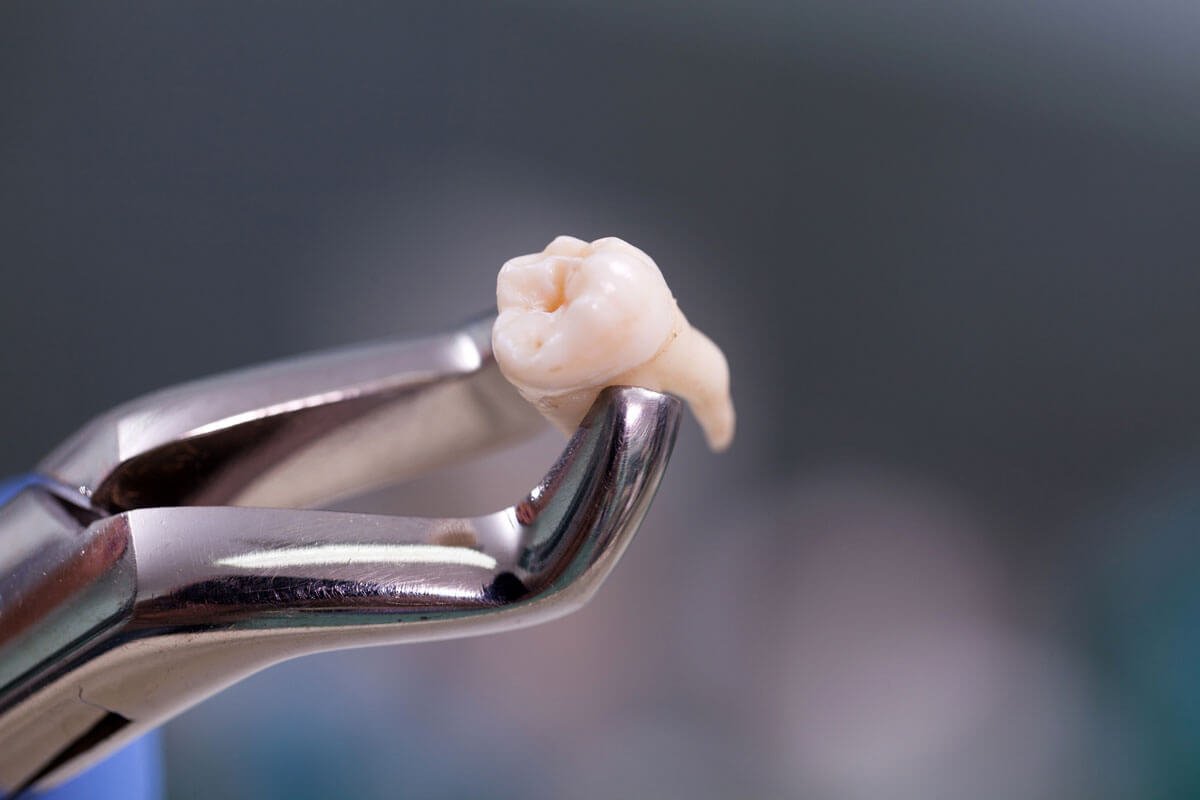
Wisdom tooth extraction is a common dental surgical procedure that involves the removal of one or more third molars, commonly known as wisdom teeth. These teeth typically emerge between the ages of 17 and 25, but often cause problems due to lack of space in the mouth or improper positioning.
Most people have four wisdom teeth - two on the top and two on the bottom. However, not everyone develops all four, and some people may not develop any wisdom teeth at all. When these teeth become impacted, infected, or cause crowding, extraction becomes necessary to maintain oral health.
How is Wisdom Tooth Extraction Performed?The extraction procedure varies depending on whether the tooth has fully erupted or is impacted below the gum line. Your oral surgeon or dentist will first conduct a thorough examination, including X-rays, to assess the position and condition of your wisdom teeth.
Simple Extraction Procedure
For fully erupted wisdom teeth, a simple extraction is performed. The dentist will administer local anesthesia to numb the area around the tooth. Using specialized dental instruments, they will gently loosen the tooth from its socket and carefully remove it. This procedure typically takes 15-30 minutes per tooth.
Surgical Extraction Procedure
Impacted wisdom teeth require a more complex surgical extraction. After administering anesthesia (local, sedation, or general), the oral surgeon makes an incision in the gum tissue to expose the tooth and bone. If necessary, they may remove some bone tissue or divide the tooth into sections for easier removal. The area is then cleaned and stitched closed.
What to Expect During the Procedure
- Pre-procedure consultation and X-rays
- Discussion of anesthesia options
- Administration of chosen anesthesia
- Careful removal of the wisdom tooth/teeth
- Cleaning and suturing of the extraction site
- Post-operative instructions and care guidelines
Removing problematic wisdom teeth provides numerous benefits for your oral health and overall well-being. The primary advantage is preventing future dental complications that can arise from impacted or poorly positioned wisdom teeth.
Prevents Crowding and Misalignment
Wisdom teeth can push against existing teeth, causing crowding and undoing previous orthodontic work. Extraction prevents this unwanted movement and maintains proper tooth alignment.
Eliminates Pain and Discomfort
Impacted wisdom teeth often cause significant pain, jaw stiffness, and headaches. Removal eliminates these symptoms and improves quality of life.
Reduces Risk of Infection
Partially erupted wisdom teeth create pockets where bacteria can accumulate, leading to pericoronitis and other infections. Extraction eliminates these hard-to-clean areas and reduces infection risk.
Prevents Damage to Adjacent Teeth
Wisdom teeth can damage neighboring molars by causing decay, root resorption, or gum disease. Early extraction protects these valuable teeth from harm.
Who Needs Wisdom Tooth Extraction?Not everyone requires wisdom tooth extraction, but certain conditions make removal necessary or beneficial. Your dentist or oral surgeon will evaluate your specific situation to determine if extraction is recommended.
Ideal Candidates Include:
- Patients with impacted wisdom teeth causing pain or discomfort
- Those experiencing recurrent infections around partially erupted teeth
- Individuals with insufficient jaw space for proper eruption
- Patients with wisdom teeth causing crowding or bite problems
- Those unable to properly clean wisdom teeth, leading to decay or gum disease
- Patients undergoing orthodontic treatment where wisdom teeth may interfere
Age Considerations
While wisdom tooth extraction can be performed at any age, younger patients (late teens to early twenties) typically experience easier procedures and faster healing due to less developed roots and denser bone structure.
Recovery and AftercareProper aftercare is crucial for successful healing and preventing complications. Most patients experience some discomfort and swelling, which is normal and typically subsides within a few days to a week.
Immediate Post-Operative Care (First 24 Hours)
- Bite down on gauze pads to control bleeding
- Apply ice packs to reduce swelling (20 minutes on, 20 minutes off)
- Avoid rinsing, spitting, or using straws to prevent dislodging blood clots
- Take prescribed pain medications as directed
- Eat soft, cold foods and drink plenty of fluids
- Rest and avoid strenuous activities
Ongoing Recovery Care
After the first day, gentle salt water rinses can help keep the extraction site clean. Gradually return to normal foods as comfort allows, avoiding hard, crunchy, or sticky items that could irritate the healing tissue. Most patients can return to work or school within 2-3 days, though complete healing takes several weeks.
Signs to Contact Your Dentist
While some discomfort is expected, contact your dental provider if you experience severe pain that worsens after day three, excessive bleeding, signs of infection (fever, pus, or foul taste), or dry socket symptoms (severe pain and exposed bone).
Long-Term Benefits and OutcomesMost patients experience excellent outcomes following wisdom tooth extraction. The procedure effectively resolves immediate problems while preventing future complications. With proper healing, the extraction sites will completely regenerate with healthy gum tissue, and patients can enjoy improved oral health, easier cleaning, and reduced risk of dental problems in the posterior region of their mouth.
- Sessions
- 1 typically
Clinics
Where to get wisdom tooth extraction.
Clinics that list this treatment, ordered by our evaluation. Featured partners passed the checks in our methodology; it is not a clinical endorsement.

Picasso Dental Clinic Ho Chi Minh City (Thao Dien, District 2)
Ho Chi Minh City, Vietnam
US$41
from 337 reviews

Worldwide Beauty And Dental Hospital
Ho Chi Minh City, Vietnam
US$40
from 537 reviews

Picasso Dental Clinic Hanoi (Old Quarter Branch)
Hanoi, Vietnam
US$41
from 357 reviews

Dentisti in Albania-Biodent
Tirana, Albania
US$22
from 254 reviews

Bokanova Riviera Maya
Playa Del Carmen, Mexico
US$93
from 116 reviews
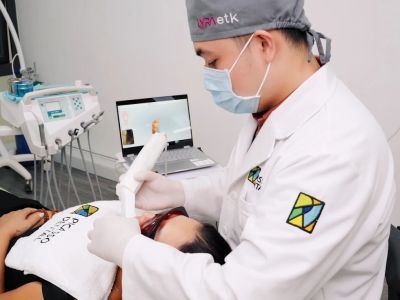
Picasso Dental Clinic Da Nang
Da Nang, Vietnam
US$41
from 350 reviews

DAISY International Dental Nha Trang
Nha Trang, Vietnam
US$47
from 82 reviews
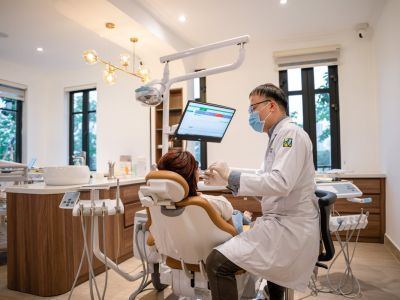
Picasso Dental Clinic Hanoi (Westlake Square Branch)
Hanoi, Vietnam
US$41
from 227 reviews
Questions
What people ask about it.
What is wisdom tooth extraction?
Wisdom tooth extraction is a surgical procedure to remove one or more third molars (wisdom teeth) that are causing problems or may cause future dental issues.
Why do wisdom teeth need to be removed?
Wisdom teeth often need removal due to impaction, crowding, infection, decay, or inability to clean them properly, which can lead to various oral health problems.
At what age should wisdom teeth be removed?
Wisdom teeth are typically removed between ages 17-25, though extraction can be performed at any age when problems arise or are anticipated.
Does wisdom tooth extraction hurt?
The procedure itself is painless due to anesthesia. Some discomfort and swelling are normal afterward but can be managed with prescribed pain medication.
How long does wisdom tooth extraction take?
Simple extractions take 15-30 minutes per tooth, while surgical extractions of impacted teeth may take 45-60 minutes depending on complexity.
What types of anesthesia are used for wisdom tooth extraction?
Options include local anesthesia, nitrous oxide, IV sedation, or general anesthesia, depending on the complexity and patient preferences.
How long is the recovery time after wisdom tooth extraction?
Initial healing takes 3-5 days, with most people returning to normal activities within a week. Complete healing takes several weeks to months.
What can I eat after wisdom tooth extraction?
Stick to soft foods like yogurt, smoothies, soup, and mashed potatoes for the first few days, gradually returning to normal foods as healing progresses.
How do I care for the extraction site after surgery?
Follow post-op instructions including gentle salt water rinses, avoiding straws, taking medications as prescribed, and maintaining good oral hygiene.
What is dry socket and how can I prevent it?
Dry socket occurs when the blood clot dislodges prematurely. Prevent it by avoiding smoking, straws, spitting, and following all aftercare instructions.
Can I drive myself home after wisdom tooth extraction?
You can drive after local anesthesia only, but you'll need someone to drive you if you receive sedation or general anesthesia.
Will I have stitches after wisdom tooth extraction?
Surgical extractions typically require stitches, which may dissolve on their own or need removal after 7-10 days, depending on the type used.
How much does wisdom tooth extraction cost?
Costs vary based on complexity, location, and insurance coverage. Simple extractions are less expensive than surgical removal of impacted teeth.
Are there risks associated with wisdom tooth extraction?
While generally safe, risks include infection, dry socket, nerve damage, or damage to adjacent teeth. Your surgeon will discuss specific risks with you.
Do all four wisdom teeth need to be removed at once?
Not necessarily. Some patients have all four removed in one session, while others may have them removed individually based on their specific needs.
Can wisdom teeth grow back after extraction?
No, wisdom teeth cannot grow back once they've been completely removed. However, in rare cases, supernumerary teeth may develop.
When can I brush my teeth after wisdom tooth extraction?
You can brush your teeth the day after surgery, but avoid the extraction site for the first few days and be very gentle around the area.
Is it normal to have bad breath after wisdom tooth extraction?
Some bad breath is normal due to healing and difficulty cleaning the area. It should improve as healing progresses and you resume normal oral hygiene.
Can I smoke after wisdom tooth extraction?
Avoid smoking for at least 48-72 hours, preferably longer. Smoking significantly increases the risk of dry socket and delays healing.
What should I do if I experience complications after extraction?
Contact your dentist immediately if you experience severe pain after day 3, excessive bleeding, signs of infection, or any concerning symptoms.
Related
Often asked about together.
Send a photo. Get three quotes.
For wisdom tooth extraction, from clinics that fit your case. It costs nothing and commits you to nothing.