Porcelain Veneer abroad.
Priced on published fees.
What porcelain veneer costs across the destinations we list, from fees published by approved clinics.
Free to use. No forms, no call centre. You pay the clinic directly, at its own prices.
What it costs
Porcelain Veneer, country by country.
Each figure is the average of prices published by approved clinics in that country. The count beside it is how many clinics stand behind the figure.
| Country | Average | Range | Clinics |
|---|---|---|---|
| Vietnam | US$337 | US$42 to US$740 | 39 |
| Thailand | US$421 | US$86 to US$583 | 25 |
| Poland | US$625 | US$275 to US$1,000 | 13 |
| Mexico | US$458 | US$300 to US$1,486 | 13 |
| Turkey | US$307 | US$150 to US$581 | 8 |
| Indonesia | US$206 | US$31 to US$442 | 8 |
| Colombia | US$463 | US$238 to US$580 | 6 |
| Hungary | US$451 | US$270 to US$648 | 6 |
Indicative. Averages of what clinics publish, not quotes. Only a clinic's written quote for your own case applies to you. Method: the pricing research index.
Want porcelain veneer priced for your own mouth? Send a photo and we will come back with written quotes.
Get my quoteThe treatment
What porcelain veneer involves.
What Are Porcelain Veneers?
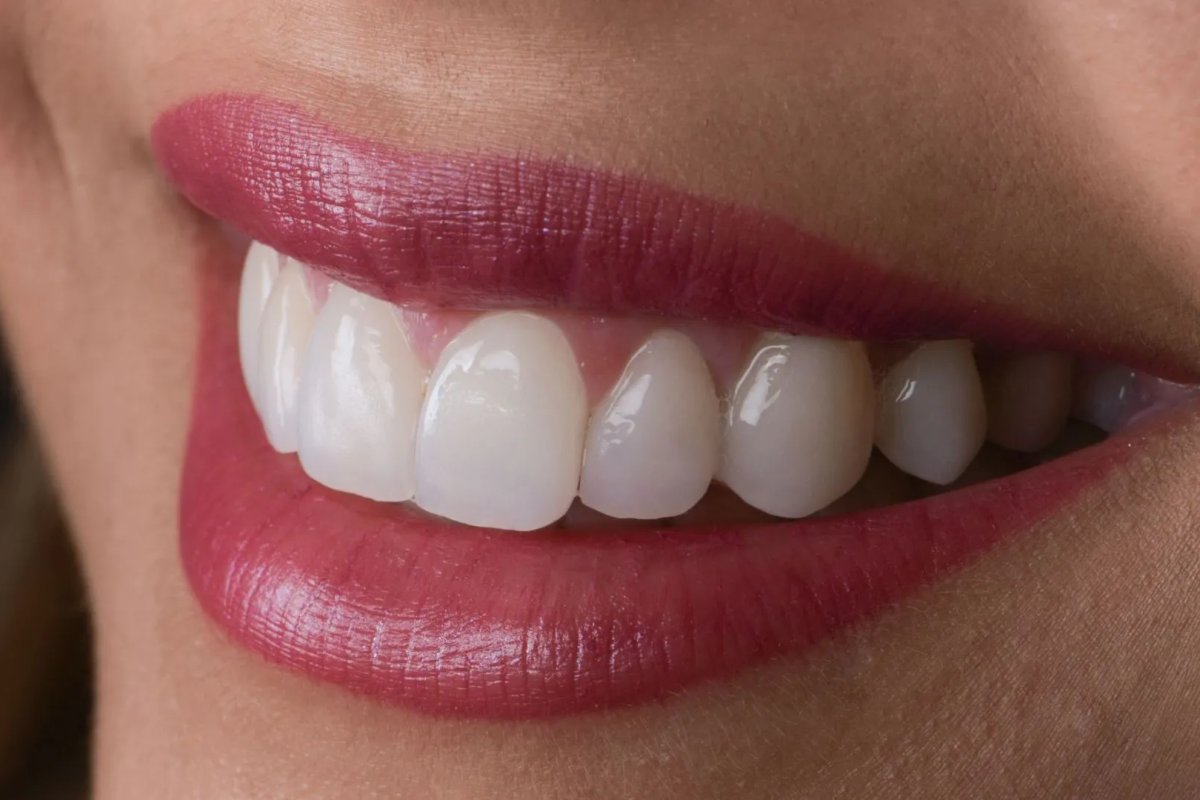
Porcelain veneers are thin, custom-made shells crafted from high-quality dental porcelain that are bonded to the front surface of your teeth. These ultra-thin coverings, typically measuring just 0.5 to 0.7 millimeters thick, are designed to improve the appearance of your smile by addressing various cosmetic dental concerns.
Veneers are considered one of the most effective cosmetic dental treatments available, offering a natural-looking solution for teeth that are discolored, chipped, misaligned, or irregularly shaped. Unlike crowns, which cover the entire tooth, veneers only cover the visible front portion, preserving more of your natural tooth structure.
How Are Porcelain Veneers Applied?The porcelain veneer procedure typically requires two to three dental visits and involves several carefully orchestrated steps to ensure optimal results.
Initial Consultation and Treatment Planning
During your first appointment, your dentist will evaluate your teeth and discuss your cosmetic goals. Digital impressions or traditional molds may be taken, and your dentist will explain the expected outcomes. X-rays might be necessary to assess the health of your teeth and surrounding structures.
Tooth Preparation
At your second visit, your dentist will prepare your teeth by removing a small amount of enamel from the front surface—usually about the same thickness as the veneer itself. This step ensures the veneers will fit properly without making your teeth appear bulky. Local anesthesia is typically used to ensure your comfort during this process.
Temporary Veneers
Temporary veneers may be placed to protect your prepared teeth while your permanent veneers are being crafted in the dental laboratory. This process usually takes 1-2 weeks.
Final Placement
During your final appointment, your dentist will remove the temporary veneers and clean your teeth. Each permanent veneer will be carefully checked for fit and color match before being permanently bonded to your tooth using a special dental cement. A curing light activates the cement, creating a strong, lasting bond.
Benefits of Porcelain VeneersPorcelain veneers offer numerous advantages that make them a popular choice for smile enhancement:
- Natural Appearance: High-quality porcelain closely mimics the light-reflecting properties of natural tooth enamel, creating an incredibly realistic look.
- Stain Resistance: Porcelain is highly resistant to stains from coffee, tea, wine, and tobacco, helping maintain your bright smile longer.
- Durability: With proper care, porcelain veneers can last 10-15 years or even longer, making them a long-term investment in your smile.
- Conservative Treatment: Veneers require minimal removal of natural tooth structure compared to crowns.
- Versatile Correction: Address multiple cosmetic issues simultaneously, including discoloration, chips, gaps, and minor alignment problems.
- Immediate Results: Achieve a dramatically improved smile in just a few appointments.
Porcelain veneers are an excellent option for individuals who want to improve their smile's appearance and have:
- Teeth with permanent stains or discoloration that don't respond to whitening treatments
- Chipped, cracked, or worn-down teeth
- Irregularly shaped or naturally small teeth
- Minor gaps between teeth
- Slightly crooked or misaligned teeth
- Good overall oral health with sufficient tooth enamel
- Realistic expectations about the treatment outcomes
When Veneers May Not Be Suitable
Veneers might not be the best choice if you have:
- Severe tooth decay or gum disease
- Insufficient tooth enamel
- Habits like teeth grinding or nail biting
- Significantly misaligned teeth requiring orthodontic treatment
Proper care is essential for maximizing the lifespan of your porcelain veneers and maintaining optimal oral health.
Immediate Post-Treatment Care
After your veneers are placed, you may experience some sensitivity to hot and cold temperatures for a few days. This is normal and should subside quickly. Avoid extremely hard or sticky foods for the first 24-48 hours as the bonding cement fully cures.
Long-Term Maintenance
Caring for veneers is similar to caring for your natural teeth:
- Brush twice daily with a soft-bristled toothbrush and non-abrasive fluoride toothpaste
- Floss daily to remove plaque and bacteria from between teeth and along the gum line
- Use an antibacterial mouthwash to help maintain optimal oral health
- Schedule regular dental checkups every six months for professional cleanings and examinations
- Avoid using teeth as tools for opening packages or biting non-food items
- Wear a nightguard if you grind your teeth during sleep
- Limit staining substances like red wine, coffee, and tobacco
Most patients are thrilled with their porcelain veneer results immediately after placement. The transformation can be dramatic, creating a brighter, more uniform, and aesthetically pleasing smile.
The entire treatment process typically takes 2-4 weeks from start to finish, depending on how many veneers you're receiving and the complexity of your case. Some minor adjustments may be needed during follow-up appointments to ensure optimal comfort and function.
With proper care and maintenance, your porcelain veneers should provide you with a beautiful, confident smile for many years to come. Regular dental visits will help ensure your veneers and overall oral health remain in excellent condition.
- Sessions
- 1 typically
Clinics
Where to get porcelain veneer.
Clinics that list this treatment, ordered by our evaluation. Featured partners passed the checks in our methodology; it is not a clinical endorsement.
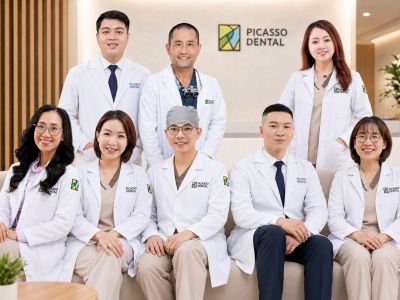
Picasso Dental Clinic Ho Chi Minh City (Thao Dien, District 2)
Ho Chi Minh City, Vietnam
US$367
from 337 reviews

Worldwide Beauty And Dental Hospital
Ho Chi Minh City, Vietnam
US$360
from 537 reviews

Picasso Dental Clinic Hanoi (Old Quarter Branch)
Hanoi, Vietnam
US$367
from 357 reviews
Bokanova Riviera Maya
Playa Del Carmen, Mexico
US$472
from 116 reviews
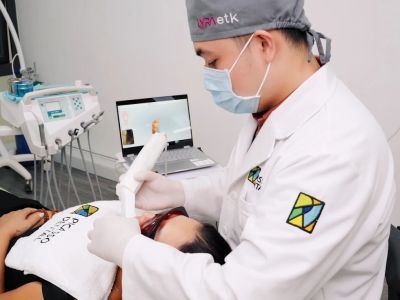
Picasso Dental Clinic Da Nang
Da Nang, Vietnam
US$367
from 350 reviews
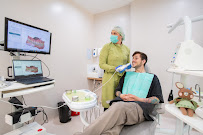
Dentica Dental Clinic (Déntica by Cristina Suaza)
Bogota, Colombia
US$580
from 504 reviews

DAISY International Dental Nha Trang
Nha Trang, Vietnam
US$265
from 82 reviews
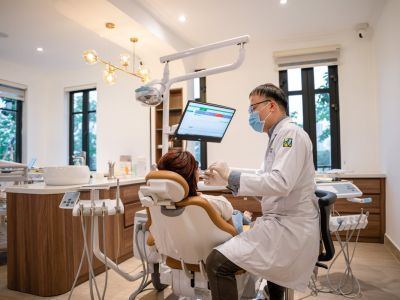
Picasso Dental Clinic Hanoi (Westlake Square Branch)
Hanoi, Vietnam
US$367
from 227 reviews
Questions
What people ask about it.
What are porcelain veneers?
Porcelain veneers are thin, custom-made shells that cover the front surface of teeth to improve appearance. They're made from high-quality dental porcelain and bonded permanently to your natural teeth.
How long do porcelain veneers last?
With proper care, porcelain veneers typically last 10-15 years or longer. Regular dental hygiene, avoiding hard foods, and routine checkups help maximize their lifespan.
Do porcelain veneers look natural?
Yes, high-quality porcelain closely mimics natural tooth enamel's appearance and light-reflecting properties. Your dentist will match the color and shape to your existing teeth for a natural look.
How much tooth structure is removed for veneers?
Only a small amount of enamel is removed, typically 0.5-0.7 millimeters from the front surface. This conservative approach preserves most of your natural tooth structure.
Are porcelain veneers painful to get?
The procedure is typically comfortable with local anesthesia. You may experience mild sensitivity for a few days after placement, but most patients report minimal discomfort.
Can porcelain veneers stain?
Porcelain is highly stain-resistant and won't discolor like natural teeth. However, the bonding cement edges may stain, so good oral hygiene is still important.
How many appointments are needed for veneers?
Typically 2-3 appointments: consultation and planning, tooth preparation with temporary veneers, and final placement of permanent veneers about 1-2 weeks later.
Can I eat normally with porcelain veneers?
Yes, you can eat most foods normally. However, avoid extremely hard items like ice or nuts, and don't use your teeth as tools to prevent damage.
Who is a good candidate for porcelain veneers?
Good candidates have healthy teeth and gums, sufficient enamel, and cosmetic concerns like stains, chips, gaps, or minor misalignment. A dental evaluation determines suitability.
How do I care for porcelain veneers?
Care for them like natural teeth: brush twice daily, floss regularly, use mouthwash, avoid hard foods, and maintain regular dental checkups every six months.
Can porcelain veneers be whitened?
No, porcelain veneers cannot be whitened with traditional bleaching. The color is permanent, so it's important to choose the desired shade during initial treatment planning.
What's the difference between veneers and crowns?
Veneers cover only the front surface of teeth with minimal tooth removal. Crowns cover the entire tooth and require more extensive preparation for damaged teeth.
Can veneers fix crooked teeth?
Veneers can improve the appearance of slightly crooked or misaligned teeth. However, severely crooked teeth may require orthodontic treatment first for optimal results.
Are there any risks with porcelain veneers?
Risks are minimal but include increased tooth sensitivity, potential chipping, and irreversible enamel removal. Proper patient selection and technique minimize these risks.
Can I get veneers if I grind my teeth?
Teeth grinding can damage veneers. If you grind your teeth, your dentist may recommend a nightguard to protect your veneers and discuss if you're a suitable candidate.
How much do porcelain veneers cost?
Costs vary based on location, dentist experience, and number of veneers needed. Your dentist will provide a detailed treatment plan with pricing during consultation.
Can porcelain veneers be repaired if damaged?
Small chips may sometimes be repaired, but significant damage usually requires complete veneer replacement. This is why proper care and avoiding hard foods is important.
Do I need temporary veneers during treatment?
Yes, temporary veneers are usually placed to protect prepared teeth while permanent veneers are being made in the lab, which takes about 1-2 weeks.
Can I get veneers on just one or two teeth?
Yes, veneers can be placed on individual teeth. However, color matching with adjacent natural teeth requires careful planning to achieve seamless results.
What happens if I don't like my veneers?
Since tooth preparation is irreversible, thorough planning and communication with your dentist beforehand is crucial. Minor adjustments may be possible initially.
Related
Often asked about together.
Send a photo. Get three quotes.
For porcelain veneer, from clinics that fit your case. It costs nothing and commits you to nothing.