Full Porcelain/Ceramic Crown abroad.
Priced on published fees.
What full porcelain/ceramic crown costs across the destinations we list, from fees published by approved clinics.
Free to use. No forms, no call centre. You pay the clinic directly, at its own prices.
What it costs
Full Porcelain/Ceramic Crown, country by country.
Each figure is the average of prices published by approved clinics in that country. The count beside it is how many clinics stand behind the figure.
| Country | Average | Range | Clinics |
|---|---|---|---|
| Vietnam | US$338 | US$149 to US$490 | 8 |
| Azerbaijan | US$467 | US$467 to US$526 | 1 |
| Thailand | US$360 | US$360 to US$540 | 1 |
Indicative. Averages of what clinics publish, not quotes. Only a clinic's written quote for your own case applies to you. Method: the pricing research index.
Want full porcelain/ceramic crown priced for your own mouth? Send a photo and we will come back with written quotes.
Get my quoteThe treatment
What full porcelain/ceramic crown involves.
What is a Full Porcelain/Ceramic Crown?
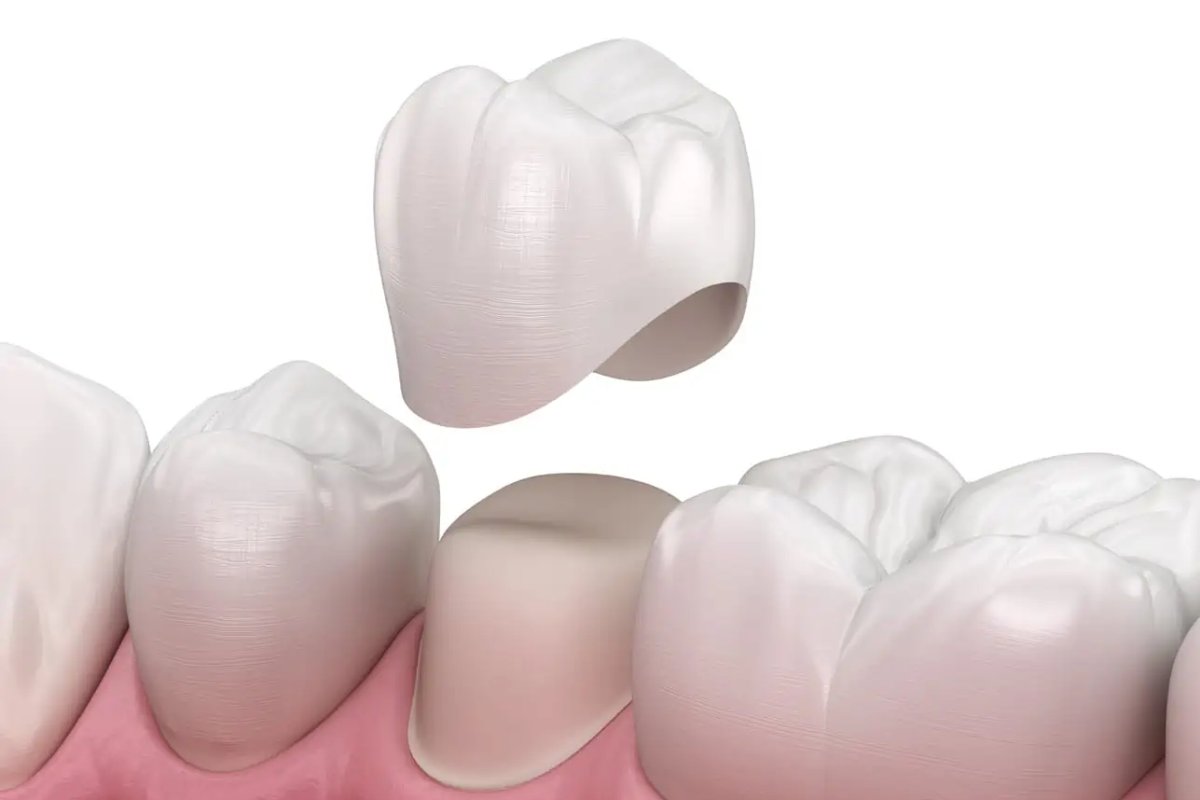
A full porcelain crown, also known as an all-ceramic crown, is a tooth-shaped cap that completely covers a damaged, decayed, or weakened tooth. Made entirely from high-quality ceramic or porcelain materials, these crowns provide exceptional aesthetics and durability while restoring your tooth's natural function and appearance.
Unlike traditional metal-backed crowns, full porcelain crowns contain no metal components, making them an ideal choice for patients seeking the most natural-looking restoration possible. The advanced ceramic materials used closely mimic the translucency and color variations of natural tooth enamel.
How is a Full Porcelain Crown Procedure Done?Initial Consultation and Examination
Your dentist will thoroughly examine the affected tooth using X-rays and visual inspection to determine if a crown is the best treatment option. They'll discuss your goals and explain the entire process during this appointment.
Tooth Preparation
The damaged tooth is carefully reshaped by removing a small amount of enamel from all surfaces. This creates space for the crown while maintaining proper bite alignment. If significant decay or damage is present, the tooth may need additional restoration first.
Digital Impressions
Modern dental practices use digital scanning technology to create precise 3D impressions of your prepared tooth and surrounding area. These detailed scans ensure your crown will fit perfectly and blend seamlessly with adjacent teeth.
Temporary Crown Placement
A temporary crown protects your prepared tooth while the permanent crown is being crafted in a dental laboratory. This typically takes 2-3 weeks, during which you should avoid sticky or hard foods.
Crown Fabrication
Skilled dental technicians use your impressions to create a custom crown that matches your natural tooth color, shape, and size. Advanced ceramic materials are layered and fired to achieve optimal strength and aesthetics.
Final Placement
During your second appointment, the temporary crown is removed and the permanent crown is carefully fitted. Your dentist will check the fit, bite, and appearance before permanently cementing the crown in place.
Benefits and Outcomes of Full Porcelain CrownsSuperior Aesthetics
Full porcelain crowns offer unmatched natural appearance, with translucency and color matching that's virtually indistinguishable from your natural teeth. They're particularly ideal for front teeth where appearance is crucial.
Biocompatibility
Ceramic materials are highly biocompatible, meaning they're well-tolerated by gum tissue and won't cause allergic reactions. This makes them suitable for patients with metal sensitivities or allergies.
Durability and Longevity
Modern ceramic materials are incredibly strong and can withstand normal chewing forces. With proper care, full porcelain crowns can last 10-15 years or longer, providing excellent long-term value.
Stain Resistance
High-quality porcelain resists staining from coffee, tea, wine, and other common culprits, helping maintain your crown's appearance over time.
Preserves Tooth Structure
Crowns protect and strengthen weakened teeth, preventing further damage and potentially avoiding the need for extraction.
Who is a Good Candidate for Full Porcelain Crowns?Full porcelain crowns are ideal for patients who have:
- Severely decayed teeth that cannot be restored with fillings
- Cracked or fractured teeth requiring full coverage protection
- Teeth weakened by large existing fillings
- Teeth that have undergone root canal treatment
- Severely discolored or misshapen teeth
- Desire for the most aesthetic restoration possible
Important Considerations
Good candidates should have adequate tooth structure remaining to support a crown and maintain good oral hygiene habits. Patients who grind their teeth may need additional protection through a night guard.
Your dentist will evaluate your specific situation, including bite patterns, oral health status, and aesthetic goals to determine if full porcelain crowns are right for you.
Recovery and AftercareImmediate Post-Treatment Care
Some sensitivity to temperature and pressure is normal for the first few days after crown placement. Over-the-counter pain relievers can help manage any discomfort.
Eating Guidelines
Avoid extremely hard, sticky, or chewy foods that could damage or dislodge your new crown. Cut hard foods into smaller pieces and chew carefully, especially during the first week.
Oral Hygiene
Maintain excellent oral hygiene by brushing twice daily with fluoride toothpaste and flossing regularly. Pay special attention to the area where the crown meets your natural tooth.
Regular Dental Visits
Schedule regular checkups and cleanings to monitor your crown's condition and maintain optimal oral health. Your dentist can identify and address any issues early.
Long-term Maintenance
Avoid using your crowned tooth to open packages or bite non-food items. If you grind your teeth at night, wear a protective night guard to prevent damage to both your crown and natural teeth.
- Sessions
- 1 typically
Clinics
Where to get full porcelain/ceramic crown.
Clinics that list this treatment, ordered by our evaluation. Featured partners passed the checks in our methodology; it is not a clinical endorsement.
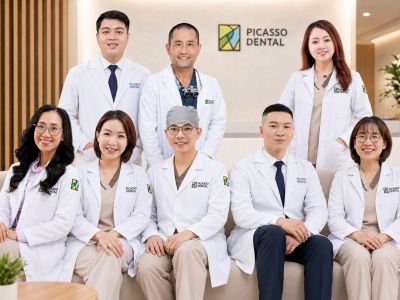
Picasso Dental Clinic Ho Chi Minh City (Thao Dien, District 2)
Ho Chi Minh City, Vietnam
US$449
from 337 reviews

Picasso Dental Clinic Hanoi (Old Quarter Branch)
Hanoi, Vietnam
US$449
from 357 reviews
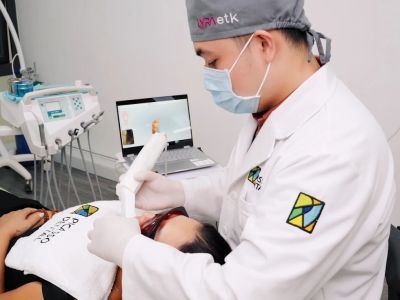
Picasso Dental Clinic Da Nang
Da Nang, Vietnam
US$449
from 350 reviews

DAISY International Dental Nha Trang
Nha Trang, Vietnam
US$149
from 82 reviews
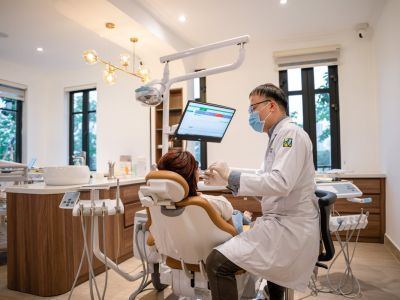
Picasso Dental Clinic Hanoi (Westlake Square Branch)
Hanoi, Vietnam
US$449
from 227 reviews
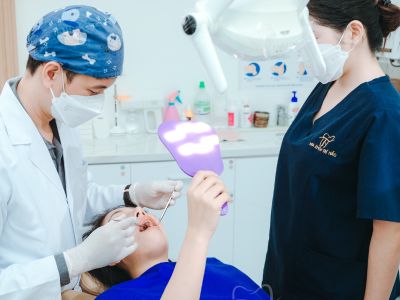
Tri Hao Dental Clinic Phu Quoc
Phu Quoc, Vietnam
US$163
from 134 reviews
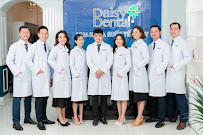
Daisy International Dental Clinic Da Lat
Da Lat, Vietnam
US$149
from 120 reviews

Dr. Fərid Zeynalov
Baku, Azerbaijan
US$800
Questions
What people ask about it.
What is a full porcelain crown?
A full porcelain crown is a tooth-shaped cap made entirely of ceramic material that covers a damaged tooth. It restores function while providing natural-looking aesthetics without any metal components.
How long do porcelain crowns last?
With proper care and oral hygiene, full porcelain crowns typically last 10-15 years or longer. Regular dental checkups help ensure maximum longevity.
Are porcelain crowns better than metal crowns?
Porcelain crowns offer superior aesthetics and biocompatibility compared to metal crowns. They're ideal for visible teeth and patients with metal sensitivities.
How much do full porcelain crowns cost?
Crown costs vary based on location and complexity, typically ranging from $1,000-$3,000 per crown. Many dental insurance plans provide partial coverage for necessary crowns.
Does getting a porcelain crown hurt?
The procedure is performed under local anesthesia, so you shouldn't feel pain during treatment. Some sensitivity after the procedure is normal and temporary.
How long does the crown procedure take?
The process typically requires two appointments over 2-3 weeks. The first appointment involves preparation and impressions, the second involves final placement.
Can porcelain crowns stain?
High-quality porcelain resists staining much better than natural teeth. However, maintaining good oral hygiene and avoiding excessive staining substances is recommended.
What happens if my crown falls off?
Contact your dentist immediately if your crown becomes loose or falls off. Keep the crown safe and avoid chewing on that tooth until it can be re-cemented.
Can I eat normally with a porcelain crown?
Yes, once fully healed, you can eat normally with a porcelain crown. Avoid extremely hard foods and don't use your teeth to open packages or bottles.
How do I care for my porcelain crown?
Care for your crown like natural teeth with regular brushing, flossing, and dental visits. Pay extra attention to the gum line around the crown.
Are there any alternatives to porcelain crowns?
Alternatives may include porcelain veneers, inlays/onlays, or dental bonding, depending on the extent of damage. Your dentist will recommend the best option.
Can porcelain crowns be whitened?
Porcelain crowns cannot be whitened with traditional bleaching. If you want whiter teeth, consider whitening before getting your crown to match the new shade.
Do I need a temporary crown?
Yes, a temporary crown protects your prepared tooth while the permanent crown is being made. This typically takes 2-3 weeks in a dental laboratory.
Can anyone get a porcelain crown?
Most people are candidates for porcelain crowns if they have sufficient tooth structure remaining. Your dentist will evaluate your specific situation during consultation.
Will my porcelain crown look natural?
Yes, full porcelain crowns are designed to match your natural teeth in color, shape, and translucency, making them virtually indistinguishable from real teeth.
What if I grind my teeth at night?
If you grind your teeth, your dentist may recommend a night guard to protect your crown and natural teeth from excessive wear and potential damage.
How soon can I return to work after getting a crown?
Most patients can return to work immediately after crown placement. Some may experience mild sensitivity, but this shouldn't interfere with daily activities.
Can bacteria get under a porcelain crown?
Properly fitted and maintained crowns create a tight seal. However, poor oral hygiene can lead to decay at the crown margins, making regular care essential.
What should I avoid after getting a crown?
Avoid sticky candies, chewing ice, hard nuts, and using your teeth as tools. Also avoid extremely hot or cold foods initially if experiencing sensitivity.
How do I know if I need a crown replacement?
Signs include chips, cracks, loose feeling, persistent pain, or decay around the crown margins. Regular dental checkups help identify issues early.
Related
Often asked about together.
Send a photo. Get three quotes.
For full porcelain/ceramic crown, from clinics that fit your case. It costs nothing and commits you to nothing.