







The state of dental costs in Australia
The average Australian spends roughly AUD $2,800 per year on dental care, and an estimated 30% of Australians delay or avoid treatment because of cost. Private health insurance rarely closes the gap — annual limits of AUD $1,500–$2,500 are typical, which barely covers a single crown, let alone the implants, bridges, or full-mouth work that older patients increasingly need. This gap is the single largest driver behind Australians travelling abroad for dental care.
Why Australian dental tourism is growing
Vietnam alone welcomes more than 79,000 international dental tourists annually, with Australians representing one of the fastest-growing patient groups year over year. The typical Australian dental tourist is 45–70 years old, has been quoted AUD $15,000 or more for treatment at home, and is comfortable with international travel. Many combine treatment with a holiday, which means the overall trip — even including flights and hotels — remains dramatically cheaper than treatment alone in Australia.
How SmileJet serves Australian patients specifically
SmileJet presents every quote in AUD, operates patient support during Australian business hours via WhatsApp, and vets partner clinics against 47 safety criteria set by the Medical Board of Excellence. Post-treatment, we coordinate with your Australian dentist where needed and back every clinic with the SmileJet Global Warranty. The goal is to remove the logistical and clinical uncertainty that stops Australians from considering dental tourism in the first place.
Choosing between Vietnam, Thailand, and Bali
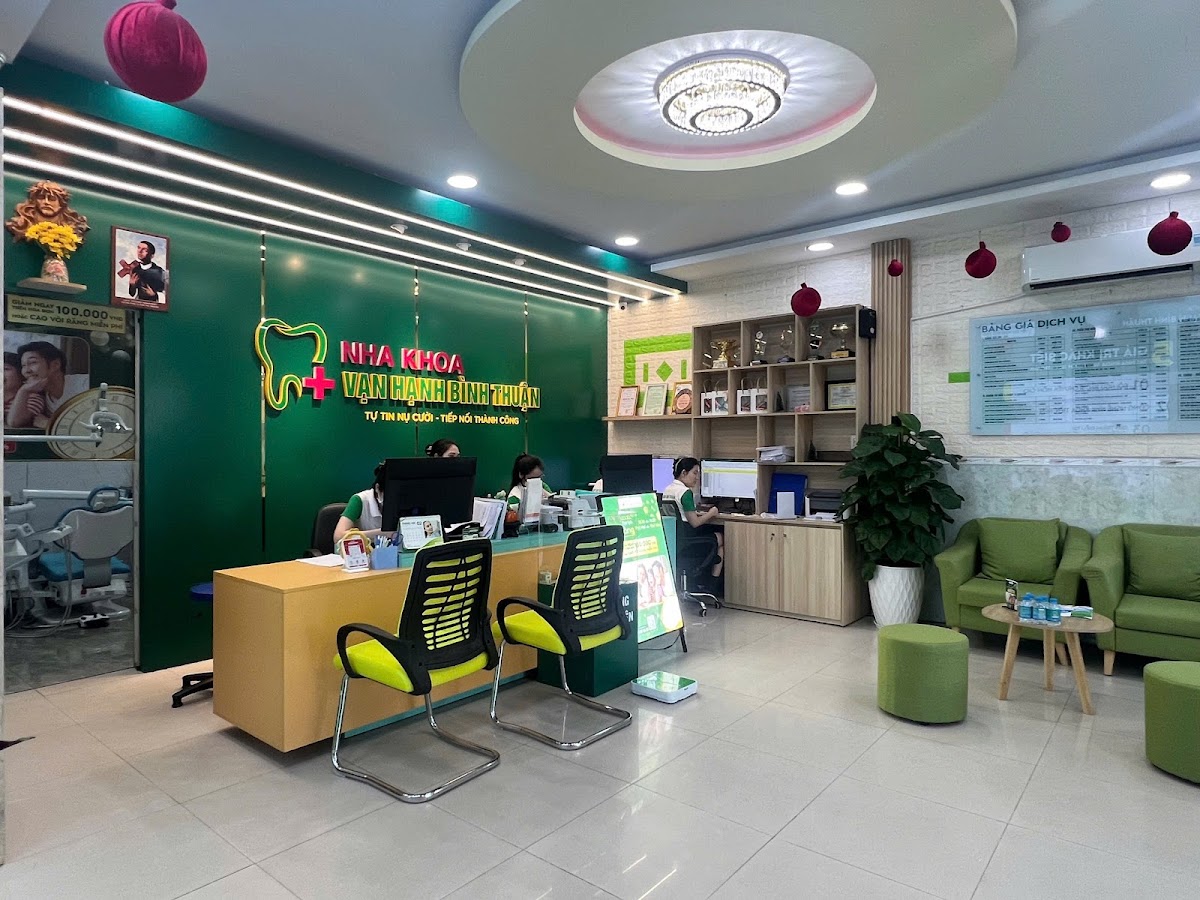
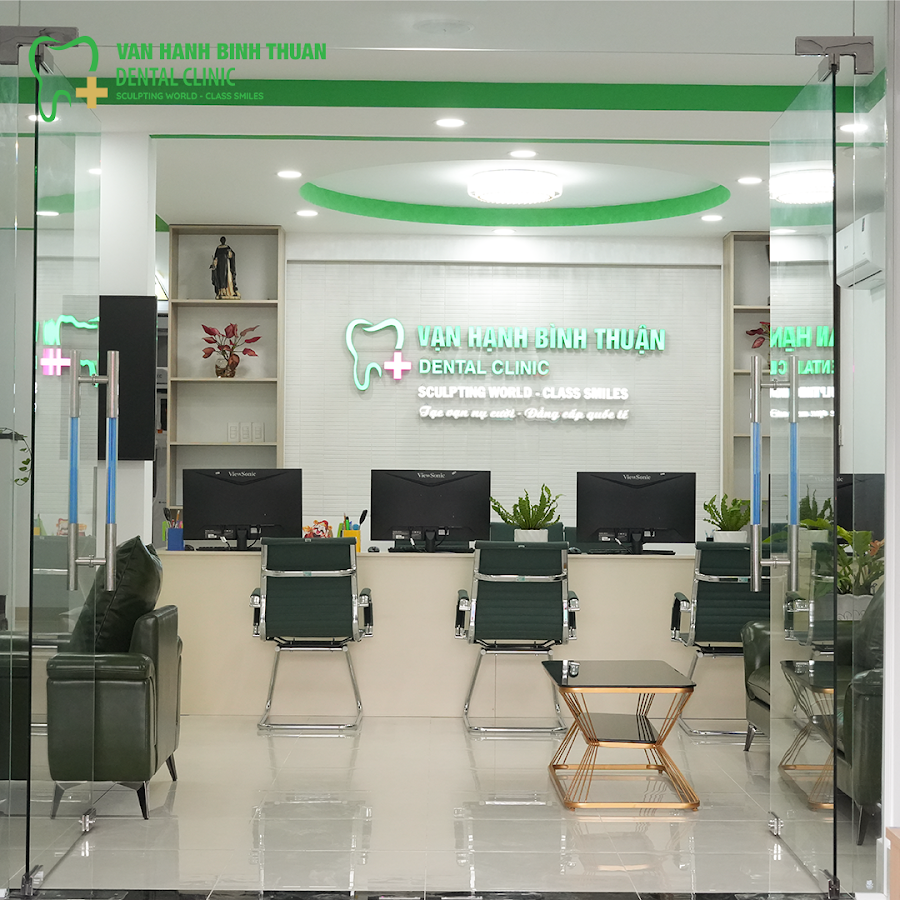
Vietnam offers the lowest prices and an unusually deep bench of English-speaking clinics in Ho Chi Minh City. Thailand's dental tourism infrastructure is the most mature in Asia and is the best pick for complex surgical work. Bali has the shortest flight from Australia and pairs naturally with a familiar holiday — it's ideal for shorter treatments like veneers or single implants. Most Australians choose based on flight time, the scale of treatment, and whether they want to combine dental work with a holiday.
What to look for in a dental clinic abroad
Look for ISO 9001 or JCI accreditation, dentists with international training credentials (many SmileJet partners trained in the US, UK, Australia, or Germany), verifiable material sourcing (Straumann, Nobel Biocare, IPS E.max), and strong English-language communication. Patient photos, Google reviews with recent dates, and a written warranty you can take home are non-negotiable. Every SmileJet partner clinic meets all of these thresholds.
Planning your dental trip from Australia
Most Australians start planning 8–12 weeks out. Send your X-rays to SmileJet, receive 2–3 matched clinic options within 48 hours, confirm your preferred clinic, book flights and accommodation, and arrive a day before treatment begins. Bring your full dental history, a list of any medications, and a copy of your travel insurance policy. On return, share your clinic's treatment file with your Australian dentist so continuity of care is preserved.