Dental work in Croatia.
Compared on published prices.
154 clinics listed across 5 cities, with their published fee schedules, licence status, and screened review history.
Free to use. No forms, no call centre. You pay the clinic directly, at its own prices.
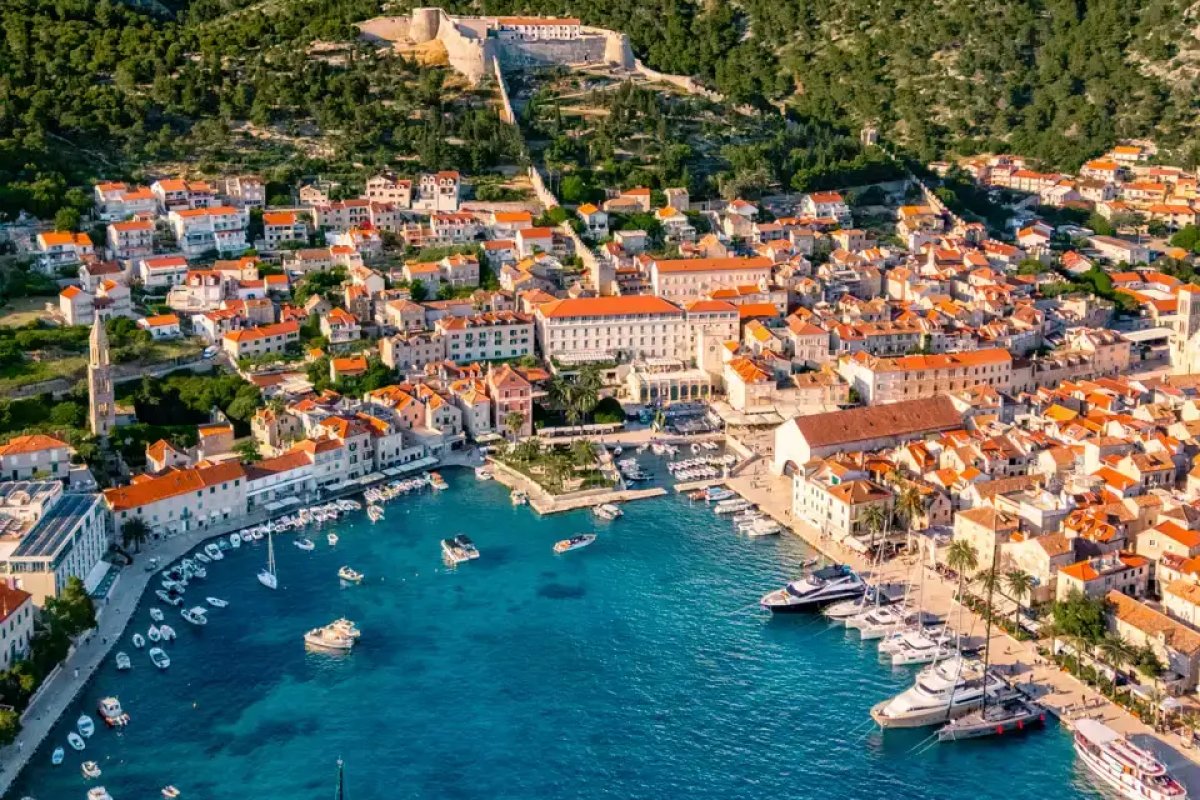
What it costs
Published prices in Croatia.
Averages of the fees approved clinics publish here. The count beside each figure is how many clinics stand behind it.
| Treatment | Average | Range | Clinics |
|---|---|---|---|
| Composite Veneer (direct bonding) | US$378 | US$216 to US$540 | 2 |
| Standard Titanium Dental Implant (implant only) | US$848 | US$810 to US$886 | 2 |
| All on 4 Dental Implants | US$6,174 | US$4,644 to US$7,704 | 2 |
| Zirconia Crown | US$292 | US$205 to US$378 | 2 |
| Porcelain Veneer | US$673 | US$410 to US$935 | 2 |
Indicative. Averages of what clinics publish, not quotes. Only a clinic's written quote applies to you. Method: the pricing research index.
Want this priced for your own mouth? Send a photo and we will come back with written quotes from clinics in Croatia.
Get my quoteWhere to go
Cities in Croatia with listed clinics.
Clinics
Practices we list in Croatia.
Featured partners passed the checks published in our methodology. It is not a clinical endorsement, and it does not change what you pay.
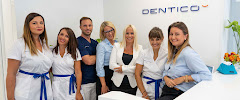
Dentalni centar Dentico
Rijeka
from 178 reviews

Poliklinika IMED
Zagreb
from 152 reviews
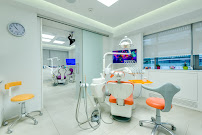
ortodoncija m a r e l i ć
Rijeka
from 170 reviews
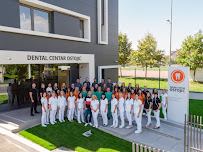
Dental Centar Ostojić
Zagreb
from 258 reviews
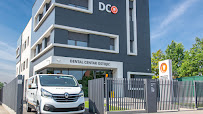
Turismo Dentale Croazia
Zagreb
from 225 reviews
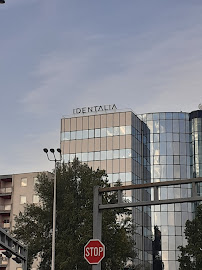
Poliklinika Identalia Dental Clinic
Zagreb
from 192 reviews
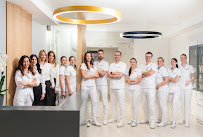
dental Kovacic
Split
from 75 reviews
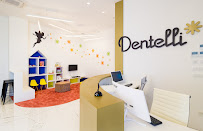
Dentelli
Split
from 66 reviews
About
Dental tourism in Croatia.
Croatia is one of Europe's premium dental tourism destinations, drawing patients primarily from the UK, Ireland, Germany, Austria, and Scandinavia who save 50-65% compared to home-country prices while enjoying EU-regulated clinical standards and Adriatic coastal beauty. SmileJet has listed 112 clinics across four main hubs: Zagreb (54 clinics), Rijeka (32), Split (16), and Zadar (10). Partner clinics maintain a 4.7 average rating across 7,699 patient reviews, with standouts including Dental Centar Ostojić, Poliklinika Identalia, and Dental Dentamico in Zagreb, Viadent in Rijeka, and Implant Dental Centar Ružević in Split. Croatian dentists train at the University of Zagreb School of Dental Medicine and must meet EU professional standards — Croatia joined the EU in 2013, making it an increasingly attractive middle-ground between western and eastern European dental tourism destinations. Leading clinics use Straumann, Nobel Biocare, and Zirkonzahn materials alongside fully digital CAD/CAM workflows.
Questions
What people ask first.
Is dental work in Croatia safe?
Yes. Croatia is an EU member state and Croatian dentistry is regulated by the Croatian Dental Chamber (Hrvatska komora dentalne medicine), aligned with strict EU clinical standards. SmileJet partner clinics hold a 4.7 average rating across 7,700+ reviews and use the same Straumann, Nobel Biocare, and IPS E.max materials as practices in Germany, Austria, or Italy.
How much can I save on dental work in Croatia?
Typical savings versus UK, German, or Austrian prices are 50-65%. A single dental implant costs EUR €700-€1,300 in Croatia vs £2,400 in the UK or €3,500 in Germany. Porcelain veneers start at EUR €300-€500 per tooth. Zirconia crowns from EUR €250-€450. All-on-4 full-arch implants run EUR €7,000-€10,500 per arch vs £15,000 in the UK.
Which city in Croatia is best for dental tourism?
Zagreb, the capital, has the largest selection and the widest specialist coverage. Rijeka on the Istrian coast is popular with Italian and Austrian patients for its Adriatic location and affordable flights. Split combines dental work with the Dalmatian coast and Diocletian's Palace. Zadar is a quieter coastal option.
Do I need a visa to visit Croatia for dental treatment?
Croatia is a Schengen Area member since 2023. EU/EEA citizens enter with just a national ID. UK, US, Canadian, Australian, and New Zealand passport holders can enter visa-free for up to 90 days in any 180-day Schengen period. No special medical visa is required. Your passport must be valid for at least 3 months beyond departure.
How long do I need to stay in Croatia for dental work?
Veneers and crowns typically need 5-7 days across 2-3 appointments. Dental implants require 7-10 days for placement, with a return visit 4-6 months later for the final crown. Teeth whitening and cleaning are same-day. All-on-4 full-arch implants take 10-14 days. Many patients time the second visit to combine with a Croatian coastal holiday.
Do Croatian dentists speak English?
All SmileJet partner clinics in Croatia have English-speaking dentists and patient coordinators. English fluency is standard in Croatia's dental tourism sector. Many Croatian dentists also speak German and Italian fluently given the significant number of patients from those countries. Treatment plans and aftercare instructions are always provided in English.
What implant brands are used by Croatian clinics?
Top Croatian clinics use Straumann (Switzerland), Nobel Biocare (Sweden), Ankylos/Astra Tech (Dentsply Sirona), and Zimmer Biomet — the same brands used across Western Europe. IPS E.max (Ivoclar Vivadent), Zirkonzahn, and BruxZir are standard for crowns and veneers. Every clinic provides material certificates with treatment.
Is Croatia a good choice for EU patients specifically?
Yes. As an EU member since 2013 and Schengen Area member since 2023, Croatia offers EU-standard clinical regulations with no border bureaucracy for EU patients. Low-cost flight connections from London, Dublin, Manchester, Frankfurt, Vienna, Munich, Milan, and Rome make short dental trips practical. Savings of 50-65% vs UK/German prices cover travel with substantial net savings.
What's the best time of year to visit Croatia?
May to October offers the best weather for combining dental work with coastal tourism — warm, dry Adriatic summers. Zagreb stays pleasant year-round with slightly lower prices in October-April. Peak tourist season (July-August) on the coast sees higher hotel prices. Dental clinics operate year-round; choose based on whether you want to combine treatment with a beach holiday.
Send a photo. Get three quotes.
From clinics in Croatia that fit your case. It costs nothing and commits you to nothing.