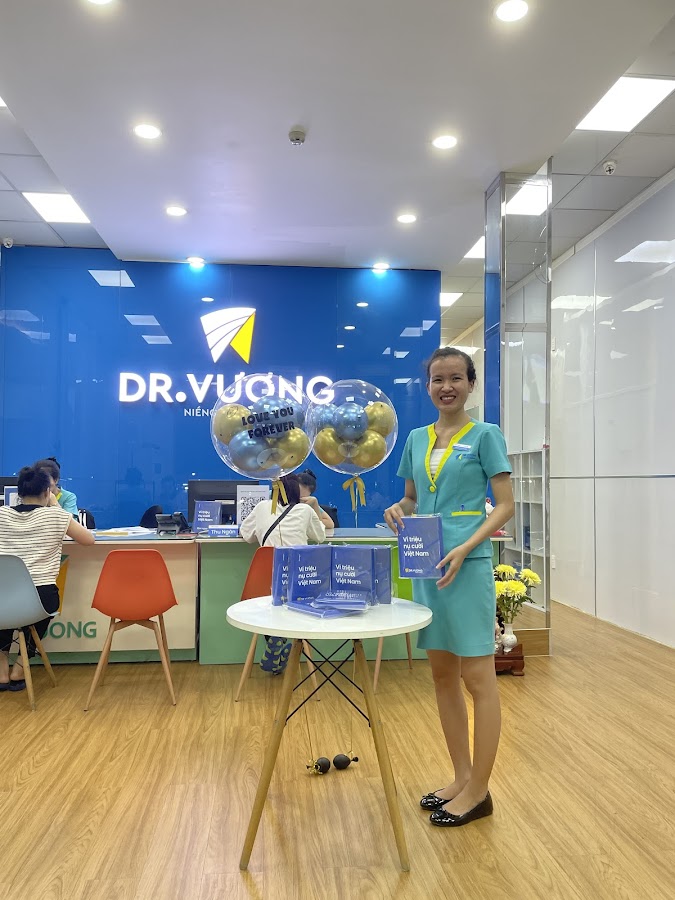
Orthodontics-focused dental clinic in Thu Duc, Ho Chi Minh City with 10,000+ braces cases and 15+ years of clinical experience.
- 154 Patient reviews aggregated
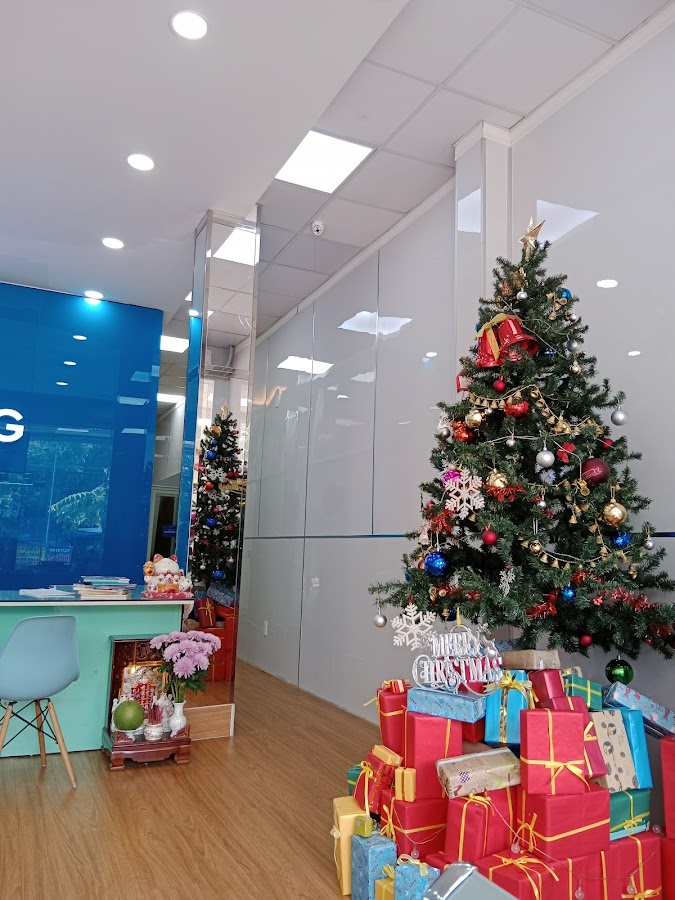
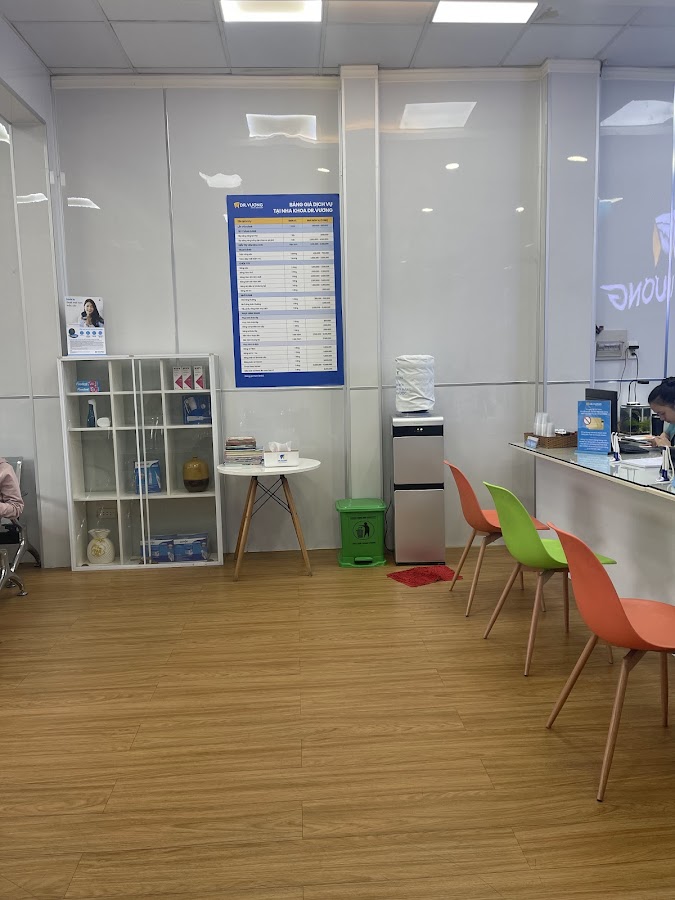
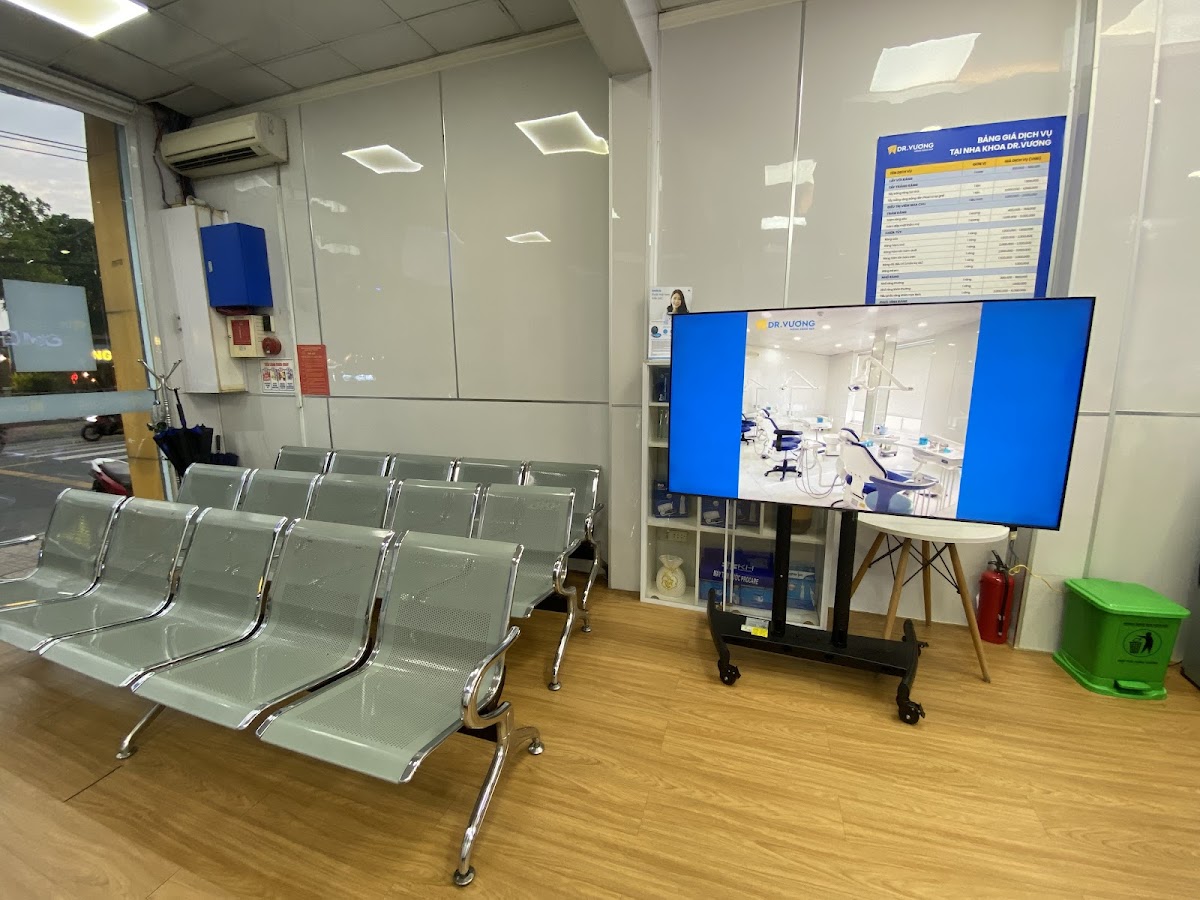
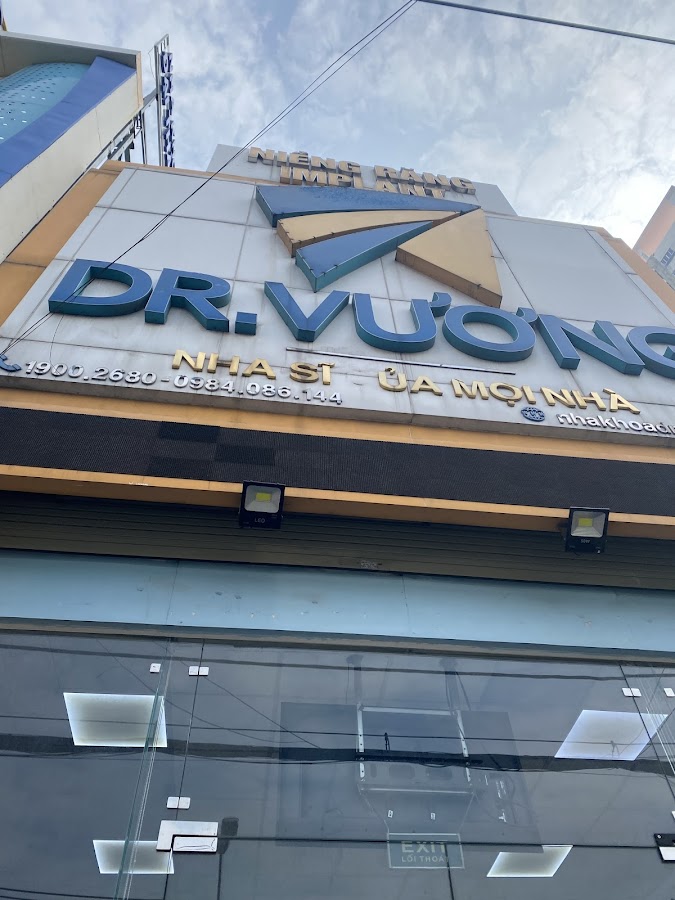
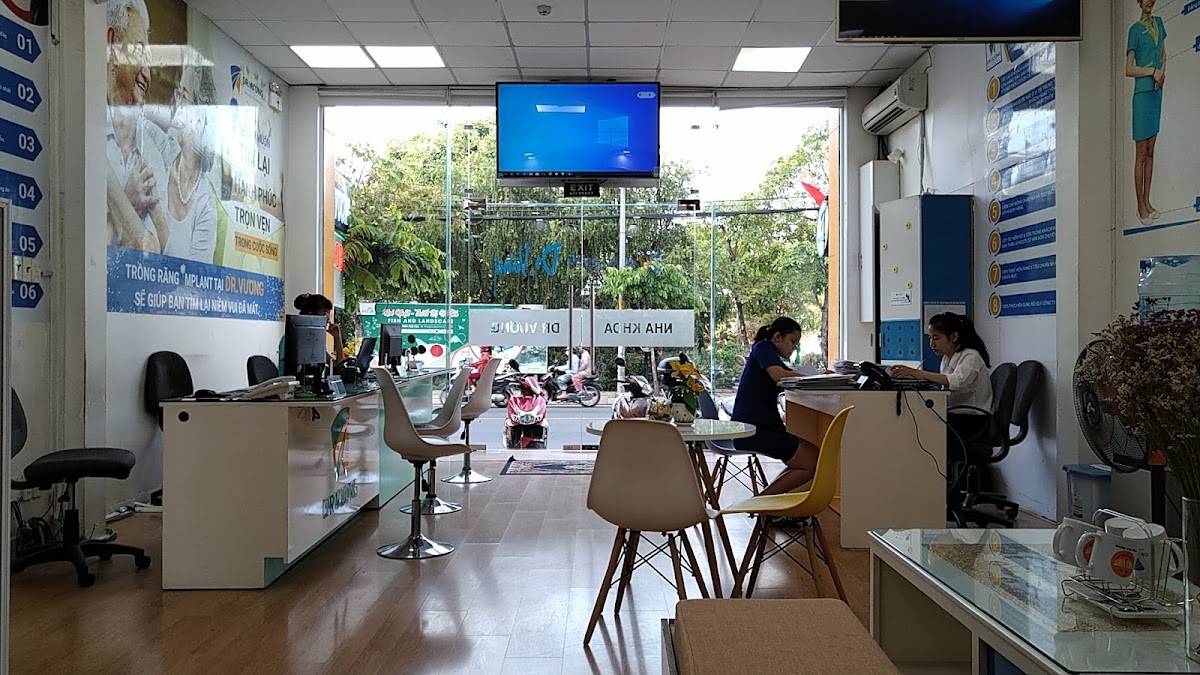
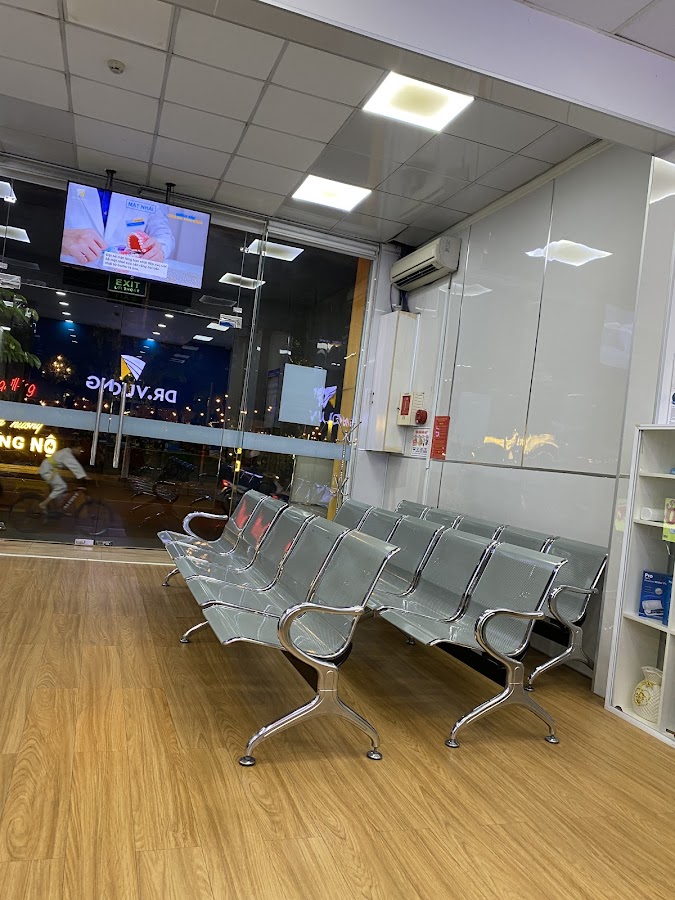
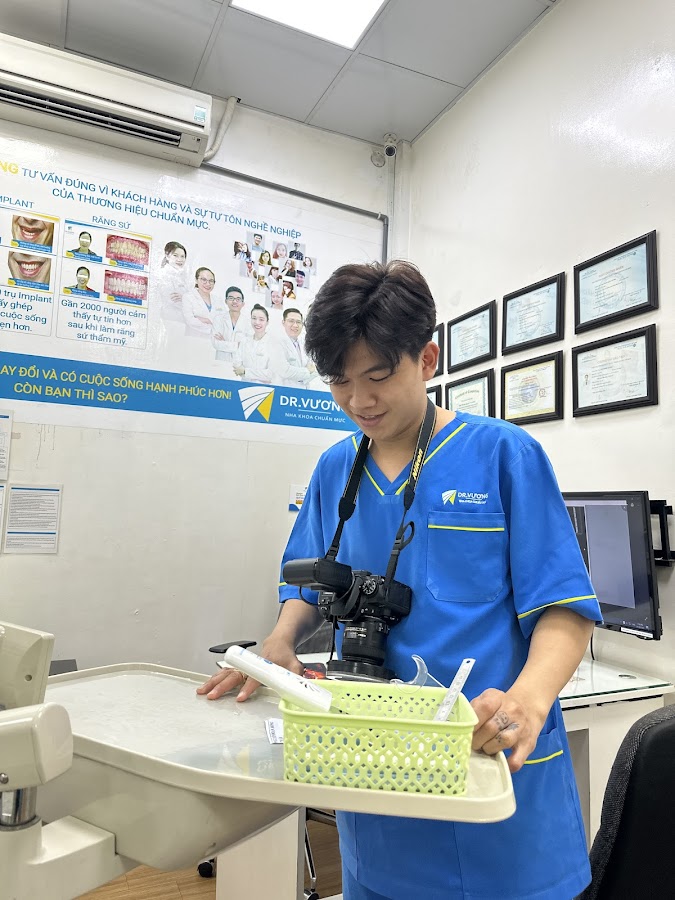
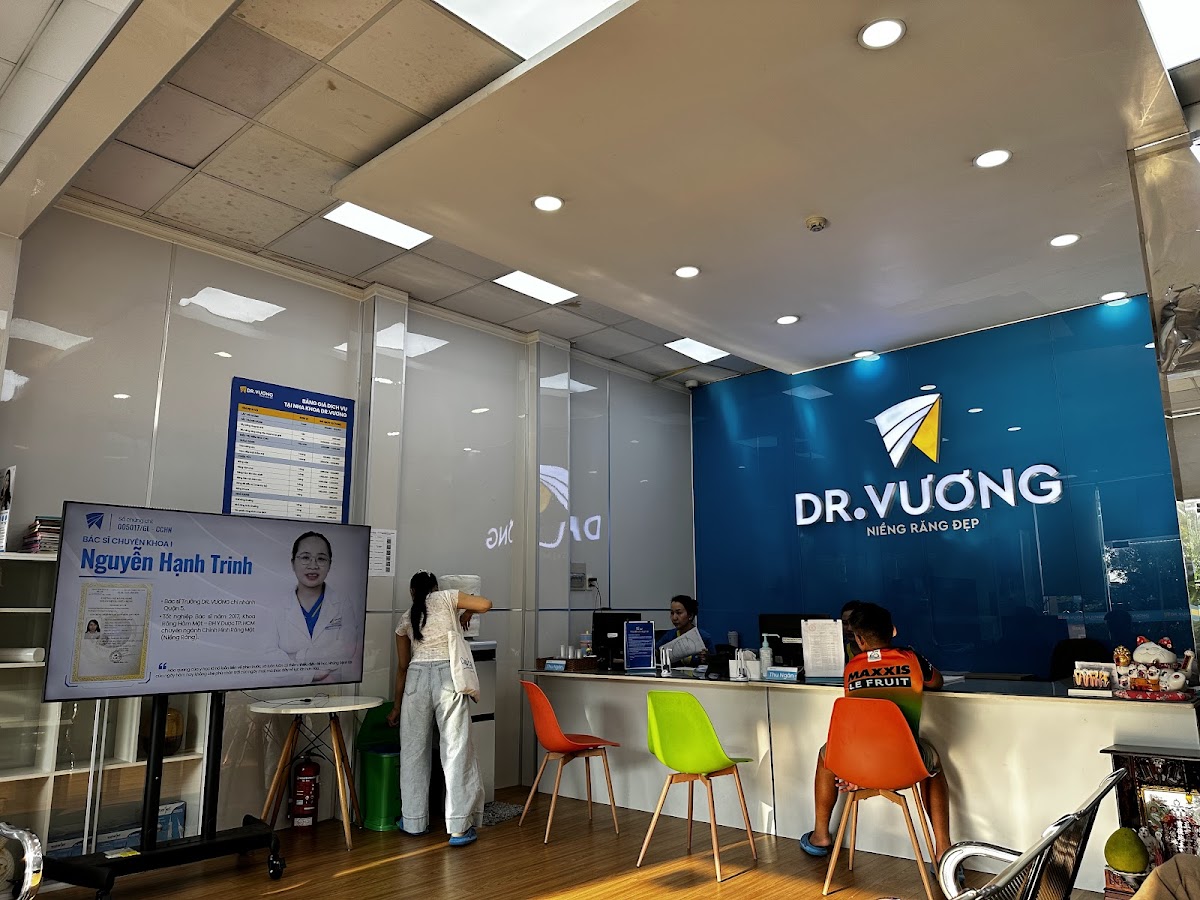
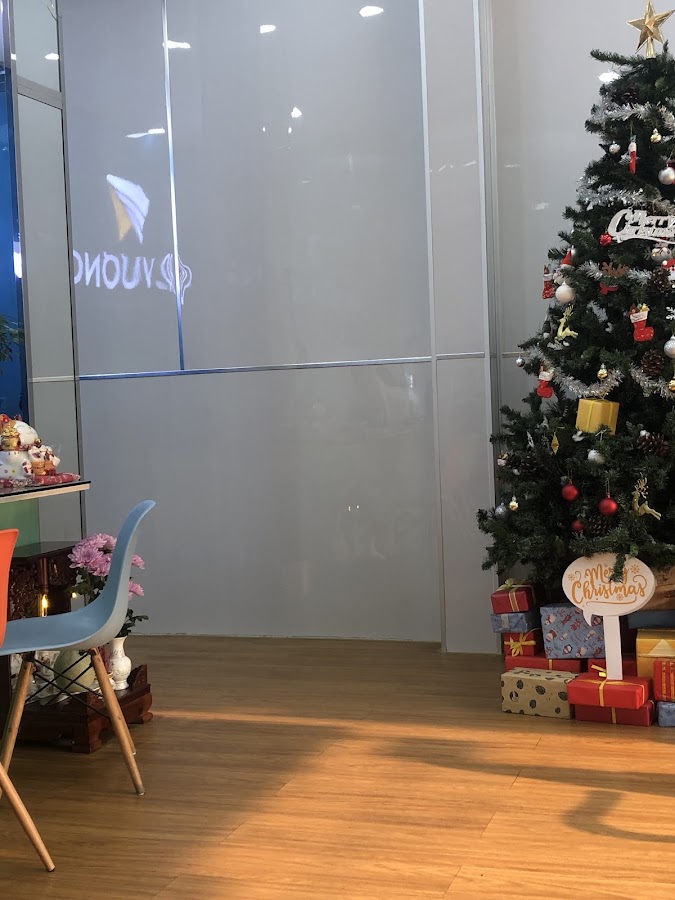
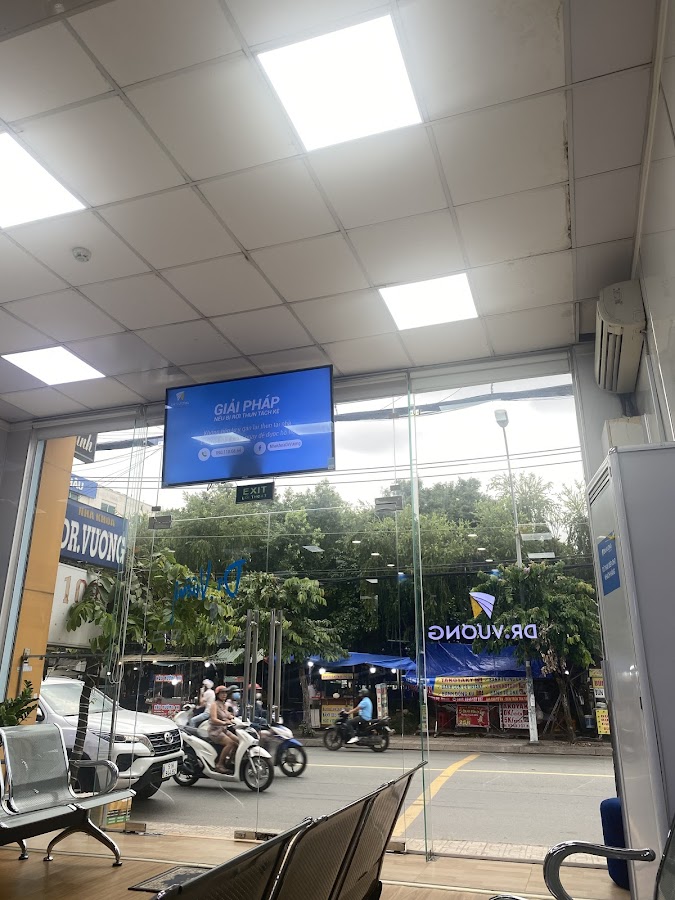
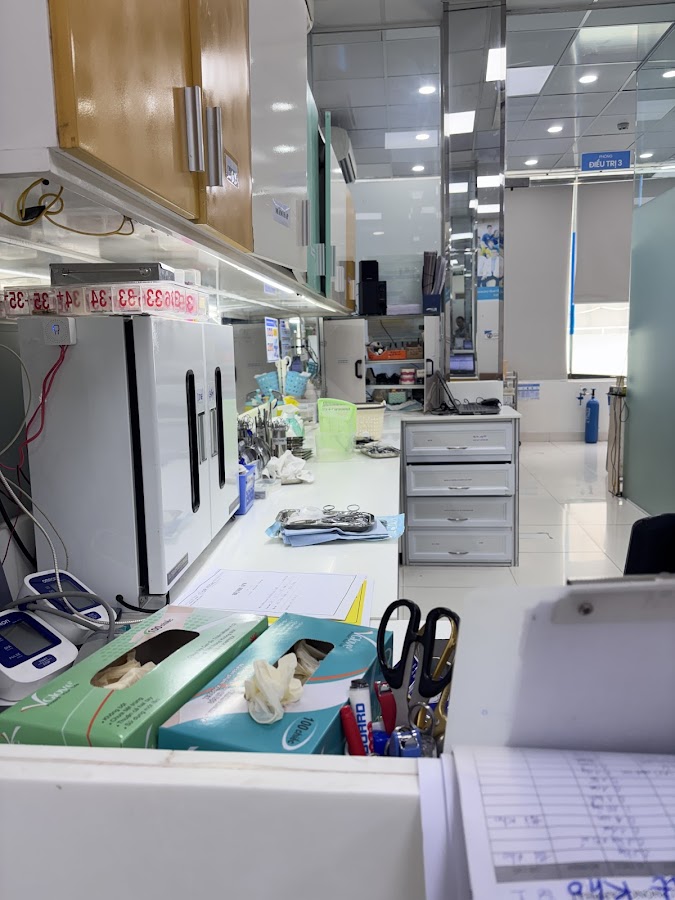
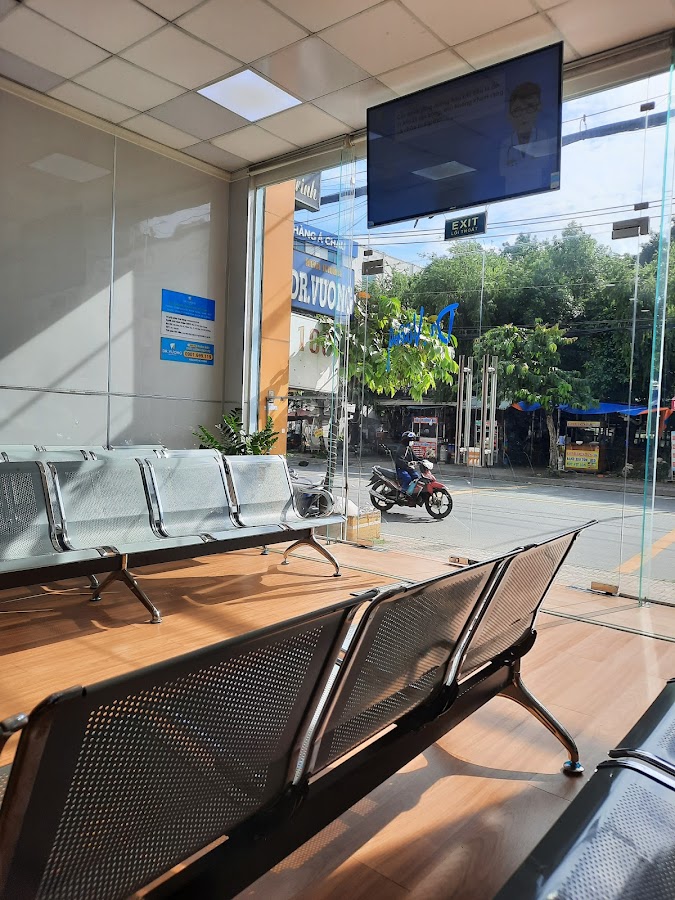
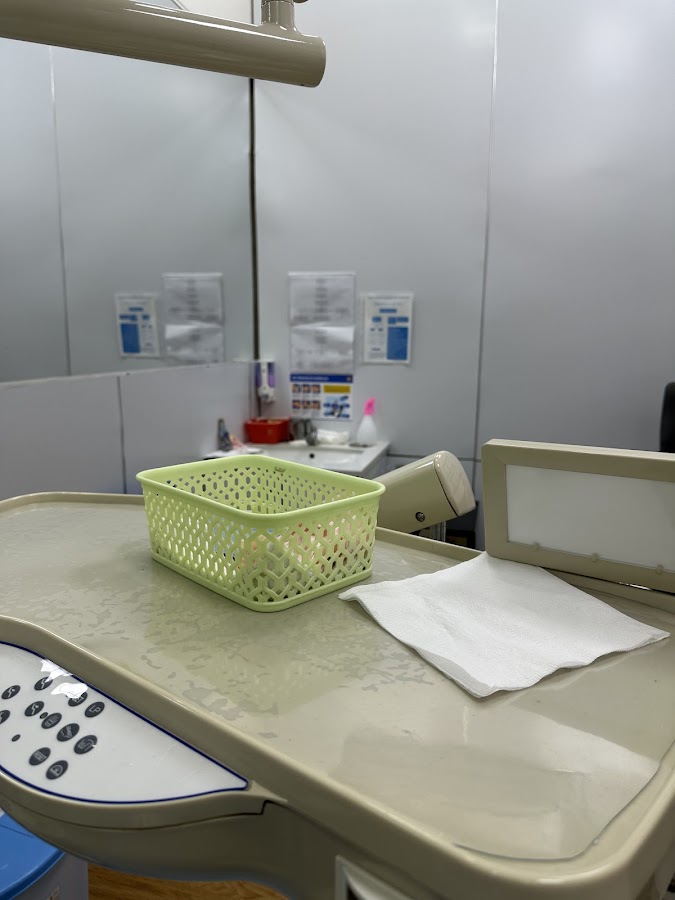
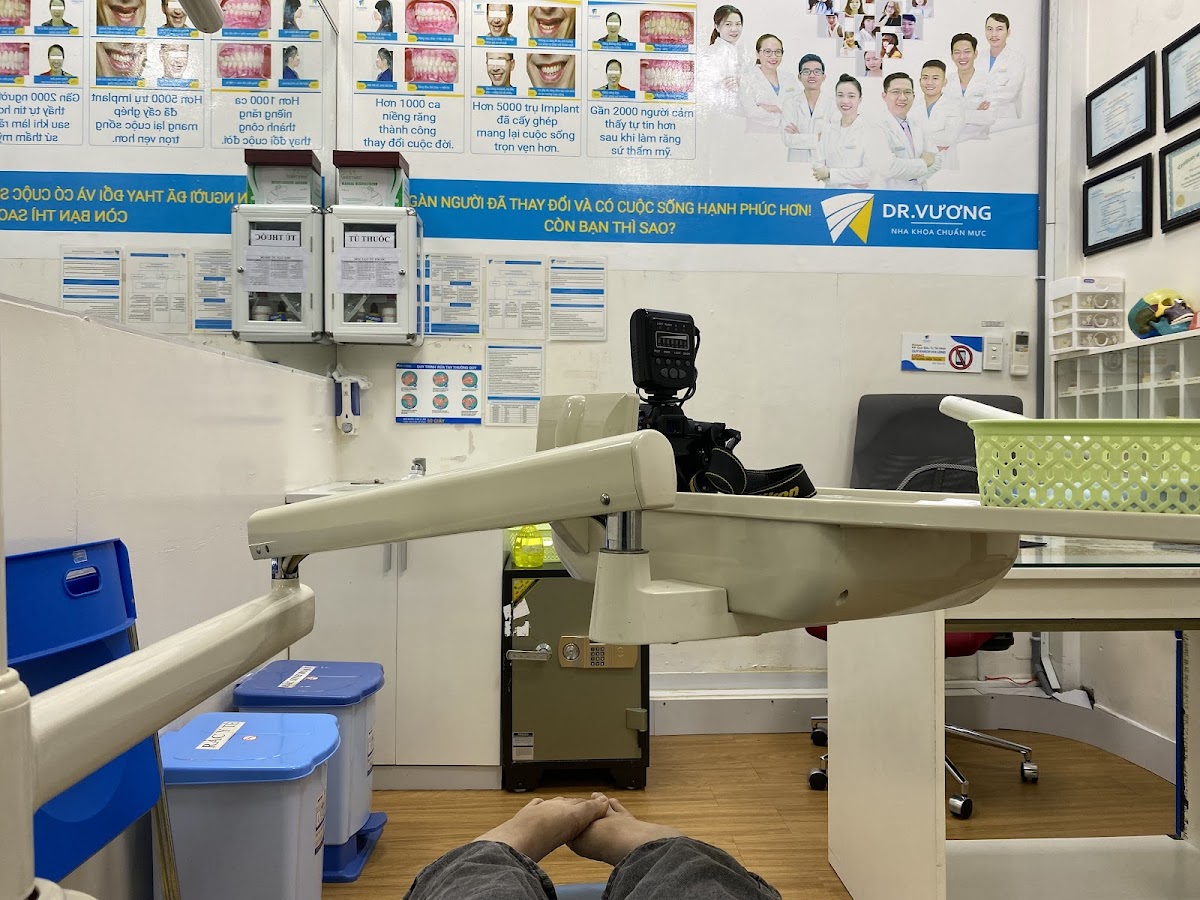
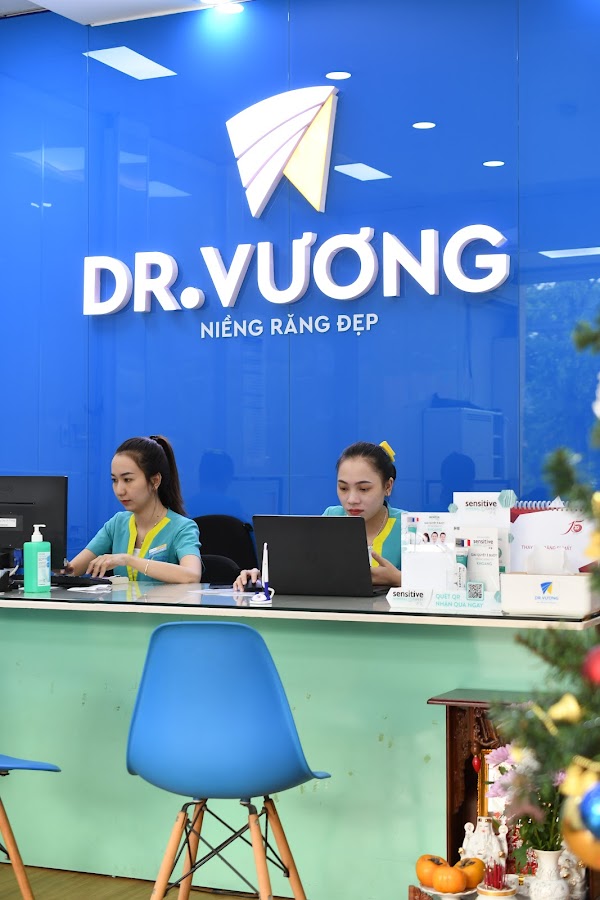
- 18 Photographs of the practice
Free to use. We are not this clinic and we take nothing from it. You pay the clinic directly, at its own prices.

Patients
What patients wrote about this clinic.
154 aggregated from Google. Screened for duplication and printed as written. They are not visit-verified.
out of 5, from 154 reviews
Throughout my orthodontic treatment here, I received incredibly enthusiastic support from everyone, from the consultants and security guard to the doctors, especially Dr. Tuan. He was very gentle and dedicated. Thank you so much to the entire Dr. Vuong Dental Clinic team!
Reply from the clinic
Dr. Vuong thanks you for visiting the dental clinic. Your satisfaction is our honor. We look forward to serving you again in the future. … More
Dr. Tham's dental fillings are painless; everyone should go and experience it.
I had my braces done by Dr. Phuong, who is super cute and caring. The dental clinic takes good care of my teeth and the braces treatment was very gentle.
- Service: The service is attentive, the staff at the counter are very nice, and Dr. Phuong is my go-to doctor here. She's extremely thorough, dedicated, constantly checking on me and closely monitoring my condition. …
I visited for a consultation about braces. The doctor and the consultants were very enthusiastic, and the clinic was clean and spacious.
The staff are enthusiastic, and the dentist is very skilled.
Want the same for your own teeth? Send a photo and we will come back with a written quote from Dr. Vuong Dental Thu Duc.
Ask on WhatsAppAt a glance
Dr. Vuong Dental Thu Duc in brief.
- Clinic
- Dr. Vuong Dental Thu Duc
- Location
- 108 Đặng Văn Bi, Ho Chi Minh City, Vietnam
- Patient rating
- 4.9 out of 5, from 154 aggregated reviews
- Listed as
- A listed clinic, not a featured partner. How we check.
- Listing checked
- 26 April 2026
About
What this clinic actually does.
Dr. Vuong Dental Thu Duc, known locally as Nha Khoa Dr. Vuong, is the Thu Duc branch of a Ho Chi Minh City dental group built around a strong orthodontics specialty. The clinic is part of a two-branch network in Saigon, with sister sites in Thu Duc and District 5, sharing clinical protocols, treatment planning standards, and the same lead clinical philosophy. The brand has built its reputation on adult and adolescent orthodontics, with reported case volumes of more than 10,000 successful braces treatments and a clinical team carrying over 15 years of orthodontic experience.
The Thu Duc branch sits at 108 Dang Van Bi in Thu Duc City, the eastern part of greater Ho Chi Minh City, and operates under Vietnamese Ministry of Health practice license 04339/HCM-GPHD issued in 2022. The District 5 sister branch on Chau Van Liem Street has been licensed since 2018, giving the brand a longer continuous operating history in central Saigon. For international patients, the licensing dates are useful as a sanity check: this is an established practice that has been operating under formal Vietnamese clinical regulation for years, not a recently rebranded venture chasing the dental tourism market.
Read the rest of the description
The strongest clinical case for choosing Dr. Vuong Dental Thu Duc is orthodontics. The team treats both fixed bracket systems and clear aligner therapy, with an emphasis on conventional metal and ceramic braces where the case complexity calls for them. For adult patients, the team frequently handles cases that combine orthodontic alignment with subsequent restorative or cosmetic work such as crowns, veneers, or whitening, sequencing the treatment plan so that final aesthetic outcomes are built on a stable, well-aligned arch rather than masking residual crowding with prosthetics. For teenagers, treatment planning factors in growth, hygiene practicality, and lifestyle considerations such as sport, instrument playing, and study commitments.
Beyond orthodontics, the clinic offers the broader range of general and cosmetic dentistry expected of a modern Vietnamese dental practice. That includes scale and polish, fluoride treatments, tooth-colored composite fillings, root canal therapy, simple and surgical extractions, porcelain veneers, all-ceramic crowns and bridges, in-office and take-home whitening, and dental implants for single-tooth and multi-unit restorations. Pediatric care is available for children needing routine prevention or early orthodontic assessment. Patients are typically assigned a primary dentist for continuity across visits, with internal case discussions for plans that span specialties.
For dental tourists evaluating Ho Chi Minh City as a destination, the location of the Thu Duc branch is a practical consideration. Thu Duc is the eastern district of greater Saigon, easily reached from central districts via the Hanoi Highway and well served by Grab and taxi networks. The neighborhood is quieter than the central tourist core, with a mix of universities, residential developments, and serviced apartments, which makes it a sensible base for patients who want a calmer environment for treatment that involves multiple visits or recovery time. The District 5 branch is the better fit for short-stay tourists basing themselves in central Saigon near Ben Thanh Market, Cho Lon, or the Dong Khoi area.
Pricing across the group sits in the mid-market band typical of established Saigon clinics: significantly below equivalent treatment in Australia, the United States, the United Kingdom, and Western Europe, while still using internationally recognized implant brands, ceramic systems, and orthodontic appliance manufacturers. Written treatment plans are itemized so international patients can see what each component costs and compare line-by-line against quotes from clinics in Bangkok, Bali, Hanoi, or Istanbul. For longer treatment programs such as full-arch orthodontics or staged implant rehabilitation, the clinic typically structures payment around clinical milestones rather than asking for a single up-front payment.
Hygiene and infection control follow standards expected of modern Vietnamese dental clinics. Single-use consumables are used wherever clinically appropriate, reusable instruments are processed through a dedicated sterilization workflow with autoclaving and pouching between every patient, and treatment rooms are reset and surface-disinfected before each appointment. Staff use personal protective equipment as standard, and the clinic maintains the documentation expected for clinical waste handling and instrument tracking. For international patients, this means the practical clinical environment will feel familiar and verifiable rather than a leap of faith.
Patient communication leans toward methodical case planning rather than high-pressure cosmetic upselling. A typical first visit includes a clinical examination, diagnostic imaging where indicated, an orthodontic or restorative assessment with photographs, and a written quote with itemized component costs. The clinical team encourages patients to take their plan home and ask questions before committing, which matters most for higher-investment cases such as full-arch orthodontics, multi-tooth implant rehabilitation, or comprehensive cosmetic makeovers. Where treatment timing matters, such as international patients trying to compress treatment around return flights, the clinic will discuss staged versus accelerated options and the realistic outcomes of each approach.
For SmileJet users specifically, Dr. Vuong Dental Thu Duc is a sensible shortlist option for adult orthodontics in Ho Chi Minh City, particularly for patients comparing fixed braces, ceramic braces, and clear aligner pricing across Southeast Asia. The combination of a high orthodontic case volume, an established two-branch operation, and the cost advantage of treatment in Vietnam makes it a relevant option for patients who can build their travel around at least one extended visit and a structured follow-up schedule, either in person or via remote monitoring. Prospective patients are encouraged to share recent panoramic and lateral cephalometric X-rays where available, intraoral photographs, and a short medical history in advance, so the consultation visit can move efficiently into a confirmed, written orthodontic treatment plan that fits both their travel schedule and clinical priorities.
The team
Who does the work.
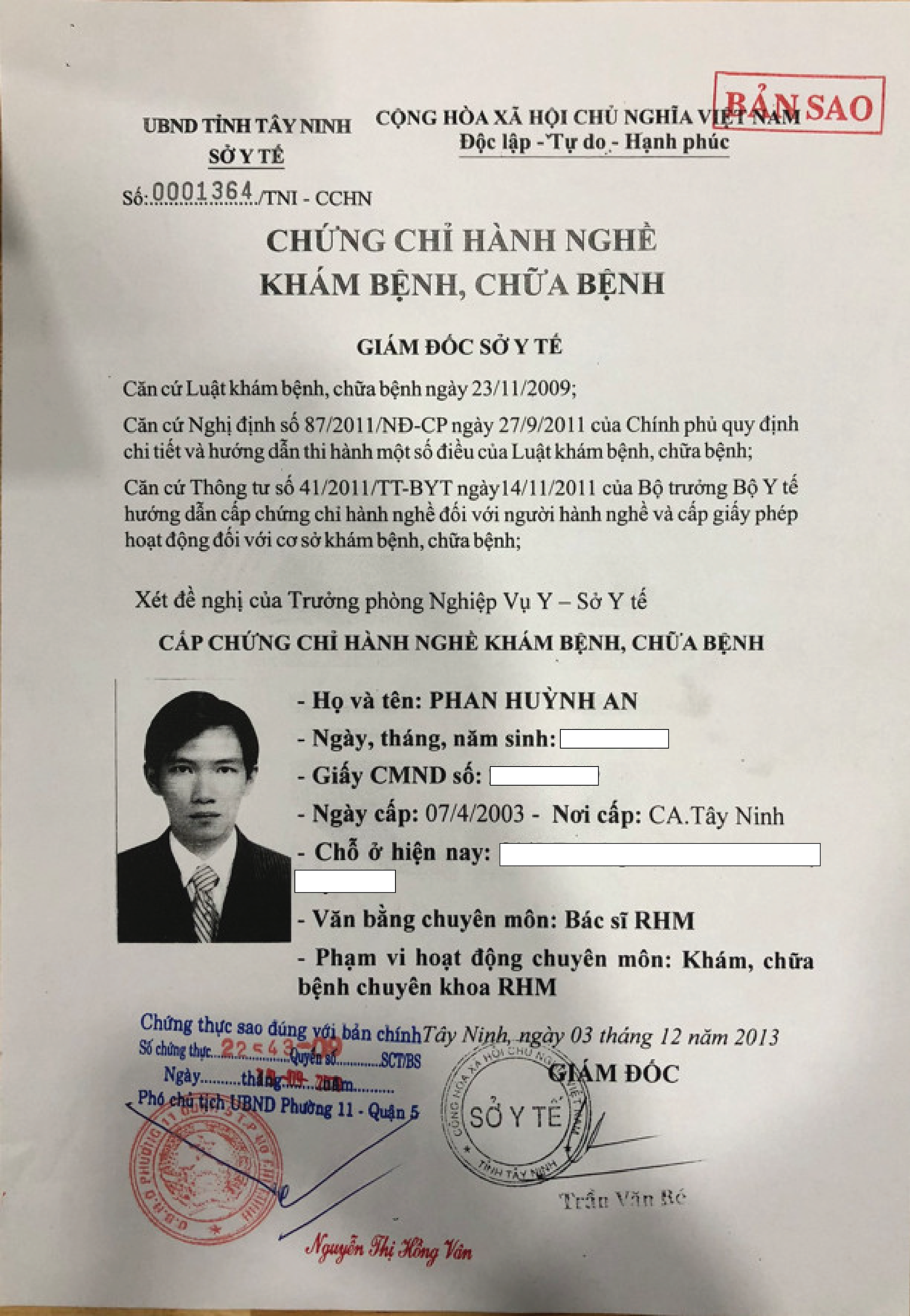
Dr. Phan Huynh An
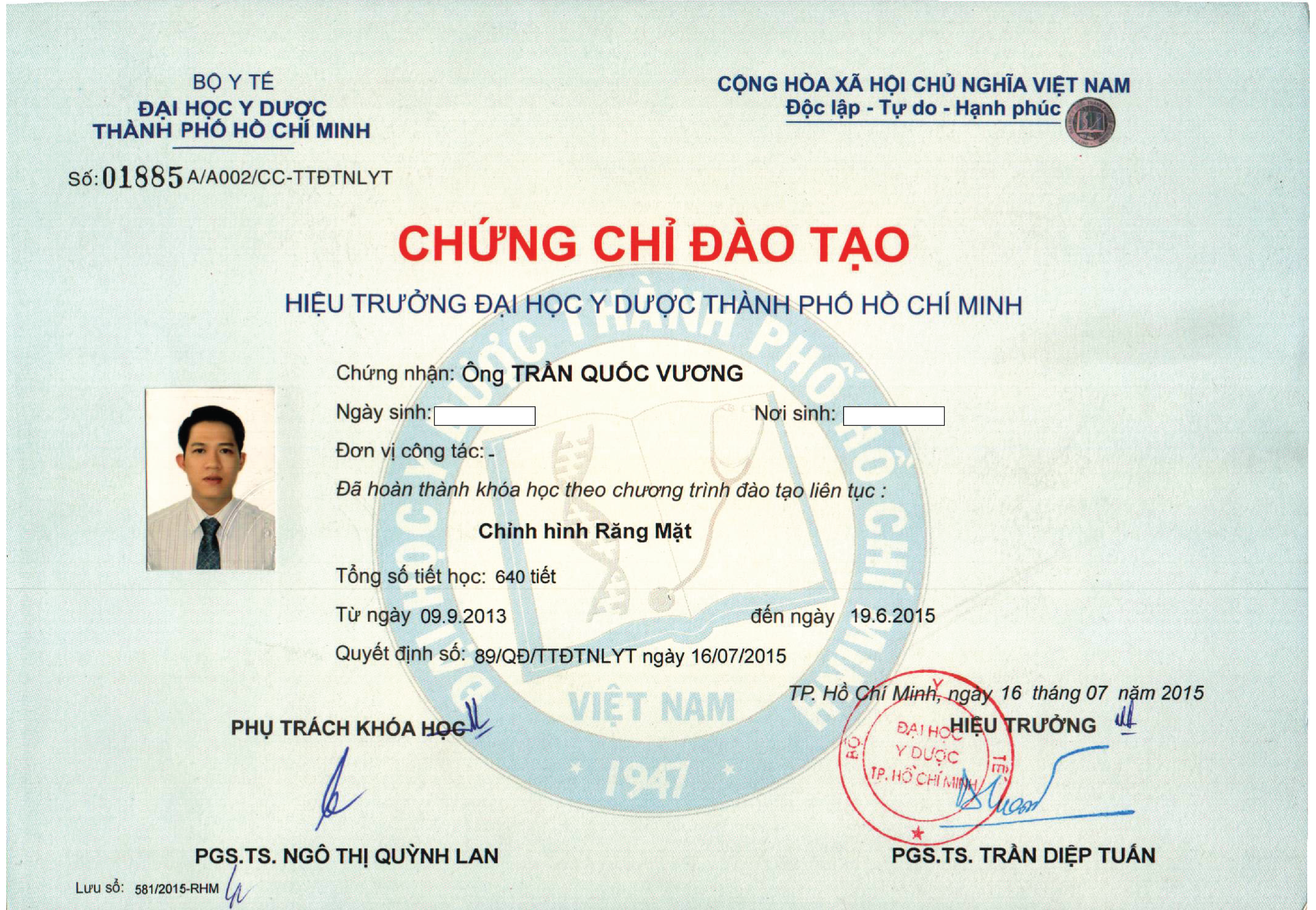
Dr. Tran Quoc Vuong
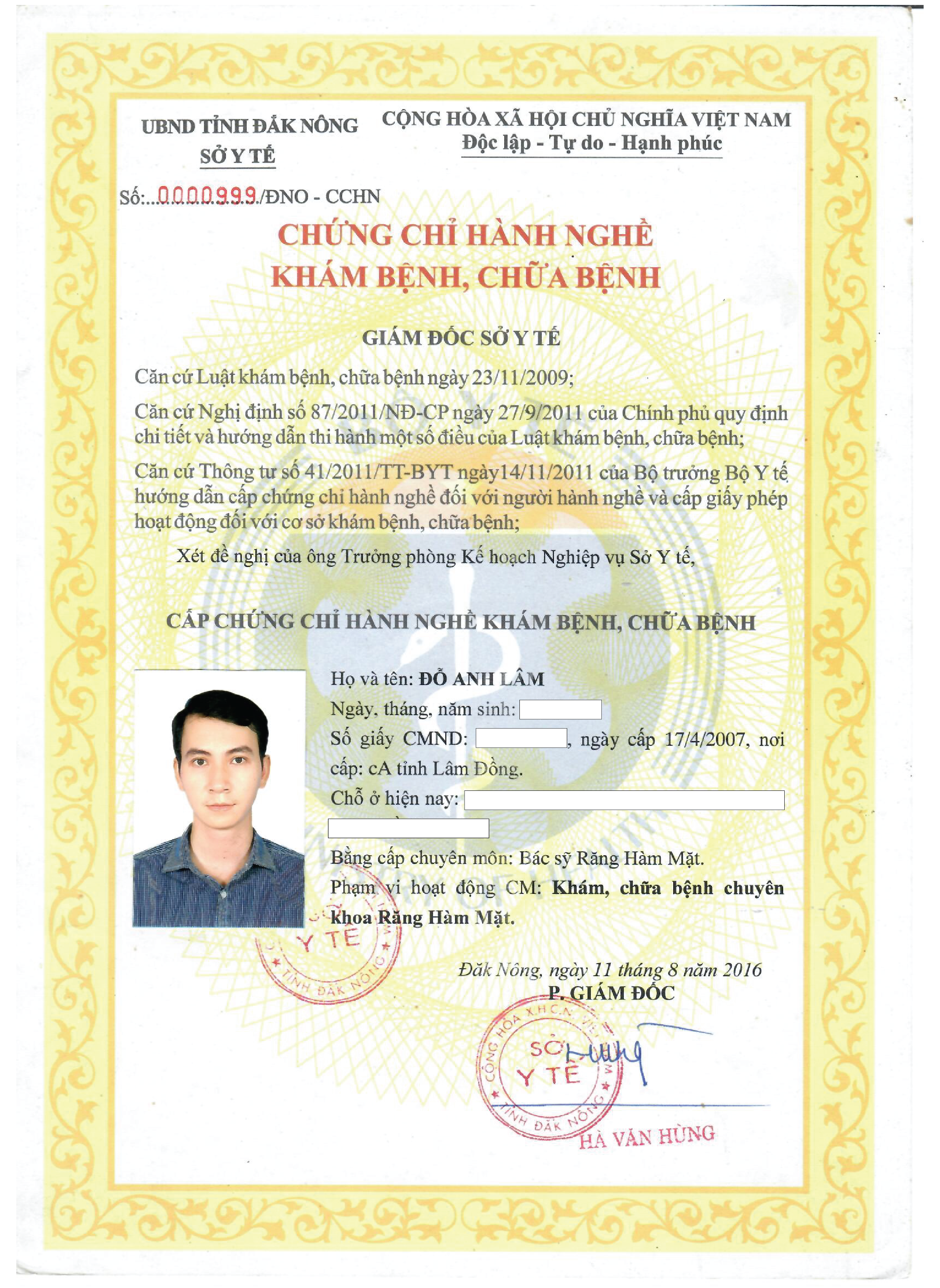
Dr. Do Anh Lam
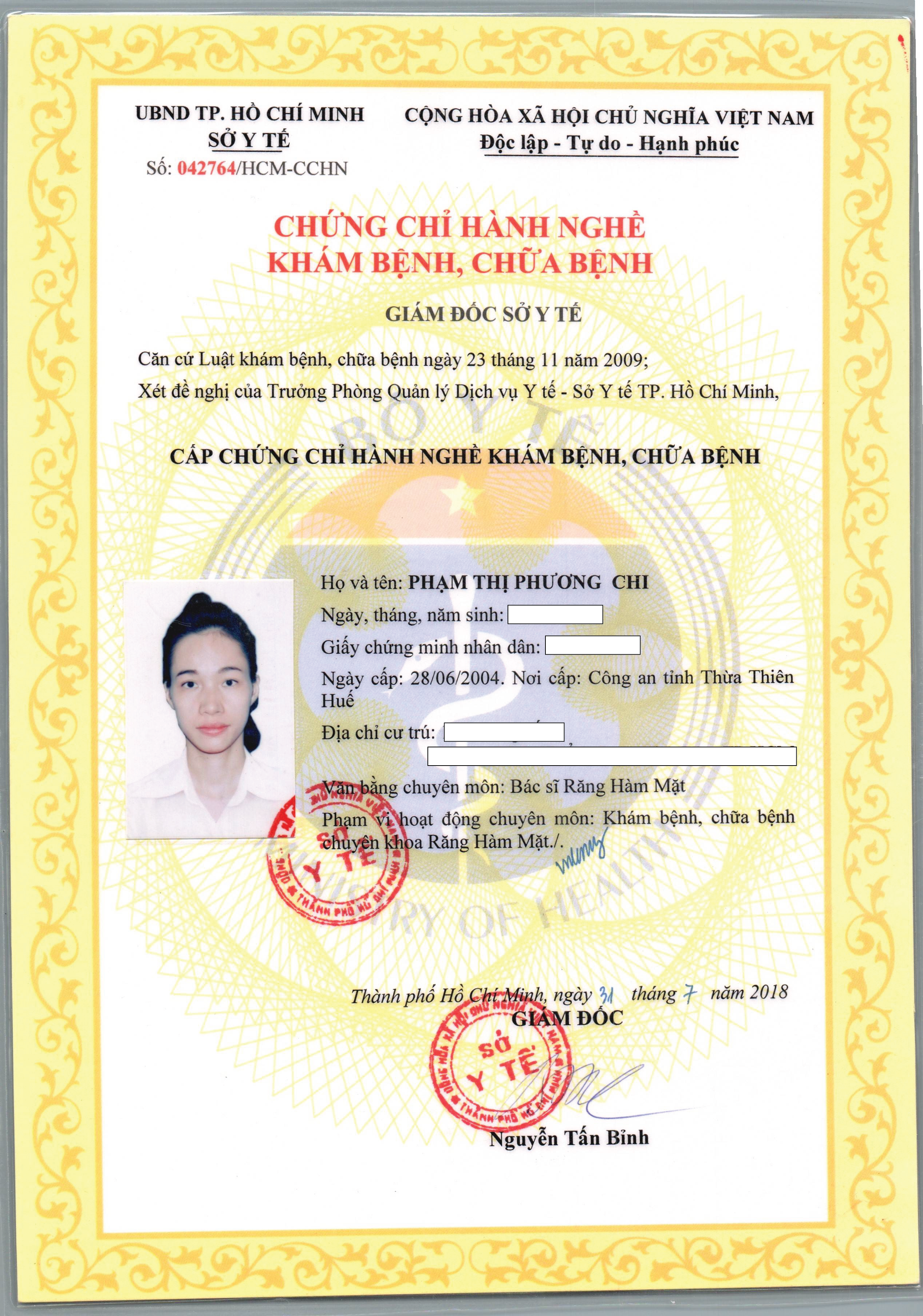
Dr. Pham Thi Phuong Chi
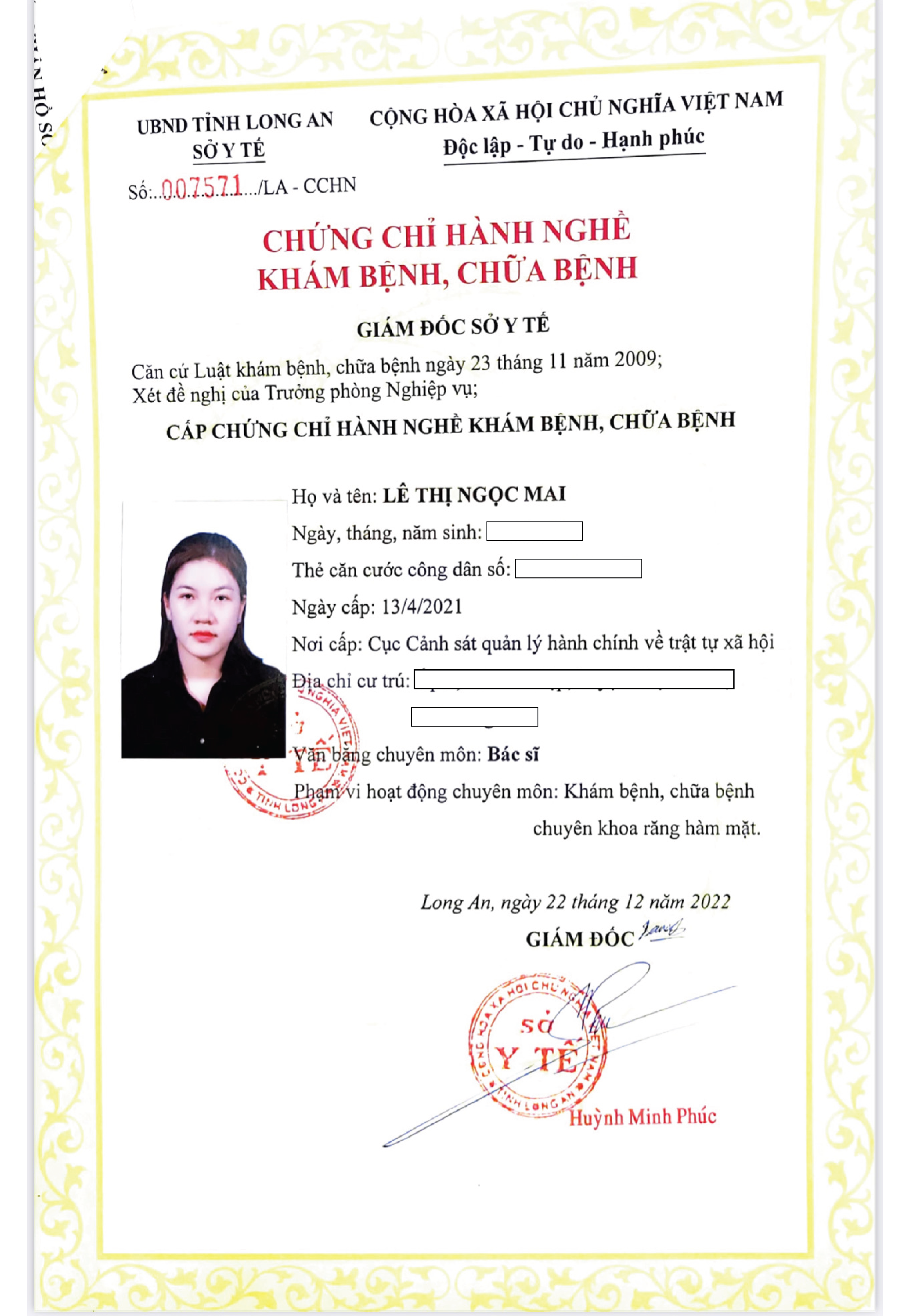
Dr. Le Thi Ngoc Mai
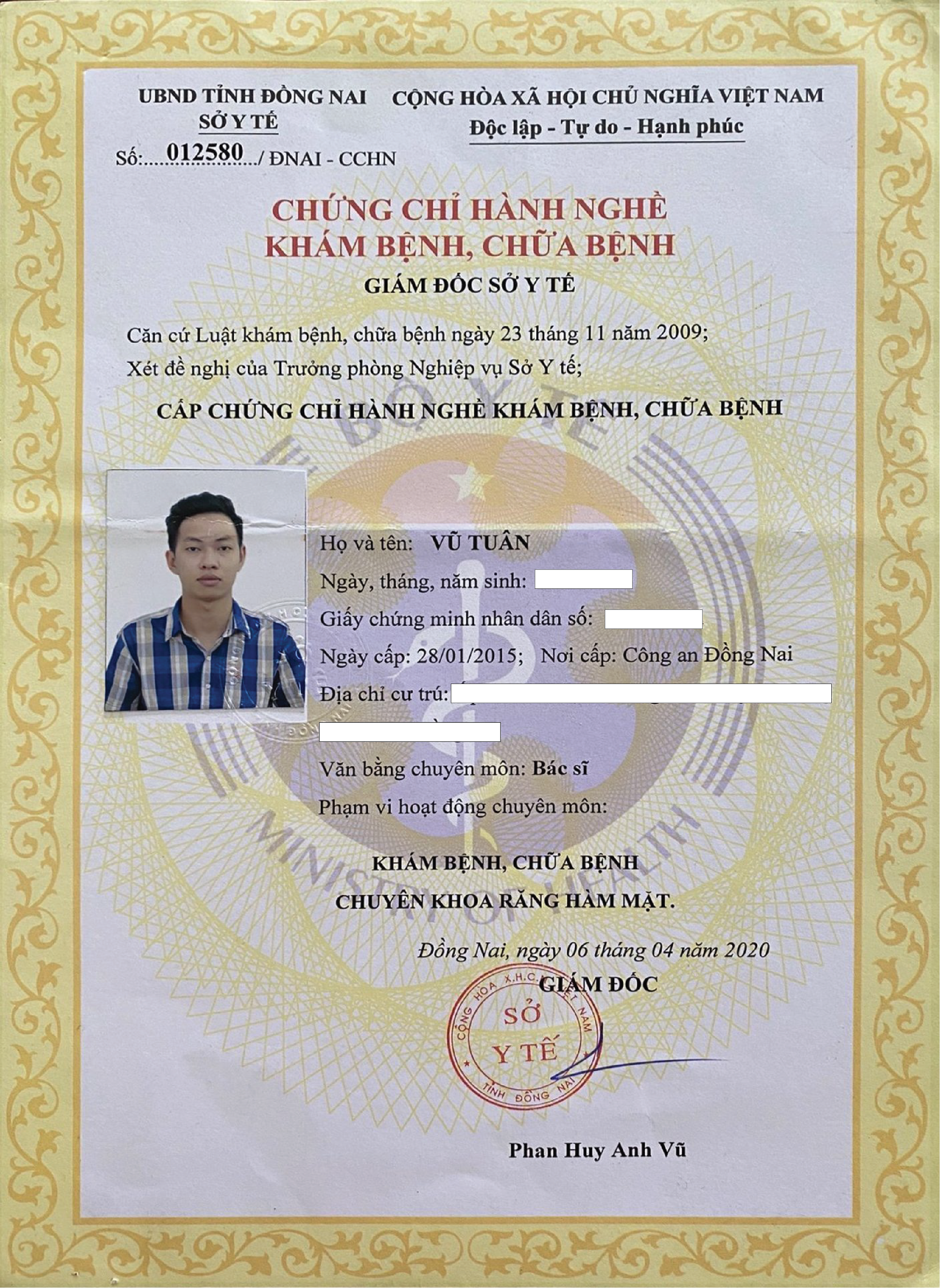
Dr. Vu Tuan
Show the other 2 dentists
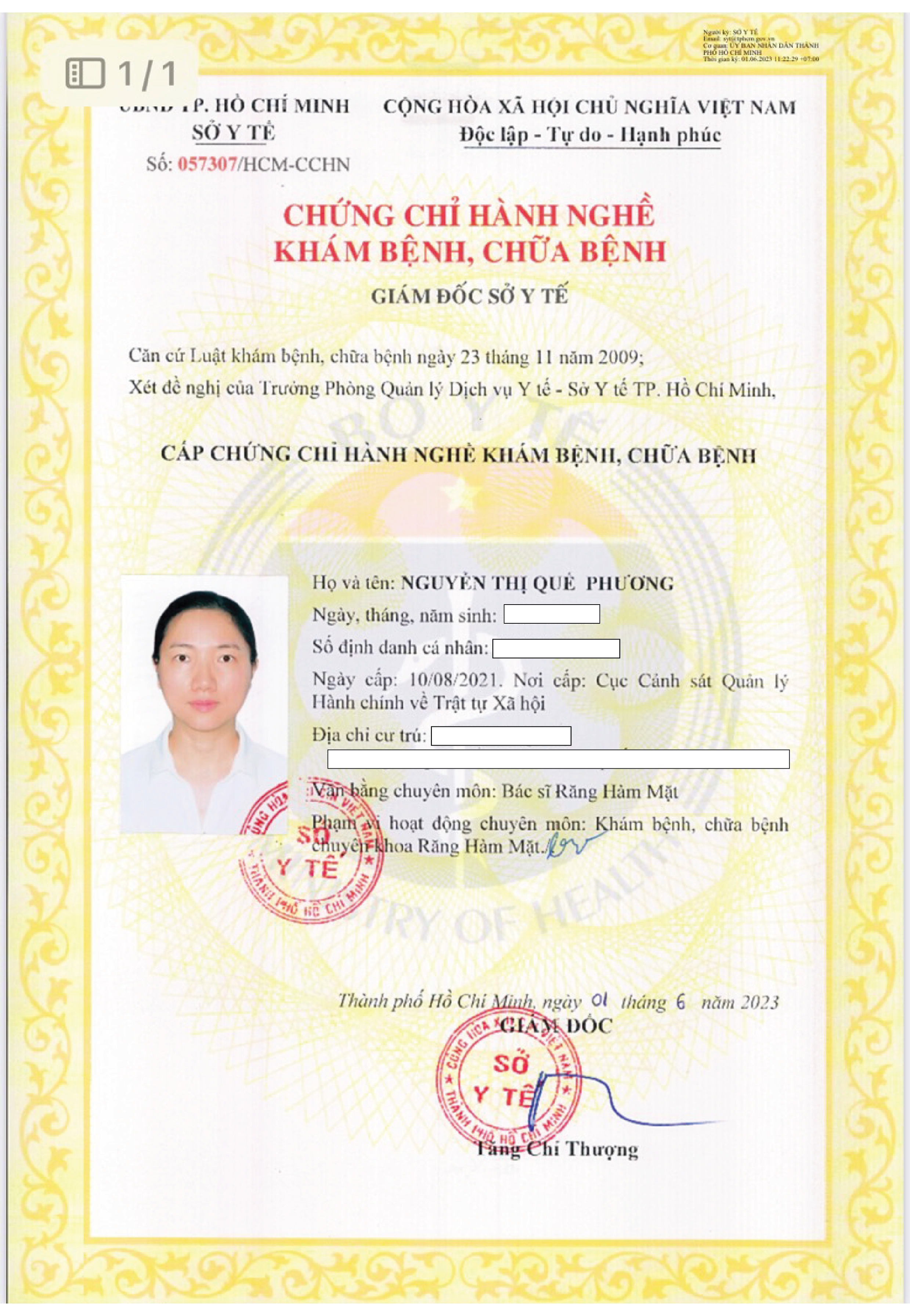
Dr. Nguyen Thi Que Phuong
Questions
What people ask this clinic.
What treatments are available at Dr. Vuong Dental Thu Duc in Ho Chi Minh City?
Dr. Vuong Dental Thu Duc offers a comprehensive range of general, cosmetic, and restorative treatments designed to meet the diverse needs of both local residents and international visitors. Patients can receive professional scaling and cleaning, composite tooth-colored fillings, aesthetic cosmetic dentistry such as teeth whitening, and minor oral surgery including extractions. The clinical team focuses on high-quality dental maintenance in Ho Chi Minh City, ensuring that all treatments are tailored to each patient's unique oral health requirements.
Are dental treatments at the clinic more affordable than in Western countries?
Yes, seeking dental care at the clinic offers substantial cost advantages compared to Western markets like Australia, New Zealand, or the US. Simple tooth-colored fillings and restorations generally range from USD 30 to 60 per cavity, while general hygiene care is exceptionally competitive at USD 20 to 45. By offering world-class dental standards at local prices, the practice helps traveling patients maintain their oral health and complete aesthetic restorations without the heavy financial burden of Western clinics.
How does the clinic ensure high treatment standards for foreign patients?
this Hanoi clinic maintains an uncompromising approach to quality control, hygiene, and practitioner expertise. The dentists undergo continuous professional training in modern clinical techniques and are well-versed in handling international patients. Every check-up, cleaning, filling, or restoration is conducted with meticulous attention to detail, backed by a clean clinical environment and premium imported materials that meet rigorous international safety standards.
Will the dental staff speak English during my visit to Dr. Vuong Dental Thu Duc?
Yes, the dental team at Dr. Vuong Dental Thu Duc is accustomed to welcoming international visitors and accommodates English-speaking patients for all routine and aesthetic procedures. Key clinical staff can explain diagnostic details, discuss treatment options, and guide you through your cleaning or restoration work in English. For complex treatment plans, clear communication is always prioritized so you can feel completely comfortable and informed throughout your visit.
Can I complete my cleanings and fillings in a single day at this practice?
Yes, routine preventive care and basic restorations are designed for maximum convenience and are completed in a single short appointment. A standard session at this practice involving an exam, professional scaling, and a couple of composite fillings takes roughly one hour. Since the practice is located centrally in chau van liem street, travelers can easily walk back to their accommodation or explore local attractions right after their visit.
How much do dental implants cost at this Ho Chi Minh City practice?
Implant-based tooth replacement at the clinic offers exceptional savings, typically costing between USD 800 to 1,300 per tooth, including the custom crown. In Western countries like Australia, New Zealand, or the US, the exact same procedure frequently exceeds USD 3,500. Sourcing premium titanium posts and utilizing advanced digital imaging, the clinic provides international-standard implantology at a fraction of Western rates, making dental tourism highly practical.
What teeth straightening options are available at Dr. Vuong Dental Thu Duc?
The practice offers a comprehensive range of orthodontic solutions to correct misaligned teeth and improper bite function. Patients can choose from traditional metal fixed braces, tooth-colored aesthetic ceramic braces, or modern removable clear aligners. The orthodontic team utilizes advanced diagnostic imaging to map out a precise, customized alignment plan that ensures both beautiful smile aesthetics and healthy bite function.
How much do cosmetic veneers cost at this Ho Chi Minh City clinic?
Cosmetic veneers at the dental clinic represent outstanding value for international travelers. A single premium porcelain or zirconia veneer generally ranges from USD 300 to 500, whereas the exact same treatment in Australia, New Zealand, or the US can cost up to USD 1,500. This highly competitive local pricing makes comprehensive smile design and multi-tooth aesthetic restorations exceptionally affordable for visiting patients.
Is there remote follow-up support available after my treatments?
Yes, this practice is committed to the long-term success of your dental care. After your appointment, the dentist provides a clear recovery checklist. If you require follow-up support once you return home, their international patient team coordinates directly with you online. You can easily share digital photos or updates through SmileJet, ensuring that the clinical team can monitor your healing progress and offer professional guidance.
How can I secure an appointment or consultation at Dr. Vuong Dental Thu Duc?
International patients planning a visit to Ho Chi Minh City can easily schedule their dental consultation online. To ensure a smooth experience and secure a convenient slot that fits your travel itinerary, we recommend booking your appointment in advance through the SmileJet platform. The system will coordinate your details directly with the clinic team, allowing you to walk into your appointment with absolute peace of mind and no long waiting times.
Compare
Other clinics worth a quote.
Never take one quote. These are the nearest comparable practices we list.
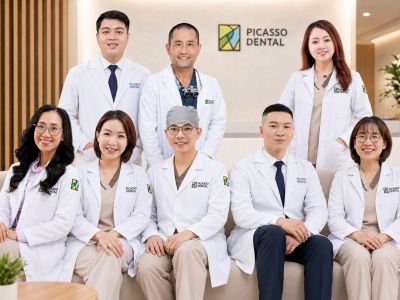
Picasso Dental Clinic Ho Chi Minh City (Thao Dien, District 2)
Ho Chi Minh City
Featured partner
from 337 reviews
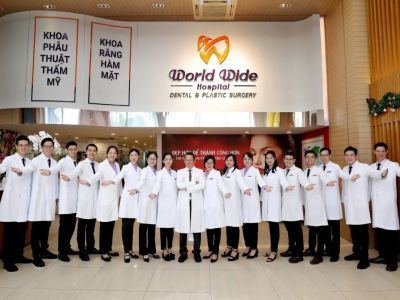
Worldwide Beauty And Dental Hospital
Ho Chi Minh City
Featured partner
from 537 reviews
Care Dental
Ho Chi Minh City
Featured partner
from 358 reviews
Daisy International Dental Clinic
Ho Chi Minh City
Featured partner
from 300 reviews
Send a photo. Get three quotes.
One of them from Dr. Vuong Dental Thu Duc. It costs nothing and it does not commit you to anything.
Ho Chi Minh City
Treatment in Ho Chi Minh City, priced and explained.
What each procedure costs in this city, and how the trip works.
Is this your clinic? We wrote this listing from public sources. Claim it to correct the details, add your own photographs and publish your prices.
Claim this page