Dental Tourism
Hanoi vs Ho Chi Minh City: Which City Is Better for Expats? (2026)
Vietnam is one of the most compelling places on earth to build an expat life in 2026. Low cost of living, extraordinary food, warm weather, a booming economy, and a genuine sense that things are movin
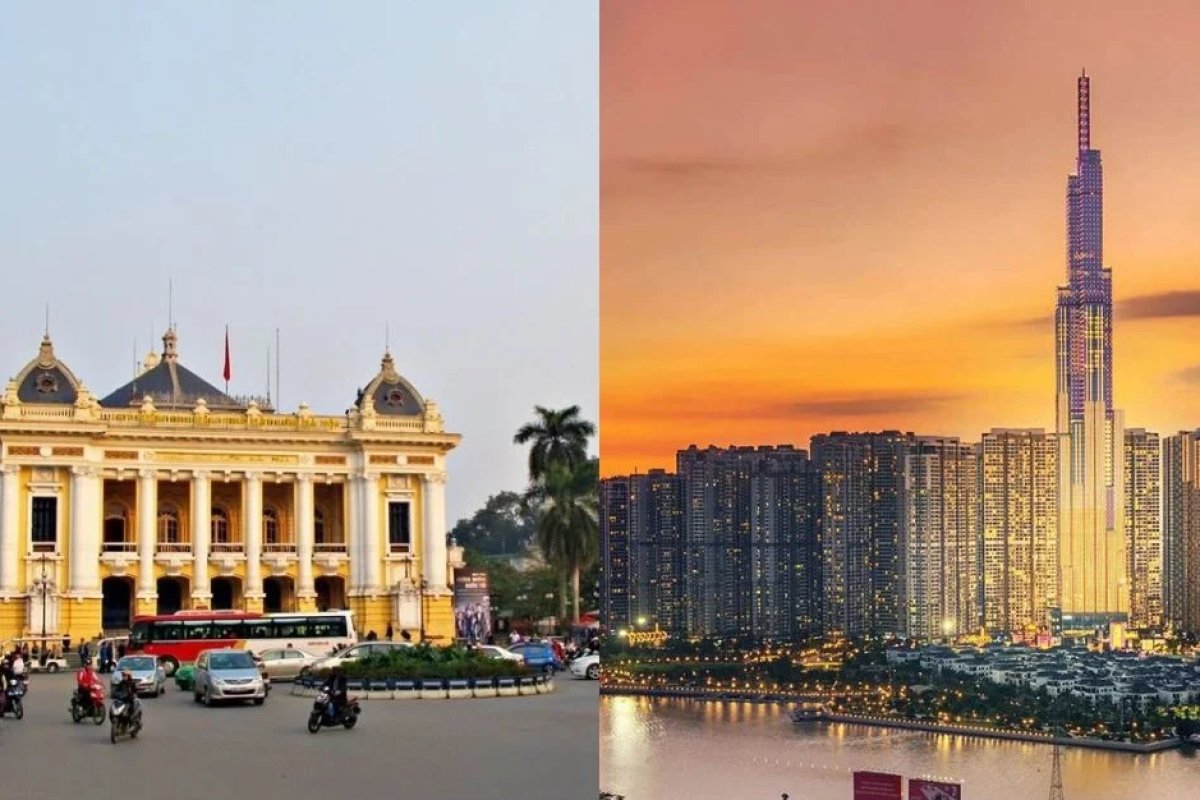
Vietnam is one of the most compelling places on earth to build an expat life in 2026. Low cost of living, extraordinary food, warm weather, a booming economy, and a genuine sense that things are moving forward, it ticks more boxes than almost anywhere in Southeast Asia. But which city? The debate between Hanoi and Ho Chi Minh City (still called Saigon by most people who live there) is one of the most contested in the expat world. Both cities have fierce advocates. Both have legitimate claims. And they are, in many meaningful ways, completely different places.
This guide gives you a no-nonsense, category-by-category comparison to help you decide where to base yourself in 2026. Whether you are relocating for work, retiring, remote-working, or simply testing the waters with a long stay, you will find the honest picture here.
Planning dental work alongside your move to Vietnam?
Hanoi has some of Southeast Asia’s best-value international dental clinics. Get everything sorted before, or during, your relocation.
Explore Hanoi Dental Clinics →Contents
1. Weather & Climate
This is the first question every prospective expat should ask, and the answer fundamentally shapes your experience. Hanoi and Ho Chi Minh City have completely different climates, despite being in the same country.
Hanoi has four distinct seasons. Spring (February–April) is mild and occasionally misty. Summer (May–August) is hot and humid, with temperatures reaching 38–40°C and frequent afternoon thunderstorms. Autumn (September–November) is considered the most beautiful season, clear skies, lower humidity, temperatures around 22–27°C. Winter (December–February) can get surprisingly cold, 10–15°C at night is common in January, and Hanoi occasionally sees temperatures dipping to 7–8°C. If you are coming from Europe or Australia, Hanoi’s four-season rhythm will feel somewhat familiar.
Ho Chi Minh City sits near the equator and has just two seasons: dry (November–April) and wet (May–October). Temperatures hover between 28 and 37°C year-round with little variation. The wet season brings heavy but brief afternoon downpours, usually over within an hour. For expats who hate cold weather and want reliable warmth, HCMC is the easy winner.
| Factor | Hanoi | Ho Chi Minh City |
|---|---|---|
| Seasons | 4 (spring / summer / autumn / winter) | 2 (dry / wet) |
| Average summer temp | 35–40°C | 32–37°C |
| Winter temperatures | 8–18°C (cool to cold) | 28–32°C (always warm) |
| Best months | Oct – Dec, Feb – Apr | Nov – Apr (dry season) |
| Best for | Those who enjoy seasons | Those who love heat year-round |
Verdict: If you hate cold, choose HCMC. If you welcome seasons and find Hanoi’s crisp autumn and mild spring a relief from relentless tropical heat, Hanoi wins hands-down.
2. Cost of Living
Both cities are extraordinarily affordable compared to Western Europe, North America, or Australia. But there are real differences, especially in rent, which has risen sharply in both cities since 2022.
| Expense | Hanoi (USD/month) | HCMC (USD/month) |
|---|---|---|
| 1-bed apartment (central) | $500–$900 | $600–$1,100 |
| Street food meal | $1.50–$3 | $1.50–$3 |
| Mid-range restaurant meal (2) | $18–$30 | $22–$40 |
| Grab ride (5 km) | $1.50–$2.50 | $2–$3.50 |
| Co-working desk (monthly) | $80–$150 | $100–$200 |
| Gym membership | $25–$60 | $35–$80 |
| Vietnamese coffee (local cafe) | $0.50–$1.50 | $0.80–$2 |
| Monthly total (comfortable) | $1,200–$1,800 | $1,400–$2,200 |
Hanoi edges HCMC on cost in most categories. Rent is the biggest variable: HCMC’s District 1 and District 2 expat hubs (particularly Thao Dien) have seen rents climb significantly due to foreign demand. Hanoi’s West Lake (Tay Ho) district is comparable in quality but generally 15–25% cheaper for equivalent apartments.
Day-to-day costs (street food, local transport, fresh produce) are roughly equivalent. Where HCMC tends to cost more is imported goods, Western-style restaurants, and bars, reflecting a larger and wealthier expat market. If you plan to eat locally and live locally, the difference is minimal. If you want Western conveniences, Hanoi is the cheaper city.
Verdict: Hanoi wins on cost, particularly rent. HCMC has more premium lifestyle options if you want them, and a bigger expat economy to tap for income.
3. Culture & City Vibe
If there is one dimension where these two cities are most starkly different, it is culture and personality. People who love one city sometimes find the other difficult. This is not a casual preference, it is a genuine difference in urban character.
Hanoi is the capital and the cultural heart of Vietnam. It feels older, more measured, more formal. Hanoians have a reputation for being reserved with strangers but deeply loyal to those they know. The Old Quarter, the original 36 Streets of the medieval trading city, feels genuinely ancient even amid the motorbikes. The city has an intellectual, artistic energy: it is home to Vietnam’s top universities, its best museums, and its most celebrated traditional arts (water puppetry, ca tru music, Dong Ho painting). The pace of life, by Vietnamese standards, is a little slower.
Ho Chi Minh City is the economic engine. Faster, louder, more entrepreneurial, more open to outsiders. Saigon has a “get it done” energy that many expat professionals love. Its population is more mixed, significant Hoa (ethnic Chinese) communities, large Korean and Japanese expat communities, and a more international restaurant and nightlife scene. HCMC feels more like Bangkok or Kuala Lumpur: global, forward-leaning, relentless.
| Vibe Factor | Hanoi | Ho Chi Minh City |
|---|---|---|
| Pace | Measured, traditional | Fast-paced, entrepreneurial |
| Cultural depth | Very deep (1,000+ yr capital) | Younger, more cosmopolitan |
| Arts & heritage | Outstanding (museums, architecture) | Good, more modern focus |
| Locals’ attitude to foreigners | Reserved, warm once known | Open, commercially friendly |
| International feel | High, but Vietnamese-first | Very high, almost global city |
Verdict: Hanoi for depth, authenticity and history. HCMC for energy, hustle, and ease of breaking into expat networks quickly.
4. Expat Community
Both cities have large, well-established expat communities, but they feel very different in character.
Hanoi’s expat community tends to be more mixed in terms of profession: teachers, NGO workers, diplomats, journalists, academics, and an increasingly large remote-working contingent. The community is concentrated in West Lake (Tay Ho), with a quieter, more residential feel. Many long-term expats in Hanoi describe it as “easier to integrate”, the community is smaller, so people connect faster. Hanoi has strong French and Australian expat presences, plus significant Korean and Japanese communities tied to local manufacturing and business.
HCMC’s expat community is the largest in Vietnam by far. District 1 (central), District 2 / Thao Dien (the affluent expat suburb east of the river), and District 3 are the main hubs. The community skews heavily toward finance, tech, hospitality, and business. Thao Dien in particular is a self-contained expat enclave with international schools, Western supermarkets, rooftop bars, and boutique yoga studios. If you want a large, active, diverse expat social scene, HCMC is unmatched in Vietnam.
For older expats (45–65): Hanoi’s West Lake district is particularly popular with retirees and semi-retirees. It is quieter, greener, closer to nature, and has an excellent selection of international medical facilities. The pace suits those who want to genuinely settle rather than hustle.
| Community Factor | Hanoi | Ho Chi Minh City |
|---|---|---|
| Estimated expat population | ~100,000 | ~200,000+ |
| Main hub neighbourhood | West Lake (Tay Ho) | Thao Dien, District 1 |
| Dominant nationalities | French, Australian, Korean, Japanese | American, British, Korean, Taiwanese |
| International schools | Good (10+ accredited) | Excellent (20+, multiple systems) |
| Best suited to | Individuals, couples, retirees | Families, corporate expats, social butterflies |
Verdict: HCMC for breadth and volume of community. Hanoi for a more close-knit, easier-to-penetrate scene. Families with children will find HCMC’s school options more extensive.
5. Job Market & Business Opportunities
If you are relocating for work or thinking about starting a business, city choice matters enormously.
Ho Chi Minh City is Vietnam’s economic capital. It generates roughly 25% of the country’s GDP. The private sector is massive, and the city attracts the lion’s share of foreign direct investment, multinational offices, and startup capital. Finance, tech, manufacturing, logistics, and tourism are all concentrated here. Teaching English in HCMC pays slightly more due to higher demand and a larger market. For anyone seeking local employment in a corporate environment or building a startup, HCMC has a clear advantage.
Hanoi is the political and administrative capital. It has a strong government and diplomatic sector, a significant NGO presence, and a growing tech ecosystem. Vietnam’s largest domestic companies and many government-linked enterprises are headquartered here. For those working in policy, development, education, or tech, Hanoi can be equally competitive. Remote workers, perhaps the fastest-growing category of expats in Vietnam, tend to split fairly evenly between the two cities based on lifestyle preference rather than income.
| Job Sector | Hanoi | Ho Chi Minh City |
|---|---|---|
| Finance & banking | Moderate | Strong |
| Tech & startups | Growing fast | Dominant |
| Government & diplomacy | Dominant | Minimal |
| NGOs & development | Strong | Moderate |
| English teaching | Good ($1,500–$2,500/mo) | Very good ($1,800–$3,000/mo) |
| Remote work suitability | Excellent | Excellent |
Verdict: HCMC wins for private-sector employment, entrepreneurship, and income ceiling. Hanoi wins for government, NGO, and development work, and is an equal choice for remote workers.
6. Healthcare & Dental Care
Healthcare access and quality is a major practical concern for expats, especially those over 45. Both cities have reasonably good international healthcare options, but there are real differences worth knowing.
General healthcare: Both cities have international hospitals used by expats. In Hanoi: Vinmec Times City, Hanoi French Hospital, and FV Hospital are the main international-grade options. In HCMC: FV Hospital (the largest), Vinmec Central Park, City International Hospital, and a range of well-equipped clinics. HCMC’s volume of international medical facilities is larger, reflecting the bigger population and wealthier expat market. For serious specialist care, some expats travel to Bangkok regardless of which Vietnamese city they live in, MedPark and Bumrungrad remain the regional gold standard for complex procedures.
Dental care is covered in detail in the next section. Both cities have excellent dental options. Briefly: Hanoi has a stronger dental tourism reputation, lower prices, and several internationally-recognised clinics. HCMC has more dental clinics overall but is somewhat more expensive.
| Healthcare Factor | Hanoi | Ho Chi Minh City |
|---|---|---|
| Top international hospitals | Vinmec, French Hospital | FV Hospital, Vinmec Central Park |
| General practitioner access | Good | Excellent |
| Dental clinic quality | World-class at top clinics | Very good, slightly more expensive |
| Health insurance cost | $800–$2,500/yr (expat) | $900–$2,800/yr (expat) |
| Emergency care | Good, improving rapidly | Very good |
Verdict: HCMC has a slight edge in volume and specialist variety for general healthcare. Hanoi leads for dental care specifically, more detail in the dental section below.
7. Food Scene
Both cities have food scenes that will genuinely change how you think about eating. The question is: which food culture suits you better?
Hanoi’s food is defined by subtlety, age, and technique. The city’s cuisine is lighter, less sweet, and more complex than HCMC’s. Pho is Hanoi’s signature dish, the broth-making tradition here is centuries old and the best bowls are extraordinary. Bun cha (grilled pork with rice noodles), banh cuon (steamed rice rolls), chao (rice porridge), and bun bo nam bo (dry beef noodles) are local staples. Egg coffee, Hanoi’s remarkable invention of whipped egg yolk foam on Vietnamese coffee, has no equivalent elsewhere. The Old Quarter’s street food scene is one of the most celebrated in Asia.
HCMC’s food is bolder, sweeter, and more abundant. Southern Vietnamese cuisine uses more sugar, more chilli, and a wider range of fresh herbs. Banh mi in HCMC is considered by many to be the best in the world. Com tam (broken rice), hu tieu noodle soup, banh xeo (sizzling crepes), and an extraordinary range of seafood define the local diet. HCMC also has far more international restaurant options, Japanese, Korean, Indian, Italian, French, and American all have substantial presence. For expats who need Western food variety, HCMC wins clearly.
| Food Category | Hanoi | Ho Chi Minh City |
|---|---|---|
| Signature dishes | Pho, bun cha, banh cuon, egg coffee | Banh mi, com tam, banh xeo, hu tieu |
| Flavour profile | Subtle, delicate, complex | Bolder, sweeter, spicier |
| International restaurant variety | Good | Excellent |
| Street food heritage | World-class | World-class |
| Western food options | Good (growing rapidly) | Extensive |
Verdict: Tie, but different. Hanoi for the depth and heritage of Vietnamese cuisine. HCMC for variety and international options. Both are remarkable food cities. Eating well in either is easy and cheap.
8. Nightlife & Social Life
HCMC wins this category unambiguously. Ho Chi Minh City’s nightlife is among the most impressive in Southeast Asia. Bui Vien Street (the famous “Walking Street”) is chaotic and tourist-heavy, but District 1 has an excellent range of rooftop bars, cocktail lounges, live music venues, and clubs. Thao Dien has a more sophisticated bar scene. HCMC also has more late-night energy generally, things keep going past midnight in ways that Hanoi simply doesn’t.
Hanoi’s nightlife is enjoyable but more modest. The Old Quarter has a busy bar street around Ta Hien Street (known as “Bia Hoi Corner”) where locals and tourists sit on plastic stools drinking fresh draught beer at extraordinarily low prices ($0.30–$0.50 per glass). West Lake has a more sophisticated bar scene for the expat crowd. But Hanoi is generally a “dinner and a few drinks and home by midnight” city for most expats, it does not have HCMC’s breadth of venues or late-night culture. This is fine for many expats, especially those over 45 who prioritise quality of sleep, morning runs around West Lake, and a calmer lifestyle over nights out.
Verdict: HCMC by a wide margin for nightlife and volume of social options. Hanoi for a calmer, more pleasant social life centred on cafes, restaurants, and gentle bar evenings.
9. Getting Around
Neither Vietnamese city is easy to navigate on foot for long distances, both are dominated by motorbike traffic that requires confidence to cross safely. But both have improved enormously in the past five years.
Grab (Southeast Asia’s Uber equivalent) is the dominant transport app in both cities. It works reliably, prices are metered, and both GrabCar and GrabBike are safe and efficient. This solves most short-distance transport needs.
Hanoi has a Metro system (Line 2A opened 2021, Line 3 under construction as of 2026) and an expanding bus network. The city is relatively compact in its historic core, the Old Quarter, Hoan Kiem Lake, Ba Dinh Square, and West Lake are all within a reasonable Grab distance of each other. Traffic is heavy but manageable. Cycling is increasingly popular around West Lake.
HCMC is larger and more sprawling, which makes transport more challenging. Metro Line 1 (Ben Thanh to Suoi Tien) opened fully in late 2024 and is a significant improvement. But HCMC’s traffic during peak hours is notorious, a 10km journey can take 45 minutes at rush hour. Expats who live in Thao Dien (District 2) rely heavily on Grab and personal motorbikes. Owning a motorbike is more common in HCMC than Hanoi among long-term expats.
| Transport Factor | Hanoi | Ho Chi Minh City |
|---|---|---|
| Grab availability | Excellent | Excellent |
| Metro system | 1 line operational (expanding) | 1 line operational (expanding) |
| Traffic congestion | Heavy but manageable | Very heavy, notorious at peak hours |
| Walkability (central) | Good (Old Quarter) | Moderate (District 1) |
| Airport transfer | 45 min to Old Quarter | 30–50 min to District 1 |
Verdict: Hanoi is more manageable for non-motorbike expats. HCMC requires more navigation but is well-served by Grab once you accept the traffic realities.
10. Pollution & Air Quality
This is one area where the honest answer is: both cities have a problem, and neither should be chosen by those with serious respiratory conditions without careful medical advice.
Hanoi ranks as one of Southeast Asia’s most polluted cities, particularly in winter. The combination of coal burning for heating, motorbike emissions, industrial activity on the city fringes, and temperature inversions that trap pollution near ground level means AQI (Air Quality Index) values regularly reach “unhealthy” in December and January. Air purifiers are considered essential by most long-term expats. The good news is that autumn (October–November) and spring (March–April) are considerably better, and outdoor activity is very pleasant in those seasons.
Ho Chi Minh City has significant pollution from its enormous motorbike fleet and ongoing construction, but generally records somewhat better AQI averages than Hanoi. The climate also helps, wet season rains wash pollutants from the air more frequently. Water pollution in canals is a separate HCMC concern, the Nhieu Loc Canal rehabilitation has helped, but urban waterways remain an environmental challenge.
Practical note: Both cities have air purifiers widely available at reasonable cost. Expat housing in West Lake (Hanoi) and Thao Dien (HCMC) tends to have better air quality than central districts due to tree cover and lower traffic density. Monitor AQI with the IQAir app or AirVisual.
Verdict: HCMC has moderately better air quality overall. Both cities require air purifiers for long-term healthy living. Those with serious lung conditions should seek medical advice before committing to either.
11. Safety
Vietnam is, by the standards of Southeast Asia and the world, a very safe country for expats. Violent crime against foreigners is extremely rare in both cities. The most common crime is bag snatching (particularly in HCMC) and motorbike theft.
Hanoi is generally considered slightly safer and calmer on a day-to-day basis, with fewer reports of street theft and scams. The Old Quarter can get busy and chaotic but is not unsafe. Motorbike traffic is the most significant physical hazard for pedestrians, learning the art of crossing a busy Vietnamese street (walk slowly and steadily, let traffic flow around you) is essential in both cities.
HCMC has a higher incidence of bag snatching by motorbike riders, particularly in tourist areas and around Ben Thanh Market. Do not leave your phone on a restaurant table or walk with your bag on the traffic side of a footpath. This is not a reason to avoid HCMC, millions of expats live safely there, but it requires more street awareness than Hanoi.
Both cities are safe for women travelling and living alone. Vietnam’s social culture does not involve the street harassment common in some other parts of Asia or the Middle East.
| Safety Factor | Hanoi | Ho Chi Minh City |
|---|---|---|
| Violent crime (foreigners) | Very rare | Very rare |
| Bag snatching / petty theft | Low | Moderate (tourist areas) |
| Safety for solo women | Excellent | Very good |
| Road safety | Requires awareness | Requires vigilance |
| Overall safety rating | Very High | High |
Verdict: Hanoi edges HCMC on day-to-day safety, particularly for those who are new to the country. Both cities are very safe by global standards.
The Verdict: Who Should Choose Which City?
Choose Hanoi if you…
- Want a city with genuine seasons and don’t mind winter
- Value cultural depth, history, and authentic Vietnamese heritage
- Are a retiree, remote worker, academic, NGO worker, or diplomat
- Prefer a calmer, more residential expat experience (West Lake)
- Are travelling specifically for dental work, Hanoi leads on value
- Want to keep costs down without sacrificing quality of life
- Are a solo female expat who values a particularly safe urban environment
- Appreciate world-class street food with a lighter, more subtle Vietnamese flavour profile
- Want easy day-trip access to Ha Long Bay, Ninh Binh, and Sapa
Choose Ho Chi Minh City if you…
- Hate cold weather and want year-round warmth
- Are working in finance, tech, or private enterprise
- Are relocating with a family and need top international schools
- Want a large, active, diverse expat social scene
- Need the widest possible range of international restaurants, bars, and shopping
- Love nightlife and a fast-paced, high-energy urban environment
- Are building a startup or looking to raise capital
- Want beach access (Da Nang and Phu Quoc are easy flights)
Dental Tourism: Hanoi vs Ho Chi Minh City
For expats who are already in Vietnam, or planning a trip that includes dental work, both cities have high-quality international dental clinics. But the comparison is meaningfully different from the general lifestyle question.
Why Hanoi Leads for Dental Tourism
Hanoi has built a stronger reputation for dental tourism over the past decade, for several concrete reasons. First, pricing: Hanoi’s dental clinics are typically 15–25% cheaper than comparable HCMC clinics for the same procedures. A single Straumann implant that costs $1,100–$1,300 in Hanoi may cost $1,300–$1,600 at a comparable HCMC clinic. Over a full smile makeover, this difference compounds significantly.
Second, clinic quality: Hanoi has several internationally accredited clinics that specifically target medical tourists, Picasso Dental (multiple branches), Westcoast International Dental, and Australian Dental Hanoi are among the most reviewed and trusted in Vietnam for international patients. These clinics use the same implant brands (Straumann, Nobel Biocare, Osstem) and the same CAD/CAM laboratory equipment as Western clinics.
Third, tourist infrastructure: Hanoi is a more compact city, making it easier to walk between your clinic and your hotel on a dental recovery day. The Old Quarter’s gentle streets, excellent soft-food cuisine (pho, banh cuon, chao), and world-class sights (Ha Long Bay is 4 hours away) make Hanoi ideal for combining dental work with genuine tourism.
| Procedure | Hanoi Price (USD) | HCMC Price (USD) | Australia / UK Price (USD) |
|---|---|---|---|
| Dental implant (Straumann) | $1,100–$1,300 | $1,300–$1,600 | $3,500–$5,500 |
| Porcelain veneer (E.max) | $350–$500 | $400–$600 | $1,200–$2,000 |
| Full porcelain crown (zirconia) | $250–$400 | $300–$480 | $1,000–$1,800 |
| Professional teeth whitening | $120–$180 | $140–$220 | $500–$1,000 |
| All-on-4 full arch | $5,500–$8,000 | $6,500–$9,500 | $22,000–$35,000 |
HCMC Dental: Larger Volume, Slightly Higher Prices
Ho Chi Minh City has more dental clinics in absolute number, and several are excellent, particularly in the Thao Dien and District 1 expat zones. If you are already living in HCMC, you have strong local dental options without needing to travel. For visitors flying in specifically for dental work, however, Hanoi offers meaningfully better value for equivalent quality.
The slight premium in HCMC reflects higher commercial rents, greater foreign demand from the larger expat community, and the general cost-of-living differential. Both cities use the same imported materials (implant systems, ceramics, CAD/CAM equipment), the quality differential at the top end is minimal. The price differential is real.
Compare Hanoi’s Top Dental Clinics
See published prices, patient reviews, implant brands, and clinic profiles, all in one place. SmileJet covers every top international dental clinic in Hanoi.
Browse Hanoi Dental Clinics →Related Guides on SmileJet
- Dental Implants in Hanoi: Complete Guide (2026), costs, best clinics, implant brands and what to expect
- Combining a Hanoi Holiday with Dental Treatment: Itinerary Ideas, 5 ready-to-use trip plans from 5-day whitening to 14-day smile makeover
- How Many Days Do You Need in Hanoi for Dental Treatment?, procedure-by-procedure timeline guide
- Best Dental Clinics in Hanoi for International Patients
- Dental Implants: Hanoi vs Da Nang (2026), which Vietnamese city wins for implant dental tourism?
Frequently Asked Questions
Is Hanoi or Ho Chi Minh City cheaper for expats in 2026?
Hanoi is generally 10–20% cheaper for equivalent lifestyle. The biggest cost difference is rent: a comparable 1-bedroom apartment in Hanoi’s West Lake district costs $500–$800/month versus $650–$1,100 for a similar property in HCMC’s Thao Dien. Day-to-day costs (street food, local transport, fresh produce) are roughly similar. Expats who plan to eat locally and avoid imported goods will find the gap smaller than those who need Western conveniences.
Which city has better weather for expats?
This depends entirely on personal preference. Ho Chi Minh City has warm tropical weather year-round (28–37°C), with just a dry and wet season, ideal for those who hate cold. Hanoi has four distinct seasons including a genuine winter (8–18°C in January) and a beautiful, mild autumn (October–November at 20–25°C). Expats from Northern Europe, Canada, or temperate Australia often prefer Hanoi’s seasonal rhythm. Those from Southeast Asia, the Caribbean, or tropical Australia tend to prefer HCMC’s consistent warmth.
Which Vietnamese city is better for dental tourism in 2026?
Hanoi is the better choice for dedicated dental tourism. Prices at top Hanoi clinics such as Picasso Dental and Westcoast International are typically 15–25% lower than comparable HCMC clinics for the same procedures and implant brands. Hanoi’s compact Old Quarter also makes recovery days much more enjoyable, you can walk to sights, eat excellent soft foods (pho, banh cuon, chao), and day-trip to Ha Long Bay during lab days. See the full Hanoi dental destination guide for clinic listings and prices.
Is Hanoi or HCMC better for retirees?
Hanoi is preferred by the majority of retirees and semi-retirees we speak with, for several reasons: the West Lake (Tay Ho) neighbourhood is green, quiet, and genuinely pleasant for daily living; costs are lower; the pace of life is calmer; and the city has excellent international medical facilities (Vinmec Times City and Hanoi French Hospital are both strong). The Old Quarter’s walkability and the proximity to Ha Long Bay, Ninh Binh, and Sapa also give retirees extraordinary day-trip options. HCMC is the better choice for retirees who want year-round warmth, a larger social scene, or families to visit in a bigger city with more entertainment infrastructure.
Can I get a long-term visa to live in Vietnam as an expat?
Vietnam’s visa situation improved significantly in 2023–2024. Most Western passport holders can now access 90-day e-visas (single and multiple entry), which have replaced the old 30-day tourist visa as the standard entry route. Longer stays are typically managed via work permits (for employed expats), business visas, or, most commonly for remote workers and retirees, a combination of 90-day e-visa renewals. Vietnam does not yet have a formal “digital nomad” or “retirement” visa, though this has been discussed in government circles. Always check the latest visa requirements through your country’s embassy or a reputable local immigration agent as rules update regularly.
Moving to or visiting Hanoi? Get your dental work sorted.
SmileJet lists every top international dental clinic in Hanoi with published prices, patient reviews, and implant brand details. Compare, shortlist, and request a free quote, all in one place.
View Hanoi Dental Clinics →Disclaimer: The information in this article is intended as general lifestyle guidance for expats considering relocation to Vietnam. City comparisons reflect general patterns as of 2026 and individual experiences may vary. Cost of living figures are approximate and depend on lifestyle choices. Healthcare and dental costs are indicative estimates, always confirm directly with providers. This article does not constitute financial, medical, legal, or immigration advice. Visa rules change frequently, always verify current requirements through official channels. SmileJet provides dental clinic information and connections only.
Prices are indicative; only a clinic's written quote applies to you. See how we source prices. SmileJet is an information service, not a healthcare provider, and nothing here is medical advice.
Want this priced for your own mouth? Send a photo and we will come back with written quotes from clinics that fit.
Get my quoteKeep reading
Related guides.
Dental Tourism Phu Quoc Packing List 2026
Everything you need to pack for a dental trip to Phu Quoc - from X-rays and medical records to recovery supplies, island...
Dental Emergency in Bali: What to Do, Who to Call & How to Get Treated (2026)
Dental emergency in Bali? CS Dental Bali in Kuta sees international patients urgently. This guide covers broken teeth, l...
Porcelain Veneers in Nha Trang: The International Patient's Guide 2026
Complete 2026 guide to porcelain and zirconia veneers in Nha Trang: per-tooth costs, E.max vs zirconia comparison, 7 ver...
Send a photo. Get three quotes.
It costs nothing and it does not commit you to anything. Most people hear back the same day.