Dental Tourism
Getting Around Hanoi: Transport Guide for Tourists & Retirees (2026)
Everything you need to know about getting around Hanoi in 2026, Grab, metered taxis, xe om, cyclo, city bus, Metro Line 2A, walking, cycling, and day tour buses. Real costs, safety tips, apps to download, and how to reac...
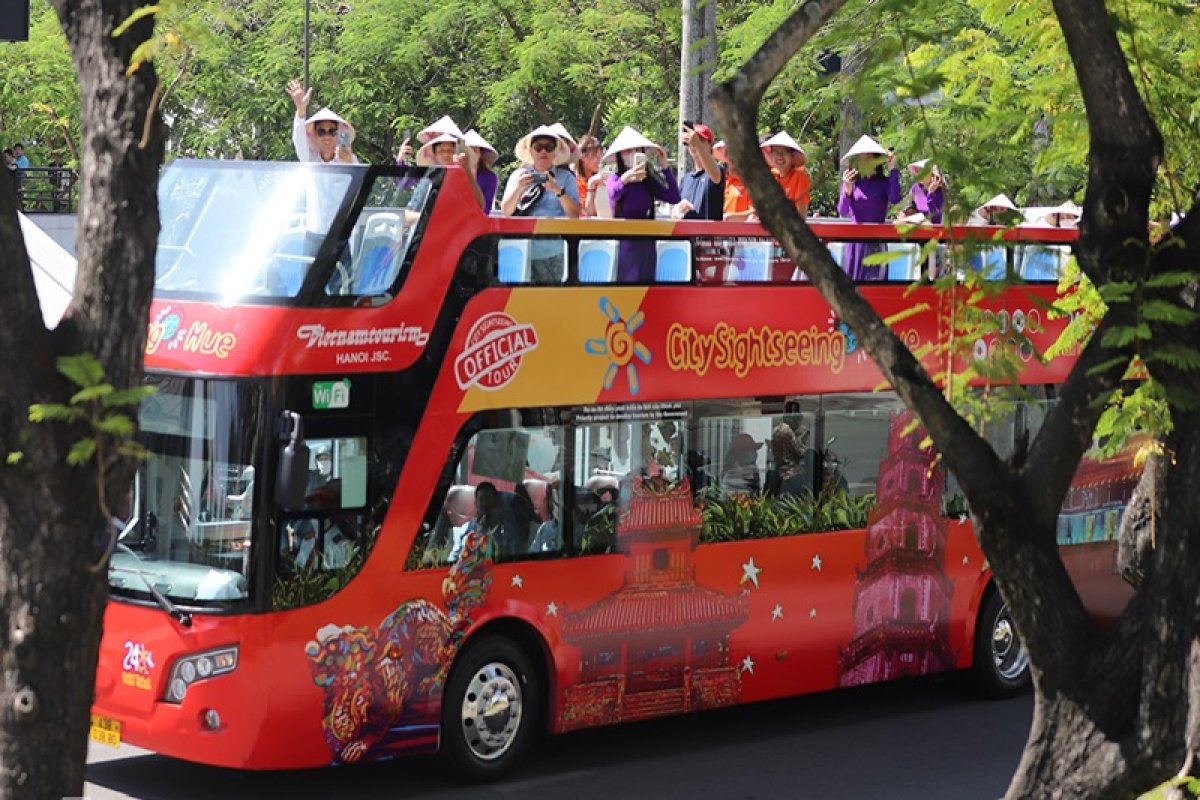
One of the first things dental tourists ask about Hanoi isn’t the clinics, it’s the traffic. Videos of Hanoi’s streets circulate online: rivers of motorbikes flowing through intersections with no apparent rules, cyclos squeezing between SUVs, pedestrians wading into oncoming scooters with serene confidence. It looks chaotic. And it is, slightly. But it’s also entirely navigable, and once you understand the system, getting around Hanoi becomes one of the most enjoyable parts of the trip.
This guide covers every transport option available to tourists and retirees in 2026: from the airport transfer that brings you in, to the Grab ride to your dental clinic, to the cyclo tour of the Old Quarter on a free afternoon. It includes real costs, safety advice, app recommendations, and a practical breakdown of how to get to Hanoi’s major dental clinic districts without stress.
For solo female travellers the transport rules tighten further, see our solo female travellers' guide to Hanoi dental tourism for the night-transport playbook (Grab only after 10pm, never xe om, live trip-sharing).
Getting from Noi Bai Airport to the City
Noi Bai International Airport (HAN) sits about 30–45 km north of central Hanoi, depending on where your hotel is. The journey takes 40–75 minutes by road, depending on traffic and time of day. Arrive at peak hours (7–9am or 5–7pm) and you may add 20–30 minutes to that estimate.
You have four practical options from the airport:
Option 1: Grab (Recommended)
Open the Grab app before you clear customs. Once you’ve collected your luggage, go outside the arrival hall (ignore anyone inside the terminal soliciting rides), connect to airport Wi-Fi, and book a GrabCar. The app shows you the price upfront. For most journeys from Noi Bai to the Old Quarter or West Lake, you’ll pay 250,000–350,000 VND (USD $10–$14). The driver meets you at a designated pickup zone just outside the terminal, look for the Grab sign or follow in-app navigation to the pickup point.
Tip: Have your hotel address saved in both English and Vietnamese before you land. Paste the Vietnamese version into Grab to avoid any confusion with driver navigation. Your hotel can send this to you by email before departure.
Option 2: Airport Taxi (Licensed)
Use only the official taxi desks inside the arrival hall, or look for clearly marked taxis from reputable companies: Noi Bai Taxi, Mai Linh, or Vinasun. These are metered and legitimate. Expect to pay 300,000–450,000 VND (USD $12–$18) to central Hanoi. Ignore anyone who approaches you before you reach the official desk, these are unofficial operators who often charge 3–4x the market rate.
Option 3: Hotel or Clinic Transfer (Pre-Booked)
Many mid-range and upscale hotels offer an airport pickup service for USD $15–$25. Some dental clinics in Hanoi also offer this as part of their patient welcome service, it’s worth asking when you book your appointments. The advantage: your driver knows where your hotel is, speaks enough English, and holds a sign with your name. For first-time visitors to Vietnam, this eliminates all arrival stress.
Option 4: Airport Bus (Budget)
Vietnam Airlines operates Bus 86 from Noi Bai to the city centre (Dinh Le Street near Hoan Kiem Lake) for just 35,000–45,000 VND (USD $1.50–$1.80). It runs approximately every 30 minutes from 5:30am to 11:30pm. Journey time: 45–75 minutes. It’s air-conditioned and reliable, but not ideal if you’re carrying heavy luggage or have had a long-haul flight. Fine for budget travellers and fit younger visitors; less practical for retirees with heavy bags or after overnight flights.
| Option | Cost (VND) | Cost (USD) | Time | Best For |
|---|---|---|---|---|
| Grab Car | 250,000–350,000 | $10–$14 | 40–70 min | Most visitors |
| Licensed Taxi | 300,000–450,000 | $12–$18 | 40–70 min | No smartphone |
| Hotel/Clinic Transfer | 375,000–625,000 | $15–$25 | 40–70 min | First-time visitors, retirees |
| Bus 86 | 35,000–45,000 | $1.50–$1.80 | 45–75 min | Budget travellers, light luggage |
Grab: The Best Way to Get Around Hanoi
For dental tourists and retirees visiting Hanoi in 2026, Grab is your primary transport tool. Think of it as Southeast Asia’s Uber, a rideshare app covering cars, motorbike taxis, food delivery, and more. It operates city-wide in Hanoi and is used by millions of Vietnamese and travellers daily.
Why Grab Is Ideal for Dental Tourists
- Fixed price shown upfront, no negotiating, no meter anxiety, no surprises
- Driver tracks to your exact GPS pin, you don’t need to explain your destination in Vietnamese
- Cashless payment option (card or GrabPay), though drivers accept cash too
- In-app messaging, simple translation tools built in for basic communication
- Driver rating system, consistently professional, vetted drivers
- GrabCar vs GrabBike, choose a car (air-conditioned) for comfort, or a motorbike for speed in traffic
Typical In-City Grab Fares (2026)
Within central Hanoi (Old Quarter, West Lake, Ba Dinh, Dong Da, Hoan Kiem), a GrabCar journey typically costs:
- Short hop (1–3 km): 40,000–70,000 VND (USD $1.60–$2.80)
- Medium trip (3–7 km): 70,000–130,000 VND (USD $2.80–$5.20)
- Cross-city (7–15 km): 130,000–220,000 VND (USD $5.20–$8.80)
GrabBike is around 30–40% cheaper than GrabCar for the same journey, fast and convenient for solo travellers in light traffic, but not recommended immediately post-dental-procedure.
Post-procedure note: After dental surgery or implant placement, use GrabCar (not GrabBike) to your hotel. The enclosed air-conditioned car protects you from dust and traffic exhaust, and the smoother ride is much more comfortable when you’re numb or mildly sore.
Safety Tips for Grab
- Always verify the driver’s name, photo, and number plate match the app before getting in
- Share your trip live with a travel companion or family member using the in-app sharing feature
- Sit in the back seat of GrabCars for maximum comfort and safety
- Pin your hotel or clinic location precisely on the map, don’t rely on address text alone in older districts with ambiguous street numbers
Metered Taxis
Traditional metered taxis are still widely used in Hanoi and are a legitimate option, particularly if you don’t have a working smartphone or prefer hailing from the street. However, Hanoi has a well-documented history of unlicensed “fake taxi” operations running tampered meters. Protect yourself by using only the following reputable companies:
- Mai Linh Taxi, green cars, one of the most trusted in Vietnam. Call: 024 3833 3333
- Vinasun Taxi, white cars with blue logo. Call: 024 3939 3939
- Noi Bai Taxi, primarily airport routes, reliable and official
- G7 Taxi, another reputable brand operating in Hanoi
Opening meter rate is typically 10,000–15,000 VND; per km charge is around 12,000–18,000 VND. A 5 km journey should cost roughly 80,000–120,000 VND.
Safety Tips for Taxis
- Check the taxi company logo on the door AND the roof sign, fakes sometimes copy logos imperfectly
- Note the driver’s ID card mounted on the dashboard
- Watch that the meter starts at the correct opening rate (if it jumps immediately to a high number, get out)
- Ask for a receipt, legitimate drivers always provide one
- Never accept a ride from someone who approaches you in the street or at a tourist site claiming to be a taxi
Xe Om: Motorbike Taxis
Xe om (literally “hug vehicle”, you hold onto the driver) are the original Hanoi transport option: men on motorbikes who wait at street corners offering rides. They are still around in 2026, though largely displaced by GrabBike for most journeys.
Traditional xe om require price negotiation before you get on, which can be awkward for first-time visitors. There’s no app, no meter, no fixed rate. The typical price for a short in-city journey is 30,000–60,000 VND, but you’ll need to agree this verbally before departing.
Safety Tips for Xe Om
- Always agree the price before getting on, never accept “no problem, we agree at the end”
- A helmet should be provided; insist on one if it’s not offered
- Not recommended immediately after dental procedures, exhaust fumes, dust, and road vibration are uncomfortable post-surgery
- For most tourists, GrabBike is a safer and more transparent alternative
Cyclo: The Classic Tourist Ride
The cyclo (xich lo) is a three-wheeled bicycle taxi where the passenger sits in a low seat at the front and the driver pedals from behind. It’s one of Hanoi’s most iconic images, and while they’re no longer practical for getting across the city, cyclos are a wonderful way to tour the 36 Streets of the Old Quarter at a leisurely pace.
Cyclo tours operate in the evenings and on weekends. A standard Old Quarter loop (approximately 45 minutes) costs 100,000–200,000 VND, always negotiate the price and route beforehand. Many operators cluster near Hoan Kiem Lake’s northern end.
Safety Tips for Cyclos
- Agree price, route, and duration clearly before you set off, have it on paper or phone if possible
- Cyclos are slow and low to the ground, excellent visibility but you’re close to traffic
- Ideal for recovery days post-procedure: no exertion, pleasant pace, great for photography
- Most cyclo drivers speak minimal English, a translation app on your phone helps
- Book via your hotel concierge for a pre-arranged, trusted operator
City Bus Network
Hanoi has an extensive city bus network with over 100 routes covering most of the urban area. Buses are air-conditioned on most modern routes, cheap, and reasonably reliable during off-peak hours. The flat fare is 7,000–9,000 VND (less than $0.40) for most routes.
The Hanoi bus system is genuinely useful for dental tourists staying for longer periods who want to explore beyond the Old Quarter on a budget. However, for short daily trips to clinics, Grab remains simpler.
Useful routes for tourists:
- Route 9: Old Quarter ↔ West Lake (Tay Ho), useful for clinic visits in the Tay Ho district
- Route 32: Old Quarter ↔ Ba Dinh (near Ho Chi Minh Mausoleum)
- Route 36: Old Quarter ↔ Dong Da
- Route 86: City centre ↔ Noi Bai Airport (budget airport option)
Download the Hanoi Bus app (available on iOS and Android, search “Buyt Ha Noi”) for real-time route maps, schedules, and stop information. Google Maps also shows Hanoi bus routes accurately in 2026.
Safety Tips for City Buses
- Hold your bag in front of you at busy stops and during boarding, pickpockets operate on crowded buses
- Sit near the driver if possible; avoid standing in the rear on uneven roads post-procedure
- Know your stop in advance, announcements are in Vietnamese only on most routes
- Buses can be crowded at peak hours (7–9am, 5–7pm), travel off-peak after procedures
Metro Line 2A: Hanoi’s Urban Rail
Hanoi opened its first urban rail line, Metro Line 2A (Cat Linh–Ha Dong), and it has been operating reliably since 2021. In 2026, it remains the only fully operational metro line in the city, though extensions and new lines are under active construction.
Route: Cat Linh (near Ba Dinh/Dong Da) to Yen Nghia (Ha Dong district), 13 stations, 13 km total.
Frequency: Every 6–10 minutes during peak hours; every 10–15 minutes off-peak.
Hours: 5:30am – 10:00pm daily.
Fare: 7,000–15,000 VND (USD $0.28–$0.60) depending on distance.
Air-conditioned: Yes, fully.
Wi-Fi: Available at stations.
Honest assessment for dental tourists: Metro Line 2A is clean, punctual, and comfortable, but its route doesn’t cover the areas most dental tourists need (Old Quarter, West Lake, Hoan Kiem). It’s most useful if your hotel is in the Ba Dinh or Dong Da area, or if you’re heading towards Ha Dong. For most Hanoi dental trips, you’ll rarely need it, but it’s worth knowing it exists.
Future expansion: Hanoi Metro Line 3 (connecting Nhon to Hanoi station, passing through the city centre) is under construction and expected to open incrementally between 2026–2028. Once complete, it will dramatically improve metro access to the Old Quarter and key hotel areas. By 2028, metro travel will be far more useful for dental tourists.
Walking in Hanoi
The Old Quarter is one of the most walkable urban areas in Southeast Asia, compact, flat, and endlessly interesting. Within a 2 km radius of Hoan Kiem Lake, you have hundreds of restaurants, cafes, temples, street markets, museums, and more. For dental tourists on recovery days, walking is ideal: low-impact, free, and genuinely enjoyable.
Walkable districts for dental tourists:
- Hoan Kiem District (Old Quarter): The heart of tourist Hanoi. Everything within a 20-minute walk from Hoan Kiem Lake.
- Ba Dinh District: Ho Chi Minh Mausoleum, Temple of Literature, Vietnam Museum of Ethnology, 2–3 km from Old Quarter (walkable or short Grab).
- Tay Ho (West Lake): Beautiful promenade around West Lake, good for morning walks. 4–5 km from Old Quarter, Grab or bicycle recommended.
How to Cross the Street in Hanoi
This genuinely confuses first-time visitors. Traffic doesn’t stop for pedestrians at unmarked crossings. The technique: walk slowly and steadily into the flow, maintain your pace, and don’t stop suddenly. Motorbikes will flow around you. The worst thing you can do is freeze or dart unexpectedly. After 15 minutes of practice, it becomes natural. Look for pedestrian lights at major intersections, these are obeyed more reliably.
Walking Safety Tips
- Use Google Maps offline (download the Hanoi map before you leave home, it works without data)
- Wear comfortable, flat shoes, footpaths can be uneven or occupied by parked motorbikes
- Keep a front bag or money belt for valuables, bag-snatching from motorbikes does occur in tourist areas
- Carry a small amount of cash for street food stalls and small shops that don’t accept card
- Use the pedestrian weekend zone around Hoan Kiem Lake (Friday evening through Sunday night), cars are banned and it’s wonderfully easy to walk
Renting a Bicycle or Motorbike
Bicycles
Many hotels in the Old Quarter and West Lake offer bicycle rentals for 50,000–100,000 VND per day. Cycling is a lovely way to explore the flat streets around Hoan Kiem Lake or to ride the 17 km circuit around West Lake. It’s genuinely manageable in light traffic and is a popular activity for dental tourists on lab days when no appointment is needed.
Safety: Always wear your helmet (it’s legally required and widely available). Stick to quieter streets and lakeside promenades for a first ride. Avoid cycling immediately after procedures, the vibration and road irregularities aren’t ideal post-surgery, and you want to keep your head stable and elevated.
Motorbike Rental
Motorbikes can be rented for 100,000–200,000 VND per day from rental shops in the Old Quarter. However, for tourists over 45 who aren’t experienced riders in heavy Asian traffic, this is genuinely not recommended. Hanoi traffic is dense, the road rules are informal, and accident rates are significant. If you want to explore on two wheels, use GrabBike instead, you get the speed without the risk.
Important: Renting a motorbike while on a dental trip is not advisable. Any accident, even a minor fall, could dislodge temporaries, disrupt implant healing, or damage your treatment. If you choose to rent, wait until your procedure is fully complete and any healing period has passed. Your travel insurance should also explicitly cover motorbike riding.
Day Tour Buses
For excursions beyond Hanoi, the most convenient option for tourists is a pre-booked day tour or overnight tour that includes minibus or coach transport from your hotel.
Major day trips from Hanoi with bus transport:
- Ha Long Bay: 4 hours each way by coach. Most cruises include hotel pickup and drop-off. Day trips start from USD $50–$80 per person; 2-day/1-night cruises from USD $100–$180.
- Ninh Binh / Trang An: 2 hours south of Hanoi. Day trips from USD $25–$45 including transport, boat ride, and lunch.
- Sapa / Lao Cai: 8–9 hours by overnight train or 5–6 hours by bus. The overnight train (Livitrans or Victoria Express) is excellent, book well in advance in peak season.
- Perfume Pagoda: 2 hours south of Hanoi. Day trips from USD $20–$35.
Book day tours through your hotel, or use reputable booking platforms: Klook, GetYourGuide, or Viator all offer vetted operators with English guides and hotel pickup. Avoid booking with street touts.
Timing with dental appointments: Day trips are ideal during lab days, the 3–7 day window when the clinic is fabricating your veneers, crowns, or bridge. Plan these excursions for the gap between your preparation appointment and your final fitting. See our Hanoi dental holiday itinerary guide for detailed timing strategies.
Planning a Dental Trip to Hanoi?
Compare listed dental clinics, see transparent pricing, and plan your trip with confidence. SmileJet connects you with Hanoi’s best international dental clinics.
Explore Hanoi Dental Clinics →Getting to Dental Clinics: Practical Guide
Hanoi’s top dental clinics are spread across several districts. Understanding which district your clinic is in, and how to get there from the most popular hotel areas, will save you time and stress on appointment days.
Key Dental Clinic Districts
| District | Key Clinics | From Old Quarter (Grab) | From West Lake (Grab) |
|---|---|---|---|
| Hoan Kiem (Old Quarter) | Picasso Dental – Old Quarter | Walking distance or 5–10 min / 30,000–50,000 VND | 15–20 min / 80,000–120,000 VND |
| Tay Ho (West Lake) | Westcoast International, Picasso – Westlake Square | 20–30 min / 100,000–160,000 VND | 5–10 min / 40,000–70,000 VND |
| Dong Da | Greenfield Dental, Home Dental Hanoi | 15–25 min / 70,000–120,000 VND | 20–30 min / 90,000–140,000 VND |
| Ba Dinh / Cau Giay | Australian Dental Hanoi, Global Dental Hanoi | 20–35 min / 100,000–160,000 VND | 15–25 min / 80,000–130,000 VND |
Tips for Getting to Clinics
- Book your Grab the night before for morning appointments, you can schedule a ride in advance in the Grab app, removing all morning appointment stress.
- Allow extra time on appointment mornings, Hanoi traffic between 7:30 and 9:00am is consistently congested. Add 15–20 minutes buffer.
- Save the clinic address in Vietnamese in your phone contacts. Even if you speak no Vietnamese, showing the driver your phone screen ensures they navigate correctly.
- Ask your clinic to share a Google Maps pin when you confirm your appointment, most international clinics in Hanoi do this automatically for foreign patients.
- Return journey post-procedure: Use GrabCar (not GrabBike, not cyclo) after any procedure involving anaesthetic or sedation. Sit comfortably in the back seat.
Clinic Proximity: Where to Stay
If your clinic is in Tay Ho (West Lake), consider staying in the Tay Ho district rather than the Old Quarter. West Lake has excellent serviced apartments, quieter streets, good restaurants, and it puts you within 10 minutes of your clinic. If your clinic is in the Old Quarter (Hoan Kiem), any hotel within Hoan Kiem District is ideal. For full accommodation guidance, see our dedicated post: Where to Stay in Hanoi for Dental Treatment.
Transport Costs at a Glance (2026)
| Transport Mode | Typical Cost (VND) | USD Equiv. | Best Use | Post-Procedure? |
|---|---|---|---|---|
| Airport → City (Grab) | 250,000–350,000 | $10–$14 | Arrival / departure | Yes |
| GrabCar (in-city, short) | 40,000–80,000 | $1.60–$3.20 | Hotel ↔ clinic, daily trips | Yes |
| GrabCar (in-city, medium) | 80,000–160,000 | $3.20–$6.40 | Cross-district trips | Yes |
| GrabBike (in-city) | 25,000–80,000 | $1–$3.20 | Quick solo trips, no luggage | Avoid |
| Metered Taxi (in-city) | 60,000–150,000 | $2.40–$6 | No smartphone | Yes |
| Xe Om (motorbike taxi) | 30,000–60,000 | $1.20–$2.40 | Quick trips, negotiate fare | No |
| Cyclo tour (Old Quarter) | 100,000–200,000 | $4–$8 | Tourism / sightseeing | Yes (gentle) |
| City Bus (single ride) | 7,000–9,000 | $0.28–$0.36 | Budget, off-peak travel | Off-peak only |
| Metro Line 2A | 7,000–15,000 | $0.28–$0.60 | Cat Linh–Ha Dong corridor | Yes |
| Bicycle rental (per day) | 50,000–100,000 | $2–$4 | Leisure / lake circuits | Lab days only |
| Motorbike rental (per day) | 100,000–200,000 | $4–$8 | Experienced riders only | Not recommended |
| Day tour bus (Ha Long etc.) | 620,000–4,500,000 | $25–$180 | Lab day excursions | Check dentist |
All VND figures approximate. Exchange rate used: 1 USD = 25,000 VND (2026 approximate). Always verify current rates.
Apps to Download Before You Arrive
Set these up before you board the plane. Some require a foreign phone number to register, so it’s much easier to do this at home than at the airport.
Grab
Platform: iOS and Android. Purpose: Rideshare, motorbike taxi, food delivery. Why essential: You will use this multiple times per day. Register your card before you travel. Download before your flight so you’re ready the moment you clear customs at Noi Bai. Enable location services. Tip: The app works seamlessly with foreign Visa and Mastercard.
Google Maps (with Offline Download)
Platform: iOS and Android. Purpose: Navigation, walking directions, bus routes, clinic locations. How to download offline: Open Google Maps → search “Hanoi, Vietnam” → tap the area name → Download. Saves the full Hanoi map locally so it works without mobile data. Why essential: Works even on airport Wi-Fi and in areas with weak signal. Invaluable for walking around the Old Quarter without getting lost.
Buyt Ha Noi (Hanoi Bus App)
Platform: Android (also partially on iOS). Purpose: Hanoi city bus routes, stops, schedules, and real-time tracking. Why useful: If you plan to use the bus network for exploration, this app shows all routes overlaid on a map. Good supplement to Google Maps for bus travel. Primarily in Vietnamese, but the map-based interface is navigable with minimal language.
Google Translate (with Vietnamese Language Download)
Platform: iOS and Android. Purpose: Instant translation, camera translation (for menus and signs), conversation mode. How to prepare: Download the Vietnamese language pack for offline use. Why essential: For communicating with cyclo drivers, local restaurants, and shops. Camera mode on your phone translates Vietnamese menus in real time, extraordinarily useful for ordering post-procedure soft foods correctly.
Platform: iOS and Android. Purpose: Communication with your dental clinic, hotel, and tour operators. Why essential: Vietnamese dental clinics use WhatsApp as their primary international patient communication channel. You should have your clinic’s WhatsApp number saved before you arrive. Zalo is the dominant Vietnamese messaging app locally, but WhatsApp is preferred for international patients.
Find Your Hanoi Dental Clinic
Browse SmileJet’s listed Hanoi clinic profiles, with addresses, districts, transport notes, pricing, and direct contact details.
View Hanoi Dental Clinics →Frequently Asked Questions
How much does a Grab ride from the Old Quarter to a West Lake dental clinic cost?
Expect to pay 100,000–160,000 VND (USD $4–$6.40) for a GrabCar from the Old Quarter to the West Lake (Tay Ho) district, where clinics like Westcoast International and Picasso Dental Westlake Square are located. The journey takes 20–30 minutes in normal traffic. During morning peak hours (7:30–9:00am), add 10–20 minutes and the price may rise slightly due to surge pricing. For return journeys post-procedure, a GrabCar is always the right choice, do not use GrabBike or xe om after dental work.
Is it safe to use Grab in Hanoi as a foreign tourist?
Yes, Grab is extremely safe and is the recommended transport option for tourists and retirees throughout Hanoi. All drivers are registered, rated by passengers, and tracked via GPS. Prices are fixed upfront with no negotiation or meter risk. For international visitors unfamiliar with Vietnamese, Grab eliminates the communication barriers that come with traditional taxis. Always verify the driver’s name, photo, and plate before entering the vehicle. Millions of tourists use Grab safely in Hanoi every year, it is as reliable as Uber in Western cities.
Can I get around Hanoi without speaking any Vietnamese?
Absolutely. With Grab (GPS-based, no conversation required), Google Maps offline, and Google Translate’s camera mode, you can navigate Hanoi confidently without a word of Vietnamese. All major dental clinics have English-speaking front desk staff. Most tourist restaurants in the Old Quarter have English menus or picture menus. Hotel staff in mid-range and above properties almost universally speak functional English. The only area where language can be a minor friction is ordering at very local street food stalls, where pointing, smiling, and Google Translate get you very far.
How do I get from Noi Bai Airport to my hotel without getting scammed?
The safest and simplest option: open the Grab app before you clear customs, connect to airport Wi-Fi in the arrival hall, and book a GrabCar. The fixed price shown in the app is what you pay, no negotiation, no inflated tourist rates. If you don’t have Grab, go directly to the official taxi desk inside the arrivals hall (clearly marked) and use only Mai Linh, Vinasun, or Noi Bai Taxi, all metered and legitimate. The key rule: never accept a ride offer from anyone who approaches you inside the terminal or outside the official zones, these are the unlicensed operators who commonly overcharge tourists.
Is Hanoi’s metro useful for dental tourists?
In 2026, Metro Line 2A is clean, affordable, and punctual but its route (Cat Linh to Ha Dong) doesn’t pass through the Old Quarter, West Lake, or the districts where most dental clinics and tourist hotels are located. For the majority of dental tourists, the metro will rarely be the right choice for getting to appointments. It can be useful for exploring the Ba Dinh area or reaching Ha Dong, but Grab remains the practical daily transport solution. Metro Line 3 (currently under construction) will eventually connect the western suburbs to the city centre and will become far more relevant for dental tourists when it opens, likely in stages from 2026 to 2028.
Related Guides
- Where to Stay in Hanoi for Dental Treatment (2026)
- Combining a Hanoi Holiday with Dental Treatment: Itinerary Ideas (2026)
- How Many Days in Hanoi for Dental Treatment? (2026)
- Planning Your Dental Trip to Hanoi: Step-by-Step Guide (2026)
- What to Eat After Dental Surgery in Hanoi (2026)
Ready to Plan Your Hanoi Dental Trip?
From transport planning to clinic selection and cost comparisons, SmileJet has everything you need to plan your Hanoi dental trip with confidence. All clinics are listed with published pricing.
Start Planning Your Trip →Disclaimer: Transport costs, fares, and journey times in this article are approximate figures based on 2026 market data and are subject to change due to fuel prices, platform pricing updates, and traffic conditions. All Grab fares shown are estimates only, the exact price shown in your app at time of booking is the definitive figure. SmileJet provides practical travel information only and does not accept responsibility for transport arrangements or costs. Always use licensed, reputable transport providers and exercise standard travel safety precautions. Travel insurance covering medical evacuation is strongly recommended for all dental tourists.
Prices are indicative; only a clinic's written quote applies to you. See how we source prices. SmileJet is an information service, not a healthcare provider, and nothing here is medical advice.
Want this priced for your own mouth? Send a photo and we will come back with written quotes from clinics that fit.
Get my quoteKeep reading
Related guides.
Dental Tourism Phu Quoc Packing List 2026
Everything you need to pack for a dental trip to Phu Quoc - from X-rays and medical records to recovery supplies, island...
Dental Emergency in Bali: What to Do, Who to Call & How to Get Treated (2026)
Dental emergency in Bali? CS Dental Bali in Kuta sees international patients urgently. This guide covers broken teeth, l...
Porcelain Veneers in Nha Trang: The International Patient's Guide 2026
Complete 2026 guide to porcelain and zirconia veneers in Nha Trang: per-tooth costs, E.max vs zirconia comparison, 7 ver...
Send a photo. Get three quotes.
It costs nothing and it does not commit you to anything. Most people hear back the same day.