Is dental work in Indonesia safe?
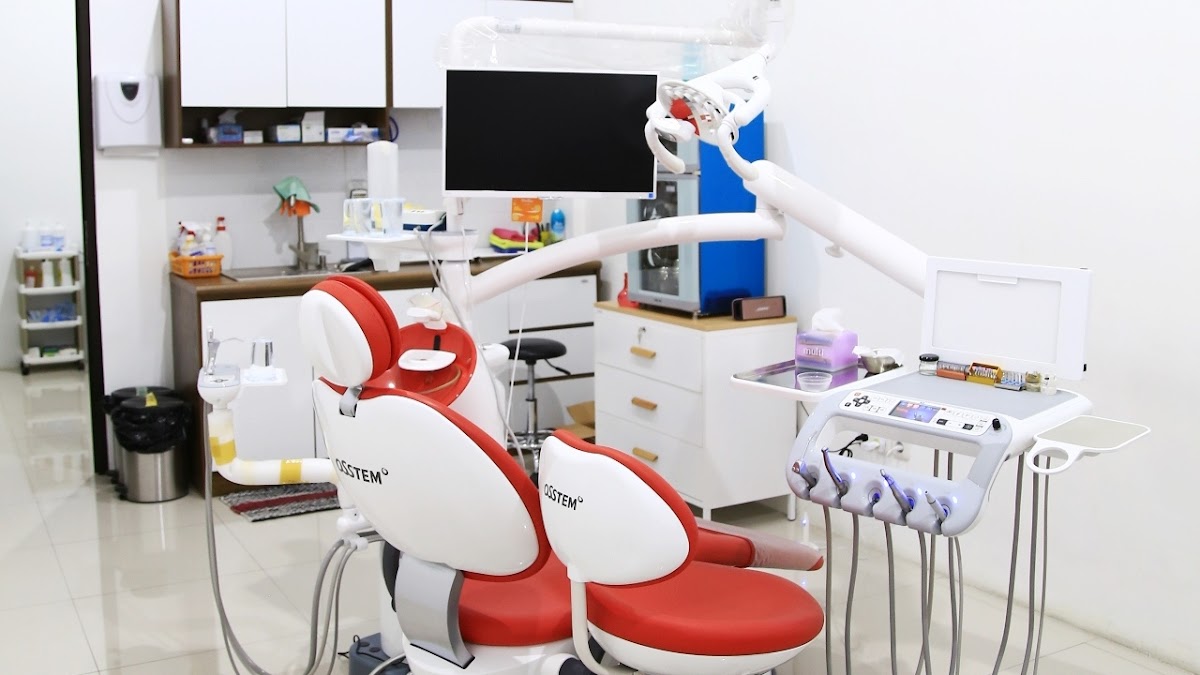
Yes. Indonesian dentistry is regulated by the Indonesian Dental Council and dentists must be registered with the Indonesian Dental Association (PDGI). SmileJet partner clinics hold a 4.8 average rating across 14,600+ reviews. Leading Bali and Jakarta clinics use internationally-recognised implant brands (Straumann, Nobel Biocare, Osstem, Dentium) and modern sterilisation protocols equivalent to Western practices.
How much can I save on dental work in Indonesia?
Typical savings versus Australian, UK, or US prices are 60-75%. Single dental implants cost USD $600-$1,200 in Indonesia vs AUD $5,500 in Australia. Porcelain veneers range USD $250-$500 per tooth vs AUD $1,980. Zirconia crowns USD $200-$400. All-on-4 full-arch implants run USD $5,500-$9,000 per arch vs AUD $28,000 at home.
Is Bali or Jakarta better for dental work?
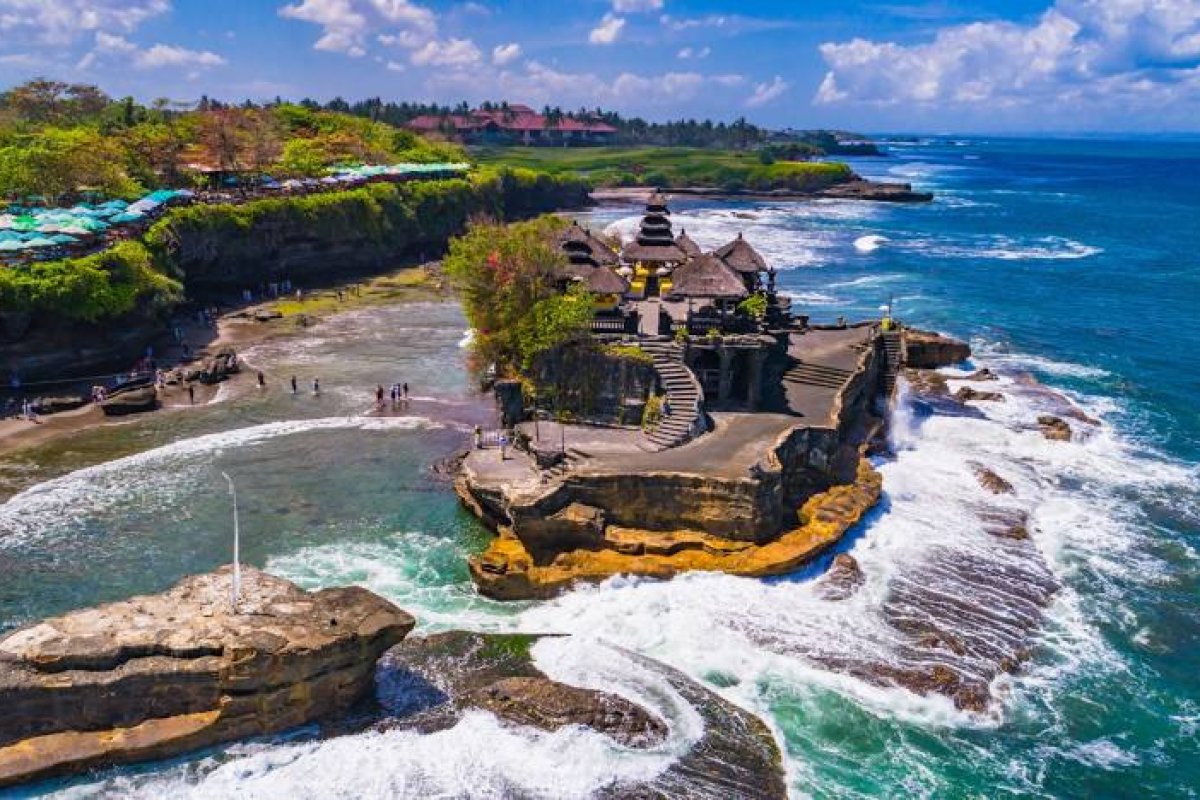
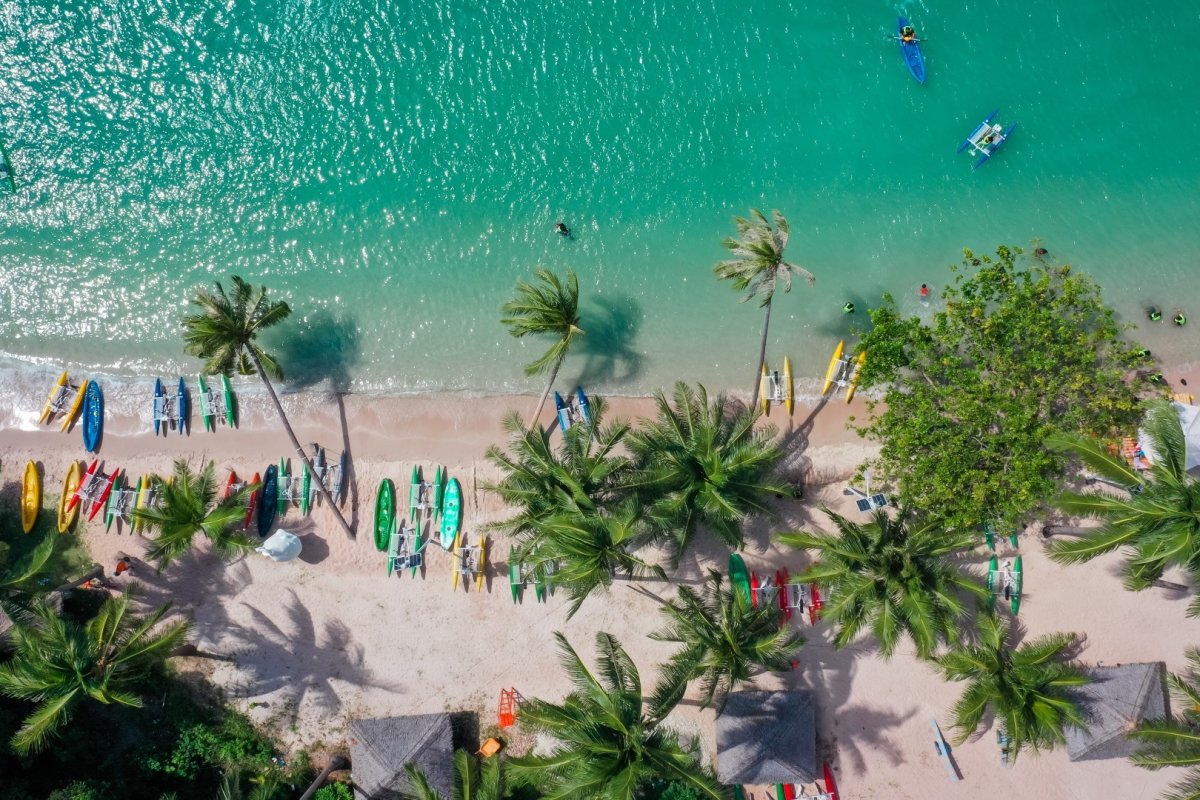
Bali (84 clinics) is preferred by leisure-focused patients combining dental work with beaches, yoga, and wellness — ideal for shorter cosmetic treatments. Jakarta (83 clinics) offers the most specialist coverage, advanced hospital-attached dental facilities, and easier international flight connections — better for complex cases or patients with tight schedules. Both cities have comparable clinical quality.
Do I need a visa to visit Indonesia for dental treatment?
Most nationalities can get a Visa on Arrival (VOA, IDR 500,000/~USD $35) at Bali or Jakarta airport valid for 30 days (extendable once to 60 days total). Alternatively, apply for an e-VOA online before travel. Your passport must be valid for at least 6 months beyond entry. Some nationalities (e.g., Singapore, Thailand) enter visa-free for 30 days.
How long do I need to stay in Indonesia for dental work?
Veneers and crowns typically need 5-7 days across 2-3 appointments. Dental implants require 7-10 days for placement, with a return visit 4-6 months later for the final crown. Teeth whitening and cleaning are same-day. All-on-4 full-arch implants take 10-14 days. Many patients extend their stay in Bali for post-treatment recovery and beach time.
Do Indonesian dentists speak English?
All SmileJet partner clinics in Indonesia have English-speaking dentists and patient coordinators. English fluency is standard in Bali's international-facing clinics given the decades of experience serving Australian and Western patients. Jakarta clinics also routinely serve multinational professionals and expatriates. Treatment plans and aftercare instructions are always provided in English.
Which Bali neighbourhood has the best dental clinics?
Seminyak and Denpasar host the majority of premium international-facing clinics. Sanur is popular with a more mature patient demographic and has quiet boutique clinics. Ubud and Canggu cater to the wellness-tourism crowd. For implant work and complex procedures, Denpasar's private hospital dental departments offer the most advanced infrastructure.
What implant brands are used by Indonesian clinics?
Top Indonesian clinics use Straumann (Switzerland), Nobel Biocare (Sweden), Osstem (South Korea), Dentium (Korea), and MIS (Israel) for implants. IPS E.max (Ivoclar Vivadent) and Zirconia BruxZir are standard for crowns and veneers. Every clinic provides material certificates with treatment. Some clinics also offer Indonesian-made premium brands for cost-sensitive patients.
What's the best time of year to visit Bali for dental work?
May to September (dry season) offers the best weather — sunny days, low humidity. October to April is the rainy season with occasional heavy downpours but green landscapes and lower hotel prices. Peak tourist season is July-August and Christmas/New Year. Dental clinics operate year-round; choose based on weather preference and whether you plan beach activities.