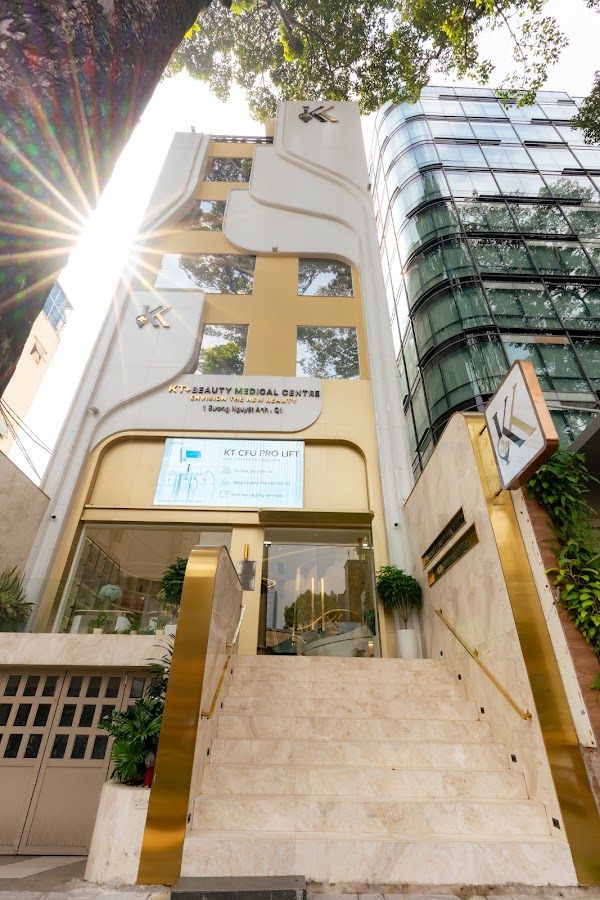
KT Dental Centre™ provides Australian-standard dental implants, All-on-4 and full mouth restoration in Vietnam. Advanced digital dentistry, transparent pricing and internationally aligned treatment pr...
- 103 Patient reviews aggregated
- 35 Photographs of the practice
Free to use. We are not this clinic and we take nothing from it. You pay the clinic directly, at its own prices.


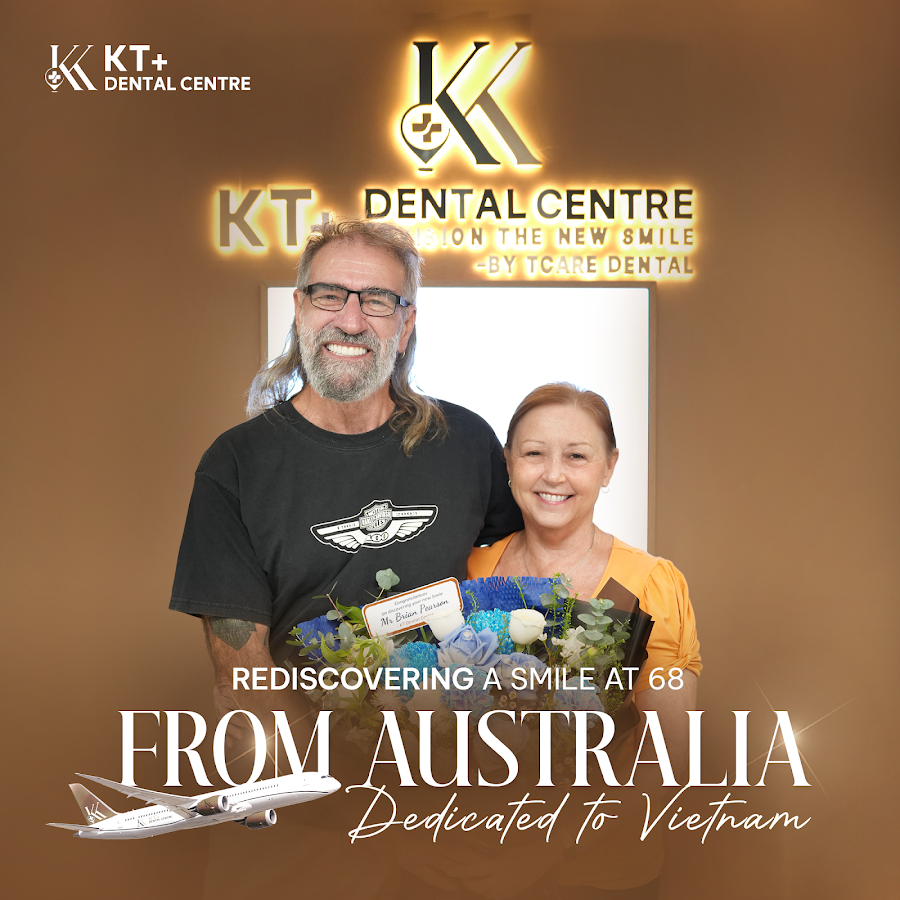
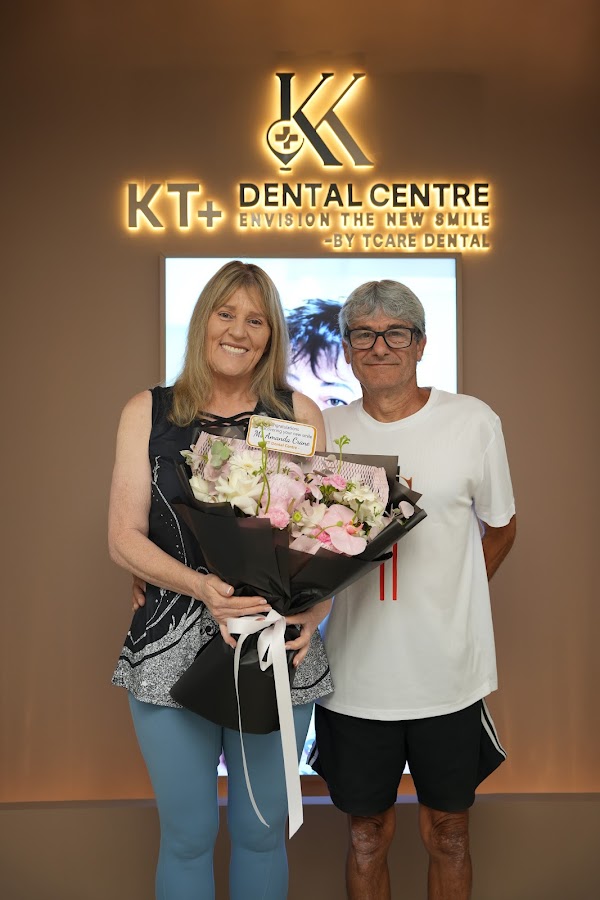
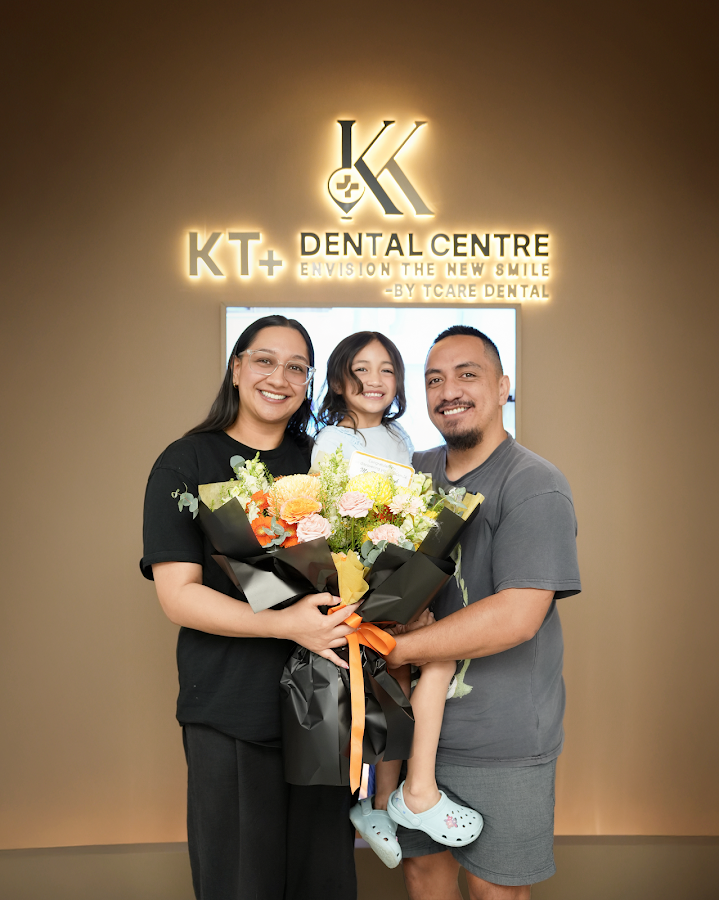
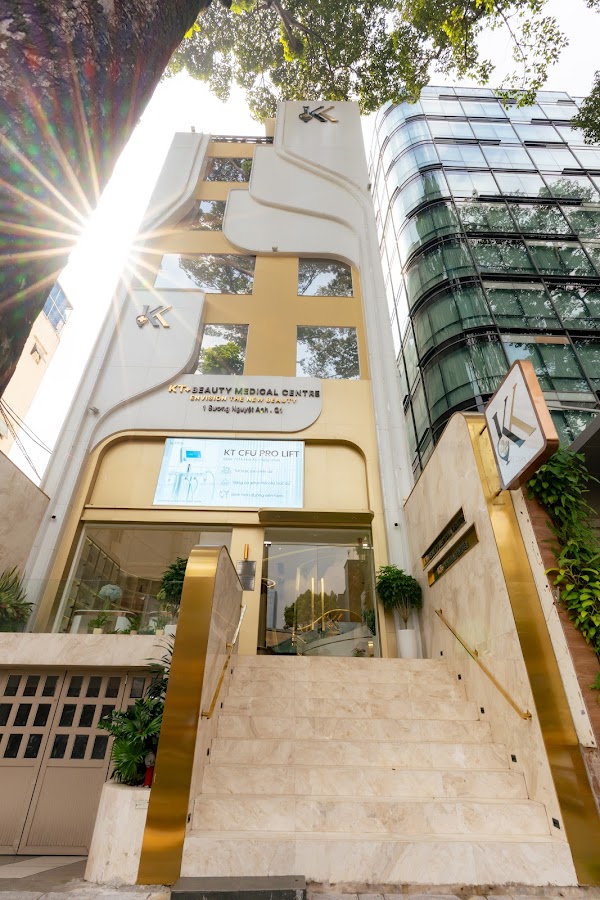
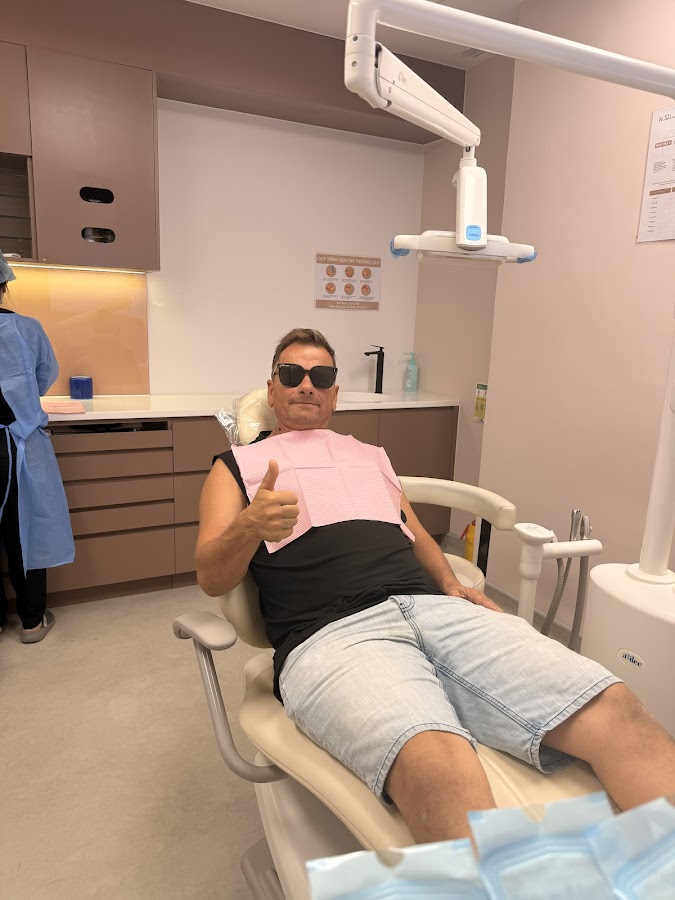
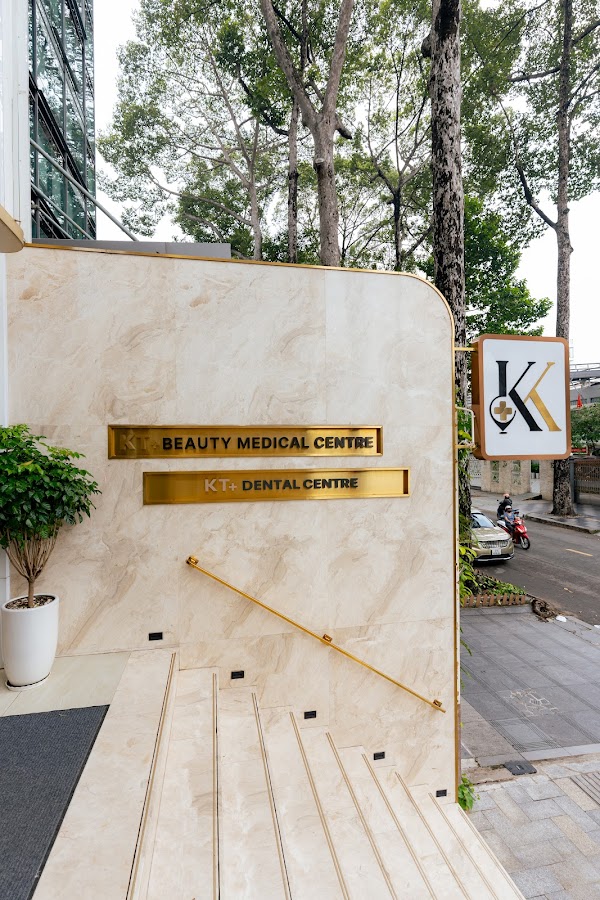
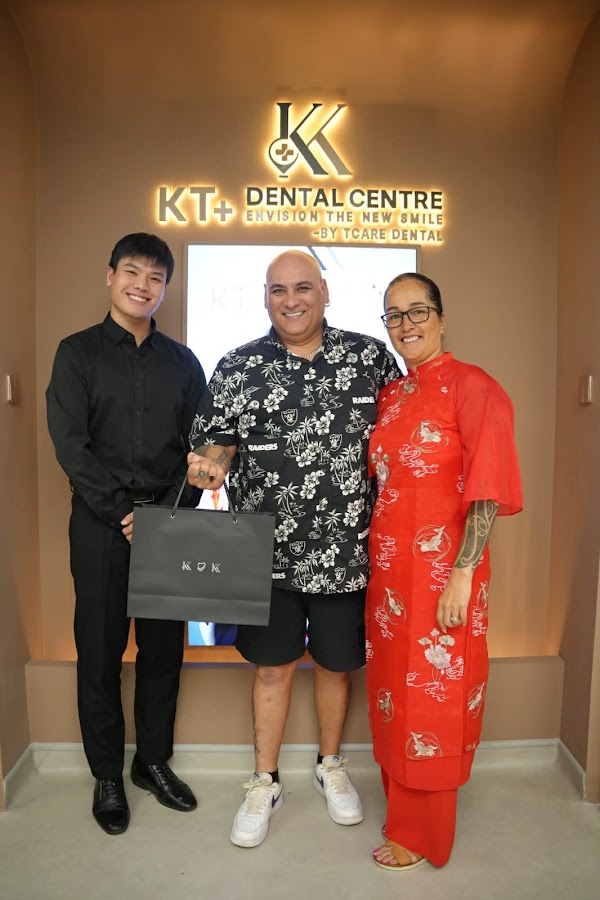
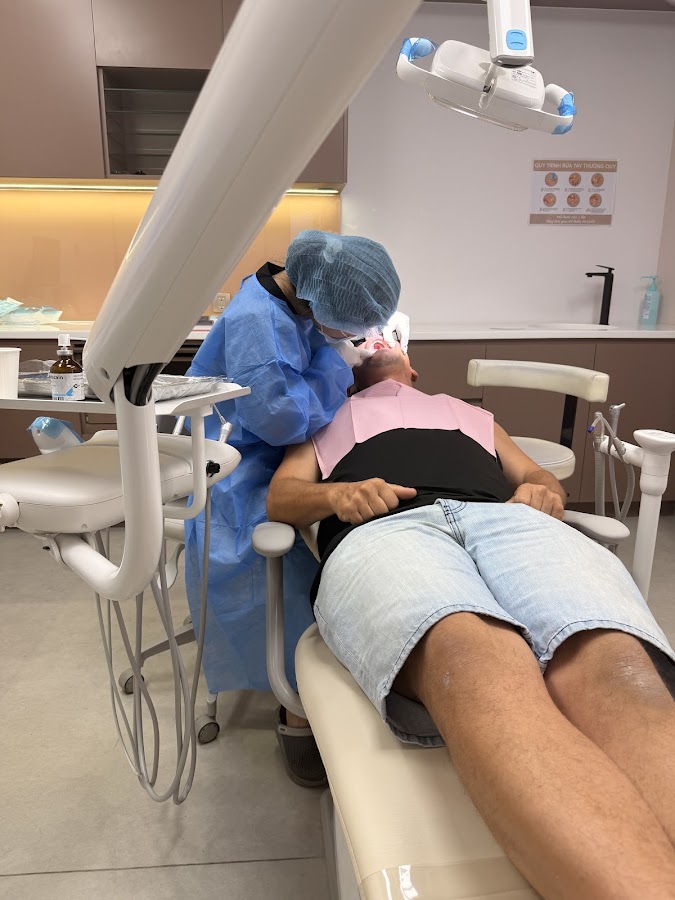
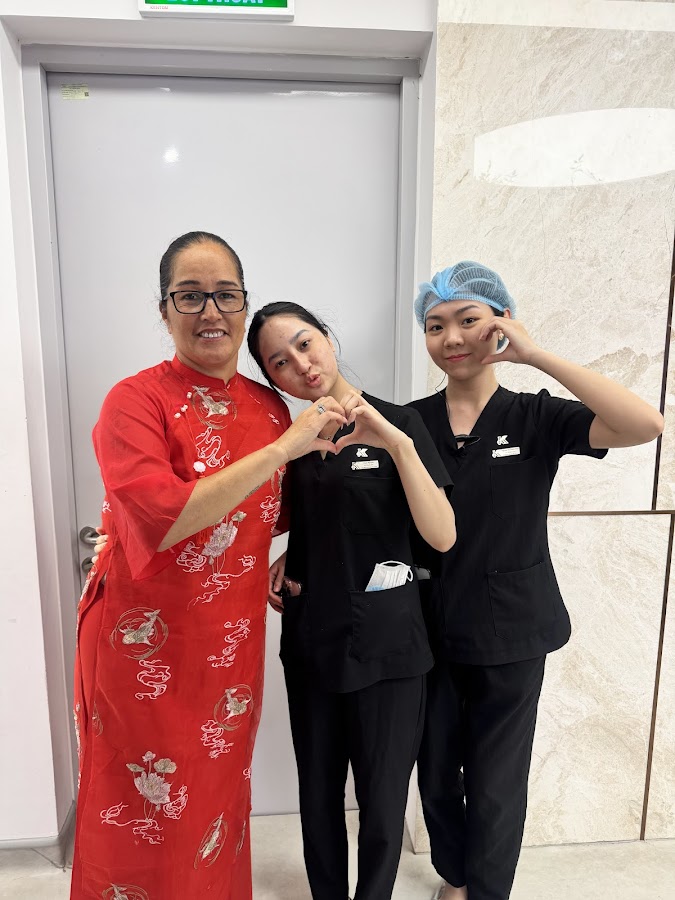
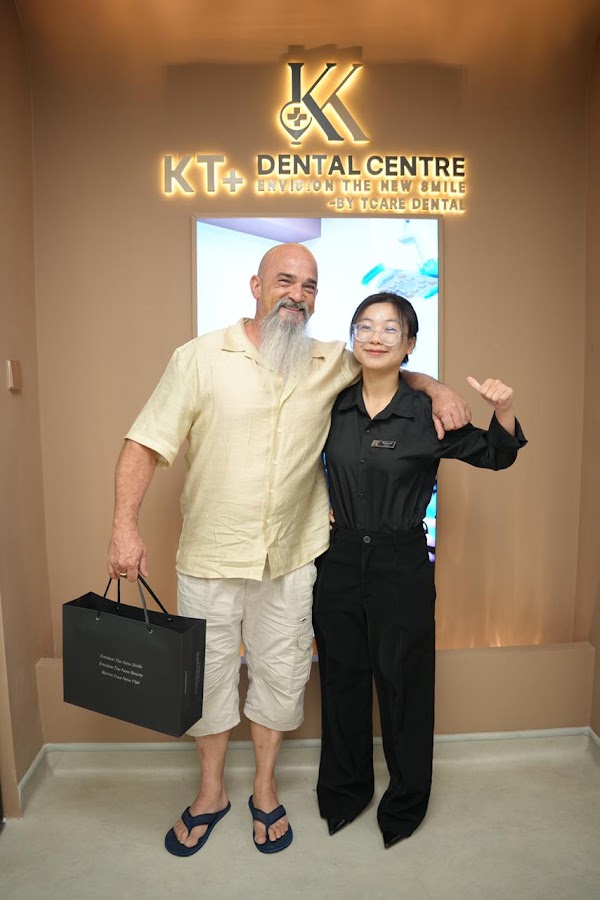
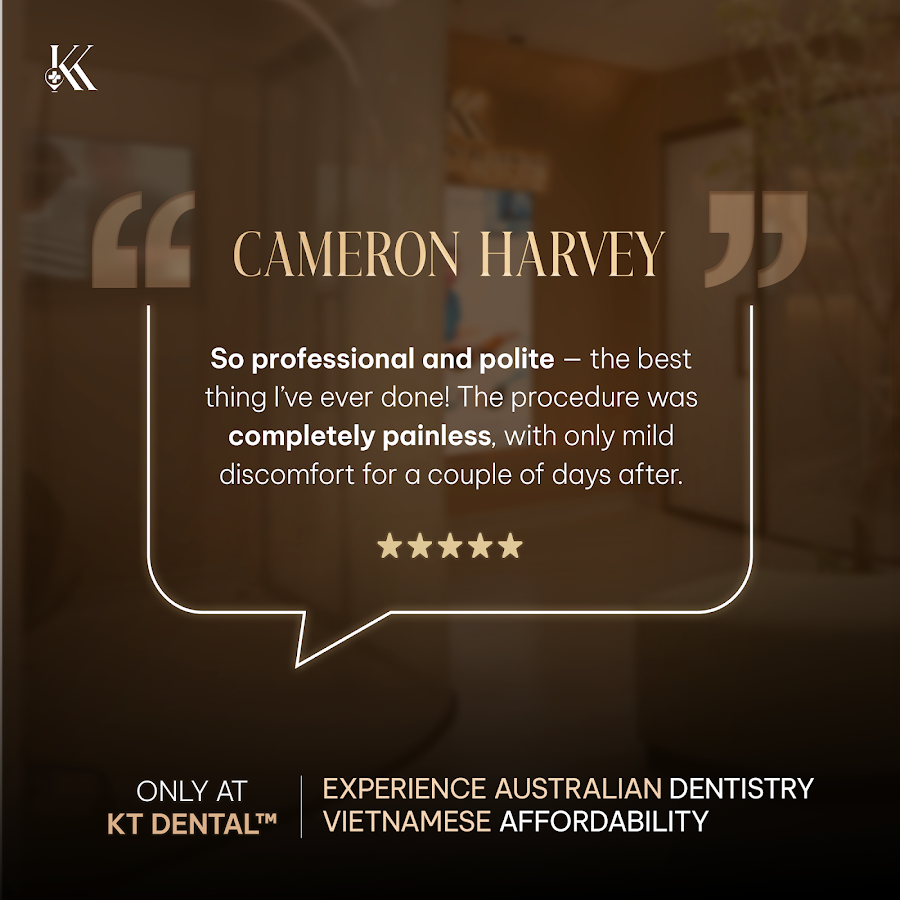
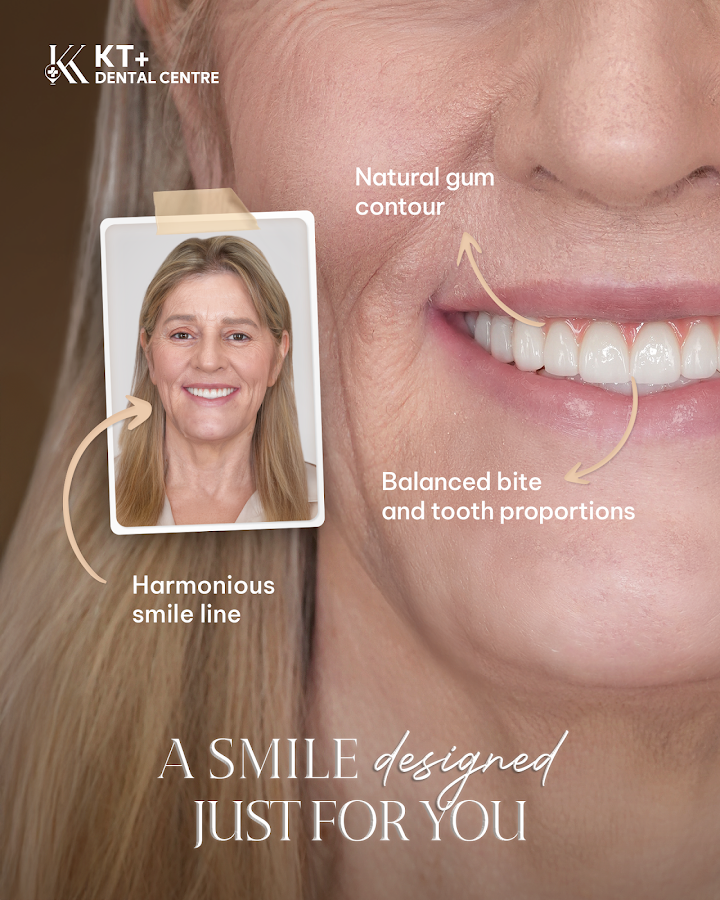

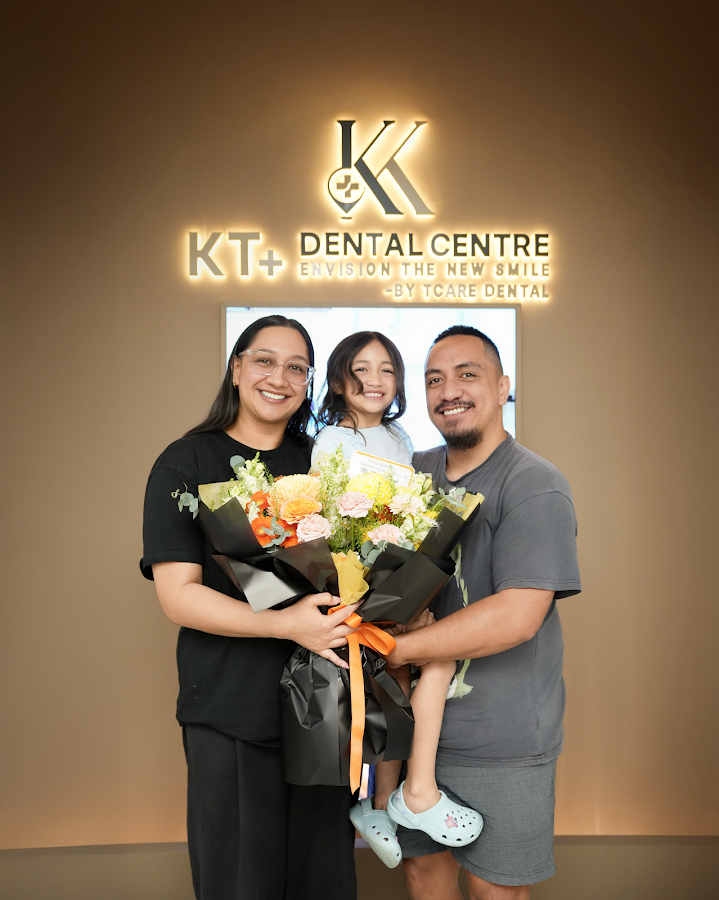
Patients
What patients wrote about this clinic.
103 aggregated from Google. Screened for duplication and printed as written. They are not visit-verified.
out of 5, from 103 reviews
After years of thinking about getting my teeth done, I finally bit the bullet after coming across KT Dental and checking out their website and reviews. Honestly, I’m so glad I did. …
Reply from the clinic
Hi Simon, Thanks so much for the lovely review. We so happy you felt comfortable and well … More
I think it's important to please the guests upon arrival and ensure their satisfaction upon departure. We were scheduled for 1pm to 2pm for a car to pick us up, and they only arrived, checked us out, then took us down to the ground floor. …
Reply from the clinic
Response from the owner Edited a month agoDear Gary Quinlan and Chi Nguyen, KT Dental Centre sincerely apologizes for the less-than-perfect experience … More
I had the most amazing experience at KT Dental. The staff went above and beyond to make me feel safe and secure and not nervous at all. To my special princess Sammi, thank you for all your time and attention, I will always regard you as a friend, thank you for all your care.
Reply from the clinic
Hi my beautiful queen! Thank you so much for your kind words and for taking the time to share your … More
I cannot speak highly enough about KT Dental! As soon as myself and my family landed in Ho Chi Mihn City, Millie was there awaiting our arrival. She attended not only my every need but also my family making sure we were all comfortable and …
Reply from the clinic
Thank you so much for your incredibly kind words. We truly appreciate you taking the time to share your experience with us. … More
My experience with this professional and caring team was amazing they looked after all our appointments with ease and genuine care had a great final result I highly recommend KT dental you will genuinely be surprised it’s not as hard as you think they do all the work you just have to show up thank you KT dental keep up the amazing work
Reply from the clinic
Thank you so much for your kind words, Maya & Luka 😊 We’re very happy to hear that you had a great experience with our team and that … More
Five stars?!!! It is not five stars. It is five stars plus. CT and KT deserve it. ⭐️⭐️⭐️⭐️⭐️++ …
Reply from the clinic
Thank you very much for your kind review, Alex 😊 We’re delighted to know that you had a positive experience with KT Dental from beginning to end. It’s wonderful to hear that you felt comfortable and confident … More
Want the same for your own teeth? Send a photo and we will come back with a written quote from KT Dental Clinic.
Ask on WhatsAppAt a glance
KT Dental Clinic in brief.
- Clinic
- KT Dental Clinic
- Location
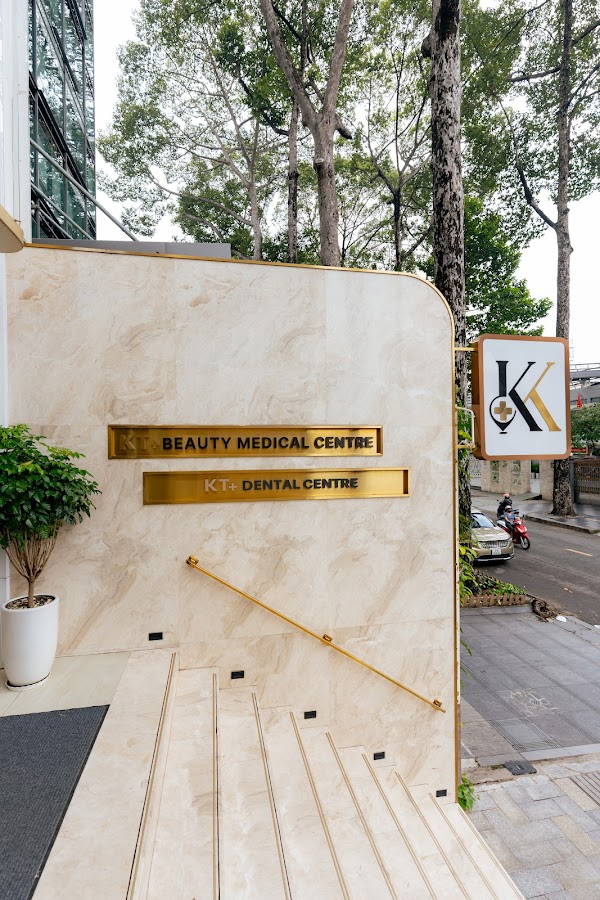
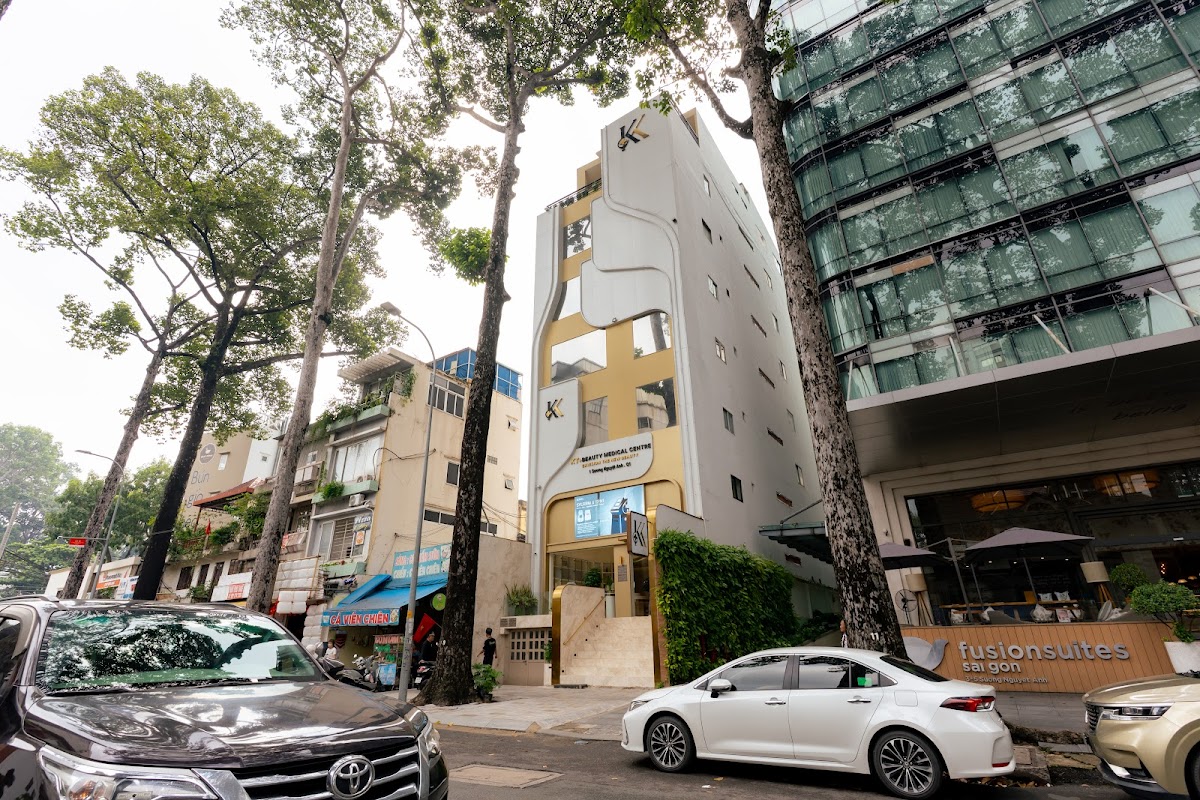
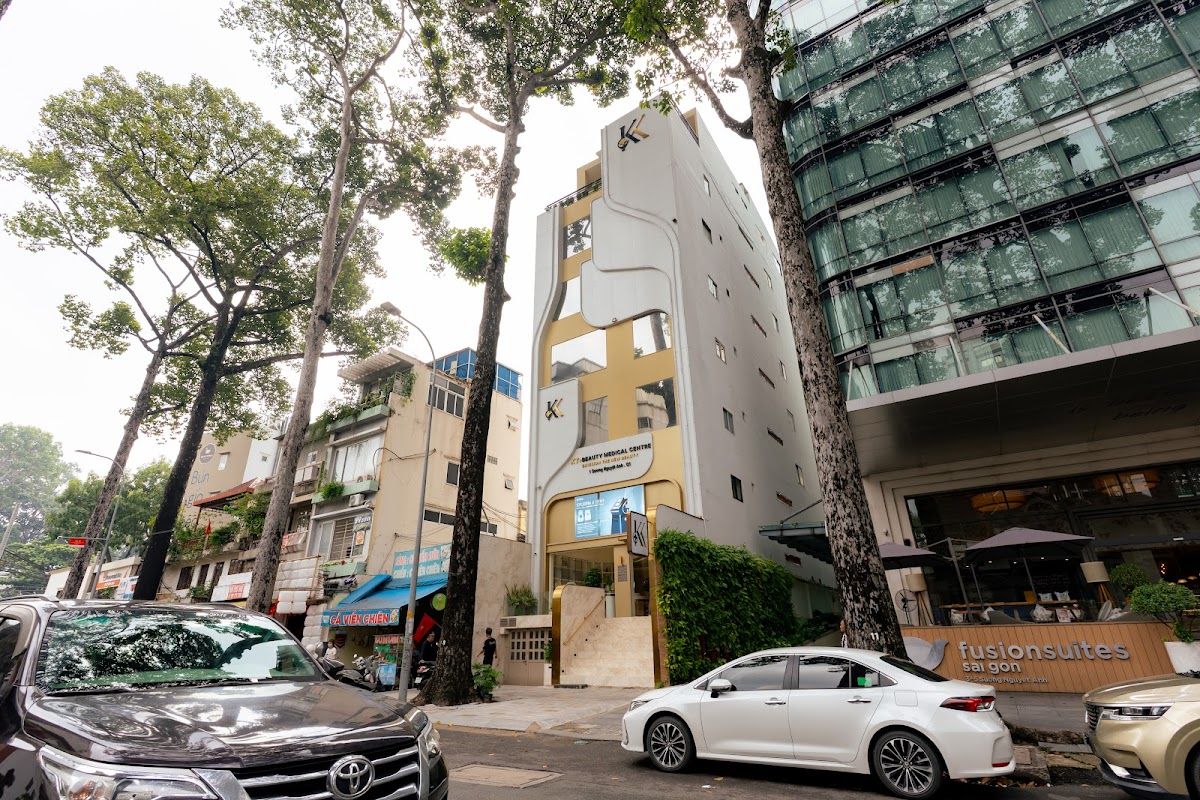
- 1 Sương Nguyệt Anh, Ho Chi Minh City, Vietnam
- Patient rating
- 4.9 out of 5, from 103 aggregated reviews
- Listed as
- A listed clinic, not a featured partner. How we check.
- Listing checked
- 26 May 2026
About
What this clinic actually does.
Personalised dental care built on precision, safety and long-term results.
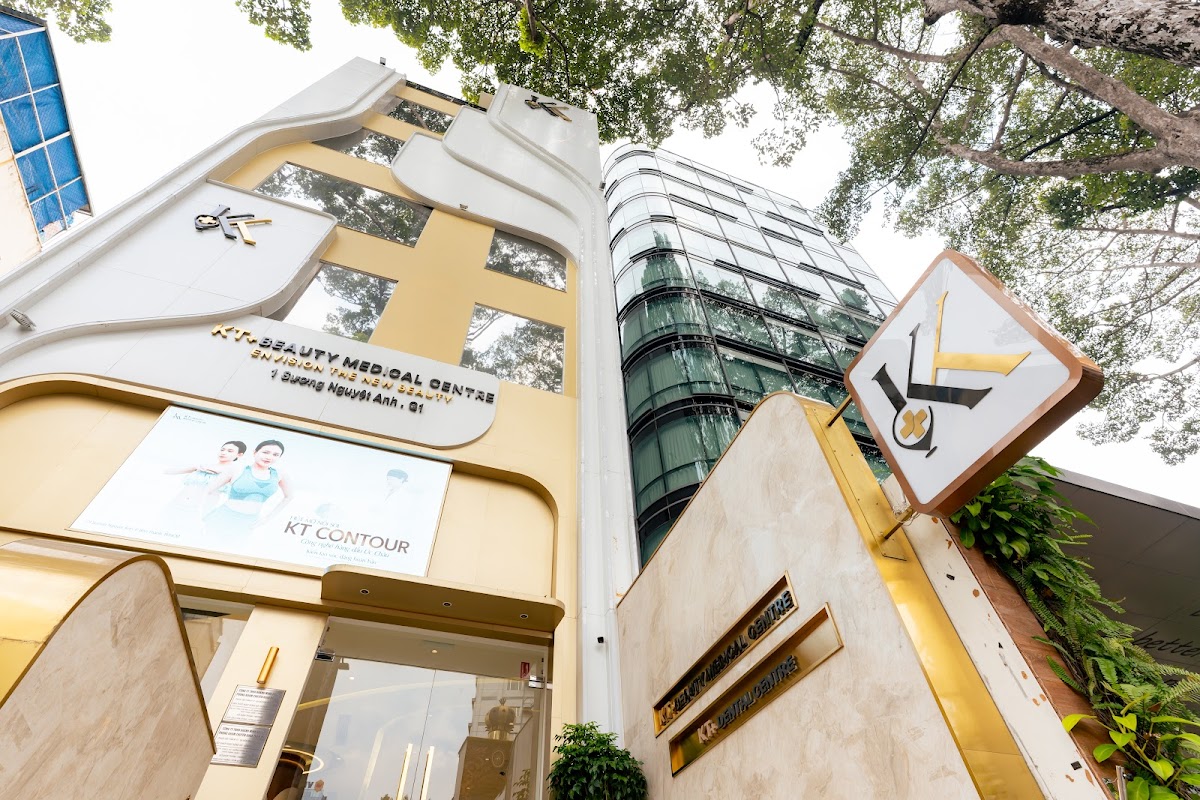
KT Dental Centre™ is a premium dental clinic located in Ho Chi Minh City, Vietnam, providing advanced dental care under an Australian-standard clinical model.
Read the rest of the description
The clinic is fully licensed by the Ho Chi Minh City Department of Health (Licence No. 09364).
KT Dental Centre™ integrates modern dental technology, internationally aligned treatment protocols, and experienced clinicians to deliver high-quality, safe, and aesthetic dental care.
The clinic operates in collaboration with TCare Dental Centre® (Australia), bringing Australian dental technology and treatment philosophy to Vietnam. This model allows patients to receive international-standard dental treatment at approximately one-third of the cost compared with Australia.
At KT Dental Centre™, dentistry is approached as a balance of function, aesthetics, and long-term oral health. Each treatment plan is tailored individually to restore confident smiles and improve overall quality of life.
From your consultation to the final result, we are committed to guiding you through a comfortable, transparent, and personalised dental journey. A healthy smile can positively influence how you look, feel, and live.
With over a decade of clinical experience, KT Dental Centre™ delivers comprehensive dental care guided by precision, safety, and internationally aligned standards.
We support Australian patients seeking high-quality treatment in Vietnam through transparent communication, regulated clinical practice, and personalised treatment planning.
Our approach combines modern technology, evidence-based dentistry, and a commitment to long-term oral health outcomes — not short-term cosmetic results.
We believe trust is built through clarity, compliance, and consistent patient care.
A licensed practice operating within regulated healthcare frameworks
Qualified dental practitioners with verified credentials
Infection control protocols aligned with international standards
Clear documentation and informed consent before treatment
Questions
What people ask this clinic.
What does Australian-standard dental implants mean when the clinic is based in Vietnam?
When KT Dental Centre describes its implants as Australian-standard, it refers to using implant systems, clinical protocols, and sterilisation practices that meet the benchmarks applied by the Australian Dental Association and Australian regulatory frameworks. This means the implant components come from manufacturers whose systems are approved for use in Australia, the clinical team follows placement protocols consistent with Australian training norms, and the materials used in crowns and abutments meet the quality standards an Australian patient would expect. For Australians travelling to Vietnam for implants, KT Dental's Australian-standard framework provides a recognisable quality reference point without the Australian price tag.
What is the All-on-4 timeline at KT Dental Centre in Vietnam?
The All-on-4 process at KT Dental Centre typically spans two to three visits. At the first visit, a comprehensive consultation is held, CBCT scans are reviewed, and the treatment plan is finalised. If the patient proceeds, the implant surgery is performed under local anaesthetic or sedation, and a full-arch temporary prosthetic is fitted the same day or the day after. The patient leaves Vietnam able to eat soft foods immediately. After an osseointegration period of three to six months, the patient returns to KT Dental for the permanent prosthetic fitting. For patients who cannot return, the final prosthetic can be completed by a certified lab and forwarded to a dentist at home, though KT Dental prefers to manage both stages.
How does KT Dental Centre approach full-mouth restoration for patients with extensive tooth loss?
Full-mouth restoration at KT Dental Centre begins with a comprehensive diagnostic phase including CBCT imaging to assess remaining bone, an assessment of the bite and jaw relationship, and a discussion of the patient's functional and aesthetic goals. Based on this, the team designs a treatment plan that may combine implants, crowns, bridges, or full-arch solutions like All-on-4 or All-on-6. Patients with extensive tooth loss often require bone grafting before implant placement, which KT Dental can perform in-house. The restorative phase is planned to restore both bite function and a natural-looking smile, with the patient involved in approving the shade and shape of the final prosthetics before fabrication.
What digital dentistry tools does KT Dental Centre use?
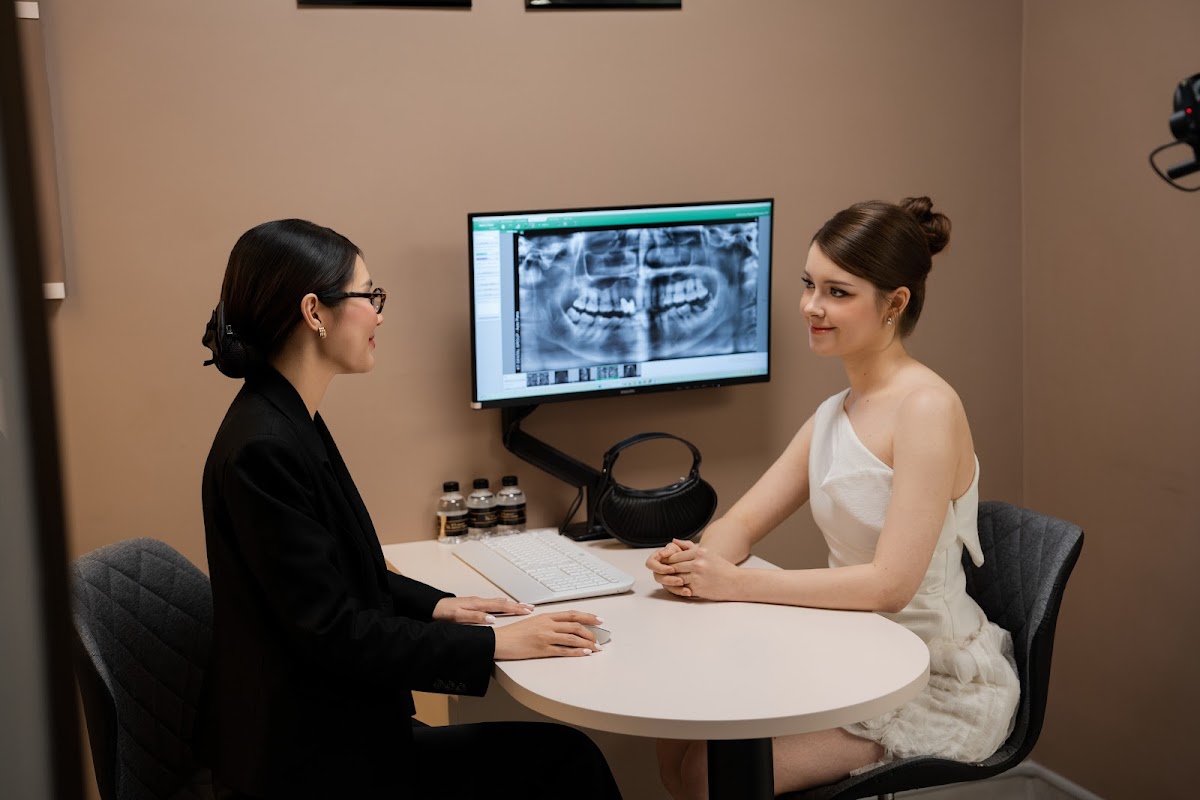
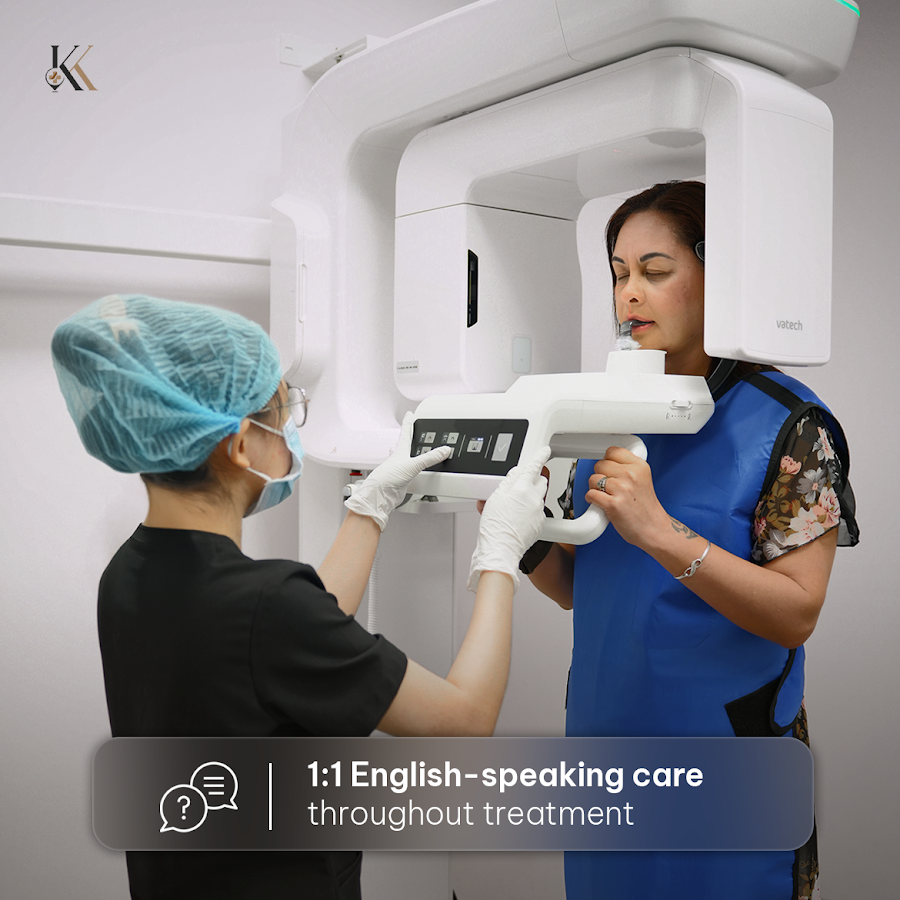
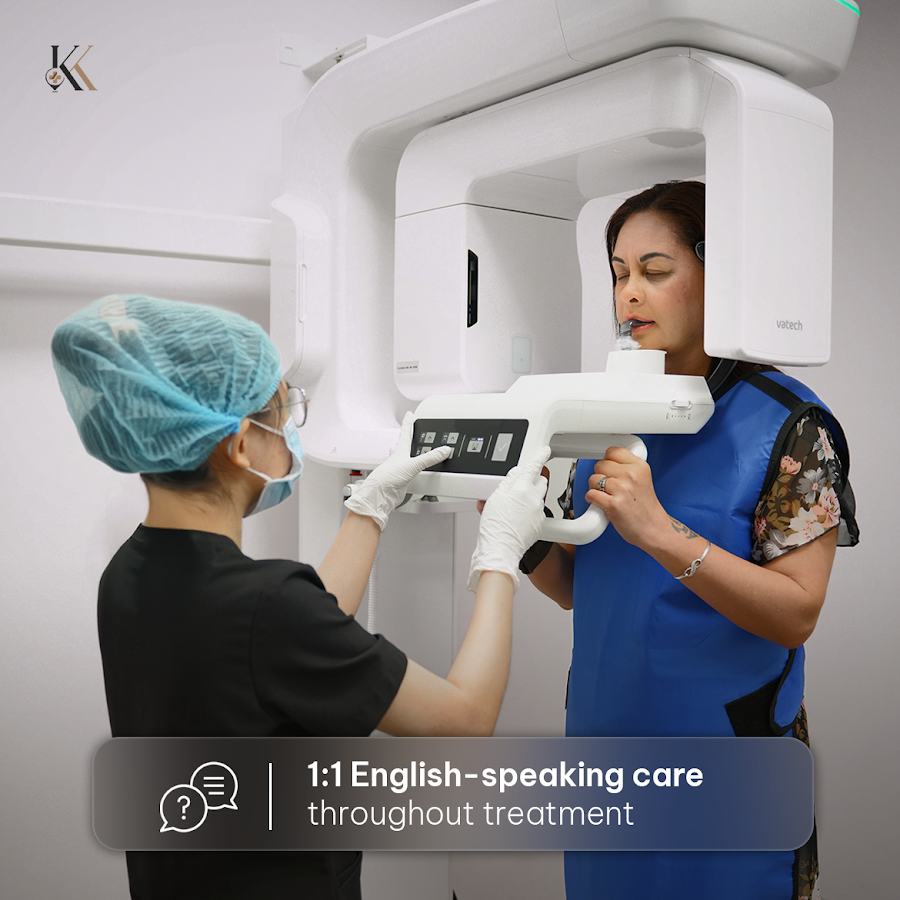
KT Dental Centre uses a digital dentistry workflow that incorporates CBCT 3D imaging for diagnosis and implant planning, digital impression systems to replace traditional putty moulds, CAD/CAM design software for crowns and prosthetics, and guided implant surgery templates that are printed or milled from the digital plan. This connected digital workflow reduces human error at each handoff between clinical and laboratory stages, shortens fabrication time, and improves the fit accuracy of crowns and prosthetics. For patients, digital workflows also mean fewer impressions, faster turnaround of restorations, and the ability to visualise the planned outcome before any work begins.
Does KT Dental Centre publish transparent pricing for its treatments?
Yes, KT Dental Centre is committed to pricing transparency, which is reflected on its website at ktdental.com.vn and in the consultation process. Patients receive itemised cost estimates that break down the price of each component, including the implant, abutment, crown, and any surgical steps such as bone grafting or sinus lifts. This means there are no hidden charges that appear after treatment has begun. The team also explains where and why costs can vary, such as when bone volume assessment changes the surgical plan. For international patients planning a trip around dental treatment, having accurate cost information before arrival is essential for budgeting and decision-making.
What exactly does Australian standard mean for implant quality when you are physically in Vietnam?
Receiving Australian-standard implants at KT Dental Centre in Vietnam means the components used in your mouth originate from manufacturers whose products are registered and approved by the Therapeutic Goods Administration in Australia and equivalent international regulatory bodies. Straumann, Nobel Biocare, and Osstem are examples of systems used globally including in Australian practices. The clinical technique, sterilisation, and post-operative care protocols at KT Dental follow guidelines that an Australian-trained dentist would recognise. The practical outcome for the patient is a system and process that mirrors what they would experience at a high-quality implant practice in Melbourne, Sydney, or Brisbane, at significantly lower cost.
How does KT Dental Centre assess whether bone grafting is needed before implant placement?
At KT Dental Centre, bone graft assessment is performed using CBCT imaging, which provides a three-dimensional view of the patient's available bone volume at each planned implant site. The scan measures bone height and width in millimetres and identifies any proximity to anatomical structures that need to be avoided. If the available bone is insufficient to safely place and stabilise an implant of the required dimensions, the team discusses grafting options with the patient. This may be a socket preservation graft after an extraction, a lateral bone graft, or a sinus lift for upper jaw implants. The grafting timeline is factored into the overall treatment plan before the patient commits.
Will KT Dental Centre provide temporary prosthetics during the implant healing period?
Yes, KT Dental Centre provides temporary prosthetic solutions for patients undergoing implant treatment so they are not without teeth during the osseointegration period. For single implants, a temporary crown or a removable flipper can be made to fill the gap while healing occurs. For full-arch cases like All-on-4, a complete temporary fixed prosthetic is placed immediately after surgery, so the patient can eat and present a normal smile from day one. The temporary prosthetics are designed to be functional and reasonably aesthetic, although they differ from the final permanent restoration in material and finish. The team at KT Dental explains what to expect from the temporary at the time it is placed.
Is it safe to fly home after implant surgery at KT Dental Centre?
Most patients can fly home within a few days of implant placement surgery at KT Dental Centre, provided the post-operative period goes smoothly. The surgical site should show no signs of unusual swelling, bleeding, or infection before the patient travels. KT Dental provides a written post-operative care plan and emergency contact information for patients travelling home after treatment. Cabin pressure in commercial aircraft does not directly affect implant healing, but patients are advised to avoid alcohol during the flight, stay hydrated, and rest rather than rushing back into intense work or physical activity immediately on arrival home. KT Dental keeps a complete record of the case for any follow-up queries.
What aftercare protocol does KT Dental Centre follow for international patients after they leave Vietnam?
KT Dental Centre provides a structured aftercare protocol for international patients that includes a written post-treatment care guide, emergency contact options via messaging apps and email, and a documented record of all treatment including implant brand, dimensions, abutment type, and crown material. Patients are invited to send photos or describe any concerns after they return home, and the team responds within one working day. At the three-month and six-month marks, KT Dental follows up proactively with patients to check on healing progress. If a local dentist review is recommended, KT Dental provides the records needed for that dentist to assess the site accurately.
Compare
Other clinics worth a quote.
Never take one quote. These are the nearest comparable practices we list.
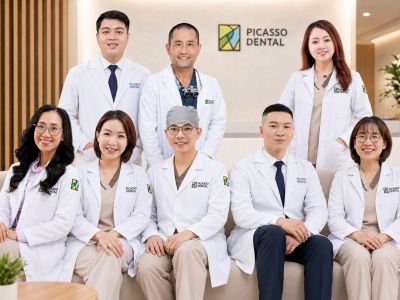
Picasso Dental Clinic Ho Chi Minh City (Thao Dien, District 2)
Ho Chi Minh City
from 337 reviews
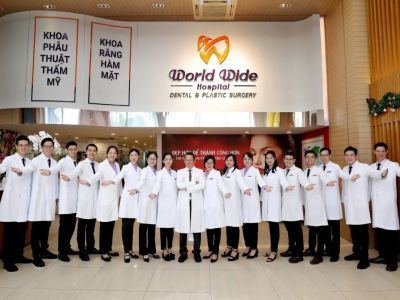
Worldwide Beauty And Dental Hospital
Ho Chi Minh City
from 537 reviews
Care Dental
Ho Chi Minh City
from 358 reviews
Daisy International Dental Clinic
Ho Chi Minh City
from 300 reviews
Send a photo. Get three quotes.
One of them from KT Dental Clinic. It costs nothing and it does not commit you to anything.
Ho Chi Minh City
Treatment in Ho Chi Minh City, priced and explained.
What each procedure costs in this city, and how the trip works.
Is this your clinic? We wrote this listing from public sources. Claim it to correct the details, add your own photographs and publish your prices.
Claim this page