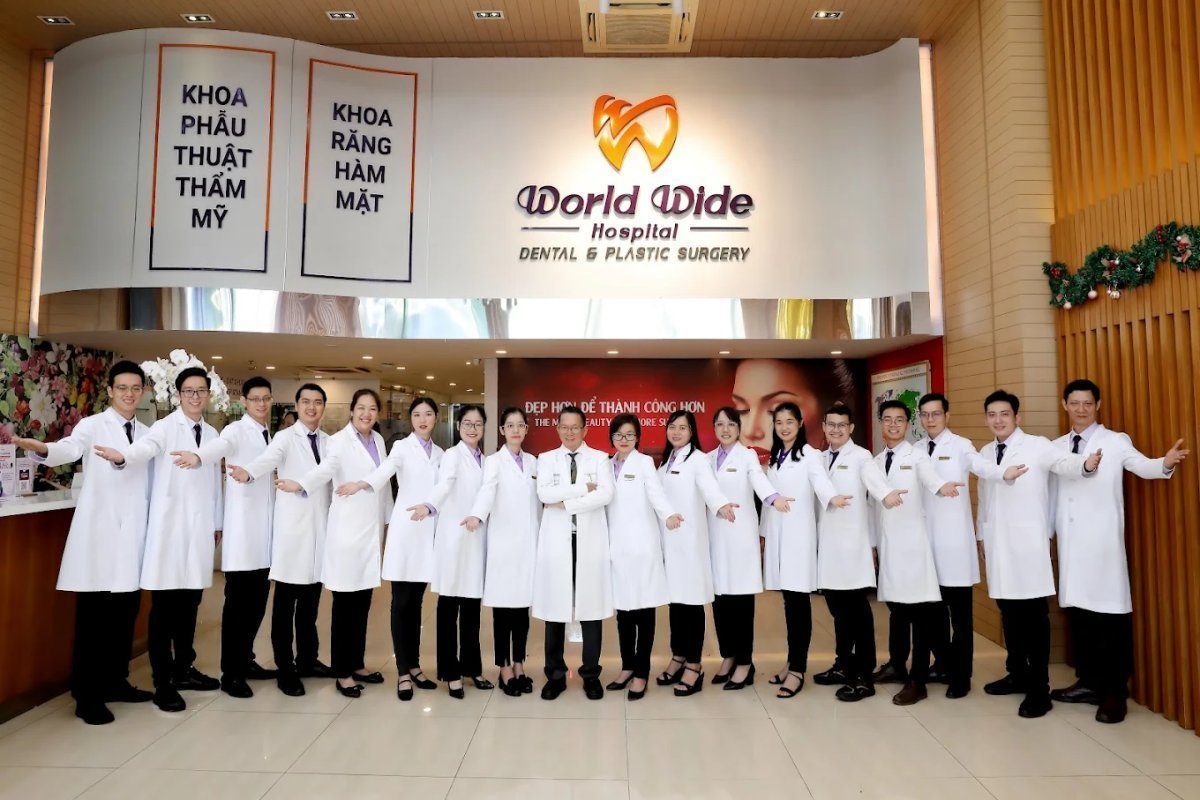
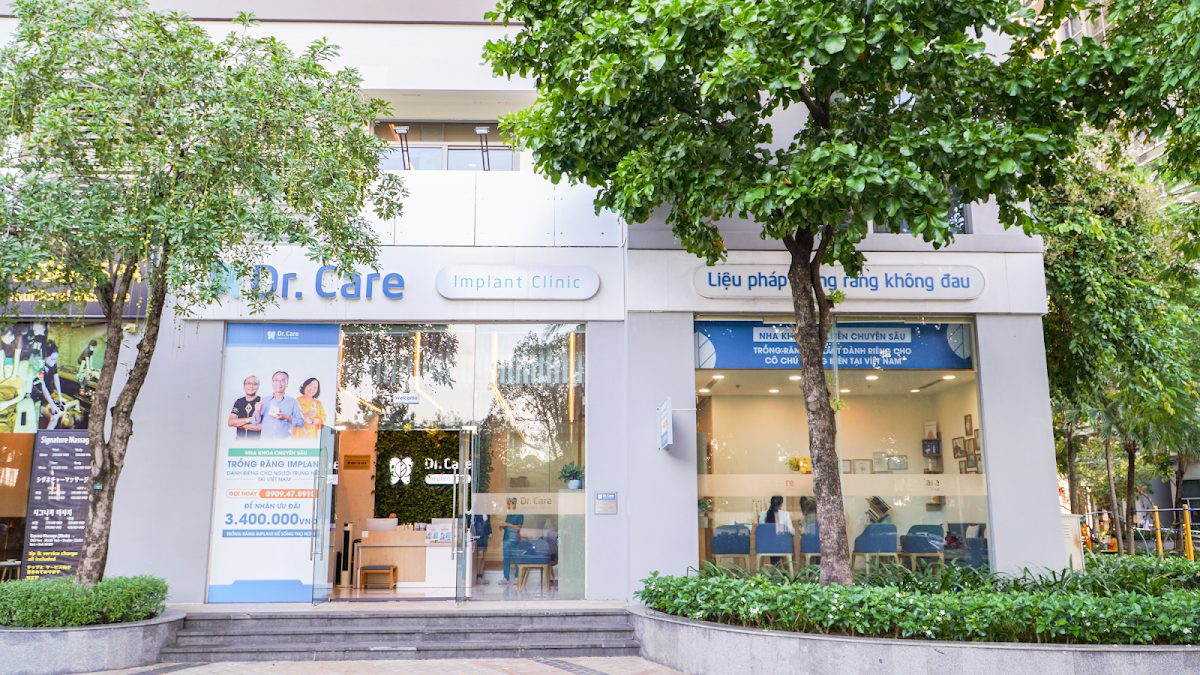
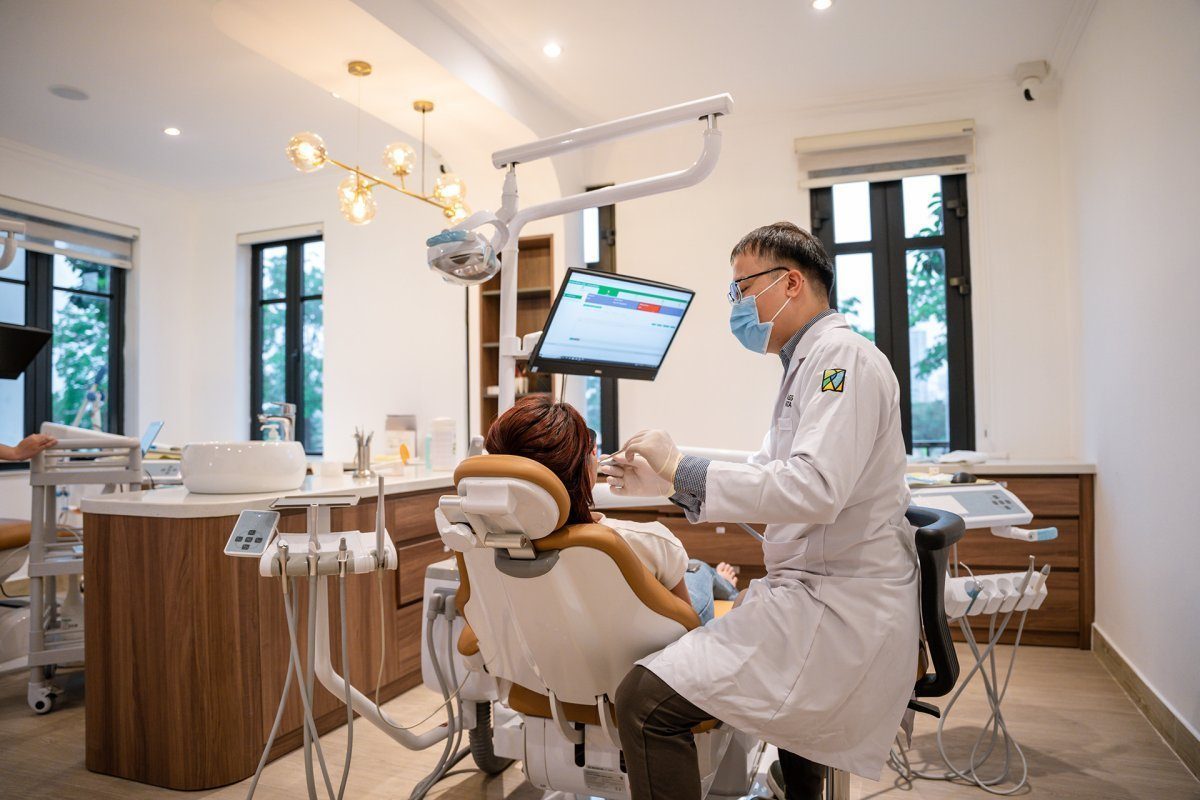
Kim Dental, known locally as Nha Khoa Kim, is one of the largest organized dental networks in Vietnam, with 32 branches across Ho Chi Minh City, Hanoi, Bien Hoa, Binh Duong, Vung Tau, and Tien Giang. The branch profiled here is part of that network and benefits from the same standardized clinical protocols, training programs, and laboratory partnerships that operate across the chain. The group employs more than 230 dentists and over 250 dental assistants, which makes it less like a single private practice and more like a national dental services platform with the operational consistency that scale allows.
The size of the operation matters for international patients. With more than 30 branches, treatment can be initiated in one city and continued in another during a longer Vietnam trip. Records, X-rays, and treatment plans are managed within the network rather than being tied to a single doctor or location. For patients combining dental work with travel between Saigon, Hanoi, and beach destinations such as Vung Tau, the practical effect is that a follow-up visit, an emergency adjustment, or a continuation of a staged treatment plan does not require returning to the original clinic. Staff at every branch can pull up the case file and continue the same plan.
Service-wise, Kim Dental covers the full spectrum of general, cosmetic, restorative, and surgical dentistry. On the everyday side, that includes scale and polish, fluoride treatments, tooth-colored composite fillings, root canal therapy, simple and surgical extractions, and pediatric care. Cosmetic services include porcelain veneers, all-ceramic crowns and bridges, in-office and take-home whitening, and full smile design. Restorative and prosthetic work includes single-tooth dental implants, multi-unit implant bridges, full-arch implant rehabilitation for edentulous patients, and conventional removable dentures.
Orthodontics is a major service line across the chain, covering both fixed bracket systems and clear aligner therapy including Invisalign. The network treats teenagers and adults, with treatment planning that combines orthodontic alignment with subsequent restorative or cosmetic work where appropriate. For adult patients combining ortho with veneers, crowns, or implants, the team sequences treatment so that final aesthetic outcomes are built on a stable, well-aligned foundation. The orthodontic case volume across the chain runs into the tens of thousands, which translates into routine handling of cases that smaller clinics would refer out.
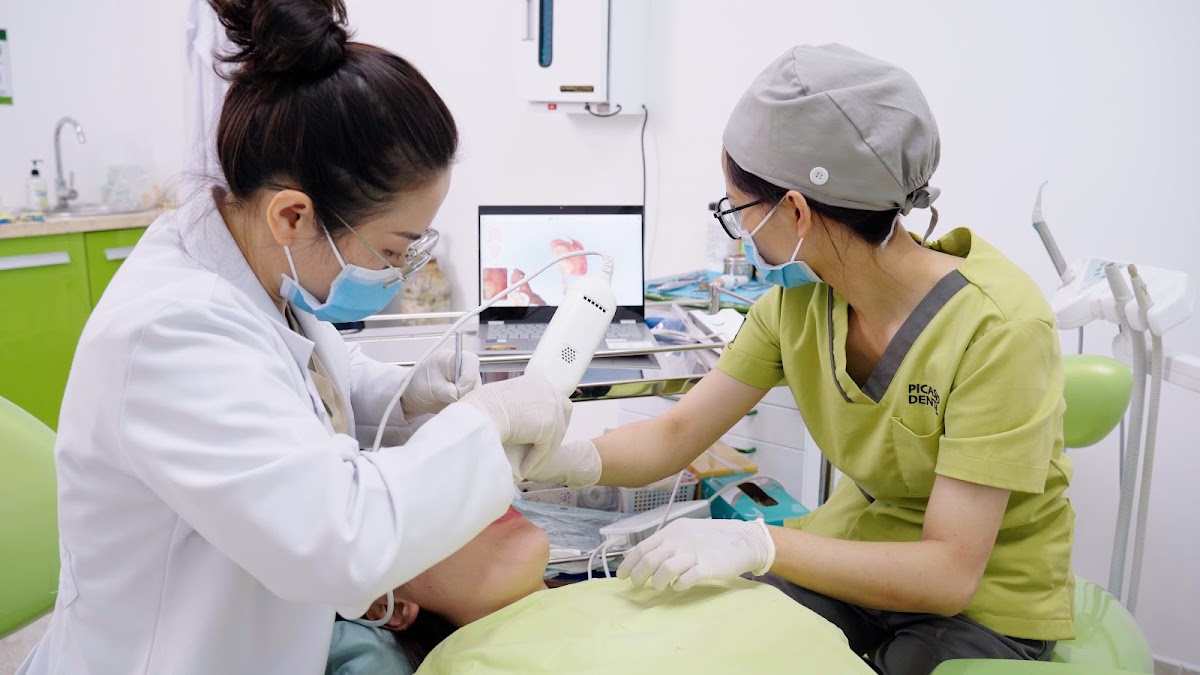
Implant dentistry is the other clinical pillar, with surgical specialists handling both straightforward single-tooth cases and complex full-arch rehabilitations including All-on-4 and All-on-6 protocols. The group operates an in-house porcelain manufacturing facility for crowns, bridges, and veneers, which allows tighter control over case turnaround and consistent quality across branches. Treatment planning typically includes a clinical exam, diagnostic imaging, an itemized written quote, and a discussion of premium versus value implant brand options with the long-term maintenance and warranty implications of each.
The chain's institutional credentials are unusually strong for a Vietnamese dental brand. Kim Dental received Medical Achievement Award recognition in 2024 from Vietnamese health authorities, holds a leading position in Department of Health quality assessments, and maintains a research and training collaboration with Harvard University that supports continuing education and clinical protocol development. The group has received investment from ABC Impact Fund and Temasek, both Singapore-based institutional investors, which signals the kind of governance and capital structure typical of a healthcare services platform rather than a family practice.
For dental tourists evaluating Vietnam as a destination, the practical advantages of choosing a chain of this scale are significant. Sterilization protocols are standardized to international expectations across all branches. Treatment plans are itemized and consistent in format, which makes it straightforward to compare quotes against clinics in Bangkok, Bali, Hanoi, or Istanbul. Communication in English is supported at the larger urban branches, particularly those serving expat-heavy neighborhoods in Ho Chi Minh City and Hanoi. The institutional governance structure also means that complaints and clinical incidents are handled through formal processes rather than individual negotiation with a single doctor.
Hygiene and infection control follow the standards expected of modern Vietnamese dental practices and are enforced as group policy rather than individual branch preference. Single-use consumables are used wherever clinically appropriate, reusable instruments are processed through dedicated sterilization workflows with autoclaving and pouching between every patient, and treatment rooms are reset and surface-disinfected before each appointment. The chain operates dedicated central sterilization services that supply branches according to standardized protocols, which is closer to the hospital model than the small-clinic model.
Pricing across Kim Dental sits in the mid-market band typical of organized Vietnamese dental chains, significantly below equivalent treatment in Australia, the United States, the United Kingdom, and Western Europe, while using internationally recognized implant brands and the chain's own laboratory for ceramic restorations. Written treatment plans are itemized so international patients can compare line by line against quotes from clinics elsewhere in Southeast Asia. Promotional packages and seasonal offers are typically run at the chain level rather than the branch level, which means international patients benefit from the same pricing as local patients.
For SmileJet users, Kim Dental is a strong shortlist option for patients who prefer the operational consistency, multi-branch network, and institutional governance of a major Vietnamese dental chain over the personal feel of a single-doctor private practice. It is particularly relevant for patients planning combined orthodontic and restorative treatment, those wanting in-house surgical capability for complex implant cases, patients who want to combine treatment with travel across multiple Vietnamese cities, and patients reassured by formal institutional credentials and third-party investor governance. Prospective patients are encouraged to share recent X-rays, intraoral photos, and a short medical history in advance so the consultation visit can move efficiently into a confirmed, written treatment plan that fits both their travel schedule and clinical priorities.