Khang Minh Dental, known locally as Nha Khoa Khang Minh, is a neighborhood dental clinic operating in the western part of Ho Chi Minh City, Vietnam. It serves a primarily local Vietnamese patient base, including families, working adults, and longer-term residents of the surrounding districts. Smaller community clinics like this play an important role in the Vietnamese dental ecosystem alongside the large national chains and the high-end cosmetic studios: they handle the everyday preventive and restorative work that keeps long-term oral health on track, at pricing accessible to ordinary local households.
The clinic operates as a single-location practice rather than part of a multi-branch network. For patients evaluating their options, this kind of smaller community clinic typically offers a more personal relationship with the treating dentist, longer-term continuity for routine recall visits, and a quieter clinical environment than the higher-throughput chain branches. The trade-off is that complex specialized cases such as full-arch implant rehabilitation, surgical orthognathic work, or comprehensive aesthetic makeovers may need to be referred out or planned in collaboration with visiting specialists rather than being handled fully in-house.
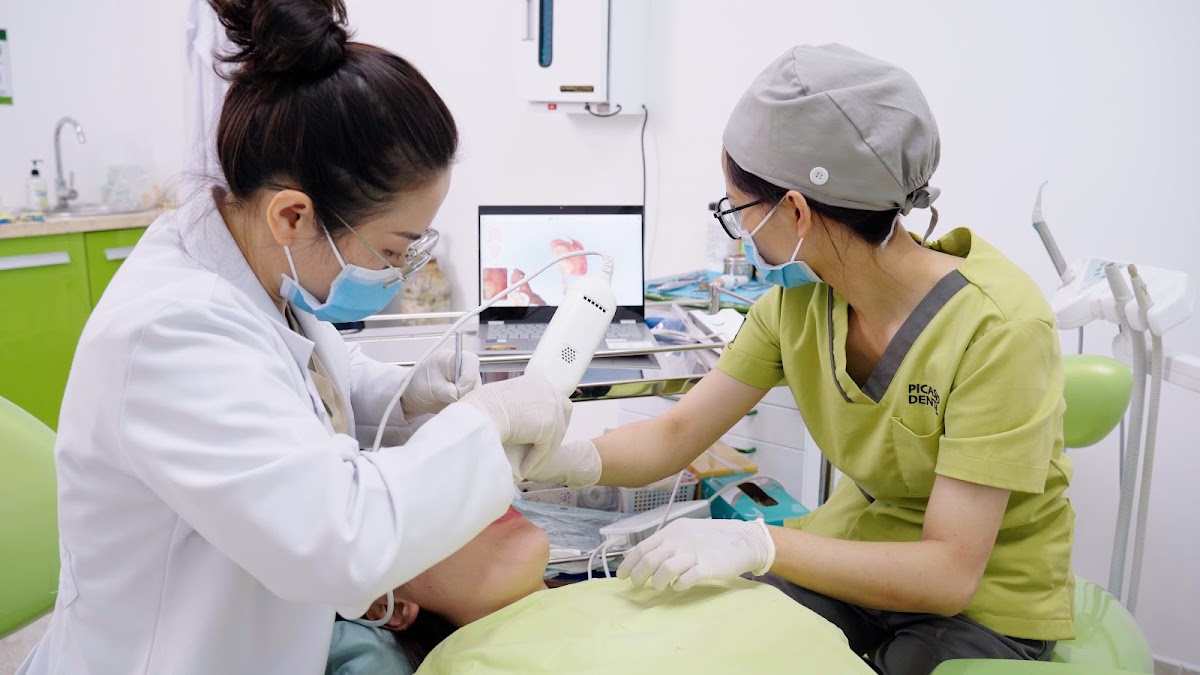
Service-wise, Khang Minh Dental offers the standard scope of general dentistry expected of a local Vietnamese practice. That includes scale and polish, fluoride treatments, tooth-colored composite fillings for cavities, root canal therapy for infected or symptomatic teeth, simple extractions for non-restorable teeth, and pediatric dental care for children needing routine checkups, fluoride application, and early intervention. These services form the backbone of preventive oral health and remain the most clinically valuable category of dentistry for the average patient regardless of country.
Restorative and prosthetic services typically include all-ceramic crowns and bridges, conventional removable dentures for patients who have lost multiple teeth, and partial dentures combined with retained natural teeth. For cosmetic work, the clinic offers porcelain veneers, in-office and take-home whitening, and basic smile improvement consultations. More complex cosmetic cases such as comprehensive smile design with multiple veneers and crowns, or significant bite reconstruction, are typically planned in stages and discussed thoroughly before treatment begins to ensure the patient understands the scope, timeline, and long-term maintenance requirements.
Implant dentistry, where offered at smaller community clinics, is typically reserved for straightforward single-tooth or two-tooth cases where the bone volume is adequate without significant grafting, the surrounding teeth are healthy, and the bite is stable. More complex cases, including full-arch rehabilitation, immediate-load protocols, and cases requiring sinus lifts or significant bone grafting, are usually planned in collaboration with surgical specialists or referred to higher-volume implant centers. Patients evaluating implant treatment specifically should ask the clinic about case volume, brand options, and warranty terms before committing.
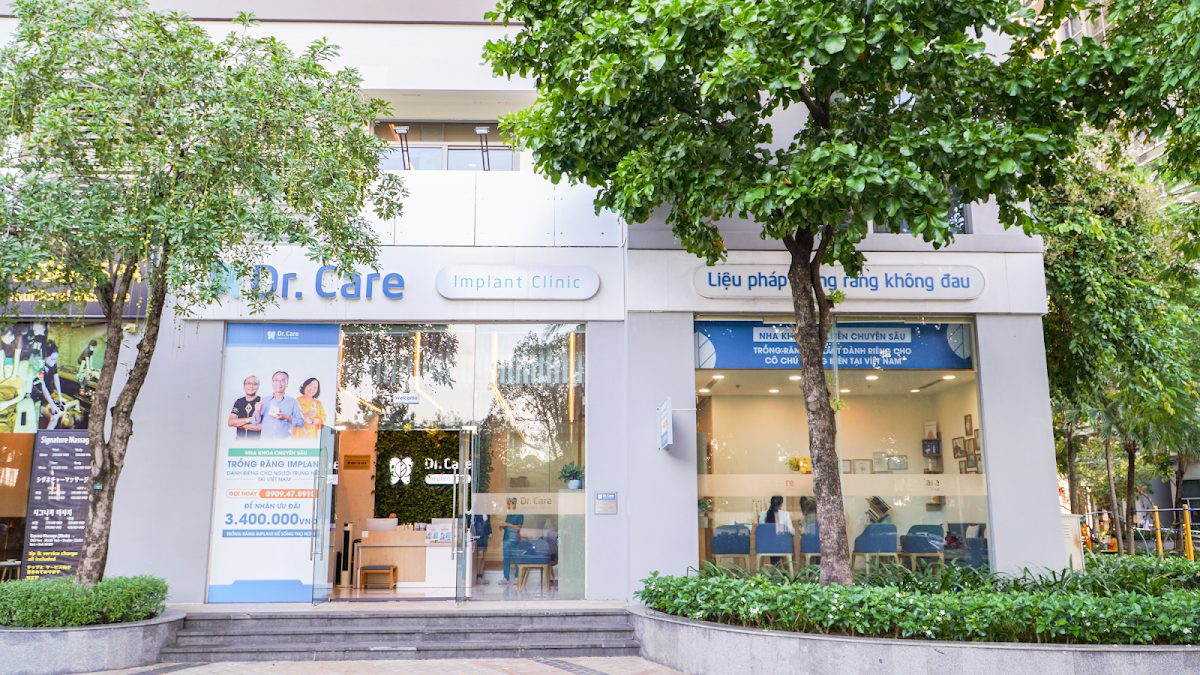
The location in the western part of Ho Chi Minh City sits in a residential neighborhood mix of mid-density housing, local markets, and small commercial frontage typical of inner-suburban Saigon. The area is well served by Grab and taxi networks for patients traveling from elsewhere in the city. For dental tourists specifically, this kind of inner-suburban neighborhood is a sensible base for patients who prefer a quieter local environment rather than staying in the central tourist core, though the language environment will be more strongly Vietnamese than at the larger international-facing clinics in District 1 or District 7.
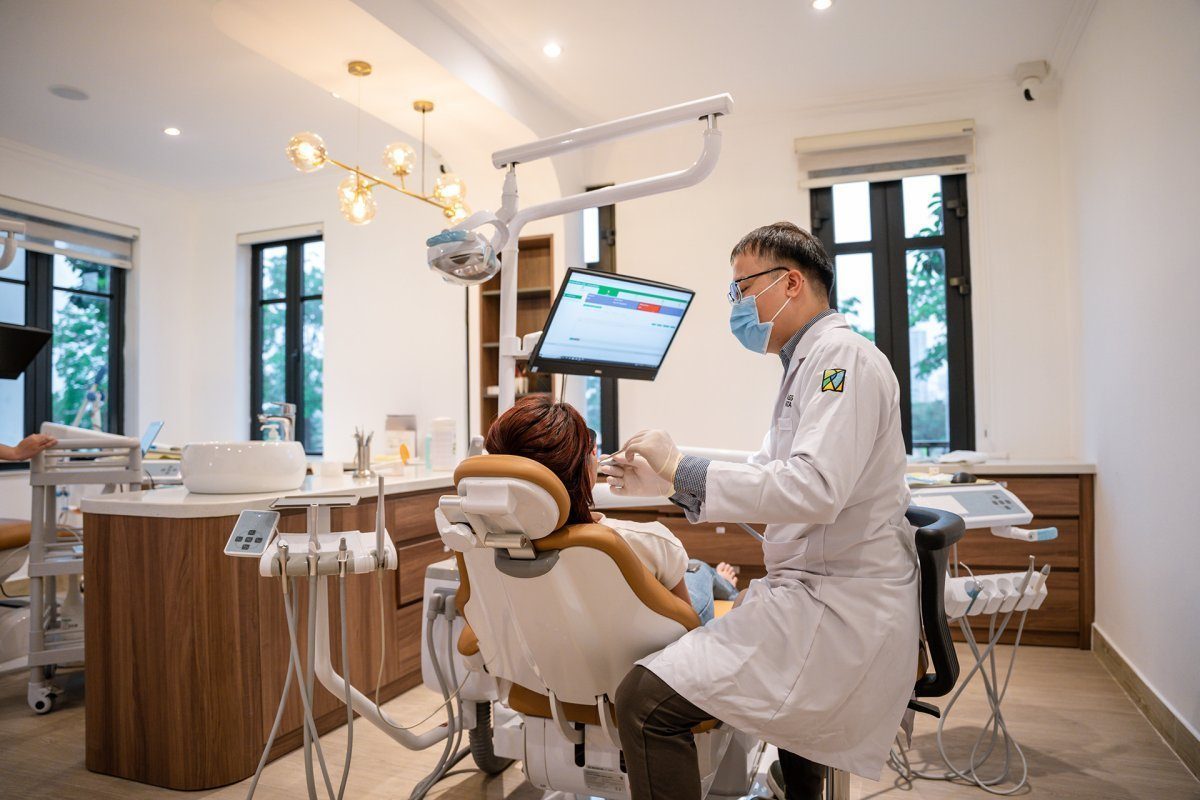
Hygiene and infection control at modern Vietnamese dental practices follow standardized protocols enforced by Ministry of Health licensing requirements. Single-use consumables are used wherever clinically appropriate, reusable instruments are processed through autoclaving and pouching workflows between every patient, and treatment rooms are reset and surface-disinfected before each appointment. For patients arriving from countries with their own infection control expectations, the practical environment in licensed Vietnamese clinics will generally feel familiar, though it is reasonable to ask about specific protocols during the initial consultation visit.
Pricing at Khang Minh Dental reflects its position as a local community clinic, sitting at the lower end of the Ho Chi Minh City dental market and significantly below pricing at the international-facing chain branches and high-end cosmetic studios. For routine preventive and restorative work, this kind of pricing makes regular dental care genuinely accessible for local working families and long-term expat residents on local budgets. For international dental tourists evaluating Vietnam as a destination, the pricing remains a fraction of equivalent care in Australia, the United States, the United Kingdom, and Western Europe, though the clinic operates primarily in Vietnamese and may be a less straightforward fit for non-Vietnamese-speaking patients without a translator.
Patient communication style at smaller community clinics typically leans informal and personal, with treating dentists known to longer-term patients and recall visits handled by name rather than appointment slot. For patients who value this kind of continuity over the procedural consistency of the larger chains, smaller clinics like Khang Minh Dental offer a different kind of dental experience that is increasingly rare in larger metropolitan markets globally. Treatment plans are typically discussed verbally with written quotes provided for higher-investment work, and patients are expected to ask questions if they want detailed explanations of clinical rationale.
For SmileJet users, Khang Minh Dental is most relevant for patients with existing connections to the western Ho Chi Minh City area, including expat residents of the surrounding districts looking for a local clinic for routine general dentistry, and Vietnamese-speaking visitors needing accessible dental care during a Saigon stay. International dental tourists planning major cosmetic, implant, or full-arch rehabilitation work may find a better match among the larger chains and specialized cosmetic studios that explicitly serve international patients with English-language treatment planning and itemized international-format quotes. Prospective patients are encouraged to confirm specific service availability, language support, and consultation booking arrangements directly with the clinic before traveling.