Dental Tourism
Zirconia Crowns in Bogota: Cost, Types & Top Clinics (2026)
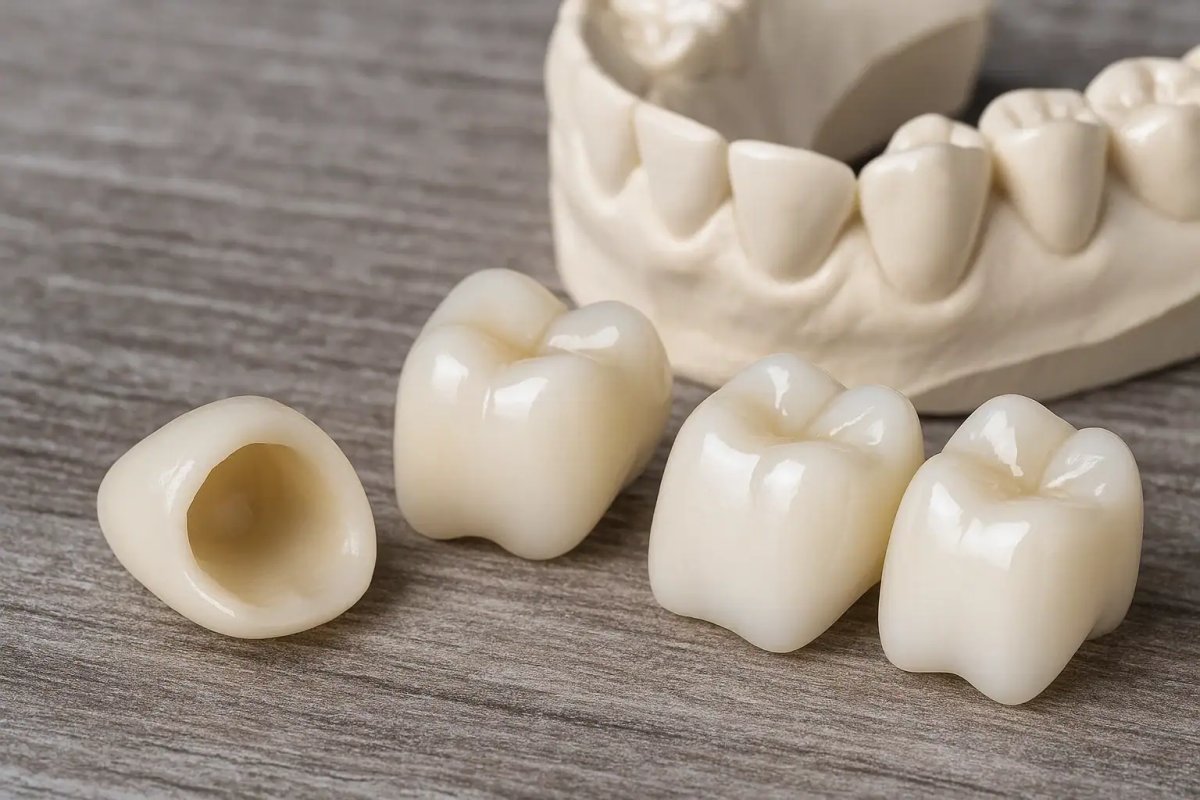
Zirconia Crowns in Bogota: The 2026 Cost and Clinic Guide
Zirconia crowns have become the current gold standard for dental restoration -- stronger than traditional porcelain, more aesthetic than metal-ceramic, and biocompatible enough for patients with nickel sensitivities. In Bogota, a single zirconia crown costs USD 280-400 at leading international clinics, compared to USD 1,400-2,000 in the United States. That is a saving of roughly 78% using identical CAD/CAM workflows, similar imported zirconia blocks, and comparable clinical protocols.
The Colombian capital has built one of Latin America's strongest dental tourism corridors, with in-city ceramic laboratories, digital intraoral scanners, and sintering furnaces that match what you find in premium US and European practices. Flight access from North America is direct (3-6 hours from most US hubs), Spanish-English bilingual staff is common at top clinics, and a 5-6 day trip covers scan, preparation, lab fabrication, and final cementation.
This guide covers zirconia types, monolithic vs layered selection, real Bogota pricing, two recommended clinics, a 6-day trip timeline, aftercare, and a full FAQ. If you want broader market context first, see our Bogota dental tourism overview.
Why Zirconia Has Replaced PFM
Porcelain-fused-to-metal (PFM) crowns dominated restorative dentistry for nearly four decades. They were durable, affordable, and reasonably aesthetic for back teeth. But PFM has two persistent problems that zirconia solves directly.
First, the grey metal collar at the gumline. As gums recede with age (and they always do), the dark metal substructure shows through or sits exposed. Patients notice it most in their 50s and 60s, which is exactly when crowns placed in their 30s start to reveal the flaw. Second, light-blocking opacity. Natural teeth transmit light through enamel; PFM metal stops light at the coping and the crown looks "flat" under direct sunlight or in photos.
Zirconia addresses both issues at once. The entire crown is all-ceramic -- no metal anywhere -- so there is no grey line at the gumline even after two decades of gingival recession. Modern translucent zirconia also transmits light similarly to natural enamel, especially the 4Y and 5Y formulations used for anterior teeth.
The strength numbers settle any remaining debate. Three-point flexural strength for zirconia measures 900-1,200 MPa; PFM comes in at 400-600 MPa. In plain terms, zirconia is roughly twice as fracture-resistant as the crowns it replaced, while also looking better at the gumline.
Zirconia Types: Monolithic, Multi-Layer, Layered, and Translucent
Not all zirconia is the same. The four main categories differ in yttria content, strength, translucency, and ideal clinical use. Here is how Bogota clinics price each:
| Type | Strength (MPa) | Aesthetics | Cost in Bogota (USD) | Best For |
|---|---|---|---|---|
| Full-contour monolithic | 1,200+ | Good | 280-340 | Back molars, heavy bite |
| Multi-layer monolithic | 900-1,100 | Very good | 320-380 | Premolars, mid-aesthetic zone |
| Layered zirconia (porcelain over coping) | 700-900 | Excellent | 380-450 | Front teeth, premium aesthetics |
| Translucent zirconia (3Y-TZP / 4Y / 5Y) | 600-900 | Highest | 400-500 | Anterior aesthetic cases |
The yttria percentage matters more than most patients realize. 3Y-TZP (3% yttria) is the original high-strength zirconia -- tough but slightly opaque. 4Y and 5Y formulations add more yttria, which improves translucency and optical realism at the cost of some strength. A skilled Bogota clinician will choose based on tooth position: 3Y for molars where strength rules, 5Y for front teeth where aesthetics rule.
Country Cost Comparison: Bogota vs USA, Australia, UK
The savings math is why dental tourism to Bogota works. For the same zirconia material, the same CAD/CAM equipment, and clinicians trained at the same international programs, patients pay a fraction of home-country prices.
| Treatment | USA | Australia | UK | Bogota | Saving vs USA |
|---|---|---|---|---|---|
| Single monolithic zirconia crown | USD 1,500 | USD 1,300 | USD 1,100 | USD 320 | 79% |
| Single layered zirconia crown | USD 1,800 | USD 1,550 | USD 1,300 | USD 420 | 77% |
| 4-unit zirconia bridge | USD 5,200 | USD 4,400 | USD 3,600 | USD 1,280 | 75% |
| Zirconia on implant | USD 2,200 | USD 1,900 | USD 1,600 | USD 520 | 76% |
On a full-arch makeover of 10 crowns, the math becomes dramatic: USD 15,000-18,000 in the US vs USD 2,800-4,200 in Bogota. That is a 75-80% reduction on roughly USD 12,000 -- enough to cover flights, hotel, meals, and recovery time with a large margin remaining. For broader price context across procedures, see our Bogota dental implants guide.
Monolithic vs Layered: Which to Choose
This is the single biggest decision a patient will make with their Bogota clinician.
Monolithic zirconia is milled from a solid zirconia block with no porcelain layering. The entire crown is one material, which is why it hits 1,200+ MPa strength. The downside is slight opacity compared to layered variants, though modern multi-layer monolithic blocks have largely closed the aesthetic gap. Monolithic is ideal for back molars, patients with heavy grinding habits, and anyone who has previously fractured crowns or natural teeth.
Layered zirconia uses a zirconia coping (the inner shell) with hand-applied porcelain fused over the outer surface. The porcelain layer gives the ceramist absolute control over shade, translucency, surface texture, and internal staining. For anterior teeth where a patient will smile next to natural neighbors, layered zirconia is the highest aesthetic standard available. The tradeoff is a small (5-8% over 10 years) porcelain chip risk on the outer layer, particularly at incisal edges.
Who Is a Good Candidate for Zirconia Crowns
Ideal cases include: broken or heavily filled teeth where a filling will no longer hold, root-canal-treated teeth that need coronal protection, crowns over dental implants (zirconia is the preferred implant crown material), cosmetic reshaping of anterior teeth where size or form must change significantly, and replacement of old failed PFM or gold crowns.
Not ideal cases include: purely minor cosmetic tweaks such as small chips or slight colour adjustments (veneers are less invasive and better suited -- see our Bogota veneers guide), severely decayed teeth without sufficient remaining tooth structure (a core build-up or post is needed first), and untreated active periodontal disease (gum treatment must come first, or the crown will fail at the margin).
If you are planning several crowns alongside other work, a combined treatment plan often makes more financial sense than crowns alone -- our Bogota smile makeover guide covers combined crown-and-veneer cases in detail.
The Digital CAD/CAM Workflow
Top Bogota clinics have transitioned almost entirely to digital zirconia production. The process has seven stages:
- Tooth preparation -- the clinician reduces the natural tooth to create space for the crown, typically 1.0-1.5mm on all surfaces.
- Digital intraoral scan -- a wand-sized scanner captures the tooth, neighbouring teeth, and the opposing bite in 3D. No messy polyvinyl siloxane impressions, no gag reflex problems.
- Digital design -- in CAD software, the ceramist designs the crown to match the opposing bite, neighbouring teeth, and the patient's existing smile line.
- CAD/CAM milling -- a multi-axis milling machine cuts the crown from a pre-sintered zirconia block, typically in 30-90 minutes per unit.
- Sintering -- the milled crown is fired in a high-temperature furnace (1,450-1,550°C) for 6-8 hours, shrinking it 20-25% to final dimensions and maximum strength.
- Staining and glazing -- surface colour, texture, and translucency are applied by hand for natural appearance, then the crown is glazed in a second firing.
- Cementation at the second clinical appointment -- the clinician checks fit, adjusts the bite, and permanently bonds the crown.
Total lab time from scan to finished crown: 3-5 working days at well-equipped Bogota clinics. Layered zirconia adds 1-2 days for the hand-porcelain work. Multiple units (3+) may also add a day.
Top 2 Zirconia Crown Clinics in Bogota
Day-by-Day: 6-Day Zirconia Crown Trip Timeline
Most patients can complete single or small-multiple zirconia crown cases in 5-6 working days in Bogota. Here is a realistic day-by-day plan:
- Day 1 -- Arrival and altitude rest. Bogota sits at 2,640 metres (8,660 feet). Most travellers feel mild symptoms (slight headache, shortness of breath) for the first 24-36 hours. Arrive, check in, hydrate, eat lightly, sleep early. Do not schedule clinical work on arrival day.
- Day 2 -- Consultation, digital scan, shade matching, tooth preparation, temporary crown. A 2-3 hour appointment covers examination, photographs, digital intraoral scan, shade selection (daylight and artificial light), local anaesthesia, tooth reduction, and fitting of a temporary acrylic crown.
- Days 3-4 -- Lab fabrication. The dental lab mills, sinters, stains, and glazes your crown (3-4 working days for monolithic, 4-5 for layered). These are your rest or tourism days -- explore La Candelaria, Monserrate, or the Museo del Oro.
- Day 5 -- Final crown trial, adjustment, bonding, bite check. A 60-90 minute appointment: remove the temporary, try in the final zirconia crown, check fit and contacts, adjust the bite, and bond with resin cement. The clinician then polishes any adjusted surfaces.
- Day 6 -- Depart with records. Morning post-op check if needed, collect your treatment records and digital scan file, then fly home. For multiple crowns or bridge work, extend by 1-2 lab days.
Planning a longer trip that combines crowns with implants or a full makeover? See our Bogota dental trip planner and the Bogota All-on-4 guide for full-arch cases.
Aftercare for Zirconia Crowns
First 48 hours. Avoid very hard foods such as ice cubes, whole nuts, and crusty bread. Skip sticky foods like caramel and chewy sweets that could dislodge a newly bonded crown before the cement has fully cured. Warm (not hot) soft foods are ideal -- the tooth may be mildly sensitive for 2-5 days.
Long term. Zirconia itself is nearly unbreakable in normal service, but it is harder than natural tooth enamel. If the bite is not precisely balanced, a zirconia crown can cause wear on the opposing natural tooth. Confirm occlusal adjustment at the final appointment -- your clinician should check and smooth any high contacts.
Use a non-abrasive fluoride toothpaste. Avoid charcoal toothpastes, which can scratch the glazed surface over time and reduce the crown's natural shine. If you are a known bruxer (night grinder), invest in a properly fitted night guard -- grinding can eventually chip the porcelain layer on layered zirconia.
Routine dental check-ups and cleanings every 6 months are sufficient. Ask your hygienist to polish with a non-abrasive paste designed for ceramic restorations; a standard pumice-based paste can dull the glaze over years.
Red Flags to Watch For
- A clinic quoting under USD 200 for a "zirconia crown." At current 2026 zirconia block prices and lab costs, that price point almost always means metal-ceramic marketed loosely as zirconia. Ask for the block manufacturer name and certificate.
- Same-day zirconia delivery with no lab time mentioned. Chairside CEREC-style single-visit crowns exist, but they use lithium disilicate or block ceramic -- not fully sintered zirconia, which requires a high-temperature furnace. Be suspicious of "one-hour zirconia."
- No digital scan, only traditional impressions. Not a deal-breaker -- analog impressions still work -- but it is below the modern standard for a clinic charging premium prices.
- No shade reference samples or Digital Smile Design preview for front teeth. Anterior aesthetics without a preview is a gamble.
- No written warranty from the clinic itself. Reputable Bogota clinics offer 3-5 year material warranties on zirconia. Get it in writing before treatment starts -- any clinical warranty is provided by the treating clinic directly, not by any platform or agency.
Frequently Asked Questions
How much does a zirconia crown cost in Bogota?
A single monolithic zirconia crown in Bogota costs USD 280-340 at top international clinics. Layered zirconia for premium anterior aesthetics runs USD 380-450. The same crown in the US costs USD 1,500-1,800 at private practices using identical materials and CAD/CAM workflows.
How long do zirconia crowns last?
Properly made and maintained zirconia crowns have a clinical lifespan of 15-25 years. Monolithic zirconia is particularly durable due to its 1,200+ MPa flexural strength. Layered zirconia has a slightly higher porcelain chip rate (5-8% at 10 years) but is repairable. Implant-supported zirconia crowns typically outlast natural-tooth crowns because there is no underlying tooth decay risk.
How many days do I need in Bogota for a zirconia crown?
Plan 5-6 working days. Day 1 arrival and altitude adjustment. Day 2 consultation, digital scan, tooth preparation, and temporary fitting. Days 3-4 lab fabrication (CAD/CAM milling, sintering, staining). Day 5 final fitting and cementation. Day 6 departure. For multiple crowns (3 or more) or bridge work, add 1-2 additional lab days.
Is zirconia better than porcelain-fused-to-metal (PFM)?
For most cases, yes. Zirconia eliminates the grey metal line at the gumline, transmits light like natural teeth, and is 2-3 times stronger than PFM. PFM retains a cost advantage for back molars where aesthetics matter less (USD 150-200 in Bogota vs USD 280+ for zirconia). Most modern international clinics now recommend zirconia as the default unless budget dictates otherwise.
Can I get a zirconia crown on an existing dental implant?
Yes. Zirconia is the most popular crown material for implant-supported restorations because it matches natural tooth optics and does not corrode. In Bogota, a zirconia crown on an existing implant costs USD 420-560 including the custom abutment. Bring your implant brand and lot number from your home records -- the Bogota clinic needs this to order the correct abutment platform.
Related Articles
- Dental Tourism in Bogota 2026: The Complete Guide -- full market overview, pricing, and logistics for Colombia's capital.
- Dental Implants in Bogota 2026: Brands, Costs & Clinics -- covers Straumann, Nobel Biocare, and local pricing alongside implant-supported crowns.
- Porcelain Veneers in Bogota 2026 -- when veneers are the better anterior choice instead of crowns.
- Smile Makeover in Bogota 2026 -- combining zirconia crowns with veneers and whitening.
- All-on-4 in Bogota 2026 -- full-arch zirconia bridges on 4 implants, cost breakdown, and clinic shortlist.
- How to Plan a Dental Trip to Bogota -- flights, hotels, altitude, and trip-length planning for any procedure.
Prices are indicative; only a clinic's written quote applies to you. See how we source prices. SmileJet is an information service, not a healthcare provider, and nothing here is medical advice.
Want this priced for your own mouth? Send a photo and we will come back with written quotes from clinics that fit.
Get my quoteKeep reading
Related guides.
Questions to ask a Cuenca dentist before you book
Twelve questions that separate a quote you can rely on from one you cannot. Ask them before you book flights.
Why Ecuador quotes dental work in US dollars
Ecuador is the rare dental destination where the quoted number and the paid number are the same.
Ecuador, Costa Rica or Mexico for dental work
An honest comparison, including the ways Ecuador loses. We list one clinic there, and that is a real limitation.
Send a photo. Get three quotes.
It costs nothing and it does not commit you to anything. Most people hear back the same day.