How Long Should I Stop Vaping Before Wisdom Teeth Removal?
At least 72 hours. Ideally one week. Nicotine constricts blood vessels, triples your dry socket risk, and slows healing by 30-40%. Here is the complete before-and-after timeline.
1. The Quick Answer
Stop Vaping at Least 72 Hours Before Surgery
Minimum: 72 hours (3 full days) before your wisdom teeth removal.
Ideal: 1 full week before surgery.
After surgery: Wait at least 72 hours before vaping again. Most oral surgeons recommend 2 weeks for optimal healing.
Nicotine takes 48-72 hours to clear your system enough for blood vessels to regain normal function. The longer you can abstain before and after, the lower your risk of dry socket, infection, and complications.
These recommendations apply equally to vaping, traditional cigarettes, hookah, and cannabis smoking. Dental professionals treat all forms of inhaled nicotine and smoke with the same restrictions because the key risks -- nicotine, suction, heat, and chemical irritation -- are present in all of them.
2. Why Vaping Is a Problem for Oral Surgery
Many people assume vaping is safer than smoking for oral surgery because it produces vapour instead of smoke. While vaping does eliminate some combustion byproducts (tar, carbon monoxide), the risks that matter most for wisdom teeth removal are still very much present:
| Risk Factor | How It Affects Surgery | Present in Vaping? |
|---|---|---|
| Nicotine | Constricts blood vessels, reducing blood flow and oxygen to the surgical site. Impairs clot formation, slows healing, weakens immune response. | Yes (most e-liquids) |
| Suction action | The inhaling motion creates negative pressure in the mouth that can physically dislodge the blood clot from the extraction socket, causing dry socket. | Yes |
| Chemical irritation | Propylene glycol, vegetable glycerine, and flavouring chemicals irritate the open wound and surrounding tissue, causing inflammation. | Yes |
| Heat | Warm vapour raises the temperature at the surgical site, increasing inflammation and potentially destabilising the clot. | Yes |
| Carbon monoxide | Displaces oxygen in the bloodstream, reducing oxygen delivery to healing tissues. | No (vaping advantage) |
| Tar | Coats tissues and harbours bacteria. | No (vaping advantage) |
Vaping eliminates two of the six major risk factors (carbon monoxide and tar), but the four remaining -- nicotine, suction, chemicals, and heat -- are the ones most directly responsible for surgical complications. This is why oral surgeons apply the same restrictions to vaping as to smoking.
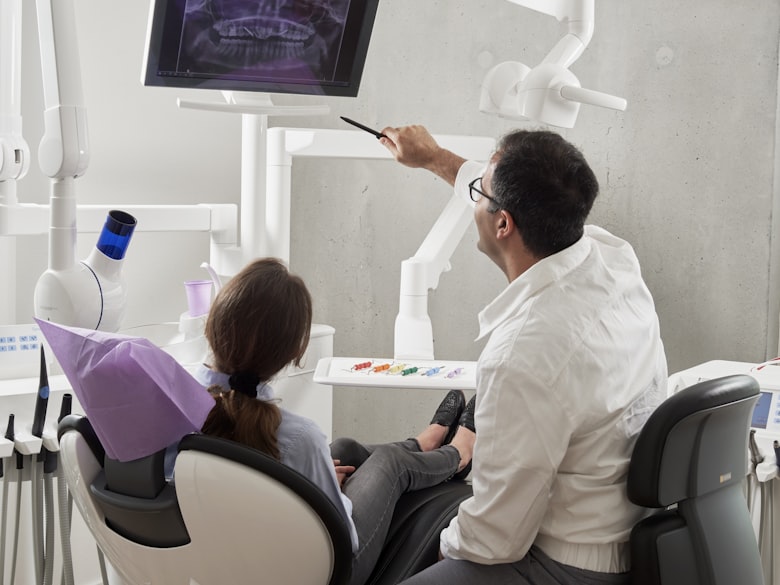
Your oral surgeon will ask about vaping habits before scheduling surgery. Be honest -- they need to know in order to plan your anaesthesia and post-operative care correctly.
3. The Complete Vaping Timeline
| When | Action | Why |
|---|---|---|
| 1 week before | Stop vaping entirely (ideal) | Allows full nicotine clearance, blood vessels normalise, oxygen levels recover, immune system strengthens |
| 72 hours before | Stop vaping (minimum) | Nicotine takes 48-72 hours to clear enough for vessels to function normally. Critical if having IV sedation. |
| Day of surgery | No vaping, no nicotine | Blood flow and oxygen levels must be optimal for anaesthesia, clot formation, and initial healing |
| 0-72 hours after | No vaping, no suction of any kind | Blood clot forming and stabilising. Suction or nicotine can dislodge it, causing dry socket. Most critical window. |
| 72 hours - 1 week after | Continue abstaining if possible | Clot is maturing and soft tissue is closing. Still vulnerable to chemical irritation and reduced blood flow. |
| 1-2 weeks after | Resume cautiously (with surgeon's approval) | Socket should be substantially healed. Risk of dry socket drops significantly after day 7-10. |
| 2+ weeks after | Resume normally | Healing is well advanced. Risk of vaping-related complications is minimal. |
4. Dry Socket: The Main Risk
Dry socket (alveolar osteitis) is the most common complication of tooth extraction, and vaping dramatically increases your risk. When a tooth is removed, a blood clot forms in the empty socket. This clot protects exposed bone and nerves, provides a scaffold for new tissue growth, and prevents bacteria from entering the wound.
If this clot is dislodged or dissolves prematurely, the bone and nerve endings are left exposed. The result is severe, radiating pain that typically begins 2-4 days after extraction, spreads to the ear and jaw, and is not well controlled by over-the-counter pain medication. Dry socket requires additional dental visits to pack the socket with medicated dressing and usually extends recovery by 1-2 weeks.
Vaping causes dry socket through two pathways: the physical suction that pulls the clot out, and the nicotine that weakens the clot by restricting blood flow. Both must be eliminated for the clot to stabilise properly.
5. Vaping and Anaesthesia/Sedation
If your wisdom teeth removal involves IV sedation or general anaesthesia (common for impacted wisdom teeth), stopping vaping before surgery becomes even more critical.
Vaping irritates the respiratory system, increasing mucus production and airway sensitivity. Under sedation, your body's airway reflexes are suppressed. An irritated, reactive airway increases the risk of laryngospasm (sudden airway closure), bronchospasm (airway constriction), and coughing during the procedure. These are potentially serious complications that your anaesthetist would much rather avoid.
Nicotine also raises heart rate and blood pressure, which can complicate sedation dosing. Your anaesthetist may need to use higher doses, increasing recovery time and side effects like nausea and dizziness.
6. Nicotine Alternatives During Recovery
Nicotine cravings are real, and asking someone to go cold turkey for 2-3 weeks is difficult. Here are the options your oral surgeon may discuss with you:
| Alternative | Acceptable? | Notes |
|---|---|---|
| Nicotine patches | Generally yes | No suction, no heat, no chemicals at the surgical site. Nicotine still constricts vessels somewhat. Consider reducing strength during the 72-hour critical window. |
| Nicotine gum | With caution | Chewing action may irritate the surgical site. The gum particles can get stuck in the socket. Not ideal in the first few days. |
| Nicotine lozenges | With caution | Better than gum (no chewing), but dissolves in the mouth near the surgical site. Wait at least 48 hours and keep the lozenge on the opposite side. |
| Nicotine-free vaping | Not recommended | Still involves suction, heat, and chemical exposure. Suction is the primary mechanical cause of clot dislodgement. Avoid. |
| Going nicotine-free | Best option | Eliminates all risks. Use the surgery as motivation for a reset. Even a 2-week break can reduce nicotine dependence. |
Good oral hygiene during recovery is essential. Brush gently (avoiding the surgical site for the first 24 hours), rinse with warm salt water from day 2, and follow your surgeon's instructions.
7. Warning Signs After Surgery
If you did vape (or slip up) during your recovery, watch for these warning signs that complications may be developing:
Early treatment of dry socket and infection prevents more serious complications. Do not wait and hope it resolves on its own. A quick visit to your dentist or oral surgeon for medicated packing can provide significant pain relief within hours.
8. Wisdom Teeth Removal Costs
If you need wisdom teeth removed and cost is a concern, treatment abroad can save 60-80% compared to US, Australian, or UK prices.
| Procedure | United States (USD) | Australia (AUD) | Vietnam (USD) | Thailand (USD) |
|---|---|---|---|---|
| Simple wisdom tooth extraction | $200-$400 | $300-$500 | $40-$80 | $60-$120 |
| Surgical/impacted extraction | $400-$800 | $500-$900 | $60-$150 | $100-$250 |
| All 4 wisdom teeth (surgical) | $1,200-$3,000 | $1,800-$3,500 | $200-$500 | $350-$800 |
| Panoramic X-ray | $100-$250 | $100-$200 | $15-$40 | $20-$50 |
| CBCT 3D Scan | $150-$500 | $200-$400 | $30-$80 | $40-$100 |
SmileJet lists 2,000+ listed clinics across Vietnam, Thailand, and Mexico. All 4 wisdom teeth can be removed surgically in Vietnam for approximately $200-$500, compared to $1,200-$3,000 in the US. The saving often covers the cost of a return flight. For more on combining dental work with travel, see our holiday + dental guide.
9. Frequently Asked Questions
How long should I stop vaping before wisdom teeth removal?
At least 72 hours (3 full days). Ideally 1 week. Nicotine takes 48-72 hours to clear enough for blood vessels to function normally. If having IV sedation, stopping is even more critical due to airway irritation risks.
How long after removal can I vape?
Wait at least 72 hours. Most oral surgeons recommend 2 weeks. The blood clot needs time to stabilise; suction from vaping can dislodge it, causing dry socket. Nicotine slows healing by 30-40%. Every extra day you wait reduces your risk.
Can vaping cause dry socket?
Yes. Vapers have approximately 3x the dry socket risk (13.2% vs 3.8% for non-vapers). Two mechanisms: suction dislodges the blood clot, and nicotine weakens it by constricting blood vessels. Dry socket causes severe pain, radiating to the ear and jaw, and extends recovery by 1-2 weeks.
Is vaping safer than smoking before oral surgery?
Not meaningfully. Vaping eliminates tar and carbon monoxide, but the four risks that matter most for surgery -- nicotine, suction, chemical irritation, and heat -- are all present. Dental professionals apply the same restrictions to vaping as to cigarettes.
Can I use nicotine patches instead?
Generally yes. Patches deliver nicotine without suction, heat, or chemical exposure at the surgical site. Nicotine still constricts vessels somewhat. Reducing patch strength or going nicotine-free for the 72-hour critical window is ideal. Discuss with your surgeon.
What if I vaped on the day of surgery?
Tell your oral surgeon immediately. They will not judge you but need to know in order to adjust anaesthesia dosing, plan for complications, and give accurate post-op instructions. Hiding it puts you at unnecessary risk. They may recommend postponing if the surgery is elective.
Prices are indicative; only a clinic's written quote applies to you. See how we source prices. SmileJet is an information service, not a healthcare provider, and nothing here is medical advice.