
What Is the Best Toothpaste for Periodontal Disease?
The right toothpaste helps manage gum disease, but it cannot cure it alone. Stannous fluoride leads the clinical evidence. Here is what to look for, what to avoid, and when you need professional treatment -- plus where to find affordable periodontal care across Asia.
1. Understanding Periodontal Disease
Periodontal disease is a bacterial infection of the tissues surrounding and supporting the teeth. It starts with gingivitis -- inflammation of the gums caused by plaque buildup along the gum line. Symptoms include red, swollen gums that bleed when you brush or floss. At this stage, the condition is reversible with proper oral hygiene.
Left untreated, gingivitis can progress to periodontitis, where the infection spreads below the gum line, destroys the bone and connective tissue that hold teeth in place, and creates "pockets" between the teeth and gums where bacteria thrive. Periodontitis is the leading cause of tooth loss in adults and has been linked to increased risk of heart disease, diabetes, respiratory illness, and even Alzheimer's disease.
Choosing the right toothpaste is one piece of the puzzle. It helps control the bacterial plaque that drives the disease. But it is important to understand upfront: toothpaste alone cannot cure periodontitis. It is a management tool, not a magic bullet.
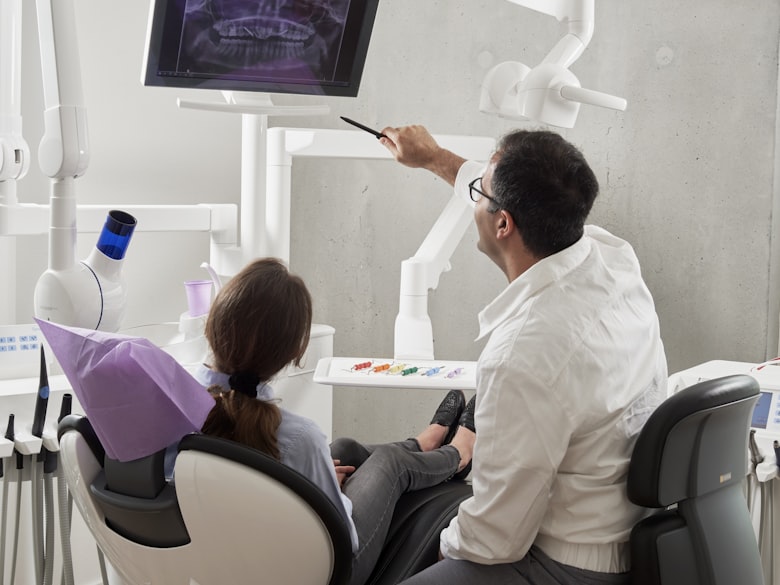
Regular dental checkups are essential for detecting gum disease early. Toothpaste supports daily maintenance, but professional cleaning removes tartar that brushing alone cannot.
2. Key Ingredients to Look For
Not all toothpaste is created equal for gum disease. Many mainstream options focus primarily on cavity prevention and whitening but do little to address gum inflammation. When choosing a toothpaste for periodontal disease, look for these specific active ingredients:
| Ingredient | What It Does | Evidence Level | Found In |
|---|---|---|---|
| Stannous fluoride | Kills plaque bacteria AND reduces gum inflammation. Dual antimicrobial + anti-inflammatory action. | Strong (gold standard) | Parodontax, Crest Pro-Health, Crest Gum Detoxify |
| Sodium fluoride | Strengthens enamel, prevents cavities. Does NOT have antimicrobial properties against gum bacteria. | Strong (for cavities) | Most standard toothpastes |
| Zinc citrate | Reduces plaque and tartar buildup. Antimicrobial properties. | Moderate | Colgate Total |
| Potassium nitrate | Reduces tooth sensitivity from gum recession (blocks nerve signals). | Strong (for sensitivity) | Sensodyne, Colgate Sensitive |
| Hydroxyapatite | Remineralises enamel, may support gum healing. Fluoride-free alternative. | Growing | Boka, Apagard, RiseWell |
| Tea tree oil | Natural antimicrobial and anti-inflammatory. Supports gum health. | Limited but positive | Hello, Desert Essence, Tea Tree Therapy |
| Aloe vera | Soothes inflamed gums, promotes tissue healing. | Limited | Himalaya, Forever Bright |
| Chlorhexidine | Powerful antimicrobial. Prescription-only in toothpaste form in many countries. | Strong | Prescription products (e.g., PerioGard) |
The Bottom Line on Ingredients
Stannous fluoride is the single most effective over-the-counter ingredient for periodontal disease. Unlike sodium fluoride (which only protects enamel), stannous fluoride fights the bacteria that cause gum disease AND reduces inflammation. If you buy only one thing differently after reading this article, switch to a stannous fluoride toothpaste.
3. Top Toothpaste Recommendations
| Product | Active Ingredient | Best For | Key Claim |
|---|---|---|---|
| Parodontax Active Gum Repair | Stannous fluoride (0.454%) | Bleeding gums, gingivitis | 3x more effective at removing plaque than sodium monofluorophosphate; 35% bleeding reduction in 2 weeks |
| Crest Gum Detoxify | Stannous fluoride | Below-gum-line bacteria | Activated foam penetrates below gum line to neutralise bacteria in hard-to-reach areas |
| Crest Pro-Health Advanced | Stabilised stannous fluoride | All-round gum protection | Healthier gums in 7 days; fights plaque, gingivitis, sensitivity, and cavities simultaneously |
| Colgate Total | Zinc + arginine + sodium fluoride | 12-hour protection | Antibacterial system continues fighting bacteria for 12 hours after brushing |
| Sensodyne Sensitivity & Gum | Stannous fluoride + potassium nitrate | Gum disease with sensitivity | Dual-action: reduces sensitivity from recession while fighting gum bacteria |
| Boka Ela Mint | Hydroxyapatite (n-Ha) | Fluoride-free option | Remineralises enamel without fluoride; gentle on sensitive gums |
4. What to Avoid
Some toothpaste characteristics can actually worsen periodontal disease. Watch out for these:
| Avoid | Why |
|---|---|
| High abrasivity (RDA above 100) | Abrasive whitening toothpastes can damage exposed root surfaces and thin enamel at the gum line. With recession, your roots are exposed -- they are softer than enamel and wear faster. |
| "Charcoal" toothpastes | Most charcoal toothpastes are highly abrasive, lack fluoride, and have no proven benefit for gum disease. The abrasiveness can worsen recession. |
| Sodium lauryl sulfate (SLS) in high concentrations | SLS is a foaming agent found in most toothpastes. While generally safe, high concentrations can irritate sensitive or inflamed gums. If your gums are very sore, consider an SLS-free option. |
| Toothpaste with no fluoride and no hydroxyapatite | Without either ingredient, you lose cavity protection. Periodontal disease already exposes root surfaces that are cavity-prone. You need both gum and cavity protection. |
5. The Complete Gum Health Routine
Toothpaste is only effective as part of a comprehensive daily routine. The physical disruption of plaque through brushing and interdental cleaning matters more than the toothpaste itself. Here is the evidence-based routine for managing gum disease at home:
| Step | What | How Often | Why It Matters |
|---|---|---|---|
| 1 | Brush with stannous fluoride toothpaste | Twice daily, 2 minutes each | Disrupts plaque biofilm + delivers antimicrobial ingredients to the gum line |
| 2 | Use a soft-bristled or sonic toothbrush | Every brushing session | Hard bristles damage receding gums. Sonic brushes are clinically superior for plaque removal along the gum line |
| 3 | Floss or use interdental brushes | Once daily (before brushing) | Removes plaque between teeth where a toothbrush cannot reach -- exactly where periodontal pockets form |
| 4 | Use antimicrobial mouthwash | Once daily (after brushing) | Reaches areas brushing and flossing miss. CPC-based (Colgate Total) or essential oil-based (Listerine) mouthwashes reduce gum bacteria |
| 5 | Professional cleaning | Every 3-6 months | Removes tartar (calcified plaque) that home care cannot. Essential for periodontal maintenance |
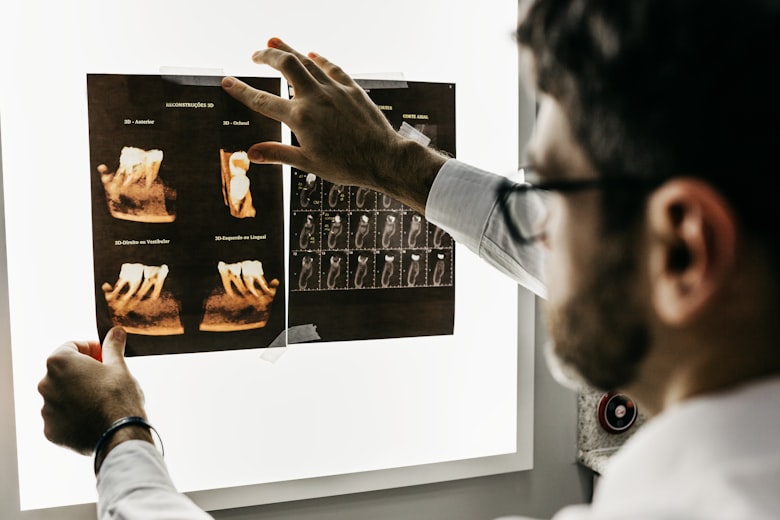
A sonic or electric toothbrush combined with stannous fluoride toothpaste provides the most effective at-home defence against periodontal disease.
6. When Toothpaste Is Not Enough
Toothpaste manages early-stage gum disease and helps maintain results after professional treatment. But there are clear signs that you have moved beyond what home care alone can address:
Professional treatment for periodontitis typically begins with scaling and root planing (deep cleaning) -- a non-surgical procedure where a dentist or hygienist removes tartar and bacteria from below the gum line and smooths the root surfaces to help gums reattach. In more advanced cases, bone grafting, gum surgery, or laser periodontal therapy may be needed.
7. Professional Periodontal Treatment Costs
If you need professional periodontal treatment beyond home care, cost is a major factor. Treatment costs vary dramatically by location. For patients willing to travel, dental destinations in Southeast Asia offer the same quality of care at 60-80% less.
| Procedure | United States (USD) | Australia (AUD) | Vietnam (USD) | Thailand (USD) |
|---|---|---|---|---|
| Deep cleaning (scaling & root planing, full mouth) | $600-$1,600 | $800-$2,000 | $50-$100 | $80-$200 |
| Professional scale & clean | $100-$250 | $160-$315 | $20-$45 | $30-$60 |
| Bone graft (per site) | $500-$3,000 | $800-$3,500 | $200-$500 | $300-$800 |
| Gum surgery (flap surgery, per quadrant) | $1,000-$3,000 | $1,500-$4,000 | $200-$600 | $400-$1,000 |
| CBCT 3D Scan | $150-$500 | $200-$400 | $30-$80 | $40-$100 |
| Dental implant (if tooth lost) | $3,000-$6,000 | $4,100-$7,100 | $700-$1,500 | $1,200-$2,500 |
For patients with advanced periodontal disease who need multiple procedures (deep cleaning, bone grafts, implants to replace lost teeth), the total cost in the US or Australia can reach $15,000-$40,000. The same comprehensive treatment plan in Vietnam costs $3,000-$8,000 -- a saving that often covers flights, accommodation, and a holiday.
8. Where to Find Affordable Periodontal Care
If your periodontal disease has progressed beyond what toothpaste and home care can manage, professional treatment at a quality clinic does not have to break the bank. Here are top destinations for affordable, high-quality periodontal care:
Hanoi, Vietnam
Hanoi has a concentration of hospital-affiliated and premium private dental clinics offering periodontal treatment with internationally trained specialists. Several clinics use German and Japanese technology for laser-assisted periodontal therapy. Deep cleaning costs just $50-$100 for a full mouth, and bone grafting runs $200-$500 per site. Browse listed clinics in Hanoi on SmileJet.
Da Nang, Vietnam
Da Nang's growing dental cluster combines beach-resort recovery with premium clinical care. The city has attracted investment in modern dental facilities, many staffed by Ho Chi Minh City-trained periodontists. Pricing is comparable to Hanoi, with the added benefit of recovering along My Khe Beach. Browse listed clinics in Da Nang on SmileJet.
Ho Chi Minh City, Vietnam
HCMC has the highest density of dental clinics in Vietnam and the widest range of periodontal specialists. Many clinics hold ISO certification and use the same implant brands and technology as US and Australian practices. It is also the easiest Vietnamese city to reach with direct flights from multiple international hubs. Browse listed clinics in Ho Chi Minh City on SmileJet.
Bangkok, Thailand
Bangkok is one of Asia's most established dental tourism destinations with JCI-accredited hospitals offering comprehensive periodontal care. Costs run slightly higher than Vietnam but remain 60-70% less than Western markets. The city's international hospitals (Bumrungrad, Bangkok Hospital Dental Centre) are world-renowned. Browse listed clinics in Bangkok on SmileJet.
Bali, Indonesia
Bali offers a growing number of dental clinics catering to international patients, particularly Australians. While not yet at the scale of Bangkok or HCMC, clinics in Denpasar, Kuta, and Seminyak areas offer periodontal treatment at prices similar to Thailand. Note: Bali is not currently part of the On SmileJet clinic network (which covers Vietnam, Thailand, and Mexico). If you are considering Bali, research clinics independently, check for international accreditations, and verify periodontist credentials. For listed clinic options, SmileJet's Vietnam and Thailand networks offer the broadest selection of vetted providers.
9. Frequently Asked Questions
What is the best toothpaste for periodontal disease?
Stannous fluoride toothpaste is the gold standard. Top options: Parodontax Active Gum Repair (35% bleeding reduction in 2 weeks), Crest Pro-Health Advanced (healthier gums in 7 days), and Crest Gum Detoxify (reaches below the gum line). Colgate Total provides 12-hour antibacterial protection. Look for the ADA Seal of Acceptance.
Can toothpaste cure periodontal disease?
No. Toothpaste helps manage gum disease by controlling plaque bacteria and reducing inflammation, but it cannot cure periodontitis. Pockets deeper than 3mm, bone loss, and gum recession require professional treatment: scaling and root planing, possibly antibiotics, and in severe cases surgery or bone grafting. Toothpaste works best as part of a comprehensive approach with proper brushing, flossing, and regular professional cleanings.
What ingredients should I look for?
Stannous fluoride (antimicrobial + anti-inflammatory, the gold standard), zinc citrate (reduces plaque/tartar), potassium nitrate (for sensitivity from recession), and hydroxyapatite (fluoride-free remineralisation). Natural options with some evidence: tea tree oil, aloe vera, CoQ10. Avoid toothpaste with high abrasivity (RDA above 100) as it damages exposed roots.
How much does professional periodontal treatment cost?
Full-mouth deep cleaning: $600-$1,600 in the US, $50-$100 in Vietnam, $80-$200 in Thailand. Bone grafting: $500-$3,000 in the US vs $200-$500 in Vietnam. Dental implants (if teeth are lost): $3,000-$6,000 in the US vs $700-$1,500 in Vietnam. SmileJet lists 2,000+ listed clinics.
Is stannous fluoride better than sodium fluoride for gum disease?
Yes, for gum disease specifically. Stannous fluoride has antimicrobial properties that sodium fluoride lacks -- it kills plaque bacteria AND reduces gum inflammation. Both protect against cavities. Trade-off: stannous fluoride can cause temporary staining in some users, though modern stabilised formulations have largely minimised this.
When should I see a dentist instead of just using toothpaste?
See a dentist if: bleeding gums persist after 2-3 weeks of proper brushing, gums are receding, teeth feel loose, you have persistent bad breath despite good hygiene, or you see pus. Advanced periodontitis requires professional scaling and root planing. Early treatment is critical -- bone loss is largely irreversible. Request a free consultation.
Prices are indicative; only a clinic's written quote applies to you. See how we source prices. SmileJet is an information service, not a healthcare provider, and nothing here is medical advice.