
Panoramic X-Rays in Vietnam
World-class dental care at up to 70% less than domestic prices. Accredited clinics, expert surgeons, and lifetime guarantees.
Last updated:
Last updated:
Sessions Required
1
The Panoramic X-Rays Procedure
What Are Panoramic X-Rays?
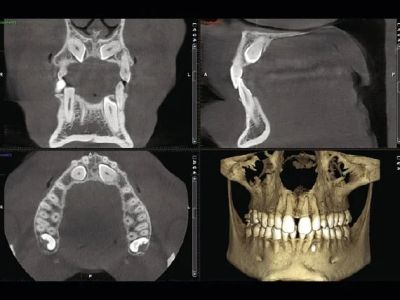
Panoramic X-rays, also known as panoramic radiographs or orthopantomograms (OPG), are specialized dental imaging techniques that capture a single, wide-angle view of your entire mouth in one image. Unlike traditional dental X-rays that focus on individual teeth or small sections, panoramic X-rays provide a comprehensive view of all your teeth, jaw bones, sinuses, and surrounding oral structures in a single scan.
This advanced diagnostic tool creates a curved, two-dimensional image that unfolds your jaw structure into a flat panoramic view, allowing dental professionals to examine your complete oral anatomy efficiently. The technology uses a rotating X-ray machine that moves around your head to capture detailed images of areas that might be difficult to see with conventional intraoral X-rays.
How Panoramic X-Rays Are Performed
The panoramic X-ray procedure is simple, quick, and completely painless. Here's what you can expect during your appointment:
Preparation Phase
Before the scan begins, you'll be asked to remove any jewelry, eyeglasses, or metal objects from your head and neck area, as these can interfere with the image quality. Your dental team will explain the procedure and position you correctly for optimal results.
Positioning Process
You'll stand or sit upright in front of the panoramic X-ray machine. A technician will help position your chin on a small ledge and ask you to bite gently on a sterile bite block. Your head will be stabilized with side guides to ensure you remain perfectly still during the scan. Proper positioning is crucial for obtaining clear, accurate images.
The Scanning Process
Once positioned correctly, the X-ray machine's arm will slowly rotate around your head in a semicircular motion, typically taking 12-20 seconds to complete the full rotation. During this time, it's essential to remain completely still and avoid swallowing or moving your tongue. The machine captures images continuously as it moves, creating the comprehensive panoramic view.
Image Processing
Modern panoramic X-ray systems often use digital technology, meaning your images are available for review almost immediately. Your dentist can analyze the results right away and discuss findings with you during the same appointment.
Benefits and Clinical Advantages
Panoramic X-rays offer numerous advantages over traditional dental imaging methods, making them invaluable for comprehensive oral health assessment:
Comprehensive Oral Examination
These X-rays provide a complete overview of your oral structures, including teeth, jawbones, sinuses, and temporomandibular joints (TMJ). This comprehensive view helps dentists identify issues that might not be visible during clinical examination or with smaller, targeted X-rays.
Efficient Diagnostic Process
A single panoramic image can replace multiple individual X-rays, saving time and reducing overall radiation exposure. This efficiency makes it an excellent screening tool for new patients or comprehensive oral health evaluations.
Early Problem Detection
Panoramic X-rays excel at detecting various oral health conditions in their early stages, including impacted wisdom teeth, cysts, tumors, bone abnormalities, and sinus problems. Early detection often leads to more conservative and successful treatment outcomes.
Treatment Planning Tool
These images are essential for planning complex dental procedures such as orthodontic treatment, oral surgery, dental implant placement, and extraction of impacted teeth. The comprehensive view helps dentists develop accurate treatment plans and anticipate potential complications.
Patient Comfort
Unlike intraoral X-rays that require placing film or sensors inside your mouth, panoramic X-rays are taken from outside the mouth, making them more comfortable for patients with sensitive gag reflexes or difficulty opening their mouths wide.
Who Needs Panoramic X-Rays?
Panoramic X-rays are recommended for various patients and clinical situations:
New Patient Evaluations
Most dental practices use panoramic X-rays as part of comprehensive initial examinations for new patients. This provides dentists with a complete baseline of your oral health status and helps identify any existing or potential problems.
Orthodontic Patients
Patients considering or undergoing orthodontic treatment benefit from panoramic X-rays as they show the position and development of all teeth, including those not yet erupted. This information is crucial for creating effective treatment plans.
Oral Surgery Candidates
Before procedures like wisdom tooth extraction, dental implant placement, or jaw surgery, panoramic X-rays provide essential information about bone structure, nerve pathways, and anatomical relationships.
Patients with Symptoms
If you're experiencing unexplained pain, swelling, or other oral symptoms that can't be diagnosed through clinical examination alone, panoramic X-rays can help identify the underlying cause.
Routine Monitoring
Patients with certain conditions like TMJ disorders, previous oral surgery, or ongoing periodontal treatment may need periodic panoramic X-rays to monitor their progress and detect any changes.
What Conditions Can Be Diagnosed?
Panoramic X-rays are excellent diagnostic tools for identifying numerous oral health conditions:
- Impacted or malpositioned teeth, especially wisdom teeth
- Jaw fractures or other traumatic injuries
- Cysts and tumors in the jaw or surrounding tissues
- Bone loss due to periodontal disease
- Sinus problems and abnormalities
- TMJ disorders and joint abnormalities
- Developmental abnormalities in children
- Root fragments or foreign objects
- Nerve pathways and anatomical structures
Safety and Radiation Considerations
Panoramic X-rays are considered very safe, with minimal radiation exposure. Modern digital panoramic systems use significantly less radiation than traditional film-based systems. The amount of radiation exposure is comparable to the natural background radiation you receive in a few days of normal living.
Pregnant women should inform their dental team, as X-rays are typically postponed unless absolutely necessary for emergency treatment. Lead aprons may be used as an additional safety precaution, though they're not always necessary with modern low-radiation digital systems.
After Your Panoramic X-Ray
There is no recovery time or special aftercare required following panoramic X-rays. You can immediately return to your normal activities, including eating and drinking. Your dentist will review the images and discuss any findings with you, explaining what the images show and recommending any necessary follow-up treatment.
If additional imaging or treatment is needed based on the panoramic X-ray findings, your dental team will explain the next steps and schedule appropriate appointments. The images become part of your permanent dental record and can be easily shared with specialists if referrals are necessary.
Reviewed by the SmileJet Medical Board of Excellence
This treatment information is reviewed for accuracy by our advisory board of dental professionals, including Dr. Andrew McAllister (Implantology, 29 yrs), Dr. Karen Lim-Beaumont (Endodontics, 23 yrs), Dr. Robert J. Marchetti (Restorative Dentistry, 26 yrs), Dr. Catherine Reyes-Sullivan (Prosthodontics, 24 yrs), and Dr. William Harrelson III (Oral Surgery, 27 yrs). Meet our board
Why Choose SmileJet for Panoramic X-Rays?
With 500+ verified clinics across 15+ countries and 2,500+ patient reviews, SmileJet helps you compare prices on panoramic x-rays and find the best clinic in Vietnam. Every clinic is reviewed through our audit process. Book a free quote with no obligation.
Book Free ConsultationFrequently Asked Questions
What is a panoramic X-ray?
How long does a panoramic X-ray take?
Is a panoramic X-ray painful?
How often do I need panoramic X-rays?
Are panoramic X-rays safe?
Can I eat before a panoramic X-ray?
What should I remove before the X-ray?
Can pregnant women have panoramic X-rays?
Do panoramic X-rays show cavities?
What happens if I move during the scan?
Can children have panoramic X-rays?
Will I get results immediately?
Do I need to hold my breath during the scan?
Can panoramic X-rays detect gum disease?
Are panoramic X-rays covered by insurance?
What if I have a gag reflex problem?
Can I wear my dentures during the scan?
Do panoramic X-rays show wisdom teeth?
What's the difference from regular dental X-rays?
Can panoramic X-rays detect oral cancer?
Ready to start your journey?
Get a personalized treatment plan and cost estimate from our top-rated dentists within 24 hours.
Get Your Free Quote Now