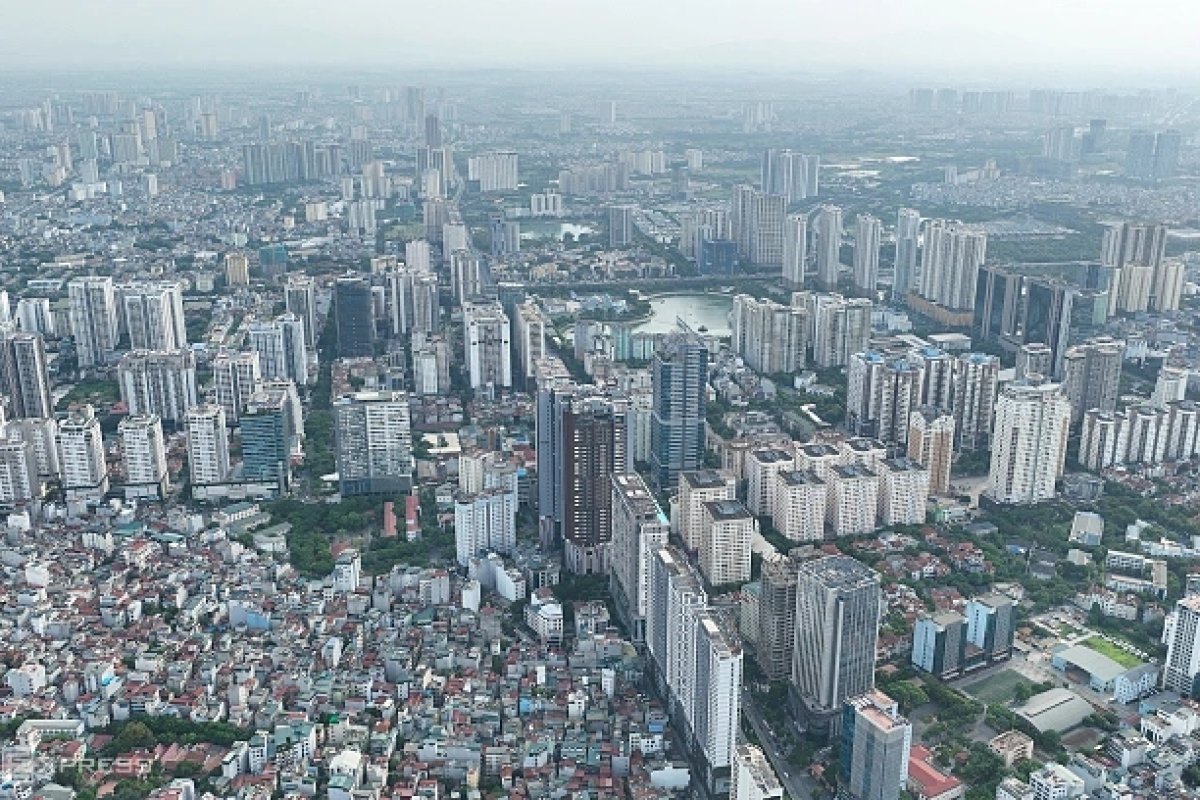
If you’re a retiree weighing your options for living abroad, whether full-time, for a few months a year, or just long enough to get serious dental work done at a fraction of Western prices, Hanoi deserves a very serious look. Vietnam’s capital is one of the most affordable yet genuinely liveable cities in Southeast Asia, with a rapidly improving international infrastructure, excellent food, manageable healthcare costs, and a dental care sector that regularly saves visitors $5,000–$20,000 compared to home-country prices.
This guide breaks down every major expense category for 2026 in real numbers: rent by district and apartment type, food from street stalls to restaurants, transport, utilities, healthcare (including dental), entertainment, and visa costs. We then translate those figures into three monthly budget tiers, compare Hanoi against four popular retirement destinations, and answer the five most common questions from retirees considering Vietnam.
Planning a trip to Hanoi for dental work?
Browse listed clinics, compare prices for implants, veneers, and crowns, and request a free quote, all in one place.
Explore Hanoi Dental Clinics →Quick Summary: Monthly Budgets in Hanoi (2026)
- Budget lifestyle: $800–$1,200/month, shared housing or basic studio, street food + self-cooking, local transport
- Comfortable lifestyle: $1,500–$2,500/month, 1-bed furnished apartment, regular dining out, private health insurance, leisure
- Luxury lifestyle: $3,000+/month, serviced apartment or villa, fine dining, premium insurance, car/driver, international school fees if needed
All figures in USD. Based on April 2026 data. Individual costs vary by lifestyle, district, and negotiation.
1. Accommodation: Costs by District & Apartment Type
Hanoi’s rental market offers remarkable value compared to almost any Western city, though prices have risen 10–15% since 2023 as the expat population grows. The neighbourhood you choose makes a significant difference to both cost and quality of life.
Key Districts for Retirees
Old Quarter (Hoan Kiem): The most visited, most atmospheric part of Hanoi. Tight alleys, street food on every corner, walking distance to temples, museums, and the lake. Good for shorter stays or people who love urban energy. Apartments here tend to be older stock, charming but smaller. Quiet street noise is genuinely difficult to find. Best for 1–3 month stays, not full-time residence.
West Lake (Tay Ho): The expat neighbourhood of choice. Lakeside setting, the city’s best international restaurants and coffee shops, quieter and greener than the Old Quarter, and home to most international dental clinics used by Western patients. Monthly rents are 20–30% higher than elsewhere but the quality-of-life payoff is significant. Ideal for stays of 1 month or longer.
Ba Dinh: Government and diplomatic district. Wide tree-lined boulevards, historic landmarks, and a more residential feel than either of the above. Good mid-range apartments; quieter than Hoan Kiem; convenient to West Lake. Popular with families and professional expats.
Cau Giay / Xuan Thuy: Modern, university-area district. Less charming than West Lake but significantly cheaper. Good for budget-conscious retirees who don’t need to be central. Abundant supermarkets, gyms, and mid-range restaurants.
Long Bien: Emerging area across the Red River. Larger apartments for lower prices; newer builds. Still developing its expat infrastructure. Good for genuine long-stayers willing to trade convenience for space.
| Property Type | Old Quarter | West Lake (Tay Ho) | Ba Dinh | Cau Giay |
|---|---|---|---|---|
| Studio / 1-bed (basic) | $300–$500 | $450–$700 | $350–$550 | $280–$450 |
| 1-bed (furnished, modern) | $500–$800 | $650–$1,100 | $500–$800 | $400–$650 |
| 2-bed apartment | $700–$1,200 | $900–$1,600 | $700–$1,200 | $550–$950 |
| Serviced apartment (1-bed) | $900–$1,500 | $1,100–$1,800 | $900–$1,400 | $750–$1,200 |
| Villa / townhouse (3+ bed) | $1,500–$3,000 | $2,000–$5,000+ | $1,500–$3,000 | $1,200–$2,500 |
Negotiation tip: Monthly rents are almost always negotiable, particularly for stays of 3 months or longer. Landlords in Hanoi expect some negotiation. Offering 3–6 months upfront in a single payment typically secures a 10–20% discount from the listed price. Always insist on a written lease agreement (in English and Vietnamese) and verify that utilities are either included or clearly defined.
2. Food: Street Food, Restaurants & Cooking at Home
Hanoi’s food culture is one of its greatest assets for retirees on a budget. You can eat extraordinarily well for very little. Even at the comfortable middle tier, eating out twice daily at proper sit-down restaurants, food costs remain well below $400/month for a single person.
Street Food & Local Restaurants
A proper bowl of pho at a street stall or local restaurant costs 30,000–60,000 VND ($1.20–$2.40 USD). Bun cha (grilled pork with noodles) runs 40,000–70,000 VND. Banh mi (baguette sandwiches) are 20,000–35,000 VND. A full lunch of rice + two dishes + a cold drink at a local com binh dan (rice canteen) costs 50,000–80,000 VND ($2–$3.20). Eating all three meals from street stalls and local restaurants costs a disciplined $8–$15 per day per person.
Mid-Range & International Restaurants
Hanoi has a thriving mid-range restaurant scene, particularly in the Tay Ho, Hoan Kiem, and Ba Dinh districts. A two-course dinner for one with a glass of wine at a good Western or international restaurant costs $15–$30. Vietnamese fine dining (exceptional quality) costs $20–$45 per person. A set lunch at a rooftop restaurant overlooking the Old Quarter rarely exceeds $12–$20 including drinks.
Cooking at Home
Vietnamese wet markets offer exceptional produce at very low prices: fresh vegetables for $0.50–$1.50 per bag, fish and seafood for $3–$6/kg, chicken for $2.50–$4/kg, and tropical fruit from $0.50–$1.50/kg. Winmart, Lotte Mart, and BigC are the main supermarket chains. A monthly grocery bill for home cooking runs $120–$200 for a single person eating well.
| Food Category | Budget/Day (USD) | Budget/Month (USD) | Typical Menu |
|---|---|---|---|
| Street food only | $6–$12 | $180–$360 | Pho, banh mi, com binh dan, sinh to |
| Mix: local + occasional restaurant | $15–$25 | $450–$750 | Local meals + 3–4 restaurant dinners/week |
| Mostly restaurants + cooking | $25–$45 | $750–$1,350 | Daily restaurant dining, imported groceries |
| Fine dining / expat standard | $50–$100+ | $1,500–$3,000+ | Top restaurants, imported wine, private dining |
3. Transport: Grab, Motorbike & Walking
Hanoi is remarkably affordable to get around. Most retirees rely on a combination of walking and Grab (Southeast Asia’s Uber) for daily transport, with motorbike hire for those comfortable in traffic.
- Grab (car/taxi): Short city rides cost $1.50–$4. Airport transfer (45–60 min) $8–$15. Hanoi is compact; most rides within the central districts are under $3. Monthly Grab budget for regular use: $40–$80.
- Grab motorbike (GrabBike): Even cheaper. A 10-minute ride costs $0.80–$1.50. Only practical for fit, experienced riders comfortable on the back of a motorbike in Vietnamese traffic.
- Monthly motorbike rental: $50–$100/month for a scooter, including insurance. Petrol adds $10–$20/month. Not recommended for those unfamiliar with Asian traffic.
- City bus: 7,000–9,000 VND ($0.28–$0.36) per ride. Practical for major routes. Less convenient for specific destinations.
- Walking: The Old Quarter and surrounding districts are walkable for most of the year, though summer heat (May–September, 35–40°C) limits walking distances for many older travellers.
- Monthly driver (full-time): $300–$500/month for a personal driver and car. Common among retirees with mobility limitations or those who simply prefer the convenience.
Typical monthly transport budget: $30–$50 (walking + occasional Grab) • $50–$100 (regular Grab use) • $150–$250 (motorbike) • $300–$500+ (personal driver).
4. Utilities & Internet
Utility costs in Hanoi are generally low, though electricity bills spike significantly during summer months due to air conditioning. Most apartments include water in the rent; electricity is metered and paid separately.
| Utility | Monthly Cost (USD) | Notes |
|---|---|---|
| Electricity | $20–$80 | Lower Nov–Mar; higher May–Sep (AC). Budget $50–$80 in summer. |
| Water | $3–$10 | Often included in rent. Drinking water via delivered bottles: $5–$15/mo. |
| Internet (fibre broadband) | $10–$18 | 100–300 Mbps fibre is standard. VNPT and Viettel are main providers. |
| Mobile phone (SIM + data) | $5–$15 | Viettel, Vietnamobile, Vinaphone. Unlimited data plans from ~$6/mo. |
| Total monthly utilities (avg) | $40–$120 | Average across seasons; budget $100+ in peak summer heat. |
5. Healthcare & Dental Care: The Major Savings Opportunity
For many retirees, healthcare costs, and particularly dental costs, are the single biggest financial concern of retirement. Hanoi dramatically changes that calculus. Routine and planned medical care is of genuinely high quality at a fraction of Western prices, and the dental sector is one of the most developed in Southeast Asia.
International Hospitals in Hanoi
For international retirees, the key facilities are Vinmec International Hospital (Vinhomes Times City and West Lake campuses), Hôpital Français de Hanoi (Hanoi French Hospital), and Hong Ngoc International Hospital. All have English-speaking doctors, modern diagnostic equipment, and are used by expats and medical tourists from across the region.
| Healthcare Service | Hanoi Cost (USD) | Australia/UK/US Cost | Saving |
|---|---|---|---|
| GP consultation | $30–$80 | $100–$350 | 45 to 75% |
| Specialist consultation | $60–$150 | $250–$600+ | 70–75% |
| Blood tests (full panel) | $30–$60 | $200–$500+ | 80–90% |
| International health insurance (60yo) | $100–$250/mo | $300–$600/mo | 50–70% |
| Prescription medication (generic) | $3–$15/course | $15–$80/course | 60–85% |
Dental Care: Where the Real Savings Are
Dental care is where Hanoi delivers its most striking financial advantage for retirees. Vietnam’s dental sector has invested heavily in international training, equipment, and implant brands over the past decade. Top clinics like Picasso Dental, Westcoast International Dental, and Australian Dental Hanoi use the same implant brands (Straumann, Nobel Biocare, Osstem) and porcelain systems as clinics in London, Sydney, and Toronto, at 45 to 75% lower prices.
| Dental Procedure | Hanoi (USD) | Australia (USD) | UK (USD) | US (USD) |
|---|---|---|---|---|
| Dental implant (inc. crown) | $800–$1,400 | $3,500–$6,000 | $3,000–$5,500 | $3,000–$5,000 |
| Porcelain crown | $120–$280 | $1,200–$2,500 | $900–$1,800 | $1,000–$2,200 |
| Porcelain veneers (per tooth) | $200–$380 | $1,200–$2,500 | $900–$1,800 | $1,000–$2,500 |
| Dental check-up + clean | $15–$35 | $150–$350 | $80–$200 | $150–$400 |
| Root canal treatment | $80–$200 | $1,000–$2,500 | $700–$1,500 | $700–$1,800 |
Real-world saving example: A retiree needing 4 dental implants and 6 porcelain crowns would pay approximately $14,400–$30,000 in Australia or the UK. The same treatment at a top Hanoi clinic like Picasso Dental Westlake or Westcoast International would cost approximately $4,500–$7,300, a saving of $8,000–$22,000. That saving alone more than funds several months of comfortable Hanoi living.
For a full breakdown of dental implant costs in Hanoi, including clinic comparisons and what to expect during treatment, see our detailed guide: Dental Implant Costs in Hanoi 2026: Complete Clinic-by-Clinic Guide.
6. Entertainment, Leisure & Social Life
Hanoi offers retirees a genuinely rich social and cultural life at very low cost. The city has a well-established expat community, a vibrant café culture, outstanding museums, day trip opportunities, and a growing wellness sector.
| Activity / Expense | Cost (USD) | Notes |
|---|---|---|
| Gym membership | $25–$80/mo | California Fitness, Amafit, Fit24; many apartment buildings have free gyms |
| Cinema ticket | $4–$8 | CGV and Lotte Cinema show international films in English with Vietnamese subtitles |
| Water puppet show | $5–$12 | Thang Long Water Puppet Theatre; uniquely Vietnamese art form |
| Museum entry | $1–$4 | Vietnam Museum of Ethnology, Women’s Museum, Hoa Lo, Fine Arts Museum |
| Ha Long Bay overnight cruise | $70–$250/pp | Budget to luxury; includes meals and activities; 340km northeast of Hanoi |
| Sapa weekend trek | $80–$200 | Train or bus + 2 nights + guided trek; spectacular mountain villages |
| Yoga / Pilates class | $5–$15/class | Multiple yoga studios in Tay Ho and Ba Dinh; group classes widely available |
| Traditional massage (1 hour) | $7–$18 | Quality Vietnamese massage; spa treatments widely available in all districts |
| Vietnamese cooking class | $25–$50 | Popular expat activity; half-day, includes market visit and 4–5 dishes |
| Netflix / streaming | $3–$7/mo | Vietnam-region pricing; use VPN for full home-country library access |
Monthly entertainment & leisure budget range: $100–$150 (minimal outings) • $200–$400 (active social life, gym, occasional trips) • $500–$1,000+ (regular day trips, fine dining, premium leisure).
7. Visa Costs & Long-Stay Options
Vietnam does not have a dedicated retirement visa in 2026, which is the most frequently cited limitation by retirees considering long-term stays. However, the current visa framework is quite flexible for those who plan ahead.
Main Visa Options for Retirees (2026)
- E-Visa (online, self-service): 90 days, single or multiple entry. Issued in 3 business days. Cost: $25 USD. Can be renewed by exiting Vietnam briefly and re-applying. Most straightforward option for initial stays and medical trips.
- Business (DN) Visa, 3–6 months: Requires a Vietnamese company sponsor, but this is routinely arranged through visa agencies for $100–$250 per application. Multiple entry, 3–6 month validity. Popular among long-term expats.
- Investor / company director visa (DT): Available to those who establish or invest in a Vietnamese business. 1–5 year validity, multiple entry. More setup cost but genuine long-term solution.
- Tourist visa + border run: Some retirees cycle through 90-day e-visas with periodic overnight trips to Hong Kong, Bangkok, or Kuala Lumpur. A Bangkok weekend costs $150–$300 for flights + hotel; Hong Kong $200–$400.
| Visa Type | Duration | Cost | Annualised Cost | Practical? |
|---|---|---|---|---|
| E-Visa (90d) | 90 days | $25 | $100 + border runs | Yes |
| Business DN visa (3mo) | 3 months | $150–$250 | $600–$1,000 | Yes (via agent) |
| Business DN visa (6mo) | 6 months | $200–$350 | $400–$700 | Yes (via agent) |
| E-visa + border run (to BKK) | Continuous | $25 + $150–$300 trip | $700–$1,400 | Popular but variable |
| Investor visa (DT, 1yr) | 1 year | $1,500–$3,000 setup | $1,500–$3,000 first yr | Yes (for committed long-stayers) |
8. Monthly Budget Tiers: Budget, Comfortable & Luxury
The following tiers represent realistic monthly budgets for a single retiree living in Hanoi in 2026. Couples benefit significantly from shared fixed costs (accommodation, utilities, internet) and can often maintain a comfortable lifestyle at 60–70% of the combined individual figure.
Budget Lifestyle: $800–$1,200/month
Basic but dignified. Shared accommodation or a basic studio in Cau Giay or Long Bien; primarily street food and cooking at home; local transport only; minimal entertainment spending. Not glamorous, but genuinely comfortable and very safe by global standards.
| Accommodation (basic studio/shared) | $280–$450 |
| Food (street food + home cooking) | $180–$280 |
| Transport (walking + occasional Grab) | $30–$50 |
| Utilities | $40–$70 |
| Healthcare / insurance (basic local coverage) | $50–$100 |
| Entertainment & misc. | $80–$150 |
| Visa costs (amortised) | $30–$60 |
| Total | $690–$1,160 |
Comfortable Lifestyle: $1,500–$2,500/month (Most popular tier for Western retirees)
A genuinely comfortable lifestyle with a well-furnished apartment in a good neighbourhood, regular dining out, private international health insurance, gym membership, regular leisure activities, and monthly day trips. This is how most Western retirees actually live in Hanoi, and it costs less than a budget pension in London or Sydney.
| Accommodation (modern 1-bed, West Lake or Ba Dinh) | $600–$900 |
| Food (mix of local & restaurants, occasional fine dining) | $350–$600 |
| Transport (regular Grab, occasional taxi) | $60–$100 |
| Utilities | $60–$100 |
| Private international health insurance (60yo approx.) | $120–$200 |
| Entertainment, gym, leisure, day trips | $200–$400 |
| Visa & admin costs (amortised) | $50–$80 |
| Total | $1,440–$2,380 |
Luxury Lifestyle: $3,000+/month
Premium lakeside apartment or villa, personal driver, fine dining, premium international health insurance with full evacuation cover, frequent domestic travel, and a lifestyle that feels genuinely luxurious by Western standards, at a fraction of what it would cost in London, Sydney, or New York.
| Accommodation (serviced apartment, West Lake villa) | $1,200–$2,500 |
| Food (fine dining + premium groceries) | $600–$1,200 |
| Personal driver | $300–$500 |
| Utilities (incl. cleaning, home services) | $150–$300 |
| Premium international health insurance | $250–$400 |
| Leisure, travel, social | $500–$1,000 |
| Total | $3,000–$5,900+ |
Many retirees visiting Hanoi for dental work save more than a year’s living costs in a single trip.
Compare dental clinics in Hanoi, read real patient reviews, and request a free treatment quote. No obligation.
Compare Hanoi Dental Clinics →9. Hanoi vs Bangkok vs Chiang Mai vs Lisbon vs Medellin
Hanoi is increasingly chosen over the classic retiree destinations. Here is an honest side-by-side comparison of the five cities most commonly considered by Western retirees in their 50s and 60s.
| Metric | Hanoi | Bangkok | Chiang Mai | Lisbon | Medellin |
|---|---|---|---|---|---|
| Budget lifestyle/mo | $800–$1,200 | $1,000–$1,600 | $900–$1,400 | $1,800–$2,800 | $900–$1,300 |
| Comfortable lifestyle/mo | $1,500–$2,500 | $2,000–$3,500 | $1,600–$2,800 | $3,000–$5,000 | $1,400–$2,200 |
| 1-bed apartment (central, good) | $500–$900 | $800–$1,600 | $500–$900 | $1,200–$2,400 | $500–$900 |
| Street meal cost | $1–$3 | $2–$4 | $1.50–$3.50 | $8–$15 | $2–$5 |
| Dental implant (full, top clinic) | $800–$1,400 | $1,500–$2,800 | $1,200–$2,200 | $1,000–$2,000 | $800–$1,500 |
| Retirement visa? | No (e-visa 90d) | Yes (LTR visa) | Yes (Thailand LTR) | Yes (D7 visa) | Yes (pensioner visa) |
| English widely spoken? | Good (tourist areas) | Very good | Very good | Good | Limited |
| Safety rating (OSAC 2025) | Level 1 (Excellent) | Level 1 | Level 1 | Level 2 | Level 3 |
| Best for | Dental savings, culture, food | Visa ease, nightlife, connections | Slow pace, nature, expat community | EU access, culture, Atlantic coast | Spring climate, Latin culture |
The verdict: Hanoi is cheaper than Bangkok and broadly on par with Chiang Mai and Medellin on monthly living costs, but with notably lower dental costs, a Level 1 safety rating, outstanding food culture, and a richness that consistently surprises Western visitors. The main drawback is the lack of a formal retirement visa. For retirees whose primary concern is getting significant dental work done affordably in a safe, liveable city, Hanoi’s dental sector delivers the best value in the region.
10. Frequently Asked Questions
How much does it cost to live comfortably in Hanoi as a retiree in 2026?
A comfortable retirement lifestyle in Hanoi costs approximately $1,500–$2,500 USD per month. This covers a well-furnished one-bedroom apartment in a good neighbourhood ($400–$700/mo), dining out regularly at mid-range restaurants ($250–$400/mo), private health insurance ($100–$180/mo), transport ($40–$70/mo), utilities ($50–$80/mo), and leisure activities including tours, cafés, and entertainment ($200–$400/mo). Couples can share many fixed costs, reducing the per-person figure significantly.
Is Hanoi cheaper than Chiang Mai or Lisbon for retirees?
Yes. Hanoi is significantly cheaper than Lisbon and broadly comparable to Chiang Mai but with lower rents. A comfortable one-bedroom apartment in Hanoi runs $400–$700/month vs $600–$950 in Lisbon, $450–$750 in Chiang Mai, and $1,200–$2,000 in Bangkok’s Sukhumvit district. Street food and local restaurants in Hanoi cost 30–50% less than equivalent meals in Chiang Mai. Dental care in Hanoi is also notably cheaper: a single dental implant costs $800–$1,400 at a top Hanoi clinic vs $1,500–$2,200 in Chiang Mai.
What visa options are available for long-term retirees in Vietnam in 2026?
Vietnam does not have a formal retirement visa in 2026. The most practical options are: (1) E-visa: 90 days, single or multiple entry, $25 USD, renewable. (2) Business visa (DN): 3–6 months, multiple entry, requires sponsorship but widely available through visa agencies for $150–$350. Most long-term expat retirees use 6-month business visas or a combination of 90-day e-visas with periodic border runs to Bangkok or Hong Kong. Visa costs typically add $300–$1,000/year to total living costs.
How much can retirees save on dental care by getting treatment in Hanoi?
Savings are substantial. A dental implant (including crown) costs $800–$1,400 at a top Hanoi clinic like Picasso Dental or Westcoast International, compared to $3,000–$6,000 in Australia, $3,500–$5,500 in the UK, and $3,000–$5,000 in the US. A full set of porcelain veneers (8 teeth) costs $1,600–$3,000 in Hanoi vs $8,000–$20,000 in Western countries. Many retirees save $3,000–$20,000+ on a single dental trip. See our full guide: Dental Implant Costs in Hanoi 2026.
Is healthcare quality in Hanoi adequate for retired expats?
For routine and planned healthcare, Hanoi’s international hospitals are excellent. Vinmec International Hospital and Hôpital Français de Hanoi both provide international-standard care with English-speaking doctors and modern equipment. International health insurance covers these facilities and typically costs $100–$250/month for a healthy 60-year-old. For complex emergency surgery or rare conditions, medical evacuation to Singapore or Bangkok is the standard protocol. Routine GP visits cost $30–$80, specialist consultations $60–$150, and dental check-ups $15–$30, dramatically below Western prices. For planned dental work, see our Hanoi dental destination guide.
Related Guides for Retirees Considering Hanoi
Full price breakdown for Straumann, Nobel Biocare, and Osstem implants at Hanoi’s top clinics.
Five ready-to-use itineraries from a 5-day whitening trip to a 14-day smile makeover tour.
District-by-district guide to choosing accommodation near your dental clinic.
Treatment timelines for implants, veneers, crowns, and full-mouth restoration.
Ready to Plan Your Hanoi Dental & Retirement Visit?
Hanoi’s dental clinics offer world-class treatment at a fraction of Western prices. Browse listed clinics, compare treatment costs, and connect directly with the best international dental clinics in Hanoi.
Explore Hanoi Dental Clinics →Disclaimer: All cost figures in this article are estimates based on publicly available data, expat community reports, and SmileJet research current as of April 2026. Actual costs vary depending on lifestyle, negotiation, exchange rates, and individual circumstances. Healthcare and dental cost savings compared to Western countries are illustrative and based on published clinic pricing, individual treatment costs depend on diagnosis and treatment plan. This article does not constitute financial, medical, or legal advice. Always consult a qualified professional regarding your personal healthcare, visa, and financial planning. SmileJet provides information and dental clinic connections only and does not provide medical treatment, financial advice, or visa services. Travel and health insurance covering dental complications and medical evacuation is strongly recommended for all visitors to Vietnam.