Bone grafting abroad.
Priced on published fees.
What bone grafting costs across the destinations we list, from fees published by approved clinics.
Free to use. No forms, no call centre. You pay the clinic directly, at its own prices.
What it costs
Bone grafting, country by country.
Each figure is the average of prices published by approved clinics in that country. The count beside it is how many clinics stand behind the figure.
| Country | Average | Range | Clinics |
|---|---|---|---|
| Thailand | US$439 | US$143 to US$857 | 7 |
| Mexico | US$400 | US$300 to US$550 | 3 |
| Turkey | US$229 | US$108 to US$1,265 | 3 |
| Indonesia | US$257 | US$156 to US$364 | 3 |
Indicative. Averages of what clinics publish, not quotes. Only a clinic's written quote for your own case applies to you. Method: the pricing research index.
Want bone grafting priced for your own mouth? Send a photo and we will come back with written quotes.
Get my quoteThe treatment
What bone grafting involves.
What is Bone Grafting?
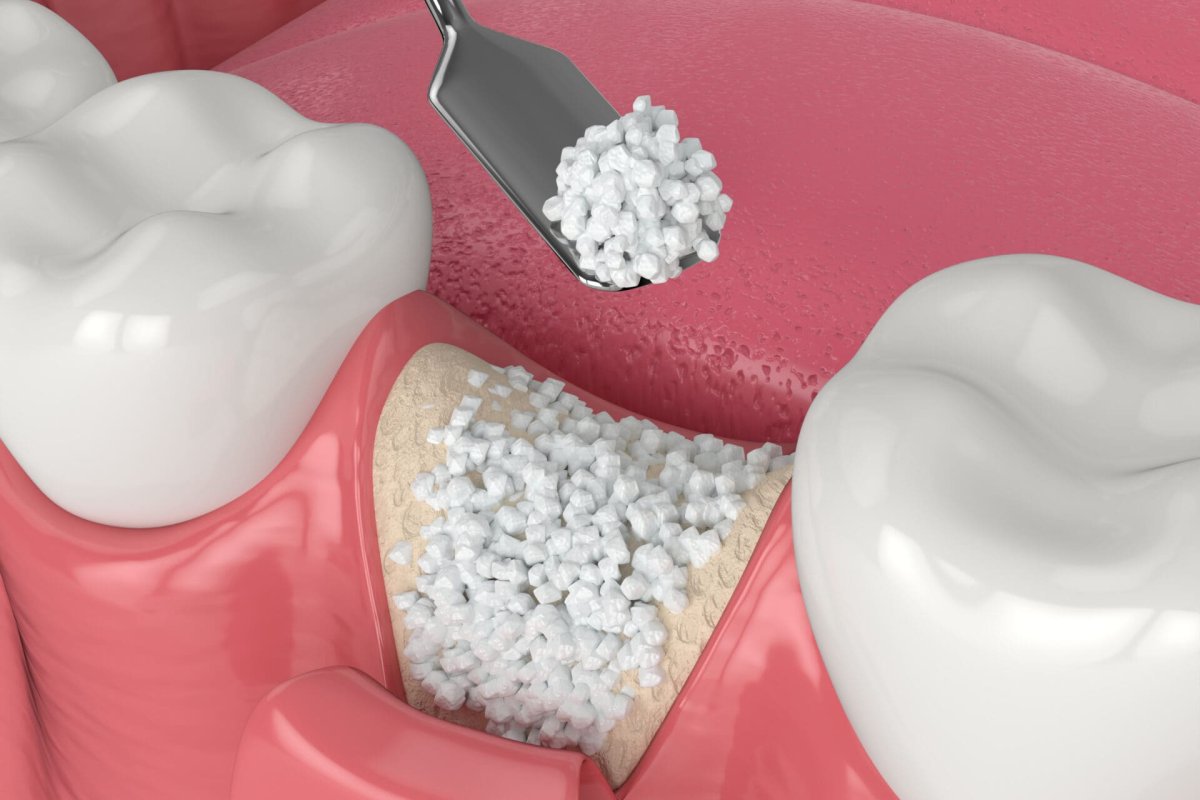
Bone grafting is a specialized dental procedure that restores lost or damaged bone tissue in the jaw to create a stable foundation for dental implants. When teeth are lost due to injury, disease, or extraction, the surrounding jawbone begins to deteriorate over time. This bone loss can make it impossible to place dental implants successfully without first rebuilding the bone structure.
During bone grafting, your oral surgeon or periodontist places bone graft material into areas where bone has been lost. This material serves as a scaffold that encourages your natural bone to regenerate and grow, ultimately creating sufficient bone density and volume to support dental implants or other restorative treatments.
How Bone Grafting is PerformedPre-Procedure Assessment
Before bone grafting, your dentist will conduct a comprehensive examination including digital X-rays or 3D cone beam CT scans to evaluate your bone structure. This imaging helps determine the extent of bone loss and plan the most appropriate grafting technique for your specific needs.
The Grafting Procedure
Bone grafting is typically performed under local anesthesia, though sedation options are available for patient comfort. The procedure begins with your surgeon making a small incision in the gum tissue to access the treatment area. The bone graft material is then carefully placed into the deficient area and secured with special membranes or screws if necessary.
The graft material can come from several sources: your own bone (autograft) harvested from another area of your mouth or body, donor bone (allograft), synthetic bone substitute materials, or animal-derived bone (xenograft). Your surgeon will recommend the most suitable option based on your specific case.
Types of Bone Grafts
Socket Preservation: Performed immediately after tooth extraction to prevent bone loss and maintain the socket's dimensions for future implant placement.
Lateral Ridge Augmentation: Rebuilds bone width when the jaw ridge has become too narrow to support implants.
Sinus Lift: Adds bone to the upper jaw in the area of molars and premolars by lifting the sinus membrane and placing graft material underneath.
Block Bone Grafting: Used for more extensive bone loss, involving the placement of a larger piece of bone to rebuild significant deficiencies.
Benefits of Bone GraftingBone grafting offers numerous advantages for patients seeking dental implant treatment. The primary benefit is creating adequate bone support for successful implant placement, which ensures long-term stability and functionality of your dental implants.
Additional benefits include preserving facial structure by preventing the sunken appearance that occurs with bone loss, improving overall oral health by maintaining proper jaw alignment, and expanding treatment options by making implant placement possible in previously unsuitable areas.
Bone grafting also helps maintain adjacent teeth by providing proper support and can improve the success rate of dental implants significantly when adequate bone is present.
Who is a Candidate for Bone Grafting?Ideal candidates for bone grafting include patients who have experienced bone loss due to tooth loss, periodontal disease, trauma, or congenital defects. If you're planning to get dental implants but lack sufficient bone density or volume, bone grafting may be necessary.
Patients with good overall health, adequate oral hygiene, and realistic expectations are typically good candidates. Those who smoke or have certain medical conditions like uncontrolled diabetes may need special considerations or may not be suitable candidates.
Age is generally not a limiting factor, as bone grafting can be successful in both younger and older patients. Your oral surgeon will evaluate your medical history, current medications, and overall health status to determine if bone grafting is appropriate for you.
Recovery and AftercareImmediate Post-Operative Care
Following bone grafting surgery, you can expect some swelling, minor bleeding, and discomfort for the first few days. Apply ice packs for 15-20 minutes at a time during the first 24 hours to minimize swelling. Take prescribed medications as directed and avoid disturbing the surgical site.
Diet and Activity Restrictions
Stick to soft foods and liquids for the first week, gradually returning to your normal diet as healing progresses. Avoid hard, crunchy, or spicy foods that could irritate the surgical site. Limit physical activity for the first few days and avoid strenuous exercise for at least one week.
Oral Hygiene Guidelines
Gentle oral hygiene is crucial for proper healing. Avoid brushing the surgical area for the first few days, then resume gentle cleaning as instructed. Use prescribed mouth rinses and avoid commercial mouthwashes containing alcohol during the initial healing period.
Healing Timeline
Initial healing typically occurs within 1-2 weeks, but complete bone integration can take 3-6 months or longer depending on the type and size of the graft. During this time, the graft material will integrate with your natural bone, creating a solid foundation for future implant placement.
Regular follow-up appointments are essential to monitor healing progress and determine when the site is ready for implant placement. Your surgeon will use imaging studies to confirm successful bone regeneration before proceeding with the next phase of treatment.
- Sessions
- 1 typically
- Chair time
- About 60 minutes per session
- Recovery
- About 5 days
Clinics
Where to get bone grafting.
Clinics that list this treatment, ordered by our evaluation. Featured partners passed the checks in our methodology; it is not a clinical endorsement.

Saphiredent - Saphire Dental Clinic
Istanbul, Turkey
US$420
from 422 reviews

Focus Dental Clinic
Bodrum, Turkey
US$159
from 274 reviews
New Age Dental Clinic
Tijuana, Mexico
US$500
from 446 reviews

Lema Dental Clinic
Istanbul, Turkey
US$108
from 363 reviews

AB Dental Clinic Phuket
Phuket, Thailand
US$714
from 343 reviews

Bali Family Dental Care
Bali, Indonesia
US$188
from 357 reviews

Truth Dental Clinic
Bangkok, Thailand
US$386
from 366 reviews

GiO Dental Care & Clinic TEUKU UMAR DENPASAR
Bali, Indonesia
US$364
from 438 reviews
Questions
What people ask about it.
What is bone grafting in dentistry?
Bone grafting is a procedure that rebuilds lost jawbone tissue using graft materials to create a stable foundation for dental implants.
Why do I need bone grafting before dental implants?
Bone grafting is needed when you lack sufficient jawbone density or volume to properly support and stabilize dental implants.
How long does bone grafting take to heal?
Initial healing takes 1-2 weeks, but complete bone integration typically requires 3-6 months before implant placement can proceed.
Is bone grafting painful?
Most patients experience mild to moderate discomfort that can be managed with prescribed pain medications and typically subsides within a few days.
What types of bone graft materials are used?
Common materials include your own bone, donor bone, synthetic bone substitutes, or animal-derived bone, chosen based on your specific needs.
How successful is bone grafting?
Bone grafting has a high success rate of 85-95% when performed by experienced surgeons and with proper post-operative care.
Can I eat normally after bone grafting?
You'll need to eat soft foods for about a week, then gradually return to your normal diet as the surgical site heals.
How much does bone grafting cost?
Costs vary based on the type and extent of grafting needed, typically ranging from $300 to $3,000 per site, often covered partially by insurance.
What are the risks of bone grafting?
Risks are minimal but may include infection, graft failure, nerve damage, or sinus complications, particularly with upper jaw procedures.
Am I too old for bone grafting?
Age alone is not a limiting factor. Healthy patients of various ages can successfully undergo bone grafting procedures.
How do I prepare for bone grafting surgery?
Follow pre-operative instructions including fasting if sedation is used, arranging transportation, and taking prescribed antibiotics if given.
Can I smoke after bone grafting?
Smoking should be avoided for at least 2 weeks after surgery as it significantly impairs healing and increases the risk of graft failure.
What is socket preservation grafting?
Socket preservation involves placing graft material immediately after tooth extraction to maintain bone dimensions for future implant placement.
Do I need bone grafting if I get implants right away?
Immediate implant placement may still require grafting if there's insufficient bone or gaps around the implant that need filling.
What is a sinus lift procedure?
A sinus lift adds bone to the upper jaw by lifting the sinus membrane and placing graft material underneath to support implants.
How do I know if my bone graft is healing properly?
Signs of proper healing include decreasing swelling and pain, no signs of infection, and stable graft material during check-ups.
Can bone grafts be rejected by the body?
True rejection is rare with bone grafts. Failure usually occurs due to infection, poor oral hygiene, or inadequate blood supply.
What activities should I avoid after bone grafting?
Avoid strenuous exercise, heavy lifting, spitting, using straws, and any activities that could disturb the surgical site for at least a week.
How many appointments does bone grafting require?
Typically requires initial consultation, surgery appointment, and several follow-up visits to monitor healing over 3-6 months.
Can I have multiple bone grafts at the same time?
Yes, multiple sites can often be grafted during the same procedure, which can be more efficient and reduce overall treatment time.
Related
Often asked about together.
Send a photo. Get three quotes.
For bone grafting, from clinics that fit your case. It costs nothing and commits you to nothing.