Dental work in Tunisia.
Compared on published prices.
19 clinics listed across 2 cities, with their published fee schedules, licence status, and screened review history.
Free to use. No forms, no call centre. You pay the clinic directly, at its own prices.
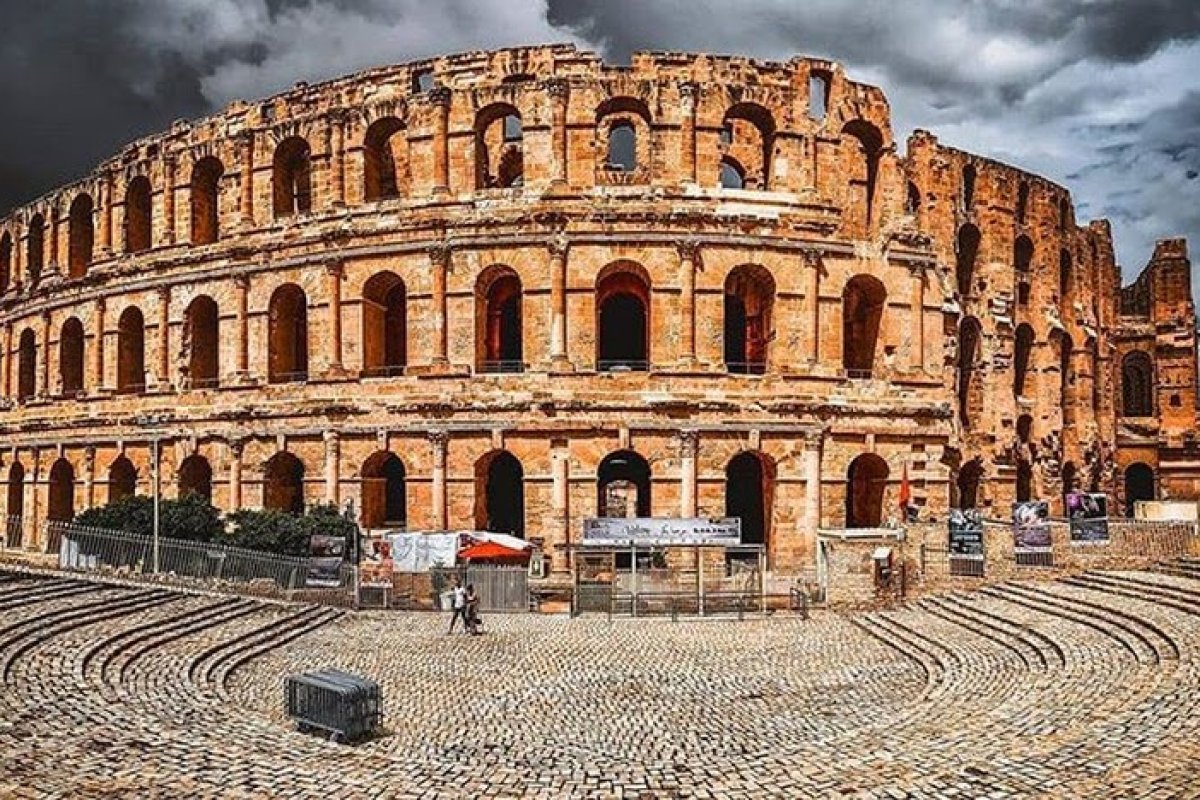
Where to go
Cities in Tunisia with listed clinics.
Clinics
Practices we list in Tunisia.
Featured partners passed the checks published in our methodology. It is not a clinical endorsement, and it does not change what you pay.
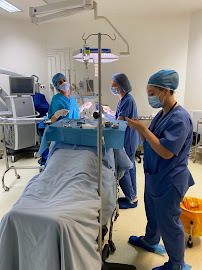
Dr Ridha BESSROUR Dental Clinic
Tunis
from 56 reviews
Cabinet Dentaire Bardo Tunis DR. Khaoula Jebali
Tunis
from 75 reviews
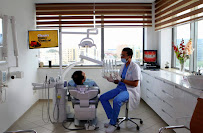
Cabinet Dentaire Dr. Ahmed Besrour
Tunis
from 120 reviews
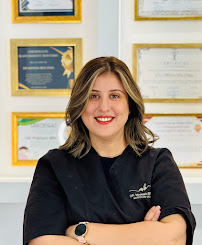
Cabinet Dentaire Dr Marwa Ben Dhia Boumaiza
Tunis
from 29 reviews
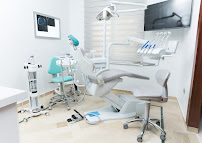
Cabinet Dr. Aslem Gouiaa Parodontologie - Implantologie Orale
Tunis
from 60 reviews
Dr Abassi fakhreddine
Tunis
from 39 reviews
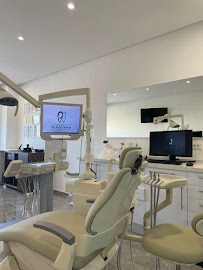
Cabinet Dentaire Dr.Rayan Arfaoui
Tunis
from 63 reviews
Dr Nabil ZITOUNA
Tunis
from 21 reviews
About
Dental tourism in Tunisia.
Tunisia is North Africa's most established dental tourism destination, primarily serving French, Italian, Spanish, Belgian, and increasingly British patients for savings of 55-70% versus Western European prices. SmileJet has listed 21 clinics across Tunisia's two main hubs: Tunis (15 clinics) and Sousse (6 clinics). Partner clinics maintain a collective 4.9 average rating across 1,027 patient reviews. Leading clinics include Cabinet Dentaire Dr Walid Aouini, Cabinet Dr Amine Mlayah, Centre Dentaire Avicenne, and Cabinet Dr Marwa Ben Dhia Boumaiza. Tunisian dentists train at the University of Monastir Faculty of Dental Medicine (one of North Africa's most respected dental schools) and commonly hold French or Belgian specialty qualifications. Leading clinics use Straumann, Nobel Biocare, and Osstem implants alongside modern CAD/CAM workflows. Tunisia combines short flights from Europe (2-3 hours), Mediterranean coastal appeal, and savings comparable to Turkey.
Questions
What people ask first.
Is dental work in Tunisia safe?
Yes. Tunisian dentistry is regulated by the Tunisian Order of Dentists (Ordre des Dentistes de Tunisie) with strict licensing requirements. SmileJet partner clinics hold a 4.9 average rating across 1,000+ reviews. Tunisian dentists typically train at the University of Monastir Faculty of Dental Medicine and often hold additional French or Belgian qualifications. Clinical standards meet European norms.
How much can I save on dental work in Tunisia?
Typical savings versus French, Italian, UK, or German prices are 55-70%. Single dental implants cost EUR €600-€1,100 in Tunisia vs €2,800 France or £2,400 UK. Porcelain veneers EUR €250-€450 per tooth. Zirconia crowns EUR €250-€400. All-on-4 full-arch implants run EUR €5,500-€8,500 per arch vs €15,000+ in France or UK.
Which Tunisian city is best for dental tourism?
Tunis is the capital and main dental hub, with the widest specialist coverage and best international flight connections. Sousse is a coastal city on the eastern Mediterranean popular with patients combining dental work with beach resorts. Tunis suits complex cases; Sousse is ideal for leisure-focused dental trips.
Do I need a visa to visit Tunisia for dental treatment?
Most nationalities including EU, UK, US, Canadian, Australian, and New Zealand passport holders can enter Tunisia visa-free for stays of up to 90 days. No special medical visa is required. Your passport must be valid for at least 3 months beyond entry date.
How long do I need to stay in Tunisia for dental work?
Veneers and crowns typically need 5-7 days across 2-3 appointments. Dental implants require 7-10 days for placement, with a return visit 4-6 months later for the final crown. Teeth whitening and cleaning are same-day. All-on-4 full-arch implants take 10-14 days. Many European patients combine treatment with beach resort stays in Sousse or Hammamet.
Do Tunisian dentists speak English and French?
All SmileJet partner clinics in Tunisia have French-speaking dentists and patient coordinators (French is a widely spoken second language in Tunisia). English fluency varies — premium clinics in Tunis and tourist-facing clinics in Sousse increasingly offer English-language service. Treatment plans are provided in French or English on request. Italian is also common given tourism ties.
What implant brands are used by Tunisian clinics?
Top Tunisian clinics use Straumann (Switzerland), Nobel Biocare (Sweden), Osstem (Korea), MIS (Israel), and Dentium (Korea) for implants. IPS E.max (Ivoclar Vivadent) and Zirconia BruxZir are standard for crowns and veneers. Materials are imported primarily through France and Italy. Every clinic provides material certificates with treatment.
Is Tunisia safe for dental tourism?
Tunis (the capital) and major tourist areas like Sousse, Hammamet, and Djerba are generally safe for standard tourism and medical travel. Tunisia is North Africa's most politically moderate country, with well-developed tourism infrastructure and extensive experience serving European visitors. Check your home country's current travel advisory and follow standard precautions.
What's the best time of year to visit Tunisia?
April to June and September to October offer ideal weather — warm but not too hot, with Mediterranean breezes. Summer (July-August) is hot (35-40°C inland) but fine on the coast. Winter (December-February) is mild on the coast (15-20°C) — good for dental work without beach focus. Tunisian dental clinics operate year-round.
Send a photo. Get three quotes.
From clinics in Tunisia that fit your case. It costs nothing and commits you to nothing.