Metal Braces abroad.
Priced on published fees.
What metal braces costs across the destinations we list, from fees published by approved clinics.
Free to use. No forms, no call centre. You pay the clinic directly, at its own prices.
What it costs
Metal Braces, country by country.
Each figure is the average of prices published by approved clinics in that country. The count beside it is how many clinics stand behind the figure.
| Country | Average | Range | Clinics |
|---|---|---|---|
| Thailand | US$1,213 | US$329 to US$2,248 | 9 |
| Hungary | US$981 | US$692 to US$1,512 | 6 |
| Indonesia | US$723 | US$188 to US$1,031 | 5 |
| Turkey | US$2,350 | US$149 to US$5,280 | 3 |
| Vietnam | US$1,732 | US$1,440 to US$2,327 | 3 |
| Colombia | US$1,031 | US$862 to US$1,400 | 2 |
| Mexico | US$1,725 | US$700 to US$3,500 | 2 |
| Chile | US$1,776 | US$1,776 to US$1,776 | 1 |
Indicative. Averages of what clinics publish, not quotes. Only a clinic's written quote for your own case applies to you. Method: the pricing research index.
Want metal braces priced for your own mouth? Send a photo and we will come back with written quotes.
Get my quoteThe treatment
What metal braces involves.
What Are Metal Braces?
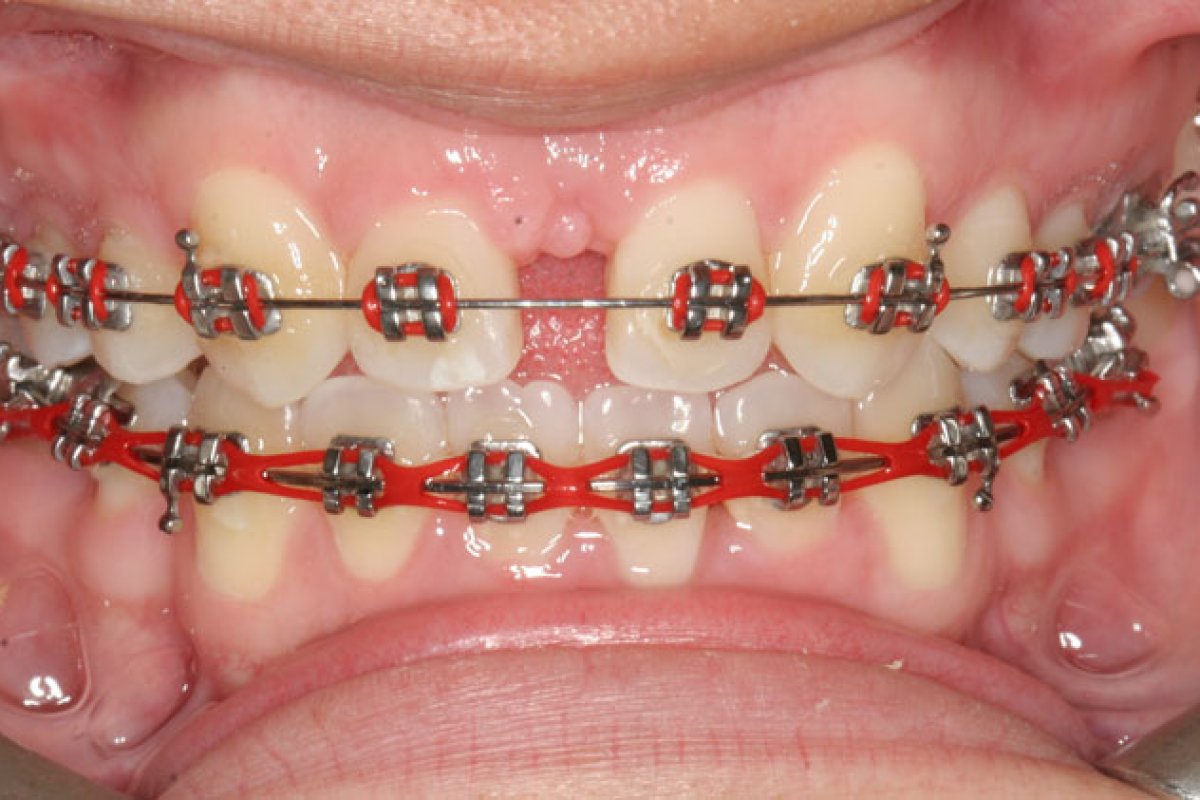
Metal braces are the traditional orthodontic treatment consisting of metal brackets bonded to teeth and connected by a wire system. They use gentle, continuous pressure to gradually move teeth into proper alignment over time. Modern metal braces are smaller, more comfortable, and more efficient than ever before, making them an excellent choice for correcting various orthodontic issues.
Also known as traditional braces, these appliances have been successfully straightening smiles for decades. They consist of high-grade stainless steel brackets and archwires that work together to guide teeth into their ideal positions.
How Metal Braces WorkThe metal braces process involves several carefully planned steps to ensure optimal results:
Initial Consultation and Planning
Your orthodontist will conduct a comprehensive examination, including X-rays, photographs, and impressions of your teeth. This information helps create a customized treatment plan tailored to your specific needs.
Bracket Placement
During the installation appointment, brackets are carefully bonded to each tooth using a special adhesive. The orthodontist then threads an archwire through the brackets and secures it with elastic bands or metal ties.
Regular Adjustments
Every 4-8 weeks, you'll visit your orthodontist for adjustments. During these appointments, the wire may be tightened, replaced, or adjusted to continue guiding your teeth into proper position. These adjustments are essential for maintaining progress.
Treatment Monitoring
Throughout treatment, your orthodontist monitors your progress and makes necessary modifications to ensure teeth are moving as planned. The duration typically ranges from 18 months to 3 years, depending on the complexity of your case.
Benefits of Metal BracesMetal braces offer numerous advantages that make them a popular orthodontic choice:
- Proven Effectiveness: Decades of successful treatment demonstrate their reliability for complex orthodontic cases
- Durability: Stainless steel construction makes them highly resistant to damage and staining
- Cost-Effective: Generally less expensive than newer orthodontic alternatives
- Versatility: Can treat virtually any orthodontic problem, from minor alignment issues to severe malocclusions
- Faster Results: Often achieve results more quickly than removable alternatives
- No Compliance Issues: Since they're fixed in place, treatment success doesn't depend on patient compliance
The continuous gentle pressure applied by metal braces effectively addresses crowding, spacing, overbites, underbites, crossbites, and other alignment issues.
Who Are Good Candidates for Metal Braces?Metal braces are suitable for patients of various ages and can address numerous orthodontic conditions:
Age Considerations
While there's no age limit for orthodontic treatment, metal braces are particularly effective for:
- Teenagers whose permanent teeth have fully erupted
- Adults seeking comprehensive orthodontic correction
- Children with severe alignment issues requiring early intervention
Orthodontic Conditions
Metal braces effectively treat:
- Severely crowded or crooked teeth
- Large gaps between teeth
- Overbites, underbites, and crossbites
- Rotated or impacted teeth
- Complex multi-directional tooth movements
Lifestyle Factors
Metal braces may be ideal if you:
- Prefer a "set it and forget it" approach to orthodontic treatment
- Have difficulty maintaining consistent wear schedules with removable appliances
- Want the most cost-effective orthodontic option
- Don't mind the visible appearance during treatment
Before Treatment
Before getting metal braces, you'll need a thorough dental cleaning and any necessary dental work completed. Your orthodontist will provide specific instructions about oral hygiene and dietary modifications.
During Treatment
Throughout your treatment, maintaining excellent oral hygiene becomes crucial. You'll need to brush after every meal, floss daily with special tools, and attend all scheduled adjustment appointments.
Duration Expectations
Treatment duration varies based on individual factors:
- Minor corrections: 12-18 months
- Moderate cases: 18-24 months
- Complex cases: 2-3 years or longer
Daily Oral Hygiene
Proper oral hygiene is essential during metal braces treatment:
- Brush teeth after every meal using a soft-bristled toothbrush
- Use fluoride toothpaste to prevent cavities
- Floss daily with orthodontic floss threaders or water flossers
- Rinse with antimicrobial mouthwash
Dietary Modifications
Certain foods can damage brackets or wires:
- Avoid hard foods like nuts, ice, and hard candies
- Skip sticky foods such as caramel and chewing gum
- Cut corn off the cob and slice apples into small pieces
- Choose softer alternatives when possible
Dealing with Discomfort
Some discomfort is normal, especially after adjustments:
- Over-the-counter pain relievers can help manage soreness
- Orthodontic wax can cover brackets that irritate cheeks or lips
- Soft foods and cold drinks may provide relief
- Salt water rinses can soothe minor irritations
Post-Treatment Retention
After braces removal, wearing retainers is crucial for maintaining results. Most patients wear retainers full-time initially, then transition to nighttime wear. Following your orthodontist's retainer instructions ensures your beautiful new smile lasts a lifetime.
- Sessions
- 1 typically
Clinics
Where to get metal braces.
Clinics that list this treatment, ordered by our evaluation. Featured partners passed the checks in our methodology; it is not a clinical endorsement.

Worldwide Beauty And Dental Hospital
Ho Chi Minh City, Vietnam
US$1,440
from 537 reviews

DAISY International Dental Nha Trang
Nha Trang, Vietnam
US$1,878
from 82 reviews

BIDC Dental Clinic @ Siam Paragon
Bangkok, Thailand
US$55,000
from 152 reviews

Bangkok International Dental Center (BIDC) - Main Headquarters
Bangkok, Thailand
US$55,000
from 421 reviews

BIDC Dental Clinic @ Emquartier
Bangkok, Thailand
US$55,000
from 197 reviews

Daisy International Dental Clinic Da Lat
Da Lat, Vietnam
US$1,878
from 120 reviews

Saphiredent - Saphire Dental Clinic
Istanbul, Turkey
US$5,280
from 422 reviews

Clínica Dentistas por Chile
Santiago, Chile
US$1,776
from 274 reviews
Questions
What people ask about it.
What are metal braces?
Metal braces are orthodontic appliances made of stainless steel brackets and wires that gradually move teeth into proper alignment through continuous gentle pressure.
How long do I need to wear metal braces?
Treatment typically lasts 18-36 months, depending on the complexity of your case and how well you follow your orthodontist's instructions.
Do metal braces hurt?
You may experience some discomfort for a few days after getting braces and after adjustments. Over-the-counter pain relievers and soft foods can help.
How much do metal braces cost?
Costs vary by location and case complexity, typically ranging from $3,000-$7,000. Many orthodontists offer payment plans and accept insurance.
Can adults get metal braces?
Yes, adults can successfully get metal braces. There's no age limit for orthodontic treatment, and many adults choose braces to improve their smile.
How often do I need orthodontic appointments?
Regular adjustment appointments are scheduled every 4-8 weeks to monitor progress and make necessary wire and bracket adjustments.
What foods should I avoid with metal braces?
Avoid hard, sticky, and chewy foods like ice, caramel, nuts, and gum that can damage brackets or get stuck in wires.
How do I clean my teeth with metal braces?
Brush after every meal, floss daily with special tools, and use fluoride mouthwash. Your orthodontist will demonstrate proper cleaning techniques.
Are metal braces better than clear aligners?
Metal braces are more effective for complex cases and don't require patient compliance, while aligners offer better aesthetics for minor corrections.
Can I play sports with metal braces?
Yes, but wear a protective mouthguard during contact sports to protect your braces and mouth from injury.
What happens if a bracket comes loose?
Contact your orthodontist immediately to schedule a repair appointment. Avoid eating hard foods until the bracket is reattached.
Do I need to wear a retainer after braces?
Yes, retainers are essential to maintain your results. You'll typically wear them full-time initially, then transition to nighttime wear.
Can I whiten my teeth with braces?
It's not recommended to whiten teeth while wearing braces. Wait until after removal to avoid uneven coloring around bracket areas.
Will metal braces affect my speech?
You may have a slight lisp initially, but most patients adapt within a few days to weeks. Practice speaking to accelerate adjustment.
How are metal braces put on?
Brackets are bonded to teeth with special adhesive, then connected with archwires. The process takes about 1-2 hours and is painless.
Can I get colored bands on my metal braces?
Yes, you can choose colored elastic bands to personalize your braces. These are changed at each adjustment appointment.
What's the difference between metal and ceramic braces?
Metal braces are more durable and cost-effective, while ceramic braces are tooth-colored and less visible but more prone to staining.
Do metal braces set off metal detectors?
Modern orthodontic metals rarely trigger metal detectors, but inform security personnel if you have concerns during travel.
Can I get braces if I have dental work?
Yes, but crowns, bridges, or fillings may need evaluation. Your orthodontist will coordinate with your dentist for optimal treatment planning.
What happens during braces removal?
Brackets are carefully removed, adhesive is polished off, and impressions are taken for retainers. The process is typically painless.
Related
Often asked about together.
Send a photo. Get three quotes.
For metal braces, from clinics that fit your case. It costs nothing and commits you to nothing.