Dental work in Germany.
Compared on published prices.
Clinics in Germany, listed with their published fees, licence status, and screened review history.
Free to use. No forms, no call centre. You pay the clinic directly, at its own prices.
About
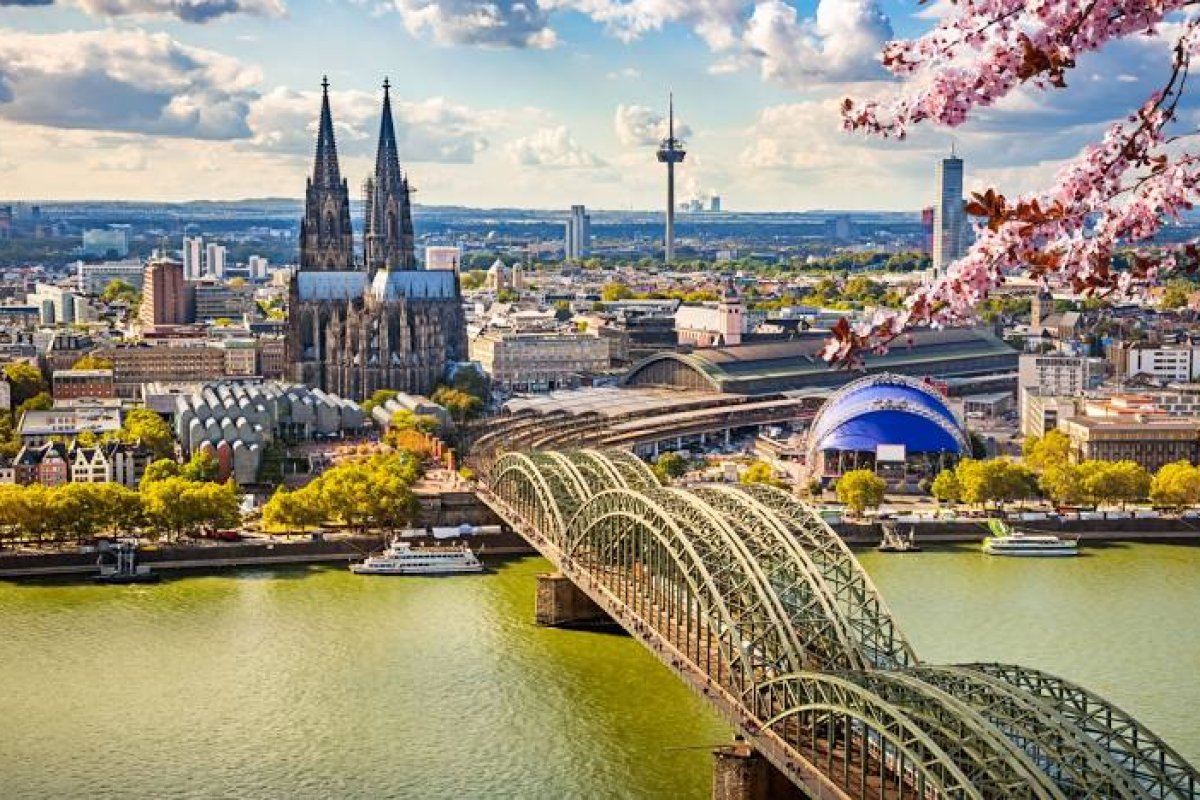
Dental tourism in Germany.
Germany has one of the world's most advanced healthcare systems, but dental fees for major restorative and cosmetic work rank among Europe's highest — and Zahnzusatzversicherung (private dental top-up insurance) rarely covers implants, veneers, or full-mouth rehabilitation in full. This has made Germany one of Europe's largest source markets for outbound dental tourism, with over 200,000 German patients travelling annually to Hungary, Turkey, Poland, the Czech Republic, and Croatia for savings of 50-70% on identical procedures using the same implant brands and materials. SmileJet is expanding its featured partner network within Germany, but our most established European dental tourism destinations for German patients today are Hungary, Croatia, Poland, and Turkey — all within 2-3 hours flight time and offering 50-70% savings versus German prices on Straumann, Nobel Biocare, and IPS E.max treatments.
Questions
What people ask first.
Why do so many Germans travel abroad for dental work?
German dental fees for major restorative and cosmetic work are among Europe's highest. Statutory health insurance (GKV) provides limited coverage for implants, veneers, and advanced cosmetic dentistry, with patients facing substantial out-of-pocket costs. A single implant can cost €2,500-€4,000 in Germany vs €600-€1,200 in Hungary or Turkey. All-on-4 full-arch runs €15,000-€25,000 in Germany vs €6,000-€9,000 abroad.
Which countries are most popular with German dental tourists?
Hungary is historically Germany's most popular dental tourism destination (especially Budapest and Sopron), followed by Croatia, Poland, the Czech Republic, and Turkey. All are within a 2-3 hour flight or direct drive. Increasing numbers also travel to Georgia (Tbilisi) and Albania for steepest savings, though with longer flights.
How much can German patients save with dental tourism?
Typical savings are 50-70% versus German private-clinic prices. A single implant costs €2,500-€4,000 in Germany vs €600-€1,200 abroad (Hungary, Turkey, Georgia). Porcelain veneers €800-€1,500 in Germany vs €250-€500 abroad. All-on-4 full-arch €15,000-€25,000 vs €6,000-€9,000. Even with Ryanair/EasyJet flights and 2 weeks of hotel, most patients save €10,000-€20,000 on major work.
Are overseas dental clinics safe for German patients?
Yes, when using listed clinics. SmileJet audits every partner clinic against 47 safety criteria including dentist credentials, implant brand authenticity, and sterilisation protocols. Hungarian, Croatian, and Polish dentistry are EU-regulated and meet the same clinical standards as German practices. Turkish and Georgian clinics often employ German-speaking dentists trained in Germany.
Does SmileJet have partner clinics in Germany?
SmileJet is currently expanding its featured partner network in Germany. As of April 2026, our German clinic directory is still being built. In the meantime, for cost-effective options we recommend our well-established European destinations: Hungary (Budapest, Sopron), Croatia (Zagreb, Rijeka), Poland (Warsaw, Kraków), Czech Republic (Prague), and Turkey (Istanbul, Antalya).
Will my German Zahnzusatzversicherung cover overseas treatment?
Many German private top-up dental insurances (Zahnzusatzversicherung) do cover a portion of overseas dental treatment — but reimbursement rates and procedures differ substantially by provider. Request a detailed treatment plan from the overseas clinic with German-compliant invoicing before travel, and check with your insurer. SmileJet partner clinics provide Heil- und Kostenpläne (treatment and cost plans) in German format on request.
Do overseas dentists speak German?
Yes, across established dental tourism destinations. In Hungary, Croatia, Turkey, and Poland, SmileJet partner clinics maintain German-speaking dentists or coordinators on staff given the high volume of German patients. Treatment plans, consent forms, and aftercare instructions are provided in German. Many clinics also provide video consultations in German prior to travel.
How does follow-up care work after returning to Germany?
Overseas SmileJet partner clinics provide complete digital treatment records (X-rays, CBCT scans, implant brand/model/size, crown material) that German dentists can use for follow-up care. Most German dentists will happily handle post-treatment maintenance and adjustments. For warranty-covered issues, SmileCare Global Warranty reimburses up to USD $750 in travel costs for return visits.
Send a photo. Get three quotes.
From clinics in Germany that fit your case. It costs nothing and commits you to nothing.