Is dental work in Croatia safe?
Yes. Croatia is an EU member state and Croatian dentistry is regulated by the Croatian Dental Chamber (Hrvatska komora dentalne medicine), aligned with strict EU clinical standards. SmileJet partner clinics hold a 4.7 average rating across 7,700+ reviews and use the same Straumann, Nobel Biocare, and IPS E.max materials as practices in Germany, Austria, or Italy.
How much can I save on dental work in Croatia?
Typical savings versus UK, German, or Austrian prices are 50-65%. A single dental implant costs EUR €700-€1,300 in Croatia vs £2,400 in the UK or €3,500 in Germany. Porcelain veneers start at EUR €300-€500 per tooth. Zirconia crowns from EUR €250-€450. All-on-4 full-arch implants run EUR €7,000-€10,500 per arch vs £15,000 in the UK.
Which city in Croatia is best for dental tourism?
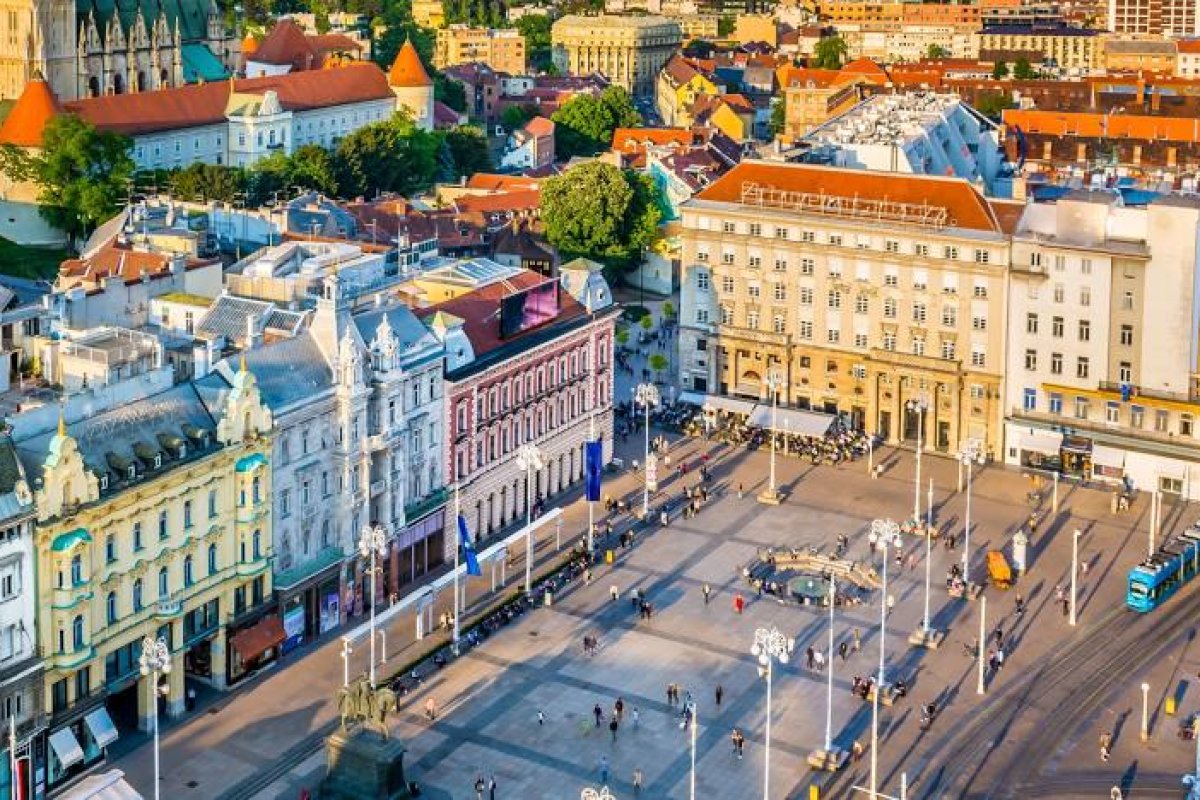
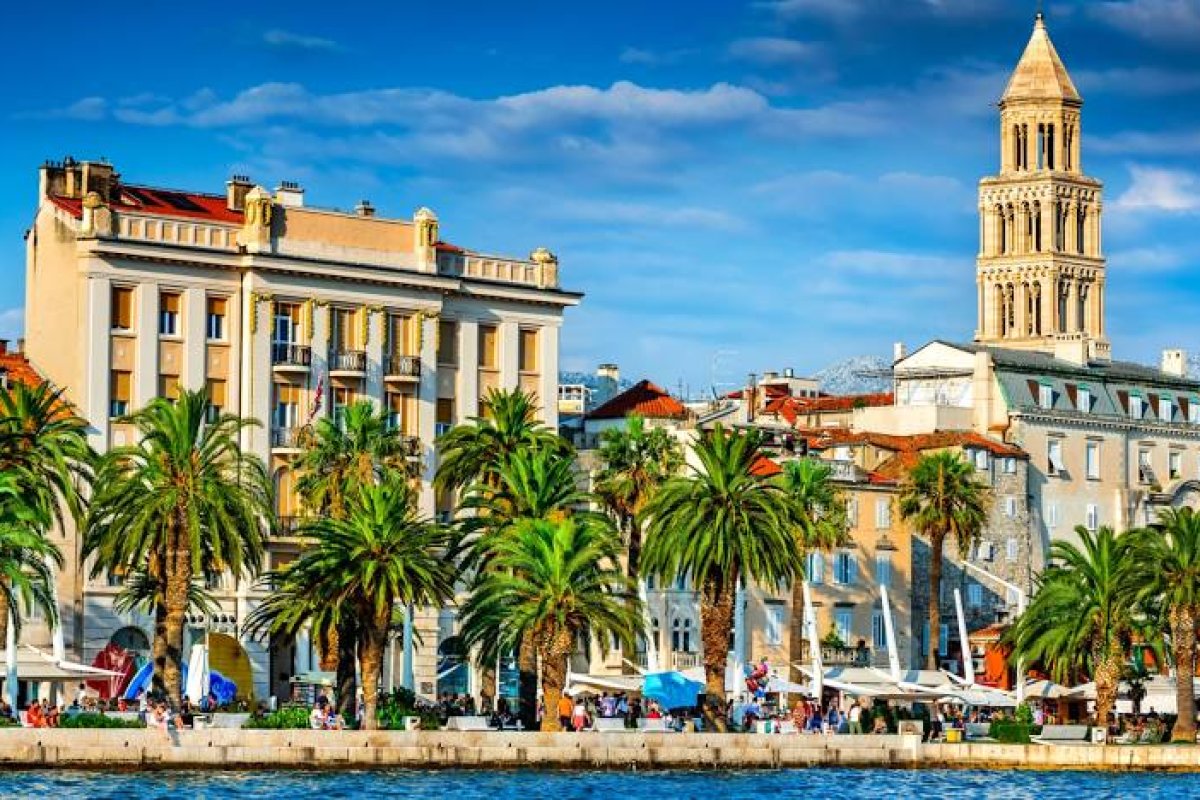
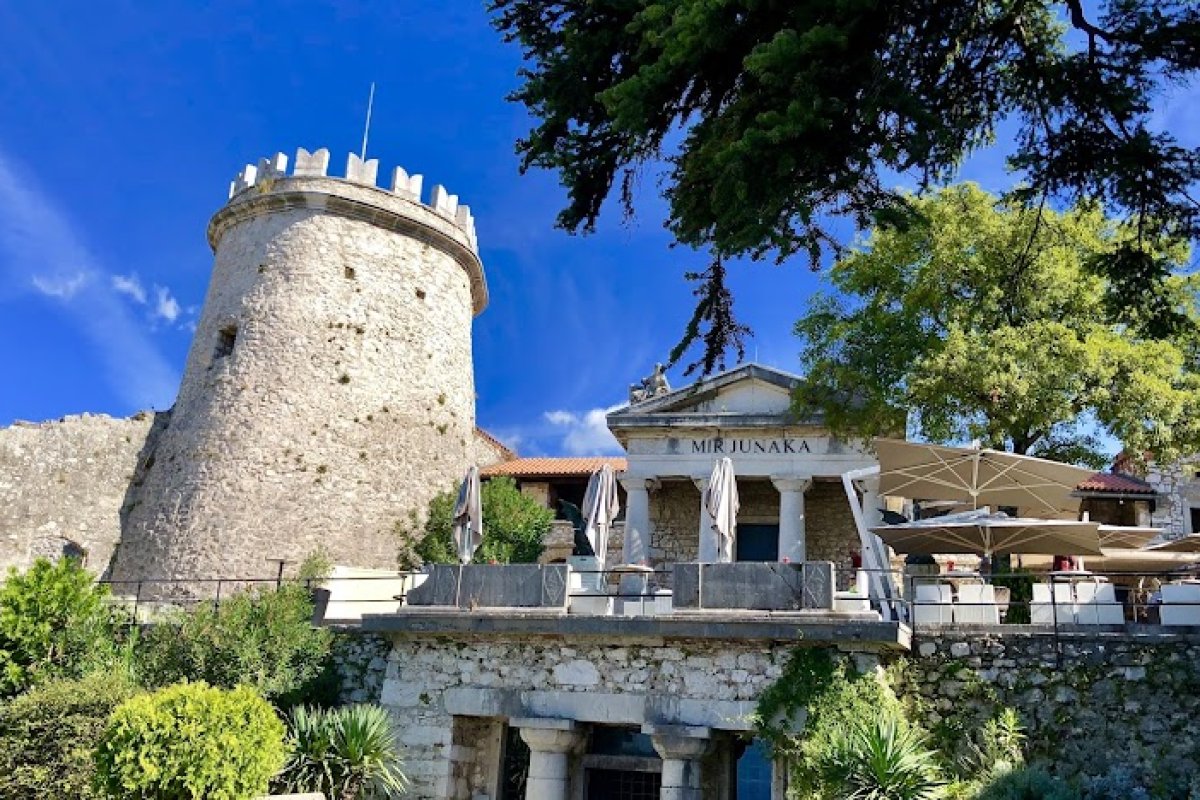
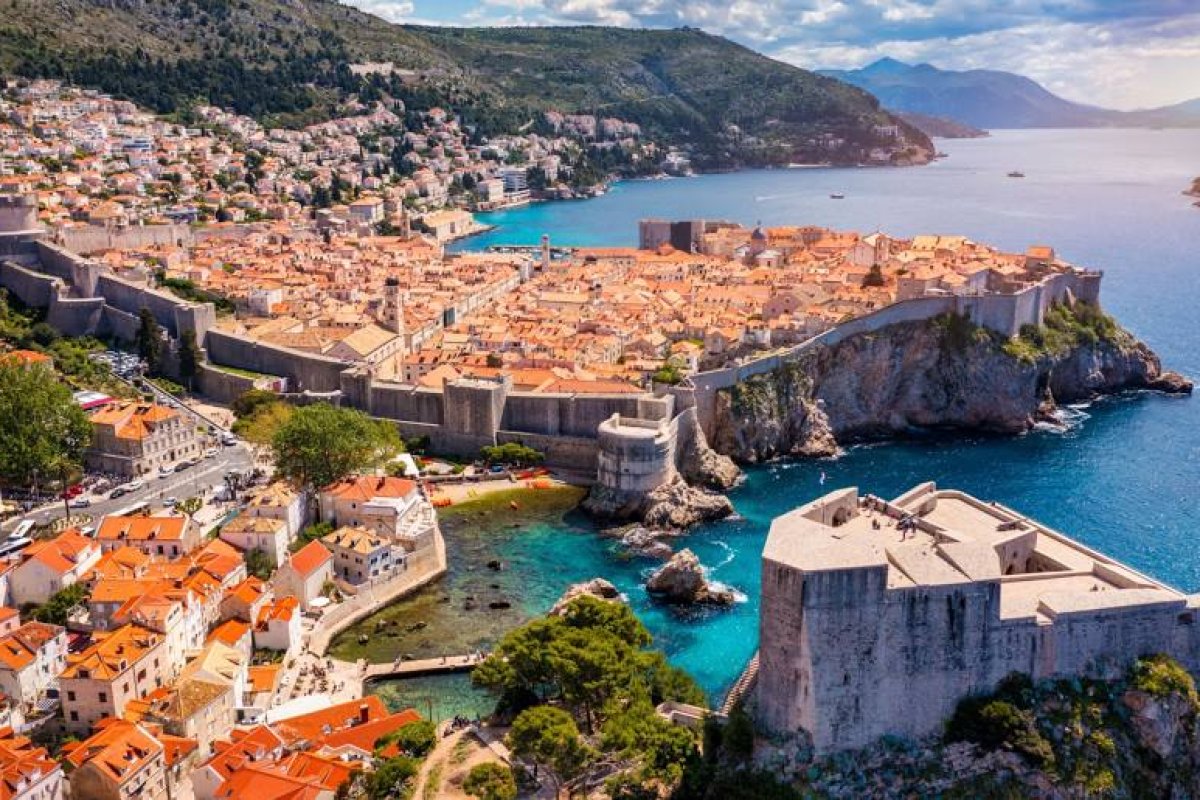
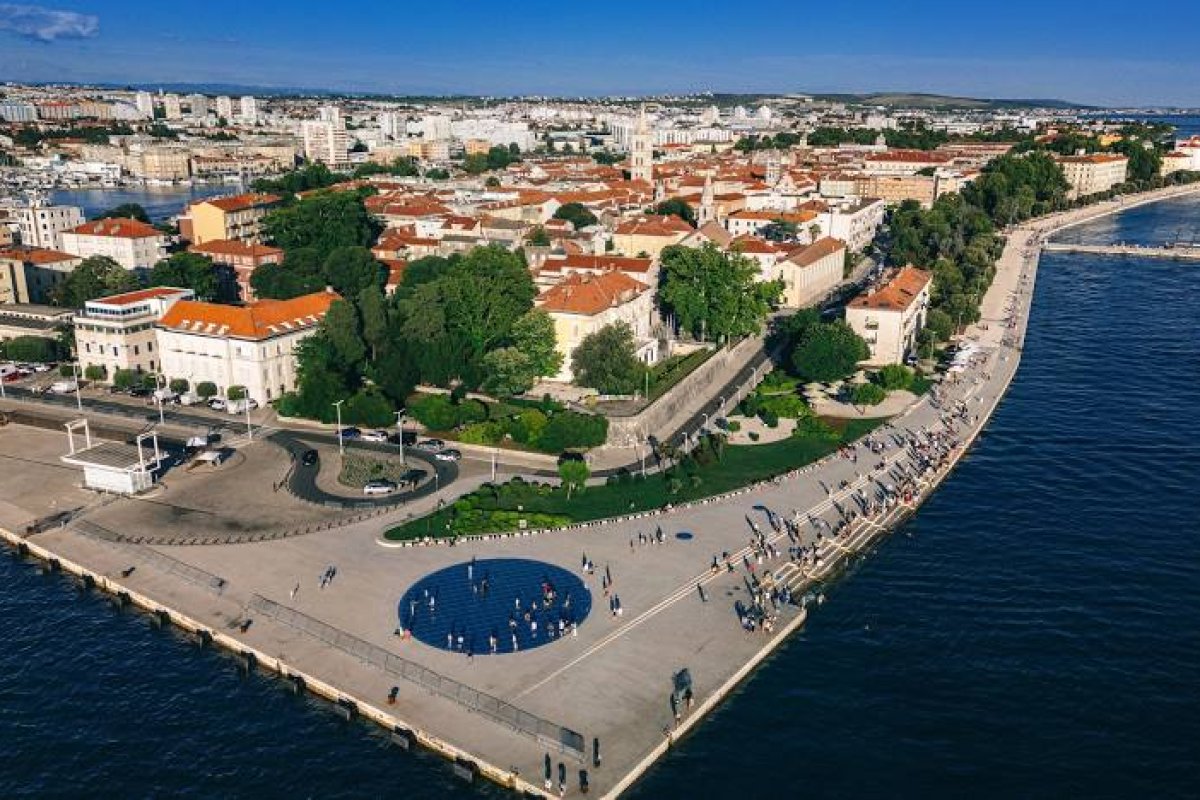
Zagreb, the capital, has the largest selection with 54 clinics and the widest specialist coverage. Rijeka (32 clinics) on the Istrian coast is popular with Italian and Austrian patients for its Adriatic location and affordable flights. Split (16 clinics) combines dental work with the Dalmatian coast and Diocletian's Palace. Zadar (10 clinics) is a quieter coastal option.
Do I need a visa to visit Croatia for dental treatment?
Croatia is a Schengen Area member since 2023. EU/EEA citizens enter with just a national ID. UK, US, Canadian, Australian, and New Zealand passport holders can enter visa-free for up to 90 days in any 180-day Schengen period. No special medical visa is required. Your passport must be valid for at least 3 months beyond departure.
How long do I need to stay in Croatia for dental work?
Veneers and crowns typically need 5-7 days across 2-3 appointments. Dental implants require 7-10 days for placement, with a return visit 4-6 months later for the final crown. Teeth whitening and cleaning are same-day. All-on-4 full-arch implants take 10-14 days. Many patients time the second visit to combine with a Croatian coastal holiday.
Do Croatian dentists speak English?
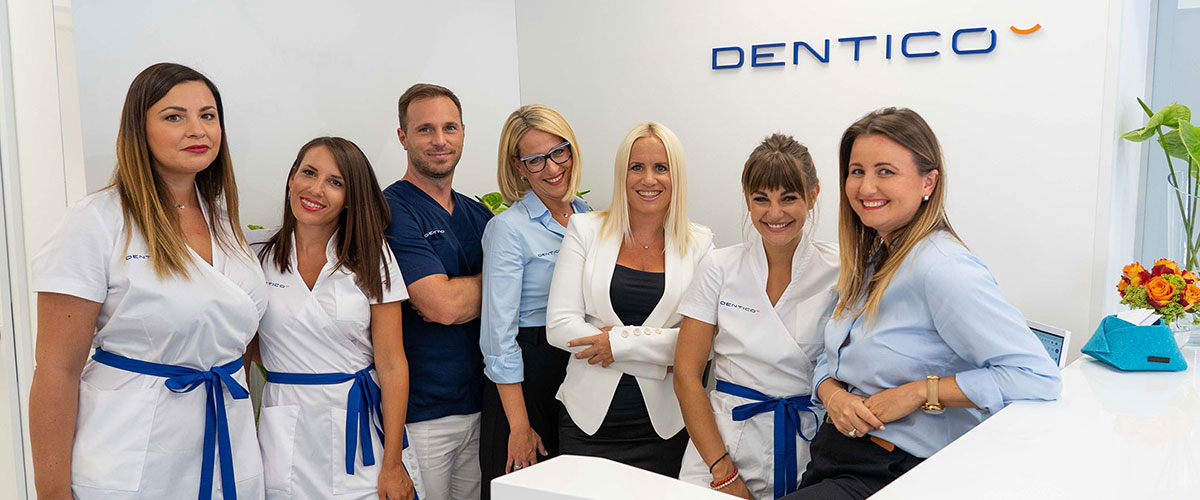
All SmileJet partner clinics in Croatia have English-speaking dentists and patient coordinators. English fluency is standard in Croatia's dental tourism sector. Many Croatian dentists also speak German and Italian fluently given the significant number of patients from those countries. Treatment plans and aftercare instructions are always provided in English.
What implant brands are used by Croatian clinics?
Top Croatian clinics use Straumann (Switzerland), Nobel Biocare (Sweden), Ankylos/Astra Tech (Dentsply Sirona), and Zimmer Biomet — the same brands used across Western Europe. IPS E.max (Ivoclar Vivadent), Zirkonzahn, and BruxZir are standard for crowns and veneers. Every clinic provides material certificates with treatment.
Is Croatia a good choice for EU patients specifically?
Yes. As an EU member since 2013 and Schengen Area member since 2023, Croatia offers EU-standard clinical regulations with no border bureaucracy for EU patients. Low-cost flight connections from London, Dublin, Manchester, Frankfurt, Vienna, Munich, Milan, and Rome make short dental trips practical. Savings of 50-65% vs UK/German prices cover travel with substantial net savings.
What's the best time of year to visit Croatia?
May to October offers the best weather for combining dental work with coastal tourism — warm, dry Adriatic summers. Zagreb stays pleasant year-round with slightly lower prices in October-April. Peak tourist season (July-August) on the coast sees higher hotel prices. Dental clinics operate year-round; choose based on whether you want to combine treatment with a beach holiday.