Why choose Rijeka for dental tourism?
Rijeka is uniquely positioned for Italian, Slovenian, Austrian, and German patients — short drive or flight from home, EU-regulated clinical standards (Schengen member since 2023), and 50-65% savings vs home-country prices. Italian and German are widely spoken. The Adriatic coast setting adds genuine leisure appeal to treatment visits.
Which Rijeka area has the best dental clinics?
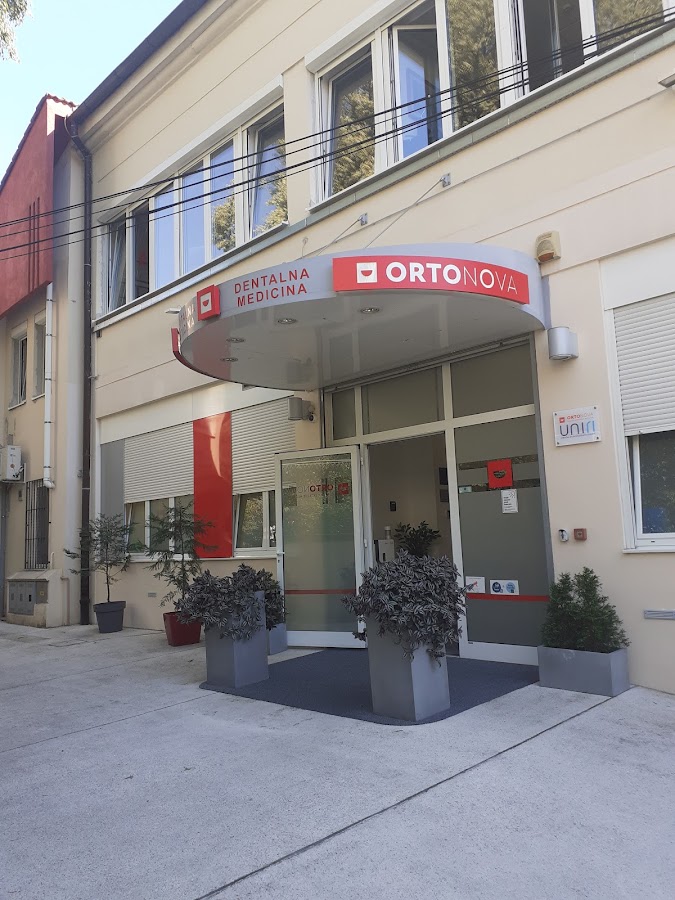
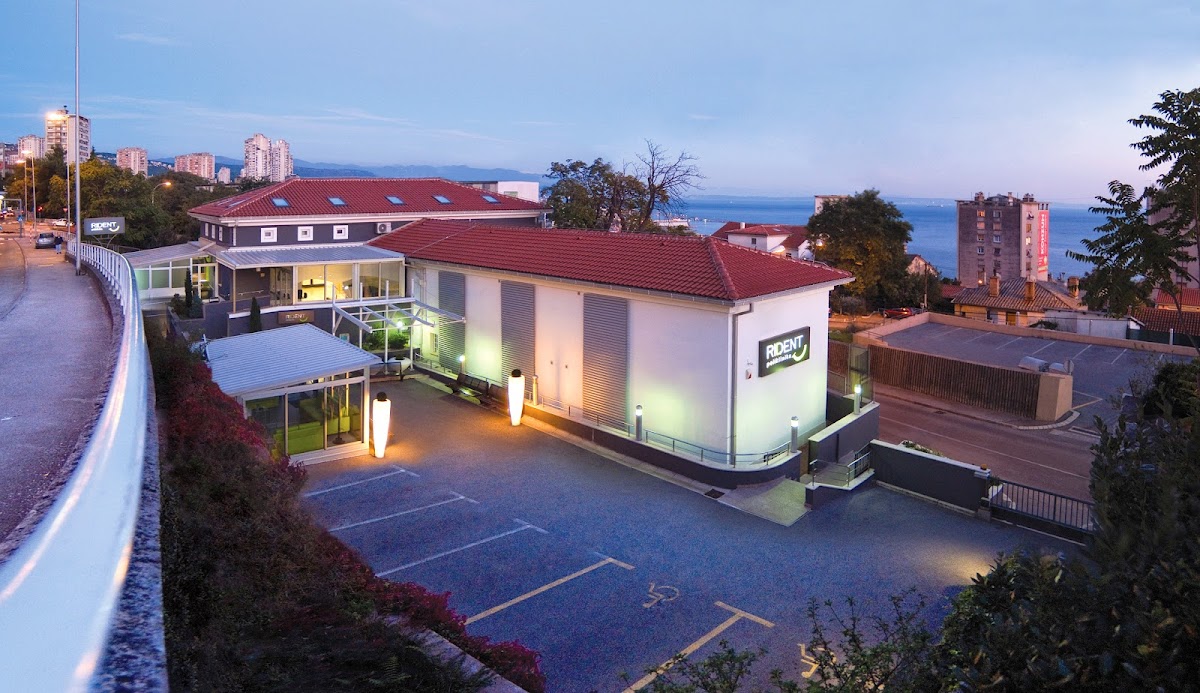
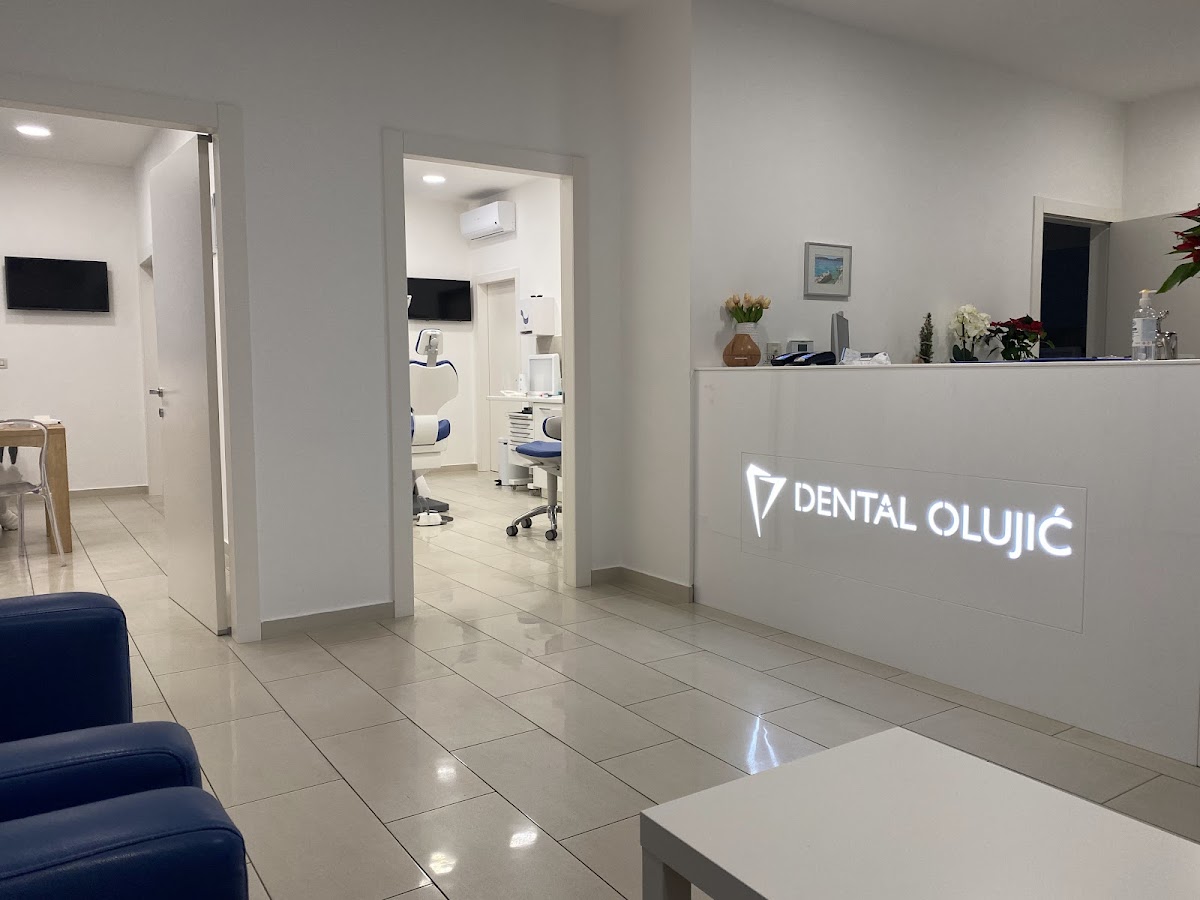
Rijeka Centre hosts premium clinics near the old town and Korzo promenade. Trsat (the hill district) has upscale neighbourhood practices. Pećine offers coastal-area clinics. Viadent, Dental Crepulja, and Dental clinic Tina Babic are top-rated options across these districts. Most clinics are walkable or short taxi rides from the main hotels.
How much does dental work cost in Rijeka?
Single dental implants cost EUR €650-€1,200 in Rijeka vs £2,400 UK or €3,500 Germany. Porcelain veneers EUR €280-€480 per tooth. Zirconia crowns EUR €230-€420. All-on-4 full-arch implants EUR €6,500-€10,000 per arch vs £15,000 UK or €20,000 Germany. Savings of 50-65% with EU-standard clinical quality.
Do Rijeka dentists speak English and Italian?
Yes — fluently. Rijeka's dental tourism primarily serves Italian, Austrian, German, and Slovenian patients, so English, Italian, and German are standard at SmileJet-verified clinics. Treatment plans, consent forms, and aftercare instructions are provided in the patient's preferred language. Many Rijeka dentists completed training in Italy or Austria.
How long do I need to stay in Rijeka for dental work?
Veneers and crowns typically need 5-7 days across 2-3 appointments. Dental implants require 7-10 days for placement, with a return visit 4-6 months later for the final crown. All-on-4 full-arch implants take 10-14 days. Rijeka's Kvarner Bay, Opatija (7km south), and Istrian peninsula day trips (Pula, Rovinj, Poreč) make extended stays enjoyable.
How do I get to Rijeka for dental work?
Rijeka Airport (RJK) on Krk island has seasonal direct flights from London, Dublin, Frankfurt, Munich, Vienna, Stuttgart, and several Scandinavian cities. From Italy — drive via Trieste (2 hours), take ferry from Venice, or fly to Pula then drive. From Slovenia — drive via Postojna (1.5 hours). Many Austrian/German patients drive via Ljubljana. Rijeka is well-connected by road and ferry across the Adriatic.
Is Rijeka safe for dental tourism?
Yes. Croatia is consistently ranked among Europe's safest destinations for tourism. Rijeka Centre, Trsat, and Pećine are safe day and night. Public transport (bus network) is safe and efficient. Standard urban precautions apply. The dental tourism sector is well-established — Italy's patients have been coming to Rijeka since Croatia's EU accession.
What implant brands do Rijeka clinics use?
Top Rijeka clinics use Straumann (Switzerland), Nobel Biocare (Sweden), Ankylos (Dentsply Sirona), Camlog (Germany), and MIS (Israel) — identical to Italian and Austrian practices. IPS E.max (Ivoclar Vivadent), Zirkonzahn, and BruxZir are standard for crowns and veneers. Material certificates provided with treatment.