Is dental work in Costa Rica safe?
Yes. Costa Rica's healthcare system is among Latin America's most respected. Dentistry is regulated by the Colegio de Cirujanos Dentistas de Costa Rica with strict licensing and continuing education requirements. SmileJet partner clinics hold a 4.8 average rating across 3,400+ reviews and use the same implant brands, materials, and sterilisation protocols as US and European clinics.
How much can I save on dental work in Costa Rica?
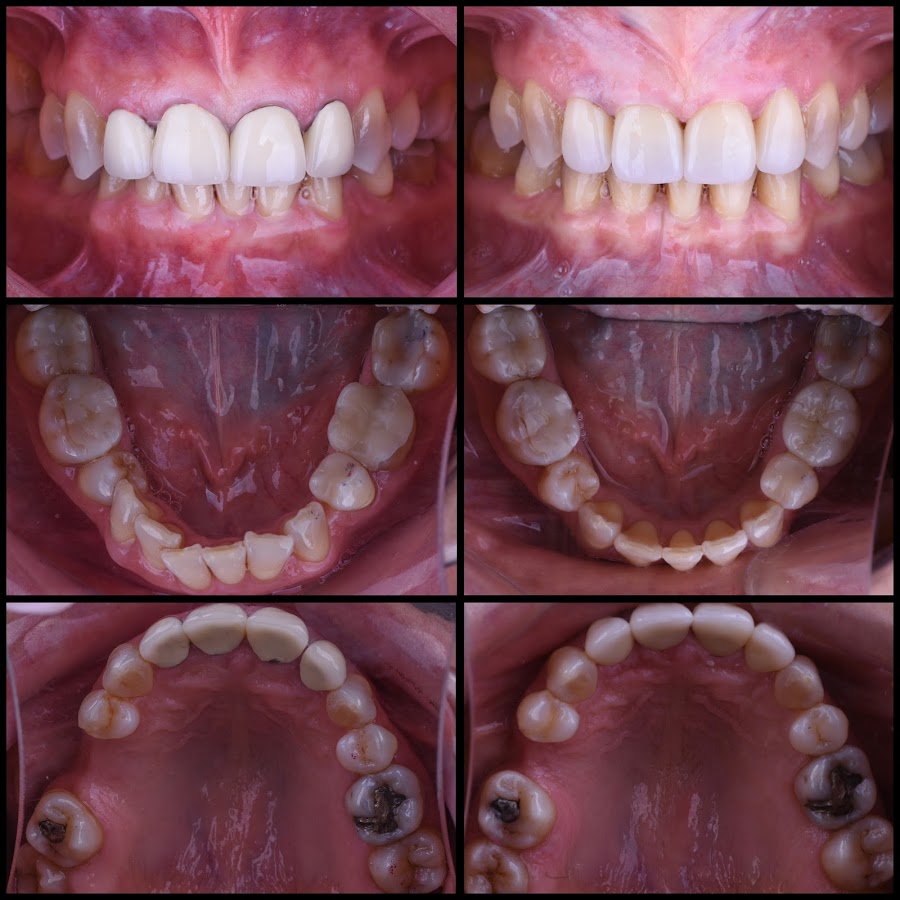
Typical savings versus US prices are 50-70%. A single dental implant costs USD $900-$1,500 in Costa Rica vs USD $3,500 in the US. Porcelain veneers range USD $450-$800 per tooth vs USD $1,800. Zirconia crowns cost USD $400-$650. All-on-4 full-arch implants run USD $11,000-$15,000 per arch vs USD $25,000 at home.
Which city in Costa Rica is best for dental tourism?
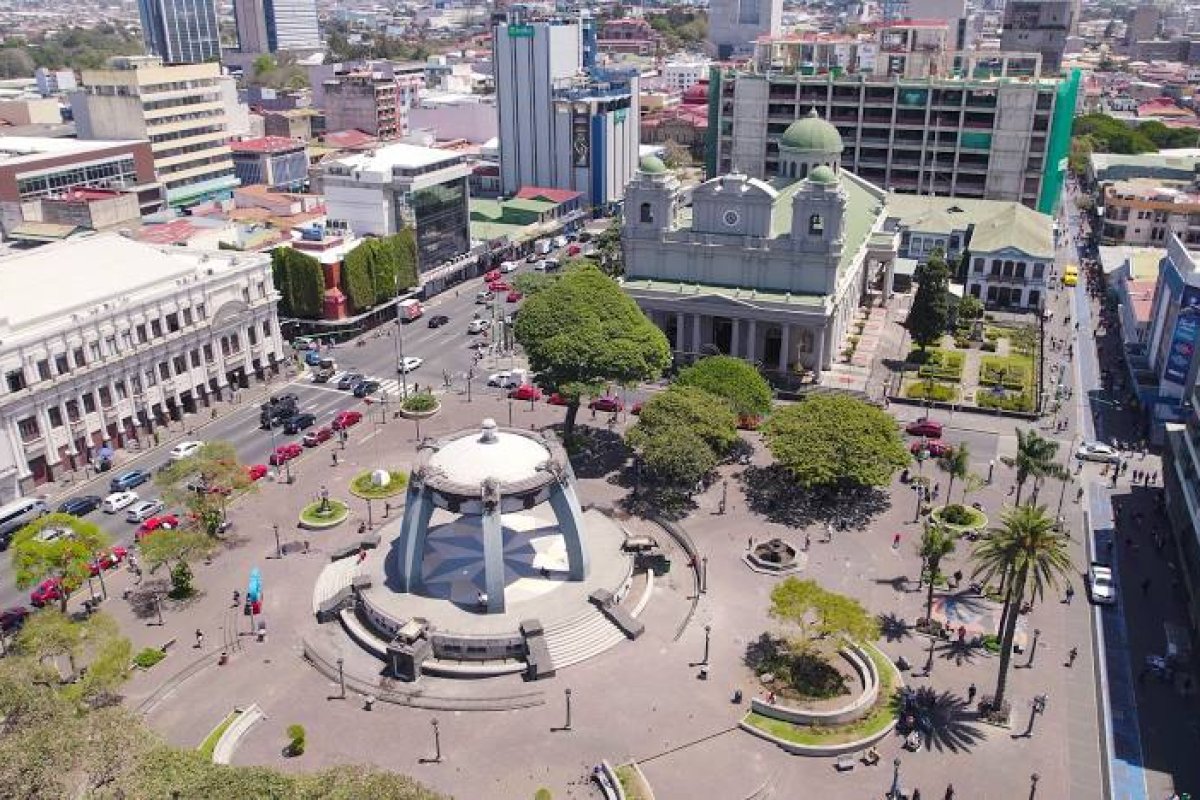
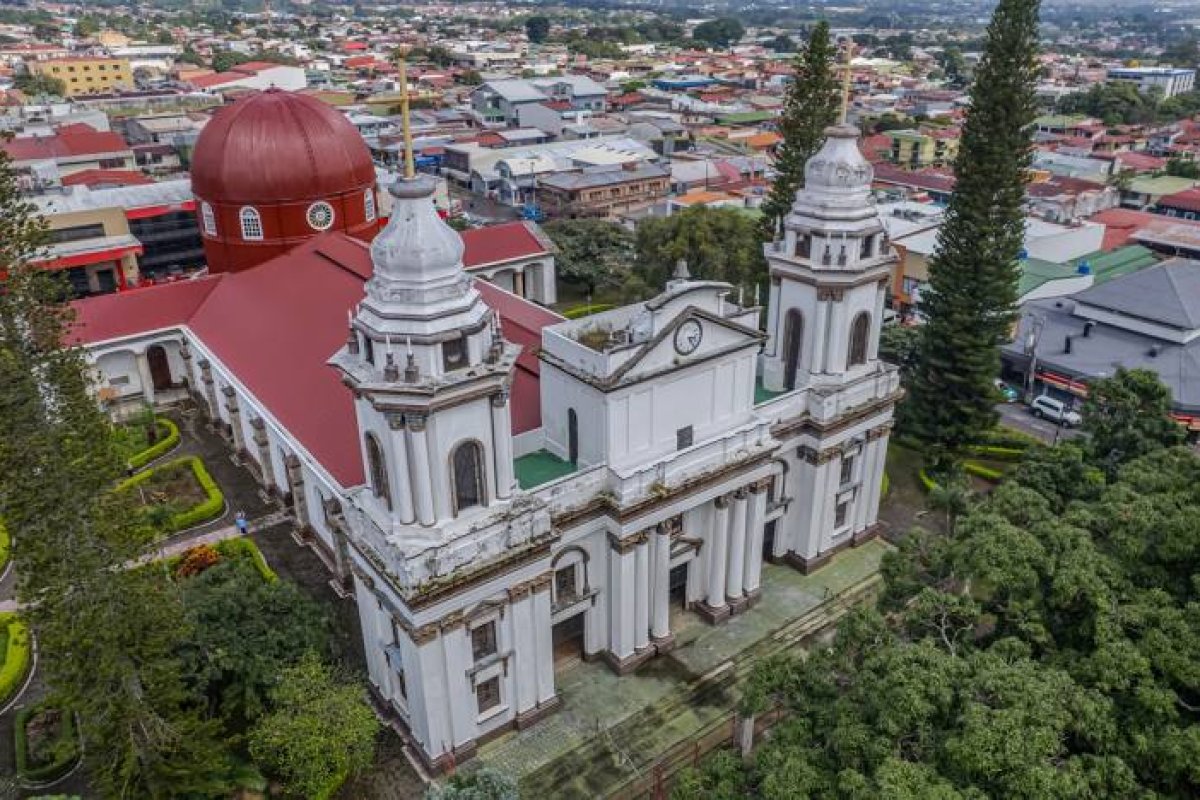
The greater San José metropolitan area is the clear centre, with 90% of our clinics located in San José centre (19), Escazú (10), Alajuela (6), and Curridabat (4). Escazú is a upscale suburb popular with North American expats, with the highest concentration of premium clinics. Alajuela is conveniently close to Juan Santamaría International Airport (SJO).
Do I need a visa to visit Costa Rica for dental treatment?
Most nationalities including EU, UK, US, Canadian, Australian, and New Zealand passport holders can enter Costa Rica visa-free for stays of up to 180 days. No special medical visa is required. Your passport must be valid for at least 3 months beyond entry date, and you may need to show an onward-travel ticket.
How long do I need to stay in Costa Rica for dental work?
Veneers and crowns typically need 5-7 days across 2-3 appointments. Dental implants require 7-10 days for placement, with a return visit 4-6 months later for the final crown. Teeth whitening and cleaning are same-day. All-on-4 full-arch implants take 10-14 days. Many patients combine treatment with rainforest tours or a beach stay.
Do Costa Rican dentists speak English?
All SmileJet partner clinics in Costa Rica have English-speaking dentists and patient coordinators. Given Costa Rica's long history of serving US and Canadian patients, English fluency is standard in the dental tourism sector. Many Costa Rican dentists completed post-graduate training in the US or Spain and speak both languages fluently.
What implant brands are used by Costa Rican clinics?
Top Costa Rican clinics use Straumann (Switzerland), Nobel Biocare (Sweden), MIS (Israel), BioHorizons (US), and Neodent (Brazil/Straumann). IPS E.max (Ivoclar Vivadent) and Zirconia BruxZir are standard for crowns and veneers. Every clinic provides material certificates with treatment for transparency.
Is Costa Rica safe for tourists receiving dental treatment?
Yes. Costa Rica is consistently ranked among Latin America's safest countries and has no standing army. San José, Escazú, Alajuela, and Tamarindo are safe for standard tourism activities. Standard precautions apply: use reputable taxis (Uber or hotel-arranged), keep valuables secure, and avoid isolated areas at night. Private clinics meet international standards.
What's the best time of year to visit Costa Rica?
December to April is Costa Rica's dry season — sunny, pleasant, and most popular with tourists. May to November is the green (rainy) season with lower prices, fewer crowds, and lush landscapes. The Central Valley (San José, Escazú) has mild 20-27°C temperatures year-round. Dental clinics operate continuously regardless of season.