What I Wish I Knew Before Visiting Vietnam for Dental Work
Thousands of international patients travel to Vietnam for dental treatment every year. Most come back thrilled with the results and the savings. But almost everyone says there are things they wish they had known before that first trip. Here are 15 of them.
1. Get a Virtual Consultation Before You Book Flights
This is the single most important piece of advice. Do not fly to Vietnam without a preliminary treatment plan and cost estimate in hand. Most reputable clinics offer free virtual consultations via email, WhatsApp, or video call. Send your dental records, recent X-rays, or a panoramic scan. The clinic reviews them, proposes a treatment plan, estimates costs, and tells you how many days to plan for.
Without this step, you risk arriving to discover you need additional procedures you did not budget for, the clinic does not have the right materials in stock, or the timeline does not fit your trip. A 15-minute video call eliminates all of these surprises. SmileJet coordinates free treatment plans from listed clinics -- you share your records once and receive quotes from multiple clinics.
2. Plan More Days Than You Think You Need
The most common regret among first-time dental tourists is not allowing enough time. Treatment timelines are not always predictable, and rushing creates stress that undermines the experience.
| Procedure | Minimum Days | Recommended Days | Why the Buffer |
|---|---|---|---|
| Clean + whitening | 1 | 2-3 | Enjoy Vietnam; whitening may need a follow-up session |
| Fillings (multiple) | 1-2 | 3-4 | Multiple fillings may be spread across visits for comfort |
| Crowns / veneers (3-6 units) | 5 | 7-10 | Lab fabrication takes 3-5 days; adjustments common |
| Implants (1-2, placement only) | 3 | 5-7 | Pre-op assessment, surgery day, 1-2 post-op check-ups |
| All-on-4 (full arch) | 5 | 7-10 | Surgery, temporary prosthetic fitting, adjustments, recovery |
| Smile makeover (8+ veneers) | 7 | 10-14 | Multiple lab iterations for colour and fit perfection |
Add 2-3 buffer days to every estimate. These buffer days are not wasted -- they become recovery time, sightseeing time, or simply breathing room if the lab needs an extra day. Rushing a crown fitting because your flight leaves in 4 hours is a recipe for a poor result.
3. Not All Clinics Are Equal -- and Price Is Not the Best Indicator
Vietnam has thousands of dental clinics. Quality varies enormously. The cheapest option is almost never the best option, but the most expensive is not necessarily either. What matters is verifiable credentials, not marketing polish.
SmileJet's verification process checks all of these criteria across its network of 2,000+ clinics. For city-specific recommendations, see our best clinics guide and city comparison.
4. Bring Everything Digital -- and Printed
Keep digital copies of your dental records, X-rays, treatment plan, and medication list on your phone and email them to yourself so you can access them from any device. Also bring printed copies. Wi-Fi can be patchy in clinic waiting rooms, and a printed panoramic X-ray is easier to review with a dentist than squinting at a phone screen.
If you take regular medications, bring a typed list with generic names (not just brand names, which differ between countries). If you have drug allergies, write them clearly. Vietnamese dentists are well-trained but may not recognise every Western brand name for a medication.
5. Vietnam's Food Is Perfect for Recovery (If You Know What to Order)
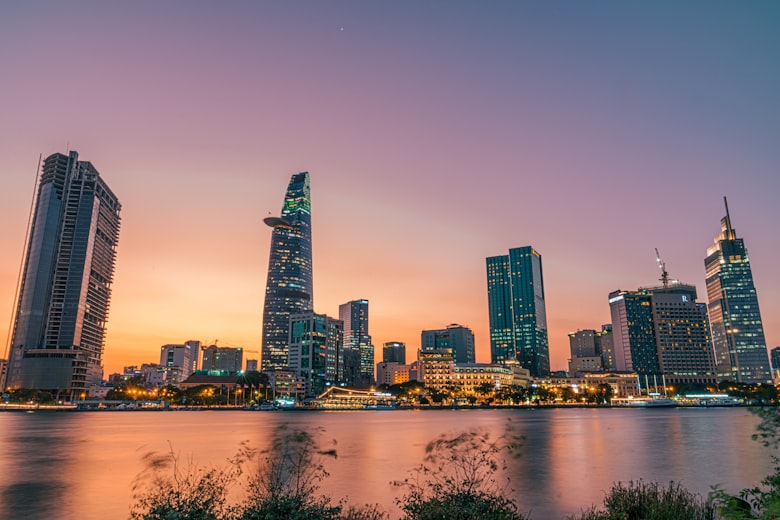
Vietnam's food scene is one of the world's best -- and its soft broths, congees, and fresh juices are ideal for dental recovery.
One of the unexpected benefits of dental tourism in Vietnam is that the local food is brilliantly suited to post-procedure recovery. Pho (clear broth with soft noodles), chao (rice congee), banh cuon (steamed rice rolls), and fresh fruit smoothies are available on every street corner, cost $1-$3, and are gentle on a healing mouth.
| Recovery Phase | Great Choices | Avoid |
|---|---|---|
| Day 1 (surgery day) | Cool smoothies, yoghurt, soft congee at room temperature | Hot liquids, spicy food, anything requiring chewing |
| Days 2-3 | Pho broth (warm, not scalding), banh cuon, egg drop soup, mashed avocado | Hard bread (banh mi crusts), ice, crunchy vegetables |
| Days 4-7 | Soft pho with noodles, steamed fish, tofu dishes, spring rolls (fresh, not fried) | Sticky rice, tough meats, hard candy, popcorn |
| Week 2+ | Most foods, gradually reintroduce harder textures | Very hard items (sugarcane, hard nuts) near treatment site |
6. Cash Is Still King (Sort Of)
Most dental clinics accept credit cards (Visa, Mastercard), but paying in Vietnamese dong (VND) often saves 2-3% because clinics avoid card processing fees. Use Wise to transfer funds at mid-market rates or withdraw VND from ATMs. Do not exchange large amounts of USD at the airport -- rates are poor. ATMs dispense VND in denominations up to 500,000 dong (approximately $20), so you may need multiple withdrawals for a large payment.
Get a clear written quote in USD before treatment begins. Confirm whether the quote includes the consultation, X-rays, temporary restorations, lab fees, and follow-up visits, or whether these are billed separately. Reputable clinics provide all-inclusive quotes with no hidden fees.
7. The Language Barrier Is Smaller Than You Expect
This is one of the most common pre-trip anxieties, and it is almost always less of an issue than people fear. Clinics that serve international patients employ English-speaking dentists or treatment coordinators. Many Vietnamese dentists trained in Australia, the US, the UK, or South Korea and speak professional English fluently. SmileJet clinics all have English-speaking staff.
Outside the clinic, Google Translate works remarkably well for Vietnamese (especially the camera function for menus and signs). The Grab ride-hailing app eliminates the need to negotiate with taxi drivers in Vietnamese. In tourist areas of HCMC, Da Nang, and Hanoi, basic English is widely understood.
8. Timing Your Trip Around the Weather Matters
Vietnam stretches 1,650km from north to south, and climate varies significantly by region. If you are combining dental work with a holiday (and you should), timing matters. For a full breakdown, see our best time to visit guide.
| City | Best Months | Avoid | Notes |
|---|---|---|---|
| HCMC | Dec-Apr (dry season) | Jun-Sep (heavy rain) | Hot year-round (28-35°C); rain is afternoon showers, not all-day |
| Da Nang | Mar-Aug (warm, dry) | Oct-Dec (typhoon season) | Beach weather Mar-Aug; Hoi An floods Oct-Nov |
| Hanoi | Oct-Dec, Mar-Apr | Jun-Aug (hot, humid) | Cool and pleasant in autumn; cold Jan-Feb |
9. Schedule Sightseeing Before Your Procedure, Not After
This is a scheduling insight that makes or breaks the trip. Plan your most active days -- walking tours, temple visits, markets, beach activities -- at the beginning of your trip, before treatment starts. After dental work, especially implant surgery or extractions, you will want low-key recovery activities: cafe hopping, gentle walks, spa visits, cooking classes (watching, not tasting spicy dishes).
For complete itinerary ideas that weave sightseeing around treatment schedules, see our combine holiday and dental work guide.
10. Travel Insurance Probably Doesn't Cover Elective Dental
Standard travel insurance typically excludes elective dental treatment. It may cover emergency dental (e.g., a broken tooth from an accident), but not planned procedures like implants, crowns, or veneers. Do not assume you are covered. Read your policy carefully.
What travel insurance does cover: trip cancellation (if you get sick before departure), medical emergencies unrelated to dental, lost luggage, and travel delays. These are still worth having. Some providers like SafetyWing and World Nomads offer plans designed for medical tourists -- check whether they cover complications arising from planned dental procedures. For Australian-specific insurance questions, see our Australian insurance guide.

Vietnam's top dental clinics feature modern equipment, international certifications, and English-speaking staff -- but verifying credentials before you fly is essential.
11. What to Pack (and What to Buy There)
| Bring from Home | Buy in Vietnam (Cheap and Easy) |
|---|---|
| All dental records and X-rays (digital + printed) | Antibacterial mouthwash (available at any pharmacy, $1-$3) |
| Typed medication list with generic drug names | Paracetamol / ibuprofen (pharmacies stock both, $0.50-$2) |
| Travel insurance documents (printed + digital) | Soft toothbrush (any convenience store) |
| Comfortable, loose clothing | Vietnam SIM / eSIM ($3-$10 for 30 days of data) |
| Portable phone charger | Reusable straws (available in eco shops and cafes) |
| Neck/travel pillow for post-procedure rest | Sunscreen (cheaper than at home, widely available) |
12. Implants Usually Need Two Trips (But There Are Exceptions)
Standard dental implant treatment involves two phases: implant placement (the fixture is surgically inserted into your jawbone) and crown fitting (after 3-6 months of healing, when the implant has fused with the bone). This means most implant patients make two trips to Vietnam, separated by 3-6 months.
Exceptions: All-on-4 and some immediate-load protocols allow a temporary prosthetic to be placed on the same day as surgery, completing the visible result in one trip. A permanent prosthetic may still require a return visit. Your clinic will advise on the best protocol for your bone density and clinical situation.
The two-trip approach has a silver lining: you get to visit Vietnam twice. Many patients use the second trip as a holiday, exploring a different region. First trip: HCMC for treatment + Mekong Delta. Second trip: Da Nang for crown fitting + Hoi An and Hue.
13. Plan Your Follow-Up Care at Home Before You Leave
Before departing Vietnam, ask your clinic for a comprehensive written treatment summary including all procedures performed, materials used (implant brand, lot numbers, crown material), X-rays taken, medications prescribed, and follow-up instructions. This document is essential for your dentist at home.
Find a dentist at home willing to do follow-up checks before you travel. Some dentists are resistant to following up on work done overseas. Having this arranged in advance avoids stress after you return.
14. Red Flags to Watch For
For a detailed clinic verification checklist, see our safety guide and how to find the best clinics.
15. It's Worth It -- But Go Prepared
The Bottom Line
Dental tourism in Vietnam works. The savings are real (70-80% on most procedures), the clinical outcomes are strong (the MDPI 2025 study of 158,824 implants found a 97.8% survival rate), and the experience of combining world-class dental care with one of the world's best food and travel destinations is genuinely enjoyable. But the experience is dramatically better when you prepare: get a virtual consultation, allow enough days, verify your clinic, bring your records, and plan your recovery meals. The difference between a good dental trip and a great one is preparation.
16. Frequently Asked Questions
How many days should I plan for dental work?
Depends on procedure: crowns/veneers 7-10 days, implant placement 5-7 days, All-on-4 7-10 days, cleaning/whitening 2-3 days. Always add 2-3 buffer days for adjustments, recovery, and enjoying Vietnam. Rushing is the most common mistake.
Should I get a consultation before flying?
Yes, strongly recommended. Most clinics offer free virtual consultations via email or video call. Send dental records and X-rays. You receive a treatment plan and cost estimate before booking flights. SmileJet coordinates free quotes from multiple listed clinics.
Can I eat normally after dental work?
Not immediately. Soft foods for 1-14 days depending on procedure. Vietnam is ideal for recovery: pho broth, congee, smoothies, and soft spring rolls are everywhere for $1-$3. Avoid crusty banh mi, hard nuts, and very hot liquids in the first 24-48 hours. Your clinic will provide specific dietary guidelines.
How do I pay?
Cash (VND) saves 2-3% vs card. Credit cards (Visa, Mastercard) accepted at most clinics. Use Wise for mid-market exchange rates or ATMs with low-fee cards (Schwab International). Get a written all-inclusive quote in USD before treatment. Cash or Card guide.
What should I bring?
Essential: dental records and X-rays (digital + printed), typed medication list with generic names, travel insurance documents, comfortable clothes, portable charger, neck pillow. Buy in Vietnam: mouthwash, paracetamol/ibuprofen, SIM card, soft toothbrush, sunscreen -- all cheap and widely available.
Is it safe to combine dental work with sightseeing?
Yes. Schedule active sightseeing before treatment. After surgery, stick to light activities (cafes, museums, gentle walks) for 48-72 hours. Da Nang is ideal for beach relaxation during recovery, with Hoi An 30 minutes away for gentle sightseeing. Full holiday + dental guide.
Prices are indicative; only a clinic's written quote applies to you. See how we source prices. SmileJet is an information service, not a healthcare provider, and nothing here is medical advice.
What treatment costs there
Published clinic fees, not estimates. Indicative until a clinic puts a quote in writing.