Dental Tourism
Hanoi Old Quarter Guide: What to See, Where to Eat, How to Navigate (2026)
The complete 2026 guide to Hanoi's Old Quarter: the 36 guild streets, top sights, best restaurants by meal time, where to stay, navigation tips, and dental clinics in the heart of the quarter.
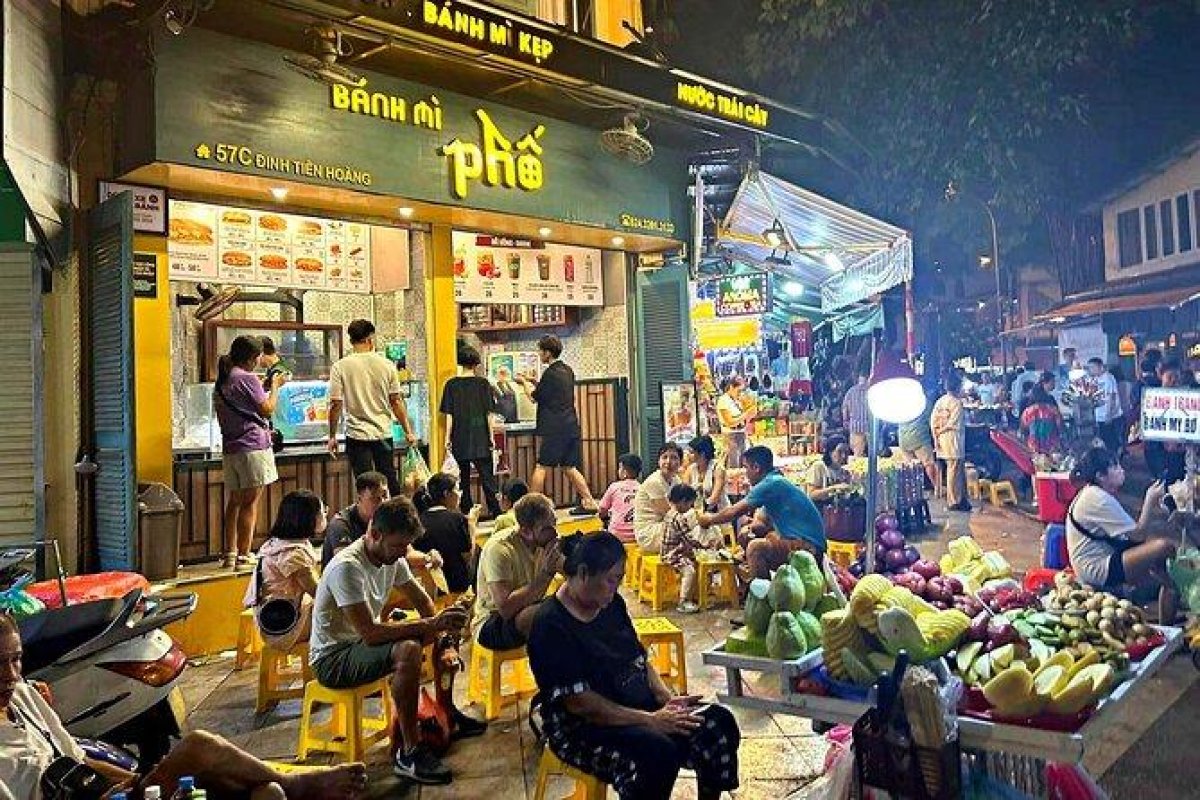
Step off Hoan Kiem Lake, duck into one of a thousand narrow alleyways, and you’re inside one of Asia’s last surviving medieval trading districts. Hanoi’s Old Quarter, the Khu Phố Cổ, is a living, breathing museum where the streets themselves are named after the guilds that once monopolised each trade: silk on Hàng Gai, paper on Hàng Giấy, tin goods on Hàng Thiếc, lacquerware on Hàng Khảm. More than 1,000 years after the original craftsmen set up shop, the Old Quarter still functions the way it always has, noisily, colourfully, and on its own terms.
For dental tourists arriving in Hanoi in 2026, this neighbourhood is more than a sightseeing backdrop. It’s also home to Picasso Dental Clinic’s Old Quarter branch, one of Hanoi’s most accessible and internationally-oriented clinics, positioned right in the heart of the quarter. This guide covers everything you need to navigate, eat, sleep, and explore the Old Quarter, and how to fold a dental appointment seamlessly into the experience.
History of the 36 Guild Streets
The Old Quarter’s origins trace back to the 11th century, when King Lý Thái Tổ moved Vietnam’s capital to Thăng Long, the “Soaring Dragon”, and craftsmen from surrounding villages followed the imperial court. Each guild claimed a street: the Hàng prefix (meaning “merchandise”) preceding the product name became a naming convention that persists today across nearly 40 streets.
The district is commonly called the “36 Streets” (Ba Mươi Sáu Phố Phương), though in reality there are now over 70 named lanes within the quarter. The number 36 carries cultural resonance in Vietnamese tradition, representing completeness, and stuck as a poetic shorthand.
By the 15th century under the Lê dynasty, the Old Quarter was the commercial heart of Thăng Long, a warren of shophouses where the ground floor served as a store and workshop, the mezzanine as storage, and the upper floors as the family home. This nhà ông (tube house) architecture, narrow-fronted to minimise the tax levied on street width, but stretching deep into the block, remains the defining streetscape of the Old Quarter today.
French colonisation from the 1870s introduced a different layer: colonial-era buildings with shuttered windows, wrought-iron balconies, and pastel facades appeared alongside the traditional Vietnamese shophouses. The result is one of Southeast Asia’s most architecturally layered city districts, a living palimpsest of Vietnamese, Chinese, and French influence.
Quick fact: The Old Quarter covers approximately 1 square kilometre, roughly 70 streets, 80,000 residents, and more than 2,000 listed historic buildings. Walking end-to-end takes under 20 minutes, but you could spend three full days and still find new corners.
Top Sights & Landmarks
Hoan Kiem Lake
The Old Quarter’s southern anchor is Hoan Kiem Lake, the “Lake of the Restored Sword”, a 12-hectare emerald body of water at the edge of the quarter’s busiest streets. The lake takes its name from a 15th-century legend: Emperor Lê Lợi received a magical sword from a divine turtle, used it to defeat Chinese Ming invaders, and returned it to the lake where the turtle reclaimed it. The lakeside promenade is closed to traffic on weekend evenings, transforming into a walking and cycling street thronged with locals, vendors, and performers. Visit at dawn for tai chi practitioners moving in the mist, or at dusk when the lake reflects the lights of surrounding streets in molten gold.
Ngoc Son Temple
Sitting on a small island in the northern section of Hoan Kiem Lake, Ngoc Son Temple is reached via the iconic red wooden The Huc Bridge (“Bridge of the Rising Sun”). The temple, dedicated to scholar Van Xuong and military hero Tran Hung Dao, dates from the 18th century in its current form. Inside, the preserved body of a giant soft-shell turtle, one of the near-mythical Yangtze giant softshell turtles, now functionally extinct, is displayed under glass. Open daily 8am–6pm; entrance 30,000 VND (~$1.20 USD). A 20-minute visit is all you need; the approach across the bridge and the lake views are the true reward.
St Joseph’s Cathedral
Two blocks west of Hoan Kiem Lake, Hanoi’s imposing neo-Gothic cathedral was built by French colonisers and completed in 1886. The twin bell towers, rose window, and black-painted facade make it one of the most photographed buildings in Vietnam. The interior is modest but atmospheric, with stained glass and carved altarpieces. The square in front, Nha Tho Street, is lined with boutique cafes, silk shops, and chocolate boutiques, making it one of the Old Quarter’s most pleasant sitting-and-watching corners. Masses are held daily; tourist visits are permitted outside service hours.
Dong Xuan Market
The Old Quarter’s largest covered market, Dong Xuan is a three-storey wholesale and retail labyrinth at the northern end of Hàng Chieu Street. Built by the French in 1889, the current structure was rebuilt after a devastating fire in 1994. Ground floor: clothing, fabrics, and dry goods. Upper floors: fresh produce, meat, and household goods. Go early (before 8am) to see the wholesale trade in full swing, when motorbikes stack improbable loads of vegetables through the narrow gates. Prices are generally cheaper than street stalls, but bargaining is expected.
Hang Be Market
Less touristy and more genuinely local than Dong Xuan, Hang Be Market spills across Hang Be Street just south of the main market quarter. This is where Old Quarter residents buy their daily fresh produce: tropical fruit piled in technicolour pyramids, bundles of fresh herbs, dried spices, live snails, fermented shrimp paste, and every cut of pork imaginable. The market is busiest before 9am; after 11am it thins considerably. No tourist kitsch, just Hanoi daily life at full volume.
Thang Long Water Puppet Theatre
On the northeastern shore of Hoan Kiem Lake, the Thang Long Water Puppet Theatre is the best place in Vietnam to see múa rối nươc, the 1,000-year-old art form that originated in the Red River Delta. Puppets emerge from a waist-deep pool, manipulated by hidden artists using submerged bamboo rods, performing scenes from Vietnamese folklore to the sound of live traditional music. Shows run 45 minutes, several times daily. Book tickets at the box office (arrive 30 minutes early); prices start at 100,000 VND (~$4 USD) for standard seats.
Best Streets to Explore by Category
The Old Quarter’s genius is its specialisation. Entire streets still sell one thing, even if they’ve diversified somewhat from their original guild trade. Here’s a category guide to navigate the quarter purposefully rather than randomly.
| Category | Street(s) | What to Buy / See |
|---|---|---|
| Silk & fabric | Hàng Gai, Hàng Bong | Handmade silk scarves, ao dai fabric, tailored clothing; prices per metre from 150,000–600,000 VND |
| Lacquerware | Hàng Khảm | Painted lacquer trays, bowls, wall art; excellent souvenir value |
| Paper & stationery | Hàng Giấy | Traditional Vietnamese paper, notebooks, calligraphy supplies, votive paper offerings |
| Tin & metalware | Hàng Thiếc | Tin signage, metalwork, traditional lanterns, hardware; still a functioning trade street |
| Silver jewellery | Hàng Bạc | Traditional silver jewellery, gold exchangers; street name literally means “silver goods” |
| Bamboo & rattan | Hàng Chiếu, Hàng Tre | Bamboo furniture, rattan baskets, woven mats |
| Embroidery & art | Hàng Trống | Hand-embroidered silk paintings, propaganda art prints, traditional woodblock prints |
| Spices & dried goods | Hàng Can | Star anise, cinnamon, dried shrimp, Vietnamese coffee |
| Boutique & cafes | Nha Tho, Ma May | Upmarket silk boutiques, international-standard cafes, heritage guesthouses |
Tip for souvenir shoppers: Price almost everything. The opening ask is typically 3–5x what a local would pay. A calm counter-offer of 40% of the asking price, with willingness to walk away, usually lands close to fair value.
Where to Eat in the Old Quarter: By Meal Time
Breakfast: Pho & Banh Mi
Hanoi breakfast culture centres on pho, and the Old Quarter has several of the city’s most-argued-about bowls.
- Pho Gia Truyen (49 Bat Dan Street), The most famous pho shop in Hanoi. Opens at 6am, usually sold out by 9am. Beef pho only. No menu, no choices, you get a bowl, you sit at a low stool, you eat. The broth is simmered for 12+ hours. Queue is part of the experience. Cash only, ~40,000 VND per bowl.
- Pho Thin (13 Dinh Tien Hoang Street), Famous for heavily charred, wok-fried beef, a Hanoi style called pho tung. The aroma of the wok catches you from 20 metres away.
- Bánh Mì street stalls (Hàng Gai & nearby), The Vietnamese baguette stuffed with pork belly, pate, pickled carrots, coriander, and chilli is arguably the world’s greatest street food. Price ~25,000–35,000 VND (~$1–$1.40).
- Banh Cuon Gia Truyen (14 Hang Ga Street), Steamed rice rolls stuffed with seasoned pork and cloud ear mushroom, dipped in nuoc cham. Lighter than pho, extraordinarily delicate. Open mornings only. Perfect post-dental soft food.
Lunch: Bun Cha & More
The Old Quarter at lunchtime (11am–1pm) smells of charcoal and grilled pork, the unmistakeable signature of bun cha.
- Bun Cha Hương Liên (24 Le Van Huu Street), Famous as “the Obama bun cha” after the 2016 visit with Anthony Bourdain. Fatty pork patties and sliced belly grilled over charcoal, served in a sweetened fish-sauce broth with fresh rice vermicelli and herbs. ~60,000 VND (~$2.40).
- Banh Mi 25 (25 Hang Ca Street), Widely considered the best banh mi in the Old Quarter. Queues form quickly from noon. The shredded pork and house-made pate are exceptional.
Dinner: Evening Restaurants
- Chả Cá Lã Vọng (14 Cha Ca Street), The most iconic restaurant in the Old Quarter, open since 1871. Specialises in one dish: chả cá, turmeric-marinated white fish sizzled tableside in a cast-iron pan with dill and spring onion, then wrapped in rice paper with herbs and noodles. Reservations recommended. Around 150,000–200,000 VND per person.
- Quan An Ngon (18 Phan Boi Chau Street), A curated collection of Vietnam’s best street foods under one roof, each stall staffed by a specialist. Ideal for groups or travellers who want to sample widely.
- NET Restaurant (50 Hang Be Street), Modern Vietnamese cooking in an attractive Old Quarter setting. The slow-cooked short rib and grilled aubergine with shrimp paste are standouts.
- Egg Coffee at Cafe Giang (39 Nguyen Huu Huan Street), Hanoi’s most famous coffee invention: egg yolk whipped with condensed milk into a thick, custard-like foam on top of strong Vietnamese coffee. The cafe has been making it since 1946. Go up the narrow stairs to the upstairs room overlooking the street.
Night Market & Street Food
Every Friday, Saturday, and Sunday evening from 7pm to midnight, Hang Dao Street and surrounding lanes close to traffic and transform into the Old Quarter Night Market. Stalls line both sides of the street from Hàng Dao all the way through to Dong Xuan Market, selling clothing, crafts, street food, and tourist goods.
The food stalls are the main attraction. Best bets: fresh spring rolls (gỏi; cuốn), steamed corn, Vietnamese pancakes (bánh xèo), skewered grilled meats, fresh sugarcane juice, and lotus seed sweet soup (ché hạt sen). Budget 50,000–100,000 VND for a full night-market eat-around.
Post-dental eating note: For dental tourists, the Old Quarter is practically paradise for recovery eating. Pho, banh cuon, chao rice porridge, fresh fruit smoothies, yogurt, and soft tofu dishes are everywhere, cheap, and outstanding. Avoid hard baguettes and very spicy dishes for 48–72 hours post-procedure. See our full guide: What to Eat After Dental Surgery in Hanoi.
Where to Stay in the Old Quarter
Staying in the Old Quarter puts you within walking distance of virtually everything, Hoan Kiem Lake, the major sights, the best restaurants, and Picasso Dental’s Old Quarter branch. The trade-off is noise and a somewhat chaotic street environment.
Budget Hotels & Guesthouses (from ~$20–40 USD / night)
The Old Quarter has hundreds of small family-run guesthouses, most on upper floors of tube houses accessible via steep stairways. The best budget streets are Hang Be, Hang Bac, and Ma May, well-located, with a reasonable selection of clean 2–3 star guesthouses. Avoid the very cheapest options directly fronting major streets like Hang Dao or Dinh Tien Hoang, which have significant traffic noise.
Mid-Range Hotels ($60–150 USD / night)
Several excellent mid-range options exist within the quarter. Nha Tho Street (the cathedral square area) is the best mid-range corridor: quieter, more upmarket, lined with boutique hotels with heritage character. Hang Trong Street runs along the western edge of Hoan Kiem Lake and has several well-reviewed 3-star hotels with lake views.
Boutique & Upmarket ($150–350 USD / night)
The Old Quarter has a growing number of genuinely excellent boutique hotels that blend Vietnamese heritage architecture with contemporary design. The Sofitel Legend Metropole (technically French Quarter, one block south) is Hanoi’s most storied luxury hotel, a 1901 colonial landmark. Within the Old Quarter proper, newer boutique properties on Hang Trong and Ma May offer heritage room design, rooftop bars, and Hoan Kiem Lake views at 40 to 60% of the Metropole’s rates.
| Best Streets to Stay | Pros | Cons |
|---|---|---|
| Nha Tho (Cathedral) | Quieter, upmarket cafes, boutique shops | 10-min walk to lake; fewer budget options |
| Ma May | Authentic quarter feel, well-located, walkable | Busy daytime traffic; some noise |
| Hang Trong (lakeside) | Lake views, gorgeous evening promenades | Higher prices; busy weekends |
| Hang Bac / Hang Be | Best budget–mid range value, central to market area | Noisy near Dong Xuan end |
| Side streets off Hang Gai | Quiet, central, close to silk shops and Hoan Kiem | Fewer landmark cafes nearby |
Pros of staying in the Old Quarter: Walkable to everything. Immersive atmosphere. Best restaurant selection. Close to Picasso Dental Old Quarter. Great for evening strolling and the night market.
Cons of staying in the Old Quarter: Noise, motorbikes and market vendors mean lighter sleepers should request upper-floor rooms at the back of buildings. If your dental clinic is in West Lake or Ba Dinh, add 15–25 minutes transit time per trip.
For a full neighbourhood comparison including West Lake, Ba Dinh, and the French Quarter, see our guide: Where to Stay in Hanoi for Dental Treatment.
SmileJet, Hanoi Dental Tourism
Planning a Dental Trip to Hanoi?
Browse listed clinics, compare prices, and request a free no-obligation quote, all from the Old Quarter and beyond. SmileJet connects you with Hanoi’s best international dental clinics.
Browse Hanoi Dental Clinics →Navigation Tips: Walking the Old Quarter
Walking Map Description
The Old Quarter is bounded by four landmarks that form a rough rectangle: Hoan Kiem Lake to the south and east, Dong Xuan Market to the north, the Long Bien Bridge approach roads to the northeast, and the Hoa Lo Prison vicinity to the west. Everything worth visiting fits within a 1km × 0.8km grid.
The easiest way to orient yourself: start at the Huc Bridge (red bridge to Ngoc Son Temple) on Hoan Kiem Lake. Walk north on Dinh Tien Hoang Street along the lake’s eastern shore, then turn west onto Hang Ngang Street, you’re now on the historic route where Ho Chi Minh drafted the 1945 Declaration of Independence (at No.48). Continue west then north along Hang Dao, Hang Ngang, and into Dong Xuan Market. Return south via a different parallel street (Hang Bac, Hang Be, or Ma May) to loop back to the lake. The whole circuit takes about 90 minutes at a gentle pace without stops.
Download before you go: Google Maps works well in the Old Quarter and has most streets and landmarks labelled. For offline use, download the Hanoi map tile in advance. The free Maps.me app is also reliable and works without data.
Best Times to Visit
Early Morning Magic (6:00–8:30am)
This is the Old Quarter at its most extraordinary. Before the tourist day begins, the streets belong to locals: tai chi at the lakeside, morning markets in full flow, pho shops at capacity with commuters and traders. The light is golden and soft. Dong Xuan Market is at peak wholesale activity. Street food stalls are freshest. The heat hasn’t yet built. If you can only explore one time slot, choose early morning. Set your alarm.
Avoid Midday Heat (11am–2pm)
From May through September, Hanoi midday temperatures regularly exceed 35°C (95°F) with high humidity. The narrow Old Quarter streets trap heat and reduce airflow. This is the time to be indoors, in an air-conditioned museum, a cafe, or your hotel. Even in the cooler months (November–February), the midday bustle in the Old Quarter can feel overwhelming for first-time visitors.
Evening Golden Hour (5:30–8pm)
As the day cools, the Old Quarter transforms again. The Hoan Kiem Lake promenade fills with walkers and cyclists. Restaurants pull out their low plastic stools. The weekend night market takes over Hang Dao. This is the most social and atmospheric time in the quarter, streets are lit by lanterns and neon, the smell of grilling meat drifts from side streets, and the hum of motorbikes and conversation creates that particular Hanoi evening sound.
Motorbike Traffic: How to Cross the Street
Crossing Old Quarter streets is the number-one anxiety for first-time visitors. The secret: walk slowly and steadily, make eye contact with approaching riders, and don’t stop or dart suddenly. Hanoi’s motorcyclists are extraordinarily skilled at reading pedestrian intention; they will flow around a steady walker. The worst thing to do is hesitate mid-street or step back unexpectedly.
Getting Around: Grab vs Walking vs Cyclo
- Walking, Best within the Old Quarter. Everything is close. Wear comfortable shoes (the streets are irregular cobblestone and broken concrete in places).
- Grab, The Vietnamese equivalent of Uber. Use GrabBike (motorbike taxi) for speed through traffic; GrabCar for comfort. Metered, cashless, safe. A trip from the Old Quarter to the Vietnam Museum of Ethnology costs about 50,000–70,000 VND (~$2–$3).
- Cyclo, The three-wheeled bicycle rickshaw is essentially a tourist experience now. Fun for a 30-minute circuit of the Old Quarter; negotiate the fare before you get in (150,000–200,000 VND is fair for a short tour). Not practical for transport.
- Taxi, Use only Vinasun or Mai Linh branded taxis with visible meters. Avoid unmarked taxis outside tourist areas.
Dental Clinics in the Old Quarter
One of the great practical advantages of the Old Quarter as a dental tourism base: you can walk to your dental appointment. For most dental procedures involving multiple visits over several days, having your clinic within walking distance of your hotel eliminates logistics stress and lets you return to your room easily for post-appointment rest.
Dental Tourism in the Old Quarter: Practical Notes
The Old Quarter’s location is the key advantage for dental patients who choose to stay here. Recovering from a procedure, you don’t want a long journey back to your hotel. Within the quarter, everything you need is within walking range: pharmacies (Long Chau has a branch on Dinh Tien Hoang; Pharmacity near the lake), soft food restaurants, cafes for resting, and convenience stores for post-appointment supplies.
For patients travelling from the UK, Australia, Canada, or New Zealand, dental implants at Picasso Old Quarter cost approximately 60 to 70% less than at home for equivalent systems (Straumann, Nobel Biocare). A single Straumann implant including crown runs approximately $1,200–1,500 USD in Hanoi versus $4,500–5,500 USD in Sydney or London. For a full arch restoration, the savings can exceed $25,000 USD.
For full Hanoi dental cost data and clinic comparisons, visit our Hanoi dental tourism destination guide.
Get a Free Dental Quote for Hanoi
Tell us your treatment needs and we’ll connect you with listed Hanoi clinics, including Picasso Dental Old Quarter, for a free, no-obligation quote.
Request Free Quotes →Frequently Asked Questions
Is the Old Quarter safe for tourists in 2026?
Yes, Hanoi’s Old Quarter is one of Southeast Asia’s safest tourist districts. Violent crime against tourists is extremely rare. The main risks are petty theft (bag snatching from motorbikes on busy streets) and scams targeting new arrivals (inflated taxi fares, cyclo overcharging). Use Grab for all motor transport; keep bags on the side away from the road; confirm prices before engaging any service. Solo female travellers consistently rate the Old Quarter highly for safety and freedom of movement.
How much does a dental implant cost at Picasso Dental Old Quarter in 2026?
At Picasso Dental’s Old Quarter branch, a single dental implant using Osstem starts from approximately $800–900 USD including the crown. A Straumann implant including crown runs approximately $1,300–1,600 USD, roughly 60 to 70% less than equivalent treatment in Australia, the UK, or Canada. For full pricing across implant brands and multiple units, request a quote via SmileJet’s Picasso Old Quarter profile. Prices vary based on bone graft requirements and crown material.
When is the best time of year to visit Hanoi’s Old Quarter?
The optimal travel window is October to April, Hanoi’s cooler, drier season. October and November bring crisp, clear days with temperatures of 20–28°C. December through February is the coolest period (occasionally down to 15°C at night) with a characteristic grey drizzle that gives the Old Quarter a moody, cinematic atmosphere. March and April warm up with blossom and pre-summer light. The hot, humid months of May through September are manageable but more demanding, especially for post-dental recovery. For dental tourism specifically, October–April is the preferred window.
Can I walk to Picasso Dental Old Quarter from most Old Quarter hotels?
Yes, the Old Quarter is small enough that from any hotel within the quarter, Picasso Dental’s Old Quarter branch is within 5–15 minutes on foot. If you’re staying on Ma May, Hang Bac, Hang Be, or the streets around the Hoan Kiem lakefront, you can walk comfortably even on the day of a procedure. This convenience makes the Old Quarter the most practical base for patients having multiple appointments at this clinic. A Grab from West Lake hotels takes about 15 minutes and costs 50,000–70,000 VND (~$2–$3).
What are the must-do experiences in the Old Quarter for a first-time visitor?
Our top five: (1) Dawn walk around Hoan Kiem Lake with tai chi practitioners, set your alarm for 6am; (2) Bowl of pho at Pho Gia Truyen on Bat Dan Street, arrive before 8am; (3) Ngoc Son Temple via the red Huc Bridge, 20 minutes, outstanding photo opportunity; (4) Egg coffee at Cafe Giang (39 Nguyen Huu Huan Street) in the upstairs room; (5) Friday/Saturday/Sunday evening night market on Hang Dao Street from 7pm. For dental tourists combining sightseeing with appointments, see our full guide: Combining a Hanoi Holiday with Dental Treatment.
Related Guides
Start Your Dental Journey
Ready to Save 60 to 70% on Dental Work in Hanoi?
SmileJet lists and verifies Hanoi’s best dental clinics, including Picasso Dental Old Quarter, right in the heart of the 36 Streets. Browse profiles, compare prices, and request free quotes.
Explore Hanoi Clinics on SmileJet →Disclaimer: This guide is for general information purposes only. Opening hours, prices, and business details are subject to change and should be verified before your visit. Dental pricing estimates are indicative and vary based on individual treatment requirements, implant brand selection, and additional procedures such as bone grafting. SmileJet does not provide dental advice or treatment, always consult a qualified dental professional regarding your specific needs. Travel insurance covering dental complications is strongly recommended for all dental tourists.
Prices are indicative; only a clinic's written quote applies to you. See how we source prices. SmileJet is an information service, not a healthcare provider, and nothing here is medical advice.
Want this priced for your own mouth? Send a photo and we will come back with written quotes from clinics that fit.
Get my quoteIf you are also looking at treatment
What it costs, and who does it.
Published clinic fees, not estimates. Indicative until a clinic puts a quote in writing.
Dental care in Hanoi
Prices, clinics and how a treatment trip there actually works.
Dental implants in Hanoi
What a single implant costs there, and which systems the clinics use.
Veneers in Hanoi
Composite, E.max and zirconia, with the price each clinic publishes.
All-on-4 in Hanoi
Full-arch pricing, how many trips it takes, and who handles the complex cases.
Keep reading
Related guides.
Questions to ask a Cuenca dentist before you book
Twelve questions that separate a quote you can rely on from one you cannot. Ask them before you book flights.
Why Ecuador quotes dental work in US dollars
Ecuador is the rare dental destination where the quoted number and the paid number are the same.
Ecuador, Costa Rica or Mexico for dental work
An honest comparison, including the ways Ecuador loses. We list one clinic there, and that is a real limitation.
Send a photo. Get three quotes.
It costs nothing and it does not commit you to anything. Most people hear back the same day.