Sinus lifting abroad.
Priced on published fees.
What sinus lifting costs across the destinations we list, from fees published by approved clinics.
Free to use. No forms, no call centre. You pay the clinic directly, at its own prices.
What it costs
Sinus lifting, country by country.
Each figure is the average of prices published by approved clinics in that country. The count beside it is how many clinics stand behind the figure.
| Country | Average | Range | Clinics |
|---|---|---|---|
| Thailand | US$741 | US$86 to US$1,429 | 13 |
| Poland | US$689 | US$300 to US$1,375 | 6 |
| Mexico | US$990 | US$500 to US$2,000 | 6 |
| Hungary | US$779 | US$359 to US$1,651 | 6 |
| Turkey | US$669 | US$241 to US$1,080 | 4 |
| Colombia | US$531 | US$167 to US$950 | 2 |
| Indonesia | US$450 | US$250 to US$650 | 2 |
| Spain | US$885 | US$695 to US$1,075 | 2 |
Indicative. Averages of what clinics publish, not quotes. Only a clinic's written quote for your own case applies to you. Method: the pricing research index.
Want sinus lifting priced for your own mouth? Send a photo and we will come back with written quotes.
Get my quoteThe treatment
What sinus lifting involves.
What Is Sinus Lifting?
A sinus lifting, also known as sinus augmentation or sinus floor elevation, is a specialized oral surgery procedure that adds bone to the upper jaw in the area of the molars and premolars. This procedure is performed to create adequate bone height and volume for dental implant placement when the natural bone has been lost due to periodontal disease, tooth loss, or the natural expansion of the sinus cavity over time.
The maxillary sinuses are air-filled spaces located above the upper teeth in the back of the mouth. When upper teeth are lost, the sinus cavity can expand downward while the jawbone resorbs upward, leaving insufficient bone height for successful implant placement. Sinus lifting addresses this issue by gently lifting the sinus membrane and placing bone graft material underneath to rebuild the bone foundation.
How Is Sinus Lifting Performed?The sinus lifting procedure is typically performed under local anesthesia, though sedation options are available for patient comfort. The surgery generally takes 90 minutes to 2 hours, depending on the complexity of the case.
Lateral Window Technique
The most common approach involves creating a small window in the lateral wall of the sinus. The oral surgeon makes an incision in the gum tissue to expose the jawbone, then carefully creates a small opening in the bone. The sinus membrane is gently lifted upward, creating space underneath for the bone graft material.
Osteotome Technique
For cases requiring less bone augmentation, the osteotome technique may be used. This less invasive approach involves accessing the sinus through the implant site itself, using special instruments to gently lift the sinus floor while simultaneously placing the bone graft and sometimes the implant.
Bone Graft Placement
Once the sinus membrane is elevated, bone graft material is carefully placed in the newly created space. The graft material may be autogenous bone (from the patient), allograft (donated human bone), xenograft (animal-derived), or synthetic bone substitute. The choice depends on individual case requirements and patient preferences.
Healing and Integration
After graft placement, the surgical site is closed with sutures. The bone graft material gradually integrates with existing bone over several months, creating a solid foundation for future implant placement.
Benefits and OutcomesSinus lifting offers numerous advantages for patients seeking dental implant restoration in the upper jaw:
- Enables implant placement: Creates sufficient bone height where natural bone is inadequate
- High success rates: Studies show success rates of 95% or higher when performed by experienced surgeons
- Predictable results: Well-established technique with proven long-term outcomes
- Preserves facial structure: Prevents further bone loss and maintains facial support
- Improved chewing function: Allows for stable implant-supported restorations
- Enhanced quality of life: Enables patients to eat, speak, and smile with confidence
- Long-lasting solution: Properly integrated grafts provide permanent bone augmentation
The procedure typically results in 4-10mm of additional bone height, sufficient for standard dental implants. Most patients experience successful graft integration within 6-9 months, after which implant placement can proceed.
Who Is a Candidate for Sinus Lifting?Sinus lifting may be recommended for patients who meet specific criteria:
Ideal Candidates
- Missing one or more upper back teeth (molars or premolars)
- Insufficient bone height in the posterior maxilla (less than 4-5mm)
- Healthy sinus cavities without active infection or disease
- Good overall health and oral hygiene
- Realistic expectations about treatment timeline and outcomes
- Non-smokers or willing to quit smoking during healing
Conditions That May Require Evaluation
Certain conditions require careful assessment before proceeding with sinus lifting:
- Chronic sinusitis or frequent sinus infections
- Severe allergies affecting sinus health
- Previous sinus surgery or trauma
- Autoimmune conditions affecting healing
- Heavy smoking or tobacco use
- Uncontrolled diabetes or other systemic diseases
Your oral surgeon will conduct a thorough examination, including 3D imaging, to determine if sinus lifting is appropriate for your specific situation.
Recovery and AftercareProper post-operative care is essential for successful healing and graft integration:
Immediate Recovery (First 24-48 Hours)
- Apply ice packs to reduce swelling (20 minutes on, 20 minutes off)
- Take prescribed medications as directed for pain and infection prevention
- Avoid blowing your nose or sneezing forcefully
- Sleep with your head elevated to minimize swelling
- Stick to soft, cool foods and avoid hot liquids
- Do not use straws or spit forcefully
First Week
- Maintain gentle oral hygiene, avoiding the surgical site
- Rinse gently with prescribed antimicrobial mouthwash
- Continue soft diet and gradually introduce more solid foods
- Attend follow-up appointment for suture removal and healing assessment
- Avoid strenuous physical activity and heavy lifting
Ongoing Recovery (2-8 Weeks)
Swelling and discomfort typically resolve within the first two weeks. Patients can gradually return to normal activities while avoiding actions that create pressure in the sinus cavity, such as forceful nose blowing or playing wind instruments.
Long-term Healing (3-9 Months)
Complete graft integration occurs over several months. Regular follow-up appointments with imaging help monitor healing progress and determine optimal timing for implant placement. Most patients can proceed with implant surgery 6-9 months after sinus lifting.
Success depends largely on following post-operative instructions, maintaining excellent oral hygiene, and attending all scheduled follow-up appointments. Patients who smoke or have certain medical conditions may experience longer healing times or complications.
- Sessions
- 1 typically
Clinics
Where to get sinus lifting.
Clinics that list this treatment, ordered by our evaluation. Featured partners passed the checks in our methodology; it is not a clinical endorsement.
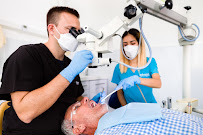
Bokanova Riviera Maya
Playa Del Carmen, Mexico
US$700
from 116 reviews

Saphiredent - Saphire Dental Clinic
Istanbul, Turkey
US$530
from 422 reviews
Smile and Shine Dental Clinic
Bangkok, Thailand
US$571
from 246 reviews

Stomatoloska ordinacija Cvejanovic
Belgrade, Serbia
US$324
from 260 reviews

Focus Dental Clinic
Bodrum, Turkey
US$241
from 274 reviews
Nha Khoa Tre Dental Clinic
Hanoi, Vietnam
US$160
from 101 reviews
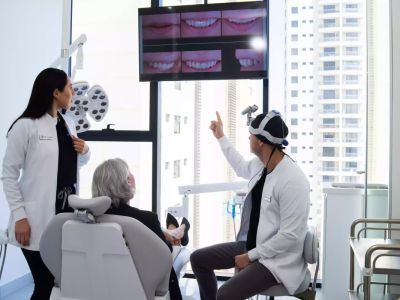
New Age Dental Clinic
Tijuana, Mexico
US$2,000
from 446 reviews

Lema Dental Clinic
Istanbul, Turkey
US$1,080
from 363 reviews
Questions
What people ask about it.
What is a sinus lift procedure?
A sinus lift is oral surgery that adds bone to the upper jaw to create enough height for dental implant placement when natural bone is insufficient.
Why would I need a sinus lift?
You may need a sinus lift if you've lost upper back teeth and don't have enough bone height in your jaw for dental implants due to bone loss or sinus expansion.
How long does a sinus lift procedure take?
The sinus lift procedure typically takes 90 minutes to 2 hours, depending on the complexity of your case and the technique used.
Is sinus lift surgery painful?
The procedure is performed under local anesthesia, so you won't feel pain during surgery. Post-operative discomfort is manageable with prescribed medications.
What is the success rate of sinus lifts?
Sinus lift procedures have high success rates of 95% or higher when performed by experienced oral surgeons and with proper post-operative care.
How long does it take to heal from a sinus lift?
Initial healing takes 1-2 weeks, but complete bone integration takes 6-9 months before dental implants can be placed.
Can dental implants be placed at the same time as a sinus lift?
Sometimes yes, if there's sufficient existing bone (usually 4-5mm). Otherwise, implants are placed 6-9 months after the sinus lift has healed.
What type of bone graft is used in sinus lifts?
Various materials can be used including your own bone, donated human bone, animal-derived bone, or synthetic bone substitutes.
Are there risks associated with sinus lift surgery?
Risks are minimal but may include infection, bleeding, sinus membrane perforation, or graft failure. These complications are rare with experienced surgeons.
Can I blow my nose after sinus lift surgery?
No, avoid blowing your nose for several weeks after surgery as this can disrupt healing and cause complications with the graft.
How much bone height can a sinus lift provide?
Sinus lifts typically add 4-10mm of bone height, which is usually sufficient for standard dental implant placement.
What foods can I eat after sinus lift surgery?
Stick to soft, cool foods for the first week, then gradually introduce more solid foods as healing progresses and comfort allows.
Will I have sinus problems after the procedure?
Most patients don't experience long-term sinus issues. The procedure actually helps preserve sinus function by maintaining proper anatomy.
How do I know if I'm a candidate for sinus lift?
Candidates typically have missing upper back teeth, insufficient bone height, healthy sinuses, and good overall health. A consultation determines eligibility.
Can smokers have sinus lift surgery?
Smoking significantly increases complications and failure rates. Most surgeons require patients to quit smoking before and after the procedure.
What's the difference between lateral and osteotome sinus lift techniques?
Lateral technique creates a window in the sinus wall for larger grafts. Osteotome is less invasive, accessing through the implant site for smaller augmentations.
How much does a sinus lift cost?
Costs vary by location and complexity, typically ranging from $1,500-$5,000. Consult with your oral surgeon for specific pricing in your area.
Will my insurance cover sinus lift surgery?
Coverage varies by insurance plan. Some medical or dental insurance may cover portions of the procedure when deemed medically necessary.
How long do I need to wait between sinus lift and implant placement?
Most patients wait 6-9 months for complete graft integration before implant placement, though timing varies based on individual healing.
Can both sinuses be lifted at the same time?
Yes, bilateral sinus lifts can often be performed simultaneously, though this may extend surgery time and require longer recovery.
Related
Often asked about together.
Send a photo. Get three quotes.
For sinus lifting, from clinics that fit your case. It costs nothing and commits you to nothing.