Why is Hungary called the 'dental capital of Europe'?
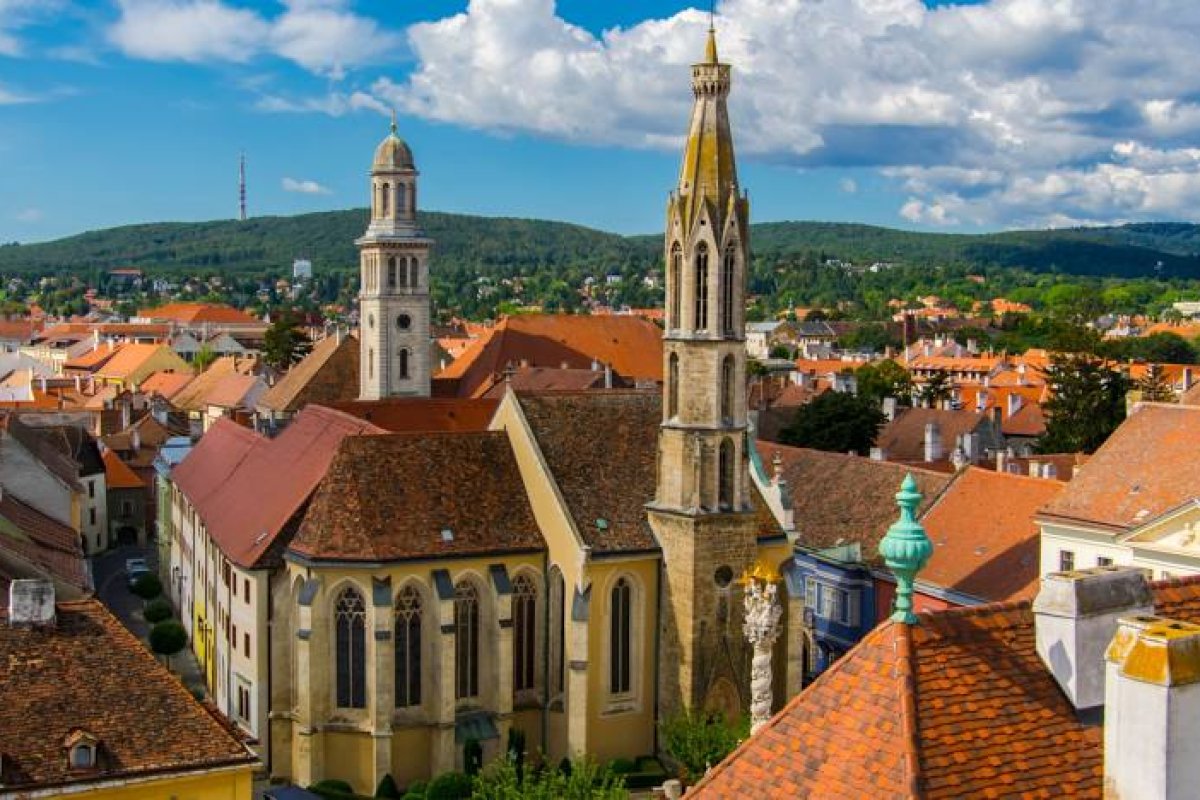
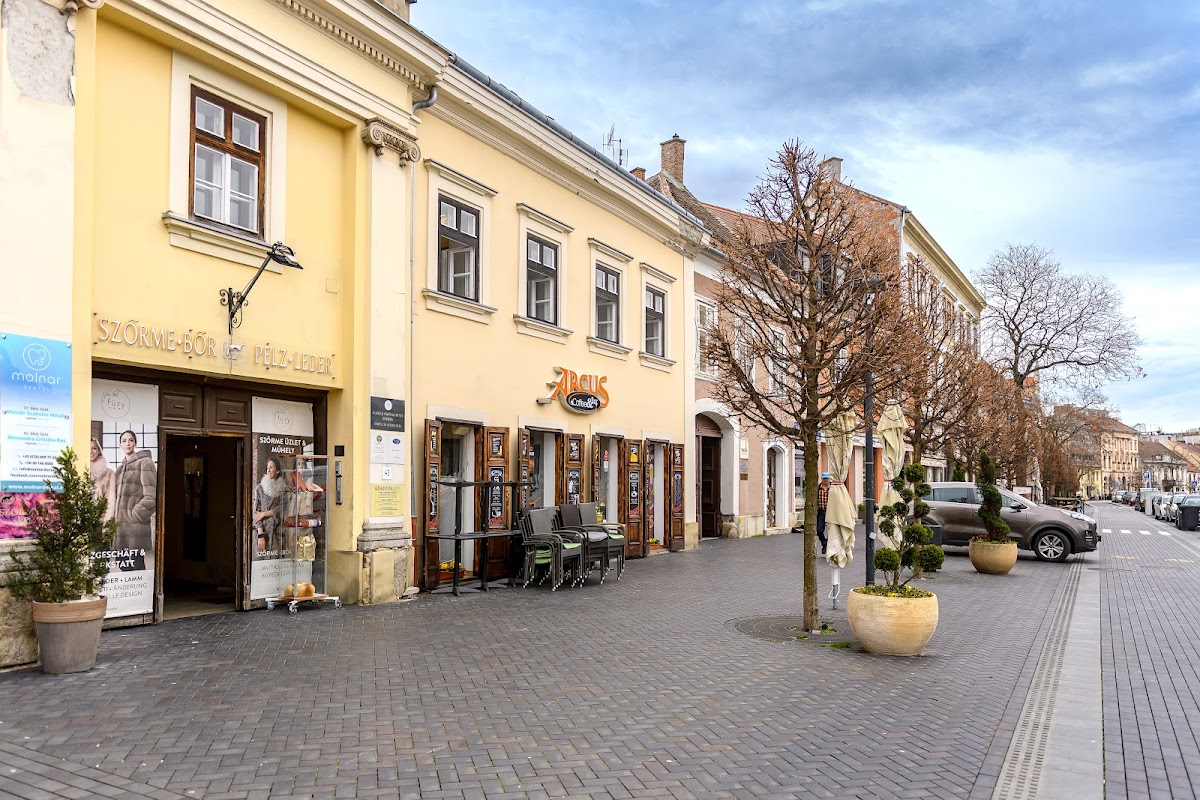
Hungary pioneered modern European dental tourism in the 1990s when Austrian and German patients began crossing the border to Sopron (5 minutes from Austria) for dental work. Over three decades the industry has matured into a €300+ million annual sector with Budapest alone serving 60,000+ international patients yearly. Few destinations match Hungary's combination of scale, EU regulation, German/English-speaking staff, and 50-70% savings.
Is dental work in Hungary safe?
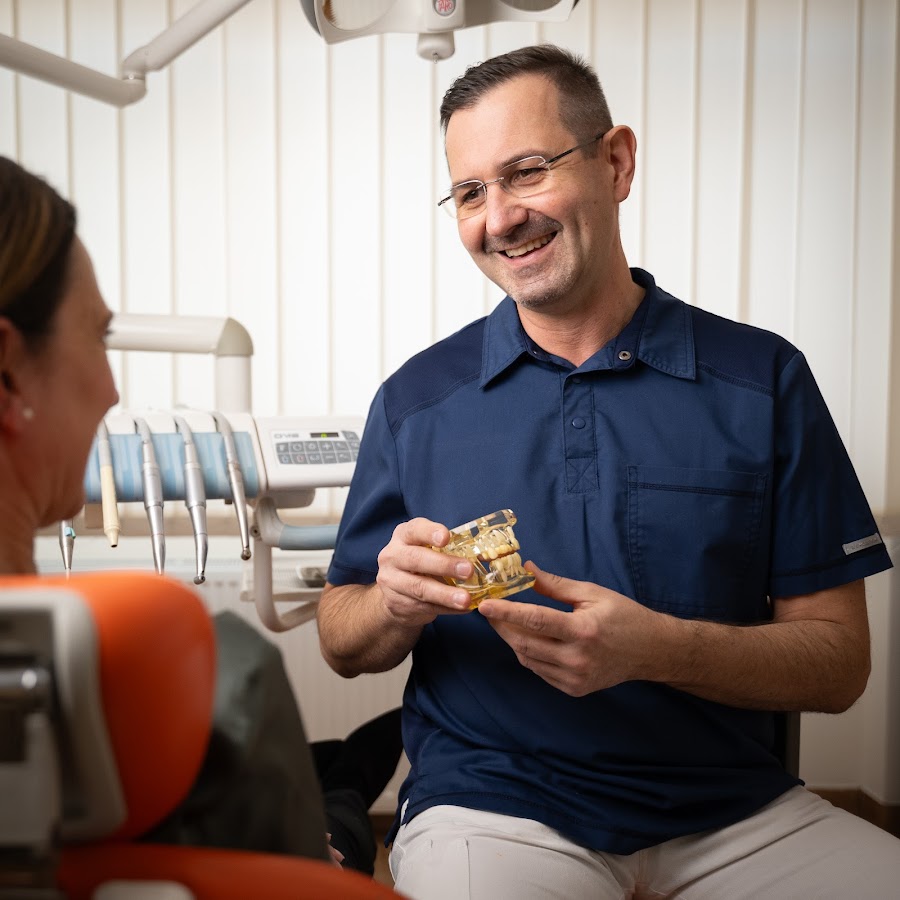
Yes. Hungary is an EU member state with dentistry regulated by the Hungarian Medical Chamber and strict EU clinical standards. SmileJet partner clinics hold a 4.7 average rating across 6,300+ reviews and use Straumann, Nobel Biocare, Camlog, and Zirkonzahn materials. Hungarian dentists are trained at Semmelweis University — one of Europe's oldest medical schools, founded in 1769.
How much can I save on dental work in Hungary?
Typical savings are 50-70% versus UK, German, or Austrian prices. A single dental implant costs EUR €600-€1,100 in Budapest vs £2,400 in the UK or €3,500 in Germany. Porcelain veneers start at EUR €280-€450 per tooth. Zirconia crowns from EUR €250-€400. All-on-4 full-arch implants run EUR €5,500-€8,500 per arch vs £15,000 UK or €20,000 Germany.
Which area of Budapest has the best dental clinics?
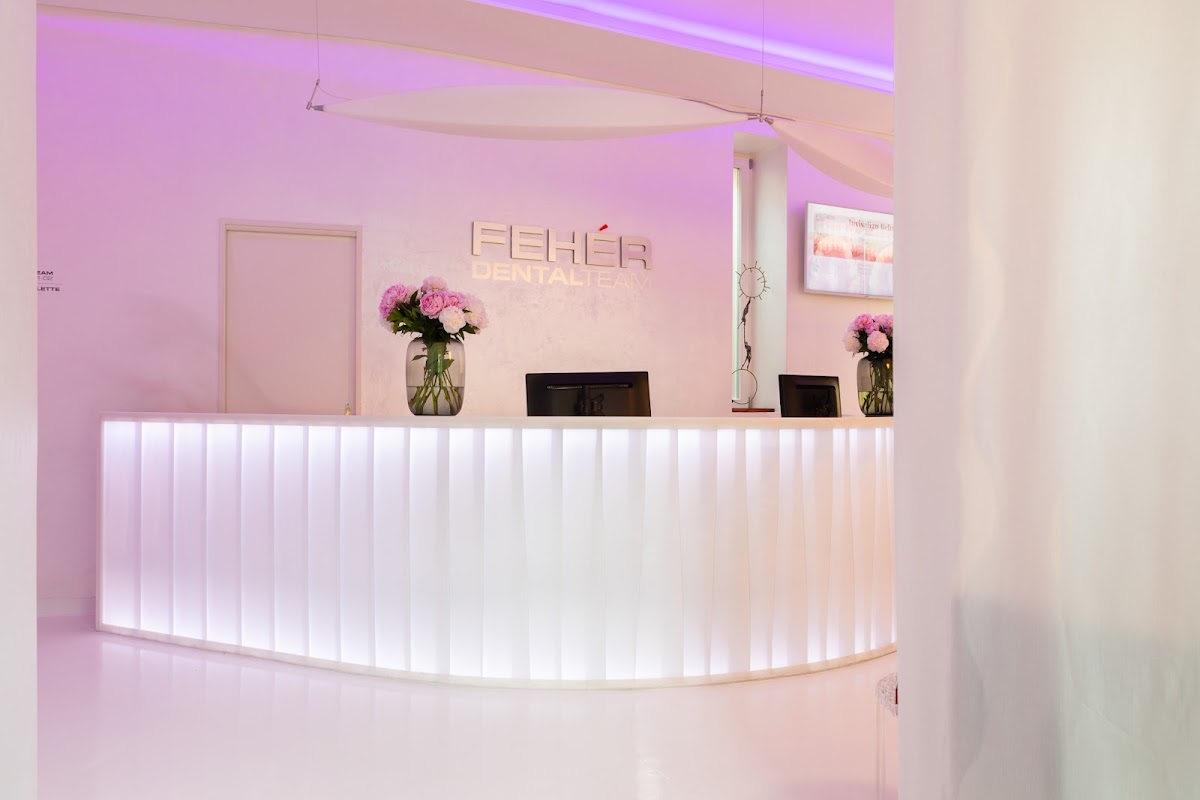
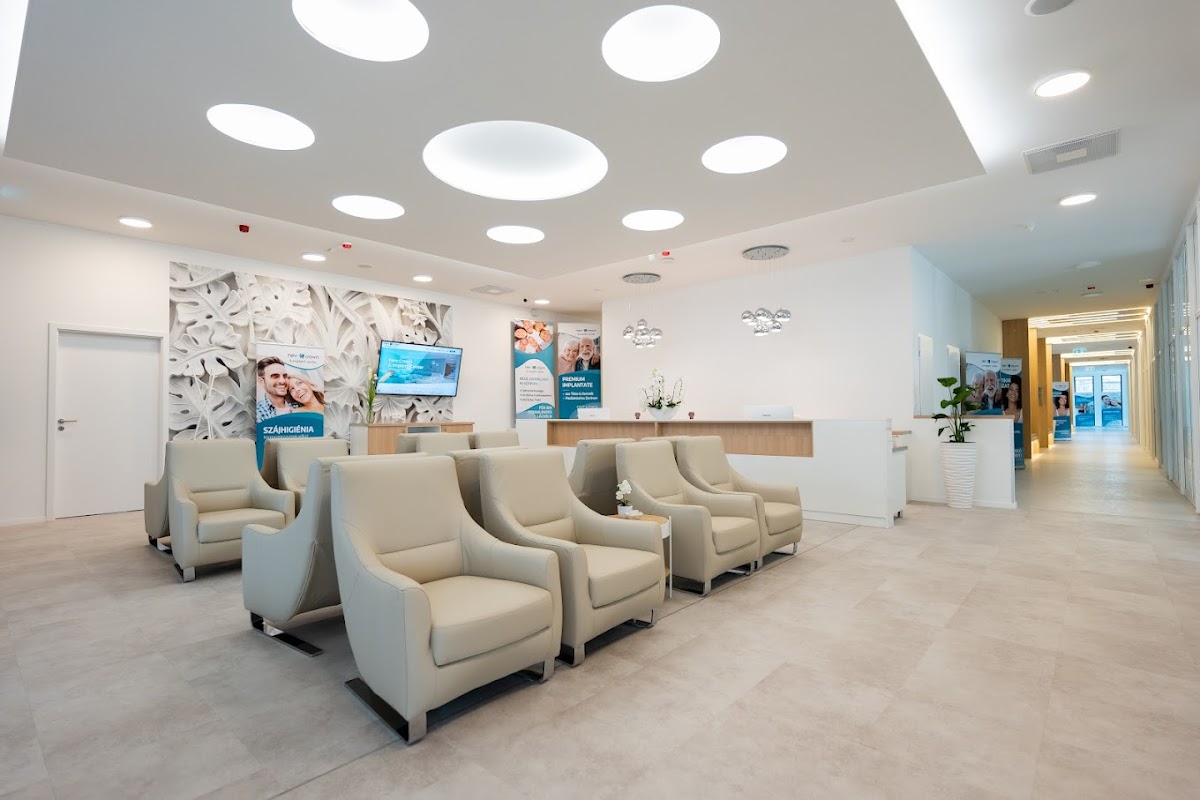
Budapest's dental clinics cluster in three main areas: Buda (District II and XII — upscale, residential, premium practices); Pest centre (Districts V, VI, VII — convenient, near major hotels and transport); and District XIII (northern Pest — newer modern clinics). Helvetic Clinics, mySmile, Buda Dental, and Specific Dental are among the top-rated options spread across these districts.
Do I need a visa to visit Hungary for dental treatment?
Hungary is an EU and Schengen Area member state. EU/EEA citizens enter with just a national ID. UK, US, Canadian, Australian, and New Zealand passport holders can enter visa-free for up to 90 days in any 180-day Schengen period. No special medical visa required. Passport must be valid for at least 3 months beyond intended departure.
How long do I need to stay in Hungary for dental work?
Veneers and crowns typically need 5-7 days across 2-3 appointments. Dental implants require 7-10 days for placement, with a return visit 4-6 months later for the final crown. Teeth whitening and cleaning are same-day. All-on-4 full-arch implants take 10-14 days. Same-day implant protocols are available at select Budapest clinics for time-constrained patients.
Do Hungarian dentists speak English and German?
Yes — fluently. Given Hungary's role as Europe's primary dental tourism destination for German/Austrian and British/Irish patients, all SmileJet partner clinics maintain fluent English and German speakers on staff. Treatment plans, consent forms, and aftercare instructions are provided in the patient's language. Many clinics also serve French, Italian, and Dutch patients routinely.
What implant brands are used by Hungarian clinics?
Top Hungarian clinics use Straumann (Switzerland), Nobel Biocare (Sweden), Camlog (Germany), Ankylos (Dentsply Sirona), and BioHorizons (US) — the same brands used across Western Europe. IPS E.max (Ivoclar Vivadent), Zirkonzahn, and BruxZir are standard for crowns and veneers. Material certificates are provided with every treatment.
What's the best time of year to visit Budapest?
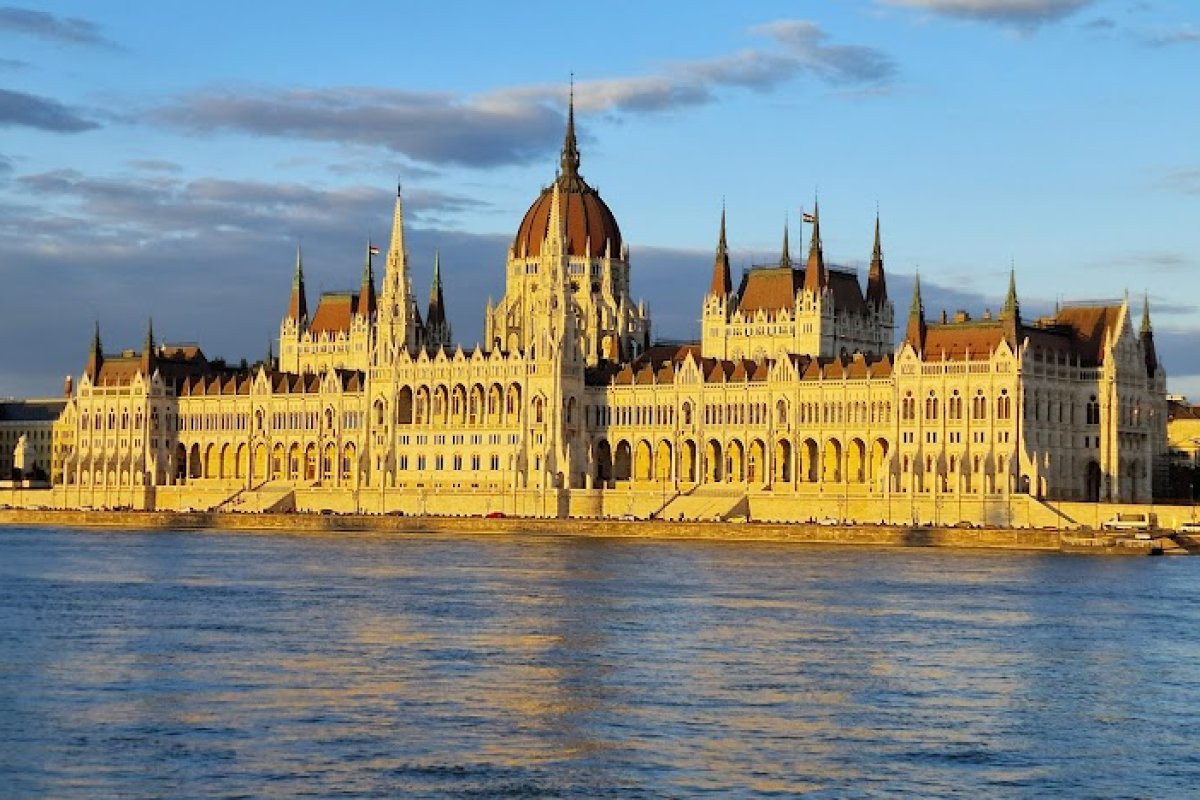
April to October offers the best weather for Budapest sightseeing — mild spring and autumn, warm summer. May and September are ideal for pleasant temperatures without peak-summer crowds. December is special for Christmas markets and thermal baths in the snow. Budapest's famous Széchenyi and Gellért thermal baths are a popular post-procedure relaxation for dental tourists.