Why is Budapest called Europe's dental tourism capital?
Budapest has served international dental patients since the 1990s, making it Europe's oldest dental tourism market. The city treats 60,000+ international patients annually with decades of mature infrastructure — multilingual staff, airport transfers, warranty programmes, and German-compliant insurance documentation. Combined with 50-70% savings vs UK/German prices and EU-regulated clinical standards, Budapest offers unmatched scale.
Which Budapest area has the best dental clinics?
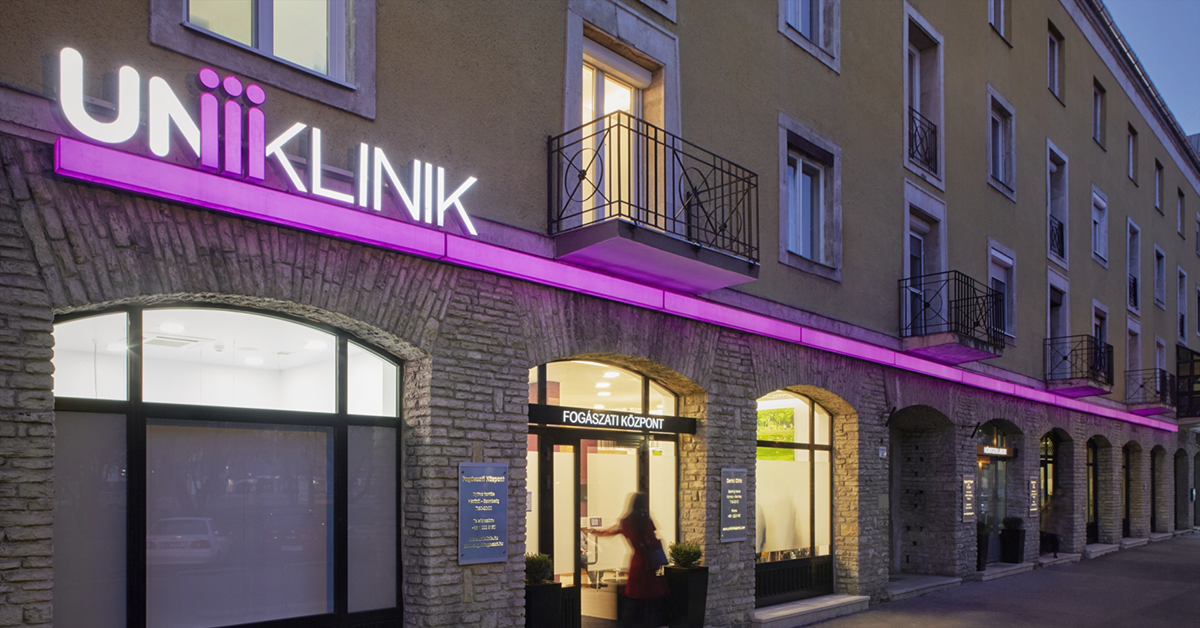
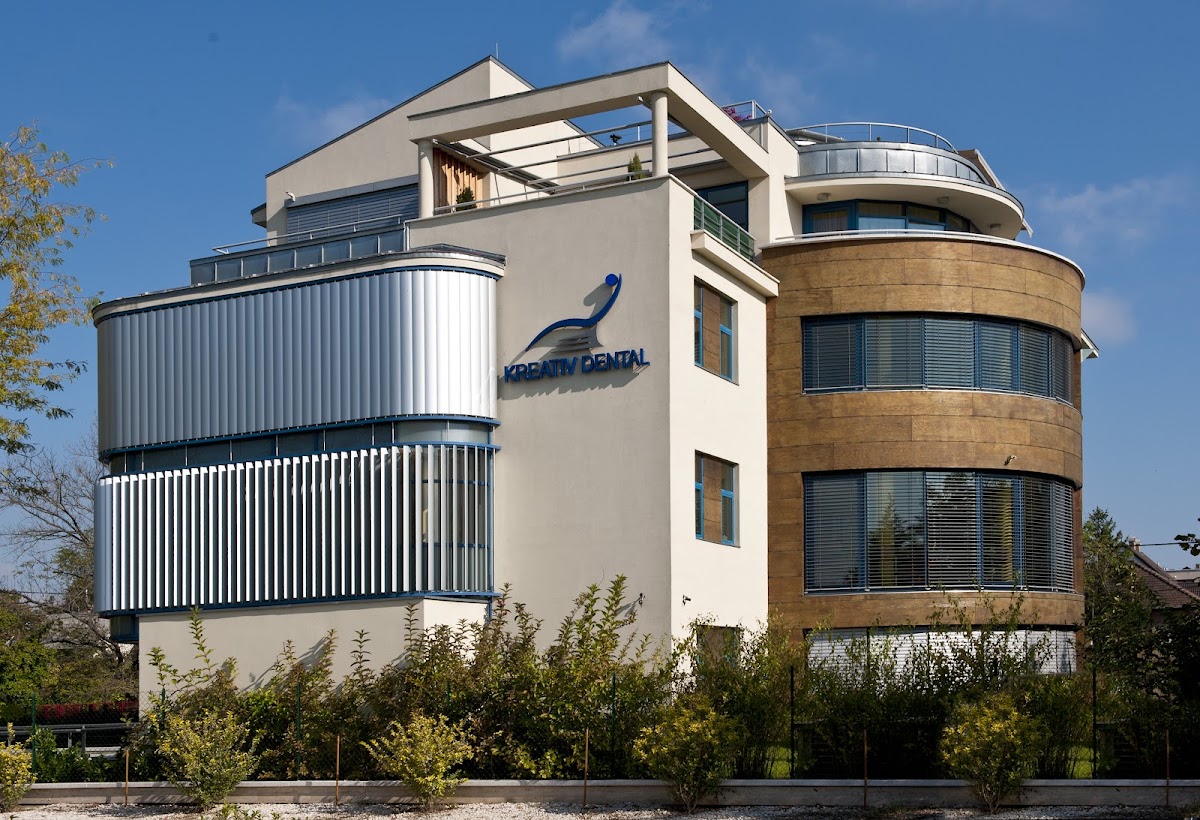
Buda (District II and XII) hosts premium clinics in upscale residential areas — quieter, walkable, near Margaret Island. Pest centre (Districts V, VI, VII) is convenient near major hotels, the Parliament building, and transport hubs. District XIII has newer modern clinics. Helvetic Clinics, mySmile, Buda Dental, and Specific Dental are top-rated options across these districts.
How much does dental work cost in Budapest?
Single dental implants cost EUR €600-€1,100 in Budapest vs £2,400 UK or €3,500 Germany. Porcelain veneers EUR €280-€450 per tooth vs £800 UK. Zirconia crowns EUR €250-€400. All-on-4 full-arch implants EUR €5,500-€8,500 per arch vs £15,000 UK or €20,000 Germany. Savings of 50-70% on identical Straumann, Nobel Biocare, Ankylos, and Camlog implants.
Do Budapest dentists speak English and German?
Yes — fluently. Given Budapest's primary patient markets are Germany, Austria, the UK, and Ireland, all SmileJet partner clinics maintain fluent English and German speakers. Many clinics also speak Italian, French, or Russian. Treatment plans, consent forms, and aftercare instructions are provided in the patient's language by default. German-compliant Heil- und Kostenpläne for Zahnzusatzversicherung reimbursement are routine.
How long do I need to stay in Budapest for dental work?
Veneers and crowns typically need 5-7 days across 2-3 appointments. Dental implants require 7-10 days for placement, with a return visit 4-6 months later for the final crown. All-on-4 full-arch implants take 10-14 days. Same-day implant protocols are available at select Budapest clinics. Many patients combine treatment with the city's famous thermal baths (Széchenyi, Gellért) and Christmas markets.
How do I get to Budapest for dental work?
Budapest Ferenc Liszt International Airport (BUD) has budget flights from virtually every major European city — London (2.5h), Manchester, Dublin, Birmingham, Berlin, Munich, Frankfurt, Vienna (1h), Brussels, Amsterdam, Paris, Milan, Rome. Ryanair, Wizz Air, and EasyJet offer fares often under £50 return from UK cities. Airport bus 100E reaches the city centre in 40 minutes.
Is Budapest safe for dental tourism?
Yes. Budapest is consistently ranked among Europe's safest capital cities for tourism. Public transport (Metro, tram, bus) is safe, clean, efficient, and extensive. Use BOLT or registered taxis (avoid unmetered street taxis). Standard urban precautions: watch for pickpockets in tourist-heavy areas (Castle Hill, Chain Bridge, Váci utca) and at the main train stations. Premium dental districts are very safe.
What implant brands do Budapest clinics use?
Top Budapest clinics use Straumann (Switzerland), Nobel Biocare (Sweden), Ankylos/Astra Tech (Dentsply Sirona), Camlog (Germany), and MIS (Israel) — the same brands used across Western Europe. IPS E.max (Ivoclar Vivadent), Zirkonzahn, and BruxZir are standard for crowns and veneers. Many clinics also offer lifetime warranties on implant fixtures. Material certificates are provided with every treatment.