Hungary is Europe's most established dental tourism destination — the market that effectively invented modern European dental tourism in the 1990s. Budapest alone serves over 60,000 international dental patients annually, with the majority from Germany, Austria, the UK, Ireland, Switzerland, and Scandinavia drawn by savings of 50-70% combined with EU-regulated clinical standards. SmileJet has verified 64 clinics in Budapest, with a collective 4.7 average rating across 6,368 patient reviews. Leading clinics include Helvetic Clinics Budapest (300 reviews, 4.91 rating), mySmile Orvosi Centrum, Buda Dental, and Specific Dental. Hungarian dentists train at Semmelweis University (Budapest) and University of Szeged, with many completing additional specialty training in Germany or Austria. Leading clinics use Straumann, Nobel Biocare, Camlog, and Zirkonzahn alongside fully digital CAD/CAM workflows. Budapest offers direct low-cost flights from virtually every major European city plus EU regulatory oversight. [1]
Field notes from Hungary
We've toured the clinics, priced the procedures, and watched the waiting rooms. Here's what we found on the ground — and what we'd tell a friend considering the trip.
By the numbers
75
Clinics in our network
42,000+
Patients placed
(lifetime)
~70%
Median savings vs US [2]
4.7/ 5
Avg. clinic rating
Where the clinics are
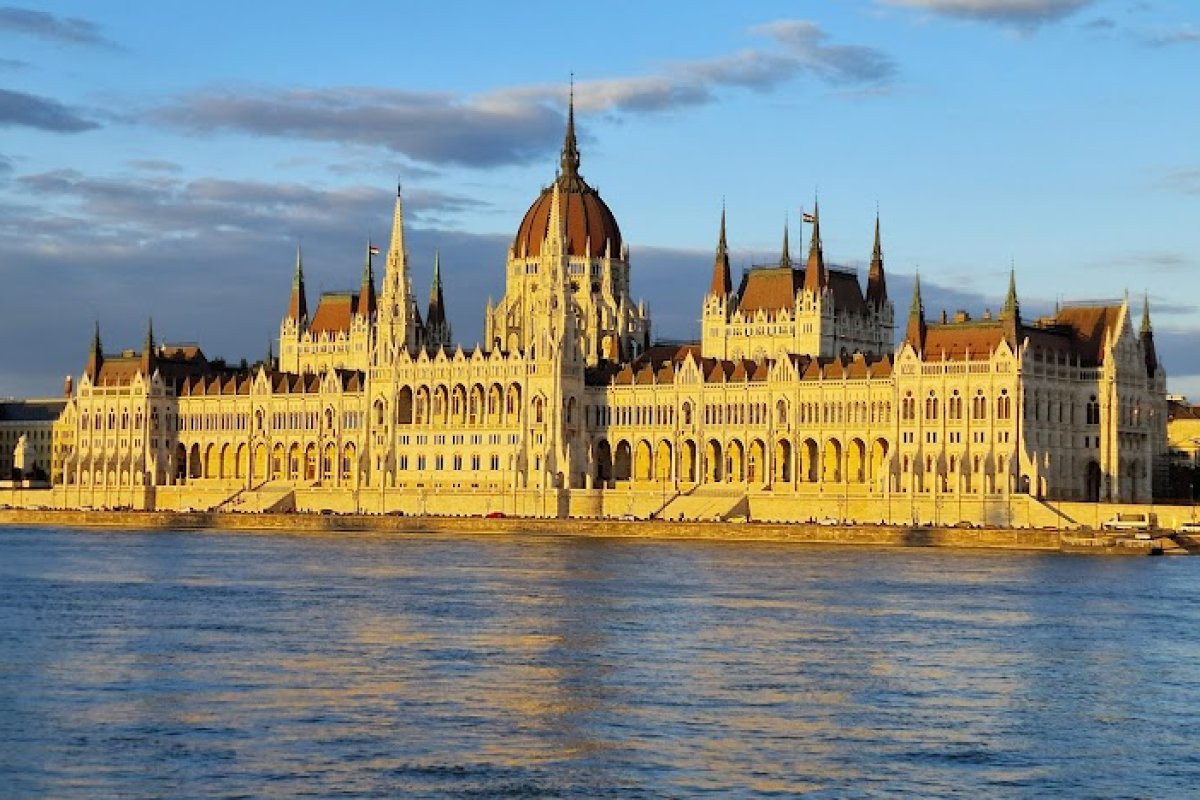
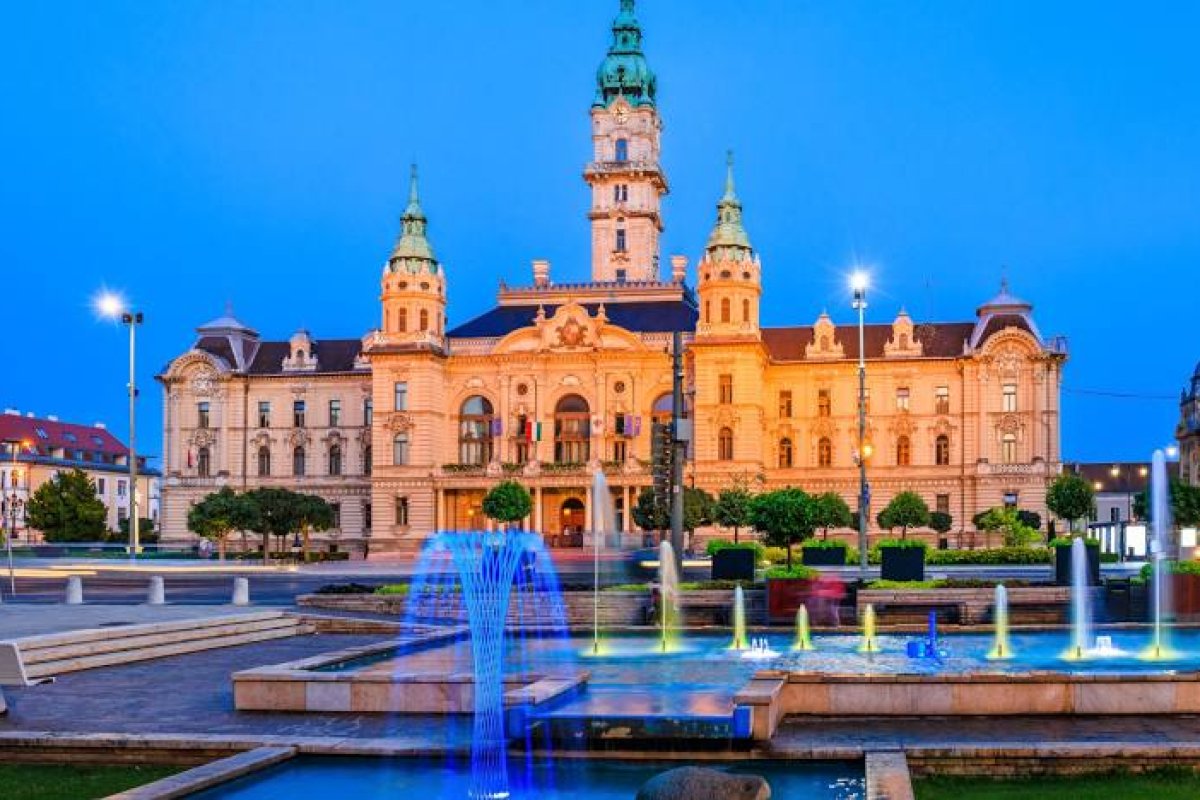
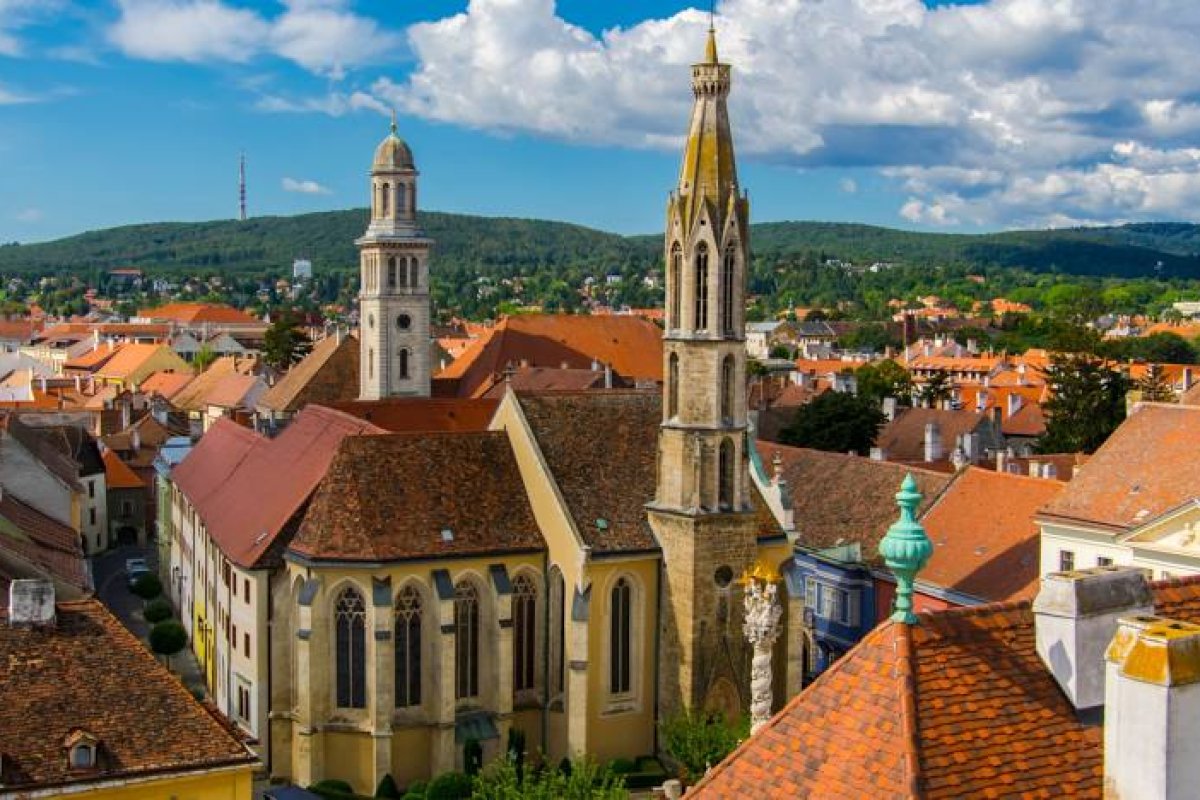
Most of the quality concentration in Hungary sits in two to three cities. Each has its own character, its own airport, and its own mix of specialisms. Start by picking the city.
I left the office with a very good experience. I was greeted by cleanliness, quality, and kind employees. I received what I went for quickly and clearly. Thank you for being here, and I will be back soon! :)
What's different about dentistry here
The training
Senior clinicians at our Hungary-partner clinics typically hold international fellowships (ICOI, Pankey, Kois) alongside domestic credentials. We verify each one, and link them on every clinic dossier.
The equipment
CBCT, digital impressions, and in-house milling are standard at our top-tier clinics. Materials are imported — Straumann, Nobel Biocare, Ivoclar. Our audits photograph lot numbers and expiration dates.
The logistics
English-speaking coordinators, airport pickup, hotel coordination, and post-op follow-up via WhatsApp are table stakes. If a clinic doesn't do these things, they don't make our list.
The follow-up
We keep touch for 12 months post-treatment. Any clinic that drops communication with a patient for more than 72 hours gets flagged and eventually dropped. Patient support is the one non-negotiable.
Patient voices
I left the office with a very good experience. I was greeted by cleanliness, quality, and kind employees. I received what I went for quickly and clearly. Thank you for being here, and I will be back soon! :)
Bence Nagy
Dentist For YouIt is rare in a person's life to feel like they want to spend every day at their dentist..I wish everyone to find it 🙏 If you are still looking for the "right one", then you will be in the best place …
Fanni Alföldi
Dentist For YouI went to the oral surgeon Dr. Róbert Bernáth and to Dr. Andrea Somogyi for dentures. I am extremely satisfied with my new dentures. Special thanks for the attention, I even received strawberry anesthetic gel before the...
Attila Kovács
Dentist For YouTravel essentials
- Currency
- Hungarian Forint (HUF). EUR accepted at many clinics/hotels.
- Visa
- Schengen member. Visa-free 90 days for UK, US, Canada, AU, NZ.
- Language
- Hungarian. English and German fluently spoken at dental tourism clinics.
- Time Zone
- GMT+1 (CET), GMT+2 in summer (CEST)
- Best months to visit
- April to October (ideal weather); December for Christmas markets
- Avg. daily budget
- $60-$130/day (hotel, food, public transport)
- Power outlets
- Types C and F (230V). European two-pin adapter works.
- Emergency number
- 112 (EU emergency number)
- Tap water
- Safe to drink throughout Hungary. High quality.
- SIM cards
- Magyar Telekom, Vodafone, Yettel at airport. ~€10-20 for 30-day bundle.
Audited clinics
75 partner clinics across Hungary, ranked by the most recent audit. Each has passed the 47-point review in the last 12 months.
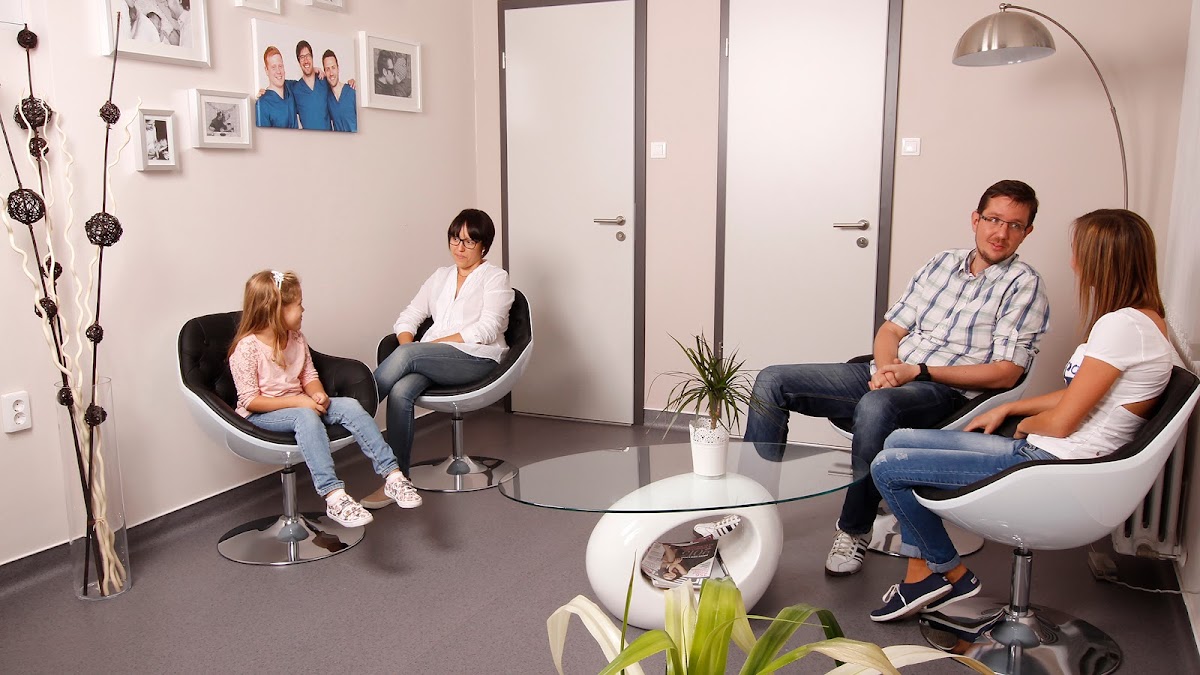
Szt. Lukács Dental Spa
Budapest · Hungary
4.9 · 67 reviews
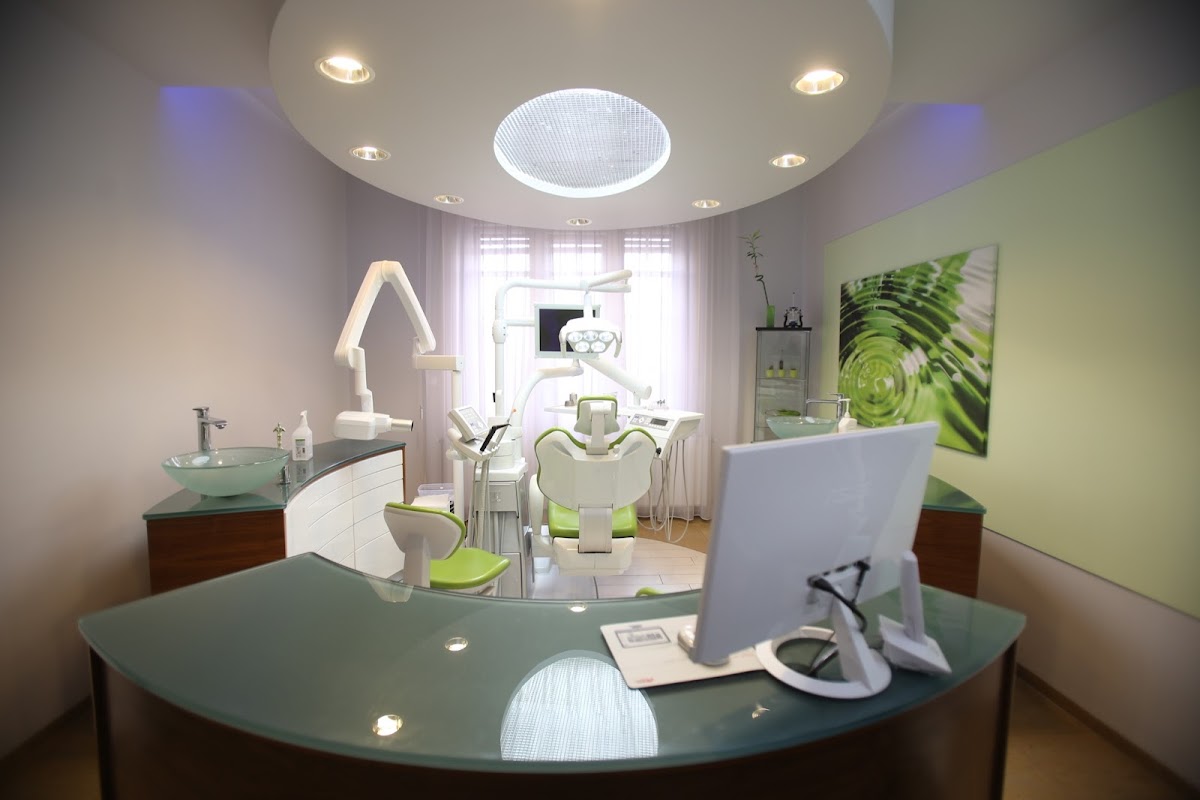
Eurodentaire
Budapest · Hungary
4.9 · 109 reviews
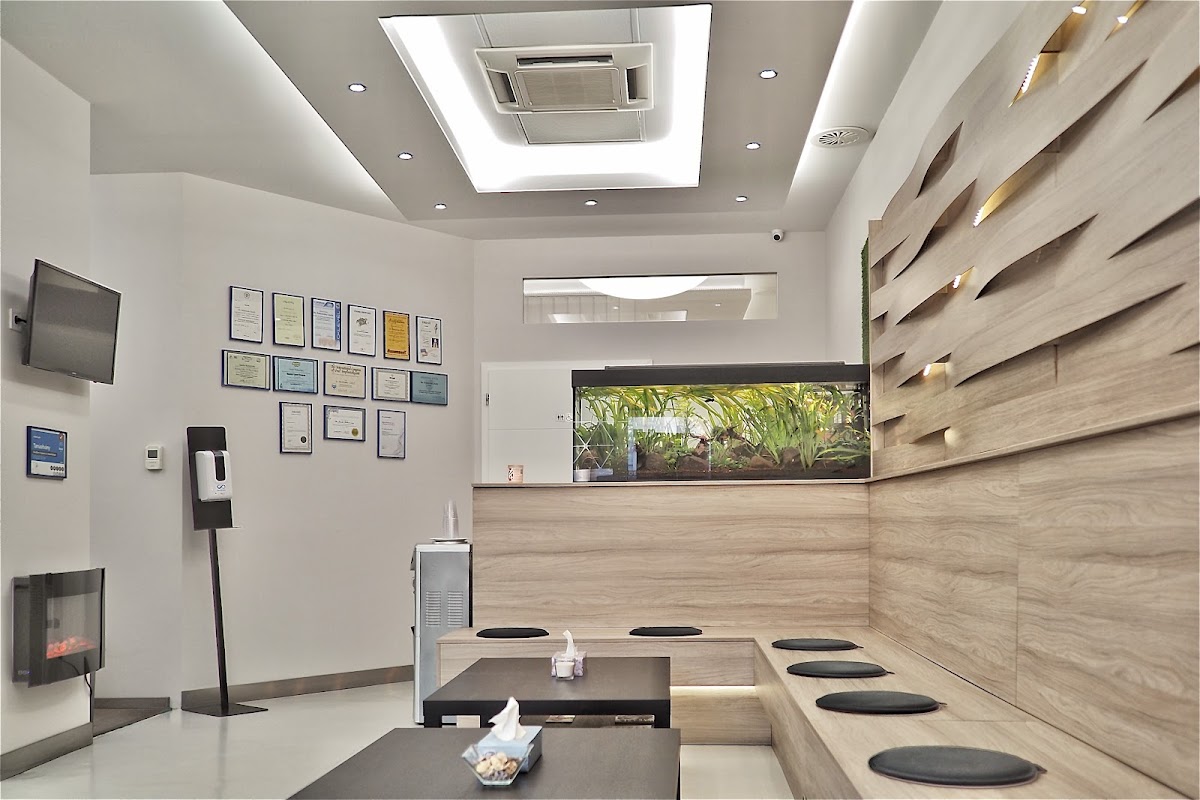
West Dent Dentistry and Implantology
Budapest · Hungary
4.9 · 31 reviews
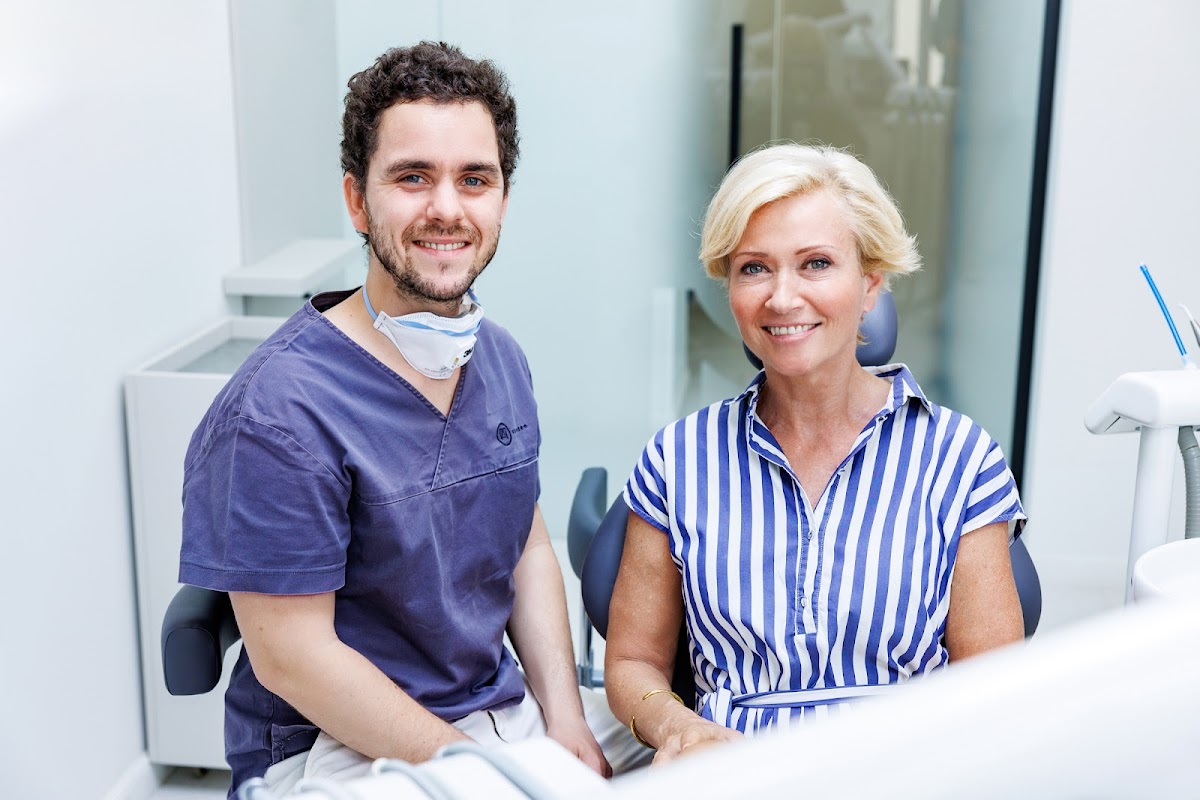
Artdent Dentistry
Budapest · Hungary
4.9 · 246 reviews
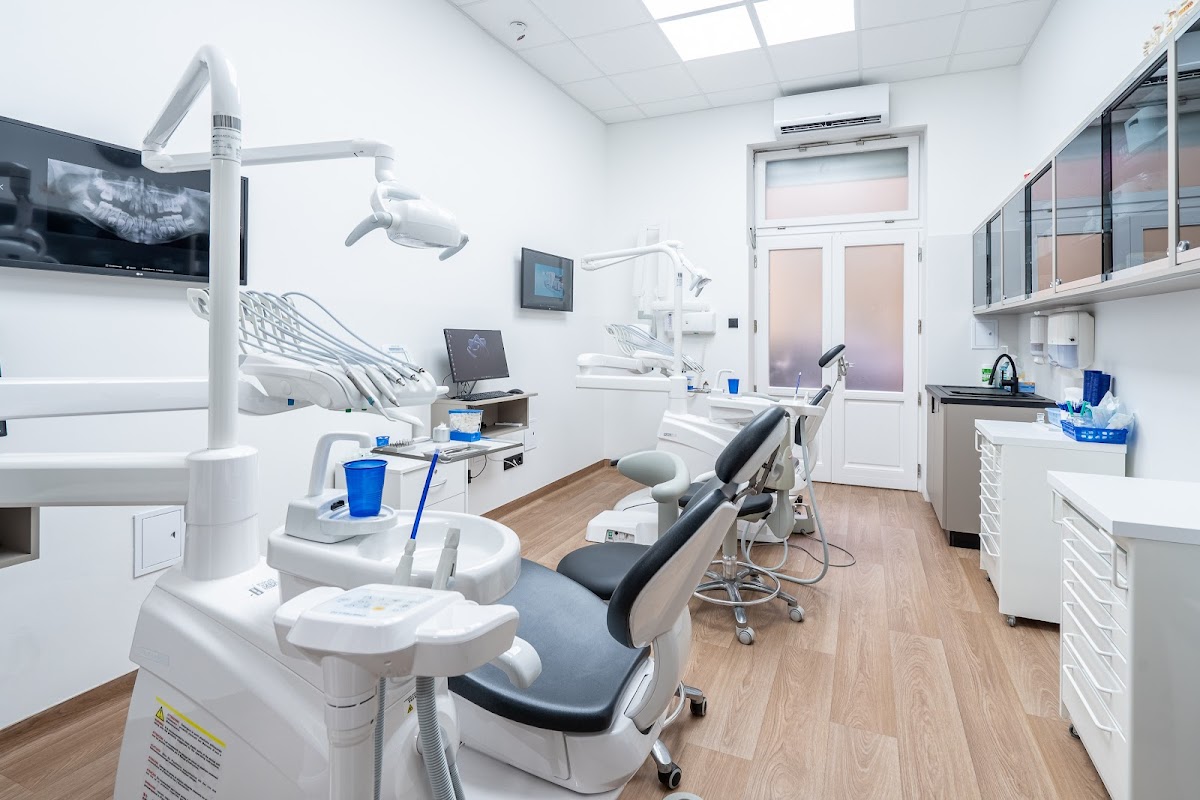
King Dent Dental Clinic
Budapest · Hungary
4.9 · 83 reviews
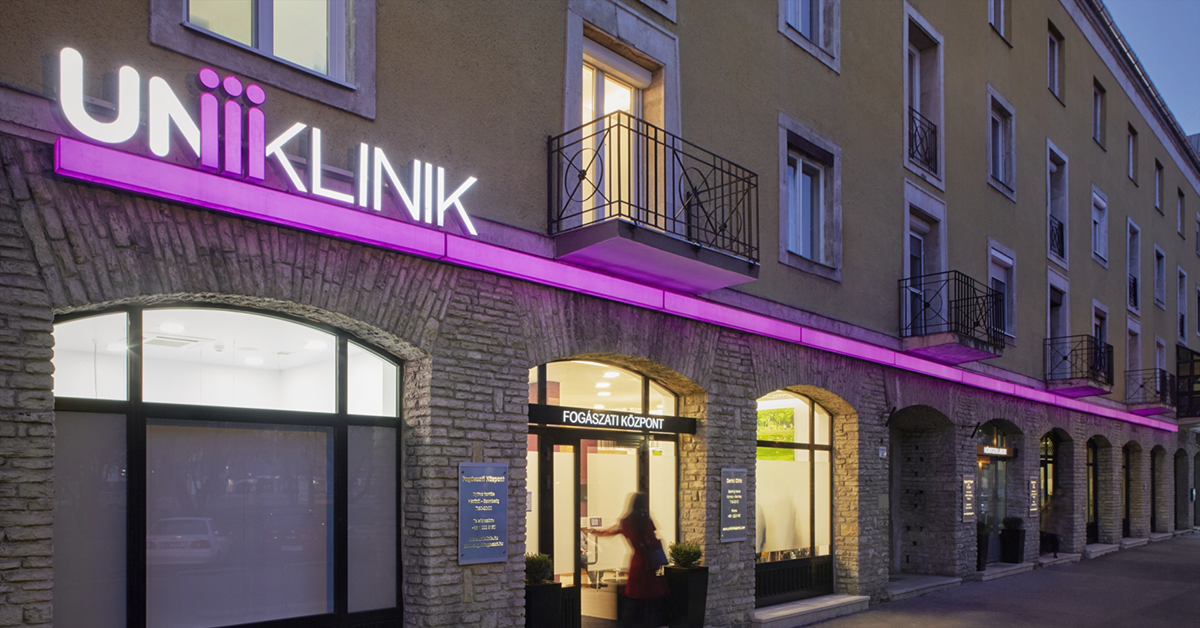
Dental and Implant Center Uniklinik
Budapest · Hungary
4.8 · 156 reviews
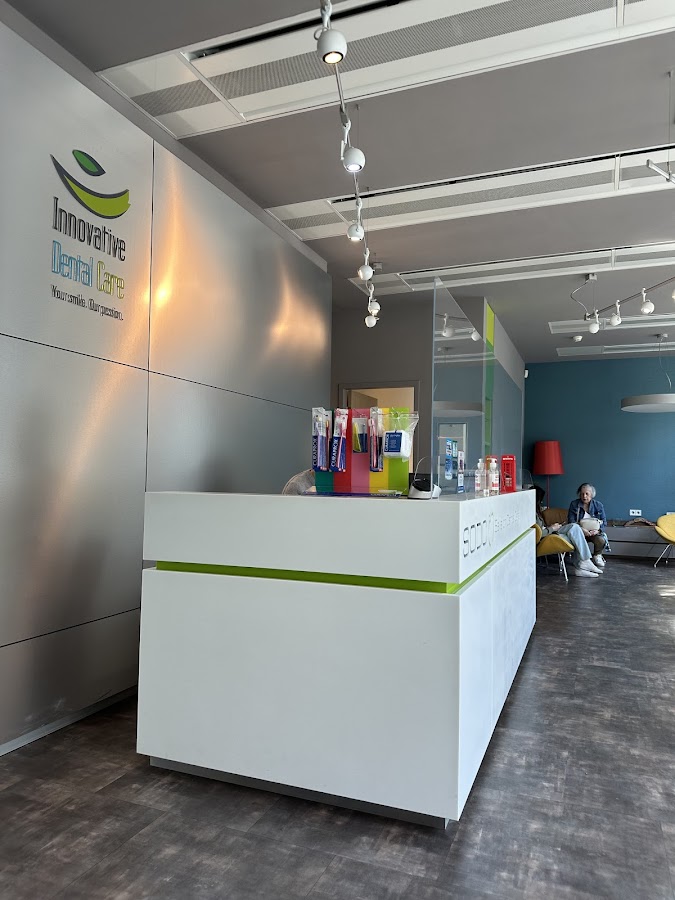
Save on Dental Care (SODC)
Budapest · Hungary
4.8 · 112 reviews
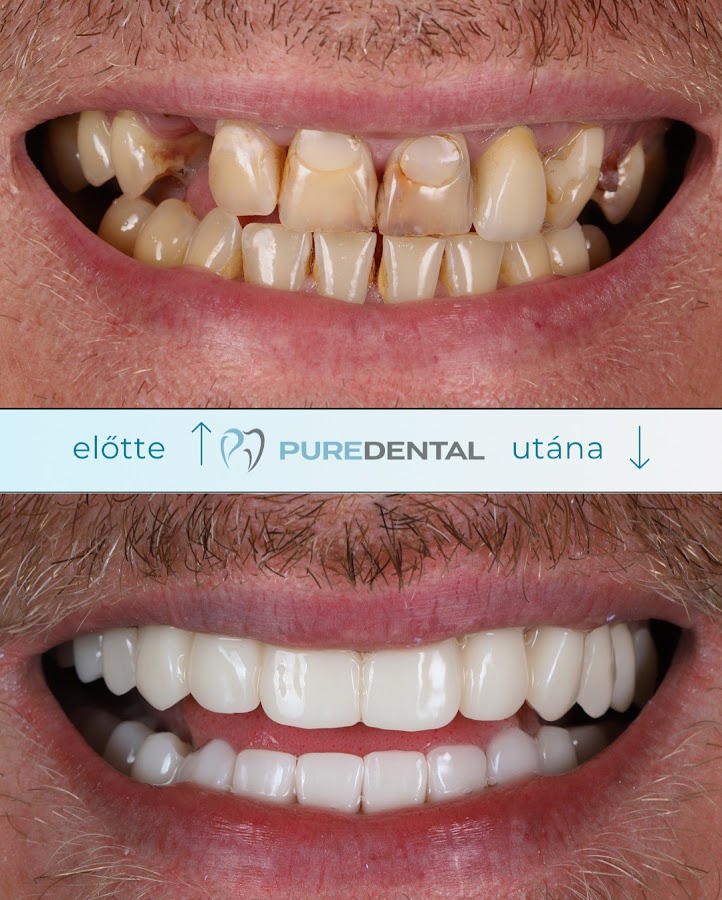
PureDental Fogászat
Budapest · Hungary
4.8 · 92 reviews
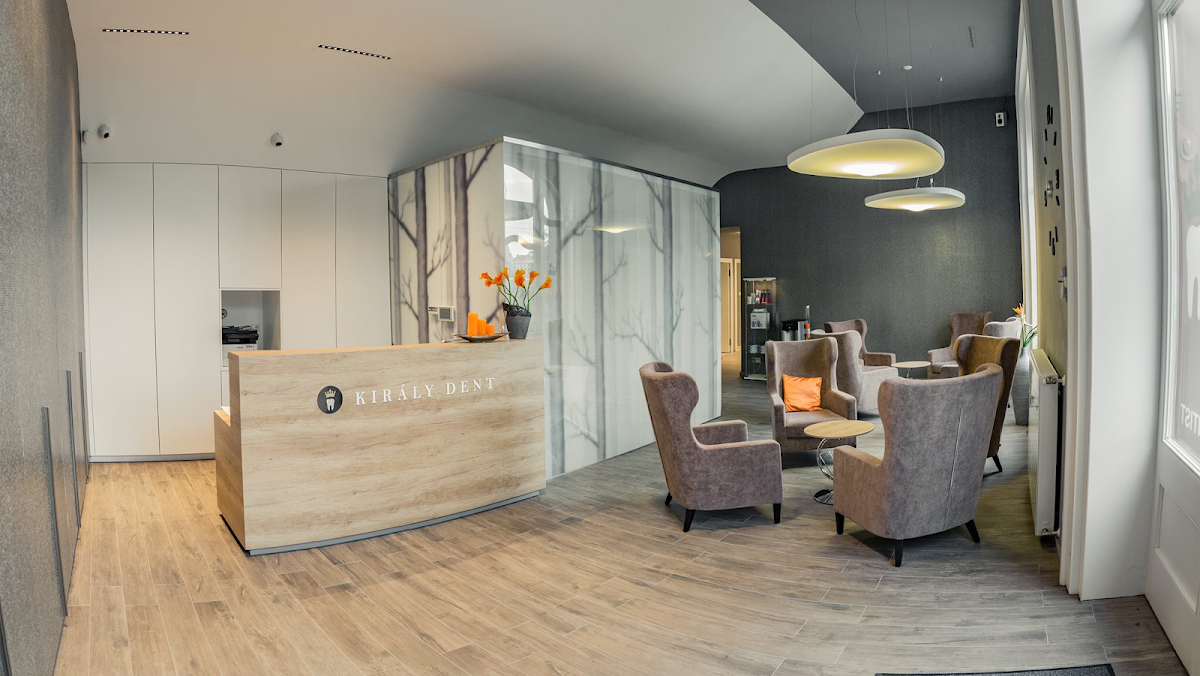
Király Dent
Budapest · Hungary
4.8 · 63 reviews
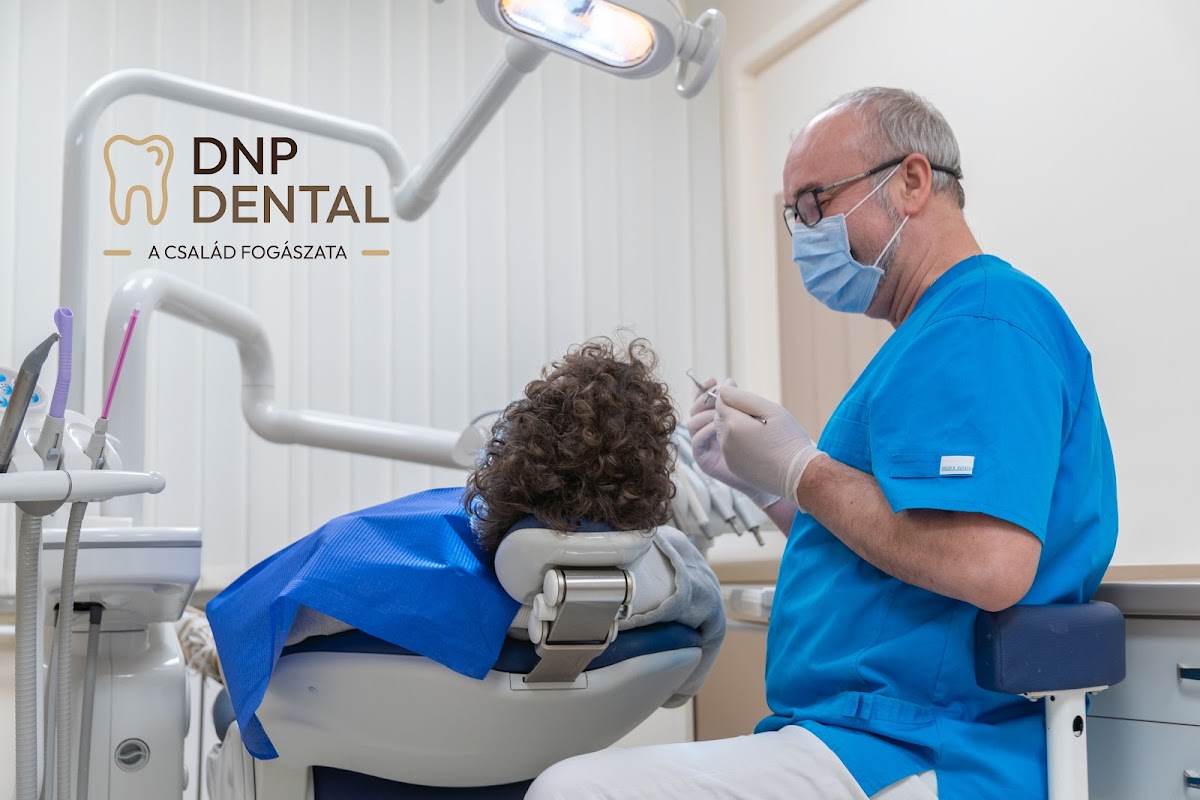
DNP Dental
Budapest · Hungary
4.8 · 41 reviews
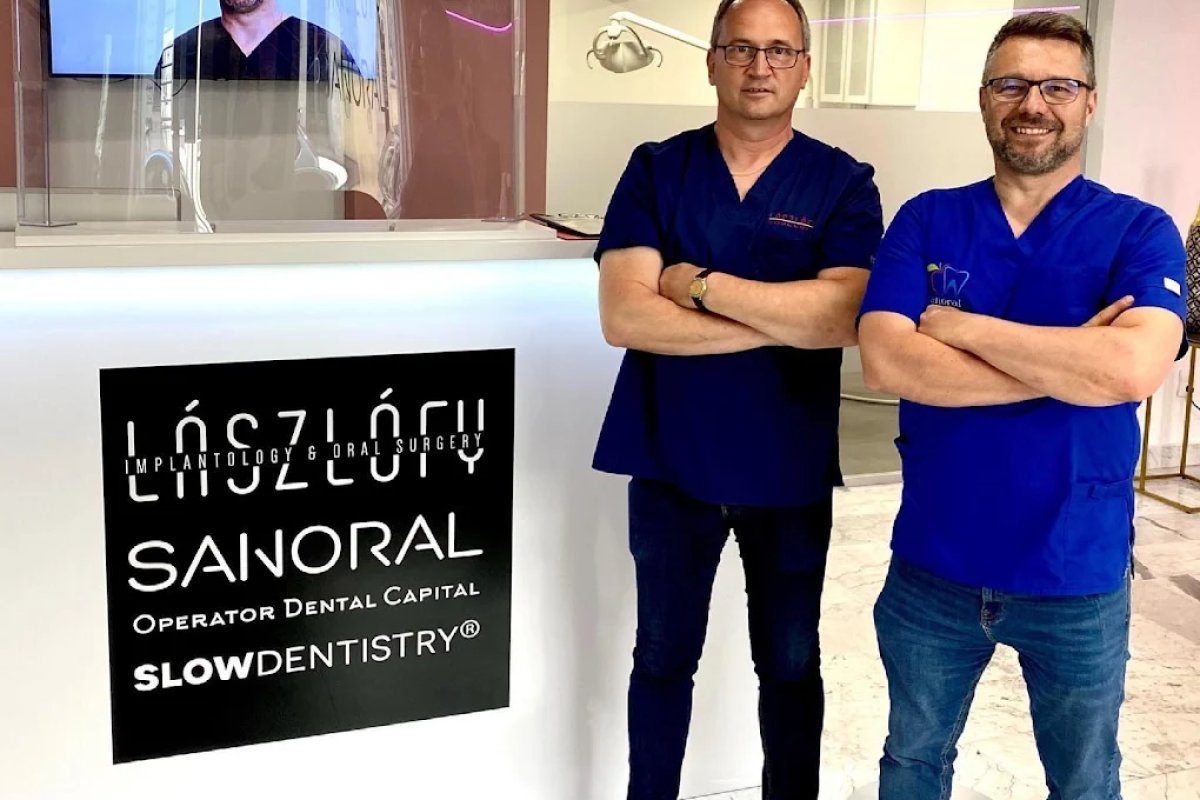
Sanoral Dental and Oral Surgery
Budapest · Hungary
4.8 · 356 reviews
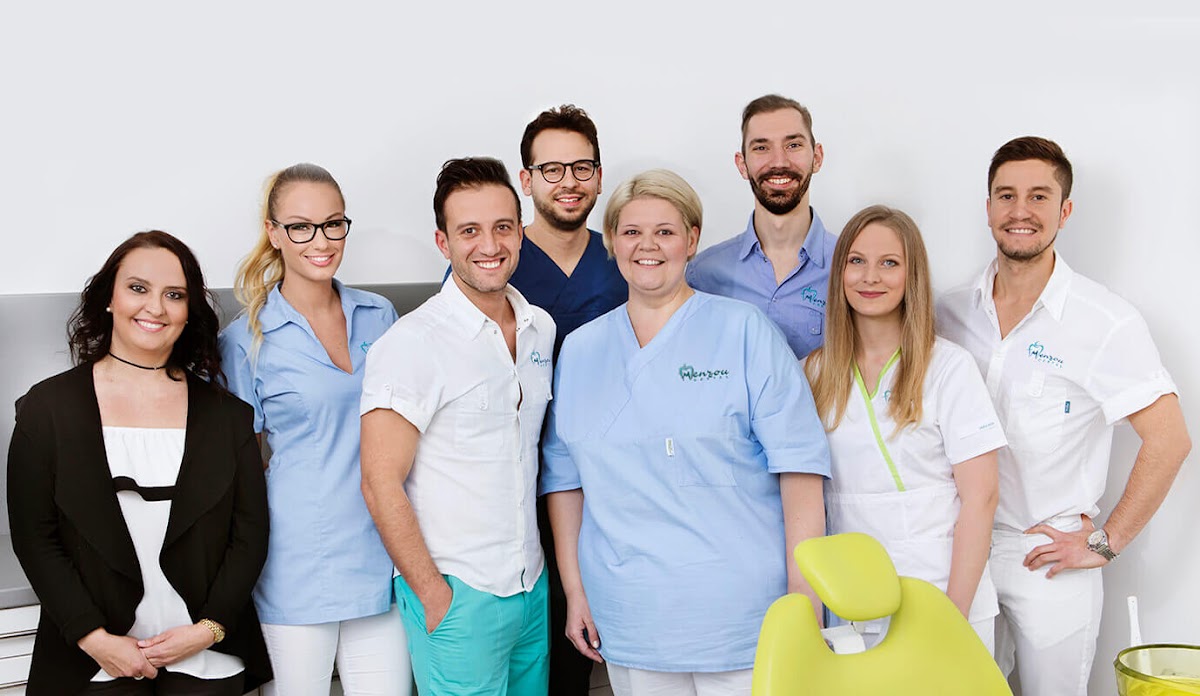
Menzou Dental Kft.
Budapest · Hungary
4.8 · 44 reviews
Frequently asked
01
Why is Hungary called the 'dental capital of Europe'?
Why is Hungary called the 'dental capital of Europe'?
02
Is dental work in Hungary safe?
Is dental work in Hungary safe?
03
How much can I save on dental work in Hungary?
How much can I save on dental work in Hungary?
04
Which area of Budapest has the best dental clinics?
Which area of Budapest has the best dental clinics?
05
Do I need a visa to visit Hungary for dental treatment?
Do I need a visa to visit Hungary for dental treatment?
06
How long do I need to stay in Hungary for dental work?
How long do I need to stay in Hungary for dental work?
07
Do Hungarian dentists speak English and German?
Do Hungarian dentists speak English and German?
08
What implant brands are used by Hungarian clinics?
What implant brands are used by Hungarian clinics?
09
What's the best time of year to visit Budapest?
What's the best time of year to visit Budapest?
Notes & References
- [1] SmileJet's audit covers 47 criteria across sterilization, clinician credentialing, equipment age, patient-volume disclosures, malpractice history, and photographic documentation of the facility. See the full checklist. ↩
- [2] Savings figures compare median prices at SmileJet-partner clinics in Hungary against ADA-surveyed US medians (2024) and NHS private-sector equivalents (2024). Your actual quote depends on diagnosis and materials. ↩
- [3] Hanoi (HAN) and Ho Chi Minh City (SGN) both accept direct flights from Sydney, Melbourne, and Singapore; connections from London and Los Angeles via Bangkok, Seoul, or Doha. ↩
Colophon
These notes are refreshed as we audit. Dates above reflect the last field visit — not the last page update.