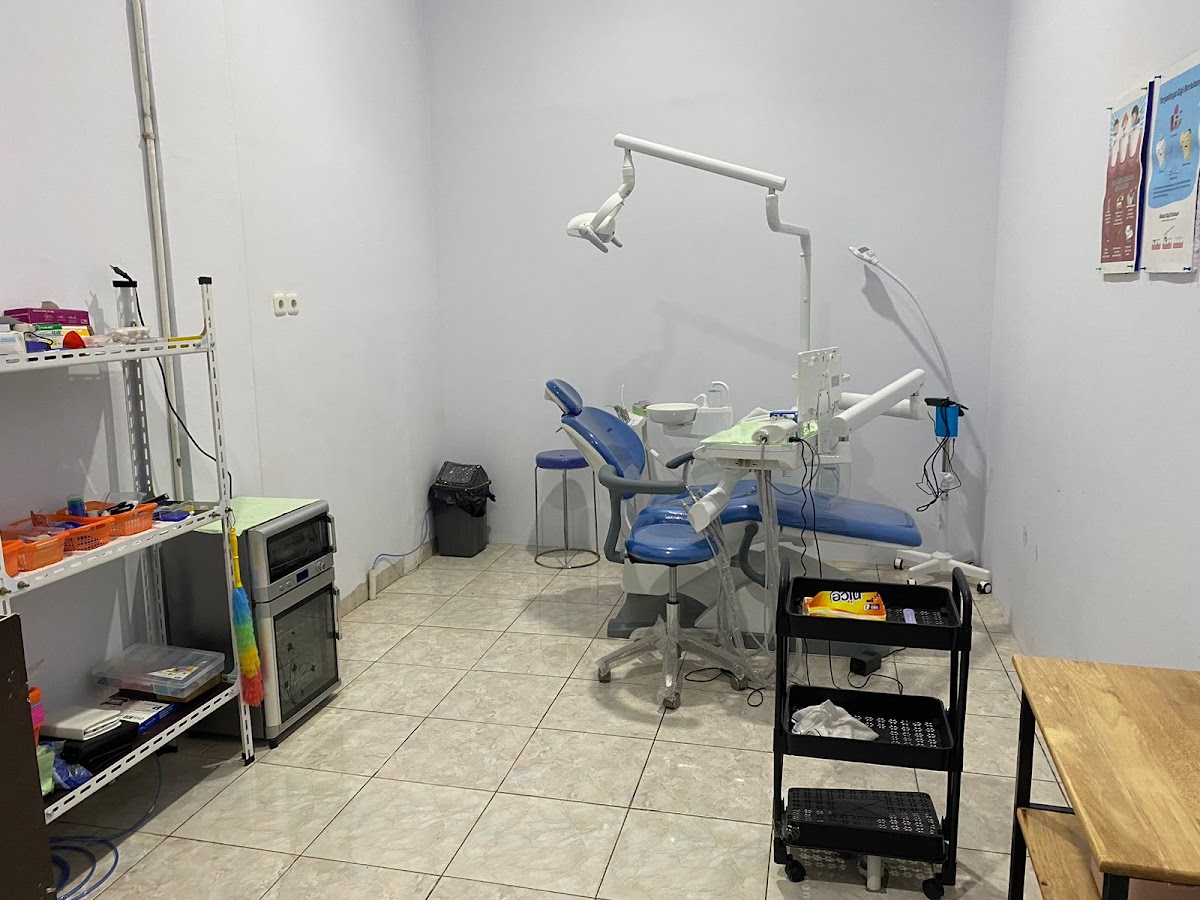
Dentist-led practice in south Medan near Simpang Pemda offering general, cosmetic, and orthodontic care.
- 71 Patient reviews aggregated
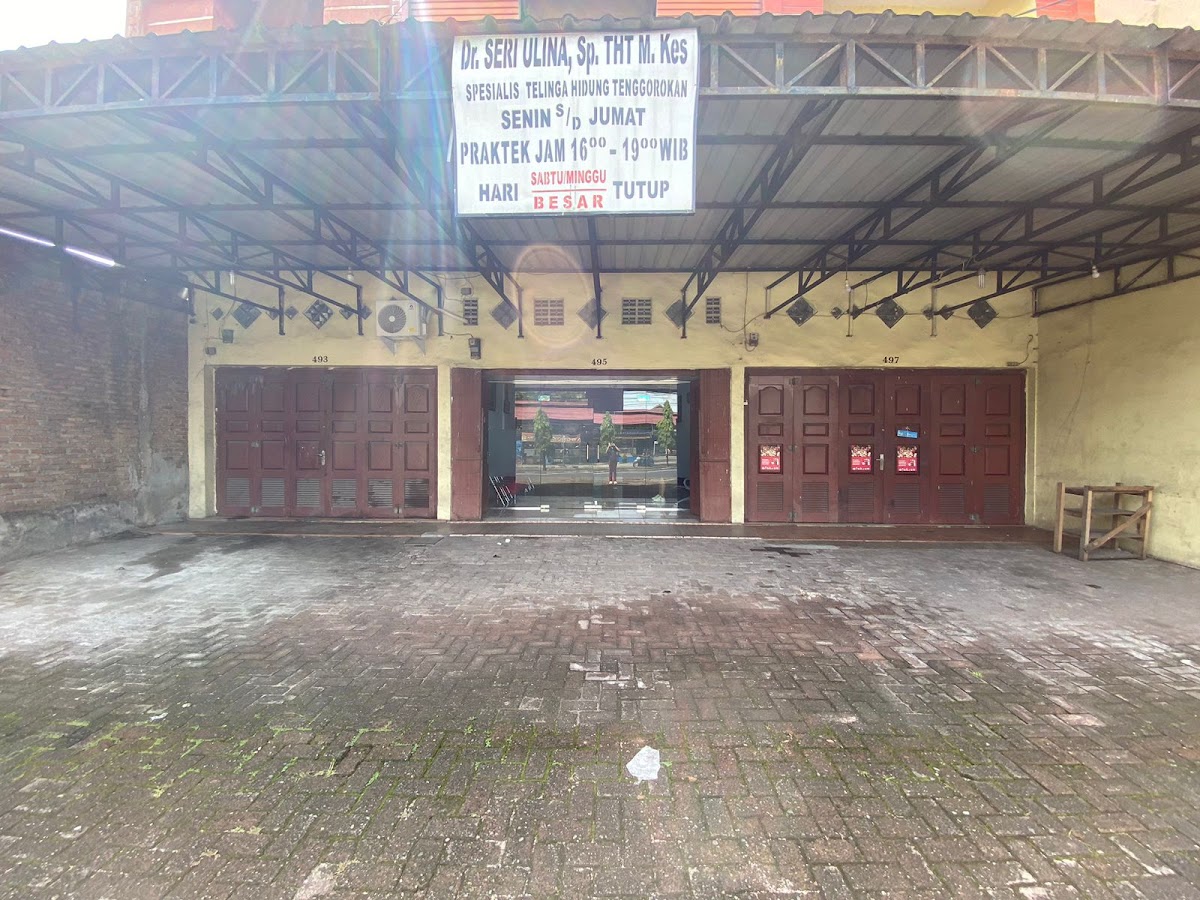
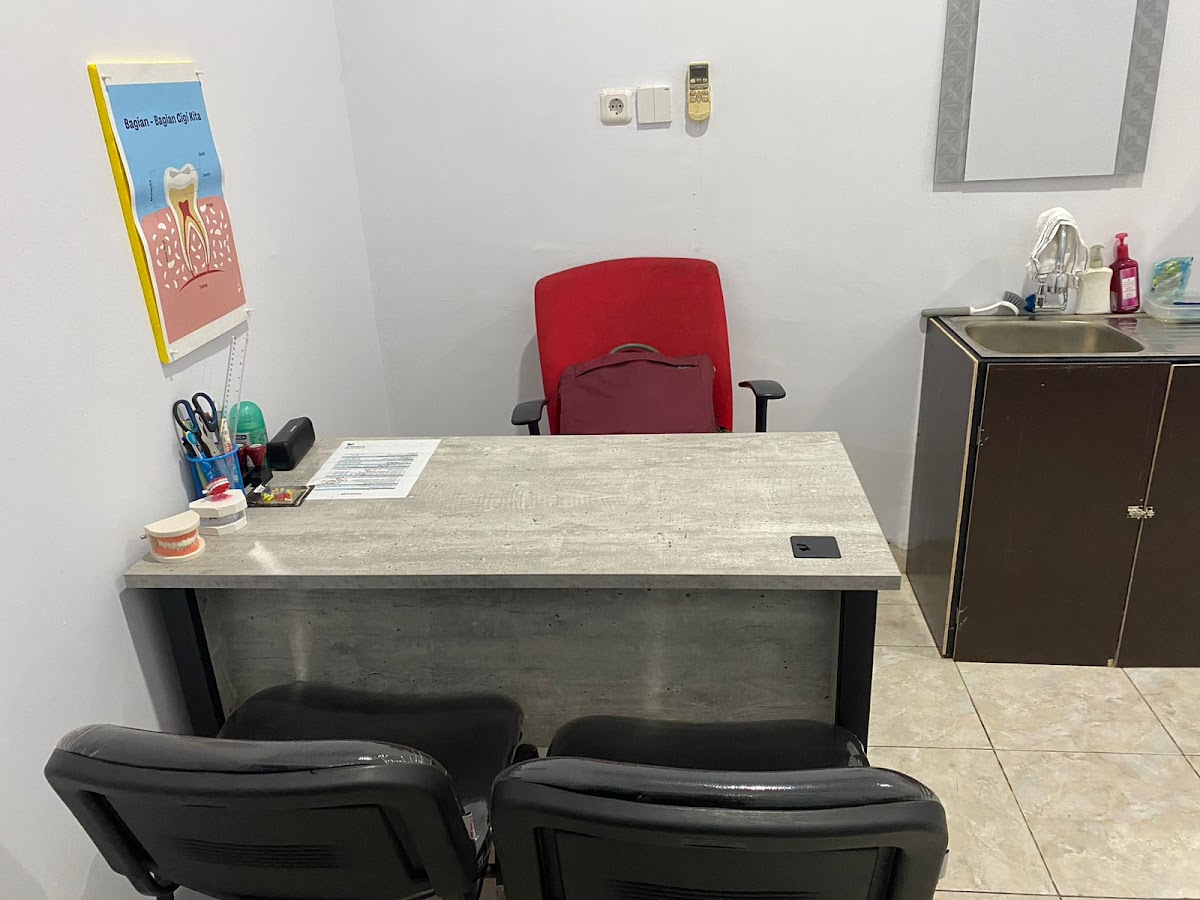
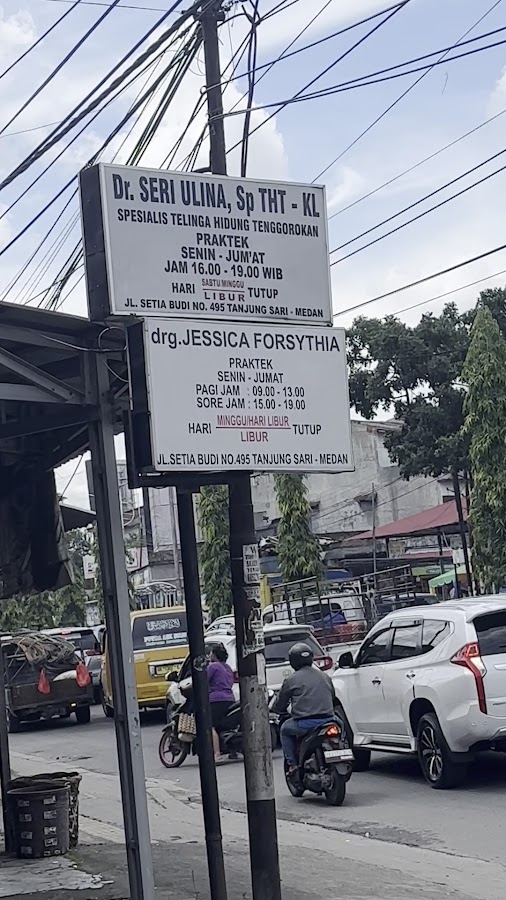
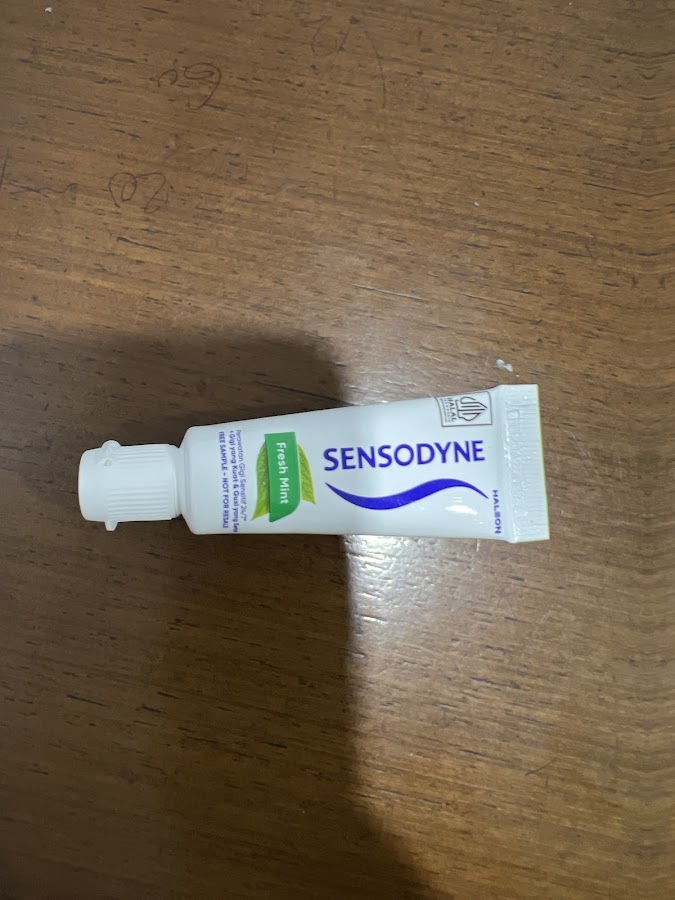
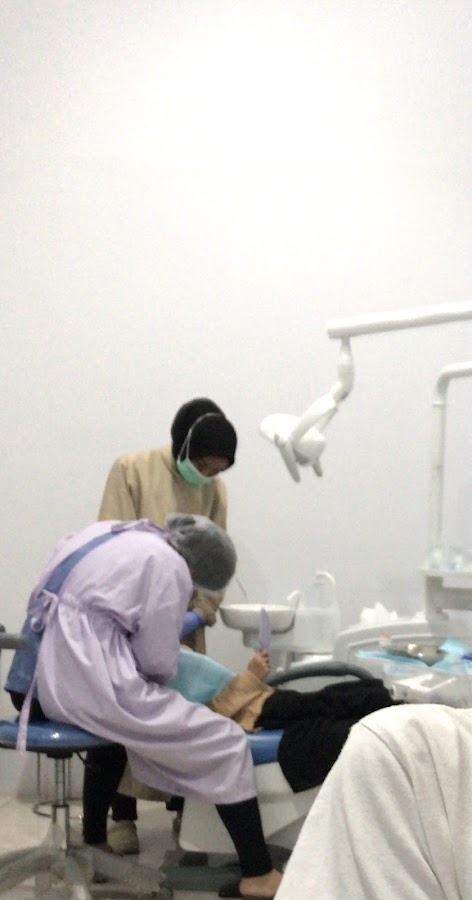
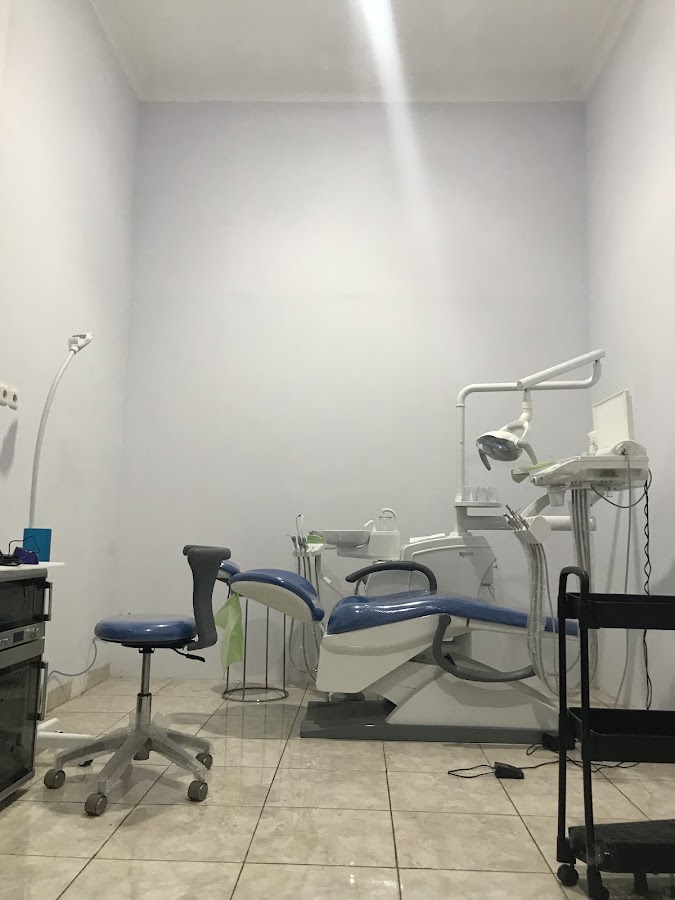
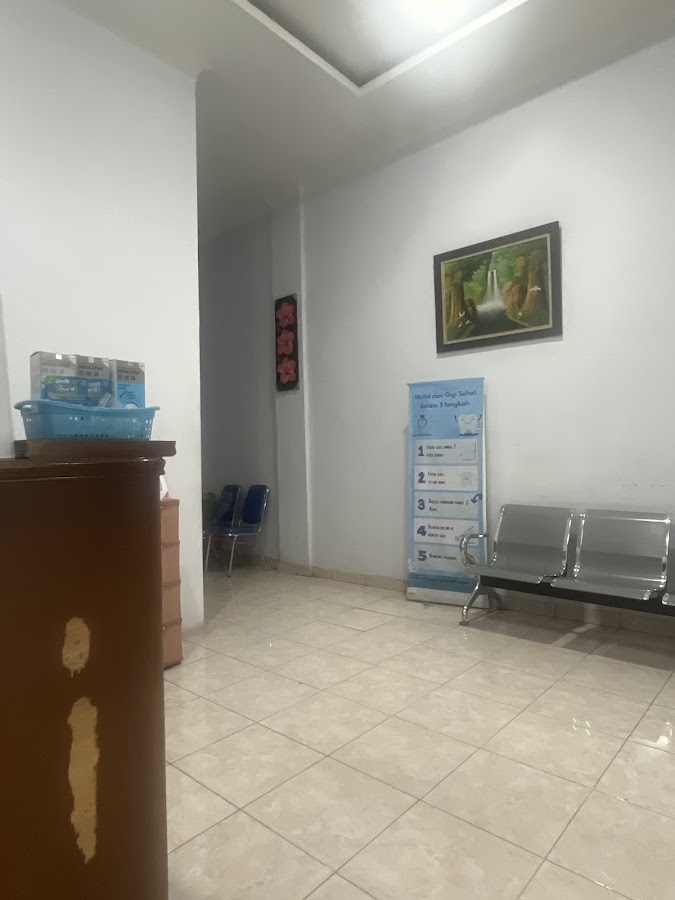
- 8 Photographs of the practice
Free to use. We are not this clinic and we take nothing from it. You pay the clinic directly, at its own prices.
Patients
What patients wrote about this clinic.
71 aggregated from Google. Screened for duplication and printed as written. They are not visit-verified.
out of 5, from 71 reviews
The doctor is friendly, and there's a promotion like this month. The service is also very good, and the staff are friendly and not arrogant.
Reply from the clinic
Thank you for your visit and review, sir 😊
The doctor is friendly, the service is very extraordinary ♥️♥️
Reply from the clinic
Thank you for your visit and review, sis 😊
Very, very satisfied, the service is very good and very satisfying. You won't regret coming here.
No need to tire yourself out looking for a quality doctor, just come here, the service is very good, the doctor is also very friendly, the quality is very good, the price is not too expensive, keep maintaining the quality, hopefully you will be more successful, you will be a regular customer 👍😎👍 …
The doctor is very nice and friendly, and the receptionist is also very nice. Thank you to Jeje Dental Care, always be successful☺️
Reply from the clinic
Thank you very much for the review 😊
so far the best dental care experience i had!! scalling wasnt hurt, the doctor was also v kind and humble,, friendly esp with kids and teens!! they still have promo for independence day,, treatment only cost me 78k😭🫶🫶🫶🫶🫶 …
Reply from the clinic
Thank you for the review 🙏
Want the same for your own teeth? Send a photo and we will come back with a written quote from Jeje Dental Care - drg. Jessica Forsythia.
Ask on WhatsAppAt a glance
Jeje Dental Care - drg. Jessica Forsythia in brief.
- Clinic
- Jeje Dental Care - drg. Jessica Forsythia
- Patient rating
- 5.0 out of 5, from 71 aggregated reviews
- Listed as
- A listed clinic, not a featured partner. How we check.
- Listing checked
- 27 April 2026
About
What this clinic actually does.
Jeje Dental Care - drg. Jessica Forsythia is a dentist-led private practice in the southern part of Medan, North Sumatra, positioned near the busy Simpang Pemda intersection. The clinic is run by drg. Jessica Forsythia, a licensed Indonesian dentist (drg. is the formal title for a graduate of an accredited dental faculty in Indonesia, equivalent to DDS or BDS in other systems). Single-name practices like this one are common across mid-sized Indonesian cities, where a principal dentist establishes a neighborhood clinic that combines general family dentistry with selected cosmetic and orthodontic services. The Simpang Pemda area sits at the meeting point of several major south Medan thoroughfares, making it a convenient catch-all location for residents of Medan Johor, Medan Polonia, and surrounding districts who want a local dentist within easy reach.
The clinic operates as a small primary-care dental practice (klinik pratama gigi in Indonesian regulatory terms), the most common format for neighborhood dentistry across Indonesia. Practices of this size typically run with one or two operatories, a single principal dentist supported by a dental nurse or assistant, and a focus on the everyday needs of a local patient base. The model is similar to a solo general dentist office in many Western countries: appointments tend to be conversational, treatment planning is direct, and patients often build a long-term relationship with the same dentist over multiple years. For families in south Medan looking for a familiar face who handles routine cleanings, fillings, and basic treatment for both adults and children, this kind of practice fills an important role.
Read the rest of the description
Core services typically offered at a practice of this profile include scaling and polishing for periodontal maintenance, composite resin fillings, basic root canal treatment for single-rooted teeth, simple extractions, and removable prosthetics such as acrylic and flexible partial dentures. Many south Medan dentists in this segment also provide ceramic and porcelain-fused-to-metal crowns, basic teeth whitening, and minor cosmetic adjustments such as composite veneers or diastema closure. Children are usually welcomed for routine checkups, fluoride application, and simple restorative work, although complex pediatric cases requiring specialist intervention are normally referred to dedicated pediatric dentistry clinics in central Medan.
Orthodontic treatment is a strong area for many Indonesian general practices, and dentist-run clinics like this commonly offer conventional metal braces, ceramic brackets, and straightforward clear aligner cases. Orthodontic treatment in Indonesia is widely accessible because demand is high among teenagers and young adults, and pricing remains a fraction of comparable treatment in Australia, Singapore, or the United States. Patients typically pay an installment-based fee covering brackets, monthly adjustments, and final retainers, with treatment durations of one to three years depending on case complexity. More complex skeletal or surgical orthodontic cases are normally referred to a specialist orthodontist (Sp.Ort) at one of the larger orthodontic centers in central Medan.
For international patients considering Medan as a dental tourism destination, it is important to understand the local market structure. Medan is the largest city in North Sumatra and the third-largest in Indonesia, and it has developed a substantial dental sector with a mix of multi-specialist hospitals, dedicated implant centers, orthodontic clinics, and neighborhood general practices. The city is well connected to Penang and Kuala Lumpur in Malaysia, and a long-standing flow of cross-border medical travel has historically run in both directions across the Strait of Malacca. Domestic patients from smaller towns across North Sumatra also travel to Medan for specialist care that is not available in their hometowns. South Medan, where this clinic sits, is a residential and commercial belt with strong road access to Polonia airport and to Kualanamu international airport via the toll road.
Patients evaluating this clinic for routine dental work should think about it primarily as a local general dentist rather than as a destination clinic for complex implant or full-mouth rehabilitation work. For straightforward needs such as a checkup and clean, a few fillings, a simple extraction, or whitening before a special event, a neighborhood dentist-led practice can deliver excellent value at typical Indonesian price points, which usually run between fifteen and thirty percent of the equivalent fees in Australia or Western Europe. For more complex cases such as full-arch implant rehabilitation, advanced periodontal surgery, or comprehensive smile design with multiple porcelain veneers, larger Medan centers with multi-specialist teams and in-house CBCT imaging are typically a better match.
What patients should look for when contacting any neighborhood dental clinic in Indonesia is straightforward. The first item is verification that the principal practitioner is a licensed dentist (drg.) and not an ahli gigi or tukang gigi, which are traditional denturists whose legal scope under Permenkes 39 of 2014 is limited to producing removable acrylic dentures and does not include drilling, filling, extractions, root canals, implants, or any treatment of natural teeth. The drg. designation in this clinic name confirms that the principal is a fully licensed dentist registered with the Indonesian Dental Council (Konsil Kedokteran Gigi Indonesia). The second item is to ask which specific treatments the clinic handles in-house and which it refers out, so that complex cases are routed to the right specialist from the start. The third is to confirm whether digital x-ray or panoramic imaging is available on site, or whether the clinic refers patients to a nearby imaging center for radiographs.
Pricing transparency is generally good in Indonesian neighborhood dentistry. Clinics commonly publish indicative price ranges for common services and quote a final treatment plan after an initial consultation and any required imaging. Patients are typically invited to ask about treatment alternatives and to discuss installment options for orthodontic or larger restorative cases. Communication is normally in Bahasa Indonesia, although younger Medan dentists trained in the past decade often have functional English and many practices welcome inquiries from regional patients in Penang, Singapore, and elsewhere in Southeast Asia.
For visitors planning a short trip to Medan that includes dental care, a sensible approach is to schedule a first consultation early in the trip, allowing the dentist to examine the mouth, take any needed radiographs, and propose a treatment plan with a quoted total. Treatment can then be staged within the available days, with simpler procedures completed first and more involved work scheduled in line with the trip duration. South Medan offers easy access to hotels, food, and transport, and the clinic location near Simpang Pemda makes return visits within the same trip practical. As with any healthcare decision abroad, prospective patients should review the clinic in advance, confirm the treatment plan in writing, and verify that aftercare and any required reviews can be arranged either locally or remotely after returning home.
Compare
Other clinics worth a quote.
Never take one quote. These are the nearest comparable practices we list.
Send a photo. Get three quotes.
One of them from Jeje Dental Care - drg. Jessica Forsythia. It costs nothing and it does not commit you to anything.
Is this your clinic? We wrote this listing from public sources. Claim it to correct the details, add your own photographs and publish your prices.
Claim this page