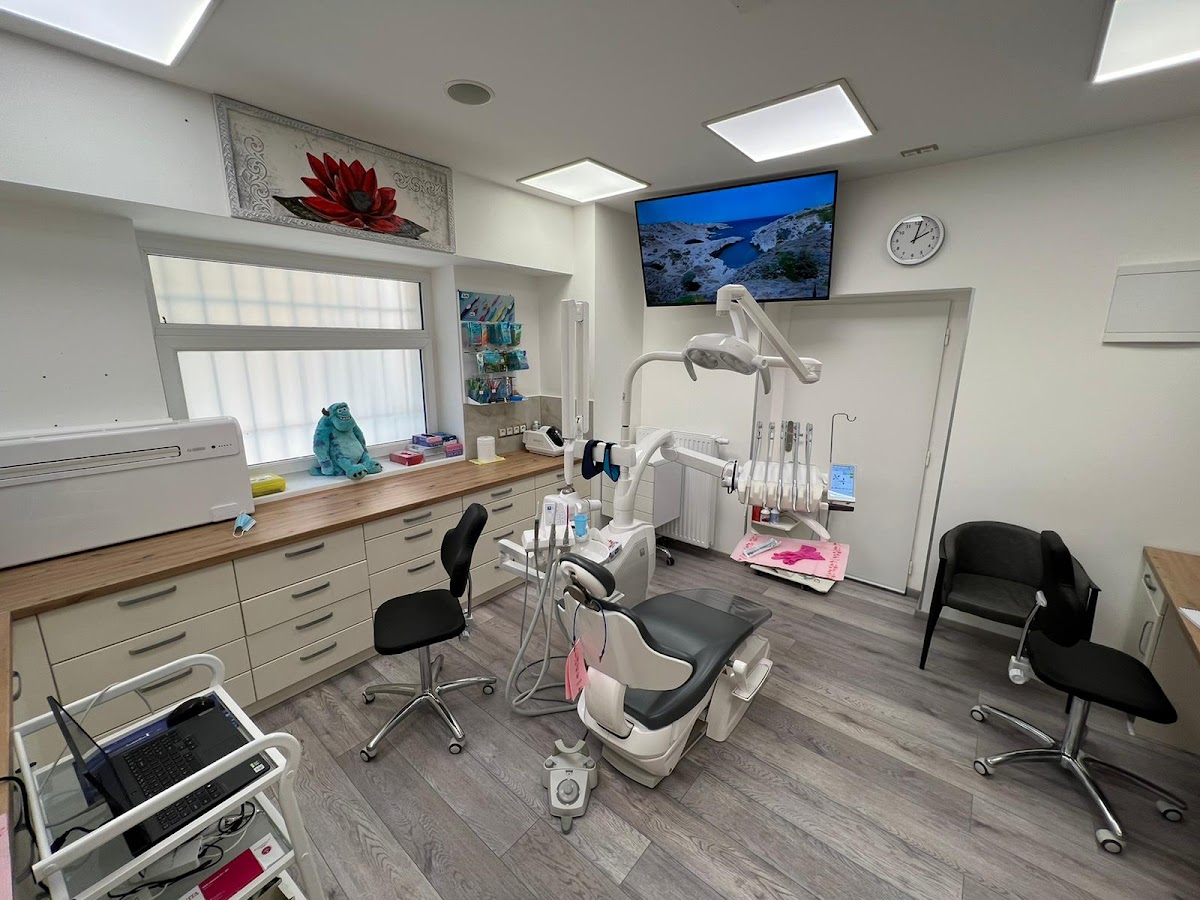
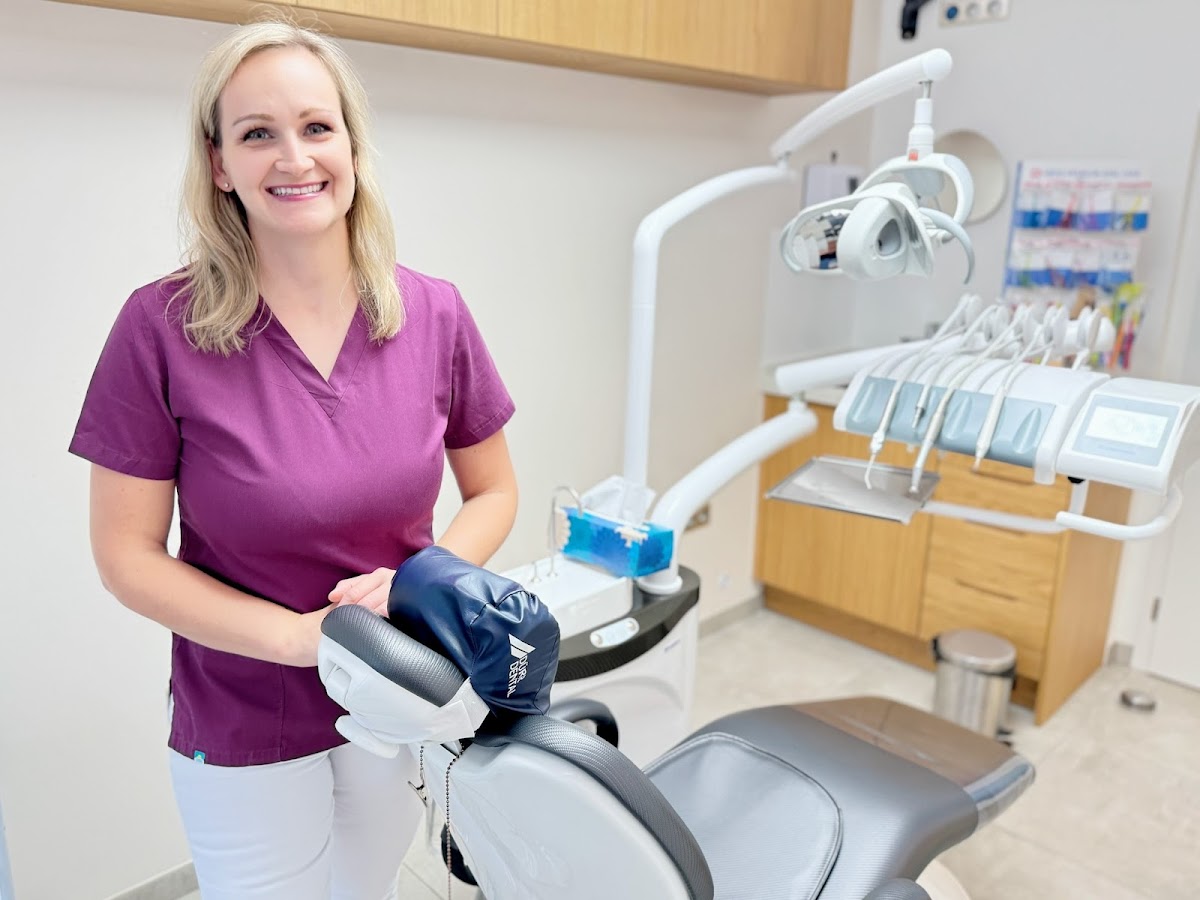
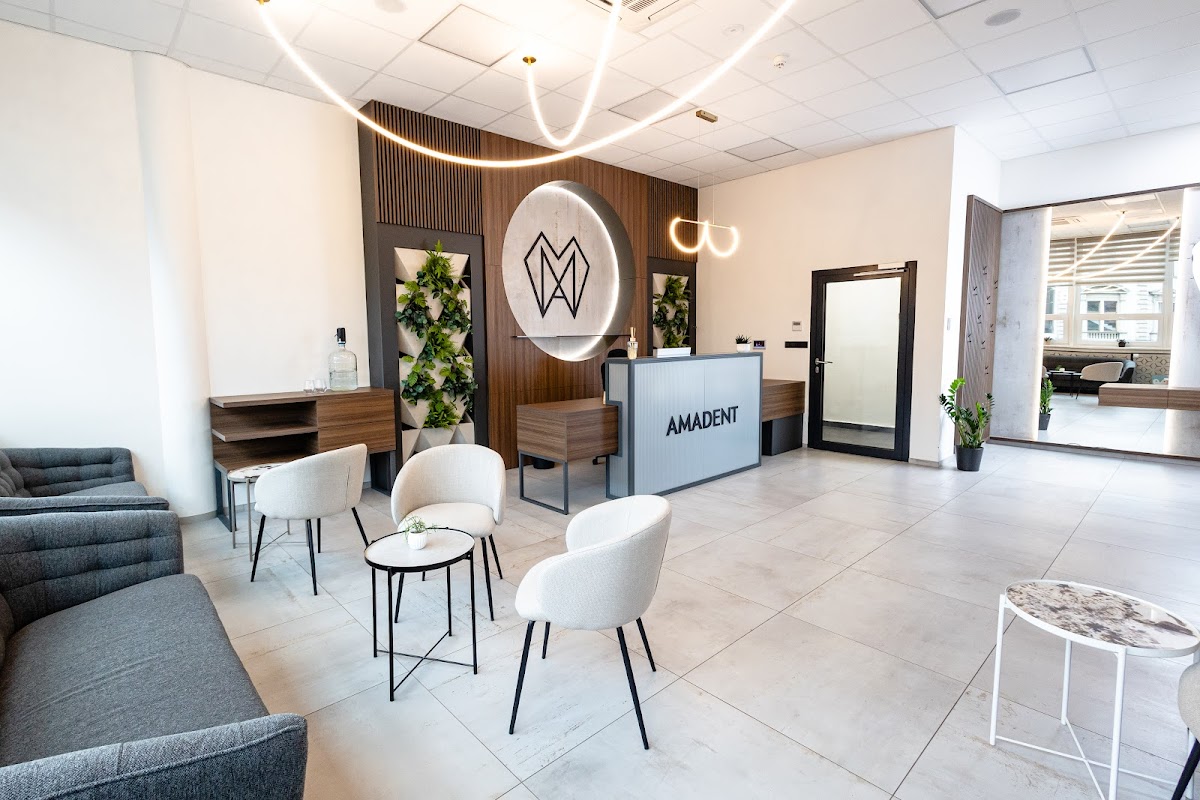
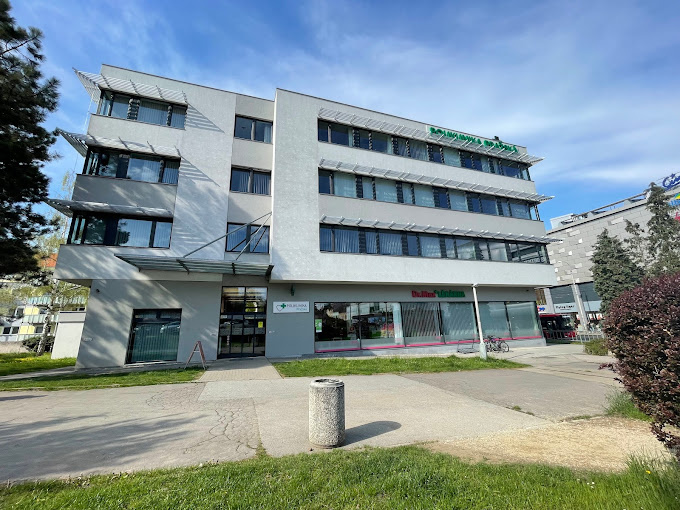
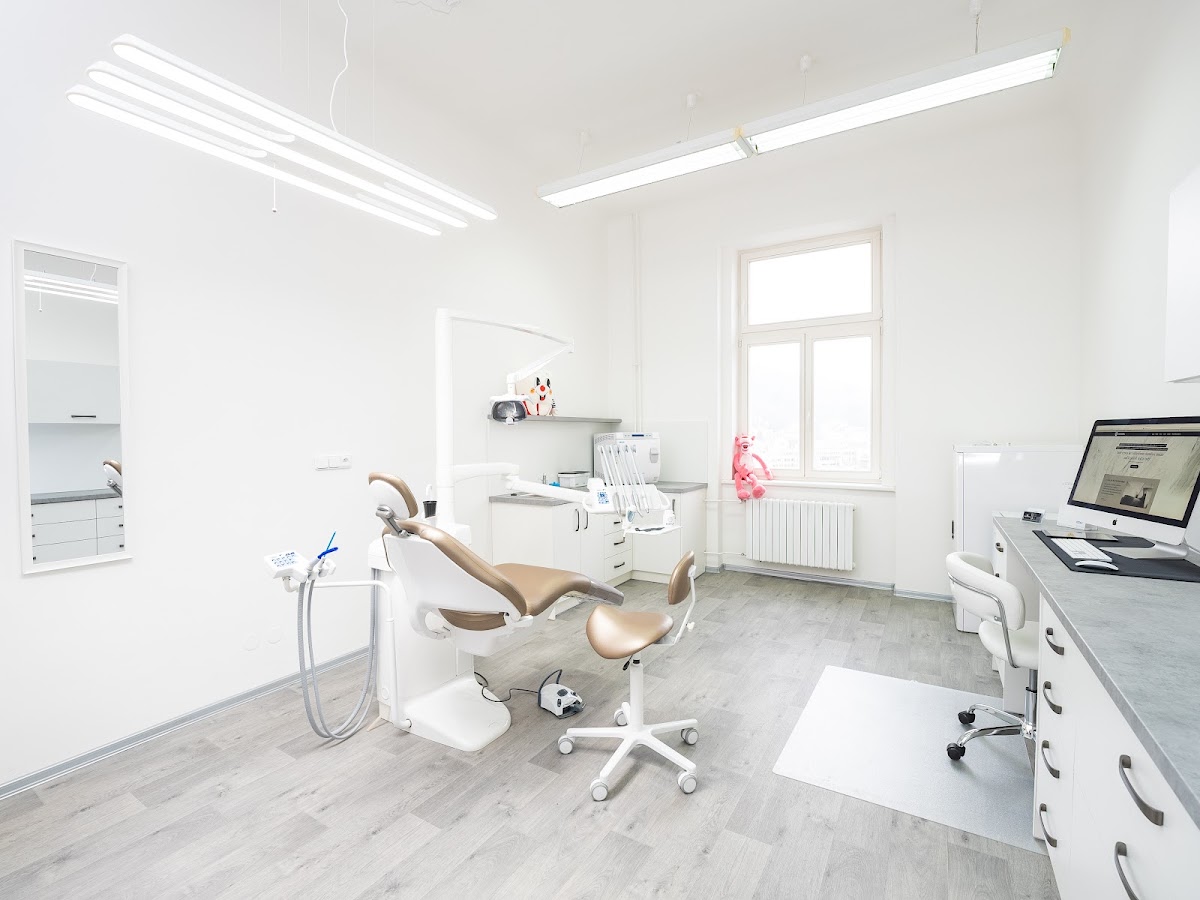
The Charles University Department of Dentistry (Stomatologicka klinika 1. lekarskej fakulty UK a VFN) is a leading academic dental institution in Prague 2, Czech Republic, operating as part of the First Faculty of Medicine at Charles University -- one of Europe's oldest universities, founded in 1348 -- and the General University Hospital Prague (VFN). The department functions as both a teaching institution and a tertiary referral centre, handling complex surgical and medical cases that exceed the scope of standard private dental clinics. Founded in 1922, it represents more than a century of academic dental medicine and surgical training in the heart of Central Europe.
The department is led by Prof. MUDr. et MUDr. Rene Foltan, Ph.D., FEBOMS, who holds the credential of Fellow of the European Board of Oral and Maxillofacial Surgery -- one of the most rigorous specialist qualifications available in European dentistry and maxillofacial surgery. This internationally benchmarked credential signals that surgical training and outcomes standards at the department meet EU-wide specialist board requirements. The oral surgery division is headed by MUDr. et MUDr. Jiri Holakovsky, and the faculty includes multiple practitioners holding the dual MUDr. et MDDr. degree -- meaning they are trained and credentialed in both general medicine and dental medicine, a combination that reflects the complex surgical and medical nature of the cases treated here.
Oral and maxillofacial surgery is the department's primary specialty. Services cover the full surgical spectrum from complex tooth extractions and implantology through to microsurgical reconstructive surgery, free flap procedures, jaw reconstruction following trauma or cancer resection, temporomandibular joint surgery, and surgical correction of obstructive sleep apnea syndrome. The department operates a dedicated oncology clinic for oral and facial tumors, providing indication assessments, treatment planning, oncological rehabilitation, and long-term monitoring. Patients referred to this clinic may require complex multi-stage surgical and reconstructive treatment that integrates with oncology and radiotherapy teams at the General University Hospital.
Microsurgical reconstruction is among the most specialized services offered anywhere in the Czech Republic. The department performs free flap surgery -- a technique that transfers living tissue with its blood supply from one part of the body to reconstruct facial structures lost to cancer, trauma, or congenital conditions. This level of surgical complexity is available at very few centres in Central Europe and places the department at the top of the referral hierarchy for the most demanding facial and jaw reconstruction cases.
The Photonic Medicine Center, located at a satellite address at Ke Karlovu 13, Praha 2, provides laser and photonic-based treatment for oral mucosal lesions, skin tumors, and a range of conditions that respond to light-based therapeutic approaches. This is an unusual offering even by university hospital standards and reflects the department's investment in emerging therapeutic technologies alongside its classical surgical practice.
A dedicated TMJ, facial pain, and jaw osteonecrosis clinic operates within the department's ambulatory (outpatient) program. Temporomandibular joint disorders, including clicking, locking, and chronic pain of the jaw joint, are evaluated and treated using a range of approaches from conservative physiotherapy-adjacent methods through to surgical intervention for the most severe cases. The osteonecrosis clinic specialises in medication-related osteonecrosis of the jaw (MRONJ), a serious complication that can affect cancer patients receiving bisphosphonates or other bone-modifying agents -- a condition requiring very specific surgical and medical expertise to manage safely.
Implantology at the department benefits from the full diagnostic and surgical infrastructure of a university hospital setting. Implant planning is supported by on-site imaging and the surgical team's experience with complex reconstructive cases, including implant placement in grafted or reconstructed bone. The breadth of surgical skill available means that even patients with significant bone loss or complex medical histories can be evaluated for implant treatment options that might not be feasible at a standard private clinic.
The broader Department of Stomatology also covers the full range of general dental disciplines across multiple sites in Prague 2. The main teaching clinic at Katerinska 32 and the Faculty Polyclinic at Karlovo namesti 32 together provide orthodontics, periodontology, pediatric dentistry, prosthodontics, restorative dentistry, and oral medicine. These services are delivered by faculty dentists and supervised students, with the characteristic arrangement of Czech university dental clinics where academic standards govern treatment quality.
Patient access is structured around the Czech public health insurance system. All major Czech insurers hold contracts with VFN, so Czech-insured patients can access much of the department's care with insurance coverage. International patients and self-paying individuals are explicitly accepted, with a 30% self-pay discount applied to the standard tariff for procedures not covered by Czech public insurance. Payment by cash and card is accepted at reception. Appointment booking is handled by phone or email, and specialist surgical consultations typically benefit from a referral from a general dentist or physician, though the department has some flexibility on this requirement.
For international patients considering treatment in Prague, the Charles University Department of Dentistry is most relevant for complex cases -- patients who need oral surgery, jaw reconstruction, TMJ management, implants in challenging bone conditions, or oral oncology evaluation -- rather than routine restorative or cosmetic dentistry. The department does not operate a dedicated international patient coordination service, so patients should be prepared to navigate scheduling and communication independently. English is spoken at faculty level, and the department runs an English-language teaching program, giving it more international communication capacity than a typical Czech public hospital unit. The combination of FEBOMS-credentialed surgical leadership, tertiary-level facilities, and pricing substantially below Western European equivalents makes this department a meaningful option for the subset of dental tourists whose clinical needs require university hospital resources.