Dental Tourism
Weekend Day Trips from Hanoi: Ha Long Bay, Ninh Binh, Sapa & More (2026)
One of the best-kept secrets in dental tourism is this: the days between your dental appointments are often the best days of your entire trip. In Hanoi, a city surrounded by some of Vietnam’s most spe
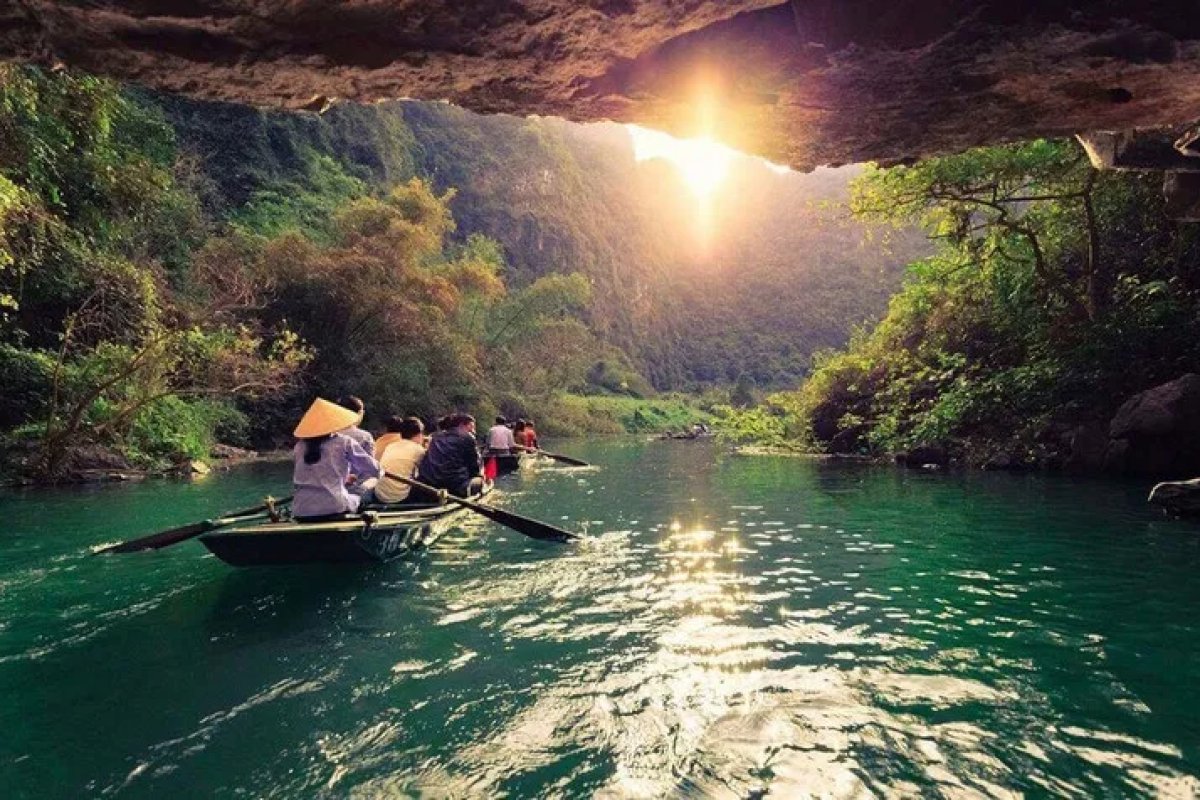
One of the best-kept secrets in dental tourism is this: the days between your dental appointments are often the best days of your entire trip. In Hanoi, a city surrounded by some of Vietnam’s most spectacular landscapes, your lab days and recovery windows become opportunities for world-class travel experiences. Ha Long Bay is 170 km away. Ninh Binh’s limestone valleys are 95 km. Sapa’s terraced rice fields are a night train away. You don’t just come to Hanoi for the dentist. You come for all of this.
This guide covers eight of the best day trips and weekend getaways from Hanoi in 2026, with distances, travel times, costs, what to see, the best season to visit, and crucially, which trips suit dental tourists at different stages of their treatment. Whether you’re on Day 4 after implant surgery or floating through lab-day freedom, there’s a perfect trip here for you.
Planning a dental trip to Hanoi?
Compare listed clinics, request free quotes & build your treatment plan.
Quick Summary: Best Day Trips from Hanoi
- Ha Long Bay, 170 km, 3.5 hrs by bus+boat, from $60 USD/person. Best: overnight cruise during lab days.
- Ninh Binh, 95 km, 2 hrs by car, from $15 USD. Best: boat trip through Trang An or Tam Coc. Gentle, ideal for recovery days.
- Sapa, 320 km, overnight train. From $25 USD. Best: trekking through rice terraces. Active, suit for post-treatment free weeks.
- Mai Chau, 135 km, 2.5 hrs. From $20 USD. Quiet valley, cycling, stilt-house stay. Ideal for recovery.
- Hoa Lu Ancient Capital, 90 km, 2 hrs. Free entry to temples. Often combined with Ninh Binh.
- Ba Vi National Park, 60 km, 1.5 hrs. Nature walks, cool air. Closest escape from the city.
- Perfume Pagoda, 70 km, 2 hrs. Boat ride + cable car to ancient Buddhist shrines.
- Bat Trang Ceramic Village, 13 km, 30 min. Half-day only. Paint-your-own ceramics. Perfect on a recovery afternoon.
How to Plan Day Trips Around Your Dental Appointments
The key to a brilliant dental holiday is understanding your treatment’s rhythm. Every dental procedure has a predictable schedule of active appointment days, lab-fabrication days (when the clinic is making your crowns, veneers, or dentures), and recovery windows. These gaps are your travel time.
Lab Days: Your Freedom Window
For procedures involving lab-fabricated restorations (veneers, crowns, zirconia bridges, dentures), you’ll typically have 3–7 free days between your preparation appointment and your fitting appointment. This is golden time. You’ll have temporary restorations in place and mild (if any) sensitivity. This is when you do Ha Long Bay. This is when you head to Sapa. This is when you do the Ninh Binh overnight.
Recovery Days: Gentle vs Active
| Day Post-Procedure | What You Can Do | Recommended Trip |
|---|---|---|
| Day 1 post-surgery | Rest. Hotel only. | None. Order in pho. Watch a film. |
| Days 2–3 post-surgery | Gentle walking (30–45 min). No exertion. | Bat Trang Village (half-day, very close, low-impact) |
| Days 4–5 post-extraction | Walking tours, gentle boat rides, museums. | Ninh Binh / Trang An boat trip; Hoa Lu temples |
| Days 5–7 post-extraction | Short hikes (1–2 hrs). Light activity. | Ba Vi National Park; Perfume Pagoda |
| Lab days (no surgery) | Full day trips, overnight stays, boat cruises. | Ha Long Bay overnight; Sapa weekend |
| Post-whitening / veneers (no surgery) | All trips. Minor sensitivity only. | Any destination. Avoid very cold drinks. |
Important: Always discuss your travel plans with your dentist before departure. The timelines above are general guidelines. Implant surgery, bone grafts, and full extractions require more conservative recovery windows, your dentist’s specific advice takes precedence. Most Hanoi clinic staff are experienced with international patients and will actively help you plan your trip around your treatment schedule.
For a detailed breakdown of treatment timelines, see our guide: How Many Days Do You Need in Hanoi for Dental Treatment?
Comparison Table: All 8 Destinations at a Glance
| Destination | Distance | Travel Time | Cost (from) | Best Duration | Best For | Dental Patient Suitability |
|---|---|---|---|---|---|---|
| Ha Long Bay | 170 km | 3.5–4 hrs | $60/person | 2 days / 1 night | Scenic wow-factor; lab days | Lab days only |
| Ninh Binh | 95 km | 2 hrs | $15/person | 1–2 days | Boat trips; recovery days | Day 4+ post-op |
| Sapa | 320 km | Overnight train | $25/person | 2–3 days | Trekking; active travellers | Lab days only |
| Mai Chau | 135 km | 2.5 hrs | $20/person | 1–2 days | Quiet getaway; cycling | Day 4+ post-op |
| Hoa Lu | 90 km | 2 hrs | $10/person | Half to full day | History; temple visits | Day 4+ post-op |
| Ba Vi NP | 60 km | 1.5 hrs | $5/person | Half to full day | Cool air; light walks | Day 5+ post-op |
| Perfume Pagoda | 70 km | 2 hrs | $15/person | Full day | Spiritual; boat + cable car | Day 5+ post-op |
| Bat Trang Village | 13 km | 30 min | $3/person | Half day | Gentle; shopping; crafts | Day 2+ post-op |
Cost figures are approximate 2026 prices per person on a shared tour. Private tours and higher-end options cost more. “Post-op” refers to days after an extraction or implant procedure; lab days (between veneer prep and fitting) involve no surgical recovery.
1. Ha Long Bay, The Overnight Cruise
Ha Long Bay is one of the most extraordinary natural landscapes on the planet. A UNESCO World Heritage Site since 1994, the bay contains over 1,600 islands and limestone karsts rising from emerald water, many hollow, hiding vast cave systems. At dawn, the mist rolls between the karsts and the water turns silver. At sunset, everything glows orange and rose. There is almost nowhere in the world like it.
For dental tourists, Ha Long Bay is the perfect lab-day destination. While your clinic’s technicians are fabricating your crowns or veneers back in Hanoi, you’re on the water, kayaking through grottos, watching the sun set from the cruise deck, and eating excellent seafood. Most organised cruises include return transport from your Hanoi hotel door.
How to Get There
Organised cruise (recommended): Most 2-day cruises include minibus/shuttle pickup from your Old Quarter hotel, bus to Ha Long City (Tuan Chau port), then board the junk boat for 2 days/1 night. Total door-to-door from Hanoi: about 3.5–4 hours. Private car hire: ~$80–120 USD each way for a 4-seat car. Bus: Hanoi to Ha Long City, Hung Thanh and Duc Hanh buses run daily from My Dinh bus station, ~3.5 hours, 200,000 VND (about $8 USD). Then connect by taxi or shuttle to your cruise.
What to Do
- Kayak through Luon Cave, a sea cave system accessible only by kayak at low tide
- Hang Sung Sot (Surprising Cave), the bay’s most impressive cave, 10,000 sq m of stalactites and chambers
- Ti Top Island beach, swim (check with dentist if 72hrs+ post-procedure)
- Sunrise photography from the cruise deck at 5:30am
- Seafood dinner on the boat: crab, prawns, squid, soft options available
- Optional: cooking class on board, tai chi at sunrise, squid fishing at night
Costs
- Budget (2D/1N junk cruise): $60–90 USD per person all-inclusive (meals, kayaking, cave entry)
- Mid-range (2D/1N cabin cruise): $120–180 USD per person. Private en-suite cabin, better food, smaller groups.
- Luxury (Indochine Sails, Paradise, Bhaya): $250–450 USD per person. Balcony cabins, jacuzzis, gourmet dining.
Best Season
October to April is best, clear skies, calm water, 15–25°C. May to September is summer monsoon season: hot, humid, possibility of typhoons and bay closures in July–August. The bay is visitable year-round but check weather forecasts before booking. October–November and March–April are the sweet spots.
Dental tourist tip: Ha Long Bay is best during your lab days (the 3–7 day gap between tooth prep and final fitting). The cruise involves no strenuous activity, you’re a passenger on a boat. Swimming is fine 72+ hours after whitening or veneers with no open surgical sites. Do not go if you have had implant surgery within the last 4 days, you need to be within easy reach of your clinic. Most Hanoi clinics will give you written confirmation of your treatment status to carry.
2. Ninh Binh, Trang An & Tam Coc
Ninh Binh is often called “Ha Long Bay on Land”, and it earns the comparison. The Trang An landscape complex (a UNESCO World Heritage Site since 2014) combines limestone karsts, ancient temples, rice paddies, and river gorges into one of the most visually stunning environments in Vietnam. The boat ride through the Trang An grottos, a flat-bottomed wooden boat rowed by a local boatwoman through a series of water caves and open paddy valleys, is one of the gentlest, most beautiful travel experiences in all of Asia.
For dental tourists in recovery, Ninh Binh is ideal. The core activity (the boat ride) involves zero exertion, you sit in the boat while your guide rows. The air is clean, the scenery is extraordinary, and the trip is 2 hours from Hanoi.
Trang An vs Tam Coc: Which to Choose?
Trang An (UNESCO): Longer route (about 2.5–3 hours on the boat), more caves, more varied scenery, less commercial. The boat passes through 9 caves and 3 open valleys. This is the better experience and suits all levels of mobility. Entry: 250,000 VND (~$10 USD) including boat.
Tam Coc (“Three Caves”): Shorter (about 2 hours), more photographed, more tourist infrastructure. The iconic view of rowers navigating past flooded rice paddies with karst towers is Tam Coc. Entry: 150,000 VND (~$6 USD). More vendors on the river trying to sell scarves, be prepared.
Verdict for dental tourists: Trang An is the better experience. Tam Coc is fine if time is limited.
How to Get There
- Organised day tour (recommended): Departs Hanoi around 7:30am, returns by 6:30pm. ~$25–35 USD includes transport, boat, and usually Hoa Lu temples. Easy to book from any hotel in the Old Quarter.
- Private car: $50–70 USD for a full day (car + driver). More flexibility.
- Bus + motorbike: Ha Nam bus from My Dinh station to Ninh Binh (~60,000 VND), then xe om (motorbike taxi) to Trang An.
What Else to See
- Bai Dinh Pagoda: Vietnam’s largest Buddhist complex. Excellent if combined with an overnight stay.
- Hoa Lu Ancient Capital (covered separately below), usually combined with Ninh Binh in a single day trip.
- Mua Cave: 500 stone steps to a hilltop viewpoint over the Ninh Binh plain. Not recommended for post-surgical recovery patients due to the steep climb. Fine for lab-day visitors.
Dental tourist tip: Ninh Binh is the #1 recommended day trip for patients in early post-operative recovery (Days 4–7 after extractions or implant surgery). The Trang An boat ride is zero-exertion, seated, peaceful, and the soft food options at riverside restaurants (steamed rice, soft fish, pho) are perfect for recovery eating.
3. Sapa, Trekking the Rice Terraces
Sapa is the most dramatic landscape within reach of Hanoi. A highland town in the Hoang Lien Son mountains near the Chinese border, Sapa sits at 1,600 m elevation and is surrounded by some of Asia’s most spectacular rice terrace landscapes. Muong Hoa Valley, Lao Chai, and Y Linh Ho villages are all reachable on foot from town. The rice terraces, carved into near-vertical mountainsides by H’mong, Dao, and Tay ethnic minority communities over centuries, are extraordinary at any time of year.
How to Get There
- Overnight train (recommended): Departs Hanoi (Ga Ha Noi) around 9:45pm, arrives Lao Cai at ~6:30am. Soft sleeper cabin: ~$20–35 USD each way. Then take the dedicated tourist bus or taxi from Lao Cai to Sapa (38 km, 1 hour, ~$3–8 USD). This is the classic way to arrive, wake up in the mountains.
- Direct Sapa Express bus: Hanoi to Sapa, ~6 hours, departing from My Dinh or Giap Bat. Several operators: Sapa Phin Cabin, Hung Thanh. Fares from $10 USD.
- Private car: Hanoi to Sapa by car, ~5–6 hours. Expensive (~$150–200 USD) but very comfortable.
What to Do
- Guided village treks (most popular): Half-day or full-day treks to H’mong or Dao minority villages with a local guide. Routes: Sapa → Cat Cat Village (45-min walk from town) or Sapa → Y Linh Ho → Lao Chai → Ta Van (full day, 14 km).
- Fansipan Summit: Vietnam’s highest peak at 3,143 m. Cable car from Sapa town to the summit takes 20 minutes. Not for the faint-hearted but accessible without trekking.
- Muong Hoa Valley: Cycling or walking through paddy fields and local villages. Serene and beautiful.
- Sapa market: Saturday night market (Bac Ha, 90 min from Sapa) is the most colourful in the north, a mosaic of ethnic minority costumes, produce, and crafts.
Best Season
March–May: Terraces are green and lush. Occasional mist adds atmosphere. September–November: The golden season, rice harvest turns the terraces from green to gold to amber. Extraordinary photography. December–February: Cold (Sapa can get frost and occasional snow), but hauntingly beautiful. Fewer tourists. June–August: Rain season. Possible flash floods. Not ideal for trekking.
Dental tourist note: Sapa involves meaningful physical exertion (trekking on uneven terrain, altitude). This destination is only suitable during lab days (no recent surgery) or before/after your treatment block. Reserve Sapa for your freedom window. The overnight train is perfectly comfortable but involves movement, not recommended within 72 hours of surgical procedures.
4. Mai Chau, The Quiet Valley
Mai Chau is one of northern Vietnam’s most peaceful valleys, and one of the least visited by international tourists compared to its quality. A deep, flat-bottomed valley ringed by forested limestone mountains, home to White Thai and H’mong minority villages of traditional stilt-houses. The valley floor is a patchwork of rice paddies, vegetable gardens, and bamboo groves. It’s quiet, beautiful, and completely unhurried.
For dental patients, Mai Chau is an excellent recovery destination, the valley is almost entirely flat, the main activity is gentle cycling between villages, and the stilt-house guesthouses provide a genuine cultural experience without any physical demands.
How to Get There
- Organised day tour or overnight tour: Widely available from Hanoi. ~$30–50 USD per person for a day trip; ~$60–100 for an overnight in a stilt-house homestay.
- Bus: Hanoi (Yen Nghia bus station) → Hoa Binh → Mai Chau. About 3–3.5 hours total. Cost: ~60,000–80,000 VND ($3–4 USD) each way.
- Motorbike: Popular with younger travellers. ~2.5 hours on the Ho Chi Minh Highway. Scenic and excellent. Not recommended post-surgery.
What to Do
- Rent a bicycle and cycle the flat valley floor between Lac and Pom Coong villages (~30 min each way)
- Visit White Thai weaving workshops and buy hand-woven silk scarves directly from artisans
- Stay overnight in a traditional stilt-house homestay, one of Vietnam’s most atmospheric sleep experiences
- Watch a White Thai traditional dance performance in the evening (usually included in homestay packages)
- Hike to Hang Kia and Pa Co villages for H’mong minority communities (half day; moderate trail)
Dental tourist tip: Mai Chau is the best “recovery destination” for patients who want something culturally rich but physically undemanding. The flat cycling is gentle, the food at homestays includes excellent soft options (steamed sticky rice, braised vegetables, pork and tofu soups), and the valley is serene. An overnight stay on Day 4–5 post-extraction is perfectly feasible, the drive is smooth and comfortable.
5. Hoa Lu Ancient Capital
Hoa Lu was the capital of Vietnam from 968 to 1010 AD, during the Dinh and Le dynasties, before the capital moved to Hanoi (then Thang Long). Today, the ancient capital’s two main temples, Dinh Tien Hoang Temple and Le Dai Hanh Temple, survive amid a dramatic landscape of limestone peaks and rice paddies. The setting is as striking as the history: temples surrounded by karst mountains, with buffalo grazing in the paddies below.
Hoa Lu is usually combined with the Ninh Binh trip into a single day: Hoa Lu temples in the morning, Trang An boat ride in the afternoon. This is one of the most rewarding single days available from Hanoi.
How to Get There
Almost all organised Ninh Binh day tours include Hoa Lu as part of the itinerary. Entry is free (or included in combined tickets). The site is compact, both temples are within a 10-minute walk of each other.
What to See
- Dinh Tien Hoang Temple: Dedicated to Emperor Dinh Tien Hoang, Vietnam’s first emperor to unify the country. The inner sanctum contains a gilded bronze statue of the emperor flanked by his sons.
- Le Dai Hanh Temple: Dedicated to Emperor Le Dai Hanh, who expanded the kingdom and repelled Chinese aggression. Beautiful lacquered interior.
- Ma Yen Mountain: A steep climb (around 300 steps) to a pagoda on the hilltop with views over the ancient capital valley. Not recommended for post-surgical patients; fine for lab-day or pre-treatment visitors.
6. Ba Vi National Park
Ba Vi National Park is Hanoi’s closest meaningful nature escape, a forested mountain massif rising to 1,296 m, with cool air, hiking trails, a small zoo, hot springs, and the atmospheric ruins of French colonial hill-station buildings. On weekends, local families drive out from the city to picnic, and the air quality is noticeably better than downtown Hanoi. For dental tourists who want a green, fresh-air day without a long drive, Ba Vi is the answer.
How to Get There
- Grab car: ~$25–35 USD each way. Most convenient option.
- Motorbike hire: ~$10–15 USD/day for a semi-automatic. Popular with independent travellers.
- Organised tour: Day tours available from Old Quarter, typically combined with Duong Lam Ancient Village or Thay Pagoda.
What to Do
- Walk the Km 6–Km 9 trail through cloud forest: easy to moderate, 2–3 km each way
- Visit the ruins of the French hill-station at the summit area: abandoned colonial buildings reclaimed by jungle, beautiful and melancholy
- Ba Vi Dairy Farm: At the park base, the farm produces excellent fresh yoghurt and milk. An ideal soft-food stop for recovering dental patients.
- Swim at the Ao Vua resort area within the park boundary (pools and natural springs, open to day visitors)
- Duong Lam Ancient Village (nearby, 30 min from Ba Vi): Vietnam’s best-preserved traditional village, with stone houses dating to the 17th century
Dental tourist tip: Ba Vi is excellent from Day 5 post-extraction onwards. The short walks are gentle, the altitude brings welcome cool air (good for swelling), and the dairy farm’s fresh yoghurt is perfectly suited to a recovering mouth. Pick up 2–3 pots to take back to your hotel.
7. Perfume Pagoda (Chua Huong)
The Perfume Pagoda complex is one of Vietnam’s most sacred Buddhist pilgrimage sites, a series of ancient shrines and temples built into the karst cliffs of Huong Tich Mountain, on the Yen River southwest of Hanoi. The experience begins with a 4 km rowing boat journey along the river (rowed by local women) through a landscape of water, limestone peaks, and forested cliffs. At the head of the river, you ascend to the main pagodas either by cable car or on foot (2 km uphill trail).
The Huong Pagoda Festival (January to April) is Vietnam’s largest religious festival, attracting millions of pilgrims. Visiting outside festival season is considerably more peaceful and half the price.
How to Get There
Almost all visitors take an organised day tour from Hanoi (from $20–35 USD including boat, cable car, and guide). Independent access is possible but complex.
Key Highlights
- Boat ride on the Yen River: 4 km each way through extraordinary scenery. Sit back and let the rowers do the work.
- Huong Tich Cave: The most sacred cave, a vast natural grotto with a 10-metre Buddhist altar inside the mountain.
- Cable car: A modern gondola to the summit (strongly recommended for dental tourists, avoids the 2 km steep climb each way).
- Multiple pagoda complexes: Thien Tru (“Paradise Pagoda”), Tien Son Cave, Hinh Bong.
Dental tourist tip: Take the cable car (both up and down). The rowing-boat portion is zero-exertion. The cave and pagoda visits involve walking on flat or gently sloping paths. This is a beautiful, culturally rich full day that suits patients from Day 5 post-extraction onwards, provided the cable car is used. Festival season (February–March) is crowded; outside of that, it’s serene.
8. Bat Trang Ceramic Village
Bat Trang is a living ceramics village on the bank of the Red River, 13 km from Hanoi’s Old Quarter, close enough for a half-day trip on an early recovery day. The village has been producing ceramics for over 600 years, and the tradition continues with hundreds of family workshops producing everything from fine porcelain tableware and tea sets to decorative tiles and Buddhist shrine pieces.
The Bat Trang market (Cho Gom) is a giant covered ceramics market where you can browse and buy direct from the kilns. Many workshops offer paint-your-own pottery sessions (about $5–10 USD, pieces fired and mailed to you if you prefer). This is one of the most enjoyable, low-exertion, and culturally rich half-day experiences available from Hanoi.
How to Get There
- Grab car: ~$5–8 USD each way. The fastest and most comfortable option.
- Bus 47: From Long Bien bus station (15 min walk from Old Quarter). 9,000 VND (~$0.40 USD). Takes 40–50 minutes.
- Red River boat: Seasonal boat service from Hanoi to Bat Trang (45 min each way, ~$3 USD). Available from Chuong Duong dock. A beautiful and relaxing option if running in your visit month.
What to Do
- Browse the Bat Trang Ceramic Market, five floors of every type of ceramic imaginable, directly from producers
- Paint your own bowl or vase at one of the many workshop studios (Bat Trang workshop sessions widely available; pieces posted internationally)
- Visit a traditional kiln workshop to see the production process, most family workshops are open to visitors
- Eat at Bat Trang village cafes, a quiet lunch of bun rieu (crab noodle soup, soft and gentle) by the Red River
Dental tourist tip: Bat Trang is the ideal Day 2 or Day 3 trip, close, gentle, entirely flat, and requiring nothing more strenuous than browsing and shopping. The Grab taxi takes 30 minutes. You’re back in your hotel for an afternoon rest with new ceramics in your bag.
Ready to book your Hanoi dental trip?
Browse listed Hanoi clinics, compare prices for implants, veneers, and crowns, and request a free quote. Plan your treatment around the day trips in this guide.
See Hanoi Dental Clinics →Booking Tips & Tour Operators
General Booking Advice
- Book tours after confirming your dental treatment schedule. First lock in your clinic appointments; then book day trips around the lab days and recovery windows. Never book a day trip on the same day as a major dental appointment.
- Book Ha Long Bay and Sapa trips at least 3 days in advance, quality cruises and overnight train sleeper berths sell out, especially October–April.
- Book Ninh Binh, Ba Vi, and Bat Trang the day before, these can be arranged quickly through your hotel concierge or directly via Grab.
- All-inclusive organised tours are worth paying for if you’re travelling solo or managing energy post-procedure. Door-to-door service removes all logistical stress.
- Travel insurance: Ensure your policy covers dental complications and emergency medical evacuation in Vietnam. For more on this, see our Hanoi Dental Packing List.
Recommended Tour Operators (2026)
| Operator | Speciality | Best For | Price Range |
|---|---|---|---|
| Indochine Sails / Paradise Cruises | Ha Long Bay luxury cruises | Ha Long Bay premium | $$$ |
| Bhaya Cruises | Ha Long / Lan Ha Bay boutique | Ha Long Bay mid–luxury | $$$ |
| Sapa O’Chau | Ethical trekking tours; H’mong guides | Sapa village treks | $$ |
| Handspan Adventure Travel | Northern Vietnam multi-day tours | Ninh Binh, Sapa, Mai Chau | $$–$$$ |
| Viet Bamboo Travel | Budget to mid-range Hanoi day trips | Ninh Binh, Perfume Pagoda | $–$$ |
| Hotel concierge / TripAdvisor | Last-minute group day tours | Ba Vi, Bat Trang, Perfume Pagoda | $ |
What to Tell Your Tour Operator
When booking any day trip during a dental recovery period, be upfront with your tour operator or guide:
- That you are recovering from a dental procedure and may need to skip strenuous activities
- That you need access to soft or liquid foods at meal stops
- That you may need to rest more frequently than other tour members
- That you carry medication and may need pharmacy access if stopping in a town
Good tour guides, especially those used to international tourists from Australia, the UK, and Canada, will accommodate this without any issue. Hanoi is well accustomed to dental tourists.
For full trip planning guidance, see our step-by-step guide: Planning a Dental Trip to Hanoi: Step-by-Step Guide.
Related Guides for Hanoi Dental Tourists
Combining a Hanoi Holiday With Dental Treatment
5 ready-to-use itineraries: 5-day whitening trip to 14-day smile makeover.
How Many Days in Hanoi for Dental Treatment?
Treatment-by-treatment day count guide. Crowns: 5 days. Implants: 10+. Veneers: 7.
Where to Stay in Hanoi for Dental Treatment
Best areas by clinic location: Old Quarter, West Lake, Ba Dinh.
Frequently Asked Questions
Can I do a Ha Long Bay cruise during my dental treatment trip?
Yes, but time it correctly. The Ha Long Bay overnight cruise is ideal during your lab days (when your crowns or veneers are being fabricated and no clinic appointments are needed). These lab windows are typically 3–7 days long, giving you plenty of time for a 2-day cruise. Do not book Ha Long Bay within 4 days of a surgical procedure (implant, extraction, bone graft). For veneer prep with temporaries, the cruise is fine from Day 2–3 as long as there’s no open surgical site. Clinics like Picasso Dental and Westcoast International regularly advise patients on travel compatibility during treatment.
Which day trip is best for someone who just had an implant?
For the first 3 days post-implant surgery, no day trips. Day 1 is rest-only. Days 2–3, gentle Old Quarter walks are fine but no trips requiring transport. From Day 4–5 (with dentist confirmation), Bat Trang Ceramic Village (30 min, completely flat, half day) and Ninh Binh / Trang An (2 hrs, seated boat ride, no exertion) are the best options. Avoid Sapa, trekking, and anything requiring significant walking or physical effort for at least 7–10 days post-surgery. Once your post-op check is clear, fuller trips like Ba Vi and the Perfume Pagoda are appropriate.
How far is Sapa from Hanoi and is it worth doing as a day trip?
Sapa is 320 km from Hanoi (approximately 6 hours by bus, or overnight train from 9:45pm arriving 6:30am). A day trip to Sapa is not recommended, the journey alone is 12 hours return, and the experience requires at least 2 nights to be worthwhile. The correct approach is a 2–3 night trip, ideally using the overnight train each way. The scenery and villages are extraordinary but cannot be appreciated in a single rushed day. Budget: from $25 USD one-way (train sleeper); $40–100 USD for 2 nights in Sapa with tours and meals included.
What is the best month to visit Ninh Binh and Ha Long Bay?
For Ha Long Bay: October–April, with October–November and March–April being the clearest and most comfortable. Avoid July–August (typhoon risk, bay closures possible). For Ninh Binh: also October–April for cool, clear weather. September–October is actually spectacular as late-season rains keep the paddies green and lush. November brings the rice harvest to the valleys, making the landscape golden. Both destinations are manageable year-round with some flexibility around weather.
Can I eat normally at restaurants on a Hanoi day trip?
Yes, in most cases. Every restaurant in the Ninh Binh, Ha Long, and Perfume Pagoda area serves pho, rice porridge (chao), and steamed rice dishes, all of which are excellent post-dental soft foods. Even on Ha Long Bay cruise boats, the galley always has a soft option (fish congee, steamed fish, plain rice). Tell your tour guide or boat cook about any dietary restrictions and they will accommodate you. For a full guide to post-dental eating options in Vietnam, see: What to Eat After Dental Surgery in Hanoi.
Plan Your Hanoi Dental Trip + Day Trips
Browse Hanoi’s best international dental clinics, compare treatment prices, and build a trip that combines world-class dental care with Vietnam’s most extraordinary travel experiences.
Explore Hanoi Dental ClinicsDisclaimer: Travel distances, times, and costs are approximate 2026 figures and may vary. Post-treatment activity guidelines in this article are general information only and do not constitute medical advice. Always follow the specific instructions of your treating dentist regarding activity restrictions, travel, eating, and physical exertion during and after dental treatment. SmileJet provides information and clinic connections, we do not provide dental treatment advice. Travel insurance covering dental complications and medical evacuation is strongly recommended for all dental tourists travelling to Vietnam.
Prices are indicative; only a clinic's written quote applies to you. See how we source prices. SmileJet is an information service, not a healthcare provider, and nothing here is medical advice.
Want this priced for your own mouth? Send a photo and we will come back with written quotes from clinics that fit.
Get my quoteIf you are also looking at treatment
What it costs, and who does it.
Published clinic fees, not estimates. Indicative until a clinic puts a quote in writing.
Dental care in Hanoi
Prices, clinics and how a treatment trip there actually works.
Dental implants in Hanoi
What a single implant costs there, and which systems the clinics use.
Veneers in Hanoi
Composite, E.max and zirconia, with the price each clinic publishes.
All-on-4 in Hanoi
Full-arch pricing, how many trips it takes, and who handles the complex cases.
Keep reading
Related guides.
Questions to ask a Cuenca dentist before you book
Twelve questions that separate a quote you can rely on from one you cannot. Ask them before you book flights.
Why Ecuador quotes dental work in US dollars
Ecuador is the rare dental destination where the quoted number and the paid number are the same.
Ecuador, Costa Rica or Mexico for dental work
An honest comparison, including the ways Ecuador loses. We list one clinic there, and that is a real limitation.
Send a photo. Get three quotes.
It costs nothing and it does not commit you to anything. Most people hear back the same day.