
Hidden Costs of Retiring in Vietnam Nobody Tells You
The YouTube videos show $1,000-a-month paradise. Here are the 15 budget-busting realities they leave out, and how to plan for each one.
Vietnam is genuinely one of the most affordable places in the world to retire. That part is true. But the viral "I retired in Vietnam on $800 a month" content creates unrealistic expectations that lead to real financial stress when the hidden costs start stacking up.
This is not an anti-Vietnam article. We think Vietnam is an extraordinary retirement destination. But you deserve the full picture, not just the highlight reel. Here are 15 costs that consistently surprise new retirees, along with the real numbers and practical ways to manage each one.

Vietnamese markets are wonderfully cheap for local produce, but imported Western goods carry a steep markup that catches many retirees off guard.
#1 Visa Runs $800 - $1,400/year
Vietnam has no retirement visa. Most retirees use 90-day e-visas and exit the country every three months to reset their stay. Each "visa run" involves a return flight to Bangkok, Kuala Lumpur, Phnom Penh, or Singapore (USD $100-$250), one to two nights of accommodation ($30-$100), meals and transport ($30-$60), and a new e-visa fee ($25-$50). That is $200-$350 per trip, or $800-$1,400 per year for four quarterly runs.
THE FIX: Budget for four visa runs per year from day one. Some retirees turn visa runs into mini-holidays, flying to Siem Reap, Bali, or Penang and making the mandatory exit enjoyable. Read our full visa guide for all your options.
#2 Health Insurance $800 - $3,000+/year
Vietnam does not require health insurance, so many retirees skip it to save money. This is a serious gamble. A hospital stay for a heart attack, stroke, or serious accident at a private hospital can cost $5,000-$20,000+. Without insurance, you are one bad day away from a financial crisis.
Mid-tier international health insurance for a 60-year-old costs approximately $800-$1,500 per year. Comprehensive plans (including outpatient, dental, and evacuation) run $1,500-$3,000+. Premiums increase significantly with age; by 70, expect to pay 50-100% more than at 60.
THE FIX: Get insurance before you need it. Premiums are lower when you are younger and healthy. Pre-existing conditions declared after you have a policy are handled differently than conditions you try to insure after diagnosis. Providers like SafetyWing, Cigna Global, and Bupa International offer plans designed for expats in Southeast Asia.
#3 Electricity Bills $100 - $150/month
This is the one that blindsides the most retirees. Vietnam uses progressive (tiered) electricity pricing: the more kilowatt-hours you consume, the higher the rate per unit. Air conditioning is the biggest driver. Running two AC units for 8-10 hours a day in a two-bedroom apartment can push your monthly electricity bill to $100-$150. In a country where a bowl of pho costs $2, a $150 electricity bill feels shocking.
The tiered system means your first 50 kWh are cheap, but once you cross into higher consumption tiers (which happens fast with AC), you pay a steep premium on every additional unit.
THE FIX: Use AC only for sleeping (8 hours overnight) and use fans during the day. Set the AC to 26-27 C rather than blasting it at 20 C. Choose an apartment with good airflow and ceiling fans. If you hate heat, consider Da Lat, where the highland climate means you rarely need AC at all. Track your electricity bill from month one so you can adjust before it spirals.
#4 Lifestyle Creep +$500 - $2,000/month
This is the invisible budget killer. Many retirees arrive in Vietnam budgeting $1,500/month and find themselves spending $2,500-$3,500 within 12-18 months. It happens gradually: you upgrade from a local apartment to a serviced apartment with a pool. You stop eating pho on the street and start brunching at Australian-style cafes. You join a gym, then a social club. You start drinking imported wine instead of local Saigon beer. Each individual upgrade feels small and affordable. Together, they double your budget.
THE FIX: Write down your target monthly budget before you arrive and review your actual spending every month for at least the first year. Keep a simple spreadsheet or use a budgeting app. Awareness is 90% of the cure. There is nothing wrong with spending more if you can afford it, but do it consciously, not by default.
#5 Imported Food & Alcohol 2x - 5x local prices
Local Vietnamese food is extraordinarily cheap. A meal at a neighbourhood restaurant costs $1.50-$4. But the moment you start buying imported cheese, olive oil, breakfast cereal, good wine, or craft beer, your grocery bill looks a lot more like home. A bottle of Australian wine that costs AUD $15 in Sydney costs $20-$30 in Vietnam. A wedge of imported cheddar: $8-$12. A jar of peanut butter from a Western brand: $5-$7.
THE FIX: Eat local as much as possible. Vietnamese cuisine is world-class and incredibly affordable. Save imported indulgences for occasional treats rather than daily staples. Buy imported goods at wholesale stores (Mega Market, formerly Metro) or online platforms (Shopee, Lazada) for better prices than expat-oriented shops.
#6 Currency & Transfer Fees 1% - 6% per transfer
Your pension and savings are in AUD, USD, GBP, or EUR. Your life is in Vietnamese Dong. Every time you move money across that border, you lose a percentage to fees and exchange rate margins. Traditional bank wire transfers can cost $20-$50 per transaction plus a 2-4% exchange rate markup. Over a year of monthly transfers, that adds up to hundreds of dollars in lost value.
The VND also fluctuates against major currencies. A 5% swing in the AUD/VND rate can effectively change your monthly purchasing power by $50-$100 without you spending a single extra dong.
THE FIX: Use a service like Wise (formerly TransferWise) which offers the mid-market exchange rate with low, transparent fees, typically 0.5-1.5% total cost. Transfer larger amounts less frequently to minimise per-transaction fees. Keep a buffer of 2-3 months of living expenses in VND so you can time your transfers and avoid converting at unfavourable rates. Read our cash vs card guide and ATM guide for more money tips.
#7 First-Month Setup Costs $1,500 - $4,000 one-off
Your first month in Vietnam is significantly more expensive than every month after it. Typical setup costs include a rental deposit (usually 2 months' rent upfront: $400-$1,400), basic furnishings or household items not included in the apartment ($200-$500), a motorbike purchase or deposit ($500-$1,500 for a decent used Honda), a SIM card and phone setup ($5-$20), kitchen essentials and toiletries ($50-$100), and initial wardrobe adjustments for the climate ($50-$200).
THE FIX: Budget $1,500-$4,000 as a separate one-time "setup fund" on top of your ongoing monthly budget. Do not try to fund setup costs from your regular monthly income or you will start your Vietnam life feeling financially squeezed. See our SIM card guide to save on one small piece of this.
#8 The "Foreigner Price" 10% - 50% markup
Dual pricing exists in Vietnam. It is not universal, but it is common enough to notice. Taxis, market vendors, some restaurants, and even landlords may charge foreigners more than locals. At markets, a vendor might quote you 100,000 VND for something a Vietnamese customer would pay 60,000 VND for. Some landlords charge 30-50% more for apartments rented to foreigners.
This is not malicious. It is simply how informal commerce works in much of Southeast Asia. But over a year, the accumulated "foreigner tax" adds up.
THE FIX: Learn basic Vietnamese numbers and bargaining phrases. Use Grab for transport (fixed, transparent pricing). Ask Vietnamese friends or neighbours about fair prices before making major purchases. For rentals, check local listings on Vietnamese platforms (not just expat Facebook groups, which tend to show inflated prices). The longer you live in Vietnam and the more Vietnamese you speak, the less you will pay.
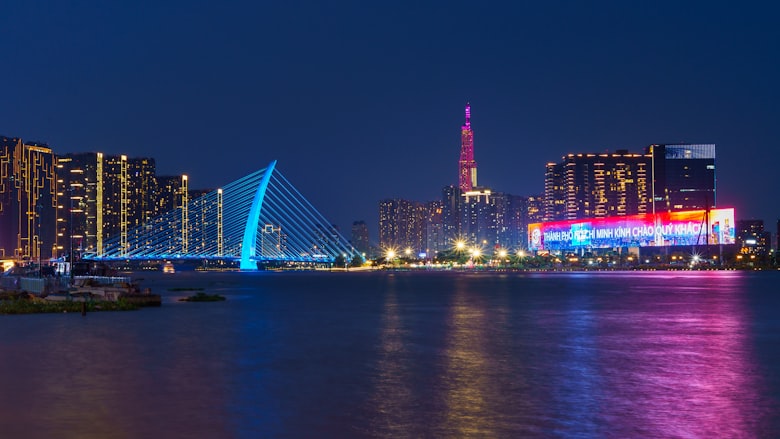
Upgrading from a local neighbourhood to a river-view serviced apartment is the most common trigger of lifestyle creep for expat retirees in Vietnam.
#9 Deferred Dental Work $500 - $15,000+ one-off
Many retirees arrive in Vietnam with years of deferred dental work. Back home, the cost of implants, crowns, veneers, or full-mouth restorations was prohibitive, so they put it off. Now that dental care costs 50-85% less, they want to get everything done at once. This is smart, but it is still a significant expense, even at Vietnamese prices.
A single dental implant costs $800-$1,500. A set of 10 porcelain veneers runs $2,500-$4,500. An All-on-4 restoration is $4,500-$8,000 per arch. If you need multiple procedures, the first-year dental bill can easily reach $5,000-$15,000.
THE FIX: Get a virtual consultation and a detailed treatment plan with pricing before you move. This lets you budget accurately and avoid surprises. Many clinics offer staged payment plans tied to treatment milestones. Platforms like SmileJet let you request a free quote from listed clinics and read real patient stories before committing. Even at Vietnam prices, an All-on-6 is still cheaper than a single implant in Australia.
#10 Annual Trips Home $1,500 - $4,000/trip
You will want to visit family and friends at least once a year. A return flight from Vietnam to Australia costs $500-$1,200 depending on timing and airline. Add accommodation (even if staying with family, there are expenses), domestic transport, gifts, eating out, and "while I'm here" shopping, and a two to three week home visit easily costs $1,500-$4,000.
Some retirees also need to return for medical appointments, banking tasks, or tax-related matters that cannot be handled remotely.
THE FIX: Budget one home trip per year as a fixed annual expense. Book flights during shoulder season (February-May, September-November) for the best prices. Combine your home trip with your visa run to avoid a separate exit journey.
#11 Tax Compliance Costs $500 - $2,000/year
International tax between your home country and Vietnam is complex. You may need to file returns in both jurisdictions, claim foreign income tax offsets, and navigate DTA provisions. Doing this yourself is risky. An international tax accountant familiar with your home country and Vietnam typically charges $500-$2,000 per year for a straightforward retiree tax situation.
Getting it wrong can result in penalties, overpaid taxes, or missed credits that cost far more than the accountant's fee.
THE FIX: Engage a qualified cross-border tax advisor before you move, not after. The upfront cost pays for itself in avoided mistakes and optimised tax positioning. See our Australian retiree tax guide for the key issues to discuss with your advisor.
#12 Motorbike Ownership $500 - $1,500 + $30-$60/month
In most Vietnamese cities, a motorbike is the most practical way to get around. A decent used Honda (Wave, Future, or Air Blade) costs $500-$1,500 to buy. Monthly running costs (fuel, maintenance, insurance) add $30-$60. What the budget blogs do not mention: the legal grey area of foreigners riding motorbikes in Vietnam.
Technically, you need a valid Vietnamese driving licence or an International Driving Permit recognised in Vietnam to ride legally. Many expats ride without one. If you have an accident while riding without a valid licence, your travel insurance will almost certainly refuse to cover your medical costs. This is a hidden risk, not just a hidden cost.
THE FIX: Get a valid licence or International Driving Permit before riding. Confirm with your insurance provider that motorbike riding is covered under your policy. If you prefer not to ride, Grab motorbike taxis are cheap ($1-$3 for most city trips) and widely available.
#14 Medical Emergency Fund $5,000 - $10,000 reserve
Even with health insurance, you may face gaps: uncovered procedures, policy deductibles and co-pays, emergency dental work, or the need for medical evacuation to Singapore or Bangkok for treatment not available in Vietnam. A separate emergency fund of $5,000-$10,000, kept in an accessible account, provides a critical safety net.
THE FIX: Set aside this fund before you move and do not touch it for non-emergencies. Keep it in a currency you can access quickly (USD or AUD in a multi-currency account). Review and top it up annually.
#15 Vietnamese Inflation 3% - 5% per year
Vietnam's economy is growing rapidly, and prices are rising with it. Annual inflation runs 3-5%, which means your cost of living increases every year even if your spending habits stay the same. Rent, food, electricity, and services all creep upward. Over a 10-year retirement, a 4% annual increase turns a $1,500/month budget into roughly $2,200/month in real terms.
Meanwhile, your pension or investment income may not keep pace, especially if it is denominated in a currency that weakens against the VND.
THE FIX: Build a 10-15% annual buffer into your long-term retirement projections. Do not plan your 20-year retirement based on today's prices. Review your budget against actual costs every year and adjust your withdrawal rate or spending accordingly. Diversifying income sources (pension + investment returns + savings interest) provides more resilience than relying on a single income stream.
The Real Budget: What to Actually Plan For
| Cost Category | Annual Hidden Cost (USD) | Notes |
|---|---|---|
| Visa runs | $800 - $1,400 | 4 quarterly exits |
| Health insurance | $800 - $3,000 | Increases with age |
| Electricity (AC premium) | $600 - $1,200 | Above basic usage expectation |
| Imported food/alcohol | $600 - $2,400 | Depends on habits |
| Currency transfer fees | $300 - $1,000 | Bank-dependent |
| Annual home trip | $1,500 - $4,000 | Flights + expenses |
| Tax compliance | $500 - $2,000 | Cross-border accountant |
| Social/club memberships | $600 - $3,600 | Gym, golf, dining, activities |
| Total hidden annual costs | $5,700 - $18,600 | $475 - $1,550/month on top of base budget |
Add these to a base budget of $1,000-$1,800/month, and a realistic all-in retirement budget for Vietnam is $1,500-$3,350/month. That is still dramatically cheaper than retiring in Australia ($4,000-$6,000/month), the US ($3,500-$5,500/month), or the UK ($3,000-$4,500/month). Vietnam remains an incredible deal. You just need to plan for the real number, not the YouTube number.
Frequently Asked Questions
What are the biggest hidden costs of retiring in Vietnam?
Visa runs ($800-$1,400/year), health insurance ($800-$3,000/year), electricity bills with AC ($100-$150/month), lifestyle creep, imported food, currency transfer fees, and the one-time cost of deferred dental work.
How much should I really budget per month?
A realistic all-in budget including hidden costs is $1,500-$3,350/month, depending on city, lifestyle, and whether you have significant dental or medical needs. Budget 20-30% more than your initial estimate.
Why are electricity bills so high in Vietnam?
Vietnam uses progressive tiered pricing. The more you consume, the higher the per-unit rate. Air conditioning is the primary driver. Running AC 8-10 hours daily can push bills to $100-$150/month. Use AC sparingly and choose well-ventilated apartments to manage this.
Is health insurance really necessary in Vietnam?
It is not legally required, but going without it is a serious financial risk. A hospital stay for a major illness or accident at a private hospital can cost $5,000-$20,000+. Insurance premiums of $800-$3,000/year are a fraction of potential out-of-pocket costs.
How can I avoid lifestyle creep?
Track your spending monthly for at least the first year. Write down your target budget and compare actual spend against it. Eat local food most of the time. Upgrade your apartment only after a conscious decision, not a gradual drift. Awareness is the best defence.
Should I get dental work done in my first year?
Yes, if you have deferred work. Vietnam's dental prices are 50-85% lower than Australia, the US, or the UK. Getting implants, crowns, or veneers done early in your stay lets you enjoy the results for the rest of your retirement. Get a quote before you move so you can budget accurately.
How much do visa runs actually cost?
$200-$350 per trip (flight + 1-2 nights accommodation + meals + new e-visa). That is $800-$1,400 per year for quarterly exits. Many retirees combine visa runs with short holidays to make them enjoyable rather than annoying.
Is Vietnam still worth it despite the hidden costs?
Absolutely. Even with all hidden costs accounted for, the total monthly budget ($1,500-$3,350) is still dramatically less than the $4,000-$6,000/month needed for a comparable lifestyle in Australia. The key is planning for the real number, not the fantasy number.
Prices are indicative; only a clinic's written quote applies to you. See how we source prices. SmileJet is an information service, not a healthcare provider, and nothing here is medical advice.
What treatment costs there
Published clinic fees, not estimates. Indicative until a clinic puts a quote in writing.
#13 Social & Club Memberships $50 - $300/month
Retirement can be isolating, especially in a foreign country. Joining social clubs, sports leagues, gym memberships, coworking spaces (for the social element), and expat networking groups costs money. A gym membership runs $20-$70/month. A golf club can be $100-$300/month. Even casual social activities, regular dinners with friends, weekend trips, happy hours, add $100-$300/month to your budget.
THE FIX: This is money well spent for your wellbeing. Budget for it. But choose your social spending consciously. Free options exist: walking groups, volunteer organisations, language exchange meetups, temple visits, and park exercise groups. Mixing free and paid social activities keeps costs manageable.