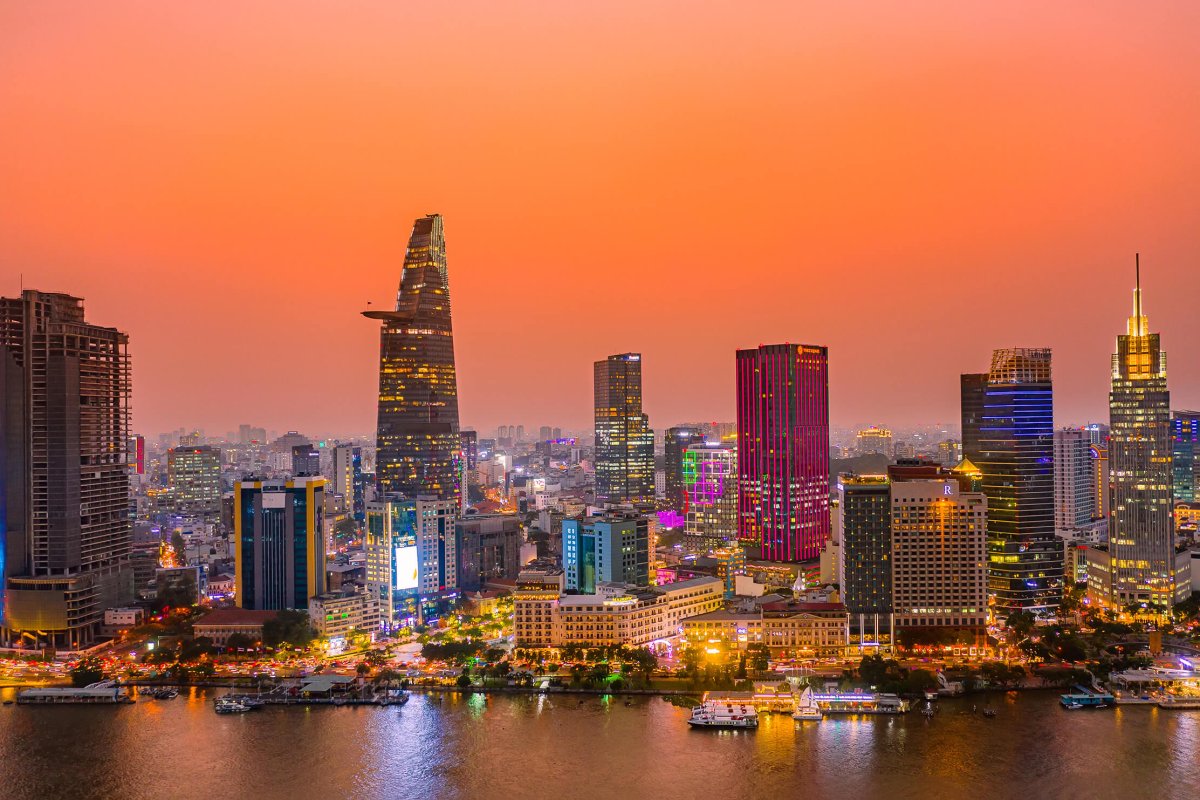
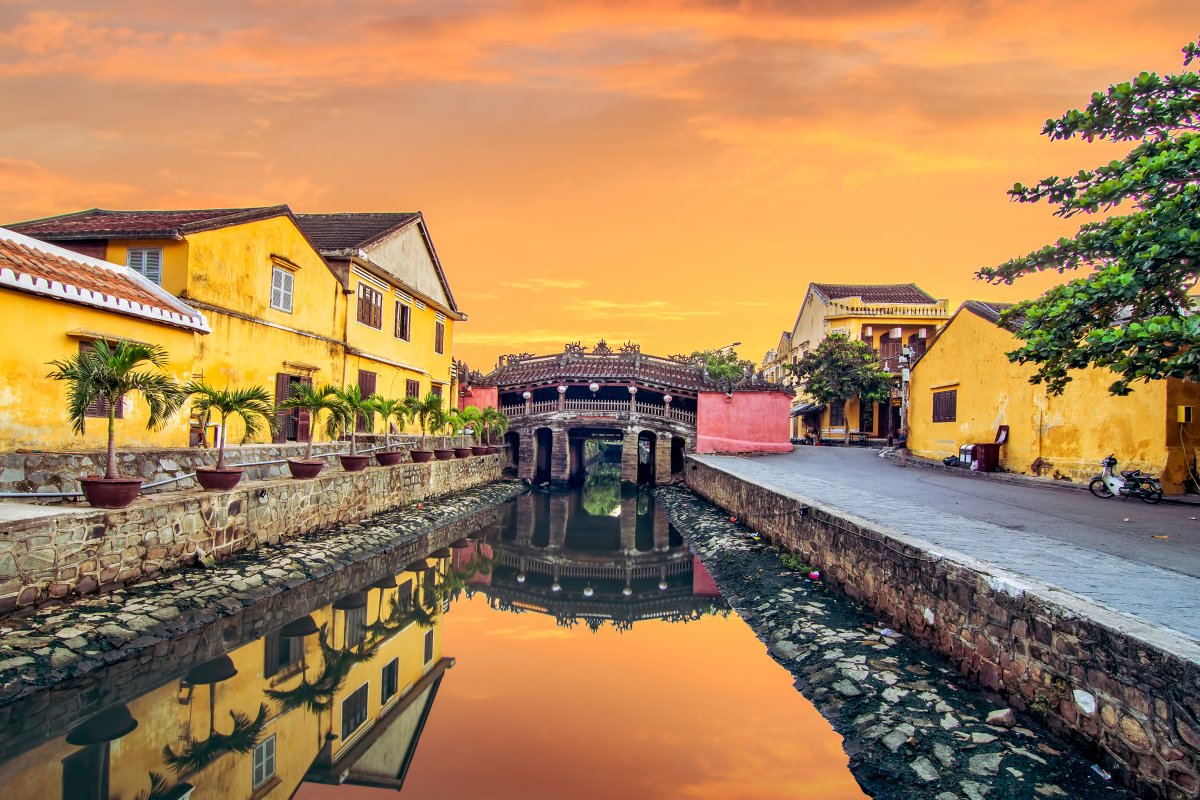
Both Vietnam and Thailand have mature dental tourism networks. Both fly direct from Sydney in roughly nine hours. Both have top-tier clinics that meet international protocols on Straumann and Nobel Biocare implants. The most-asked patient question, "which one is better", does not have a universal answer. The decision is patient-profile-fit, not country quality.
The headline pricing differential
Vietnam consistently runs 25 to 35 percent cheaper than Thailand for the same procedure at comparable clinical tiers. A single implant in Vietnam ranges US$850-1,150; in Thailand US$1,200-1,800. An All-on-4 single arch in Vietnam runs US$6,500-7,400; in Thailand US$8,500-11,000. These are not headline-loss-leader prices in either country: they are typical ranges across the partner-clinic networks.
The reason for the price gap is overhead, not clinical quality. Bangkok rents and Phuket tourism-zone leases run higher than equivalent Vietnamese cities. Wages for senior implantologists are higher in Thailand than Vietnam. Equipment lease costs run modestly higher. Top-tier Thai clinics are marketing into a more saturated dental tourism market and have less price elasticity. None of this means Thai clinical work is worse; it means the cost stack behind the procedure is higher.
For multi-treatment cases (full mouth reconstruction, both arches All-on-4) the Vietnamese price advantage compounds. A full-mouth case at US$15,000 in Vietnam vs US$22,000-28,000 in Thailand can be the deciding factor by itself.
Where Thailand wins decisively
Tourism polish. Thailand has been receiving large-scale international tourism since the 1980s; Vietnam since the 2000s. The translates to: smoother visa-free entry (30 days for AU/NZ/US/UK/CA on arrival, no application), more developed tourism infrastructure around the dental clinics (especially in Phuket), and a longer-tenured English-speaking hospitality industry. Patients who have visited Thailand before, or who plan to combine treatment with a Thailand holiday they were already taking, often find the trip-pairing logic decisive.
Bangkok specifically holds an edge for the patient who values a major cosmopolitan city around their treatment. Vietnamese top-tier clinics in Ho Chi Minh City offer comparable urban density, but Bangkok is older, larger, and more thoroughly internationalised. Patients arriving for cosmetic-only smile makeovers (where the recovery experience is part of the appeal) sometimes prefer Bangkok over HCMC for these reasons.
Where Vietnam wins decisively
Network curation. Vietnam has five SmileJet cities and a curated partner network in each, with treatment coordination support across the country. Thailand has a much larger but less consolidated dental tourism market. The variance from top-tier to mid-tier clinics is wider in Thailand. For patients who want consistent partner-clinic standards rather than to navigate clinic-by-clinic research, Vietnam is the cleaner choice.
Climate diversity. Vietnam stretches 1,650 km north-to-south and includes tropical island Phu Quoc; Thailand has Bangkok central plus Phuket coastal and Chiang Mai cool-north as the main options. For patients who specifically want cool-winter recovery (Hanoi October-April) or tropical-island recovery (Phu Quoc November-April), Vietnam's options are more suitable.
Phu Quoc specifically. The 30-day visa-free entry for every passport at Phu Quoc International is a meaningful operational advantage for patients who want to skip the e-visa application. Thailand's visa-free 30 days applies to all entry points but is not specifically calibrated for dental tourism; Phu Quoc was designated specifically as an SEZ to attract international visitors.
Country-wide coordination. If a Hoi An patient needs follow-up work, SmileJet can liaise with partner clinics in Da Nang or HCMC to help arrange it, rather than tying you to one location. Thailand's clinic-by-clinic aftercare structure is the international norm but means returning to the same clinic. For patients who plan multi-trip cases, the network coordination is operationally useful.
The patient profile fit
Vietnam fits patients who: are price-sensitive on multi-treatment cases; want a curated network rather than open-marketplace research; value flight-time efficiency from Australia or New Zealand specifically; want recovery climate options beyond hot-coastal; or specifically want the Phu Quoc visa shortcut.
Thailand fits patients who: are pairing dental treatment with a Thailand holiday they were already taking; have an existing preference for Bangkok or Phuket clinics; value visa-free entry to all major cities (not just one SEZ); place high weight on tourism infrastructure polish; or have specific clinic referrals from prior personal experience.
For first-time Asian dental tourism patients with no prior preference, my honest recommendation is Vietnam. The combination of pricing, curation, and country-wide treatment coordination support makes the friction lower for someone unfamiliar with the region. For repeat patients with a Thai connection, Thailand is the path of least resistance.
The structured comparison
For the table-format comparison with row-by-row data on prices, flight times, visa, climate, and patient profile fit, see Vietnam vs Thailand: which is right for you?. This editorial post is the narrative companion to the structured page.